TLP:CLEAR · Disclosure is not limited.
Europe: Russia-Linked Hybrid Pressure Intensifies
Time window: Last 1 day · Audience: General analyst · Type: Situation report · DTG: 2026-09-17 02:06Z · Overall confidence: HIGH
BLUF
Russia is very likely to sustain deniable hybrid pressure against Europe through sabotage, drone incursions, arson, information operations and intimidation networks. European institutions are responding with stronger consultation, sanctions and defence proposals, but attribution remains contested in several incidents and the immediate risk of miscalculation is higher than the risk of open Russia-NATO conflict.
Executive summary
European intelligence agencies and the European Parliament report a rising pattern of Russian-linked hybrid activity, including more than 150 documented attacks since February 2022 and a tally exceeding 189 by September 2026. Recent reporting covers drone incidents in Lithuania, arson planning in Poland and Lithuania, suspected attacks against German infrastructure, and alleged Russian intelligence plots targeting dissidents in Europe and the US. On 16 September, the European Parliament adopted a non-binding resolution calling for stronger sanctions, emergency consultations and possible use of the EU mutual defence clause in serious hybrid scenarios. The main uncertainties concern attribution, the outcome of the Leipzig/Halle drone incident, and whether proposed EU mechanisms will become operational.
Change from previous assessment
Since the 16 September brief, confidence in the wider pattern of Russia-linked hybrid activity has increased from medium to high because new reporting adds attack tallies exceeding 150 and 189, a European Parliament resolution, the proposed EU counter-hybrid playbook and additional reporting on arson and recruitment networks. The assessment of near-term military miscalculation remains likely at medium confidence because the Lithuanian drone and Baltic maritime incidents are now accompanied by further cross-border reporting, but no claim establishes Russian intent to trigger open conflict. A new low-confidence judgment has been added on intimidation operations targeting dissidents and Ukraine-aligned infrastructure. The previous low-confidence assessment of Russian undersea activity is not carried forward because the current reporting adds no corroboration on completed cable sabotage.
Key judgments
- Russia is very likely to sustain a below-threshold hybrid campaign against Europe over the next 1-3 months, combining sabotage, drone incursions, arson, information operations and recruitment of deniable agents. European intelligence agencies report more than 150 Russian-linked attacks since February 2022, while MEP Rihards Kols cited more than 189 attacks by September 2026. The European Parliament identifies Russia, including activity conducted through Belarus and controlled intermediaries, as the most serious state-sponsored hybrid threat to the EU. Reporting on the Leipzig/Halle drone incident remains unresolved, and German authorities describe the separate electricity-sabotage suspect as motivated by climate activism, so individual case attribution remains uneven. (Confidence: high · ASSESSED)
- I&W: Confirm: Within 0-14 days, authorities in Poland, Lithuania or Germany announce a new arson, drone or cyber case and identify Russian intelligence, a Russian-linked network or a named intermediary as responsible. (0-14 days)
- I&W: Break: Within 1-3 months, German and Polish investigations attribute the recent Leipzig/Halle and infrastructure cases to domestic actors while European intelligence agencies report no new Russian-linked incident. (1-3 months)
- A dangerous military incident near NATO territory is likely over the next 1-3 months, while open Russia-NATO kinetic conflict remains unlikely. Italian fighter jets downed a drone that entered Lithuanian airspace from Belarus, NATO jets reportedly shot down a drone over Lithuania, Poland recovered a drone from its territorial waters, and a Russian warship fired flares at a Danish military helicopter in the Baltic Sea. The assessment rests partly on a single senior NATO diplomat's description of the current response as keeping calm and carrying on, so confidence is medium rather than high. (Confidence: medium · ASSESSED)
- I&W: Confirm: Within 0-14 days, NATO or a national air force intercepts another drone entering the airspace of Lithuania, Poland, Romania or Finland, or a Russian naval unit directs flares or other hazardous activity at an allied aircraft. (0-14 days)
- I&W: Break: Over 1-3 months, no new airspace or maritime incident occurs and NATO members establish a publicly announced incident-management or deconfliction arrangement with Russia. (1-3 months)
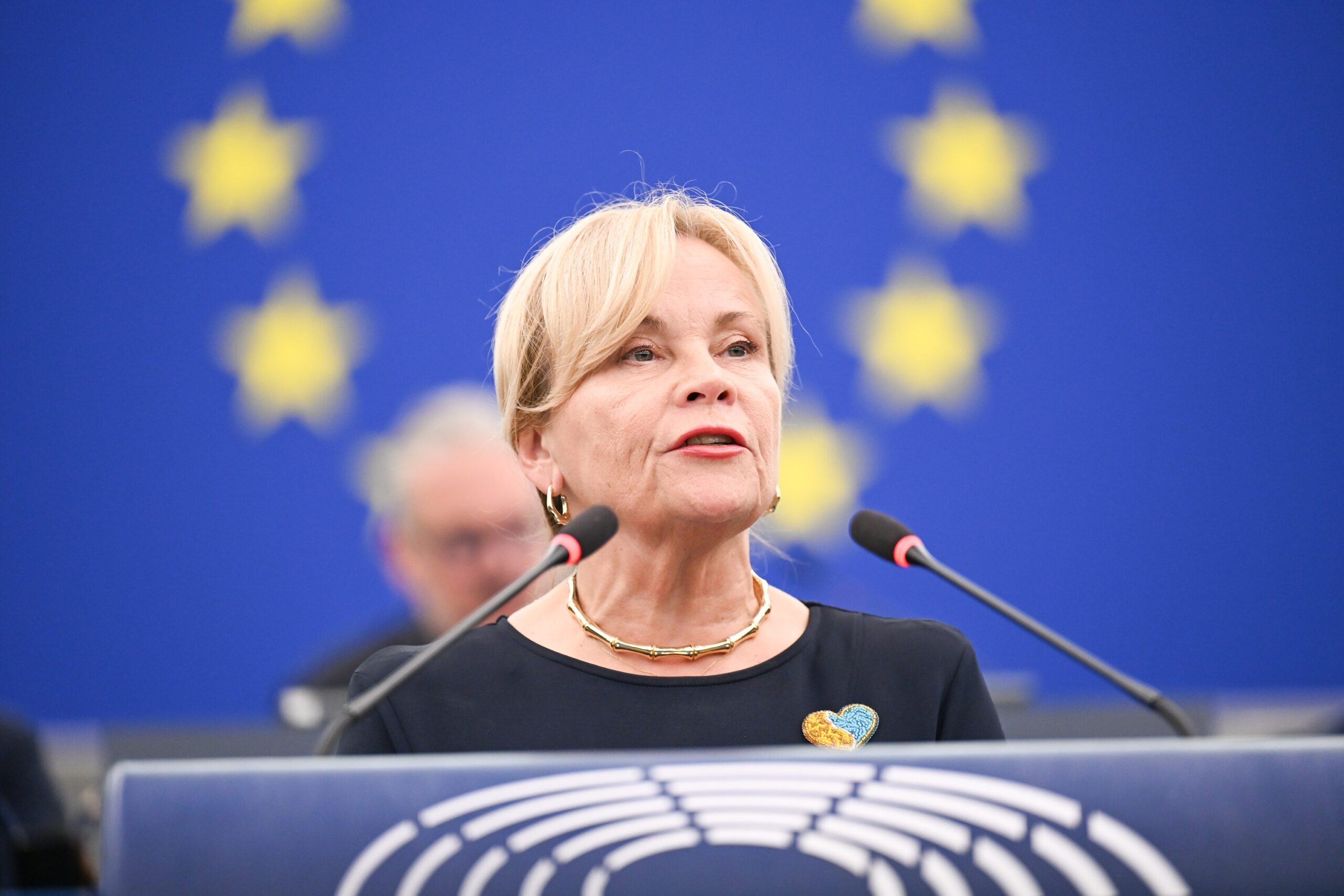
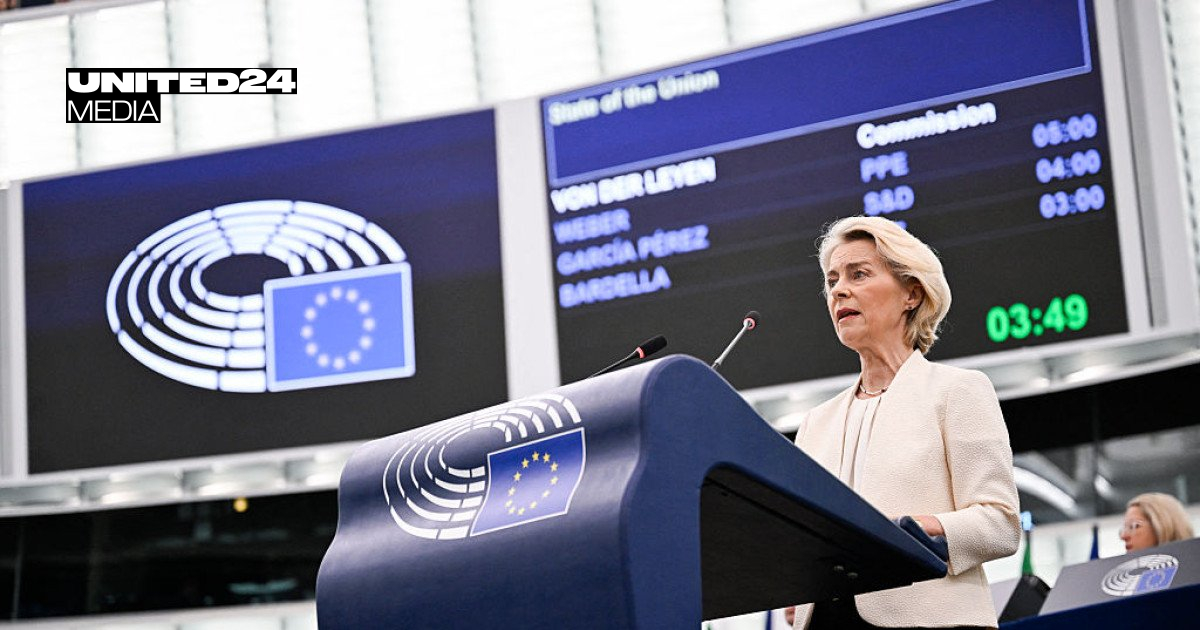
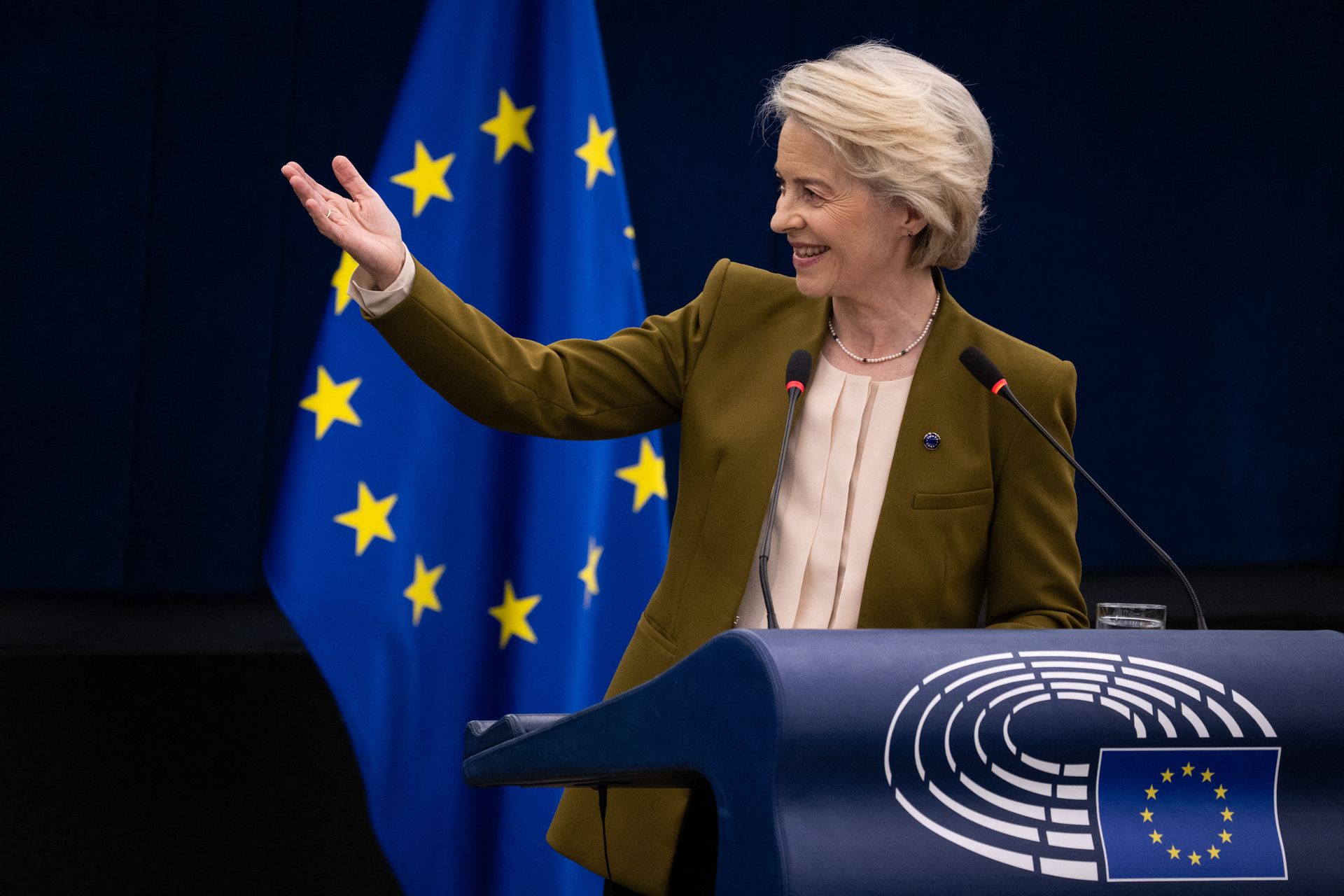
- European governments are very likely to harden their institutional and punitive response to Russian-linked hybrid activity, but implementation will likely remain uneven. The European Parliament adopted a non-binding resolution by 470 votes to 129, with 62 abstentions, calling for a separate hybrid-threat sanctions regime, emergency consultations and preparation for applying the EU mutual defence clause in particularly serious hybrid scenarios. Ursula von der Leyen has proposed an EU equivalent of NATO Article 4, a counter-hybrid playbook, a European Security Council and NATO-aligned strategic enablers. Confidence is medium because the resolution is non-binding and the supplied reporting places some announcements on different dates and locations. (Confidence: medium · ASSESSED)
- I&W: Confirm: Within 1-3 months, the European Commission or EU member states publish an implementation timetable for the counter-hybrid playbook, adopt the proposed sanctions regime or hold emergency consultations under the new mechanism. (1-3 months)
- I&W: Break: Within 1-3 months, EU member states formally reject the proposed Article 42(7) mechanism or leave the counter-hybrid proposals without an implementation timetable. (1-3 months)
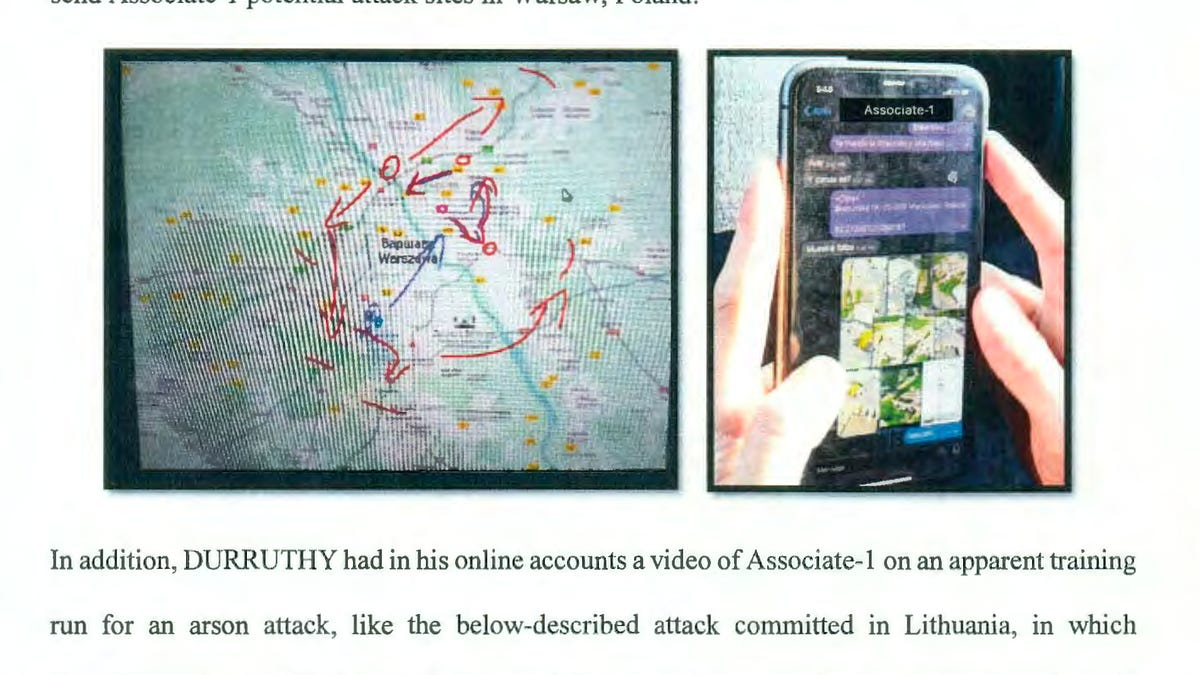
- Russia-linked intimidation operations against dissidents and Ukraine-aligned infrastructure in Europe and the US are likely to continue, but confidence is low because the available evidence consists largely of unadjudicated US indictments and media reporting. The US Department of Justice charged five men allegedly connected to Russian intelligence services over plots targeting a Russian dissident in the Washington, DC, area and people in Lithuania. Prosecutors also allege attacks against civilian and military infrastructure in European countries aligned with Ukraine, while all five accused remain at large. (Confidence: low · ASSESSED)
- I&W: Confirm: Within 1-3 months, US or European authorities arrest or charge additional named recruits and release evidence linking them to Russian intelligence services or the alleged infrastructure attacks. (1-3 months)
- I&W: Break: Within 1-3 months, prosecutors withdraw or materially qualify the allegations, or public evidence attributes the relevant plots to domestic extremist or criminal actors without a Russian link. (1-3 months)
Outlook & scenarios
Persistent deniable pressure, likely (60%)
Russia-linked drone, sabotage, arson and information activity continues below the threshold of open conflict. EU institutions advance emergency consultation and sanctions proposals, while national authorities manage incidents individually and avoid military escalation.
Uneven European response, roughly even chance (30%)
The European Parliament's resolution generates political support but implementation stalls because the measures are non-binding and national governments differ over attribution, sanctions and the relationship with NATO. Russia exploits these divisions through low-cost, deniable operations.
Military miscalculation, unlikely (12%)
A further drone incursion or hazardous Baltic maritime encounter causes casualties or damage. NATO members hold urgent consultations and strengthen air and maritime precautions, but the incident remains contained without open conflict.
Direct Russia-NATO confrontation, very unlikely wildcard (5%)
A drone or maritime incident is followed by a confirmed Russian attack on NATO territory or forces. The resulting demand for collective defence measures produces the sharpest escalation in the reporting period and overwhelms the current preference for keeping the crisis below the threshold of open conflict.
Recommendations
- Maintain a 0-14 day watchlist for drone incursions, Russian naval activity in the Baltic Sea, arson at warehouses and equipment facilities in Poland and Lithuania, and attacks on power infrastructure in Germany.
- Separate confirmed facts, official allegations and analytic attribution in reporting on the Leipzig/Halle incident, the German electricity cases and the US indictment. Do not treat the alleged GRU link or the reported Russian intelligence network as adjudicated fact.
- Track whether the European Commission publishes an implementation timetable for the counter-hybrid playbook, Article 4-style consultations, the European Security Council and the proposed horizontal sanctions regime.
- Monitor EU-NATO coordination for evidence of duplicated crisis structures, including national objections, competing consultation channels or delays in applying the proposed EU mechanisms.
- Prioritise collection on Russian-linked recruitment of deniable agents, including payment networks, travel between Russia and EU states, communications with recruits and links to attacks on Ukraine-aligned infrastructure.
- Reassess the open-conflict warning level immediately if a future incident causes casualties on NATO territory, involves a Russian naval unit targeting an allied aircraft, or prompts formal collective-defence consultations.
Confidence & uncertainty
Overall confidence is high because the central judgment is supported by multiple independent source types, including European intelligence reporting, European Parliament material, European Commission and EEAS statements, official government reporting and major media coverage. The pattern of hybrid activity and the direction of European policy are well corroborated. The main uncertainties concern case-level attribution, the conflicting accounts of the Leipzig/Halle drone incident, the unadjudicated allegations in the US indictment and the practical implementation of proposed EU mechanisms.
Intelligence gaps
- [EEI 1.1 · PARTIAL] Reports, operator notifications, CCTV or satellite imagery showing unexplained physical damage or operational outages at critical infrastructure sites (power substations, gas pipelines/compressor stations, water treatment plants, railway signaling centers, major telecom exchanges). Recommended collection: satellite/imagery
- [EEI 1.2 · UNCOVERED] Observed reconnaissance activity around critical sites indicative of attack planning (unauthorised drone flights, repeated surveillance visits, loitering vehicles, mapping/photography of assets). Recommended collection: open-source/media
- [EEI 1.3 · PARTIAL] Law-enforcement or customs seizures, arrests or interdictions of persons or shipments carrying explosives, sabotage tools, specialty cutting/electrical equipment, or covert comms gear destined for/near critical infrastructure. Recommended collection: law enforcement
- [EEI 2.1 · UNCOVERED] Emergence or amplification of coordinated social-media networks (sets of accounts, pages, channels) pushing identical narratives or hashtags across multiple platforms, including bot-like activity metrics and origin IP/common management indicators. Recommended collection: social-media/OSINT
- [EEI 2.2 · UNCOVERED] Publication or internal guidance from state-run media, proxy outlets, or identified influence platforms distributing talking points, pre-scripted messaging, or translated content targeted at specific EU countries/communities. Recommended collection: open-source/media
- [EEI 2.3 · UNCOVERED] Distribution of manipulated multimedia (deepfakes), targeted phishing/whaling campaigns, or localized false narratives timed to political events (elections, protests, court rulings) with tracked reach and engagement metrics. Recommended collection: cyber/forensic
- [EEI 3.1 · PARTIAL] Unusual financial transactions: wire transfers, crypto conversions, or payments to shell companies, NGOs or individuals exceeding typical baselines that link to known proxies or front organisations. Recommended collection: financial
- [EEI 3.2 · UNCOVERED] Travel and movement indicators for suspected operatives: repeated border crossings, chartered/irregular flights, booking patterns or mobile/location data placing identified individuals in staging areas shortly before incidents. Recommended collection: border/immigration
- [EEI 3.3 · UNCOVERED] Cargo, freight or maritime movements with discrepancies (concealed/dual-use equipment, false manifests, unusual routing) detected at ports, rail hubs or via AIS that correspond to deliveries of material used in sabotage or influence operations. Recommended collection: customs/ports
- [EEI 3.4 · PARTIAL] Intercepted or otherwise-obtained communications showing tasking, coordination, or payment instructions between Russian agencies/handlers and proxy groups, including identified command-and-control servers or encrypted group identifiers. Recommended collection: signals-intel/SIGINT
Cited sources
[1] United24 Media · EU Proposes NATO-Style Mechanism to Counter Russian Sabotage and Hybrid Threats (B) · Wed Sep 16 2026 14:38:20 GMT+0000 (Coordinated Universal Time) · sha256:6a590ba4e686 [2] EU Perspectives · Europe has had enough of ‘hybrid threats’, Strasbourg debate hears - EU Perspectives (B) · Wed Sep 16 2026 06:30:00 GMT+0000 (Coordinated Universal Time) · sha256:317bffa285eb [3] Ukrinform · European parliament calls for hybrid attacks to be recognized as form of warfare, names Russia as greatest thr (B) · Wed Sep 16 2026 14:18:00 GMT+0000 (Coordinated Universal Time) · sha256:d3be31c3c112 [4] The World from PRX · German police arrest suspect in case of apparent climate extremism - The World from PRX (A) · Wed Sep 16 2026 16:09:34 GMT+0000 (Coordinated Universal Time) · sha256:ccb59ef3c713 [5] thebureau.news · Russian Intelligence Network Plotted To Kill a Dissident In D.C., and Claimed Hitmen Waiting in Mexico, US Prosecutors Allege (D) · Wed Sep 16 2026 13:09:27 GMT+0000 (Coordinated Universal Time) · sha256:1a9e4a63a798 [6] Politico Europe · Von der Leyen pitches European Security Council in response to Trump and Putin (A) · Wed Sep 16 2026 07:59:26 GMT+0000 (Coordinated Universal Time) · sha256:585403a45681 [7] The Kyiv Independent · EU unveils new NATO-like mechanism against Russian hybrid threat, offers little new for Ukraine (B) · Wed Sep 16 2026 08:24:59 GMT+0000 (Coordinated Universal Time) · sha256:cf02c9cd13b8 [8] BBC · DoJ accuses Russia of trying to kill Ukraine allies in US and Europe (A) · Wed Sep 16 2026 12:26:00 GMT+0000 (Coordinated Universal Time) · sha256:f5885ee74a47
Source content hashes were computed at collection time; the cited text is preserved unmodified for the life of this product.
TLP:CLEAR