TLP:CLEAR · Disclosure is not limited.
Europe: Russia-linked Hybrid Pressure Intensifies, Attribution Unresolved
Time window: Last 1 day · Audience: General analyst · Type: Situation report · DTG: 2026-08-24 17:10Z · Overall confidence: MEDIUM
BLUF
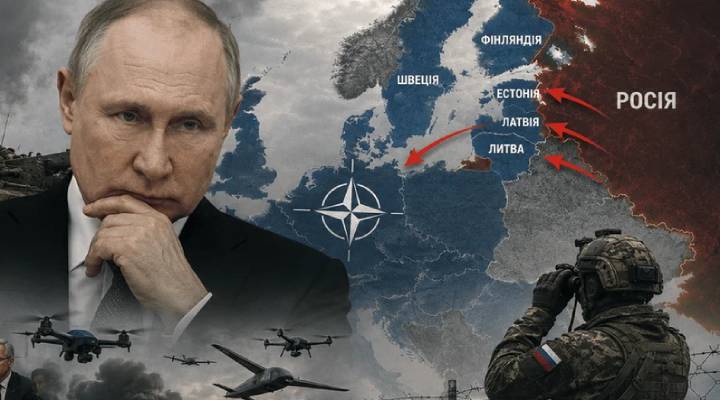
Russia-linked hybrid pressure in Europe is likely continuing, with reported fires and explosions at defence-related sites in Bulgaria, Italy and Estonia between 10 and 15 August 2026. The incidents raise concern about a wider campaign, but the supplied evidence does not establish that they form one Russian-directed operation.
Executive summary
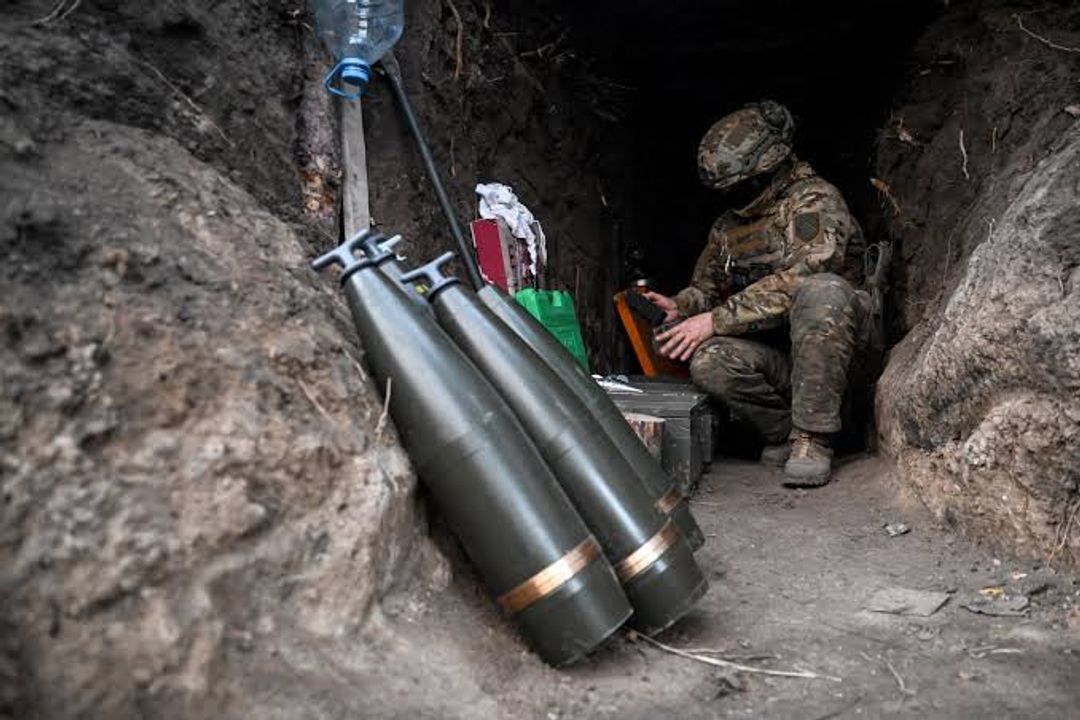
Reporting describes explosions at the EMCO ammunition factory in Bulgaria on 10 August, a fire and explosion at KNDS Ammo Italy in Colleferro on 13 August, and a fire at a building associated with Milrem Robotics in Estonia on 15 August. Western intelligence reporting links a broader European sabotage campaign to Russia and describes the GRU as using local criminal intermediaries, Telegram and cryptocurrency payments, but the current site-level cases lack published forensic findings tying them to Moscow. NATO and European institutions are likely to strengthen protective measures, while competing Russian and Ukrainian narratives around the Leipzig/Halle Airport drone case and disinformation targeting French presidential candidates will continue to complicate attribution.
Change from previous assessment
Since the 23 August brief, the assessment now gives greater weight to the reported 10 August EMCO, 13 August KNDS Ammo Italy and 15 August Milrem Robotics incidents as evidence of a wider European pressure environment. Confidence in the broader activity trend rises from low to medium, while confidence in a single Russian-directed network remains low. The assessment retains the unresolved Germany and France attribution judgments and does not add evidence that closes those disputes.
Key judgments
- The August 2026 fires and explosions at the EMCO factory in Bulgaria on 10 August, KNDS Ammo Italy in Colleferro on 13 August, and a Milrem Robotics building in Estonia on 15 August are reported incidents, but it is unlikely that they can be treated as one Russian-directed operation without new forensic findings. Estonian investigators are examining possible Russian involvement in the Estonia case, while the available reporting identifies unknown perpetrators for the Bulgarian and Italian incidents. Confidence is low because the current incident reporting is medium-confidence and includes blog material, and the record contains inconsistent dates for earlier Milrem Robotics fires and related detentions. (Confidence: low · ASSESSED)
- I&W: Confirm, within 0-14 days: Estonian, Bulgarian or Italian authorities publish matching forensic findings, communications or charges tying at least two of the three sites to one Russian-directed network. (0-14 days)
- I&W: Break, within 0-14 days: any of the three authorities identify an accidental industrial cause or a site-specific perpetrator with no Russian connection. (0-14 days)
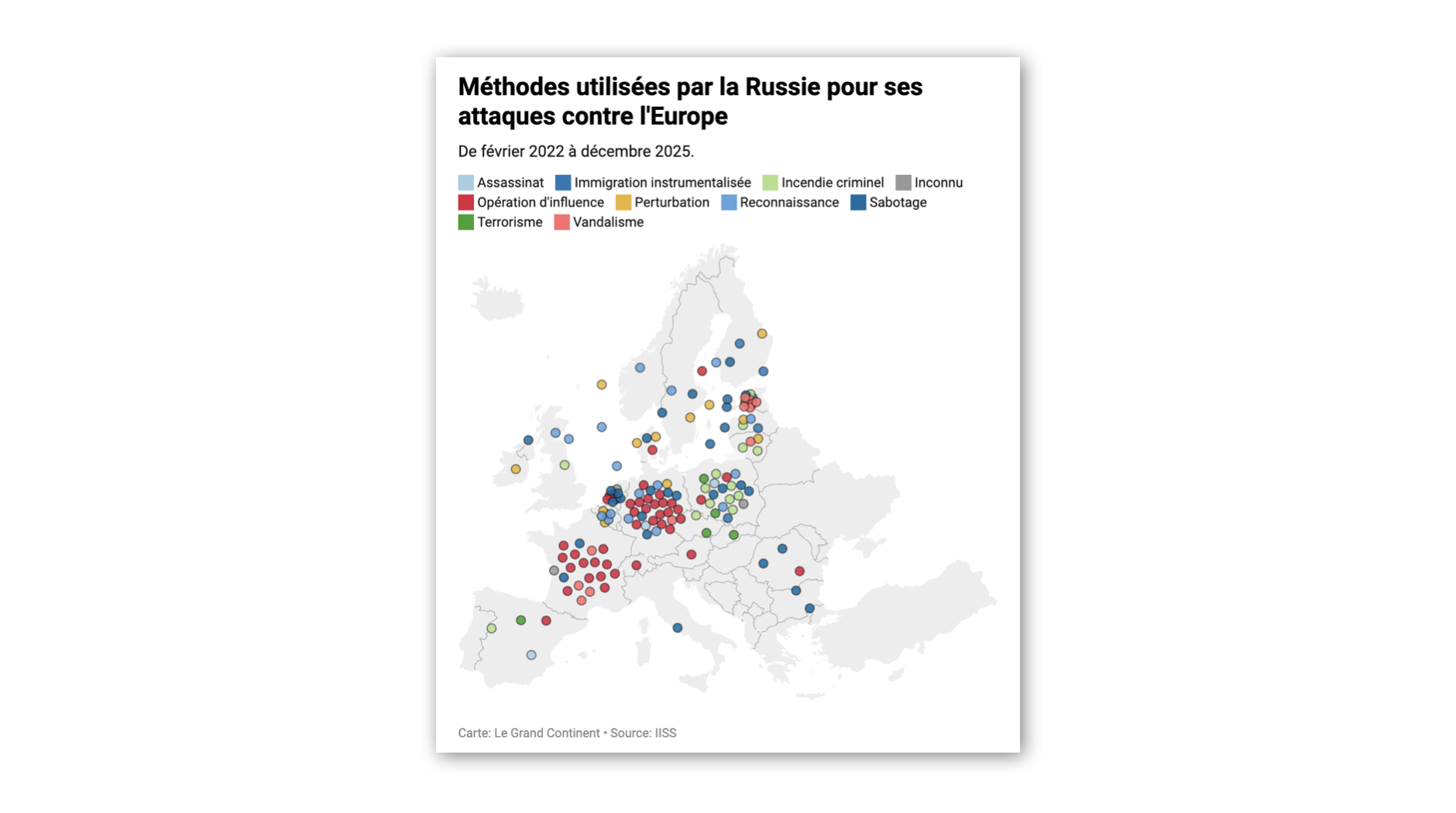
- Russia is likely sustaining an expanding sabotage campaign against European defence production, with the GRU increasingly reported to use local criminal groups recruited through Telegram and paid in cryptocurrency. The International Institute for Strategic Studies estimates that Russian sabotage operations in Europe almost quadrupled between 2023 and 2024, while ICCT and GLOBSEC recorded 151 incidents involving Russian intelligence-recruited civilians between 2022 and February 2026. Confidence is medium because the trend is supported across several major-media and intelligence assessments, but the operational model and attribution rely heavily on derivative reporting rather than published case evidence. (Confidence: medium · ASSESSED)
- I&W: Confirm, within 0-14 days: European prosecutors charge suspects in a current case and identify Telegram tasking, cryptocurrency payments or Russian intermediaries. (0-14 days)
- I&W: Break, within 1-3 months: investigators state that the current European cases were unrelated to Russia and identify independent criminal or industrial causes. (1-3 months)
- European governments are likely to expand protection for defence plants and critical infrastructure while keeping public attribution to Moscow cautious. NATO reports continued work to strengthen resilience against hybrid activities, Secretary General Mark Rutte calls for a swift and decisive response, and the bloc is investing in detection and surveillance systems. Security Essen 2026 also reflects wider adoption of layered protection using fencing, sensors, radar, LiDAR, AI-enabled video, drone detection and access control. Confidence is medium because the policy direction is supported by NATO, European institutional and trade reporting, while the assessment about continued public caution rests on a generalised media claim. (Confidence: medium · ASSESSED)
- I&W: Confirm, within 1-3 months: NATO or EU institutions announce new funding, protective standards or joint measures directed at defence manufacturing sites and critical infrastructure. (1-3 months)
- I&W: Break, within 1-3 months: two or more Western European governments publicly attribute the current incidents to Moscow and announce co-ordinated punitive action. (1-3 months)
- The Leipzig/Halle Airport drone case is unlikely to yield a confident attribution in the near term. German authorities reported finding a drone carrying an explosive device near a Ukrainian cargo aircraft on 4 August 2023 and neutralising the device on 5 August; Alexander Dobrindt described the incident as a hybrid attack scenario, while German law enforcement considered a Ukrainian trace and other investigators linked the drone to Russia. Confidence is low because the supplied reporting contains directly competing attribution claims and does not provide conclusive technical or judicial findings. (Confidence: low · ASSESSED)
- I&W: Confirm, within 0-14 days: German prosecutors publish chain-of-custody, device or communications evidence that leaves the incident formally unattributed. (0-14 days)
- I&W: Break, within 0-14 days: German authorities issue a formally supported attribution to Russian or Ukrainian operators and close the principal evidentiary dispute. (0-14 days)
- Disinformation pressure against France's presidential field is likely to remain a relevant influence vector, but it is unlikely that Russian responsibility will be established from the supplied record. Édouard Philippe, Raphaël Glucksmann and Gabriel Attal have been targeted by disinformation campaigns, but the claim does not identify the perpetrators or provide technical evidence of Russian direction. Confidence is low because this judgment rests on a single major-media claim without corroborating attribution. (Confidence: low · ASSESSED)
- I&W: Confirm, within 1-3 months: French investigators identify Russian infrastructure, tasking or financing behind new campaigns targeting the same candidates. (1-3 months)
- I&W: Break, within 1-3 months: French authorities attribute the campaigns to domestic or non-Russian actors, or report no further activity against the named candidates. (1-3 months)
Outlook & scenarios
Continued deniable pressure on defence production (55%)
The most likely outcome is a continuation of isolated fires, attempted arson and other disruptive acts against European companies supplying Ukraine. Russian direction remains suspected but unproven, and local criminal intermediaries preserve deniability. NATO and national authorities strengthen site protection without treating individual incidents as an armed attack on the alliance.
Investigative attribution and containment (30%)
European investigations produce arrests, forensic findings or communications evidence linking at least two incidents to a common Russian-directed network. Governments respond with co-ordinated prosecutions, protective measures and diplomatic action. The campaign remains below the threshold of open military conflict.
Narrative fragmentation and political exploitation (25%)
Competing Russian-linked and Ukrainian-trace narratives around the Leipzig/Halle case, combined with disinformation targeting French candidates, deepen disagreement among European governments. Moscow uses the disputes to challenge Western assessments, while European capitals avoid public attribution because the evidence remains contested.
Critical infrastructure shock, low-probability high-impact wildcard (10%)
A confirmed attack on an undersea cable or data centre causes a visible service disruption and forces a rapid European response. The incident exposes the limits of existing detection and surveillance measures and produces pressure for joint attribution and retaliation.
Recommendations
- Maintain separate confidence scores for the occurrence of each incident, actor attribution, motive and cross-case linkage. Do not describe the EMCO, KNDS Ammo Italy and Milrem Robotics cases as one Russian operation until authorities release matching forensic or legal evidence.
- Run a 0-14 day collection plan focused on statements from Estonian, Bulgarian, Italian and German investigators. Prioritise forensic findings, arrest announcements, charging documents, device analysis and evidence of common travel, communications or financing.
- Track indicators of GRU-mediated recruitment, including Telegram tasking, cryptocurrency payments, local criminal intermediaries and cross-border suspects. Compare these indicators against the 151-incident dataset without assuming that every case shares the same command structure.
- Monitor NATO and EU announcements for new protection standards, funding or exercises involving European defence manufacturers, airports, data centres and undersea infrastructure. Record whether measures remain national or become co-ordinated.
- Keep the Leipzig/Halle case and the French disinformation cases in a disputed-attribution category in all products. Report Russian and Ukrainian explanations separately and identify the evidence that would resolve each dispute.
- Prepare an escalation matrix for a confirmed attack on an undersea cable or data centre. Define reporting thresholds, liaison requirements and decision points before a new incident forces rapid attribution under political pressure.
Confidence & uncertainty
Overall confidence is medium. Official statements, NATO reporting, major-media coverage and intelligence assessments broadly corroborate an increase in European concern about sabotage and hybrid activity linked to Russia. Confidence is lower for the attribution of the August 2026 fires and explosions because several incident-level claims are medium-confidence, some rely on blogs or derivative reporting, and the supplied record contains inconsistent Milrem Robotics dates and competing explanations for the Leipzig/Halle drone case. The French disinformation reporting is also single-source and does not identify perpetrators.
Intelligence gaps
- [EEI 1.1 · UNCOVERED] Reports, operator notifications, CCTV or satellite imagery showing unexplained physical damage or operational outages at critical infrastructure sites (power substations, gas pipelines/compressor stations, water treatment plants, railway signaling centers, major telecom exchanges). Recommended collection: satellite/imagery
- [EEI 1.2 · UNCOVERED] Observed reconnaissance activity around critical sites indicative of attack planning (unauthorised drone flights, repeated surveillance visits, loitering vehicles, mapping/photography of assets). Recommended collection: open-source/media
- [EEI 1.3 · UNCOVERED] Law-enforcement or customs seizures, arrests or interdictions of persons or shipments carrying explosives, sabotage tools, specialty cutting/electrical equipment, or covert comms gear destined for/near critical infrastructure. Recommended collection: law enforcement
- [EEI 2.1 · UNCOVERED] Emergence or amplification of coordinated social-media networks (sets of accounts, pages, channels) pushing identical narratives or hashtags across multiple platforms, including bot-like activity metrics and origin IP/common management indicators. Recommended collection: social-media/OSINT
- [EEI 2.2 · UNCOVERED] Publication or internal guidance from state-run media, proxy outlets, or identified influence platforms distributing talking points, pre-scripted messaging, or translated content targeted at specific EU countries/communities. Recommended collection: open-source/media
- [EEI 2.3 · UNCOVERED] Distribution of manipulated multimedia (deepfakes), targeted phishing/whaling campaigns, or localized false narratives timed to political events (elections, protests, court rulings) with tracked reach and engagement metrics. Recommended collection: cyber/forensic
- [EEI 3.1 · PARTIAL] Unusual financial transactions: wire transfers, crypto conversions, or payments to shell companies, NGOs or individuals exceeding typical baselines that link to known proxies or front organisations. Recommended collection: financial
- [EEI 3.2 · UNCOVERED] Travel and movement indicators for suspected operatives: repeated border crossings, chartered/irregular flights, booking patterns or mobile/location data placing identified individuals in staging areas shortly before incidents. Recommended collection: border/immigration
- [EEI 3.3 · UNCOVERED] Cargo, freight or maritime movements with discrepancies (concealed/dual-use equipment, false manifests, unusual routing) detected at ports, rail hubs or via AIS that correspond to deliveries of material used in sabotage or influence operations. Recommended collection: customs/ports
- [EEI 3.4 · PARTIAL] Intercepted or otherwise-obtained communications showing tasking, coordination, or payment instructions between Russian agencies/handlers and proxy groups, including identified command-and-control servers or encrypted group identifiers. Recommended collection: signals-intel/SIGINT
Cited sources
[1] kavkazcenter.com · Тайная война Кремля против европейской оборонки: криминал, криптовалюта и тестирование границ НАТО (B) · sha256:852756028161 [2] english.nv.ua · Kremlin uses local gangs in new attacks on European arms plants (B) · sha256:8eed4711e46b [3] veridica.ro · Fire at Estonian defence company rekindles concerns over hybrid war (B) · sha256:464b5de69bf6 [4] veridica.ro · Пожар на эстонском оборонном предприятии заставил вспомнить о гибридной войне (B) · sha256:fc1a701e5b6d [5] The Telegraph · Россия усилила гибридную войну и диверсии против военных заводов в Европе, — The Telegraph (B) · sha256:b71e738b9fd0 [6] unn.ua · Russia has launched a new campaign of sabotage against defense plants in Europe - Telegraph (B) · sha256:6162dcacd811 [7] legrandcontinent.eu · Attaques russes: l’Europe est dans une paix hybride (B) · sha256:78ce92270937 [8] AOL · Is the EU ready to fight underwater threats? Ask the Euronews AI chatbot (B) · sha256:72682cd2d296 [9] euro-security.de · SECURITY 2026: Perimeter Protection Is Becoming a Connected Security Architecture (C) · sha256:0e548d3de8e4 [10] news.rambler.ru · "Украинский след" в деле с дроном в ФРГ и попытки придумать "руку Москвы". Заявления СВР (B) · sha256:e5738b56a92c [11] Atlantic Council · As pressure mounts on Putin, Russia is escalating against Ukraine’s allies (C) · sha256:5813f6f4dc20
Source content hashes were computed at collection time; the cited text is preserved unmodified for the life of this product.
TLP:CLEAR