TLP:CLEAR · Disclosure is not limited.
Europe: Russia-linked hybrid threats elevated; Poland faces likely provocations
Time window: Last 1 day · Audience: General analyst · Type: Situation report · DTG: 2026-07-05 09:13Z · Overall confidence: MEDIUM
BLUF
Russia-linked sabotage across Europe remains elevated and is very likely to persist, targeting rail, energy and subsea infrastructure. U.S. warnings and regional preparations indicate Poland faces a likely kinetic-hybrid provocation in the coming months.
Executive summary
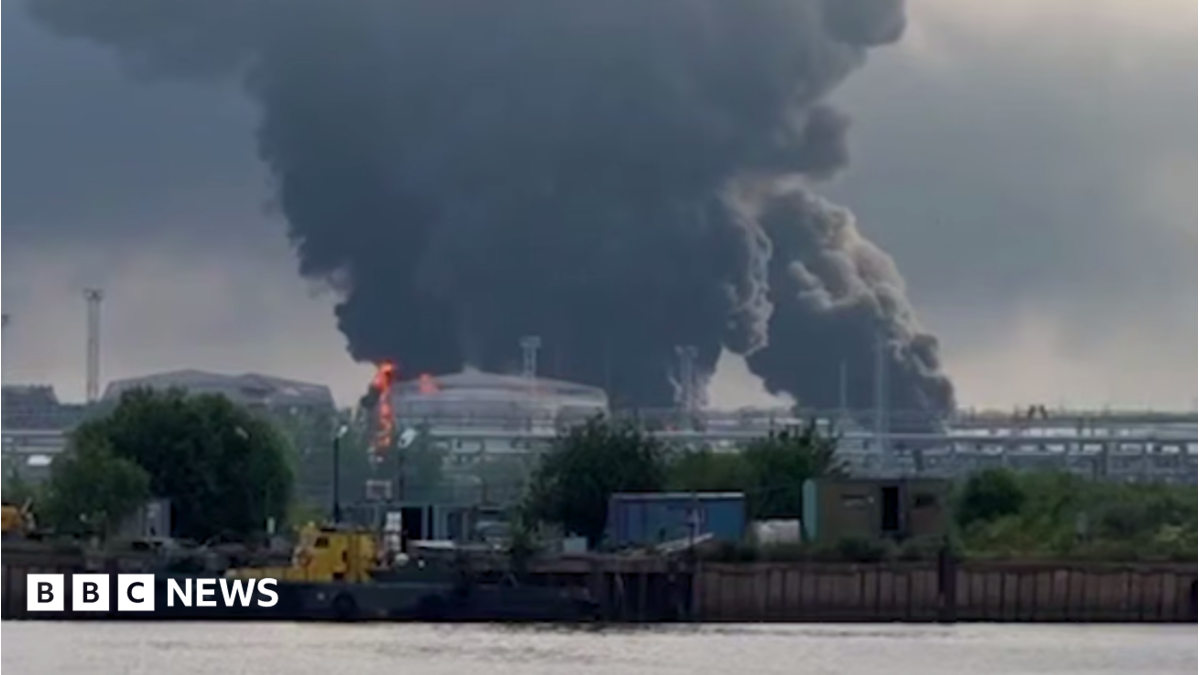
Open reporting from European governments and media points to a sustained surge in suspected Russian sabotage since 2023, including rail plots in Poland, multiple Baltic subsea cable cuts, and a 2024 Warsaw arson later linked in 2025 reporting to a GRU officer. The United States has warned Poland about a possible attack, while Warsaw and the Baltic states are accelerating readiness measures, including mass evacuation planning for 400,000 citizens. Russia’s reliance on cyber and information operations continues as part of its hybrid toolkit. Ukrainian long‑range strikes on Russian energy assets have contributed to fuel shortages inside Russia, which may increase Moscow’s incentive to answer asymmetrically abroad. Strong U.S. public backing for NATO and for forward presence in Germany and Poland suggests allied political space to resource counter‑hybrid defences remains intact.
Change from previous assessment
Since the prior brief, reporting this cycle includes a stated U.S. warning to Poland about a possible Russian attack, continued European claims of a 2023-2024 sabotage surge, and Baltic‑state evacuation planning for 400,000 citizens. New detail on Russia’s domestic fuel shortages and export restrictions following Ukrainian strikes informs a low‑confidence inference about asymmetric retaliation risk. We retain the judgment that Poland faces likely hybrid‑kinetic testing, keep sabotage risk elevated across the EU, and hold overall confidence at medium.
Key judgments
- Russia-linked sabotage activity across Europe remains elevated and is very likely to persist over the next quarter, with rail, energy and subsea infrastructure at risk. (Confidence: high · ASSESSED)
- I&W: Confirm: An EU member state publicly attributes a 2026 rail, energy or subsea incident to GRU or another Russian service, or announces arrests of a Russia-linked sabotage cell. (0-90 days)
- I&W: Break: A full quarter without new suspected sabotage incidents and court findings that refute prior Russian links in the Warsaw Marywilska 44 case. (3-6 months)
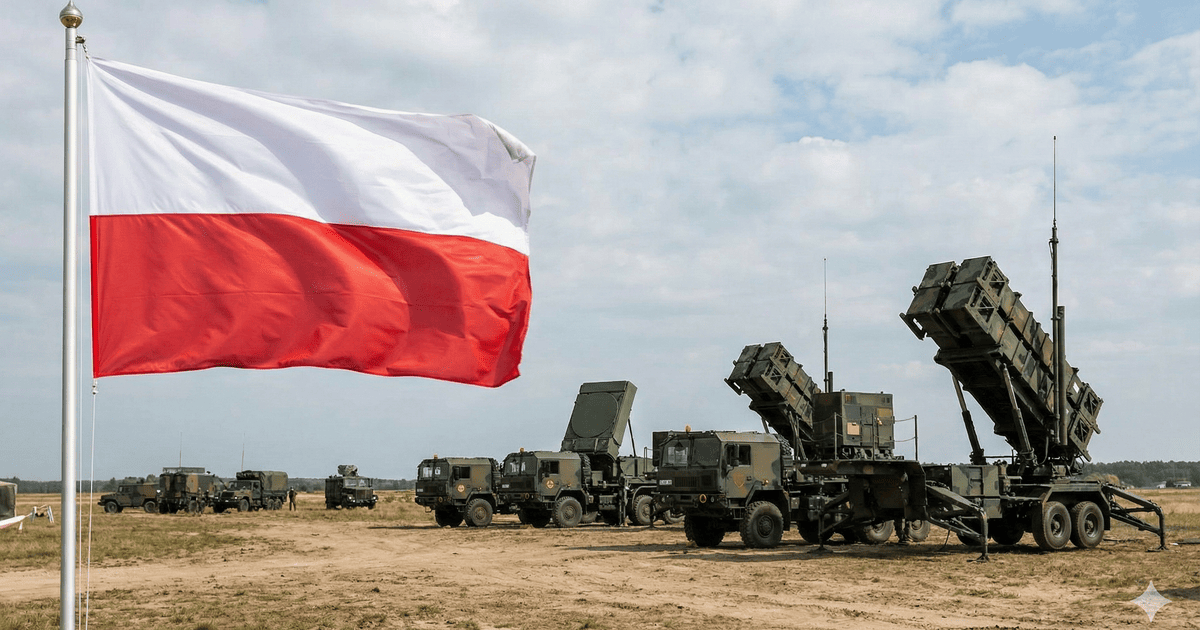
- It is likely Russia will attempt a kinetic-hybrid provocation against Poland within months, given U.S. warnings and Poland’s elevated readiness. (Confidence: medium · ASSESSED)
- I&W: Confirm: Polish authorities report a border incident involving Russian or Belarusian uniformed personnel, or an unambiguous missile or drone violation tied to Kaliningrad or Belarus. (0-60 days)
- I&W: Break: Polish and U.S. officials publicly downgrade threat warnings without intervening incidents. (1-3 months)
- Baltic governments are very likely to implement large‑scale civil protection measures, including evacuation planning, reflecting sustained expectations of aggression or severe disruption. (Confidence: medium · ASSESSED)
- I&W: Confirm: Estonia, Latvia or Lithuania publish evacuation drill schedules or cross‑border reception agreements for evacuees. (1-3 months)
- I&W: Break: Baltic governments announce suspension or deferral of mass‑evacuation planning. (3-6 months)
- Russia almost certainly continues to prioritise cyber and information operations against European states as part of its hybrid toolkit, consistent with doctrine and past operations. (Confidence: high · ASSESSED)
- I&W: Confirm: EU or national cyber agencies attribute new 2026 intrusions against elections, energy or transport to Russian state actors. (0-6 months)
- I&W: Break: A sustained shift in official attributions for major European cyber incidents away from Russia across multiple cases. (6-12 months)
- Allied political support for NATO and forward presence in Europe remains robust, making sustained counter‑hybrid resourcing likely through 2026. (Confidence: medium · ASSESSED)
- I&W: Confirm: NATO summit outcomes include new or expanded counter‑hybrid initiatives or members add budget lines for cyber, counter‑UAS and infrastructure protection. (0-90 days)
- I&W: Break: Allied parliaments reduce troop commitments in Germany or Poland or cut counter‑hybrid funding despite ongoing threats. (3-6 months)
- Russian domestic fuel strain from Ukrainian deep strikes likely increases Moscow’s incentive to retaliate asymmetrically in Europe, including via sabotage and influence operations. (Confidence: low · ASSESSED)
- I&W: Confirm: A noticeable uptick in European sabotage incidents within weeks of major Ukrainian strikes on Russian energy infrastructure. (0-90 days)
- I&W: Break: Prolonged Russian fuel constraints coincide with a decline in suspected Russia‑linked sabotage in Europe. (3-6 months)
Outlook & scenarios
Rolling sabotage wave across EU infrastructure (60%)
Through the next quarter, Europe experiences additional rail signal disruptions, energy‑site arson attempts and further Baltic subsea cable cuts, with arrests or allegations linking facilitators to Russian services. Operational impact includes intermittent rail delays in Poland and Germany and precautionary throttling of cross‑border data traffic in the Baltic Sea region.
Border provocation against Poland (35%)
A short‑duration hybrid incident occurs on Poland’s frontier, such as a limited drone or missile violation attributed to forces in Kaliningrad or Belarus, or a brief ground incursion framed as a navigational error. Warsaw protests, NATO consults, and Poland elevates territorial defence readiness without immediate allied combat operations.
High‑impact cyber disruption in an EU state (20%)
A Russia‑attributed cyber operation disrupts an EU member’s energy or transport systems for hours to days, forcing grid load‑shedding or airport and rail timetable suspensions. Attribution emerges from national cyber agencies and private forensics, driving accelerated EU funding for cyber and counter‑UAS programmes.
Recommendations
- Maintain a running, source‑documented log of EU rail, energy and subsea incidents since 2022, cross‑referencing open arrests and official attributions to map patterns and facilitators linked to Russian services.
- Stand up an OSINT tripwire pack for Poland and the Baltic Sea region that fuses police blotters, rail operator alerts, maritime AIS gaps near cable routes, and thermal anomaly data to triage suspected infrastructure fires. Use satellite thermal detections as corroborative signals, recognising they record heat, not cause.
- Prioritise near‑term collection and liaison on Polish readiness moves and border incident reporting to validate or break the assessed likelihood of provocations.
- Task a cyber threat review focused on Russian doctrine and historical TTPs against European elections, power grids and transport, and prepare impact playbooks for grid load‑shedding, airport IT outages and rail signalling loss.
- Prepare an analytic brief for NATO summit follow‑up that tracks whether allies convert strong public support into specific counter‑hybrid commitments, budget lines and deployable capabilities in 2026.
Confidence & uncertainty
Overall confidence is medium. Multiple high‑reliability reports from European officials and major media corroborate a surge in suspected Russia‑linked sabotage since 2023, specific incidents against rail and subsea infrastructure, and U.S. warnings to Poland. Russian reliance on cyber and information operations is well‑documented across several past cases and doctrinal statements. Some elements rest on single‑strand or medium‑confidence reporting, notably the GRU link to the 2024 Warsaw fire and forward‑looking inferences about Moscow’s asymmetric retaliation incentives from domestic fuel strains. These gaps and the inherent uncertainty in forecasting intent drive the assessment to medium rather than high.
Alternative analysis (red cell)
While the record shows episodic sabotage-like incidents and clear historical precedent for Russian cyber/information operations, the available claims are a mix of high-level allegations, historical examples, and medium-admiralty attributions. The evidence in the run supports cautious vigilance but does not uniformly support high-confidence, near-term predictions of sustained, state-directed sabotage across multiple infrastructure sectors or an imminent kinetic-hybrid attack on Poland. More specific, time-bound operational indicators (forensic attributions, SIGINT/HUMINT taskings, budgetary commitments, or observable force movements) are required to move from plausible inference to high-confidence judgment.
Intelligence gaps
- [EEI 1.2 · UNCOVERED] Observed reconnaissance activity around critical sites indicative of attack planning (unauthorised drone flights, repeated surveillance visits, loitering vehicles, mapping/photography of assets). Recommended collection: open-source/media
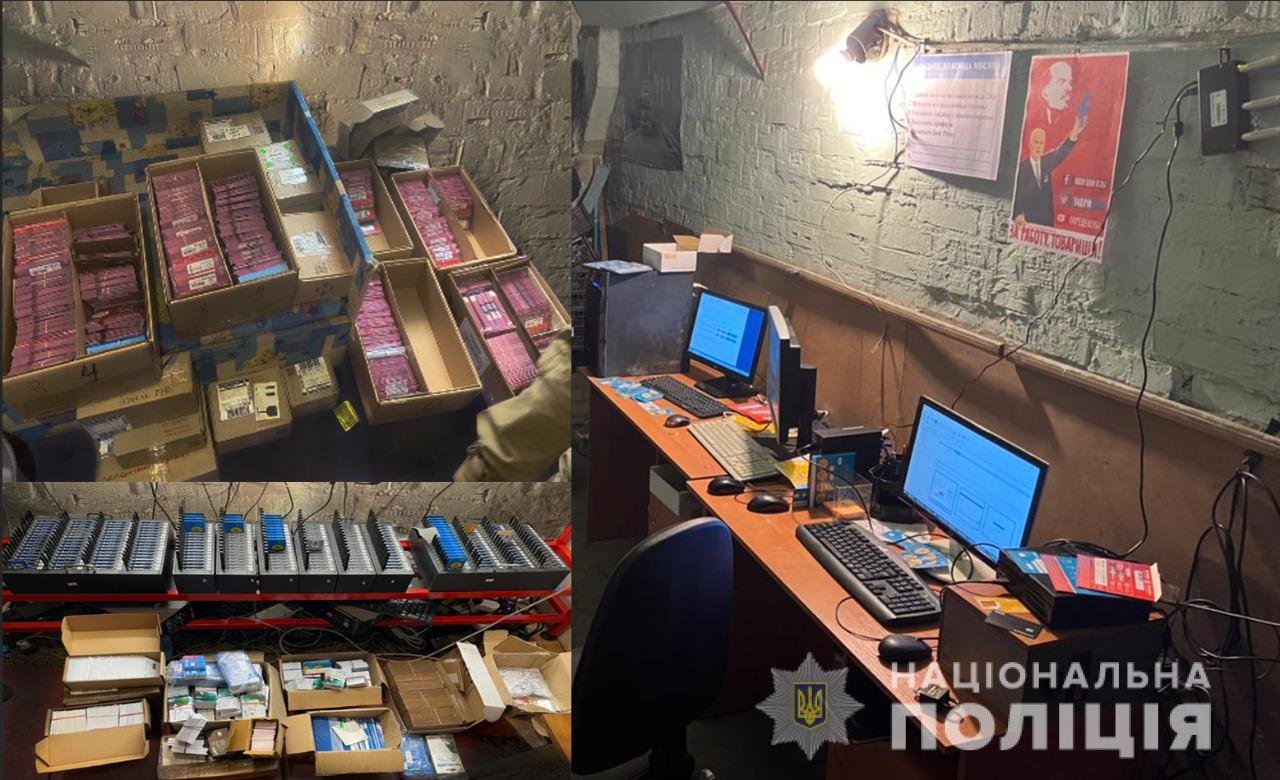
- [EEI 1.3 · UNCOVERED] Law-enforcement or customs seizures, arrests or interdictions of persons or shipments carrying explosives, sabotage tools, specialty cutting/electrical equipment, or covert comms gear destined for/near critical infrastructure. Recommended collection: law enforcement
- [EEI 2.1 · UNCOVERED] Emergence or amplification of coordinated social-media networks (sets of accounts, pages, channels) pushing identical narratives or hashtags across multiple platforms, including bot-like activity metrics and origin IP/common management indicators. Recommended collection: social-media/OSINT
- [EEI 2.2 · PARTIAL] Publication or internal guidance from state-run media, proxy outlets, or identified influence platforms distributing talking points, pre-scripted messaging, or translated content targeted at specific EU countries/communities. Recommended collection: open-source/media
- [EEI 2.3 · UNCOVERED] Distribution of manipulated multimedia (deepfakes), targeted phishing/whaling campaigns, or localized false narratives timed to political events (elections, protests, court rulings) with tracked reach and engagement metrics. Recommended collection: cyber/forensic
- [EEI 3.1 · UNCOVERED] Unusual financial transactions: wire transfers, crypto conversions, or payments to shell companies, NGOs or individuals exceeding typical baselines that link to known proxies or front organisations. Recommended collection: financial
- [EEI 3.2 · UNCOVERED] Travel and movement indicators for suspected operatives: repeated border crossings, chartered/irregular flights, booking patterns or mobile/location data placing identified individuals in staging areas shortly before incidents. Recommended collection: border/immigration
- [EEI 3.3 · UNCOVERED] Cargo, freight or maritime movements with discrepancies (concealed/dual-use equipment, false manifests, unusual routing) detected at ports, rail hubs or via AIS that correspond to deliveries of material used in sabotage or influence operations. Recommended collection: customs/ports
- [EEI 3.4 · UNCOVERED] Intercepted or otherwise-obtained communications showing tasking, coordination, or payment instructions between Russian agencies/handlers and proxy groups, including identified command-and-control servers or encrypted group identifiers. Recommended collection: signals-intel/SIGINT
Cited sources
[1] Wikipedia · Russian sabotage operations in Europe (B) · sha256:e332876d2064 [2] tsn.ua · Путин собирается проверить сплоченность НАТО: разведка назвала страны, которые первыми получат удар (B) · sha256:88980dee4b85 [3] gordonua.com · Угроза нападения РФ на Польшу. Как РФ может использовать это против Украины и готова ли Польша (B) · sha256:764b56e9f6c1 [4] Wikipedia · Cyberwarfare by Russia (B) · sha256:b18d9b02fcf8 [5] Atlantic Council · Europe should take the long bet on the US and the transatlantic security relationship (C) · sha256:9b89d645ab40 [6] BBC · Ukraine hits major oil terminal in Russia's St Petersburg (A) · sha256:31fd7a770161 [7] aljazeera.com · Will economic pressure move the Kremlin towards talks with Kyiv? (A) · sha256:ddd5f05efdf1 [8] Al Jazeera · Ukraine hits oil and military facilities near Russia’s St Petersburg (A) · sha256:f37eea7dbeb2
Source content hashes were computed at collection time; the cited text is preserved unmodified for the life of this product.
Red cell review: PARTIAL DISSENT
TLP:CLEAR