TLP:CLEAR · Disclosure is not limited.
Europe: Russia‑linked hybrid threats intensify across the Baltics, Poland and Moldova
Time window: Last 1 day · Audience: General analyst · Type: Situation report · DTG: 2026-07-12 10:40Z · Overall confidence: HIGH
BLUF
Europe is very likely facing a sustained, Russia‑linked hybrid campaign that blends physical sabotage with coordinated disinformation. Recent arsons in Lithuania and Poland, a GRU‑directed fire in Warsaw, rail communications sabotage in Germany, and official Baltic and Moldovan warnings point to a persistent, multi‑vector threat.
Executive summary
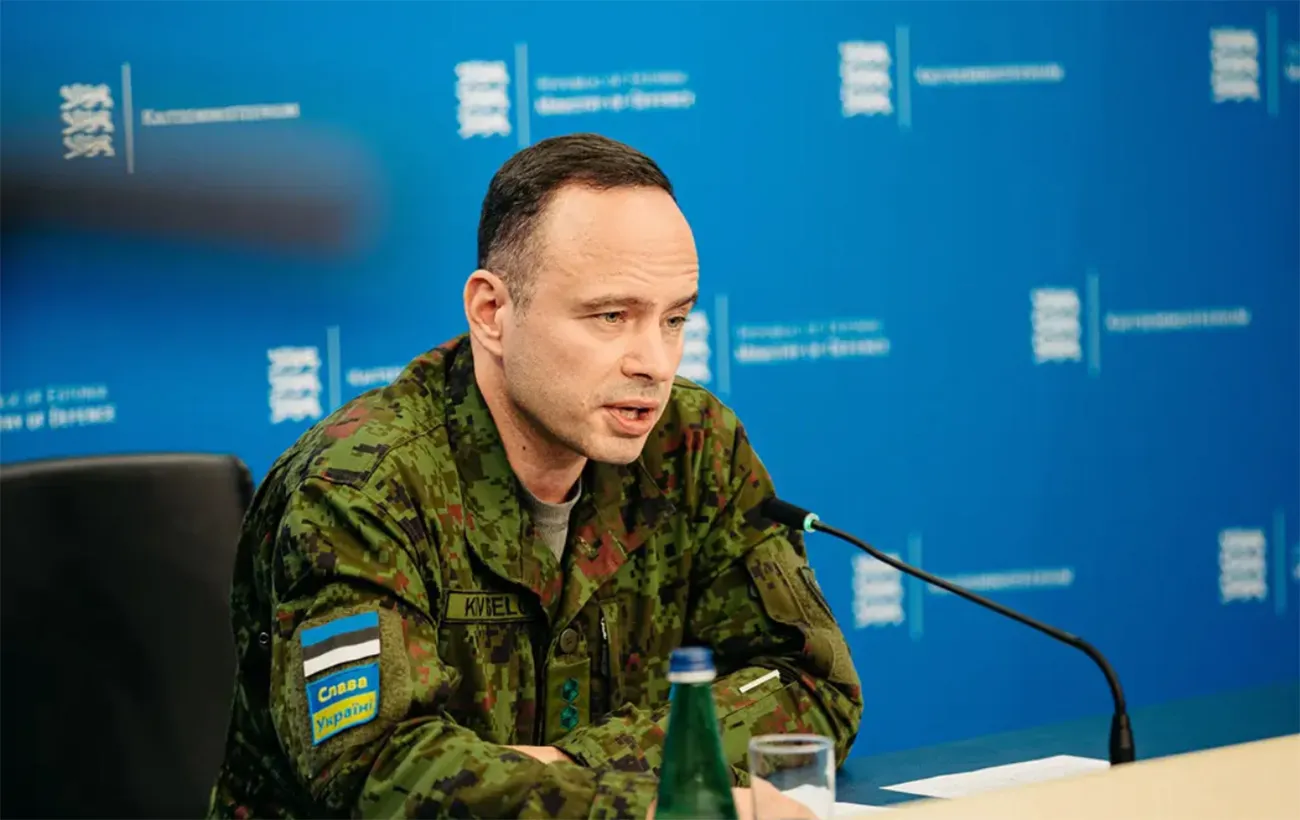
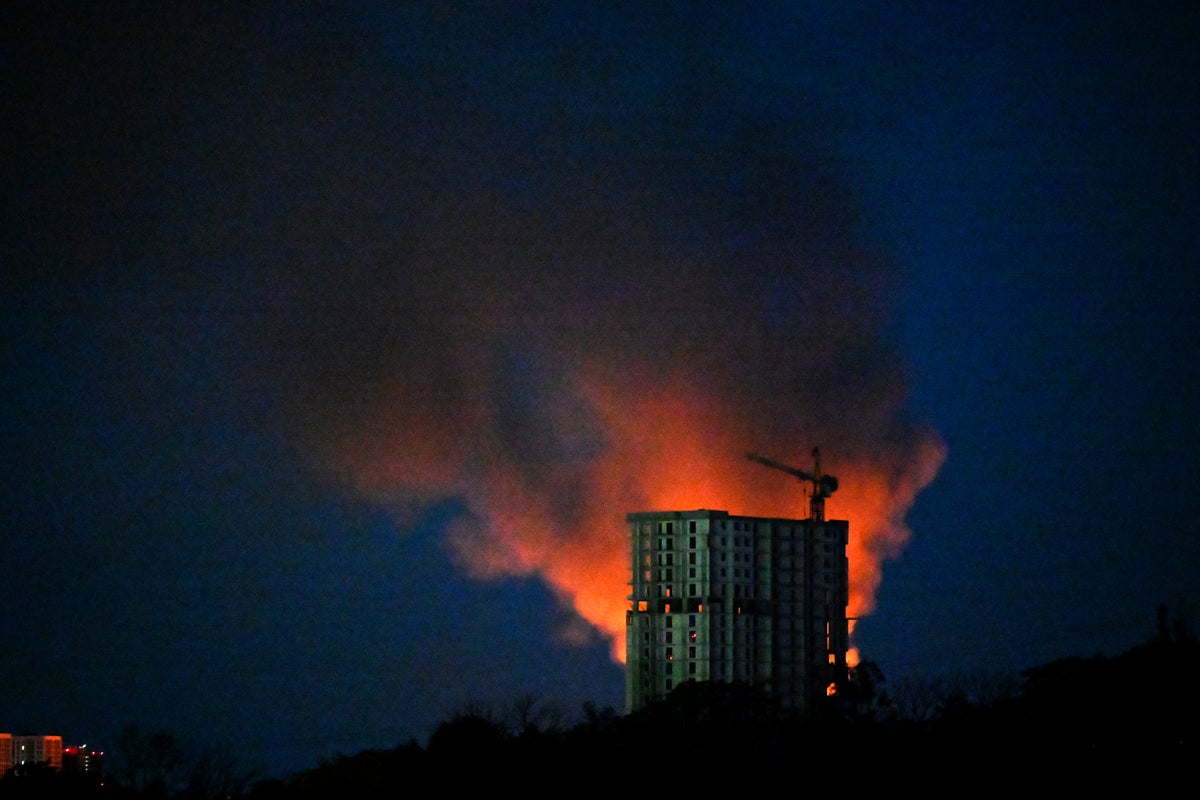
European governments and services report a surge in suspected Russia‑linked sabotage since 2023, with NATO labelling sabotage threats record‑high in 2025. Investigations tie a 2024 Warsaw shopping centre fire to a GRU officer, and arson also targeted an IKEA in Vilnius, while unknown actors severed Deutsche Bahn fibre‑optic cables in 2022. In parallel, Baltic officials confront coordinated Russian disinformation, including false claims about Baltic and Finnish airspace and allegations of mass expulsions, prompting a joint demarche in Moscow on 10 July 2026. Moldova’s security service reports escalating Kremlin campaigns targeting state institutions and increased use of TikTok for propaganda. Ukraine additionally assesses that Russia is redirecting drones toward the Baltic states and Finland.
Change from previous assessment
New developments since the prior brief include a joint Baltic demarche to the Russian MFA on 10 July 2026, fresh official rebuttals of specific Kremlin claims, Moldova’s security service detailing platform‑specific propaganda activity, and investigative reporting that a GRU officer ordered the 2024 Warsaw Marywilska 44 arson. We therefore raise the specificity of attribution for selected sabotage incidents and expand the assessed priority focus on the Baltics and Moldova while maintaining a high‑confidence view of a sustained Russia‑linked hybrid campaign.
Key judgments
- Europe is very likely under a sustained, Russia‑linked hybrid campaign combining sabotage and disinformation, evidenced by multi‑country arsons, rail communications sabotage and official assessments flagging record‑high sabotage activity since 2023. (Confidence: high · ASSESSED)
- I&W: EU prosecutors publicly attribute additional arson or infrastructure attacks to GRU or FSB officers by name or role. (1-3 months)
- I&W: NATO or EU members formally downgrade sabotage threat levels following a sustained lull in incidents. (3-6 months)
- The Baltic states and Finland are likely priority targets for Russian information operations and intimidation narratives, and Ukraine reports Russia redirecting drones toward them. (Confidence: medium · ASSESSED)
- I&W: Defence ministries in Estonia, Latvia, Lithuania or Finland report Russian‑origin drones violating airspace or crashing on their territory. (0-14 days)
- I&W: Baltic governments’ monitoring notes a marked drop in Kremlin narratives about Baltic airspace, nuclear deployments or mass expulsions. (1-3 months)
- Physical sabotage risk to EU infrastructure is likely to persist, with Poland and Lithuania experiencing arsons and one operation established as GRU‑directed, alongside earlier rail communications sabotage in Germany. (Confidence: high · ASSESSED)
- I&W: Arrests in EU states of operatives carrying accelerants or rail‑disruption kits, with evidence of direction by Russian services. (1-3 months)
- I&W: Court filings in Warsaw or Vilnius revise or withdraw earlier GRU attribution in 2024 arson cases. (3-6 months)
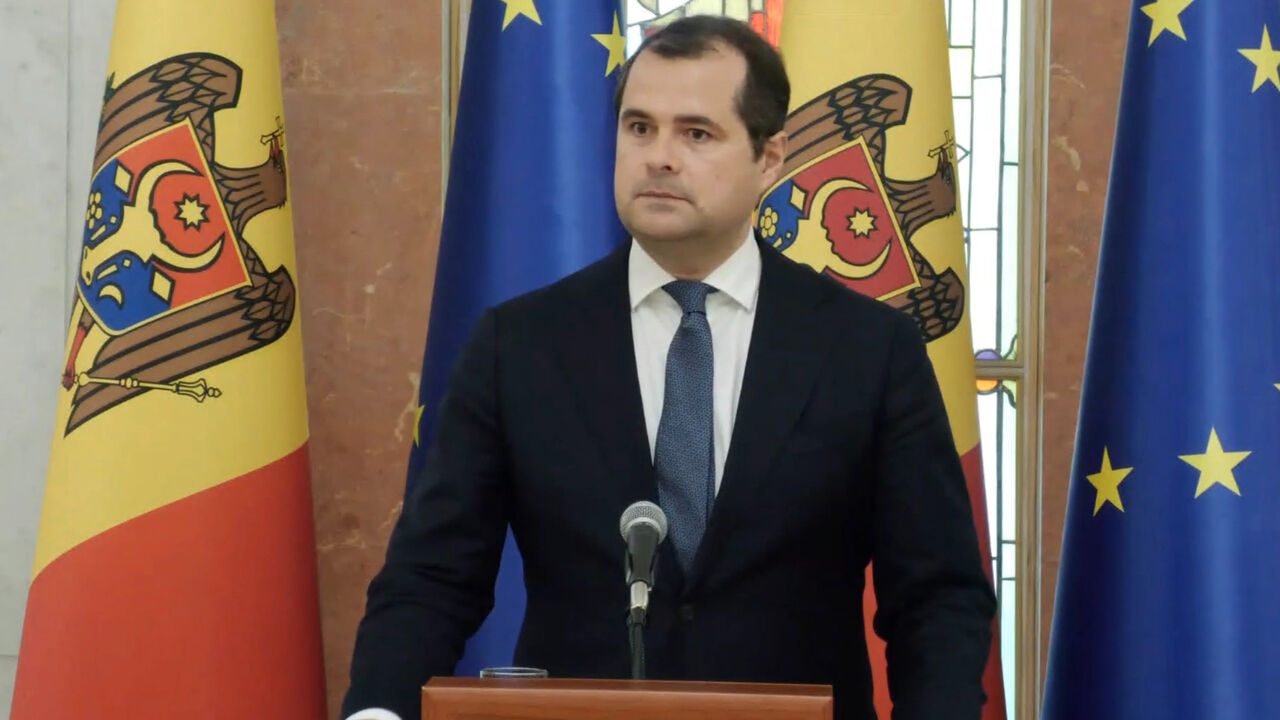
- Moldova is facing an escalating Russian disinformation campaign targeting state institutions and leveraging TikTok, very likely to intensify as the 2027 local elections approach. (Confidence: high · REPORTED)
- I&W: Moldova’s Security and Intelligence Service announces takedowns or legal actions against TikTok‑centred disinformation networks. (1-3 months)
- I&W: Official monitoring reports a sustained decline in Kremlin‑aligned content engagement targeting Moldovan institutions. (1-3 months)
- Baltic governments are coordinating diplomatic pushback against Russian disinformation and are likely to sustain this through joint demarches and public rebuttals, but this is unlikely to deter Kremlin narratives in the near term. (Confidence: medium · ASSESSED)
- I&W: Further coordinated statements or demarches by Baltic capitals or EU institutions rebutting specific Russian claims. (0-14 days)
- I&W: Russian officials retract or materially soften disputed narratives about Baltic and Finnish policies. (1-3 months)
Outlook & scenarios
Rolling low‑intensity sabotage and disinformation persists across the EU (60%)
Arsons and infrastructure disruptions recur sporadically in EU states while Russian narratives about Baltic airspace, nuclear deployments and alleged expulsions continue to circulate. Investigations periodically reveal direction or facilitation by Russian services or proxies, as in the GRU‑ordered 2024 Warsaw fire, while authorities cite sustained record‑high sabotage threats.
Baltic‑Nordic pressure: disinformation intensifies and drone incidents test borders (45%)
Following Ukraine’s assessment that drones are being redirected toward the Baltic states and Finland, border‑adjacent airspace incidents and information operations increase. Baltic capitals mount coordinated rebuttals and further demarches, but Kremlin‑aligned channels amplify intimidation themes aimed at weakening Western unity.
Targeted counter‑measures constrain networks (30%)
Coordinated investigations, sanctions, and public diplomacy by EU and Baltic governments yield more arrests of sabotage facilitators and faster attribution. Disinformation audiences fragment following platform actions in Moldova and public rebuttals in the Baltics, reducing operational tempo though not eliminating the threat.
Wildcard: multi‑site arson campaign with clear state direction triggers EU‑wide response (10%)
A coordinated series of arsons against commercial or transport hubs in two or more EU capitals is tied in court filings to GRU direction, causing casualties and prompting emergency EU expulsions and sanctions. Russian channels escalate hostile narratives, risking further destabilisation.
Recommendations
- Prioritise fused analysis of arson, rail disruption and other physical incidents across EU member states, correlating modus operandi with prior Deutsche Bahn cable cuts and the GRU‑directed Warsaw fire to refine attribution hypotheses.
- Stand up persistent OSINT monitoring of Russian‑language channels, including TikTok, for Baltic‑ and Finland‑focused narratives about airspace, alleged expulsions and nuclear deployments; alert Baltic interlocutors when themes spike.
- Engage Baltic foreign ministries and embassies following the 10 July demarche to share indicators and coordinate public rebuttal timing against recurring false claims.
- Support Moldovan authorities with analytic leads on platform behaviour and network mapping tied to state‑linked disinformation that targets government institutions.
- Work with Polish and Lithuanian counterparts to review recent arson investigations for cross‑border enablers and to pre‑position forensic and accelerant‑detection support near high‑risk commercial sites and rail nodes.
- Prepare public‑affairs lines to pre‑empt mischaracterisation of civil‑defence and evacuation planning in places like Daugavpils, reducing the impact of intimidation narratives on Russian‑speaking communities.
Confidence & uncertainty
Multiple independent, high‑reliability sources across governments, NATO reporting and major media corroborate a pattern of suspected Russia‑linked sabotage and disinformation in Europe. Specific cases span several countries and include an arson in Warsaw that investigators tied to a GRU officer, a separate arson in Vilnius, rail fibre‑optic sabotage in Germany, and official Baltic and Moldovan statements detailing disinformation themes and tactics. Some forward‑leaning elements, such as Ukraine’s assessment of drone redirection toward the Baltics and Finland, rest on single‑source intelligence and therefore temper confidence on those sub‑points. The overarching judgment of a sustained hybrid campaign is nevertheless strongly supported.
Alternative analysis (red cell)
The reporting documents multiple incidents and explicit propaganda aimed at the Baltics, Finland, and Moldova. However, the evidence largely consists of discrete incident reports and B1‑level attributions without multiple independent, high‑grade lines (forensic, SIGINT, HUMINT) that would tie those incidents into a single, centrally directed Russia campaign. Therefore, while concern is warranted, asserting a unified, sustained Kremlin campaign or assigning very high confidence to forecasts about escalation or the ineffectiveness of countermeasures is not the only defensible analytic interpretation.
Intelligence gaps
- [EEI 1.1 · UNCOVERED] Reports, operator notifications, CCTV or satellite imagery showing unexplained physical damage or operational outages at critical infrastructure sites (power substations, gas pipelines/compressor stations, water treatment plants, railway signaling centers, major telecom exchanges). Recommended collection: satellite/imagery
- [EEI 1.2 · UNCOVERED] Observed reconnaissance activity around critical sites indicative of attack planning (unauthorised drone flights, repeated surveillance visits, loitering vehicles, mapping/photography of assets). Recommended collection: open-source/media
- [EEI 1.3 · UNCOVERED] Law-enforcement or customs seizures, arrests or interdictions of persons or shipments carrying explosives, sabotage tools, specialty cutting/electrical equipment, or covert comms gear destined for/near critical infrastructure. Recommended collection: law enforcement
- [EEI 2.1 · PARTIAL] Emergence or amplification of coordinated social-media networks (sets of accounts, pages, channels) pushing identical narratives or hashtags across multiple platforms, including bot-like activity metrics and origin IP/common management indicators. Recommended collection: social-media/OSINT
- [EEI 2.2 · PARTIAL] Publication or internal guidance from state-run media, proxy outlets, or identified influence platforms distributing talking points, pre-scripted messaging, or translated content targeted at specific EU countries/communities. Recommended collection: open-source/media
- [EEI 2.3 · UNCOVERED] Distribution of manipulated multimedia (deepfakes), targeted phishing/whaling campaigns, or localized false narratives timed to political events (elections, protests, court rulings) with tracked reach and engagement metrics. Recommended collection: cyber/forensic
- [EEI 3.1 · UNCOVERED] Unusual financial transactions: wire transfers, crypto conversions, or payments to shell companies, NGOs or individuals exceeding typical baselines that link to known proxies or front organisations. Recommended collection: financial
- [EEI 3.2 · UNCOVERED] Travel and movement indicators for suspected operatives: repeated border crossings, chartered/irregular flights, booking patterns or mobile/location data placing identified individuals in staging areas shortly before incidents. Recommended collection: border/immigration
- [EEI 3.3 · UNCOVERED] Cargo, freight or maritime movements with discrepancies (concealed/dual-use equipment, false manifests, unusual routing) detected at ports, rail hubs or via AIS that correspond to deliveries of material used in sabotage or influence operations. Recommended collection: customs/ports
- [EEI 3.4 · UNCOVERED] Intercepted or otherwise-obtained communications showing tasking, coordination, or payment instructions between Russian agencies/handlers and proxy groups, including identified command-and-control servers or encrypted group identifiers. Recommended collection: signals-intel/SIGINT
Cited sources
[1] Wikipedia · Russian sabotage operations in Europe (B) · sha256:e332876d2064 [2] Estonian Defense Forces · Following Ukrainian strikes, Russia has launched a new wave of disinformation in Europe — Estonian intelligence (A) · sha256:d337c0be2c5e [3] ukrinform.net · Baltic States lodge protest with Russia over disinformation campaign (A) · sha256:ef1d57c6bc07 [4] tvpworld.com · Moldovan president taps pro-European finance veteran as new PM (B) · sha256:4cdfa64b5a89 [5] independent.co.uk · The 3 signs a desperate Putin is about to lash out against Europe (B) · sha256:c34de641c743
Source content hashes were computed at collection time; the cited text is preserved unmodified for the life of this product.
Red cell review: PARTIAL DISSENT
TLP:CLEAR