TLP:CLEAR · Disclosure is not limited.
Europe: Russian Hybrid Pressure Broadens as NATO Risk Rises
Time window: Last 1 day · Audience: General analyst · Type: Situation report · DTG: 2026-09-19 03:07Z · Overall confidence: HIGH
BLUF
Russia is very likely sustaining an intensified hybrid campaign across Europe, with reporting now spanning sabotage, cyberattacks, espionage, drone activity and threats against support for Ukraine. A further hazardous incident involving NATO airspace is likely over the next 1-3 months, but open Russia-NATO kinetic conflict remains very unlikely. The August Leipzig Airport incident remains contested in both severity and attribution.
Executive summary
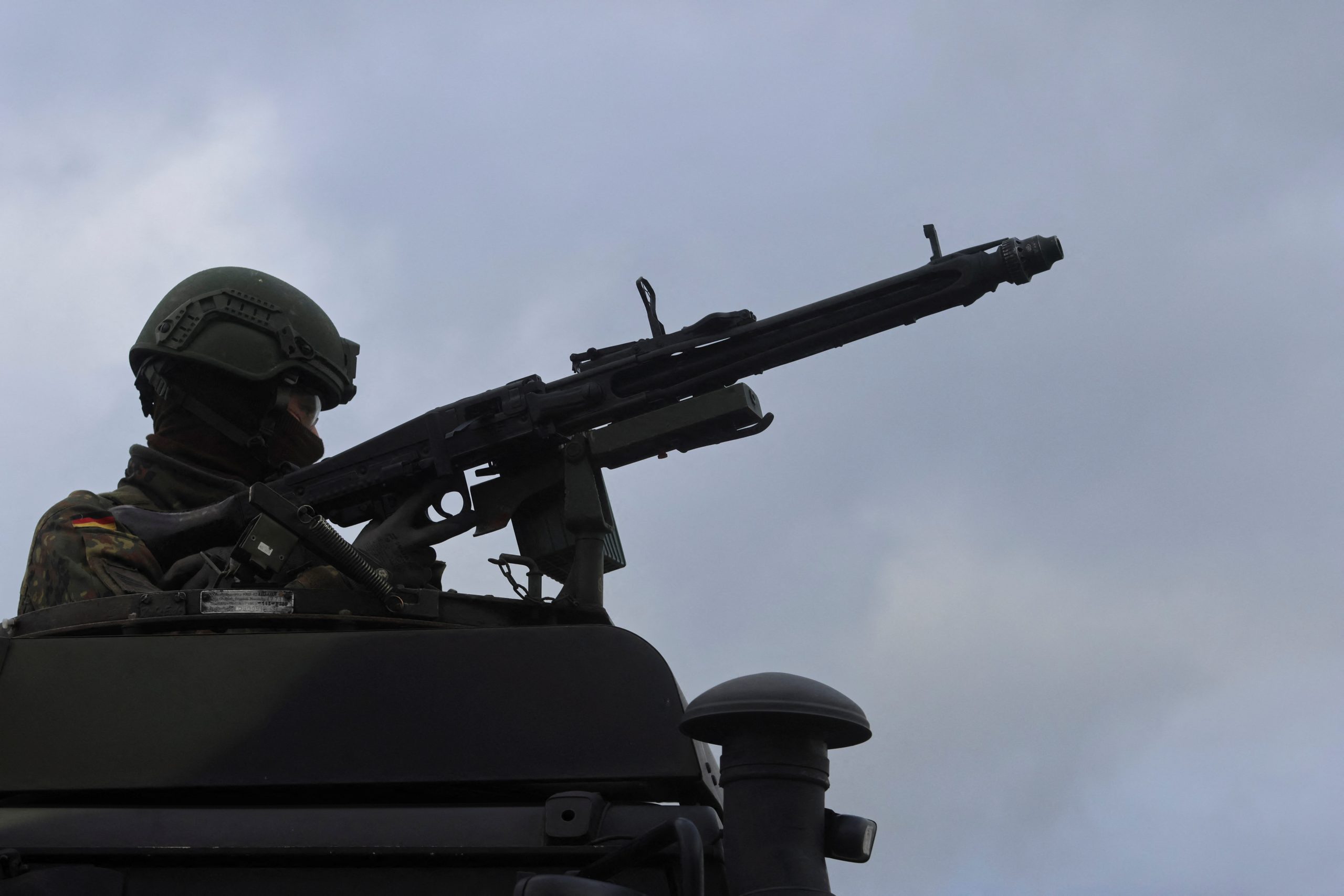
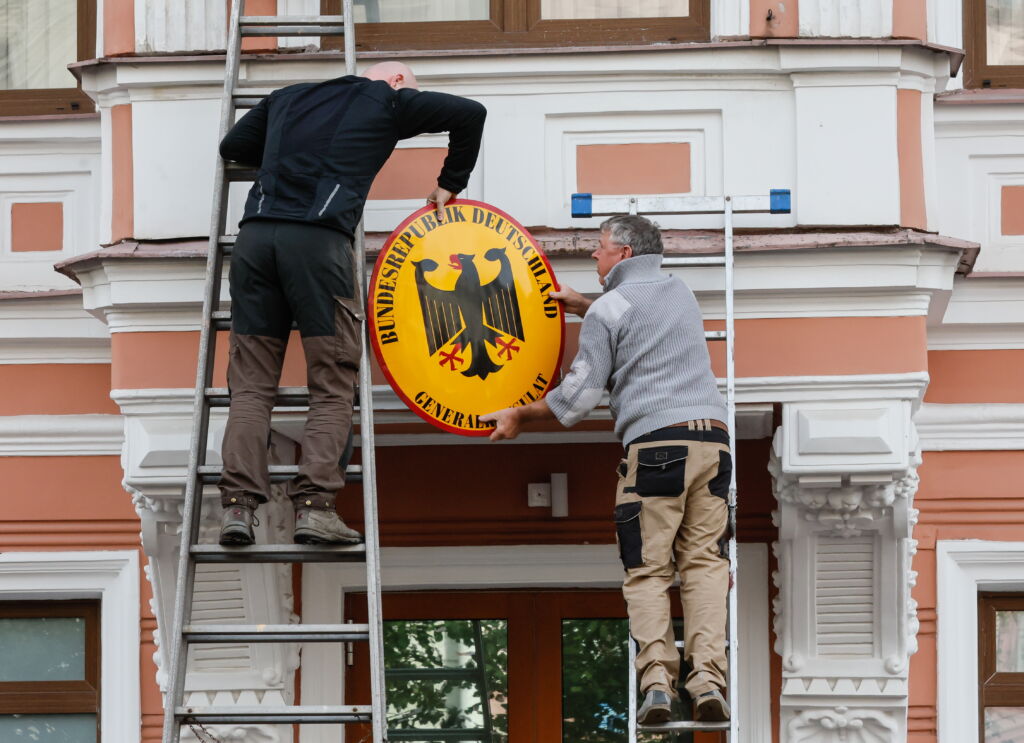
Reporting on 18 September 2026 indicates that Russian-linked hybrid activity is affecting Germany, Poland, Denmark, France, Estonia and Slovakia. German authorities and the Bundeswehr have reported sabotage, espionage and incendiary incidents, while Polish energy infrastructure was targeted by cyberattacks and Danish security services warned of Kremlin recruitment for sabotage. NATO jets shot down a drone over Lithuania on 15 September, and Polish Prime Minister Donald Tusk warned of possible Russian drone or missile strikes against countries supporting Ukraine. European responses are hardening: Emmanuel Macron ordered a French protection plan, Ursula von der Leyen proposed new EU security mechanisms, and the US enacted a broad Russia sanctions package. Attribution of the Leipzig Airport incident remains unresolved because reporting differs over whether an attack was completed or attempted, while Russia denies responsibility.
Change from previous assessment
Since the 18 September prior brief, the core assessment is unchanged: Russia is very likely to sustain hybrid pressure, a hazardous NATO-related incident is likely, and open Russia-NATO conflict is very unlikely. The evidence base is broader, now including reported activity in Denmark, France and Slovakia, cyberattacks on Polish energy infrastructure, alleged Kremlin recruitment of Danish citizens and a weapons cache outside Berlin. The policy assessment is more concrete because France has ordered a protection plan and the US has enacted a Russia sanctions package, while the Leipzig judgment remains low confidence and is now more precisely separated into attribution and incident-severity questions.
Key judgments
- Russia is very likely sustaining an intensified hybrid campaign across Europe over the next 1-3 months, with the reported pattern spanning sabotage, espionage, incendiary devices, cyberattacks, drone activity and suspected recruitment of local operatives. The activity affects named targets and locations including German military installations and Leipzig Airport, Polish energy infrastructure, Danish citizens, French critical infrastructure, Milrem Robotics in Estonia and Skyeton in Slovakia. This is a campaign-level assessment and does not treat Russian responsibility for every individual incident as confirmed. (Confidence: high · ASSESSED)
- I&W: Confirm: Within 0-14 days, authorities in Germany, Poland, Denmark, France, Estonia or Slovakia publicly attribute a new drone, cyber, arson, espionage or sabotage incident to Russian state-linked actors and provide investigative or technical details. (0-14 days)
- I&W: Break: Over 1-3 months, those authorities report no additional comparable incidents and revise existing Russian attributions away from Moscow or Russian-linked actors. (1-3 months)
- A further dangerous incident involving NATO airspace is likely over the next 1-3 months, while open Russia-NATO kinetic conflict is very unlikely. NATO forces shot down a drone over Lithuanian airspace on 15 September, and Donald Tusk warned of Russian drone or missile strikes against Poland and other NATO eastern-flank countries. The assessment is medium confidence because US intelligence reporting described a possible limited Russian incursion to test NATO resolve, while Baltic intelligence assessments state that Russia currently lacks the men and equipment required for an incursion into Estonia, Latvia or Lithuania. (Confidence: medium · ASSESSED)
- I&W: Confirm: NATO aircraft intercept another drone inside Lithuanian, Latvian or Estonian airspace, followed by a Russian warning or public dispute over the incident. (0-30 days)
- I&W: Break: No further Baltic airspace incursion occurs over 1-3 months, while Baltic intelligence services continue to assess that Russia lacks the force capacity for a near-term incursion. (1-3 months)
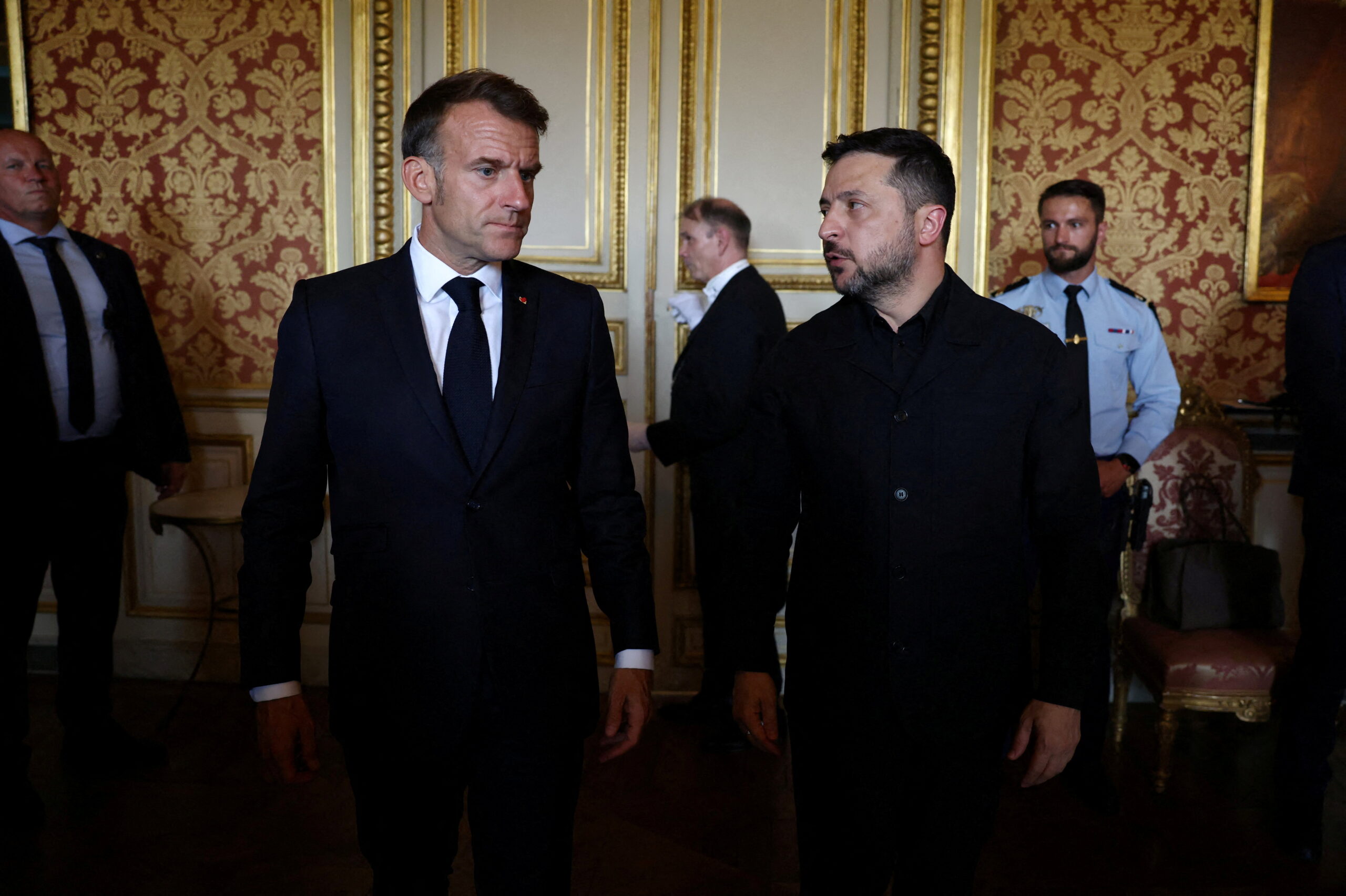
- European governments are very likely to expand protective and coordinating measures against Russian hybrid activity over the next 1-3 months, but implementation is likely to remain uneven. France has ordered a plan to protect critical infrastructure and sensitive defence sites; Ursula von der Leyen has proposed a European Security Council and an emergency security protocol; and Germany has approved a draft law to expand intelligence-service capabilities. Berlin also plans additional EU sanctions and pressure on Russia's shadow fleet. The measures remain partly prospective, and proposed EU arrangements risk overlap with NATO responsibilities. (Confidence: medium · ASSESSED)
- I&W: Confirm: Within 1-3 months, France publishes its infrastructure-protection plan, Germany advances the intelligence-services law, and EU institutions formally develop the proposed emergency security mechanism or European Security Council. (1-3 months)
- I&W: Break: The EU proposals are withdrawn or stalled, Berlin's proposed sanctions measures do not reach EU consideration, and no additional national protection measures are announced over 1-3 months. (1-3 months)
- Attribution and severity of the August 2026 Leipzig Airport incident are likely to remain contested, with low confidence in the precise account. The German government attributed the incident to Russia, while Russia called European allegations baseless. Reporting differs over whether armed drones were discovered on the runway, whether an explosive-carrying drone attempted an attack, and whether a completed attack occurred. Additional drones were reportedly found near the airport in the following weeks. (Confidence: low · REPORTED)
- I&W: Confirm: German authorities release forensic findings, recovered payload details or investigative evidence that links the Leipzig drones to Russian state-directed activity and establishes that an explosive attack was attempted. (0-30 days)
- I&W: Break: German authorities withdraw or materially qualify the Russian attribution, or confirm that the incident involved only drone discovery with no attempted or completed attack. (0-30 days)
Outlook & scenarios
Sustained shadow pressure without direct NATO attack (65%)
Russia sustains sabotage, cyberattacks, espionage, drone activity and coercive warnings against Germany, Poland, Denmark, France, Estonia and the UK. European governments strengthen site protection and intelligence cooperation while avoiding a direct kinetic response against Russia.
Contained Baltic airspace crisis (30%)
A drone again enters Lithuanian, Latvian or Estonian airspace, NATO aircraft intercept it, and Moscow issues a denial or warning. The incident produces urgent consultations but does not develop into open Russia-NATO conflict.
European institutional hardening with uneven execution (45%)
France implements its infrastructure-protection plan, Germany advances expanded intelligence powers, and EU governments develop von der Leyen's proposed security mechanisms. Disagreement over overlap with NATO and national political differences slows implementation.
Limited strike on NATO territory (10%)
Russia conducts a drone or missile strike into Poland or another NATO eastern-flank state and frames the incident as accidental. The event causes casualties or infrastructure damage and produces a major dispute over collective-defence responses. This is an unlikely, high-impact outcome.
Recommendations
- Maintain a single incident ledger for Germany, Poland, Denmark, France, Estonia, Slovakia and Lithuania. Record the event, target, platform, damage, attribution, source quality and whether the incident was completed or attempted.
- Prioritise collection on Leipzig Airport. Seek German forensic findings, recovered-drone specifications, payload evidence, flight-path data and any formal investigative or prosecutorial update before treating the incident as a completed Russian attack.
- Establish a 0-30 day watch for Baltic airspace incursions. Track drone entry points, NATO aircraft responses, Russian public warnings and any change in Baltic assessments of Russian force availability.
- Separate enacted measures from proposals in the policy picture. Monitor publication of France's protection plan, progress on Germany's intelligence-services law, EU discussion of the European Security Council and emergency protocol, and Berlin's proposed sanctions and shadow-fleet measures.
- Assess Russian signalling towards the UK and European military support for Ukraine after the US sanctions enactment. Track new warnings concerning British facilities, European troop deployments or weapons deliveries, and distinguish rhetorical threats from observable operational preparations.
Confidence & uncertainty
Overall confidence is high because the campaign-level assessment is supported by converging reporting from major media, official government statements, wire services and specialist European security analysis. German, Polish, Danish, French, Estonian and Slovak reporting describes related activity across different sectors, while the NATO drone shootdown and multiple policy responses provide corroborating evidence of elevated concern. The main uncertainties concern responsibility for individual incidents, the precise status of the Leipzig Airport event, the certainty of Donald Tusk's warning about planned Russian strikes, and the conflicting assessments of Russia's ability to mount a limited Baltic incursion.
Intelligence gaps
- [EEI 1.2 · PARTIAL] Observed reconnaissance activity around critical sites indicative of attack planning (unauthorised drone flights, repeated surveillance visits, loitering vehicles, mapping/photography of assets). Recommended collection: open-source/media
- [EEI 1.3 · UNCOVERED] Law-enforcement or customs seizures, arrests or interdictions of persons or shipments carrying explosives, sabotage tools, specialty cutting/electrical equipment, or covert comms gear destined for/near critical infrastructure. Recommended collection: law enforcement
- [EEI 2.1 · UNCOVERED] Emergence or amplification of coordinated social-media networks (sets of accounts, pages, channels) pushing identical narratives or hashtags across multiple platforms, including bot-like activity metrics and origin IP/common management indicators. Recommended collection: social-media/OSINT
- [EEI 2.2 · UNCOVERED] Publication or internal guidance from state-run media, proxy outlets, or identified influence platforms distributing talking points, pre-scripted messaging, or translated content targeted at specific EU countries/communities. Recommended collection: open-source/media
- [EEI 2.3 · UNCOVERED] Distribution of manipulated multimedia (deepfakes), targeted phishing/whaling campaigns, or localized false narratives timed to political events (elections, protests, court rulings) with tracked reach and engagement metrics. Recommended collection: cyber/forensic
- [EEI 3.1 · UNCOVERED] Unusual financial transactions: wire transfers, crypto conversions, or payments to shell companies, NGOs or individuals exceeding typical baselines that link to known proxies or front organisations. Recommended collection: financial
- [EEI 3.2 · UNCOVERED] Travel and movement indicators for suspected operatives: repeated border crossings, chartered/irregular flights, booking patterns or mobile/location data placing identified individuals in staging areas shortly before incidents. Recommended collection: border/immigration
- [EEI 3.3 · UNCOVERED] Cargo, freight or maritime movements with discrepancies (concealed/dual-use equipment, false manifests, unusual routing) detected at ports, rail hubs or via AIS that correspond to deliveries of material used in sabotage or influence operations. Recommended collection: customs/ports
- [EEI 3.4 · UNCOVERED] Intercepted or otherwise-obtained communications showing tasking, coordination, or payment instructions between Russian agencies/handlers and proxy groups, including identified command-and-control servers or encrypted group identifiers. Recommended collection: signals-intel/SIGINT
Cited sources
[1] International Policy Digest · Putin Is Failing in Ukraine. NATO Could Be His Escape Hatch. (B) · Fri Sep 18 2026 22:41:19 GMT+0000 (Coordinated Universal Time) · sha256:879497fb118a [2] India Today · Zelenskyy hosts Carpathian Eight summit as Russian strikes hit Ukraine (B) · Fri Sep 18 2026 16:54:39 GMT+0000 (Coordinated Universal Time) · sha256:738d8d60ef66 [3] Center for European Policy Analysis (CEPA) · How to Defeat Russia's Shadow War (C) · Fri Sep 18 2026 13:12:18 GMT+0000 (Coordinated Universal Time) · sha256:c6a91dbe6aff [4] International Centre for Defence and Security (ICDS) · Germany is the Front Line of Russian Hybrid Attacks: What Comes Next? - International Centre for Defence and Security (C) · Fri Sep 18 2026 07:47:06 GMT+0000 (Coordinated Universal Time) · sha256:3a78e208a128 [5] BBC · Russian hybrid attacks against Europe intensifying, says Macron (A) · Fri Sep 18 2026 13:00:58 GMT+0000 (Coordinated Universal Time) · sha256:afe177f49013 [6] Atlantic Council · Putin is escalating against NATO but a Baltic incursion remains unlikely (C) · Thu Sep 17 2026 20:19:19 GMT+0000 (Coordinated Universal Time) · sha256:9b1f239fec93 [7] BBC · Russian hybrid attacks against Europe intensifying, says Macron (A) · Fri Sep 18 2026 13:00:58 GMT+0000 (Coordinated Universal Time) · sha256:882e7e6655b9 [8] Associated Press (via Boston Herald) · Zelenskyy hosts leaders from 7 countries for a regional summit (A) · Fri Sep 18 2026 15:32:16 GMT+0000 (Coordinated Universal Time) · sha256:e0862519884b [9] Al Jazeera · Russia seizes assets of French firms, summons UK envoy over Ukraine support (A) · Fri Sep 18 2026 14:17:20 GMT+0000 (Coordinated Universal Time) · sha256:f105f817409c [10] Global Banking & Finance (reprinting Reuters reporting) · France Warns of Intensifying Russian Hybrid Attacks, Promises Response (B) · Fri Sep 18 2026 15:35:00 GMT+0000 (Coordinated Universal Time) · sha256:176a3febb7b6 [11] Atlantic Council · Macron won the argument over European strategic autonomy. Will better European defense come of it? (C) · Thu Sep 17 2026 16:31:39 GMT+0000 (Coordinated Universal Time) · sha256:12ba24ebf00b [12] Politico Europe · European leaders prepare public for ‘intensified threat’ from Putin (A) · Fri Sep 18 2026 16:35:38 GMT+0000 (Coordinated Universal Time) · sha256:cadde80eed11
Source content hashes were computed at collection time; the cited text is preserved unmodified for the life of this product.
Red cell review: CONCUR WITH COMMENT
TLP:CLEAR