TLP:CLEAR · Disclosure is not limited.
Europe: Russian Hybrid Warfare Pressure Intensifies
Time window: Last 1 day · Audience: General analyst · Type: Situation report · DTG: 2026-09-20 03:08Z · Overall confidence: HIGH
BLUF
Russia is very likely sustaining a coordinated hybrid campaign across Europe, combining sabotage, cyberattacks, disinformation, espionage and drone activity against states supporting Ukraine. A further hazardous incident affecting NATO airspace is likely in the next 1-3 months, but open Russia-NATO kinetic conflict remains very unlikely.
Executive summary
Reported activity since 18 September includes NATO fighter jets downing an explosive-carrying drone that entered Lithuanian airspace from Belarus, Polish preventive air operations during Russian strikes on Ukraine, suspected drone activity that halted operations at Luxembourg's Findel Airport, and nearly 340 drone incidents near UK Defence Ministry facilities through August. Poland, Germany and Denmark have accused Russia of hybrid activity, while Western intelligence agencies cite intercepts involving Russian security services and paid third parties. European governments are responding with new resilience requirements, infrastructure protection plans, evacuation arrangements and proposals for an EU hybrid-threat response mechanism. The severity and attribution of the August Leipzig Airport incident remain disputed, and the scale of any Russian post-election mobilisation is uncertain.
Change from previous assessment
Since the 19 September brief, the campaign-level assessment and the judgement that open Russia-NATO kinetic conflict is very unlikely remain unchanged. New reporting adds Western intelligence warnings of post-election Russian mobilisation and intensified strikes, Polish preventive air operations, Belarusian exercises near Poland and Lithuania, suspected drone activity at Luxembourg's Findel Airport, nearly 340 UK military-site drone incidents through August, and updated NATO resilience requirements. Confidence in a further hazardous NATO airspace incident remains medium. The Leipzig assessment remains low confidence because reporting still conflicts over the number of drones, whether an attack was attempted, the incident date and responsibility.
Key judgments
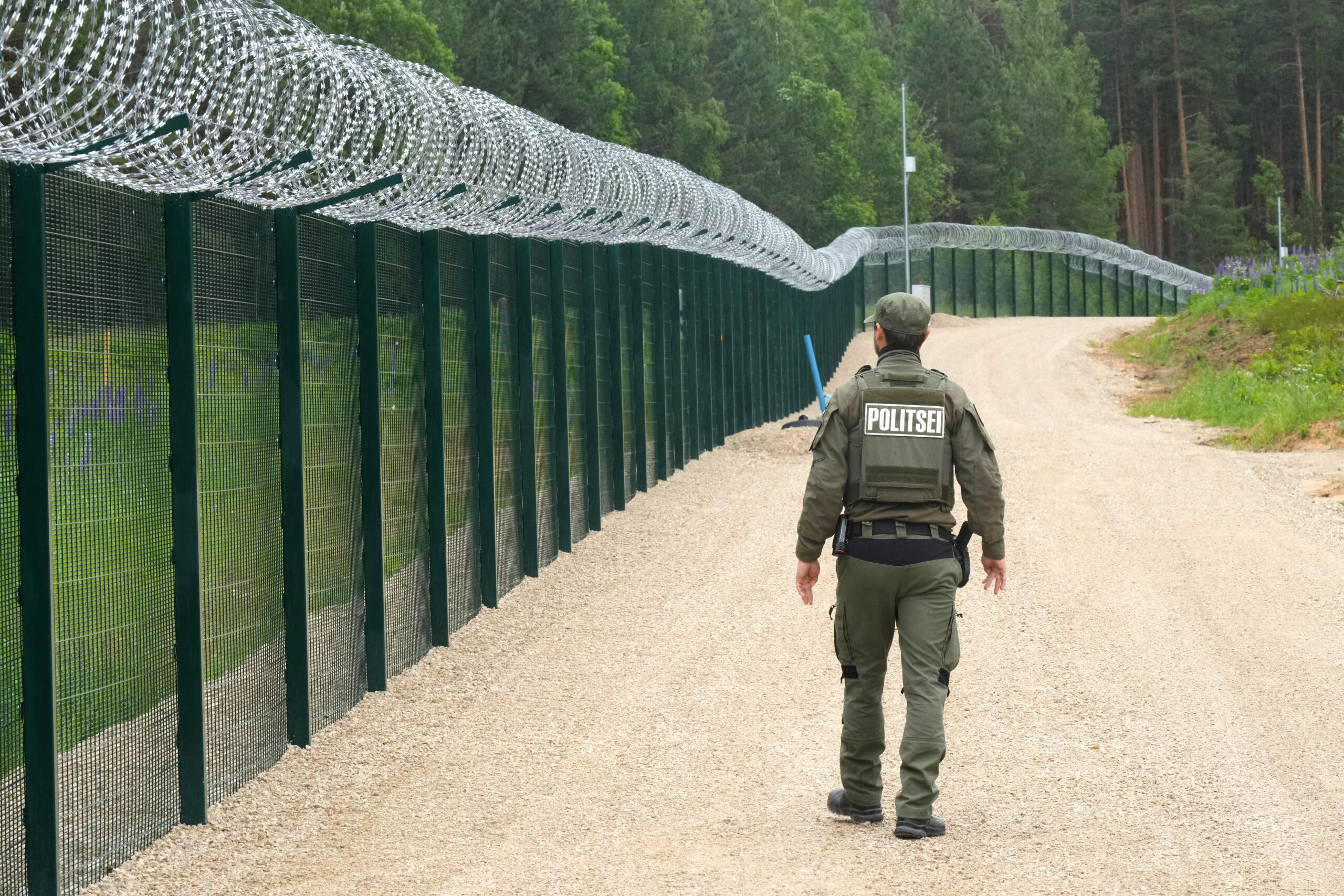
- Russia is very likely sustaining a Europe-wide hybrid campaign over the next 1-3 months, combining sabotage, arson, cyberattacks, disinformation, drone activity, espionage and recruitment of local operatives. Western intelligence agencies cite communications intercepts in which Russian security services allegedly offered payment to third parties. Poland, Germany and Denmark have accused Russia of drone incursions, sabotage, arson and surveillance. The Bundeswehr reported spying and sabotage at German military bases used for Ukrainian training and logistics, Denmark's security services warned that the Kremlin was recruiting Danish citizens for sabotage, and Poland's National Security Bureau identified railways, bridges and border crossings supporting Ukraine as potential targets. Attribution of every individual incident remains unconfirmed. (Confidence: high · ASSESSED)
- I&W: Confirm: Within 0-14 days, German, Polish or Danish authorities publicly link a new incident at a named military base, railway, bridge, border crossing or airport to Russian services, recruited intermediaries or communications evidence. (0-14 days)
- I&W: Break: Over 1-3 months, investigations in those states attribute new incidents to non-Russian actors and report no corroborating Russian tasking, payment or communications. (1-3 months)
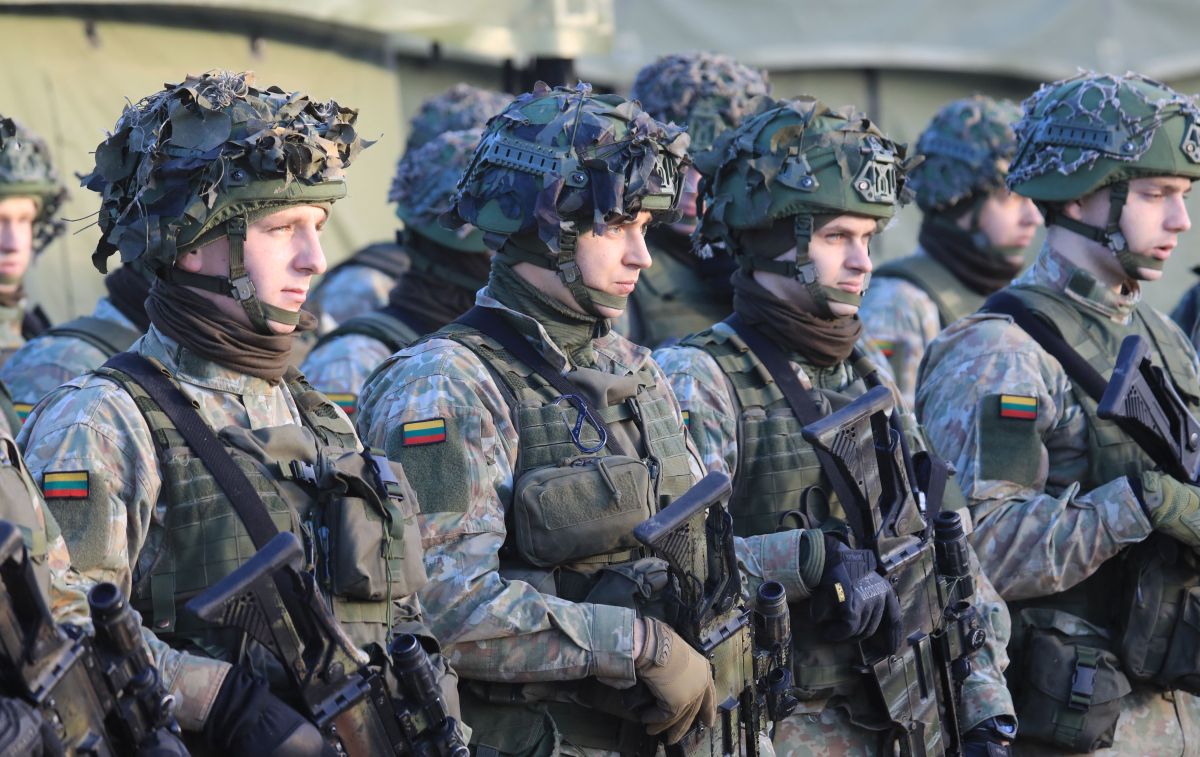
- A further hazardous Russian-linked incident affecting NATO airspace or territory is likely in the next 1-3 months, while open Russia-NATO kinetic conflict is very unlikely in that period. NATO fighter jets downed an explosive-carrying drone that entered Lithuania from Belarus, Poland activated preventive air operations on 19 September without detecting a violation, and Donald Tusk warned of attacks disguised as accidents against NATO states supporting Ukraine. Countervailing evidence is substantial: Baltic intelligence services assess that Russia lacks the men and equipment for a successful incursion while Ukraine continues to resist, and CIA Director John Ratcliffe reportedly warned Moscow against attacking NATO members. (Confidence: medium · ASSESSED)
- I&W: Confirm: Within 0-14 days, NATO or a member state records another explosive-carrying drone or missile crossing Lithuanian, Polish, Romanian or other NATO airspace and launches fighters or an air-defence response. (0-14 days)
- I&W: Break: Over 1-3 months, no further NATO airspace violation occurs, Belarus's four-day exercises end without a cross-border incident, and Baltic governments continue to assess that Russia lacks the resources for an incursion. (1-3 months)
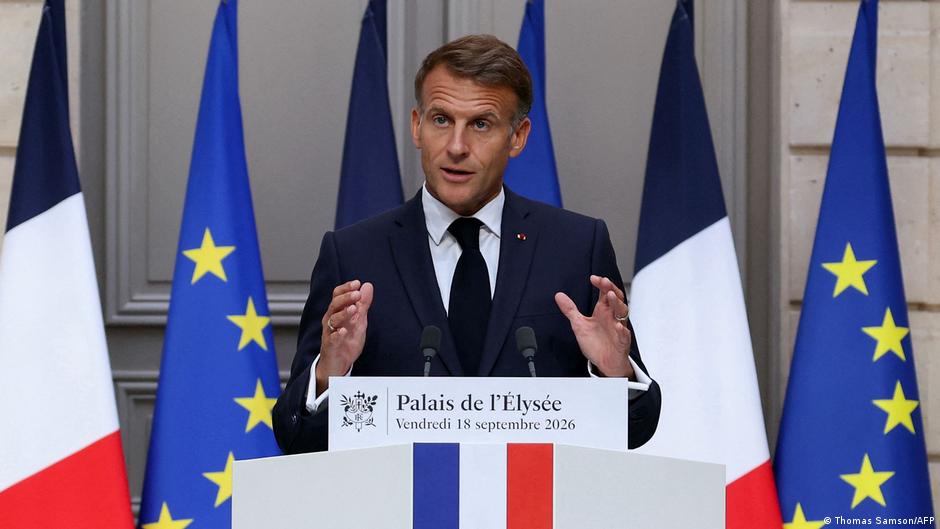
- European governments are very likely to expand protective and coordinating measures against Russian hybrid activity over the next 1-3 months, but implementation is likely to remain uneven. Emmanuel Macron ordered France to prepare protection plans for critical infrastructure and sensitive defence sites. Ursula von der Leyen proposed a NATO-like EU mechanism, a European Security Council involving the EU, Canada, Norway and the UK, and an emergency security protocol modelled on NATO Article 4. NATO also published updated resilience requirements, while Lithuania prepared a Vilnius evacuation plan, Germany scheduled four Eurofighters for Latvia's Lielvārde Air Base, and nine European countries announced an integrated air-defence effort with Ukraine. The assessment is medium confidence because several measures remain proposals or plans rather than fully implemented capabilities. (Confidence: medium · ASSESSED)
- I&W: Confirm: Within 0-14 days, France publishes its infrastructure protection plan or EU member states issue implementing guidance for the proposed hybrid-threat mechanism or emergency security protocol. (0-14 days)
- I&W: Break: Over 1-3 months, EU member states defer or reject the proposed mechanism, France issues no implementation measures, and national responses remain limited to public statements. (1-3 months)
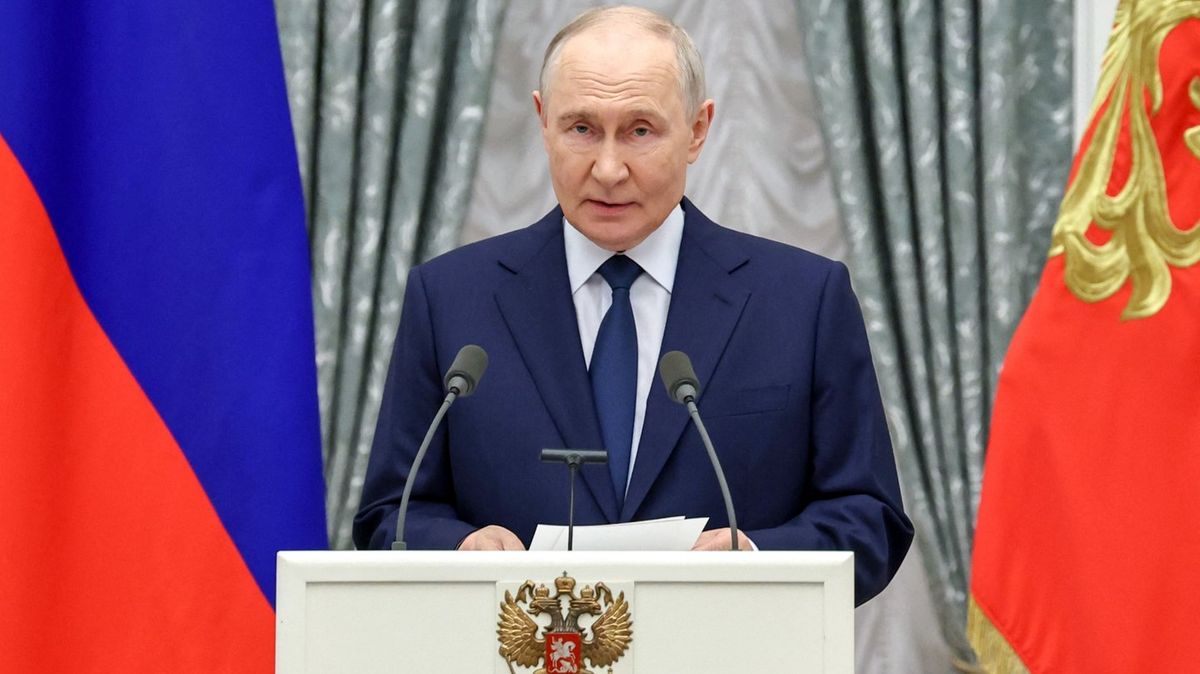
- Russia is likely to pair post-election escalation in Ukraine with increased pressure on European supporters, but the reported plan to mobilise 300,000 additional personnel is unlikely to be reliable as a precise forecast. Western intelligence sources assessed that Vladimir Putin was preparing intensified strikes against Ukraine and European allies, accelerated mobilisation and a draft surge after the 18-20 September State Duma election. Volodymyr Zelensky repeated the 300,000 figure, while some Western intelligence officials questioned it. The timing and scale of any resulting military action therefore remain uncertain. (Confidence: medium · ASSESSED)
- I&W: Confirm: Within 0-14 days of the State Duma vote, Russian authorities announce a new mobilisation or draft measure and reporting shows intensified strikes against Ukraine or European allies. (0-14 days)
- I&W: Break: Over 1-3 months, Russia announces no new mobilisation measure and reporting does not show a sustained increase in strikes against Ukraine or European allies. (1-3 months)
Outlook & scenarios
Sustained grey-zone pressure and uneven European protection (55%)
Russia sustains sabotage, cyberattacks, drone activity, espionage and information operations without a direct attack on NATO territory. France, Germany, Lithuania, Poland, the UK and other European governments expand national protection measures, while EU-level coordination advances slowly.
Controlled NATO airspace escalation (30%)
A further drone or missile incident affects NATO airspace or territory, prompting fighter or air-defence responses and sharper public warnings. NATO members contain the incident through attribution, air-policing measures and diplomatic signalling, avoiding open kinetic conflict with Russia.
Post-election Russian escalation against Ukraine and European supporters (20%)
Following the State Duma election, Russia increases mobilisation measures and intensifies strikes against Ukraine, while expanding pressure on European states that provide military support. European governments increase air-defence, infrastructure and counter-sabotage measures in response.
Lethal incident triggers an alliance crisis (5%)
A very unlikely but high-impact incident causes deaths or major damage on NATO territory and produces competing claims over responsibility. Allied governments debate collective-defence procedures while Russia portrays the response as preparation for a wider war, creating a sharp but not necessarily sustained escalation.
Recommendations
- Maintain a 0-14 day watch focused on Lithuanian, Polish and Romanian airspace, Belarusian military activity near Poland and Lithuania, and any new explosive-carrying drone or missile incident. Record launch location, route, payload, response force and official attribution separately.
- Prioritise collection on named infrastructure supporting Ukraine, including German military bases, Leipzig Airport, Polish railways, bridges and border crossings, and Danish facilities. Distinguish confirmed Russian tasking from political attribution and from unclaimed activity.
- Treat the Leipzig Airport incident as disputed in all reporting products. Track the official German investigation, the number and status of devices found, the date of discovery, and the competing Russian account before using it as evidence of a completed attack.
- Track implementation rather than announcements. Monitor whether France publishes its infrastructure protection plan, whether EU states develop the proposed hybrid-threat mechanism, whether NATO resilience requirements produce national measures, and whether Lithuania's evacuation arrangements are exercised.
- Monitor post-election Russian mobilisation and strike indicators separately. Do not treat the reported 300,000-person figure as confirmed unless Russian administrative measures, force-generation activity or corroborated intelligence support it.
- Maintain a separate maritime cyber watch for the Vivit Africa LNG investigation and Black Sea shipping incidents. Do not attribute the Vivit Africa systems failure to Russia without evidence, while tracking changes in Joint War Committee reporting requirements and war-risk premiums.
Confidence & uncertainty
Overall confidence is high because major media, official government statements, NATO reporting and national security assessments corroborate the broader pattern across multiple countries and activity types. Confidence is highest for the existence of expanded European concern and protective measures, and for the occurrence of specific reported incidents. The main uncertainties concern Russian responsibility for individual events, the severity and timing of the Leipzig Airport incident, the cause of the Vivit Africa systems failure, and the scale of any post-election Russian mobilisation.
Intelligence gaps
- [EEI 2.1 · UNCOVERED] Emergence or amplification of coordinated social-media networks (sets of accounts, pages, channels) pushing identical narratives or hashtags across multiple platforms, including bot-like activity metrics and origin IP/common management indicators. Recommended collection: social-media/OSINT
- [EEI 2.2 · UNCOVERED] Publication or internal guidance from state-run media, proxy outlets, or identified influence platforms distributing talking points, pre-scripted messaging, or translated content targeted at specific EU countries/communities. Recommended collection: open-source/media
- [EEI 2.3 · PARTIAL] Distribution of manipulated multimedia (deepfakes), targeted phishing/whaling campaigns, or localized false narratives timed to political events (elections, protests, court rulings) with tracked reach and engagement metrics. Recommended collection: cyber/forensic
- [EEI 3.1 · PARTIAL] Unusual financial transactions: wire transfers, crypto conversions, or payments to shell companies, NGOs or individuals exceeding typical baselines that link to known proxies or front organisations. Recommended collection: financial
- [EEI 3.2 · UNCOVERED] Travel and movement indicators for suspected operatives: repeated border crossings, chartered/irregular flights, booking patterns or mobile/location data placing identified individuals in staging areas shortly before incidents. Recommended collection: border/immigration
- [EEI 3.3 · UNCOVERED] Cargo, freight or maritime movements with discrepancies (concealed/dual-use equipment, false manifests, unusual routing) detected at ports, rail hubs or via AIS that correspond to deliveries of material used in sabotage or influence operations. Recommended collection: customs/ports
- [EEI 3.4 · PARTIAL] Intercepted or otherwise-obtained communications showing tasking, coordination, or payment instructions between Russian agencies/handlers and proxy groups, including identified command-and-control servers or encrypted group identifiers. Recommended collection: signals-intel/SIGINT
Cited sources
[1] NPR (via Boise State Public Radio) · France, Poland and European allies warn of escalating Russian 'hybrid' attacks (A) · Sat Sep 19 2026 07:40:48 GMT+0000 (Coordinated Universal Time) · sha256:2bfbc7636767 [2] Ynetnews · NATO on alert as Europe braces for Russian escalation and possible post-election mobilization (B) · Sat Sep 19 2026 15:11:36 GMT+0000 (Coordinated Universal Time) · sha256:39cd7643a491 [3] Deutsche Welle (DW) · France: Macron orders defense against Russian hybrid attacks (A) · Fri Sep 18 2026 13:01:43 GMT+0000 (Coordinated Universal Time) · sha256:9423aa64098c [4] Modern Diplomacy · Russian Provocations on NATO Members Are the Pretext Putin Wants to Save His Regime (D) · Sat Sep 19 2026 22:00:14 GMT+0000 (Coordinated Universal Time) · sha256:cffafbd1e811 [5] RBC-Ukraine (newsukraine.rbc.ua) · Russia preparing false flag attacks in Europe, Lithuania reveals intelligence (B) · Sat Sep 19 2026 10:13:57 GMT+0000 (Coordinated Universal Time) · sha256:a6c19a0bd7aa [6] Newsweek · NATO Nation Reveals Invasion Evacuation Plan Details (B) · Sat Sep 19 2026 15:14:05 GMT+0000 (Coordinated Universal Time) · sha256:571ae75d9d80 [7] LADbible · Is Britain at war with Russia? Exact event that could lead UK into conflict explained (B) · Sat Sep 19 2026 12:43:12 GMT+0000 (Coordinated Universal Time) · sha256:f065adb9e848 [8] Atlantic Council · Putin is escalating against NATO but a Baltic incursion remains unlikely (C) · Thu Sep 17 2026 20:19:19 GMT+0000 (Coordinated Universal Time) · sha256:9b1f239fec93 [9] The Jerusalem Post · Putin prepares to escalate Ukraine war with draft surge, attacks targeting NATO - report (B) · Sun Sep 20 2026 03:56:09 GMT+0000 (Coordinated Universal Time) · sha256:9b71edb82514 [10] Atlantic Council · Macron won the argument over European strategic autonomy. Will better European defense come of it? (C) · Thu Sep 17 2026 16:31:39 GMT+0000 (Coordinated Universal Time) · sha256:12ba24ebf00b
Source content hashes were computed at collection time; the cited text is preserved unmodified for the life of this product.
Red cell review: CONCUR WITH COMMENT
TLP:CLEAR