TLP:CLEAR · Disclosure is not limited.
Europe: Russian-linked hybrid pressure and Germany's September response
Time window: Last 1 day · Audience: General analyst · Type: Situation report · DTG: 2026-09-06 22:10Z · Overall confidence: HIGH
BLUF
Russian-linked hybrid pressure in Europe is likely to persist over the next 1-3 months, with Germany facing the clearest combination of suspected incidents, official attribution and new domestic security measures. Berlin and Moscow are likely to intensify diplomatic and administrative confrontation, while a deliberate Russian attack on NATO territory remains very unlikely.
Executive summary
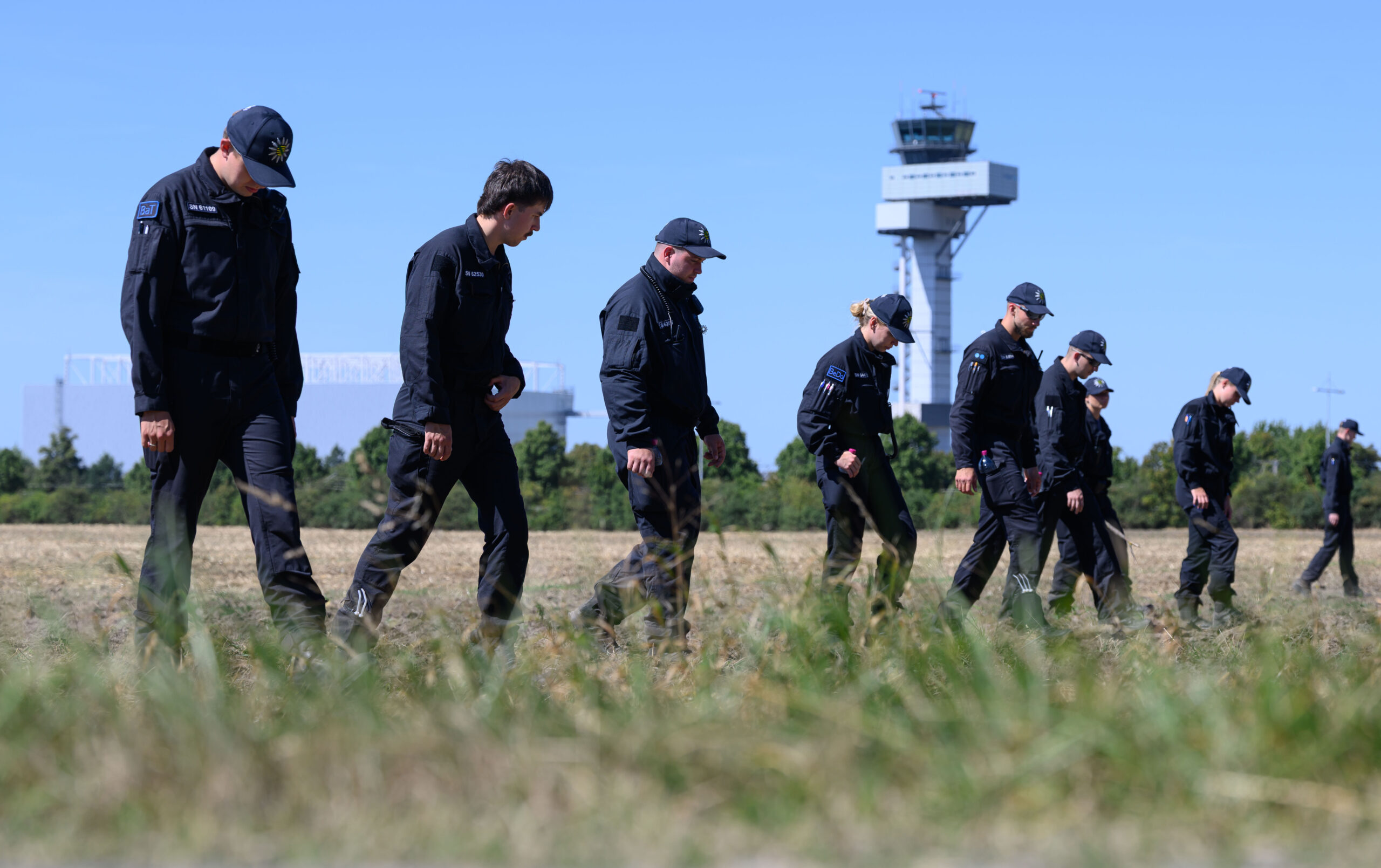
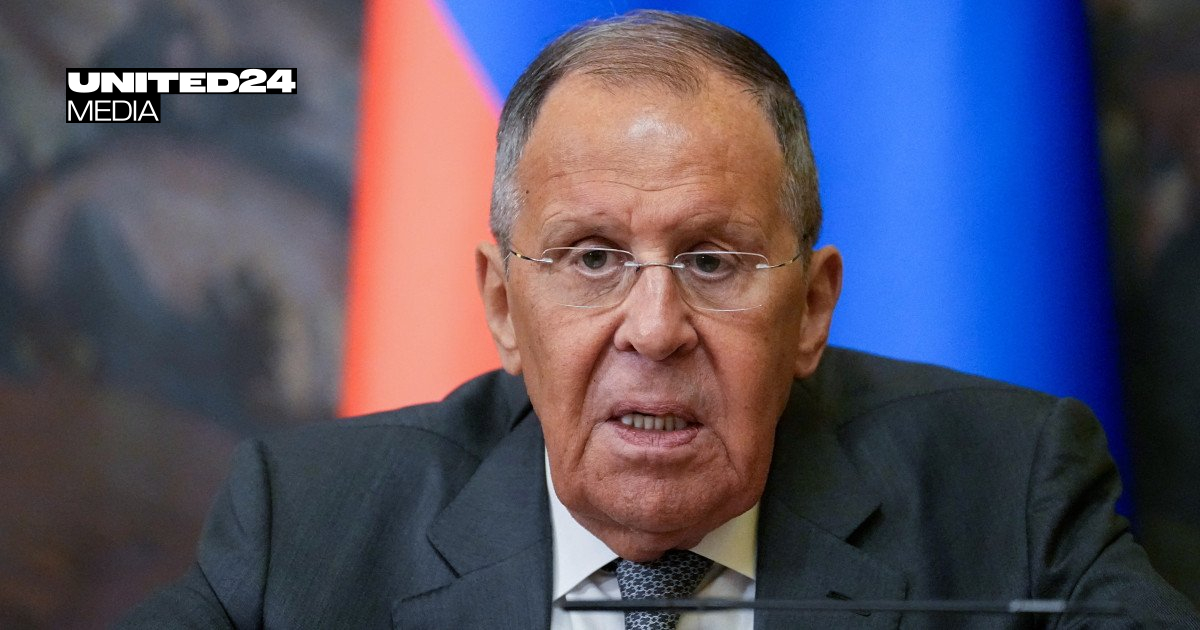
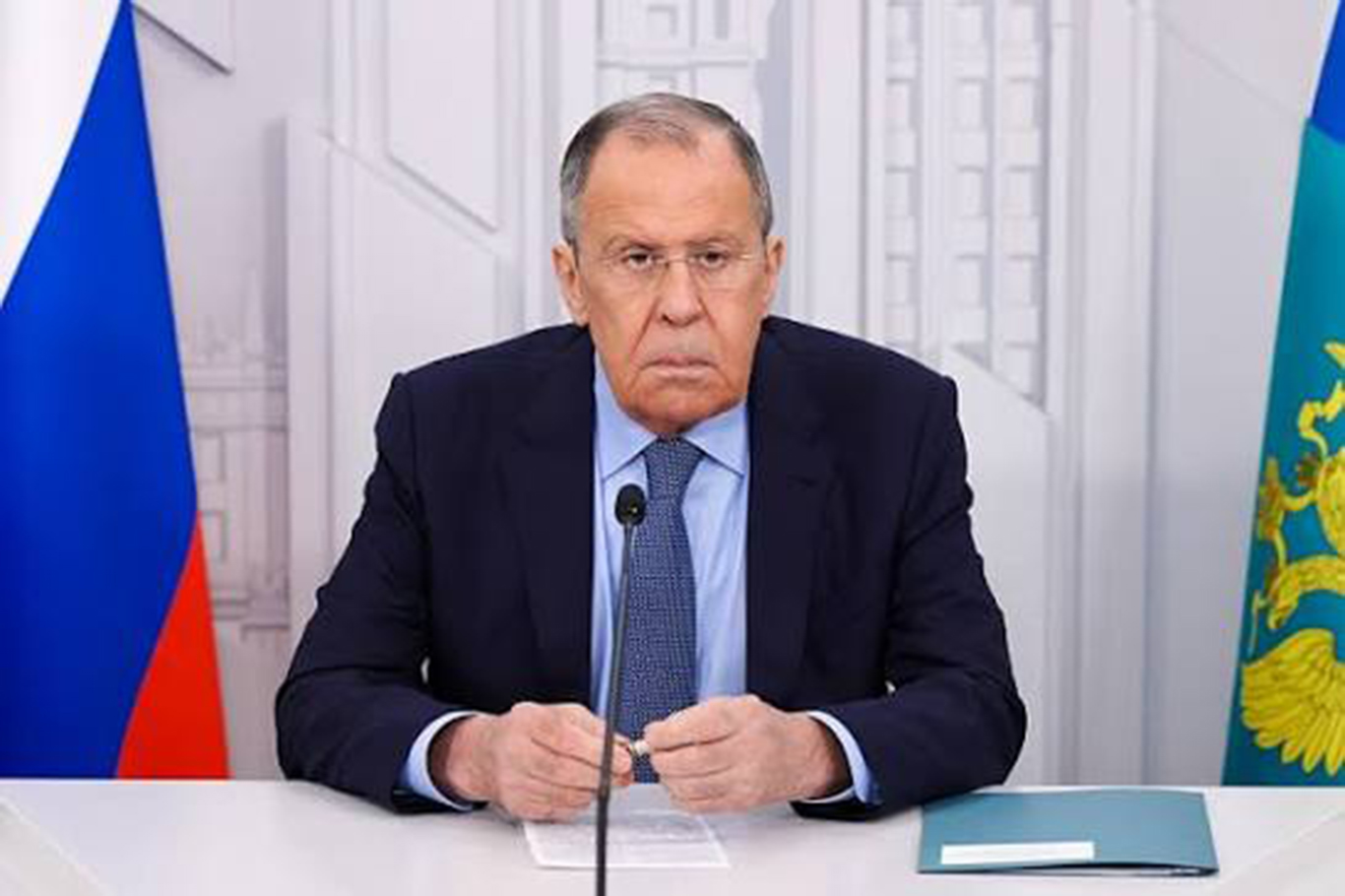
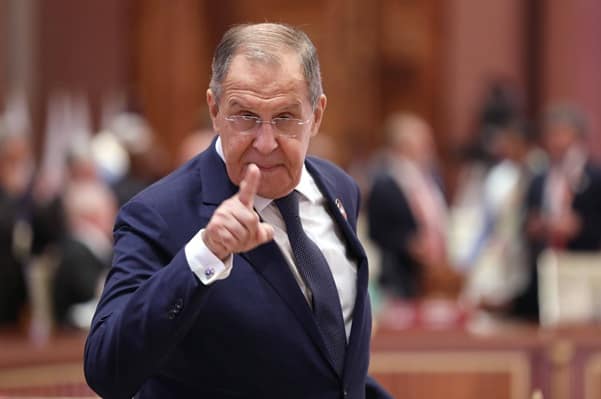
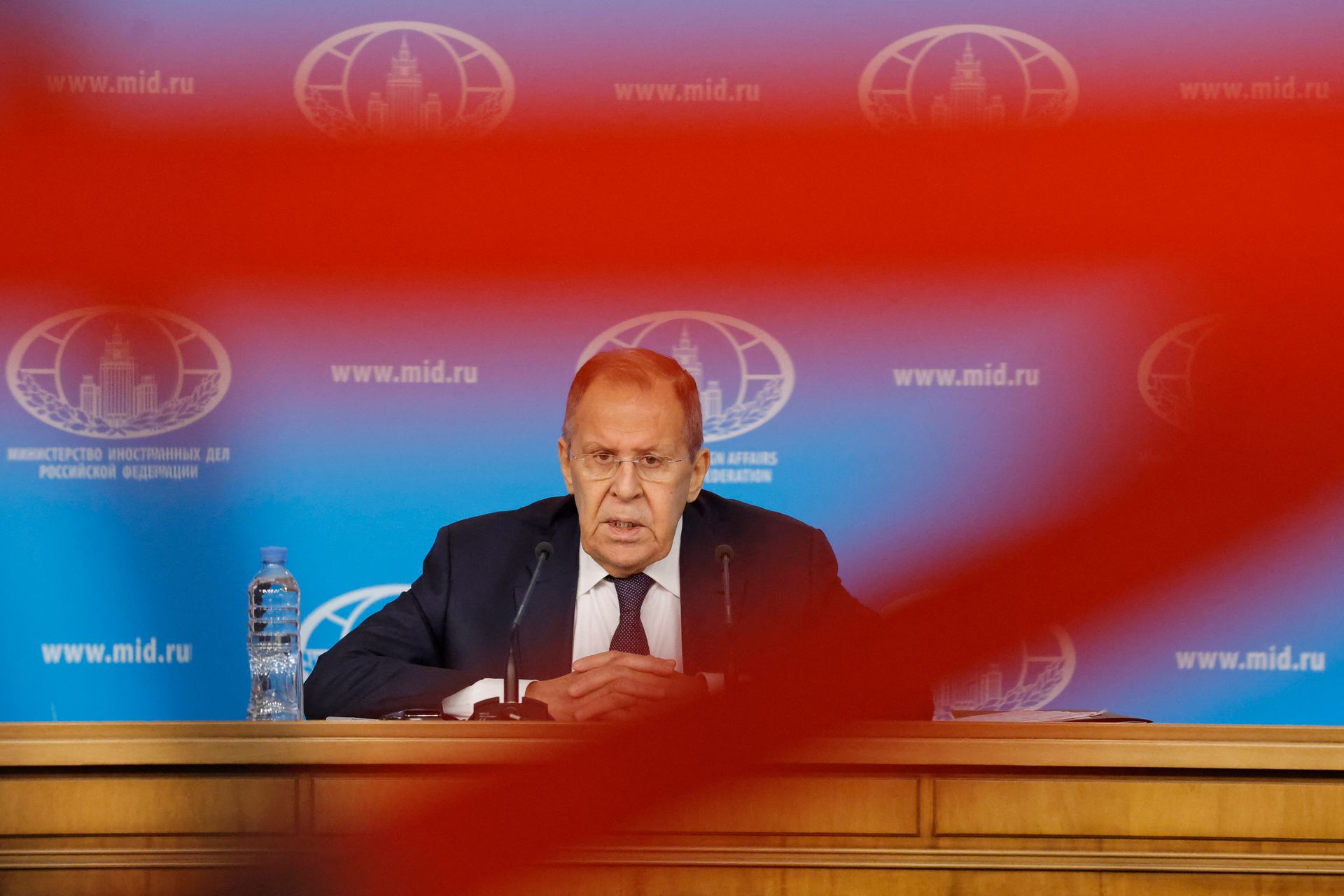
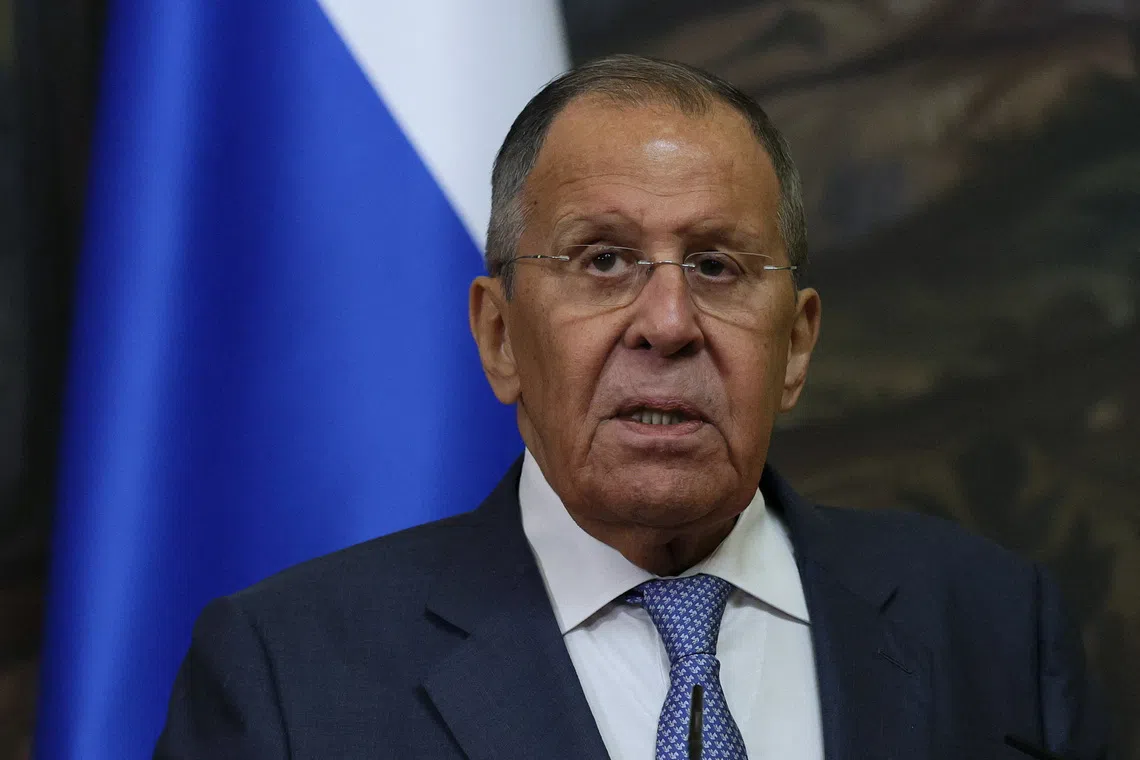
Germany has moved from attributing the 4 August Leipzig/Halle Airport drone operation to Russia towards implementing a broader response. The planned measures include mobile anti-drone units in nine cities, a national Cyberdome, expanded surveillance and legal authority for critical infrastructure operators to neutralise unauthorised drones. The BKA recorded 165 suspected sabotage cases, 24 espionage investigations and 747 suspicious drone flights during the first eight months of 2026. Russia has denied responsibility, announced retaliatory closures of Goethe Institut branches and used increasingly confrontational language, including Sergey Lavrov's description of the German accusations as the beginning of a real war. The main uncertainty remains the public evidentiary basis for the Leipzig attribution and the precise number of drones and extent of aircraft damage.
Change from previous assessment
Since the 5 September brief, the assessment of persistent Russian-linked hybrid pressure is unchanged, but the German response is now more concrete. New reporting adds BKA figures for suspected sabotage, espionage investigations and suspicious drone flights, details of nine planned Federal Police anti-drone deployments, the Cyberdome and expanded legal powers for infrastructure operators. Confidence in Germany's domestic response has increased, while confidence in Leipzig incident details remains constrained by continuing date, damage and attribution discrepancies. The assessment now gives greater weight to Russian retaliatory diplomatic measures and the risk that further infrastructure incidents will drive European countermeasures.
Key judgments
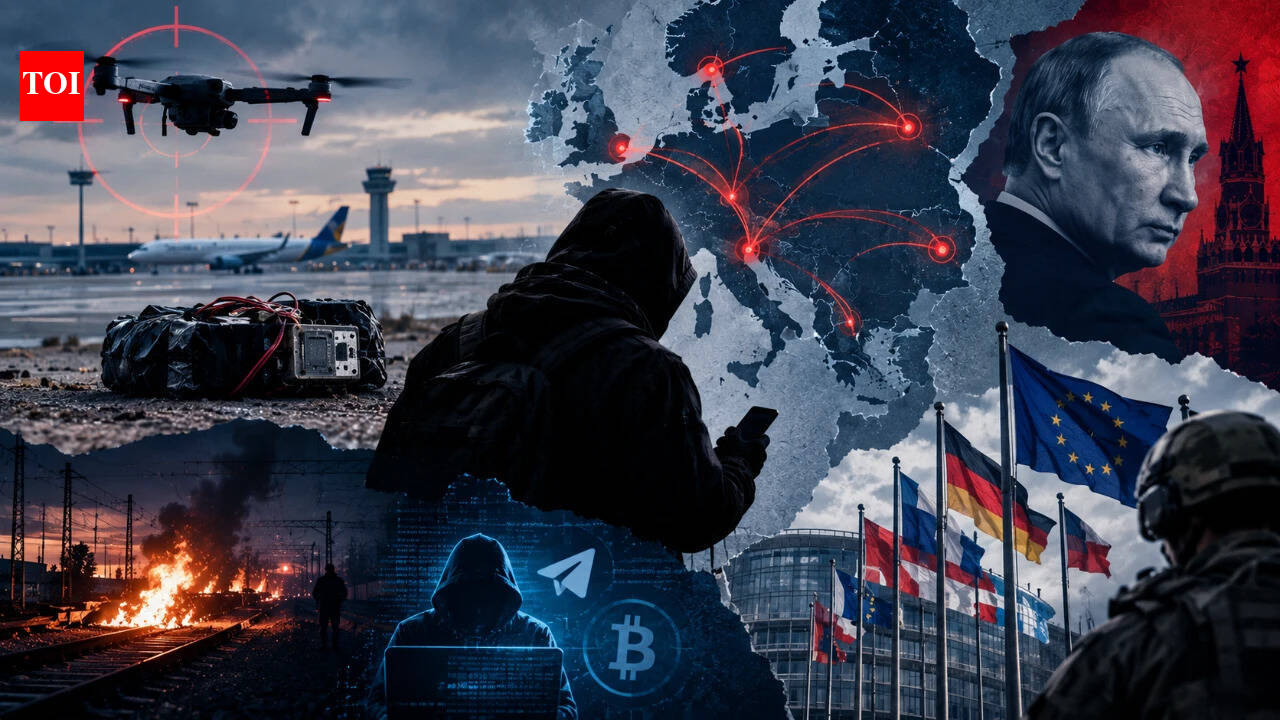
- Russian-linked hybrid pressure in Europe is likely to persist over the next 1-3 months, with Germany, Poland, Estonia, Slovakia, Norway and Sweden among the named pressure points. Reported activity spans the Leipzig/Halle Airport drone operation, explosive devices near a Brandenburg substation, disruption near Cologne power units, a Polish weapons-factory fire, an attempted arson attack on a Ukrainian drone manufacturer in Slovakia, a fire at an Estonian supplier of unmanned ground vehicles, cyberattacks on Norwegian state platforms, cyberespionage against Norway's parliament and GPS jamming affecting ambulance navigation in Sweden. Western intelligence assessments report that Russia is increasingly using disposable operatives recruited through Telegram and paid in cryptocurrency. Attribution remains unresolved for several individual cases. (Confidence: medium · ASSESSED)
- I&W: German, Polish, Estonian, Slovak or Norwegian authorities announce another incident involving a defence, energy, transport or government site and identify Russian-linked direction or recruitment evidence. (0-14 days)
- I&W: German and partner authorities report no new suspected sabotage, cyberattack, arson or GPS-jamming case for 30 consecutive days and publicly close outstanding Russian-attribution investigations. (1-3 months)
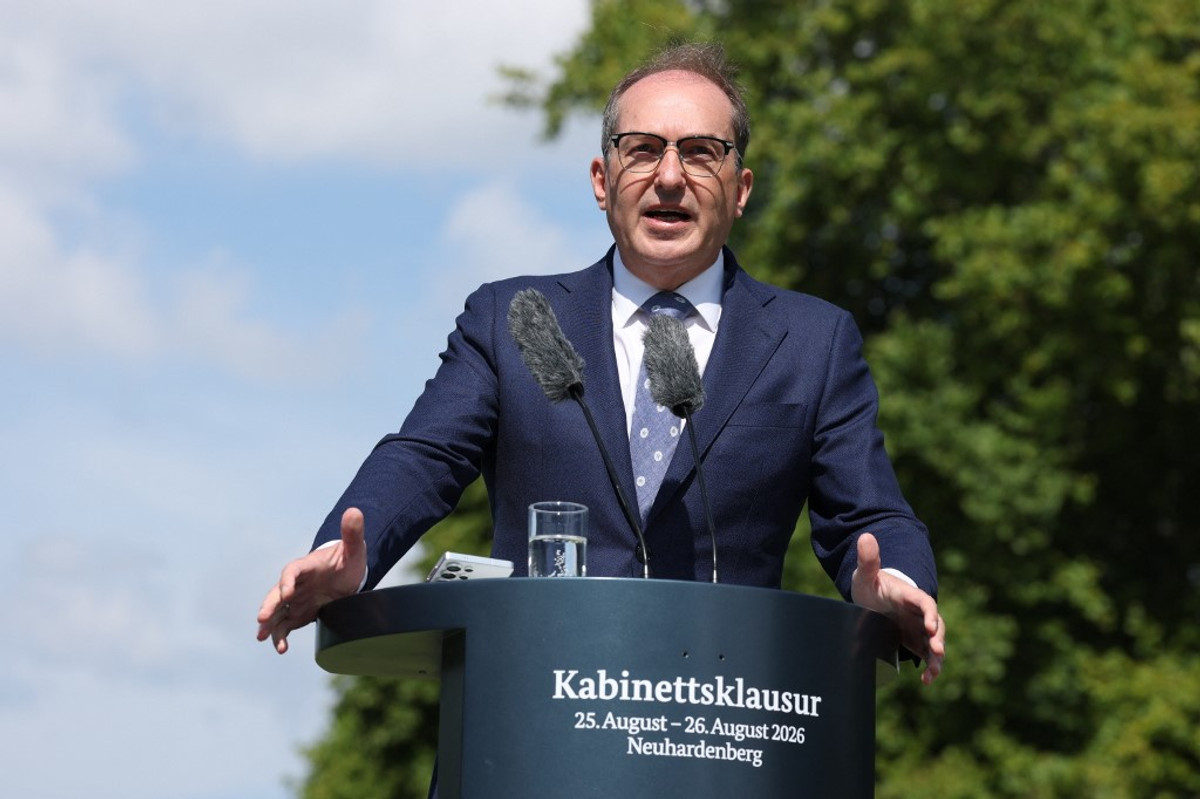
- Germany is likely to implement a broader domestic security response centred on counter-drone protection, cyber resilience and expanded surveillance. The reported package includes Federal Police rapid-reaction units with specialised vehicles and helicopters in Frankfurt am Main, Munich, Hamburg, Berlin, Stuttgart, Düsseldorf, Leipzig, Hanover and Cologne; a national Cyberdome; authority for water, energy and defence companies to counter unauthorised drones; and wider intelligence powers against hostile cyber operations. This judgement rests on several major-media accounts and statements attributed to Interior Minister Alexander Dobrindt, although some measures remain at the planning or legislative stage. (Confidence: high · REPORTED)
- I&W: The Bundestag approves the expanded intelligence powers or the German government confirms operational deployment of the nine Federal Police anti-drone units. (0-3 months)
- I&W: Berlin delays or withdraws the Cyberdome, the infrastructure-operator drone authority or the planned city-based rapid-reaction units. (1-3 months)
- Berlin-Moscow confrontation is likely to intensify through diplomatic, administrative and information measures, while direct military retaliation is very unlikely over the next 1-3 months. Germany has ordered the closure of Russia's Consulate General in Bonn and the Russian House cultural centre in Berlin, announced tighter controls on Russian nationals and is preparing further support for Ukraine, including attack drones, Iris-T missiles and expanded intelligence co-operation. Moscow has announced the closure of Goethe Institut branches and Sergey Lavrov has described the German accusations as the beginning of a real war. The assessment is medium confidence because the reported German measures are well corroborated, but the relationship between individual measures and the Leipzig incident is not fully consistent across reporting. (Confidence: medium · ASSESSED)
- I&W: Russia expels German diplomats or closes additional German facilities while the EU adopts Johann Wadephul's proposed sanctions against Russia's shadow fleet. (0-3 months)
- I&W: Germany invokes NATO Article 4 or Russia conducts a verified armed operation against German or another NATO state's territory. (0-3 months)
- Germany's attribution of the 4 August Leipzig/Halle Airport operation to Russian state actors is likely to remain politically consequential but publicly contested. German authorities and investigators cite police investigations, intelligence findings and the characteristics of the drones, explosives and detonation systems, while Russia denies responsibility and accuses Berlin of fabricating evidence. The 4 August date is better supported than the alternative 5 or 15 August dates, but public reporting does not resolve whether an aircraft was damaged, whether at least three drones participated or when the formal accusation was first issued. This judgement rests on repeated official German statements and major-media reporting rather than an independently published evidentiary record. (Confidence: medium · ASSESSED)
- I&W: Germany or a partner government releases technical or intelligence evidence that corroborates Russian state direction of the Leipzig operation. (0-3 months)
- I&W: German investigators revise the attribution, identify a non-Russian perpetrator or formally correct the incident date and aircraft-damage account. (0-3 months)
- A deliberate Russian attack on NATO territory is very unlikely over the next 1-3 months, although airspace and critical-infrastructure friction is likely to continue. The available reporting describes Russian testing through drones, cyberattacks, sabotage, arson, GPS jamming and disinformation, identifies the Baltic states, Poland and the Nordic countries as pressure points, and records that Germany has not invoked NATO Article 4. The confidence level is medium because the judgement is an inference from threat assessments and diplomatic statements, including some lower-proximity reporting, rather than evidence of a current Russian decision to attack NATO territory. (Confidence: medium · ASSESSED)
- I&W: NATO states continue to report GPS disruption, drone incursions or suspected sabotage while restricting their responses to surveillance, defensive deployments and diplomatic measures. (0-14 days)
- I&W: A NATO government verifies a deliberate Russian kinetic strike on its territory or requests Article 4 consultations. (0-3 months)
Outlook & scenarios
Managed escalation and defensive hardening (55%)
Germany implements the anti-drone units, Cyberdome and infrastructure-protection measures while Russia responds with diplomatic expulsions, cultural closures and hostile messaging. Suspected sabotage and cyber activity continue, but European governments avoid direct military action.
Expanded covert campaign against European infrastructure (25%)
Russian-linked operatives conduct further arson, cyber or drone operations against German, Polish, Nordic or Baltic defence, energy, transport and government sites. New incidents strengthen support for EU sanctions and national counter-sabotage powers.
Attribution crisis after a more damaging incident (15%)
A new operation causes deaths, major infrastructure disruption or clearer evidence of Russian state direction. Germany and other European governments expand intelligence co-operation and support for Ukraine, while Moscow imposes additional diplomatic or administrative retaliation.
Direct NATO-Russia military confrontation (5%)
A verified deliberate Russian kinetic attack on NATO territory follows an airspace or infrastructure incident, producing Article 4 consultations and a rapid shift from defensive countermeasures to alliance-level military responses.
Recommendations
- Maintain a single incident-attribution matrix covering Germany, Poland, Estonia, Slovakia, Norway, Sweden and the Baltic and Nordic states. Separate confirmed physical events, official Russian-attribution statements, independent evidence and unresolved claims.
- Prioritise collection on the implementation of Germany's nine-city Federal Police anti-drone deployment, the Cyberdome, the proposed legal authority for infrastructure operators and the Bundestag process for expanded intelligence powers.
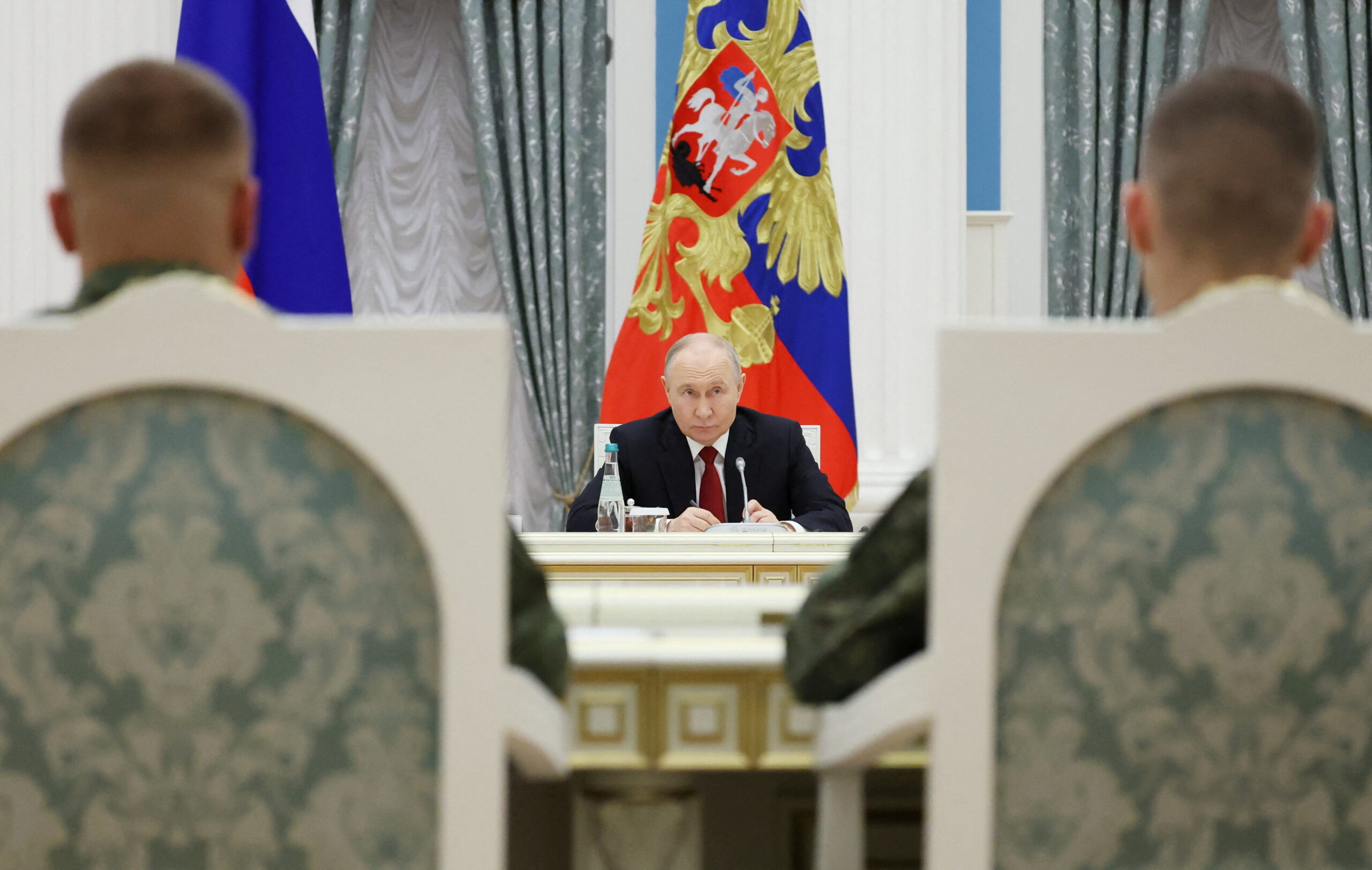
- Track Russian responses to the closure of the Bonn consulate and Russian House in Berlin, including Goethe Institut closures, diplomatic expulsions, sanctions announcements and changes in official language from Sergey Lavrov, Vladimir Putin and Maria Zakharova.
- Seek primary German investigative material on the Leipzig/Halle operation to resolve the 4 August, 5 August and 15 August date discrepancies, the number of drones, the reported aircraft damage and the evidence supporting Russian state direction.
- Use specific warning thresholds for collection and reporting: a new attack on a named defence or energy site, verified Telegram or cryptocurrency recruitment linked to an operation, a deliberate strike on NATO territory or a German request for NATO Article 4 consultations.
Confidence & uncertainty
Overall confidence is high because multiple high-reliability major-media reports, German government and BKA reporting, official statements and corroborating accounts support the central developments: the Leipzig/Halle attribution, Germany's planned domestic response, Russian retaliatory messaging and the wider pattern of reported hybrid activity. The main uncertainties concern the public evidentiary basis for the Leipzig attribution, conflicting accounts of the incident's date and damage, and unresolved responsibility for several other European cases. These uncertainties lower confidence in individual attribution judgements without materially weakening the broader situation assessment.
Intelligence gaps
- [EEI 1.2 · PARTIAL] Observed reconnaissance activity around critical sites indicative of attack planning (unauthorised drone flights, repeated surveillance visits, loitering vehicles, mapping/photography of assets). Recommended collection: open-source/media
- [EEI 1.3 · PARTIAL] Law-enforcement or customs seizures, arrests or interdictions of persons or shipments carrying explosives, sabotage tools, specialty cutting/electrical equipment, or covert comms gear destined for/near critical infrastructure. Recommended collection: law enforcement
- [EEI 2.1 · UNCOVERED] Emergence or amplification of coordinated social-media networks (sets of accounts, pages, channels) pushing identical narratives or hashtags across multiple platforms, including bot-like activity metrics and origin IP/common management indicators. Recommended collection: social-media/OSINT
- [EEI 2.2 · UNCOVERED] Publication or internal guidance from state-run media, proxy outlets, or identified influence platforms distributing talking points, pre-scripted messaging, or translated content targeted at specific EU countries/communities. Recommended collection: open-source/media
- [EEI 2.3 · UNCOVERED] Distribution of manipulated multimedia (deepfakes), targeted phishing/whaling campaigns, or localized false narratives timed to political events (elections, protests, court rulings) with tracked reach and engagement metrics. Recommended collection: cyber/forensic
- [EEI 3.1 · UNCOVERED] Unusual financial transactions: wire transfers, crypto conversions, or payments to shell companies, NGOs or individuals exceeding typical baselines that link to known proxies or front organisations. Recommended collection: financial
- [EEI 3.2 · UNCOVERED] Travel and movement indicators for suspected operatives: repeated border crossings, chartered/irregular flights, booking patterns or mobile/location data placing identified individuals in staging areas shortly before incidents. Recommended collection: border/immigration
- [EEI 3.3 · UNCOVERED] Cargo, freight or maritime movements with discrepancies (concealed/dual-use equipment, false manifests, unusual routing) detected at ports, rail hubs or via AIS that correspond to deliveries of material used in sabotage or influence operations. Recommended collection: customs/ports
- [EEI 3.4 · UNCOVERED] Intercepted or otherwise-obtained communications showing tasking, coordination, or payment instructions between Russian agencies/handlers and proxy groups, including identified command-and-control servers or encrypted group identifiers. Recommended collection: signals-intel/SIGINT
TLP:CLEAR