TLP:CLEAR · Disclosure is not limited.
Europe: Russian-Linked Hybrid Pressure Broadens
Time window: Last 1 day · Audience: General analyst · Type: Situation report · DTG: 2026-09-08 23:09Z · Overall confidence: HIGH
BLUF
Europe's hybrid threat picture has worsened, with Romania reporting the disruption of a Russian-coordinated sabotage operation and Germany sustaining investigations into explosive drones, infrastructure incidents and election manipulation. The immediate risk is very likely to remain below the threshold of deliberate Russian attack on NATO territory, but repeated airspace incursions and retaliatory diplomatic measures increase the danger of miscalculation.
Executive summary
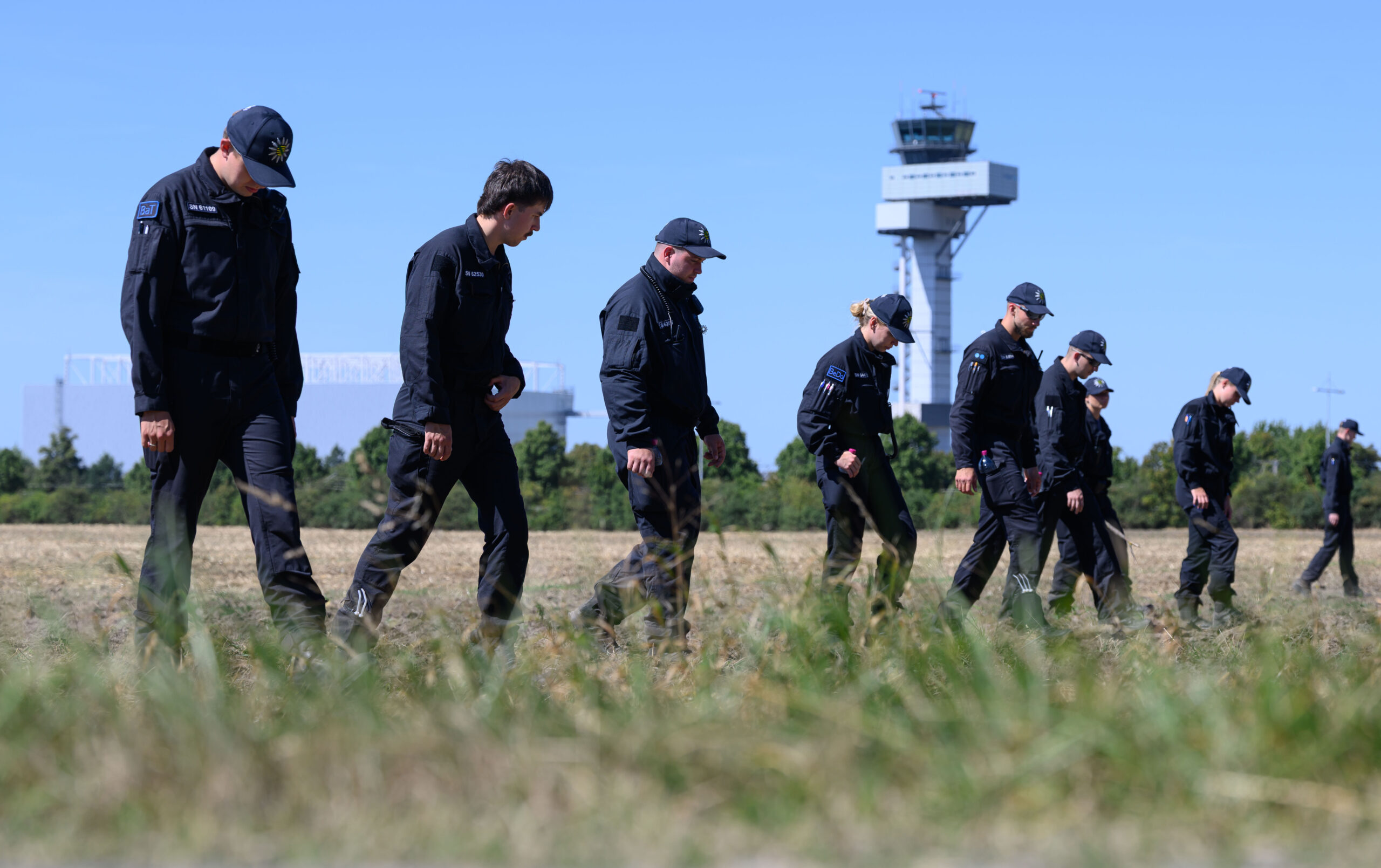
Reported activity now spans physical sabotage, cyber operations, disinformation and airspace violations. On 8 September, Romanian SRI and DIICOT detained a 40-year-old Russian citizen accused of surveilling NATO-used bases, communications centres, critical infrastructure and Ukrainian Antonov aircraft. Germany attributes the Leipzig/Halle Airport explosive-drone operation to Russian state structures, while Moscow denies involvement. German authorities also recorded 160 possible sabotage acts and more than 700 suspicious drone sightings by early September. The Russian Matryoshka operation targeted Germany's Saxony-Anhalt election with fabricated videos and fraud claims. Attribution remains uneven: the Leipzig operation has competing accounts on the date and number of devices, the Romanian case contains a material timeline conflict, and some German energy incidents have been linked by authorities to climate extremism rather than Russia.
Change from previous assessment
Since the 7 September brief, the assessment adds the Romanian detention and its reported links to NATO-used sites, the German energy-infrastructure incidents and the BKA count of 160 possible sabotage acts and more than 700 suspicious drone sightings, Hungary's expulsion of 10 Russian diplomats, and fuller reporting on Matryoshka activity around the Saxony-Anhalt election. Confidence in the German election-manipulation judgment rises from low to medium because the reporting now includes fact-checkers and a German security warning. The Leipzig attribution remains contested, and the Romanian timeline introduces a new material uncertainty. No prior judgment is retired.
Key judgments
- Russian-linked hybrid pressure is very likely to persist across Europe over the next 1-3 months, with Germany and Romania as the clearest current pressure points and Serbia as an alleged transit and operating base. German authorities and Western intelligence assessments attribute the 5 August Leipzig/Halle Airport explosive-drone operation to individuals working for Russian state structures. Romanian SRI assessed that the detained Russian citizen's activity matched Russian-coordinated sabotage methods. Additional reporting covers a Kremlin-linked cyber claim against Norwegian state platforms, suspected attacks on Polish, Swedish and Danish infrastructure, and the Russian Matryoshka operation targeting German elections. Attribution is not established for every incident, particularly the German energy fires and some cyber activity. (Confidence: medium · ASSESSED)
- I&W: Confirm: German, Romanian or Serbian investigators publicly link a new explosive, surveillance or cyber case to the same Russian intermediary, Serbian route or Russian tasking. (0-14 days)
- I&W: Break: German authorities withdraw the Russian attribution for Leipzig or Romanian prosecutors report no evidence of a foreign handler after reviewing the case file. (1-3 months)
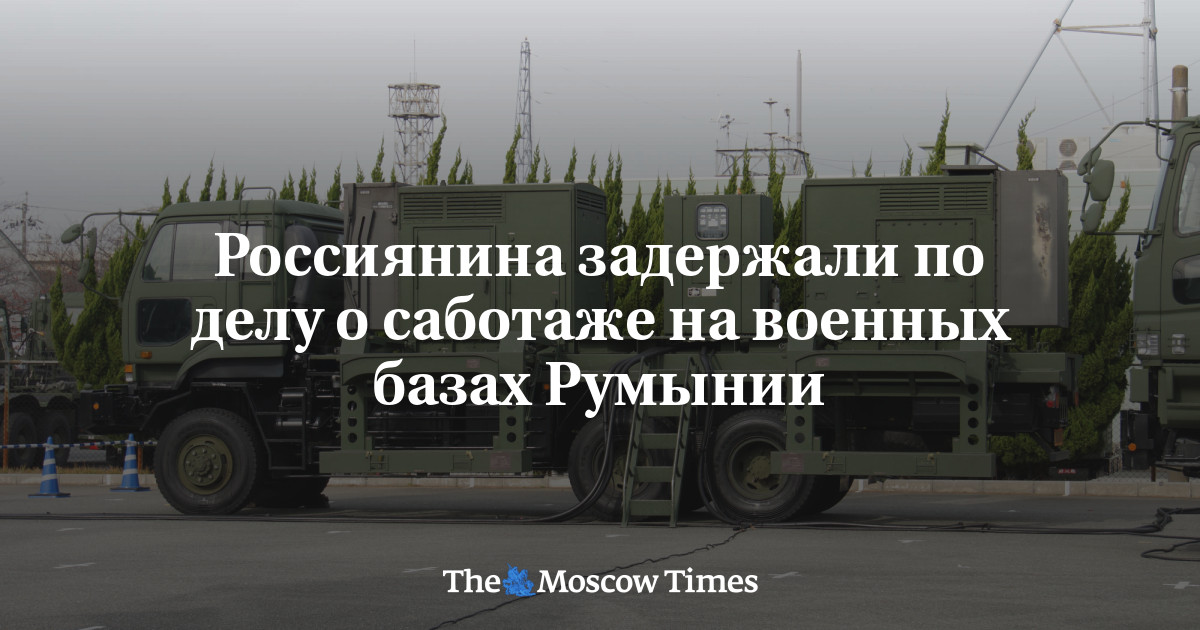
- Romanian authorities have reported a disrupted Russian-coordinated sabotage operation, but the operational chain and timeline remain unresolved. On 8 September, SRI and DIICOT detained a 40-year-old Russian citizen after alleged surveillance of communications centres, NATO-used bases, critical infrastructure and Ukrainian Antonov aircraft in Bucharest and Cluj, Constanța, Călărași and Ilfov. SRI said the intermediary acted for Russian entities but did not identify a Russian intelligence service. Reporting conflicts over whether the suspect entered Romania in August using forged documents or had been under SRI surveillance since February. The legal status is also reported as both an ordered and a requested 30-day detention. This judgment rests on official Romanian reporting and major-media accounts, but the Russian coordination assessment and parts of the timeline remain single-source or contested. (Confidence: medium · REPORTED)
- I&W: Confirm: A Romanian court records the 30-day detention and an indictment identifies the alleged intermediary, target list or encrypted communications. (0-14 days)
- I&W: Break: Romanian authorities reject the Russian-coordination assessment or a court rejects the detention after reviewing the suspect's entry and surveillance records. (0-14 days)
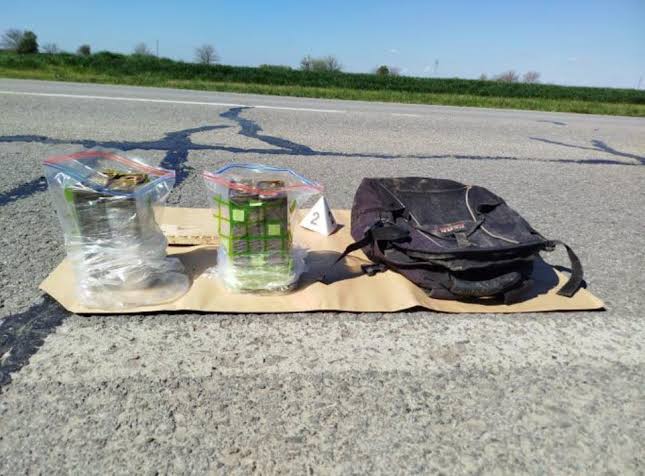
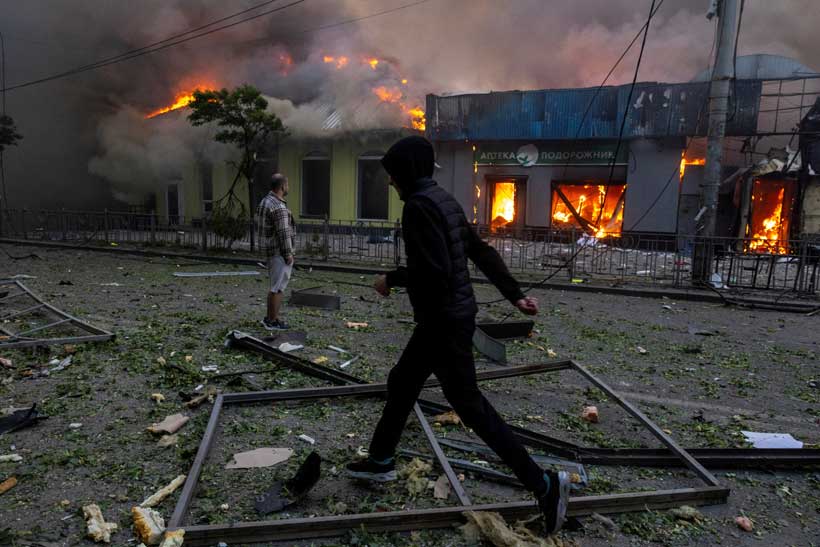
- Germany and other European governments are very likely to expand counter-sabotage and diplomatic measures over the next 1-3 months. Germany's Federal Criminal Police Office had recorded 160 possible sabotage acts and more than 700 suspicious drone sightings by early September. Police in Saxony neutralised 21 improvised explosive devices near high-voltage lines and substations between 4 and 6 September. Berlin closed the Russian Consulate General in Bonn and ended the Russian House in Berlin, while Budapest ordered 10 Russian diplomats to leave and Moscow threatened a harsh response. These actions demonstrate state concern, but they do not establish that every German energy incident was Russian-directed. German authorities linked some incidents to climate extremism, and two Bulgarian nationals arrested after the Munich Rohde & Schwarz incident have not been publicly connected to Russia. (Confidence: high · ASSESSED)
- I&W: Confirm: Berlin or Budapest announces another Russian facility closure, diplomatic expulsion or named counter-sabotage measure following a new incident. (0-14 days)
- I&W: Break: Germany states that the Jänschwalde, Bergheim and Saxony cases were unrelated criminal or climate actions and announces no further Russia-linked measures. (1-3 months)
- The Russian Matryoshka operation is very likely to continue targeting German electoral legitimacy over the next 1-3 months. Before the 6 September Saxony-Anhalt election, fabricated material showed election workers allegedly destroying AfD ballots, accused the CDU of fraud, falsely accused Left Party candidate Eric Stehr of crimes, and used a fake Eurostat video to amplify divisions over German reunification. Eurovision News Spotlight fact-checkers found no evidence for the fraud allegations, while Germany's Federal Office for the Protection of the Constitution warned that further activity would target democratic officials and the electoral process. The campaign's attribution is now supported by several reporting streams, but the evidence does not establish that the operation changed the election result or that all of the more than 180 fake posts counted by DW FactCheck reached genuine audiences. (Confidence: medium · ASSESSED)
- I&W: Confirm: New fabricated videos using German institutional branding target election officials, ballot counts or the Saxony-Anhalt result and are attributed to Matryoshka by German fact-checkers or security authorities. (0-14 days)
- I&W: Break: German security authorities and fact-checkers classify subsequent content as unrelated to Matryoshka, with no new campaign activity detected. (0-14 days)
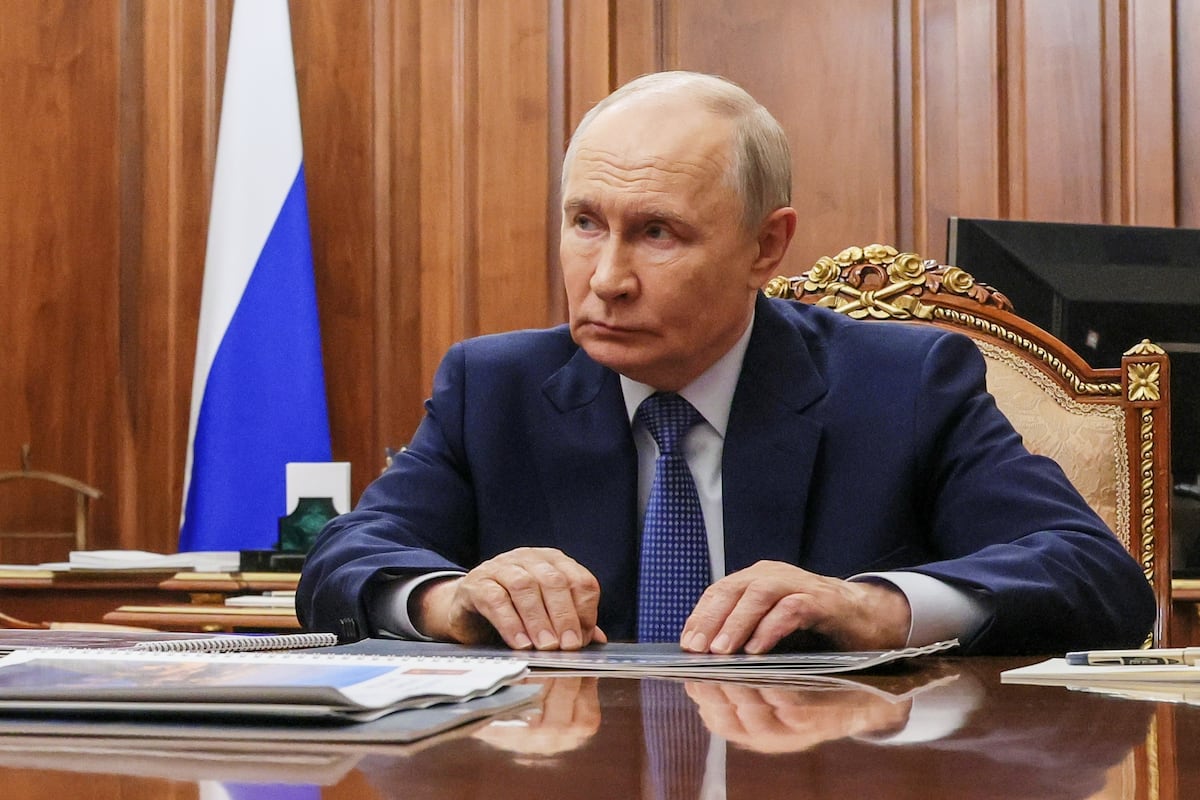
- A deliberate Russian kinetic attack on NATO territory remains very unlikely over the next 1-3 months, while the risk of dangerous miscalculation is likely to rise. Reporting describes weekly drone incursions into NATO airspace, a Russian Shahed drone violation of Moldovan airspace on 8 September and a Russian cruise missile striking Polish farmland. At the same time, Vladimir Putin told Donald Trump that Russia had no plans to attack the EU, and reporting on CIA Director John Ratcliffe's visit indicates that Washington warned Moscow against attacking NATO territory. The conflicting signals support an assessment of sustained pressure below the conventional war threshold rather than an imminent deliberate attack on NATO. (Confidence: medium · ASSESSED)
- I&W: Confirm: Additional Russian drones or missiles enter NATO member airspace without a deliberate strike on a NATO installation or personnel. (0-14 days)
- I&W: Break: A Russian munition deliberately strikes a named NATO military site or causes casualties on NATO territory. (0-14 days)
- A near-term ceasefire in Ukraine is unlikely, sustaining the conditions for further hybrid pressure across Europe. Talks by US envoys Steve Witkoff and Jared Kushner in Moscow and Kyiv produced no major breakthrough. Volodymyr Zelensky said he expected the war to continue into winter, the Kremlin demanded Ukrainian withdrawal from Donetsk and Luhansk before a ceasefire, and Russia and Ukraine resumed strikes after a brief weekend pause. Vladimir Putin also described plans to advance Russia's military goals on the battlefield. The assessment concerns the diplomatic and military environment, not proof that every European incident is directed from Moscow. (Confidence: high · ASSESSED)
- I&W: Confirm: Russian and Ukrainian strikes continue while no formal ceasefire is announced after the expected Trump-Zelensky meeting. (0-14 days)
- I&W: Break: Moscow and Kyiv announce and implement a ceasefire covering the capitals or the main front line. (0-14 days)
Outlook & scenarios
Continued below-threshold pressure (65%)
Likely over the next 1-3 months. Russian-linked actors continue using sabotage, cyber claims, disinformation and drone activity against Germany, Romania, Norway and other European states. Governments respond with arrests, expulsions, facility closures and stronger surveillance without direct military confrontation.
Managed diplomatic retaliation (25%)
Likely if Germany, Hungary or other governments announce further measures. Russia responds with reciprocal expulsions, hostile rhetoric and additional pressure on European support for Ukraine, while Washington maintains contact with Moscow and Kyiv. The campaign remains below the threshold of a deliberate attack on NATO territory.
Kinetic spillover into NATO territory (10%)
Very unlikely but high impact. A Russian drone or missile deliberately strikes a NATO installation or causes casualties in Poland, Romania or another NATO member, forcing rapid allied crisis consultations and raising the risk of uncontrolled escalation.
Recommendations
- Maintain a daily incident matrix separating confirmed physical attacks, suspected sabotage, cyber claims, disinformation and airspace violations. Record the named actor, location, platform, target, date, attribution level and any official retraction.
- Prioritise verification of the Romanian case through court records, the detention order, entry records, SRI and DIICOT statements, and any indictment naming the alleged intermediary. Keep the February surveillance account separate from the August entry account until the timeline is resolved.
- Track German security and diplomatic thresholds. Flag any new BKA sabotage count, explosive-device discovery near high-voltage infrastructure, Russian facility closure, or diplomatic expulsion within 14 days.
- Archive and compare new German election-related videos with the documented Matryoshka examples. Check claims against EBU fact-checks and statements from Germany's Federal Office for the Protection of the Constitution before assessing reach or political effect.
- Treat airspace incursions as an escalation-warning stream distinct from deliberate attacks. Prioritise confirmation of flight paths, debris, launch origin and target selection for incidents involving Poland, Romania or Moldova.
- Monitor the US-Russia-Ukraine diplomatic channel alongside strike activity. A formal ceasefire, implementation failure or new Russian demand concerning Donetsk and Luhansk should trigger an immediate reassessment of the hybrid-threat outlook.
Confidence & uncertainty
Overall confidence is high for the occurrence of the principal events and for the direction of European government responses. The picture is supported by Romanian SRI and DIICOT reporting, German government and law-enforcement statements, NATO-related reporting, election fact-checking and multiple major-media accounts. Confidence is lower for the attribution of individual fires and cyber incidents, the precise Leipzig device count and date, and the Romanian suspect's timeline. These uncertainties affect the scale and attribution of the campaign, not the reported increase in hybrid-security activity.
Intelligence gaps
- [EEI 1.1 · PARTIAL] Reports, operator notifications, CCTV or satellite imagery showing unexplained physical damage or operational outages at critical infrastructure sites (power substations, gas pipelines/compressor stations, water treatment plants, railway signaling centers, major telecom exchanges). Recommended collection: satellite/imagery
- [EEI 2.1 · PARTIAL] Emergence or amplification of coordinated social-media networks (sets of accounts, pages, channels) pushing identical narratives or hashtags across multiple platforms, including bot-like activity metrics and origin IP/common management indicators. Recommended collection: social-media/OSINT
- [EEI 2.2 · PARTIAL] Publication or internal guidance from state-run media, proxy outlets, or identified influence platforms distributing talking points, pre-scripted messaging, or translated content targeted at specific EU countries/communities. Recommended collection: open-source/media
- [EEI 3.1 · UNCOVERED] Unusual financial transactions: wire transfers, crypto conversions, or payments to shell companies, NGOs or individuals exceeding typical baselines that link to known proxies or front organisations. Recommended collection: financial
- [EEI 3.2 · PARTIAL] Travel and movement indicators for suspected operatives: repeated border crossings, chartered/irregular flights, booking patterns or mobile/location data placing identified individuals in staging areas shortly before incidents. Recommended collection: border/immigration
- [EEI 3.3 · UNCOVERED] Cargo, freight or maritime movements with discrepancies (concealed/dual-use equipment, false manifests, unusual routing) detected at ports, rail hubs or via AIS that correspond to deliveries of material used in sabotage or influence operations. Recommended collection: customs/ports
TLP:CLEAR