TLP:CLEAR · Disclosure is not limited.
Europe: Russian-linked hybrid pressure broadens, attribution remains contested
Time window: Last 1 day · Audience: General analyst · Type: Situation report · DTG: 2026-09-04 21:42Z · Overall confidence: HIGH
BLUF
Europe's hybrid-threat picture has broadened, with Germany reporting more than 165 probable sabotage cases, 747 suspicious drone detections and 112 espionage-related offences in 2026. Russian-linked pressure is very likely to continue over the next 1-3 months, but attribution remains disputed in several incidents and an overt Russian attack on NATO territory remains very unlikely.
Executive summary
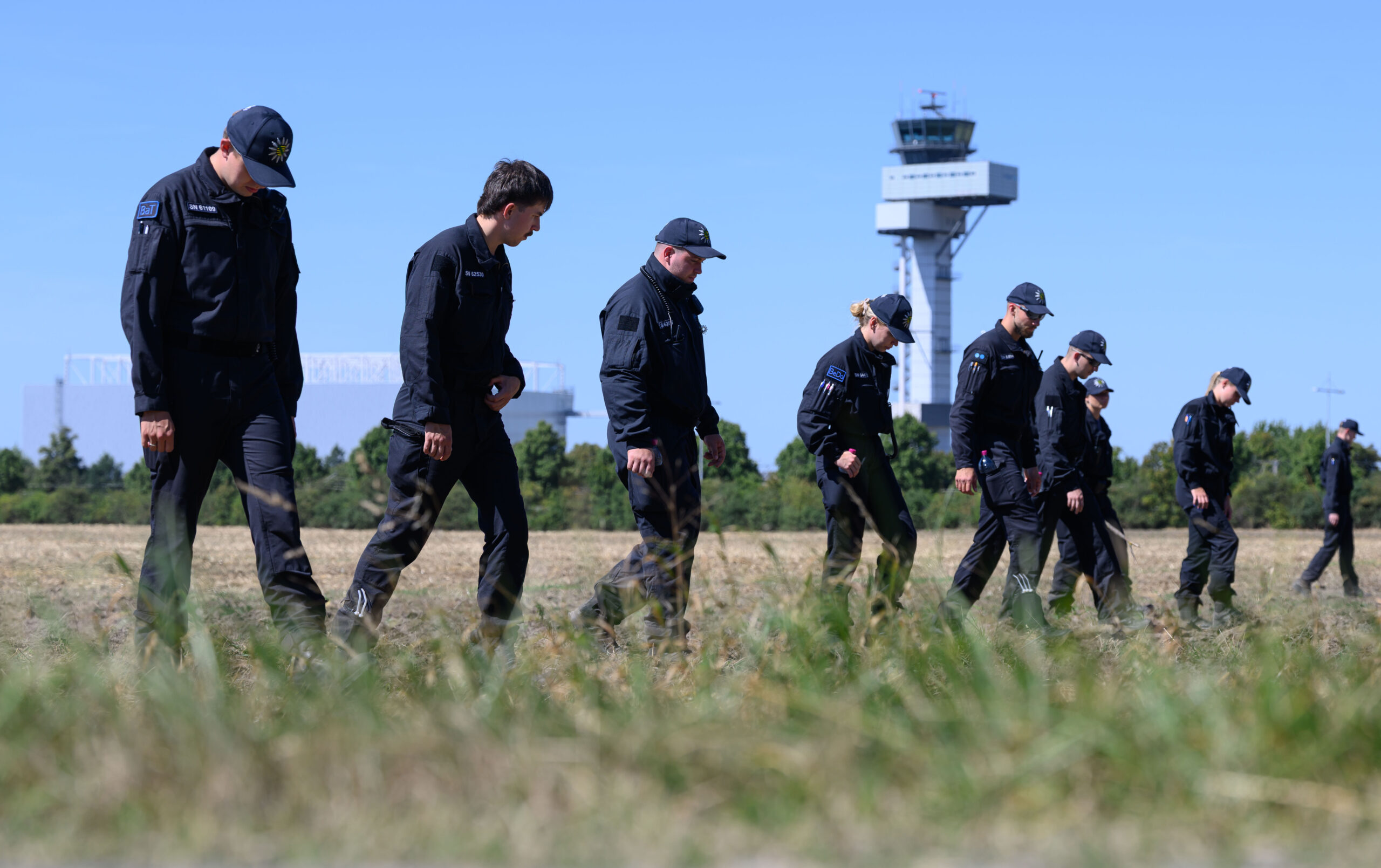
German reporting indicates a wider security problem centred on defence, energy, transport and military-support sites. Recent incidents include sabotage attempts at Jänschwalde and Dormagen, a police search at Weisweiler, arrests after an attack on Rhode & Schwarz in Munich, and the disputed Leipzig/Halle airport operation that Berlin attributes to Russia. Similar cases have been reported in Poland, Slovakia, Estonia, Italy and Britain. European governments are responding through investigations, diplomatic measures and increased military vigilance, while Russia rejects Germany's Leipzig attribution and has announced retaliatory steps.
Change from previous assessment
Since the 3 September brief, the assessment has broadened from a focus on the Munich incendiary-device incident and Denmark's warning of Russian sabotage planning to a larger German caseload and a wider European pattern. New reporting adds more than 165 probable sabotage cases, 747 suspicious drone detections comprising 1,068 flights, 112 espionage-related offences, 24 espionage prosecutions, the Jänschwalde and Dormagen substation cases, the Weisweiler search and the Munich arrests. Confidence in the scale and persistence of hybrid activity has increased, but confidence in attribution has not because German officials now offer competing explanations for some incidents. The judgement that European governments will favour non-military pressure is retained, and the assessment of an overt Russian attack on NATO territory remains very unlikely.
Key judgments
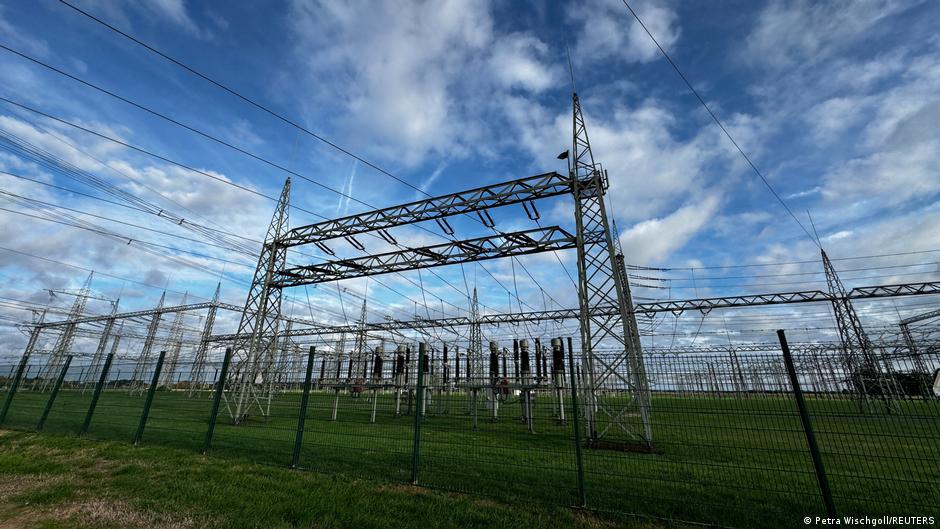
- Russian-linked hybrid pressure against European defence, energy, transport and military-support sites is very likely to continue through 4 December 2026, with Germany and Poland the immediate focal points and Slovakia, Estonia, Italy and Britain also exposed. German authorities reported more than 165 probable sabotage cases, 747 suspicious drone detections comprising 1,068 flights over critical infrastructure, military bases and defence-industrial plants, 112 espionage-related offences and 24 espionage prosecutions in 2026. Recent German cases include the 1 September Jänschwalde substation attempt, the 3 September Dormagen device, the 4 September Weisweiler search and the September arrest of two Bulgarians after an attack on Rhode & Schwarz in Munich. The reported scale is well corroborated, but attribution across the wider set remains unresolved: Germany attributes the 4 August Leipzig/Halle operation to Russia, while other German officials cite climate extremists or a lone perpetrator. (Confidence: medium · ASSESSED)
- I&W: A second European government publicly attributes a new arson, drone, cyber or espionage incident to Russian state actors, with supporting arrests or forensic evidence. (0-30 days)
- I&W: German prosecutors establish climate-extremist or lone-perpetrator responsibility for most of the 165 reported cases and no new defence, energy or transport incident is reported. (1-3 months)
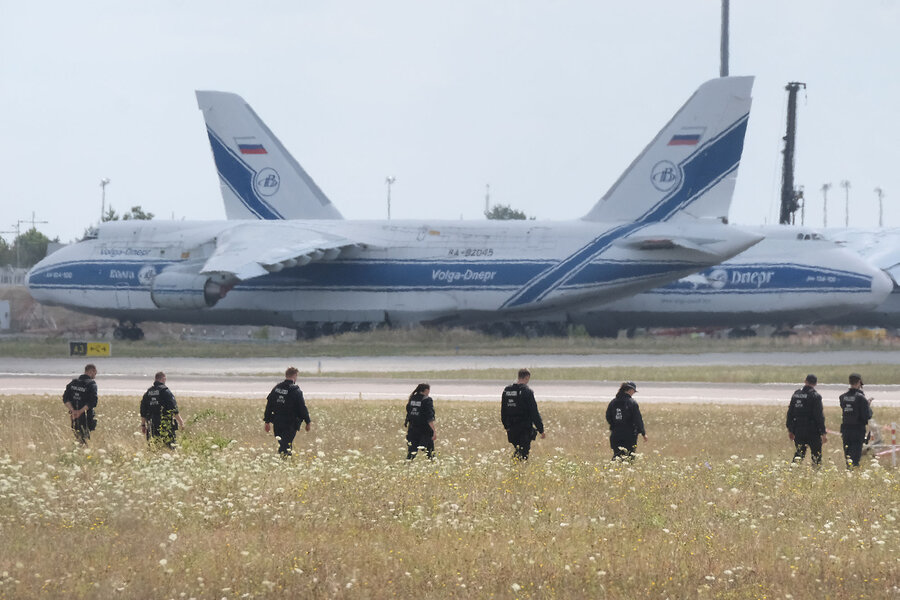
- Germany's attribution of the Leipzig/Halle airport operation to Russian state actors is likely to remain the central trigger for European countermeasures over the next 1-3 months. German investigators reportedly assessed that professionals working for the Russian state carried out the operation, and Berlin publicly presented evidence and announced consequences. Confidence is medium because reporting conflicts over whether a second drone struck a DHL aircraft or whether all three drones were found and neutralised, while Moscow rejects the accusation and says Germany has not provided convincing evidence. (Confidence: medium · ASSESSED)
- I&W: German prosecutors or investigators release additional forensic, financial or communications evidence linking the Leipzig/Halle operation to Russian state agencies. (0-60 days)
- I&W: German or allied authorities conclude that the aircraft-strike account was inaccurate or that the drones were unrelated to a Russian operation. (0-60 days)
- European governments are very likely to expand diplomatic and administrative pressure on Russia over the next 1-3 months, while direct military retaliation is very unlikely. Germany has announced measures over Leipzig/Halle, will close the Russian Consulate General in Bonn on 18 September and has terminated the Russian House contract in Berlin. Germany, France and Poland have warned of a response, while the EU, European governments and the NATO secretary general have expressed solidarity with Berlin. Russia has criticised the German measures and announced the closure of Goethe-Institut centres in Moscow, St Petersburg and Yekaterinburg. The direction of policy is well corroborated, but the future scope of measures is an assessment. (Confidence: medium · ASSESSED)
- I&W: Germany, France, Poland, the EU or NATO announce additional expulsions, consular restrictions, sanctions or other non-military measures tied to Leipzig/Halle or another attributed incident. (0-90 days)
- I&W: A NATO member announces a kinetic response against Russia, or allied officials publicly describe direct military action as the preferred response. (0-90 days)
- An overt Russian attack on NATO territory is very unlikely through 4 December 2026, but the risk of spillover and miscalculation around Poland, Estonia and Lithuania is likely to persist. A Russian cruise missile reportedly struck Polish farmland in late July, Britain has stationed nearly 1,000 troops in Estonia, Germany has deployed an armoured brigade in Lithuania and NATO has increased air policing and air-defence activity along its eastern border. Russia's intensified use of jet-powered drones against Ukraine, including about 2,800 launches in August, adds pressure to an already active operating environment. Confidence is medium because the evidence for deliberate Russian intent to attack NATO territory is limited, while the evidence for heightened military activity and proximity is stronger. (Confidence: medium · ASSESSED)
- I&W: A Russian missile or drone enters Polish, Estonian or Lithuanian territory and causes damage, casualties or an allied air-defence engagement. (0-30 days)
- I&W: Russia and Ukraine sustain high-tempo strikes but no further incident affects NATO territory and the reported Russian drone tempo declines. (1-3 months)
Outlook & scenarios
Persistent grey-zone pressure (60%)
Through November, suspected Russian-linked actors continue deniable arson, drone reconnaissance, sabotage and cyber-espionage activity against defence, energy and transport sites in Germany, Poland, Slovakia, Estonia, Italy and Britain. European governments respond with investigations and diplomatic measures, while attribution remains contested.
Attribution hardens and countermeasures widen (25%)
German authorities or another European government publish additional evidence linking a new incident to Russian state agencies. Germany's Leipzig/Halle attribution then drives wider European consular, administrative and financial pressure, followed by further Russian diplomatic retaliation.
Limited restraint during peace contacts (10%)
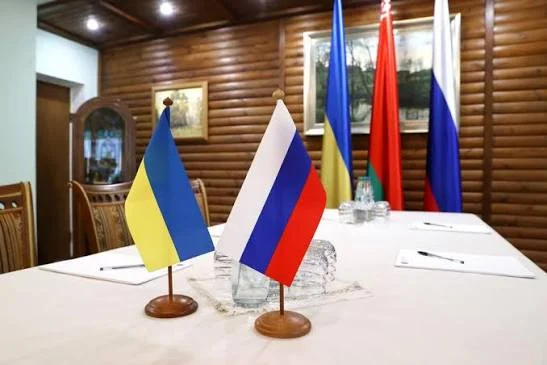
The 5-6 September visits by Steve Witkoff and Jared Kushner to Moscow and Kyiv produce a limited pause in new high-profile incidents. Public claims of possible peace talks continue, but Russia's unchanged settlement position leaves the wider hybrid campaign unresolved.
NATO incident and rapid escalation wildcard (5%)
A Russian missile or drone incident causes casualties or serious damage in Poland, Estonia or Lithuania. The incident produces an immediate Russia-NATO crisis, rapid allied military decisions and a sharp reduction in the space for deniable activity.
Recommendations
- Build a 72-hour evidence matrix for the Leipzig/Halle operation. Separate confirmed facts from allegations on the 4 August discovery, the number of drones, the reported DHL aircraft impact and the evidence linking the operation to Russian state agencies.
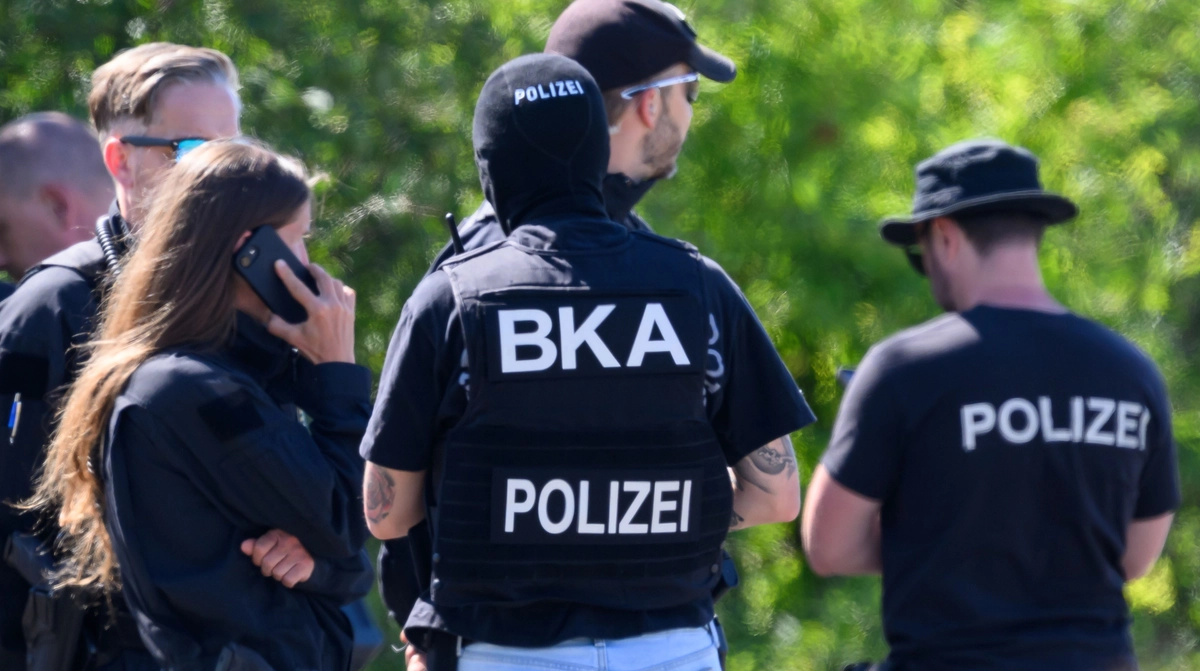
- Reconcile German reporting on the more than 165 probable sabotage cases, 747 suspicious drone detections, 112 espionage-related offences and 24 prosecutions. Treat the figures as separate populations until the Federal Police, BKA and prosecutor reporting identifies their definitions and overlap.
- Prioritise collection on Jänschwalde, Dormagen, Weisweiler, Leipzig/Halle, Rhode & Schwarz, WB Group and Milrem Robotics. Track drone flight patterns, timer devices, incendiary materials, suspect travel and financial links, and record whether investigators identify common tradecraft.
- Maintain a separate attribution ledger for Russia, climate extremists, lone perpetrators and financially motivated actors. Do not merge the incidents into one campaign unless investigations establish common personnel, funding, communications or technical signatures.
- Track European policy decisions against concrete thresholds: the 18 September closure of the Russian Consulate General in Bonn, additional measures by Germany, France, Poland, the EU or NATO, and Russia's retaliatory diplomatic actions.
- Monitor the 5-6 September Witkoff and Kushner visits for changes in strike tempo, sabotage reporting or official rhetoric. Treat any short-term reduction in incidents as temporary unless it persists beyond the talks.
- Maintain a warning track for spillover into Poland, Estonia and Lithuania. Escalate the assessment if a Russian missile or drone causes damage or casualties, or if allied air defences engage a Russian system over NATO territory.
- Separate confirmed incidents from information operations in daily reporting. Record the disputed claim about the capture of Khrapovshchyna as an information-related allegation rather than evidence of a broader Russian disinformation campaign.
Confidence & uncertainty
Overall confidence is high because the core activity picture is supported by multiple major-media reports, German official statements, law-enforcement reporting and corroborated figures from separate accounts. Confidence is lower for individual attribution judgements, particularly the Leipzig/Halle aircraft-impact details and the competing German assessments of climate-extremist, lone-perpetrator and Russian involvement. The main uncertainty is whether the reported incidents form one centrally directed campaign or a mixture of state-linked operations and unrelated criminal activity.
Intelligence gaps
- [EEI 2.1 · UNCOVERED] Emergence or amplification of coordinated social-media networks (sets of accounts, pages, channels) pushing identical narratives or hashtags across multiple platforms, including bot-like activity metrics and origin IP/common management indicators. Recommended collection: social-media/OSINT
- [EEI 2.2 · UNCOVERED] Publication or internal guidance from state-run media, proxy outlets, or identified influence platforms distributing talking points, pre-scripted messaging, or translated content targeted at specific EU countries/communities. Recommended collection: open-source/media
- [EEI 2.3 · UNCOVERED] Distribution of manipulated multimedia (deepfakes), targeted phishing/whaling campaigns, or localized false narratives timed to political events (elections, protests, court rulings) with tracked reach and engagement metrics. Recommended collection: cyber/forensic
- [EEI 3.1 · UNCOVERED] Unusual financial transactions: wire transfers, crypto conversions, or payments to shell companies, NGOs or individuals exceeding typical baselines that link to known proxies or front organisations. Recommended collection: financial
- [EEI 3.2 · UNCOVERED] Travel and movement indicators for suspected operatives: repeated border crossings, chartered/irregular flights, booking patterns or mobile/location data placing identified individuals in staging areas shortly before incidents. Recommended collection: border/immigration
- [EEI 3.3 · UNCOVERED] Cargo, freight or maritime movements with discrepancies (concealed/dual-use equipment, false manifests, unusual routing) detected at ports, rail hubs or via AIS that correspond to deliveries of material used in sabotage or influence operations. Recommended collection: customs/ports
- [EEI 3.4 · PARTIAL] Intercepted or otherwise-obtained communications showing tasking, coordination, or payment instructions between Russian agencies/handlers and proxy groups, including identified command-and-control servers or encrypted group identifiers. Recommended collection: signals-intel/SIGINT
TLP:CLEAR