TLP:CLEAR · Disclosure is not limited.
Europe: Russian-linked hybrid pressure broadens beyond Germany
Time window: Last 1 day · Audience: General analyst · Type: Situation report · DTG: 2026-09-10 23:36Z · Overall confidence: HIGH
BLUF
Europe's hybrid threat picture has widened through reported Russian-linked activity involving German aviation, Arctic subsea infrastructure, satellite communications and political influence. Germany's expulsion of around 150 Russian diplomatic personnel and NATO's interception of a GUGI-linked subsea exercise indicate that European governments are moving from incident response towards more assertive countermeasures.
Executive summary
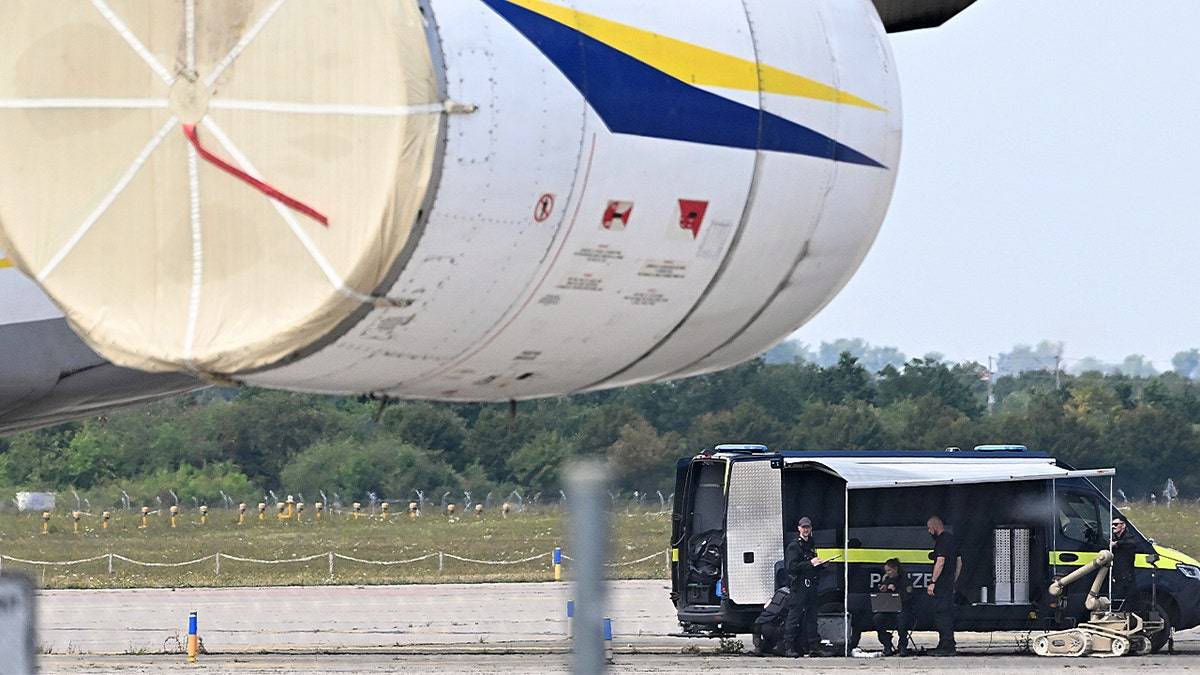
Reporting on 10 September 2026 indicates a broader Russian-linked campaign across Europe, with Germany remaining the main pressure point. German authorities attribute the Leipzig/Halle Airport operation to Russia, while Moscow rejects the allegation and Berlin is expelling around 150 Russian diplomatic personnel and their families. Western officials also report that Russian GUGI assets rehearsed a cable-disruption operation near Svalbard, while Russia's RASSVET satellite programme is expanding and includes declared service areas covering Ukrainian territory. The strongest near-term assessment remains continued activity below the threshold of open conflict, although the risk of miscalculation is rising as NATO forces monitor Russian subsea assets.
Change from previous assessment
Since the 9 September 2026 brief, the assessment has broadened from a Germany-centred threat picture to include a reported GUGI subsea operation near Svalbard, Russia's expanding RASSVET satellite programme and new allegations of Russian political influence in Sweden and Spain. The assessment that Russian-linked pressure will persist remains medium confidence because the new reporting adds corroboration but not complete attribution. The Germany pressure-point judgement remains medium confidence, while a new medium-confidence judgement assesses continued Russian testing of European subsea and space-related infrastructure. The prior low-confidence judgement on an open kinetic attack remains low confidence, with the new Svalbard confrontation adding evidence of miscalculation risk rather than proof of an imminent attack.
Key judgments
- Russian-linked hybrid pressure across Europe is very likely to persist and broaden over the next 1-3 months. Reporting links the activity to sabotage, drone operations, cyber activity, subsea probes and political influence affecting Germany, Lithuania, Sweden and Spain. The pattern is well supported, but the evidence does not establish that Moscow directed every incident, particularly the allegations concerning Sweden and Spain. Confidence is medium because multiple sources corroborate the wider pattern, while attribution remains incomplete for several cases. (Confidence: medium · ASSESSED)
- I&W: Confirm: within 0-14 days, authorities in Germany, Lithuania, Sweden or Spain report another incident and attribute it to Russian state or proxy actors. (0-14 days)
- I&W: Break: within 1-3 months, investigations in Germany and the Baltic states attribute the principal existing incidents to non-Russian actors and report no new Russian-linked operation. (1-3 months)
- Germany is likely to remain Europe's main near-term pressure point and is likely to impose additional measures against Russian diplomatic and access networks. German authorities and Chancellor Friedrich Merz attribute the Leipzig/Halle Airport operation to Russia, while Moscow rejects the allegation. Berlin has decided to expel around 150 Russian diplomatic personnel and their families, called for tighter tourist visa restrictions, and previously closed Russian facilities in Bonn and Berlin. Confidence is medium because the airport incident and German policy response are reported by multiple sources, but the Russian attribution and the linkage of other German incidents to a single campaign remain contested. (Confidence: medium · ASSESSED)
- I&W: Confirm: within 0-30 days, Germany implements the expulsions or tightens Russian tourist visa access and reports another sabotage, drone or cyber incident. (0-30 days)
- I&W: Break: within 0-30 days, German authorities withdraw the Russian attribution for the Leipzig/Halle operation or suspend the announced diplomatic measures. (0-30 days)
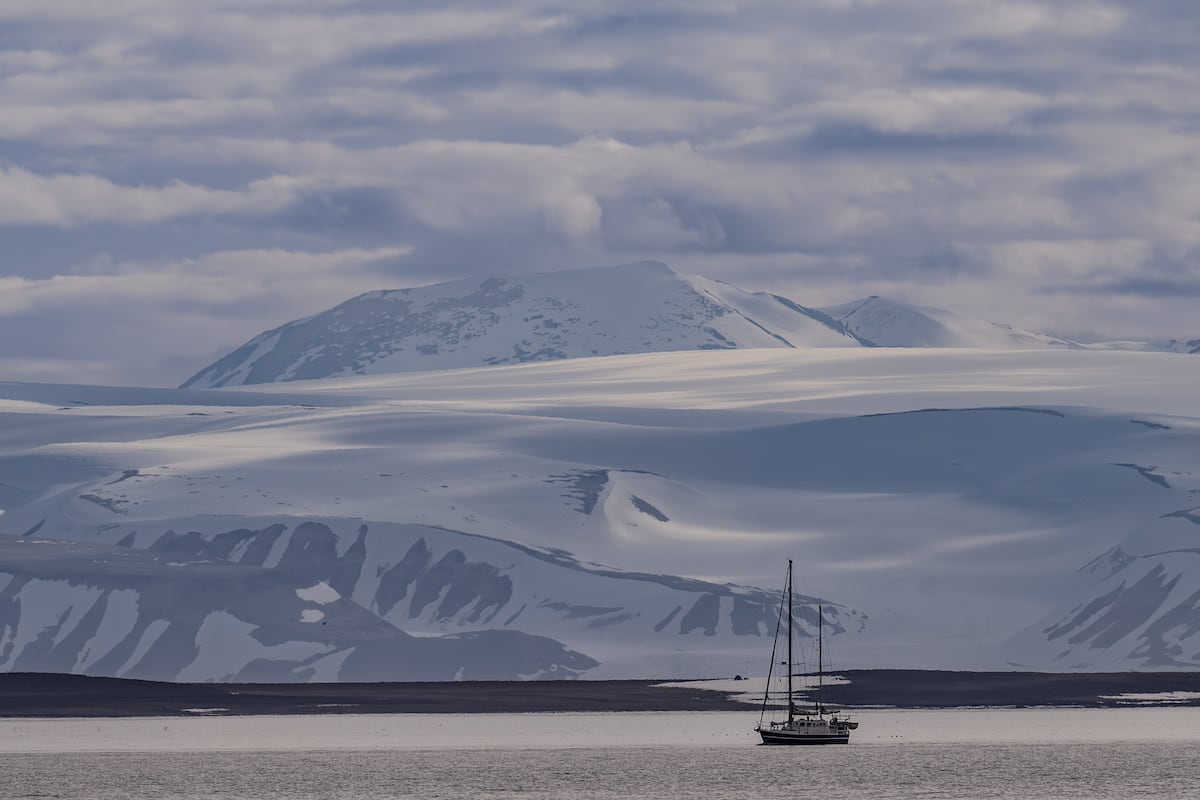
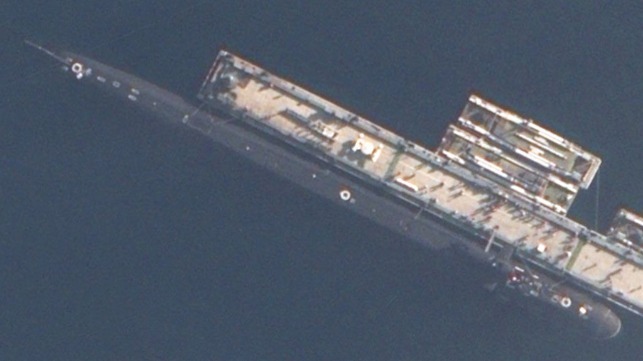
- Russia is likely to continue testing European critical infrastructure below the threshold of declared armed conflict, with GUGI-linked activity near Svalbard as the clearest current example. Western officials report that Russian deep-sea submersibles rehearsed deployment of technology designed to disable subsea cables, while British, Norwegian and US forces tracked and confronted the vessels without reported cable damage. Confidence is medium because the account relies partly on anonymous Western officials and trade reporting, and the exercise's precise intent is not independently established. (Confidence: medium · ASSESSED)
- I&W: Confirm: within 0-30 days, Norway, the UK or the US reports renewed GUGI-associated vessel or submersible activity near Svalbard or another subsea cable route. (0-30 days)
- I&W: Break: within 1-3 months, Norway, the UK or NATO publicly revises the attribution of the Svalbard exercise and rules out a cable-related purpose. (1-3 months)
- Russia is very likely to expand the RASSVET satellite programme and its relevance to European security over the next 1-3 months. Russia has launched 32 RASSVET satellites, plans 250 by 2027, and has filed service areas for RASSVET-1 and RASSVET-3 that include Ukrainian territory. Ukraine objects to those declarations, while Germany is assessing systems able to disrupt satellite communications and navigation signals. The programme's future operational use in Europe remains an assessment rather than a directly demonstrated capability. Confidence is medium because launch plans and ITU filings are reported, but some operational claims rely on Ukrainian assessments and reporting from a single major-media source. (Confidence: medium · ASSESSED)
- I&W: Confirm: within 1-3 months, Russia launches additional RASSVET satellites or submits further ITU filings extending declared service areas beyond Ukraine. (1-3 months)
- I&W: Break: within 1-3 months, Russia suspends the near-term RASSVET launch programme or withdraws the contested service-area declarations. (1-3 months)
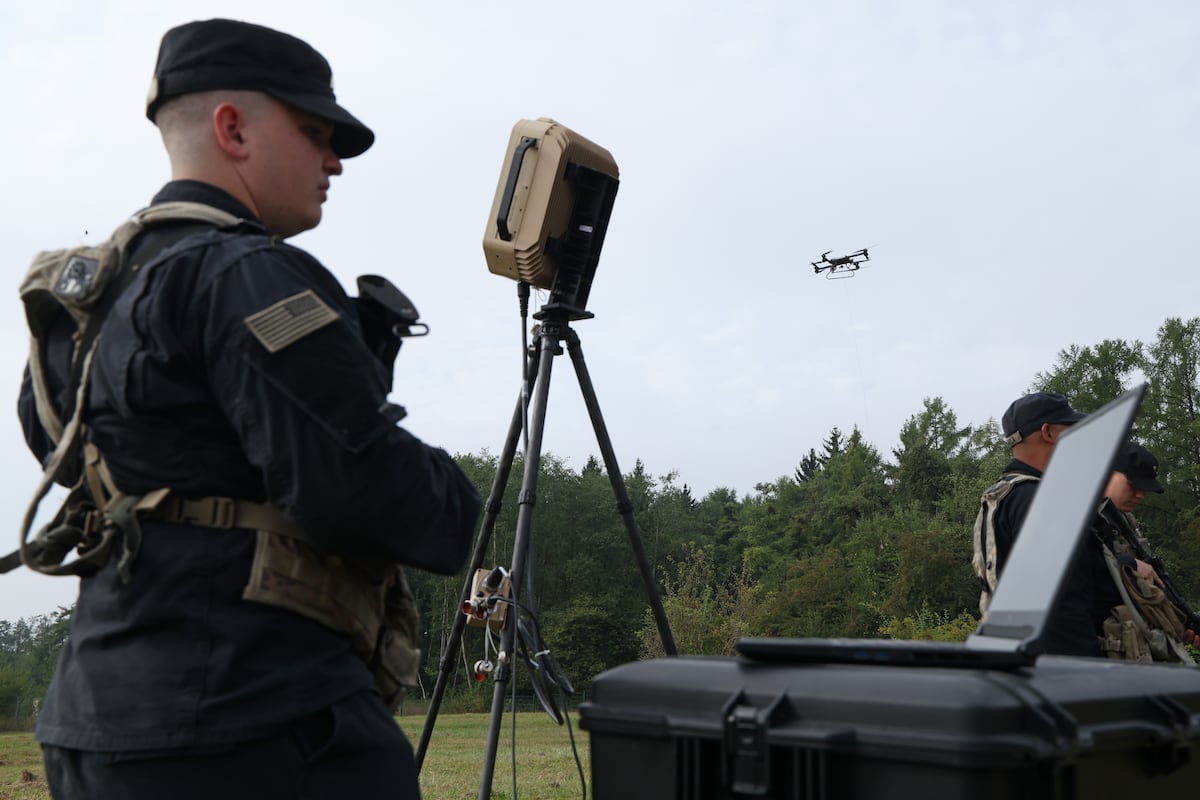
- European governments are very likely to expand counter-hybrid coordination and defensive capacity over the next 1-3 months. Germany is institutionalising its response and considering offensive countermeasures; Britain, Norway and the US have conducted operations against Russian subsea assets; Latvia is building layered border defences; and Kongsberg is integrating Echodyne MESA radars into Protector RS4 and RS6 remote weapon stations. Brussels is also expected to present a new European Security Strategy. Confidence is high because the judgement rests on multiple reported government actions, military operations and industrial measures from Germany, Norway, the UK, the US, Latvia and European defence companies. (Confidence: high · ASSESSED)
- I&W: Confirm: within 1-3 months, the European Commission presents the European Security Strategy and at least one of Germany, Norway, the UK or NATO announces a new counter-hybrid measure. (1-3 months)
- I&W: Break: within 1-3 months, the European Security Strategy omits Russian hybrid activity and Germany or Norway reverses the recently reported countermeasures. (1-3 months)
- An open Russian-NATO kinetic clash near Svalbard or elsewhere in Europe is unlikely over the next 1-3 months, but the risk of miscalculation is likely to rise. Latvia's President Edgars Rinkevics assessed that Russia lacks the capability for a full attack on Latvia while retaining the ability to conduct smaller operations, and British, Norwegian and US forces have intercepted or monitored Russian subsea activity. Competing interpretations remain: the activity can represent coercive signalling below the threshold of war, or preparation for a future operation. Confidence is low because the judgement is inferential and the Svalbard reporting relies partly on anonymous officials, while recent confrontations demonstrate that contact between Russian and NATO forces is already occurring. (Confidence: low · ASSESSED)
- I&W: Confirm: within 0-30 days, Russian vessels leave a monitored area after warnings or escort activity without using weapons against British, Norwegian or US forces. (0-30 days)
- I&W: Break: within 0-14 days, a Russian vessel, aircraft or submersible uses weapons against British, Norwegian, US or other NATO forces, or damages infrastructure near Svalbard. (0-14 days)
Outlook & scenarios
Persistent below-threshold campaign (60%)
Russian-linked sabotage, drone activity, influence operations and infrastructure probes continue across Germany, the Baltic states and the Arctic during the next 1-3 months. Germany implements its diplomatic measures, NATO maintains surveillance of Russian subsea assets, and RASSVET development continues without an open Russian-NATO clash.
Sharper European response after another incident (25%)
A further incident in Germany, Lithuania or near a subsea cable route produces new expulsions, visa restrictions, intelligence cooperation and counter-drone or maritime surveillance measures. Moscow responds through reciprocal diplomatic action and denials, while the confrontation remains below the threshold of declared armed conflict.
Limited kinetic escalation (10%)
A Russian GUGI-linked vessel or another Russian platform has a dangerous encounter with British, Norwegian or US forces near Svalbard, or a drone incident causes casualties or infrastructure damage. Retaliatory measures follow, with the disputed attribution of other maritime incidents complicating efforts to control escalation.
Coordinated infrastructure disruption wildcard (5%)
Russian-linked actors combine an airport drone operation, subsea activity and satellite-enabled interference against European targets. Confirmed damage to a Svalbard cable or prolonged disruption to satellite communications produces a high-impact crisis, accelerates European countermeasures and raises pressure for a collective response.
Recommendations
- Maintain a daily cross-domain watchlist for the next 30 days covering Leipzig/Halle Airport, German diplomatic measures, GUGI-associated vessels near Svalbard, RASSVET launches and ITU filings, and reported drone or sabotage incidents in Lithuania, Sweden and Spain.
- Separate confirmed activity from attribution in all reporting. Present German allegations about Leipzig/Halle alongside Moscow's rejection, and keep the Svalbard account qualified because it relies partly on anonymous Western officials.
- Prioritise collection on observable GUGI indicators, including Russian vessel movements near Svalbard, deployments of deep-sea submersibles, activity near the two Svalbard to mainland Norway fibre-optic cables, and further NATO, British or Norwegian interception activity.
- Track implementation rather than announcements for German expulsions, tourist visa restrictions and closures of Russian facilities. Compare these measures with reciprocal Russian action against German diplomatic and cultural sites.
- Prepare a short scenario exercise on simultaneous drone, subsea and satellite incidents. Use the Leipzig/Halle operation, the Svalbard exercise and the RASSVET service-area dispute as separate cases, and require analysts to identify what evidence would establish common direction from Moscow.
- Monitor European capability responses, including the European Security Strategy, German counter-hybrid powers, Latvian layered defences, and Kongsberg integration of Echodyne MESA radars into Protector RS4 and RS6 systems.
Confidence & uncertainty
Overall confidence is high because the underlying activity is supported by multiple independent reporting streams, including BBC, Defense News, major media, multilateral reporting, official statements and military reporting from Western officials. The strongest corroboration concerns the Leipzig/Halle incident, German countermeasures, the reported Svalbard operation and the expansion of RASSVET. The main uncertainties concern Russian attribution for individual incidents, the precise purpose of the Svalbard exercise, the future operational role of RASSVET and the reliability of competing Ukrainian claims about damage to the Admiral Essen.
Intelligence gaps
- [EEI 1.1 · UNCOVERED] Reports, operator notifications, CCTV or satellite imagery showing unexplained physical damage or operational outages at critical infrastructure sites (power substations, gas pipelines/compressor stations, water treatment plants, railway signaling centers, major telecom exchanges). Recommended collection: satellite/imagery
- [EEI 1.2 · PARTIAL] Observed reconnaissance activity around critical sites indicative of attack planning (unauthorised drone flights, repeated surveillance visits, loitering vehicles, mapping/photography of assets). Recommended collection: open-source/media
- [EEI 2.1 · UNCOVERED] Emergence or amplification of coordinated social-media networks (sets of accounts, pages, channels) pushing identical narratives or hashtags across multiple platforms, including bot-like activity metrics and origin IP/common management indicators. Recommended collection: social-media/OSINT
- [EEI 2.2 · UNCOVERED] Publication or internal guidance from state-run media, proxy outlets, or identified influence platforms distributing talking points, pre-scripted messaging, or translated content targeted at specific EU countries/communities. Recommended collection: open-source/media
- [EEI 2.3 · UNCOVERED] Distribution of manipulated multimedia (deepfakes), targeted phishing/whaling campaigns, or localized false narratives timed to political events (elections, protests, court rulings) with tracked reach and engagement metrics. Recommended collection: cyber/forensic
- [EEI 3.1 · UNCOVERED] Unusual financial transactions: wire transfers, crypto conversions, or payments to shell companies, NGOs or individuals exceeding typical baselines that link to known proxies or front organisations. Recommended collection: financial
- [EEI 3.2 · UNCOVERED] Travel and movement indicators for suspected operatives: repeated border crossings, chartered/irregular flights, booking patterns or mobile/location data placing identified individuals in staging areas shortly before incidents. Recommended collection: border/immigration
- [EEI 3.3 · UNCOVERED] Cargo, freight or maritime movements with discrepancies (concealed/dual-use equipment, false manifests, unusual routing) detected at ports, rail hubs or via AIS that correspond to deliveries of material used in sabotage or influence operations. Recommended collection: customs/ports
- [EEI 3.4 · UNCOVERED] Intercepted or otherwise-obtained communications showing tasking, coordination, or payment instructions between Russian agencies/handlers and proxy groups, including identified command-and-control servers or encrypted group identifiers. Recommended collection: signals-intel/SIGINT
TLP:CLEAR
-24b9722faeef4fd4628eb46e7c94e6ef.jpg)