TLP:CLEAR · Disclosure is not limited.
Europe: Russian-Linked Hybrid Pressure Intensifies After Leipzig Attribution
Time window: Last 1 day · Audience: General analyst · Type: Situation report · DTG: 2026-09-02 21:13Z · Overall confidence: HIGH
BLUF
Germany's formal attribution of the 4 August Leipzig/Halle Airport attack to Russia has triggered a coordinated European diplomatic response and is likely to accelerate sanctions and visa restrictions. The immediate risk is very likely to remain deniable sabotage, cyber disruption and airspace incidents rather than a direct conventional attack on a NATO ally, although Russian threats against German and UK targets raise the consequences of miscalculation.
Executive summary
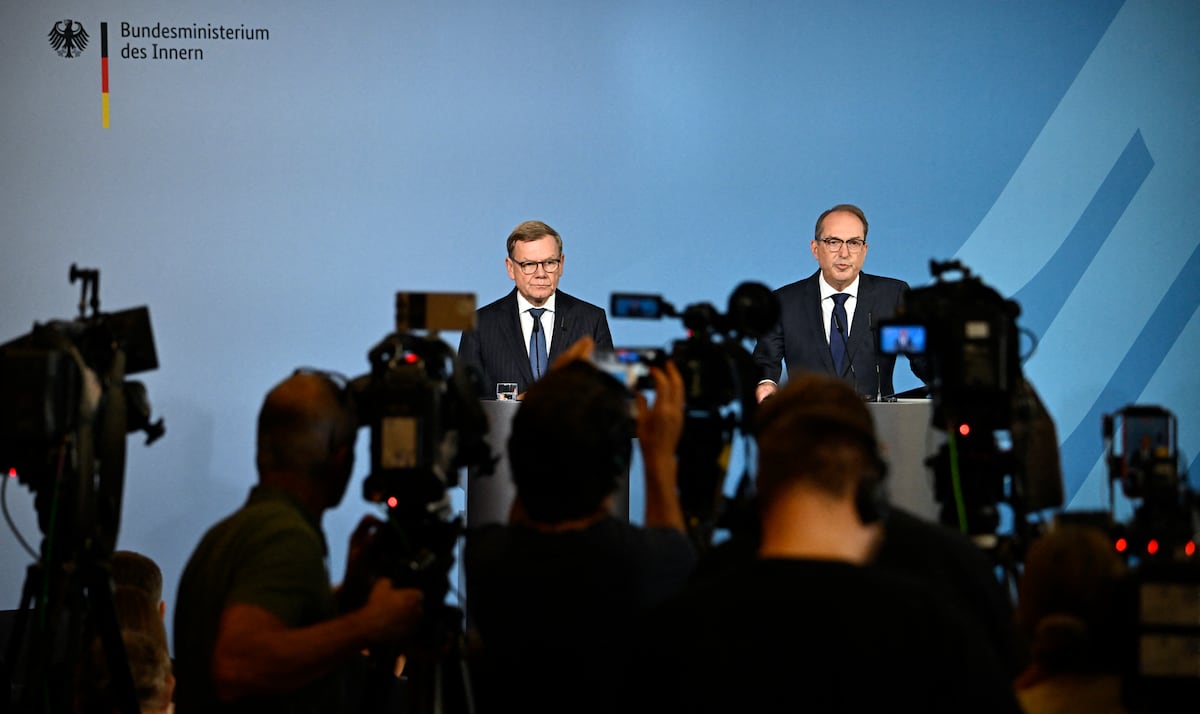
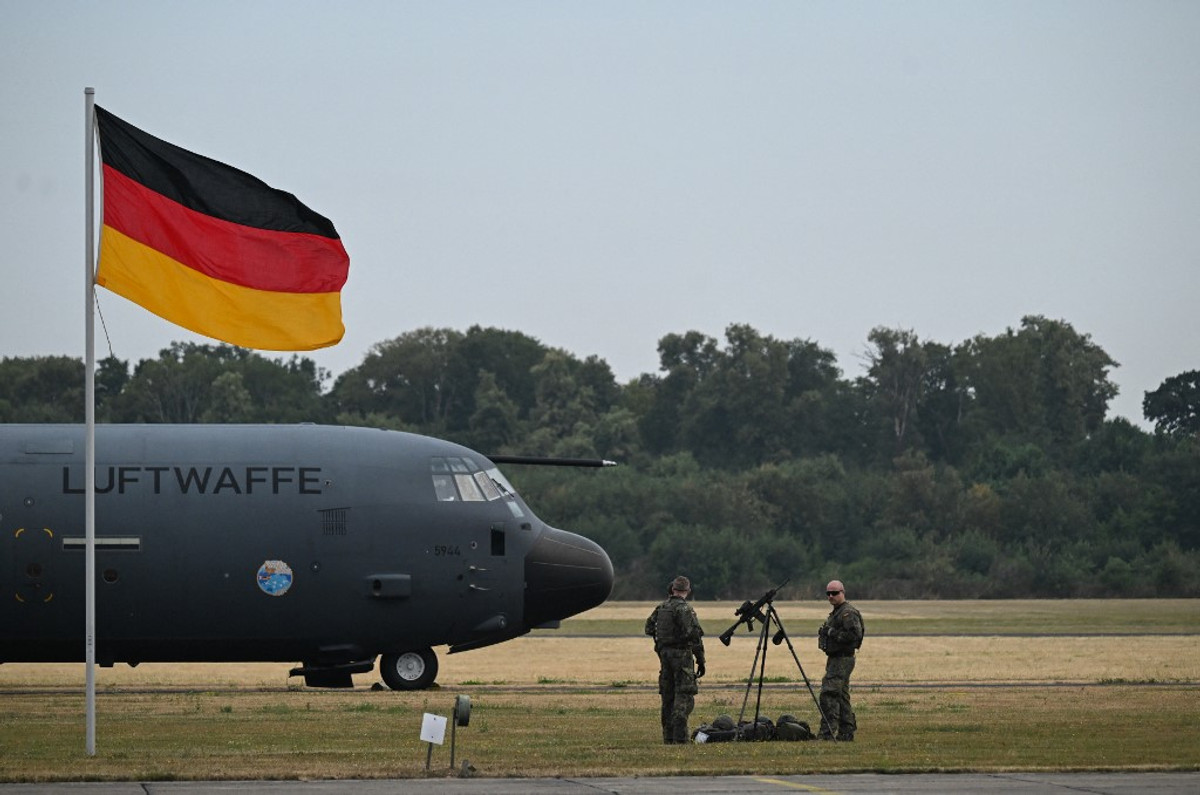
Germany has publicly attributed the Leipzig/Halle Airport incident to Russia, citing police investigations, crime patterns, intelligence findings and technology consistent with Russian systems. Investigators have identified two suspects, while Russia denies involvement and alleges that evidence was planted. New suspected sabotage cases in North Rhine-Westphalia, Brandenburg and Skarżysko-Kamienna, alongside a pro-Russian group's claimed DDoS attack on Norway's Digdir, widen the current pressure pattern, although Russian responsibility for those incidents is not established. The EU and member states are preparing further sanctions, visa restrictions and diplomatic measures. Black Sea shipping remains disrupted as commercial operators suspend services and Turkey presses Russia and Ukraine for a grain-passage arrangement.
Change from previous assessment
Since the 1 September brief, the assessment has shifted from a broad expectation of continued Russian-linked hybrid pressure to a higher-confidence view that the Leipzig attribution is driving coordinated European political and economic action. New reporting adds suspected sabotage affecting 4,200 megawatts of North Rhine-Westphalia power generation, damage to a critical Brandenburg high-voltage node, the deliberate fire at a combat-drone factory in Skarżysko-Kamienna, the Server Killers DDoS claim against Norway's Digdir, a proposed EU sanctions list covering 1,600 Russian-linked individuals and companies, and explicit Russian threats against German and UK facilities. The direct-attack judgment is retained and not raised. Confidence remains lower for the Russian attribution of the German grid incidents, the Polish fire and some Black Sea shipping details.
Key judgments
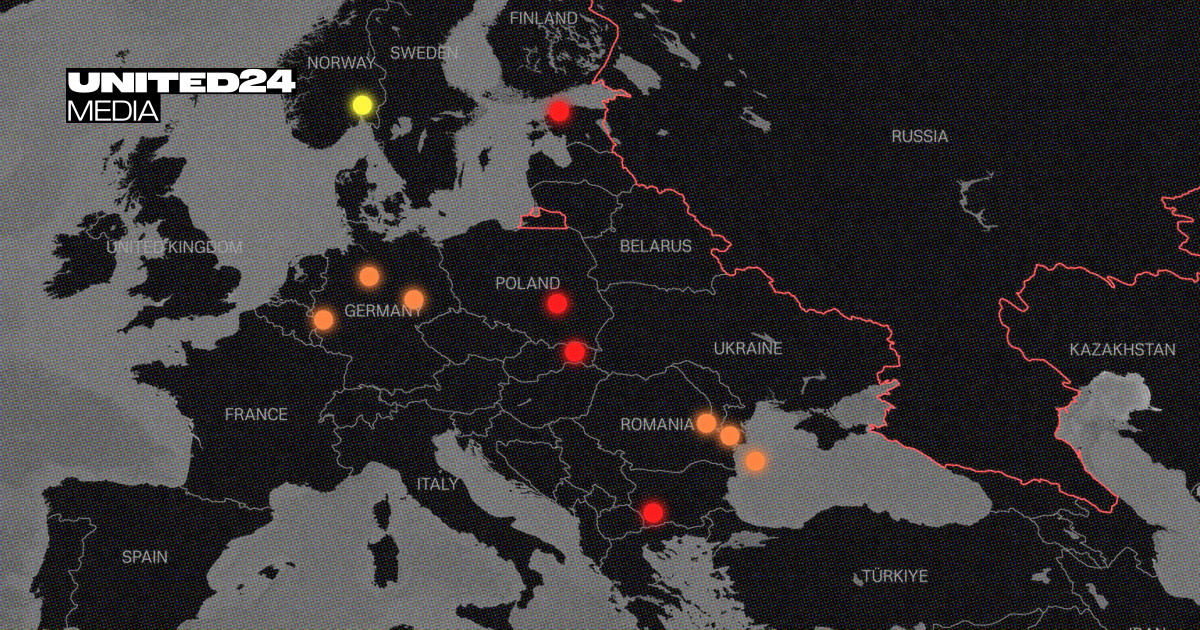
- Russian-linked hybrid pressure in Europe is very likely to continue over the next 1-3 months, while the full Russian attribution of several new incidents remains unresolved. The reported activity now spans the Leipzig/Halle civilian freight and NATO logistics hub, electricity infrastructure in North Rhine-Westphalia and Brandenburg, a combat-drone factory in Skarżysko-Kamienna, and Norway's Digitalisation Agency. Germany attributes the Leipzig incident to Russia, and the pro-Russian Server Killers group claims the Digdir DDoS attack, but perpetrators for the German grid incidents and the Polish factory fire remain unidentified. (Confidence: medium · ASSESSED)
- I&W: Confirms if German or Polish investigators link the North Rhine-Westphalia or Brandenburg sabotage, or the Skarżysko-Kamienna fire, to Russian direction, or if another Russian-linked operation affects a named European defence or energy site. (0-30 days)
- I&W: Breaks if investigators identify non-Russian perpetrators for the German and Polish cases and no additional Russian-linked incident is reported at Leipzig/Halle Airport, Digdir or a European defence or energy site. (1-3 months)
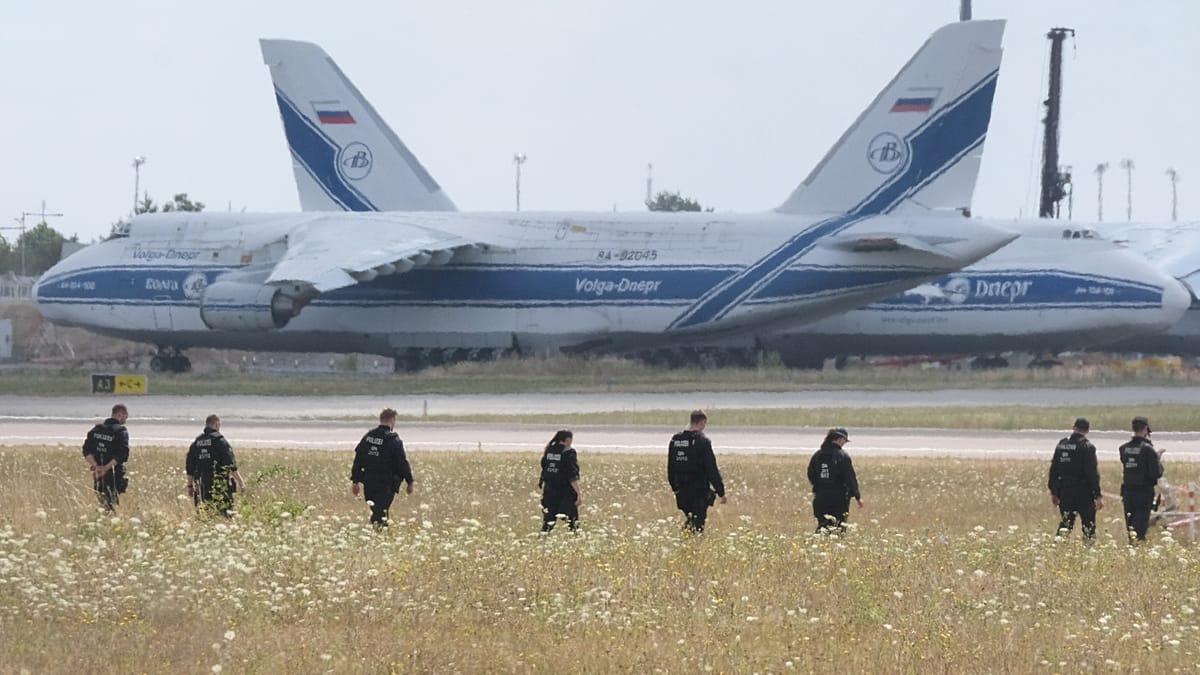
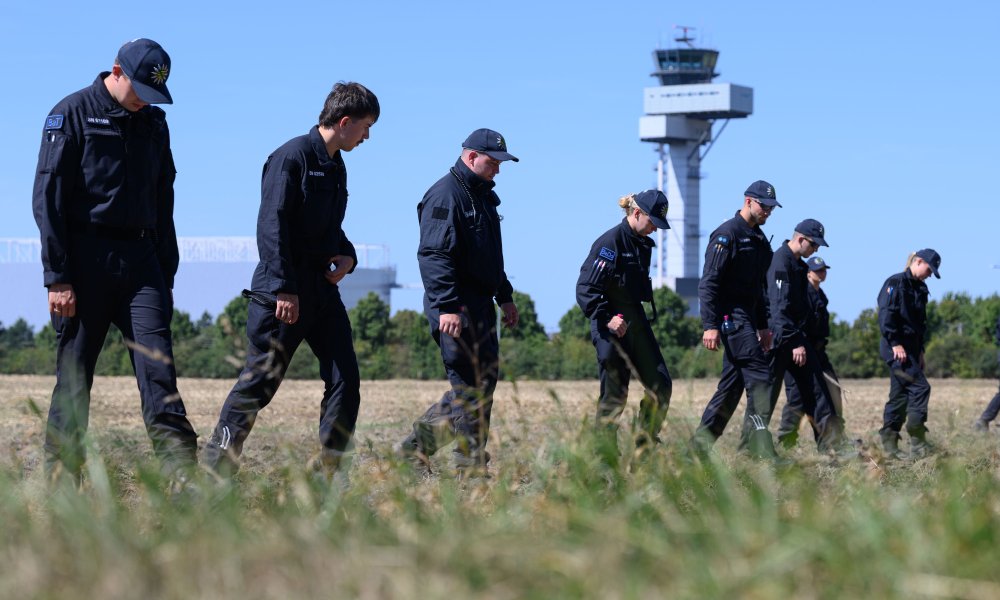
- Germany's formal attribution of the 4 August 2026 Leipzig/Halle Airport incident to Russia is a reported, well-corroborated development that is very likely to remain the central reference point for European responses. German officials cite intelligence findings, crime patterns and police investigations; investigators have identified a Belarusian national with a Russian passport and a Russian-born man with Latvian citizenship. Russia denies involvement and alleges that the evidence was planted, while the public record does not include the underlying technical evidence or resolve conflicting reports on the number of drones involved. (Confidence: medium · REPORTED)
- I&W: Confirms if Germany publishes technical or intelligence evidence, or if German prosecutors charge the two identified suspects with an offence linked to Russian direction. (0-30 days)
- I&W: Breaks if German authorities retract or materially qualify the attribution, or identify a non-Russian sponsor for the Leipzig/Halle operation. (0-30 days)
- European governments are likely to expand sanctions, visa controls and diplomatic pressure on Russia over the next 1-3 months, while direct military retaliation remains unlikely. Germany has ordered the closure of Russia's Consulate General in Bonn by 18 September and the termination of the operating agreement or lease for the Russian House in Berlin. The European External Action Service has proposed visa bans and asset freezes for 1,600 Russian individuals and companies, EU ministers broadly support restrictions on former Russian military personnel, and several European governments have summoned Russian diplomatic representatives. Adoption remains unsettled, including because Slovakia is pressing for a shorter extension of the existing blacklist and removal of some Russian oligarchs. (Confidence: medium · ASSESSED)
- I&W: Confirms if EU capitals adopt the proposed 1,600-person sanctions list or the proposed visa bans and asset freezes, and if Germany completes the Bonn closure on 18 September. (0-3 months)
- I&W: Breaks if the EU does not advance the 1,600-person proposal and member states postpone the proposed visa restrictions or the Bonn closure. (1-3 months)
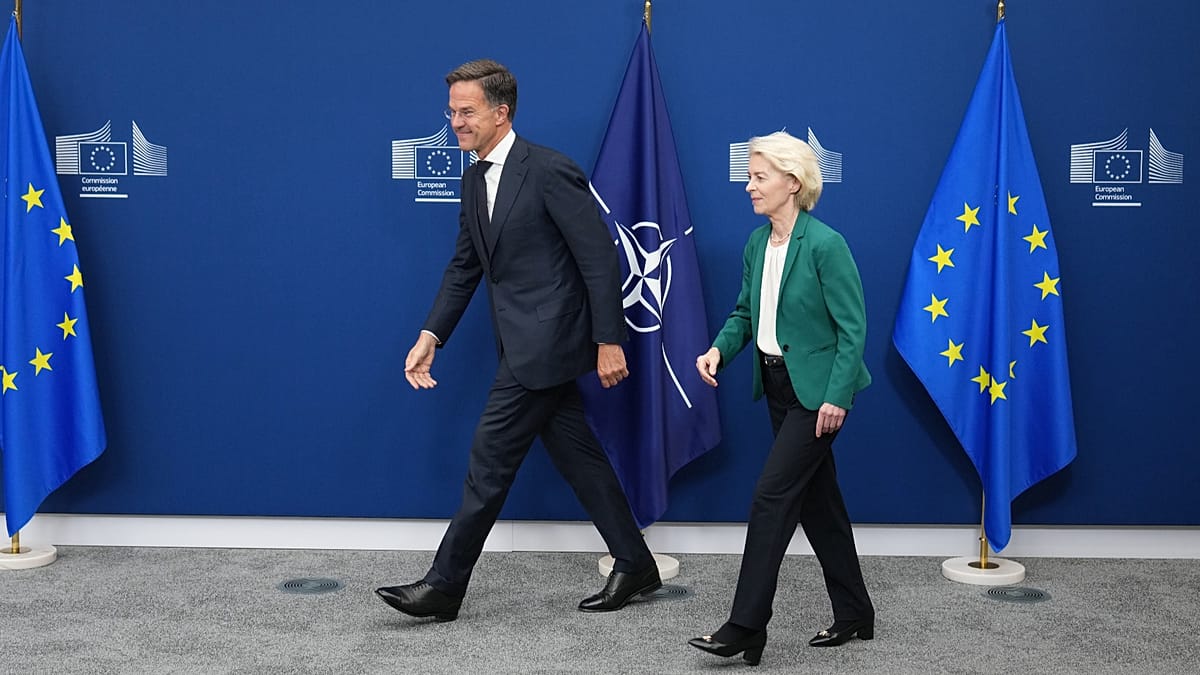
- A direct conventional Russian attack on a NATO ally is very unlikely over the next 0-3 months, while deniable provocations, airspace incidents and coercive threats are likely to remain the more plausible escalation path. Mark Rutte reported more Russian drones and missiles crossing NATO airspace along the eastern flank; Romania and Estonia reported drone incursions; and two Spanish F-18s on NATO air-policing duty destroyed an unidentified drone near Galați. Dmitry Medvedev threatened a direct strike on German military production facilities and hinted at targets in Berlin, while Vladimir Putin responded ambiguously to a question about striking UK military facilities. (Confidence: medium · ASSESSED)
- I&W: Confirms the deniable-escalation pathway if another drone or missile crosses NATO eastern-flank airspace, or if NATO air-policing forces intercept an additional unidentified drone. (0-30 days)
- I&W: Breaks the near-term assessment if a Russian strike hits a German military production facility, a target in Berlin or a UK military facility. (0-90 days)
- Ukraine's near-term air-defence requirement is likely to outpace publicly reported European commitments over the next 1-3 months. Russia's strikes killed 12 people on 1 September and continued against Odesa, Sumy and Kyiv on 2 September. Ukraine has formally requested PAC-3 Patriot systems, but Kaja Kallas reported no concrete success in persuading Greece and Spain to donate Patriot interceptors. Ukraine's Ministry of Defence also faces a reported 23 billion euro deficit, increasing pressure on military support and air-defence resupply. (Confidence: medium · ASSESSED)
- I&W: Confirms if Russian strikes continue to kill civilians or hit Odesa, Sumy and Kyiv while Greece and Spain announce no PAC-3 Patriot transfer. (0-30 days)
- I&W: Breaks if EU member states announce concrete PAC-3 Patriot transfers and Ukraine reports funding that closes the 23 billion euro Ministry of Defence deficit. (1-3 months)
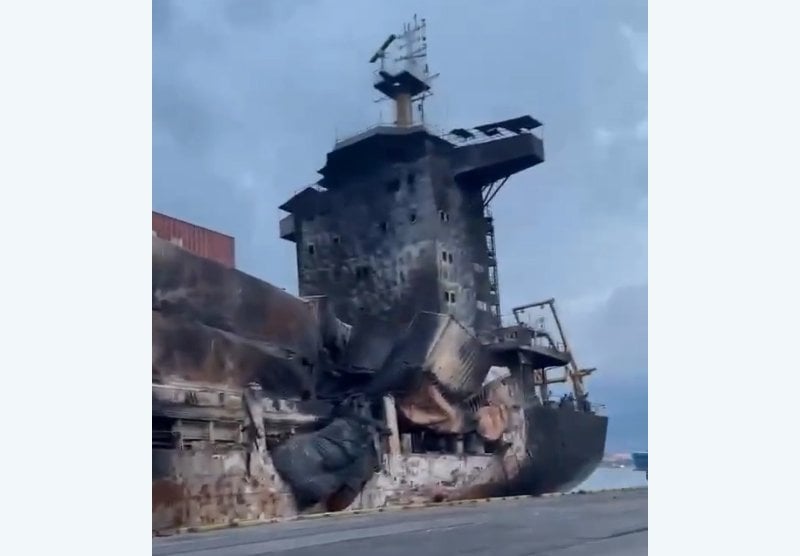
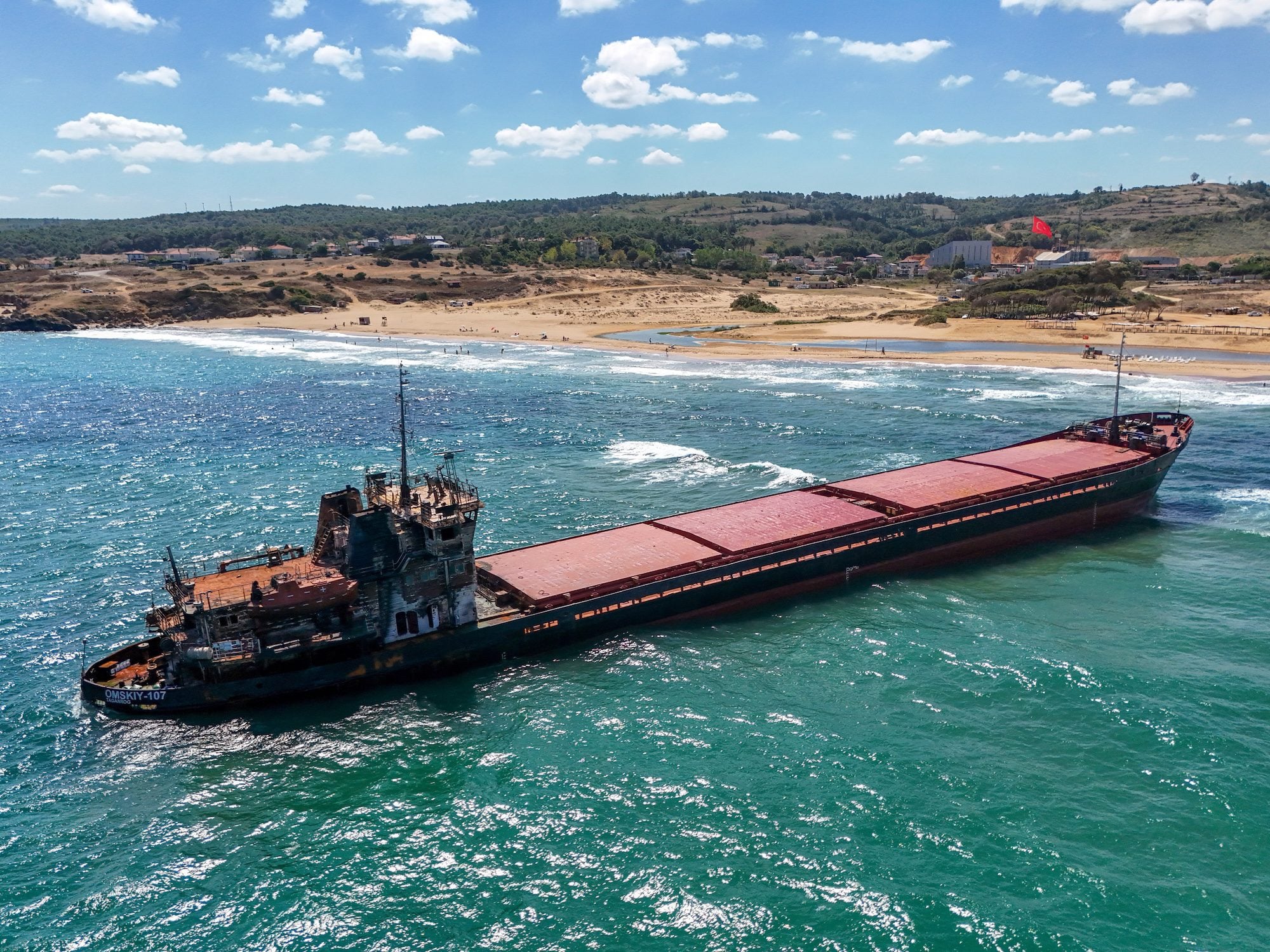
- Black Sea commercial shipping disruption is likely to persist over the next 1-3 months and to affect Russian and Ukrainian ports, Bosphorus transits and grain diplomacy. Tankers and cargo ships are using nets, water tanks and tyres as improvised protection; MSC suspended service to Novorossiysk, Maersk and Hapag-Lloyd suspended services to Ukrainian Black Sea ports, and Akkon Lines and Arka suspended services to Russian ports. Turkey is pressing for safe grain passage, but Russia says there are no grounds for the Black Sea grain deal to resume. Confidence is reduced by conflicting reporting on whether Akkon Lines fully suspended Russian services or earlier redirected cargo to St Petersburg, and by inconsistent reporting on the name of the struck vessel at Novorossiysk. (Confidence: medium · ASSESSED)
- I&W: Confirms if MSC, Maersk, Hapag-Lloyd, Akkon Lines or Arka maintain suspensions, or if carriers add risk surcharges above the reported 1,000 to 2,500 US dollar range per container. (0-30 days)
- I&W: Breaks if Russia and Ukraine accept a formal moratorium on attacks against commercial shipping or implement Turkey's proposed safe grain-passage plan. (1-3 months)
Outlook & scenarios
Managed hybrid escalation (55%)
Russian-linked sabotage, cyber disruption and airspace incidents continue at a low or moderate level across Germany, Poland, Norway, Romania and Estonia. Germany closes the Russian Consulate General in Bonn on 18 September, the EU advances some sanctions and visa restrictions, and NATO maintains diplomatic and defensive responses without a direct military exchange.
Partial containment after European measures (25%)
German and Polish investigations fail to establish Russian direction for the new power and factory incidents. The EU adopts only part of the proposed sanctions package, while additional incidents at Leipzig/Halle Airport, Digdir and European energy or defence sites do not materialise over the next 1-3 months.
Reciprocal diplomatic escalation (15%)
EU member states adopt the proposed 1,600-person sanctions measures and broaden visa controls. Russia mirrors Germany's diplomatic actions, expands public threats against Berlin and UK defence facilities, and commercial shipping operators maintain or widen suspensions in the Black Sea. The confrontation remains below direct military retaliation.
Kinetic spillover wildcard (5%)
Russia follows the threats issued by Dmitry Medvedev with a strike on a German military production facility, a target in Berlin or a UK military facility. NATO and European governments then face pressure to move beyond diplomatic, economic and air-policing measures, creating a high-impact crisis with an uncertain escalation path.
Recommendations
- Maintain a two-track attribution assessment for Leipzig/Halle Airport, separating confirmed physical evidence and suspect reporting from German and NATO attribution. Track any release of technical evidence, charges against the two suspects and clarification of the conflicting drone count.
- Establish a 0-14-day incident watch covering the Jänschwalde and North Rhine-Westphalia power infrastructure, the Skarżysko-Kamienna combat-drone factory, Norway's Digdir, Mechernich, Leipzig/Halle Airport, and reported drone activity near Romania and Estonia.
- Update the sanctions tracker against four concrete milestones: the planned 18 September closure of the Russian Consulate General in Bonn, termination of the Russian House agreement in Berlin, the proposed 1,600-person EU list, and the expected extension of the 3,000-person EU blacklist. Record Slovakia's position separately from the broader EU position.
- Treat public Russian threats against German and UK facilities as escalation indicators rather than proof of imminent attack. Require corroboration from a physical incident, official force activity or a verified operational claim before raising the direct-attack assessment.
- Track PAC-3 Patriot decisions by Greece, Spain and other EU states alongside the reported 23 billion euro Ukrainian Ministry of Defence deficit. Use any confirmed transfer or financing decision to reassess Ukraine's near-term air-defence pressure.
- Monitor Black Sea shipping through carrier suspensions, risk surcharges, vessel damage, Bosphorus transits and progress on Turkey's grain-passage plan. Keep Akkon Lines' reported full suspension and earlier redirection to St Petersburg as separate entries until their timing and scope are reconciled.
Confidence & uncertainty
Overall confidence is high because the core developments are corroborated by multiple independent official, multilateral, major-media and wire-service reports. Germany's Leipzig attribution, the airport incident, the diplomatic response and the proposed EU sanctions are supported by repeated reporting from German officials, NATO, the European Commission, EU officials and several major news organisations. The principal uncertainties concern the public technical basis for attribution, the number of drones involved, the identity of perpetrators in the German power and Polish factory cases, the status of the Russian House in Berlin, and the precise scope of Black Sea shipping suspensions.
Intelligence gaps
- [EEI 1.3 · PARTIAL] Law-enforcement or customs seizures, arrests or interdictions of persons or shipments carrying explosives, sabotage tools, specialty cutting/electrical equipment, or covert comms gear destined for/near critical infrastructure. Recommended collection: law enforcement
- [EEI 2.1 · UNCOVERED] Emergence or amplification of coordinated social-media networks (sets of accounts, pages, channels) pushing identical narratives or hashtags across multiple platforms, including bot-like activity metrics and origin IP/common management indicators. Recommended collection: social-media/OSINT
- [EEI 2.2 · UNCOVERED] Publication or internal guidance from state-run media, proxy outlets, or identified influence platforms distributing talking points, pre-scripted messaging, or translated content targeted at specific EU countries/communities. Recommended collection: open-source/media
- [EEI 2.3 · UNCOVERED] Distribution of manipulated multimedia (deepfakes), targeted phishing/whaling campaigns, or localized false narratives timed to political events (elections, protests, court rulings) with tracked reach and engagement metrics. Recommended collection: cyber/forensic
- [EEI 3.1 · UNCOVERED] Unusual financial transactions: wire transfers, crypto conversions, or payments to shell companies, NGOs or individuals exceeding typical baselines that link to known proxies or front organisations. Recommended collection: financial
- [EEI 3.2 · PARTIAL] Travel and movement indicators for suspected operatives: repeated border crossings, chartered/irregular flights, booking patterns or mobile/location data placing identified individuals in staging areas shortly before incidents. Recommended collection: border/immigration
- [EEI 3.3 · UNCOVERED] Cargo, freight or maritime movements with discrepancies (concealed/dual-use equipment, false manifests, unusual routing) detected at ports, rail hubs or via AIS that correspond to deliveries of material used in sabotage or influence operations. Recommended collection: customs/ports
- [EEI 3.4 · UNCOVERED] Intercepted or otherwise-obtained communications showing tasking, coordination, or payment instructions between Russian agencies/handlers and proxy groups, including identified command-and-control servers or encrypted group identifiers. Recommended collection: signals-intel/SIGINT
TLP:CLEAR