TLP:CLEAR · Disclosure is not limited.
Europe: Russian-Linked Hybrid Threats
Time window: Last 1 day · Audience: General analyst · Type: Situation report · DTG: 2026-11-28 14:43Z · Overall confidence: HIGH
BLUF
Russian-linked sabotage in Europe is likely to remain elevated over the next 1 to 3 months, with defence, transport and satellite infrastructure exposed. The reported 16 per cent rise in sabotage incidents supports continued concern, but the evidence does not establish Russian responsibility for every incident or settle whether Germany or Poland is the leading target.
Executive summary
IISS-attributed reporting says Russian-blamed sabotage incidents in Europe rose 16 per cent in the year to September 2026. Arson and explosives use roughly doubled, and more than half of recorded incidents targeted critical infrastructure, especially transport and defence industry. Separate reporting describes a UK warning to defence companies working with Ukraine and fires involving Starlink infrastructure in Bulgaria and Lithuania, but attribution remains uncertain. On 28 November, Russian Foreign Ministry spokeswoman Maria Zakharova accused Latvia of supporting Ukrainian attacks; the supplied reporting confirms that Moscow made the allegations, not that they are true. Evidence that disinformation has changed European public opinion or decisions on Ukraine funding remains thin.
Change from previous assessment
Initial assessment continuity since the 27 November brief: the judgement that sabotage risk is likely to remain elevated is unchanged, and confidence remains medium because the country rankings conflict and incident-level attribution is incomplete. Reporting available on 28 November adds detail on the IISS account of technical proficiency and repeats the quantified trend, but does not independently validate the incident count. Russian allegations against Latvia are a new development in this brief. The supplied claims do not resolve the earlier Danish allegation or the attribution of the 27 November Baltic drone alerts.
Key judgments
- Russian-linked sabotage in Europe is likely to remain elevated over the next 1 to 3 months. IISS-attributed reporting puts the increase at 16 per cent in the 12 months to September 2026, says arson and explosives use roughly doubled, and reports that more than half of incidents targeted critical infrastructure. Germany and Poland are priority watch locations, but the reporting conflicts on whether Germany or Russia ranks among the most targeted countries. (Confidence: medium · ASSESSED)
- I&W: Confirmation: German or Polish authorities announce a new investigation or arrest involving suspected sabotage at a named transport or defence-industrial site. (0 to 14 days)
- I&W: Break: an updated IISS incident count or national case data show no year-on-year rise, or identify a different country pattern from the reported Germany and Poland focus. (1 to 3 months)
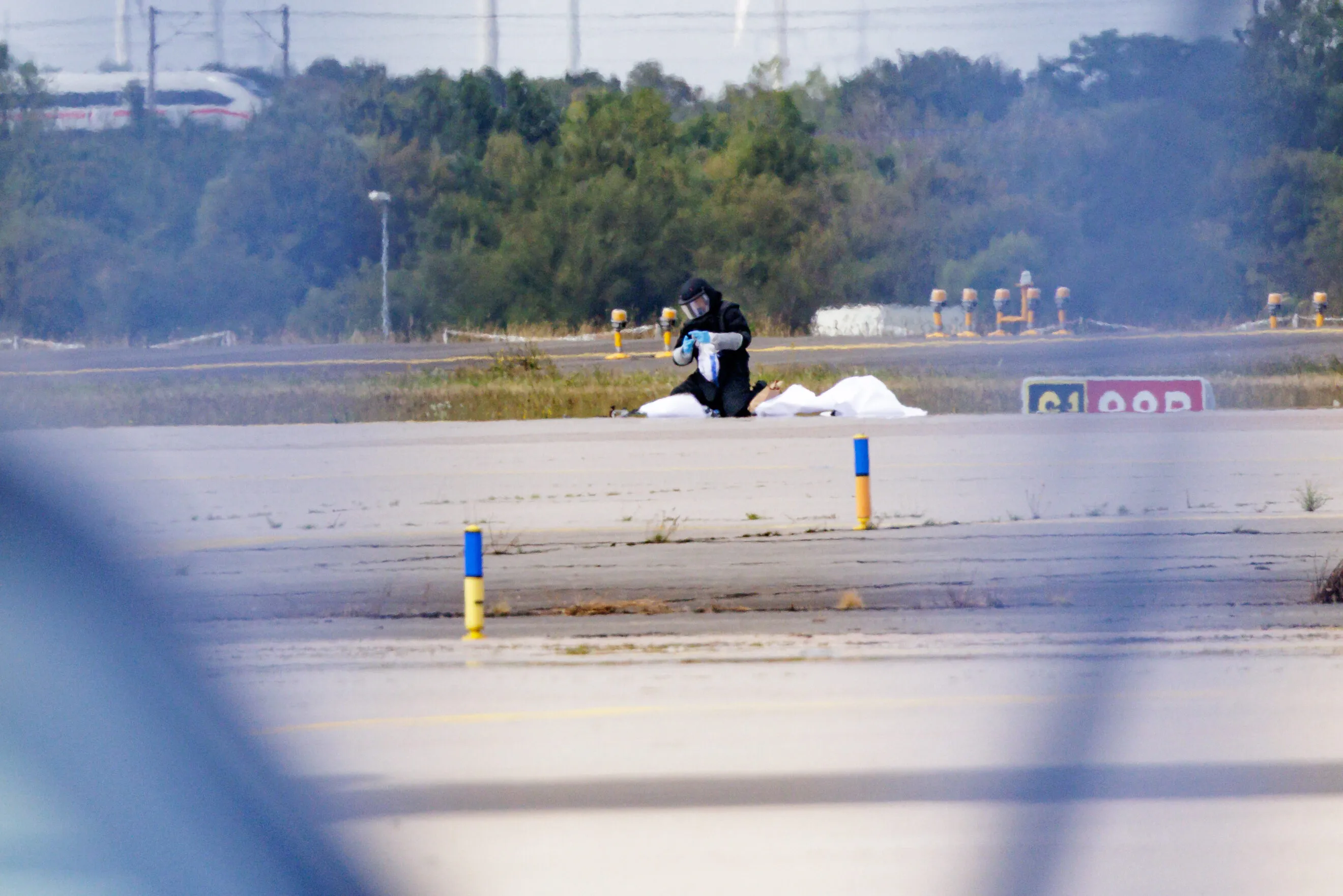
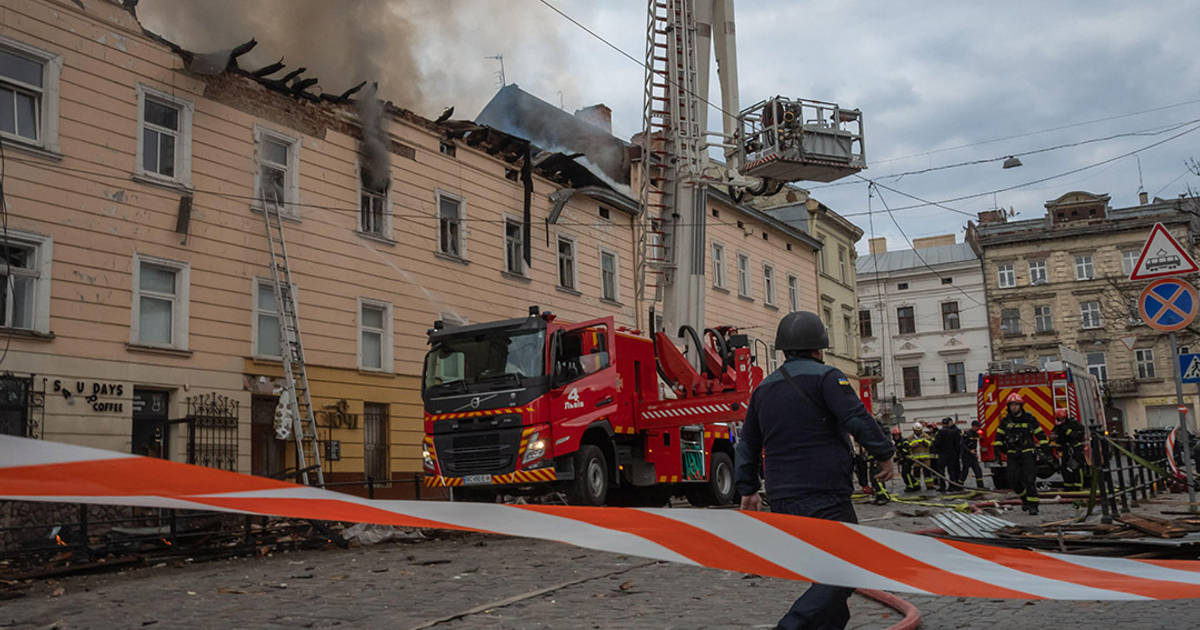
- The risk to defence, transport and satellite infrastructure is likely to remain elevated, but current reporting does not establish Russian responsibility in every case. British authorities warned companies working with Ukraine's military of increased sabotage risk; reporting also describes Starlink-related fires in Bulgaria and Lithuania and a Polish Starlink station fire that a senior official called possible Russian sabotage. The Bulgaria and Lithuania cases were still subject to a planned joint investigation. (Confidence: medium · ASSESSED)
- I&W: Confirmation: investigators in Bulgaria or Lithuania announce findings that identify deliberate arson or a Russian-linked organiser in a Starlink infrastructure case. (0 to 3 months)
- I&W: Break: investigators classify the reported fires as accidental or provide evidence that rules out sabotage. (0 to 3 months)
- Russian efforts to weaken European support for Ukraine are likely to continue, but the supplied reporting does not show that they have changed public opinion or EU funding decisions. A think-tank account describes Russian special services seeking to disrupt EU funding agreements, while social-media claims describe the Matryoshka campaign targeting Spain's election and messaging that aid to Ukraine is harming Europe. These reports are thin and do not provide audience or policy-effect evidence. (Confidence: low · ASSESSED)
- I&W: Confirmation: Spanish election authorities or another named official body publish findings attributing specific election content to the Matryoshka operation. (0 to 3 months)
- I&W: Break: official investigations or platform records show that the reported campaign activity was misattributed or had no measurable reach. (0 to 3 months)
- Moscow's accusations against Latvia are likely to serve as an information-pressure narrative, but the supplied reporting does not verify the allegations. On 28 November, Maria Zakharova accused Latvia of supplying Ukrainian forces with tens of thousands of drones and allowing Ukrainian drones to use Baltic airspace. These are Russian Foreign Ministry claims, not independently corroborated evidence. (Confidence: low · ASSESSED)
- I&W: Confirmation: Russian Foreign Ministry statements repeat or expand the allegations against Latvia, or link them to a stated diplomatic or economic response. (0 to 14 days)
- I&W: Break: verifiable records or an official investigation substantiate the specific drone-supply and airspace allegations. (1 to 3 months)
Outlook & scenarios
Persistent low-level sabotage (55%)
Russian-linked sabotage remains elevated, with further investigations involving transport, defence-industrial or satellite infrastructure. Germany and Poland remain priority watch locations, although the available reporting does not settle the target ranking.
A further infrastructure incident sharpens attribution disputes (25%)
A new fire or explosive incident affects a defence, transport or satellite site. Authorities investigate, but public evidence does not immediately establish Russian direction, leaving competing national and Russian accounts in circulation.
Incident rate stabilises or falls (15%)
Investigations and protective measures limit new incidents over the next 1 to 3 months. This would weaken the assessment of continuing elevated activity, though it would not by itself resolve attribution for earlier cases.
Mass-casualty sabotage (5%)
An attack involving explosives at a transport or other critical infrastructure site causes mass casualties. IISS has warned of this risk, but the supplied reporting does not establish that such an attack is imminent.
Recommendations
- Obtain and review the original IISS incident series before using the 16 per cent increase or country rankings in operational planning. Reconcile the conflicting assessments of Germany, Poland and Russia as leading targets.
- Track the joint investigation planned by Bulgaria and Lithuania into Starlink infrastructure fires, and seek public findings on cause, method and any Russian-linked direction before attributing the incidents.
- Maintain a shared incident log for suspected sabotage at defence-industrial, transport and satellite sites. Record the date, location, damage, investigative status and attribution evidence separately.
- Treat Russian statements about Latvia as information activity unless independent evidence verifies the specific allegations. Compare future claims with Latvian and other official findings.
- Assess claims of disinformation impact against measurable outcomes, including election-authority findings, audience data or documented changes to EU funding decisions, rather than campaign descriptions alone.
Confidence & uncertainty
High confidence applies to the broad picture that European authorities and analysts are reporting a persistent sabotage threat: IISS-attributed reporting provides quantified trends, while British authorities have issued a warning and separate reporting describes a Moscow-attributed arson conviction. The IISS figures are repeated across secondary outlets rather than independently confirmed through incident-level data. Confidence is lower on the attribution of individual fires, the ranking of target countries and the effect of disinformation.
Intelligence gaps
- [EEI 1.2 · UNCOVERED] Observed reconnaissance activity around critical sites indicative of attack planning (unauthorised drone flights, repeated surveillance visits, loitering vehicles, mapping/photography of assets). Recommended collection: open-source/media
- [EEI 1.3 · UNCOVERED] Law-enforcement or customs seizures, arrests or interdictions of persons or shipments carrying explosives, sabotage tools, specialty cutting/electrical equipment, or covert comms gear destined for/near critical infrastructure. Recommended collection: law enforcement
- [EEI 2.1 · UNCOVERED] Emergence or amplification of coordinated social-media networks (sets of accounts, pages, channels) pushing identical narratives or hashtags across multiple platforms, including bot-like activity metrics and origin IP/common management indicators. Recommended collection: social-media/OSINT
- [EEI 2.2 · PARTIAL] Publication or internal guidance from state-run media, proxy outlets, or identified influence platforms distributing talking points, pre-scripted messaging, or translated content targeted at specific EU countries/communities. Recommended collection: open-source/media
- [EEI 2.3 · UNCOVERED] Distribution of manipulated multimedia (deepfakes), targeted phishing/whaling campaigns, or localized false narratives timed to political events (elections, protests, court rulings) with tracked reach and engagement metrics. Recommended collection: cyber/forensic
- [EEI 3.1 · UNCOVERED] Unusual financial transactions: wire transfers, crypto conversions, or payments to shell companies, NGOs or individuals exceeding typical baselines that link to known proxies or front organisations. Recommended collection: financial
- [EEI 3.2 · UNCOVERED] Travel and movement indicators for suspected operatives: repeated border crossings, chartered/irregular flights, booking patterns or mobile/location data placing identified individuals in staging areas shortly before incidents. Recommended collection: border/immigration
- [EEI 3.3 · PARTIAL] Cargo, freight or maritime movements with discrepancies (concealed/dual-use equipment, false manifests, unusual routing) detected at ports, rail hubs or via AIS that correspond to deliveries of material used in sabotage or influence operations. Recommended collection: customs/ports
- [EEI 3.4 · PARTIAL] Intercepted or otherwise-obtained communications showing tasking, coordination, or payment instructions between Russian agencies/handlers and proxy groups, including identified command-and-control servers or encrypted group identifiers. Recommended collection: signals-intel/SIGINT
Red cell review: CONCUR WITH COMMENT
TLP:CLEAR