TLP:CLEAR · Disclosure is not limited.
Europe’s 20 November youth protests: Italian strike confirmed, wider strike unverified
Time window: Last 1 day · Audience: General analyst · Type: Situation report · DTG: 2026-11-20 16:20Z · Overall confidence: HIGH
BLUF
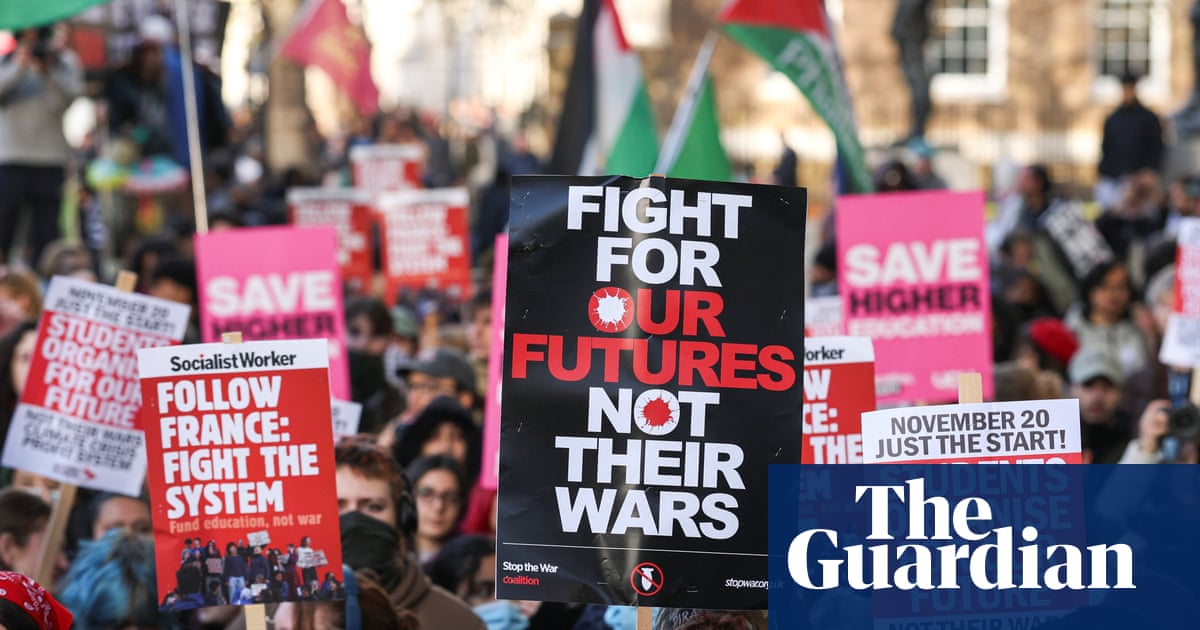
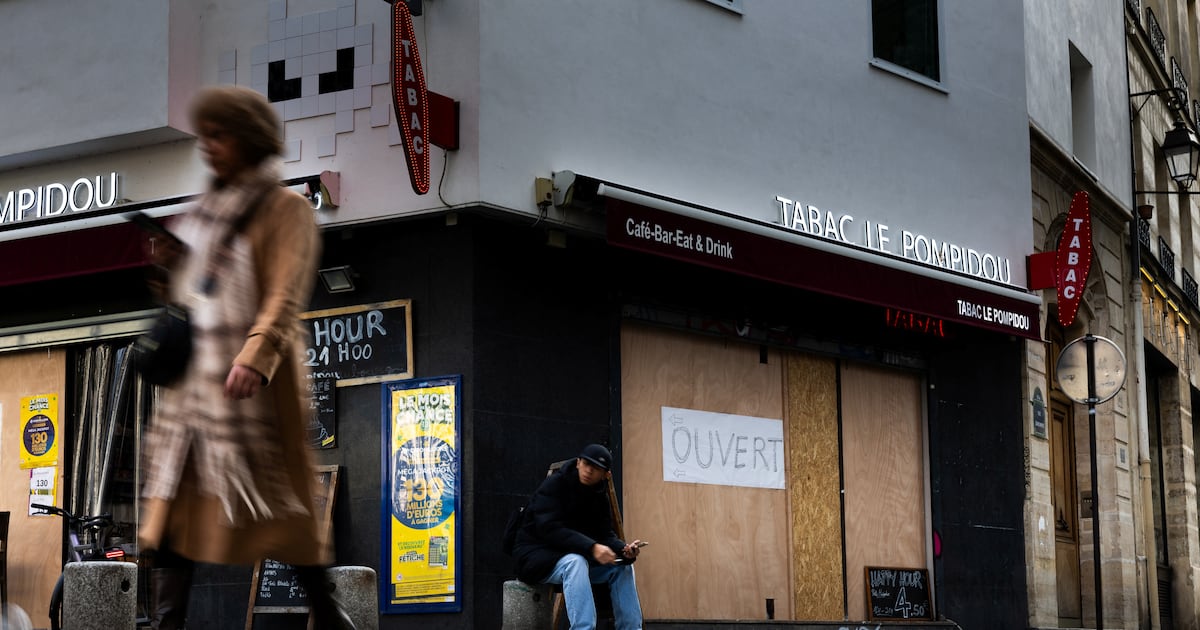
Coordinated youth rallies took place across more than 20 European countries on 20 November, and Italy’s CGIL staged a general strike. Current reporting does not establish a general strike spanning France, Italy, Portugal and Albania, or substantiate claims of more than 1,200 arrests and hundreds injured in Paris.
Executive summary
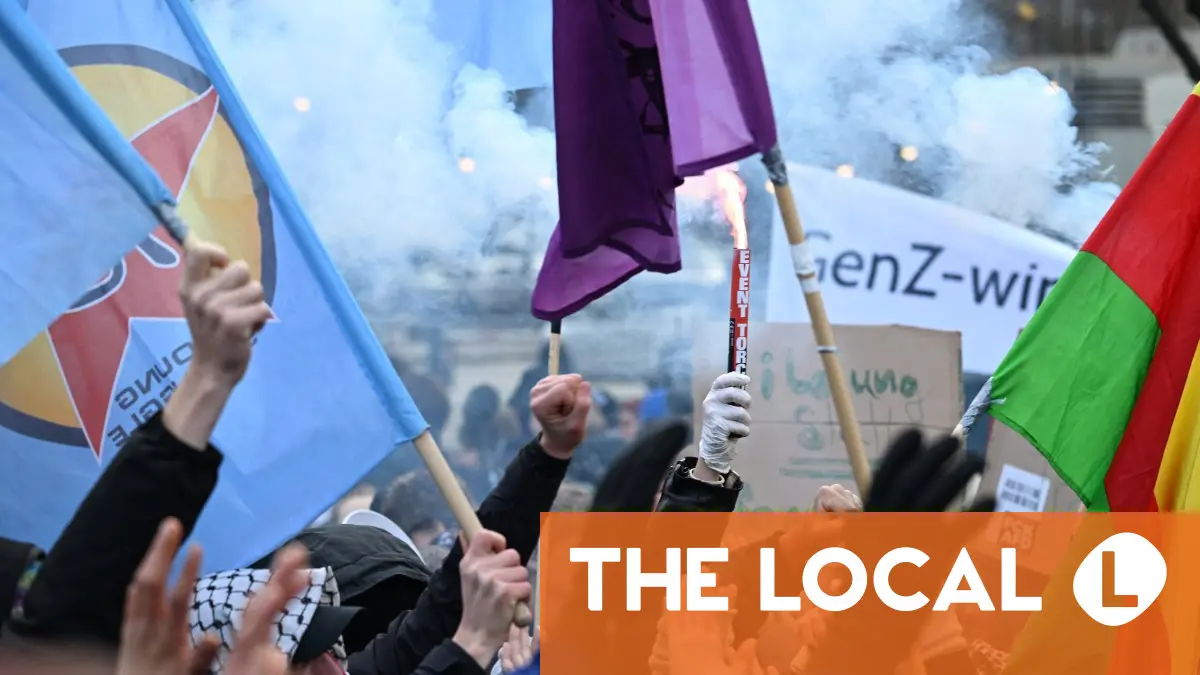
The 20 November mobilisation included rallies in France, Italy and Portugal, among other countries, and drew support from more than 50 groups. The Youth Strike coalition said demonstrations were planned in about 400 cities. In Italy, tens of thousands protested in Rome, Milan and other cities, while CGIL held a general strike against the economic policies of Prime Minister Giorgia Meloni. Reporting on France confirms rallies and identifies the gilets jaunes among the organisers, but does not establish the claimed Paris arrest and injury totals. Albania’s protests concern domestic grievances, including luxury coastal developments and corruption. Albanian reporting describes injuries, detentions and a prosecutorial inquiry, but the figures come from a single local-media account.
Change from previous assessment
Since the prior brief, reporting has moved the Italian general strike from a planned action to a reported event, and establishes that youth rallies took place across more than 20 European countries, including France and Portugal. The assessment that a coordinated general strike across France, Italy, Portugal and Albania is not established remains unchanged. New Albanian reporting adds minister-attributed injury and detention figures and details of a Tirana prosecutorial inquiry; these remain single-outlet claims. The supplied reporting still does not substantiate the stated Paris arrest and injury totals.
Key judgments
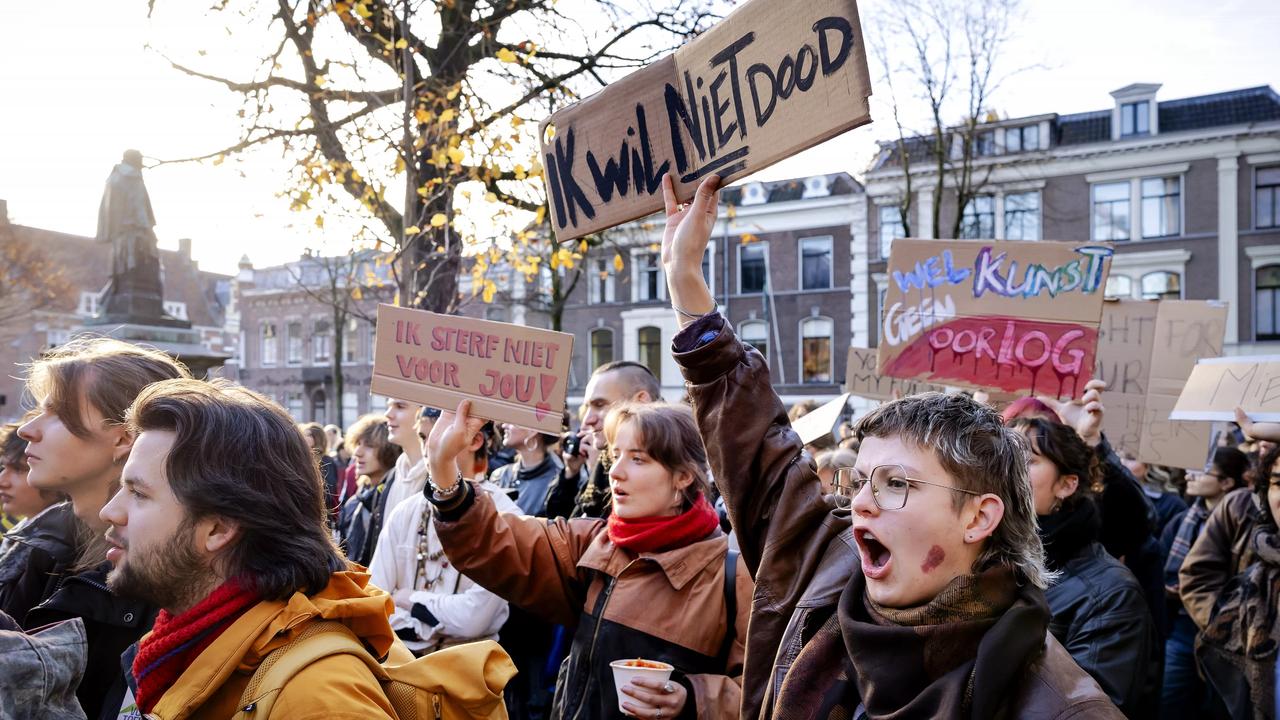
- Coordinated youth demonstrations took place across more than 20 European countries on 20 November. Reporting identifies rallies in France, Germany, Italy, Portugal, Spain and the UK, among other countries, and says activists from more than 50 groups took part. (Confidence: high · REPORTED)
- I&W: Confirm: post-event reporting or organiser statements continue to document rallies in more than 20 countries on 20 November. (0-14 days)
- I&W: Break: organisers or reliable post-event reporting correct the cross-country count or show that the reported actions were plans rather than rallies held. (0-14 days)
- CGIL staged a general strike in Italy on 20 November against Prime Minister Giorgia Meloni’s economic policies. Major-media reporting also places tens of thousands of protesters in Rome, Milan and other Italian cities; the supplied reporting does not independently corroborate the scale of strike participation. (Confidence: medium · REPORTED)
- I&W: Confirm: CGIL’s post-action account or independent reporting records work stoppages across Italy on 20 November. (0-14 days)
- I&W: Break: CGIL clarifies that its 20 November action was not a general strike or was limited to a substantially narrower action. (0-14 days)
- The supplied reporting does not establish a coordinated general strike spanning France, Italy, Portugal and Albania. It reports French and Portuguese participation in youth rallies and confirms a general strike only in Italy. It also provides no support for claims of more than 1,200 arrests or hundreds injured in Paris. (Confidence: low · ASSESSED)
- I&W: Confirm: French, Portuguese or Albanian union confederations state that no countrywide strike took place there on 20 November. (0-14 days)
- I&W: Break: a union confederation or official service notice in France, Portugal or Albania documents a countrywide strike on 20 November coordinated with the Italian action. (0-14 days)
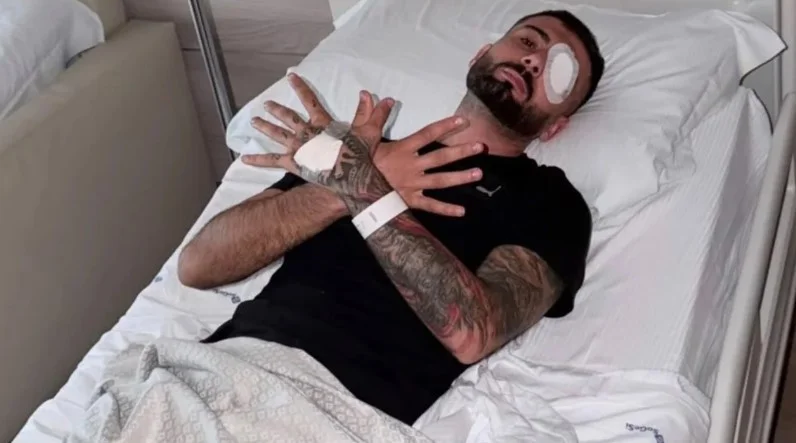
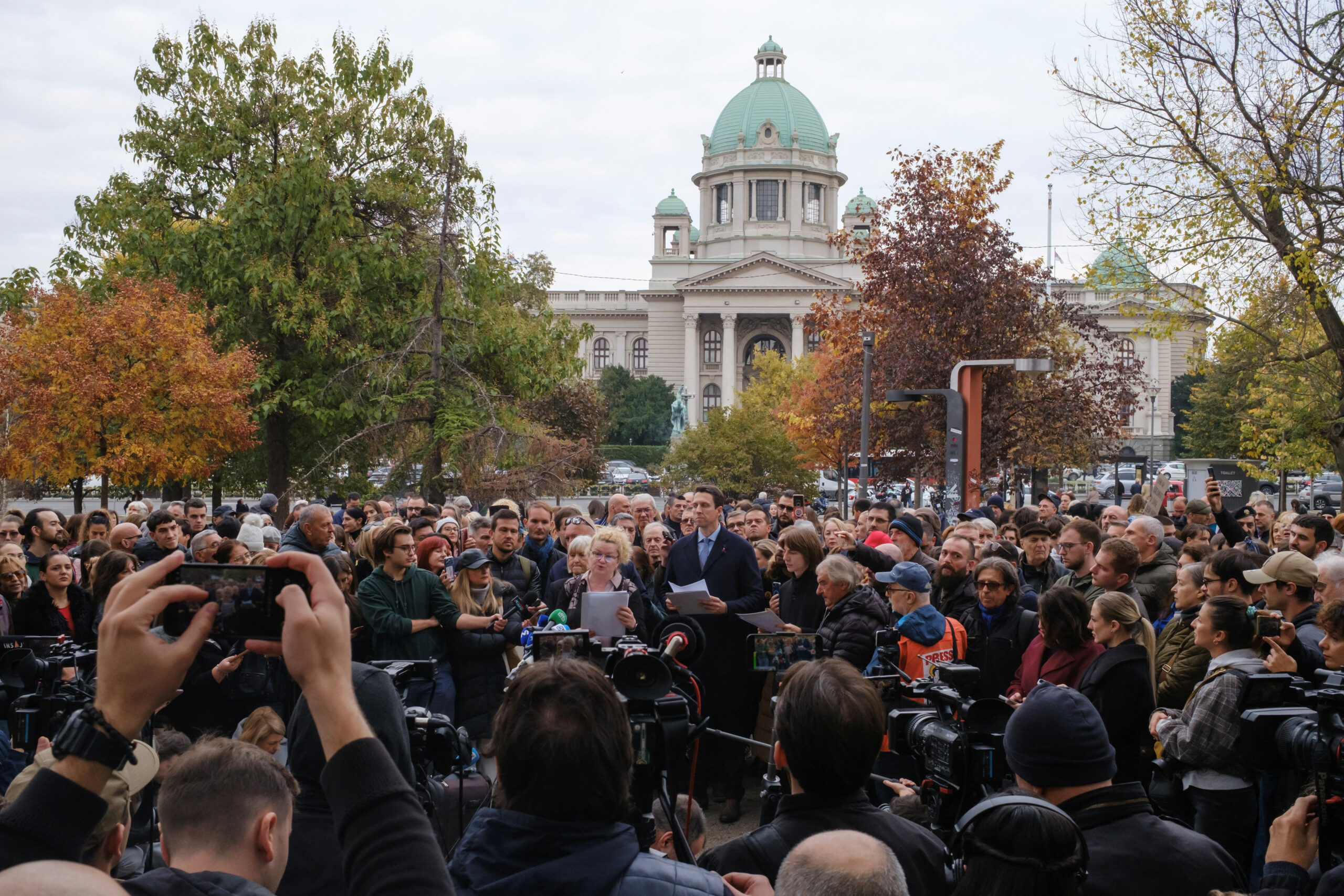
- Tirana’s protest movement is likely a distinct domestic mobilisation over luxury coastal developments and elite corruption, rather than an extension of the 20 November European youth actions. A local-media report attributed to Interior Minister Ervin Demo claims that 200 police officers and 107 protesters were injured, and that 269 detained citizens were under 18. The same outlet reported more than 300 arrested people had appeared in court and that the Tirana Prosecutor’s Office had consolidated 20 complaints alleging violence or arbitrary action. These figures and procedural details are not independently corroborated in the supplied reporting. (Confidence: low · ASSESSED)
- I&W: Confirm: Albanian court or prosecutor statements corroborate the reported injury, detention and complaint figures, or publish further records on the rubber-bullet inquiry. (0-30 days)
- I&W: Break: Albanian organisers announce a shared strike date or formal coordination with the European Youth Strike coalition. (1-3 months)
Outlook & scenarios
Decentralised protests continue (65%)
The likely path over the next one to three months is further issue-based youth demonstrations, with demands varying by country across military spending, living costs, housing and education. Participation remains broad, but no Europe-wide general strike follows.
Union action broadens beyond Italy (25%)
It is unlikely that unions in France, Portugal or Albania align national stoppages with CGIL’s Italian action. If they do, their public strike calls and reported service disruptions would mark a shift from coordinated rallies to wider labour mobilisation.
Renewed clashes raise the cost of protest (10%)
A very unlikely, high-impact outcome is renewed street violence in Paris or Tirana, followed by further injuries, detentions and more confrontational government responses. The reported clashes in Paris and violence around Albanian protests provide context for this wildcard, but do not establish that it is unfolding.
Recommendations
- Track youth demonstrations, national labour stoppages and protest-related violence as separate developments. Do not describe the 20 November mobilisation as a four-country general strike without country-specific union calls or evidence of stoppages.
- Seek post-action confirmation from CGIL and independent reporting on the extent of work stoppages in Italy before estimating the strike’s national impact.
- Do not repeat the Paris arrest and injury totals as established facts unless a named source provides figures tied to a specific date and location.
- Treat the Albanian injury, detention and court figures as attributed reporting until corroborated by court, prosecutor or other official records. Follow the Tirana Prosecutor’s Office inquiry into rubber-bullet injuries and its review of the 20 complaints.
- Monitor whether organisers in France, Portugal or Albania publish formal coordination with the Youth Strike coalition or issue national strike calls. This would distinguish shared protest messaging from coordinated labour action.
Confidence & uncertainty
Overall confidence is high for the occurrence and broad geographic spread of the 20 November youth rallies and for the reported CGIL strike. Major-media reporting describes completed actions, with separate coverage documenting demonstrations in Berlin and the Netherlands. Confidence is lower on strike participation totals, the extent of coordination between national groups, the unverified Paris figures and Albania’s attributed injury and detention counts. The high rating applies to the underlying events, not to every claim in the topic framing.
Alternative analysis (red cell)
Albania's protests may have combined a distinct domestic agenda with participation in, or parallel alignment with, the wider European youth mobilization. The available evidence identifies Gen Z and student-led activity in Albania (f8046722-0649-41e6-944b-4fdc45e0d862), while the broader country claims do not provide a complete list that excludes Albania (b3662816-716b-4882-84c7-89fe8eb39b52; 3f3d6eb8-47e4-42d4-91c0-8c46bc5e8a48). The supplied reporting therefore supports treating the relationship as unresolved rather than likely separate.
Intelligence gaps
- [EEI 1.1 · PARTIAL] Confirmed dates, locations and participating unions or student organizations for planned general-strike actions in each country. Recommended collection: open-source/social media
- [EEI 1.2 · PARTIAL] Strike participation rates, public-transport cancellations, school or university closures, and interruptions to ports, airports, energy facilities or other critical services. Recommended collection: government/transport reporting
- [EEI 2.1 · UNCOVERED] Announced or implemented policy concessions involving austerity measures, education funding, pensions, wages or youth employment. Recommended collection: government statements
- [EEI 2.2 · PARTIAL] Changes in crowd-control rules, emergency powers, detention practices, police reinforcements or restrictions on demonstrations. Recommended collection: official/legal reporting
- [EEI 2.3 · PARTIAL] Public statements by Macron, Rama, the Italian government and other senior officials characterizing the protests or rejecting negotiations. Recommended collection: official statements
- [EEI 2.4 · PARTIAL] Negotiation schedules, mediation efforts or breakdowns between governments and trade-union or student representatives. Recommended collection: labor/government reporting
- [EEI 3.1 · PARTIAL] Named organizations issuing mobilization calls, with verified membership, geographic reach and turnout at prior actions. Recommended collection: open-source/organizational websites
- [EEI 3.2 · PARTIAL] Trade-union confederation decisions on strike mandates, rolling strikes, sector-wide action or cross-border coordination. Recommended collection: trade-union statements
- [EEI 3.3 · PARTIAL] Student movement communications identifying coordinating committees, protest logistics, fundraising or links to established political parties. Recommended collection: social media/student networks
- [EEI 3.4 · PARTIAL] Participation by violent fringe groups, organized football ultras or extremist networks, including evidence of weapons, incendiary devices or coordinated attacks. Recommended collection: law-enforcement reporting
- [EEI 4.2 · UNCOVERED] War-risk or political-risk insurance premium changes, transport rerouting and business continuity warnings linked to protest activity. Recommended collection: commercial risk reporting
- [EEI 4.3 · UNCOVERED] Polling or verified public-opinion data showing support for the protests, governments or specific austerity demands. Recommended collection: polling/media reporting
- [EEI 4.4 · PARTIAL] Resignations, coalition disputes, parliamentary no-confidence actions or electoral announcements triggered by the protest wave. Recommended collection: parliamentary/political reporting
Red cell review: PARTIAL DISSENT
TLP:CLEAR