TLP:CLEAR · Disclosure is not limited.
Europe SITREP: Russia-linked hybrid threats, suspected sabotage surge and Poland provocation risk
Time window: Last 1 day · Audience: General analyst · Type: Situation report · DTG: 2026-07-06 09:44Z · Overall confidence: MEDIUM
BLUF
Hybrid threats linked to Russia remain elevated in Europe. Western and NATO reporting of increased sabotage, specific GRU-directed activity, and a U.S. warning of a likely provocation against Poland point to continued risk to rail, energy and subsea infrastructure despite allied hardening.
Executive summary
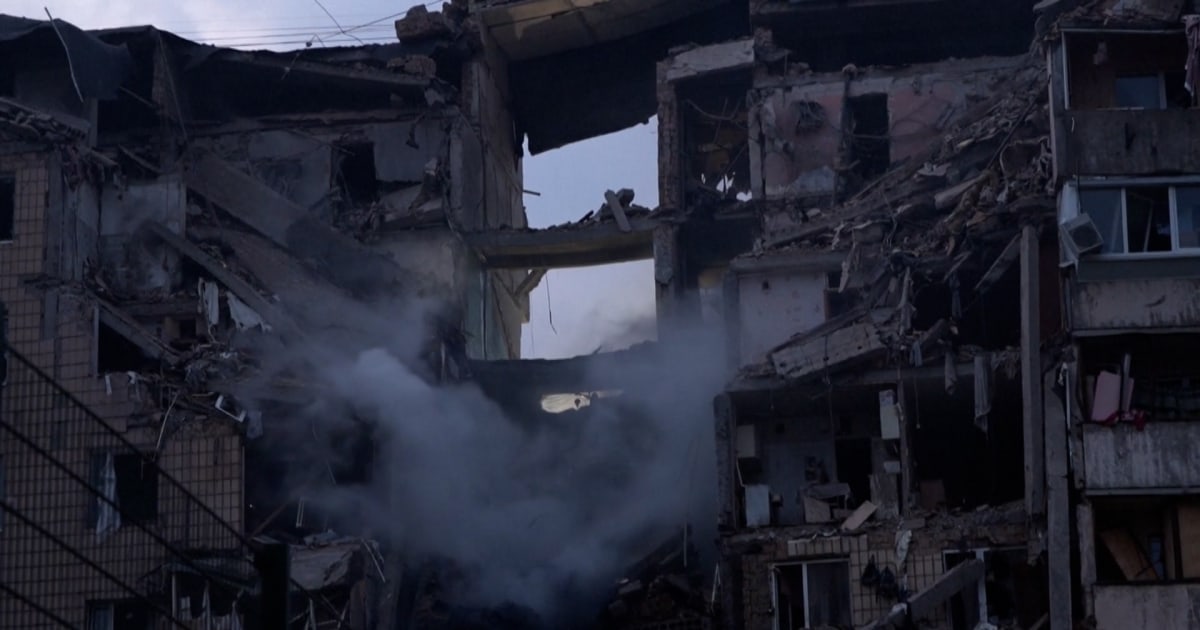
European officials and NATO have reported a surge in suspected Russia-linked sabotage since 2023, including prior attacks on rail communications in Germany, a GRU‑ordered arson case in Warsaw and the cutting of an undersea power cable between Finland and Estonia. The United States has warned Poland that Russia is plotting an attack within months, with a likely limited ground incursion from Kaliningrad or Belarus or a strike on Polish critical infrastructure. While the EU has sharply reduced its dependence on Russian gas and aims to end Russian imports by late 2027, opportunistic Russian LNG purchases by companies in France and Spain and Europe’s elevated energy costs leave pressure points Russia can exploit. Uncertainty over U.S. force posture in Europe and unpopular defence‑spending increases create space for information pressure that could erode sustained support for Kyiv. A cross‑border drone incident in Romania and NATO’s ongoing eastern‑flank reinforcement show spillover risks will persist.
Change from previous assessment
New reporting since the prior brief includes NATO’s characterisation of sabotage threats as ‘record high’, detailed references to a GRU‑ordered arson in Warsaw and the late‑2024 cut of the Finland, Estonia power cable, which together harden the assessment of a sustained sabotage campaign. A U.S. warning that Russia is plotting to attack Poland within months and specific provocation profiles refine the Poland judgment. Energy claims show that some French and Spanish firms resumed spot purchases of Russian LNG in 2026, adding a pressure point despite the EU’s reduced reliance and 2027 exit aim. Uncertainty over U.S. force posture in Europe remains, keeping information‑pressure risks elevated.
Key judgments
- Russia-linked sabotage across Europe is very likely ongoing and will persist over the next 1-3 months, targeting rail, energy and subsea infrastructure, consistent with Western and NATO warnings and recent cases tied to Russian services. (Confidence: high · ASSESSED)
- I&W: Prosecutors in Germany, Poland, Finland or Estonia publicly attribute 2024-2025 infrastructure attacks to GRU or SVR cells with case filings or court disclosures. (1-3 months)
- I&W: NATO or EU security services lower their public assessment of sabotage threat levels from the current ‘record high’ posture. (1-3 months)
- It is likely Russia will attempt a kinetic‑hybrid provocation against Poland within months, potentially a limited ground move from Kaliningrad or Belarus or a strike on Polish critical infrastructure. (Confidence: medium · ASSESSED)
- I&W: Russian units in Kaliningrad or Belarus conduct snap drills or reposition ground and missile forces within 30 km of the Polish border. (0-14 days)
- I&W: Polish or U.S. officials publicly withdraw or downplay the U.S. warning of an attack ‘in a few months’. (0-14 days)
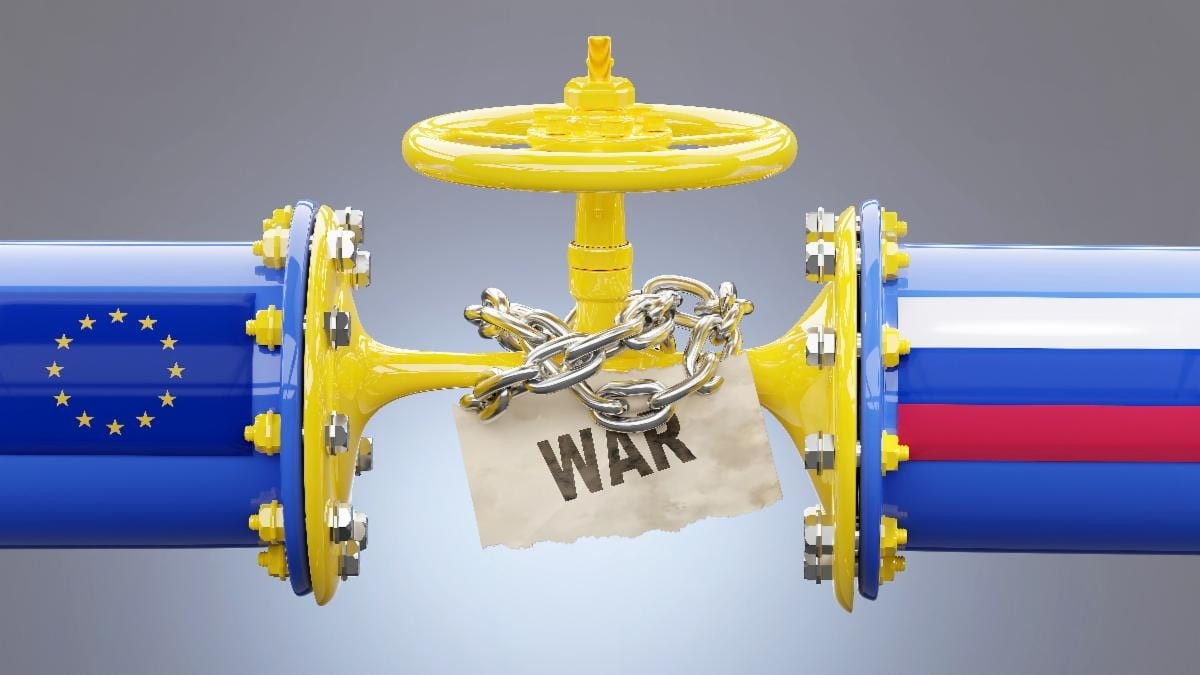
- European energy decoupling has materially reduced Moscow’s leverage, but opportunistic Russian LNG purchases in France and Spain and high industrial energy costs will likely keep pressure points Russia can exploit through pricing and influence in 2026. (Confidence: medium · ASSESSED)
- I&W: Customs and port-call data show rising volumes of Russian-origin LNG at French and Spanish terminals relative to Q1, Q2 2026. (1-3 months)
- I&W: EU adopts measures that restrict or penalise spot purchases of Russian LNG by EU‑based companies. (1-3 months)
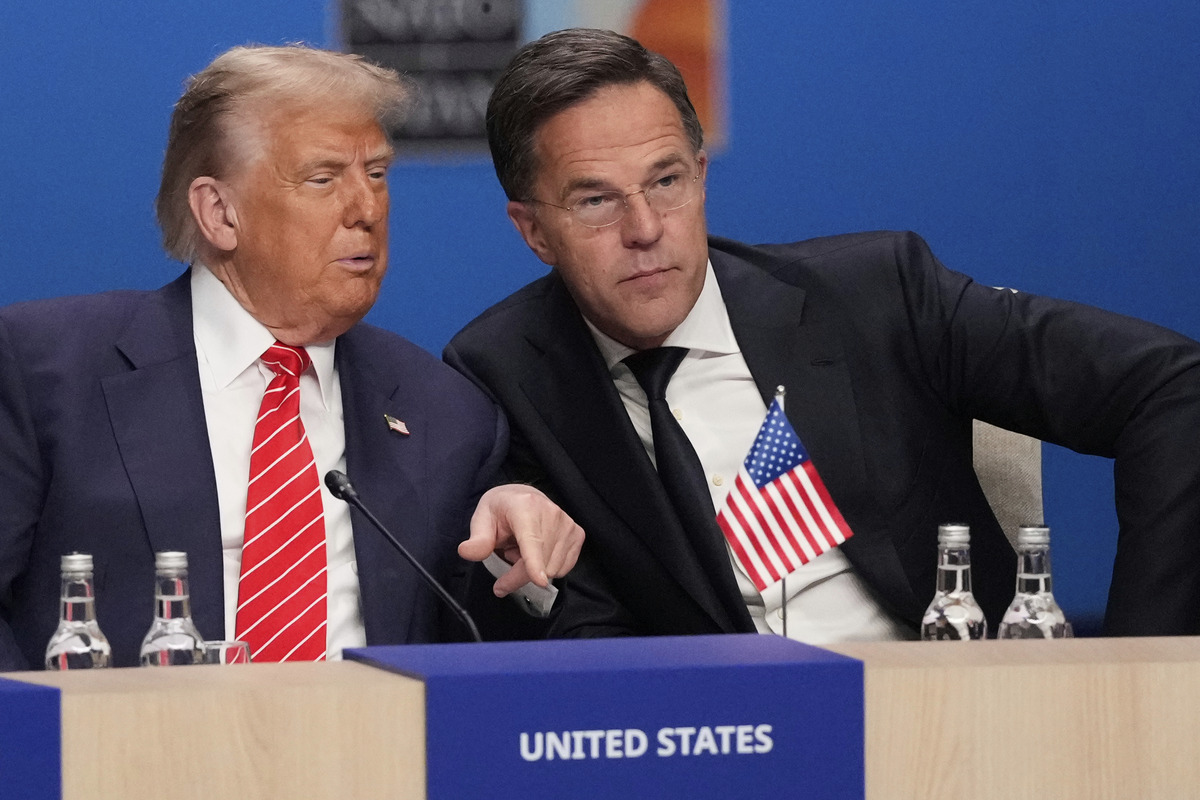
- Information pressure on NATO cohesion is likely to intensify, exploiting uncertainty over U.S. force posture and unpopular defence‑spending increases, with potential drag on sustained support for Kyiv. (Confidence: medium · ASSESSED)
- I&W: National parliaments in major European NATO states delay or scale back 2025-2026 defence appropriations or Ukraine support packages. (1-3 months)
- I&W: The U.S. publicly confirms stable force levels in Europe for the review period and allies at Ankara lock in multi‑year Ukraine support. (0-14 days)
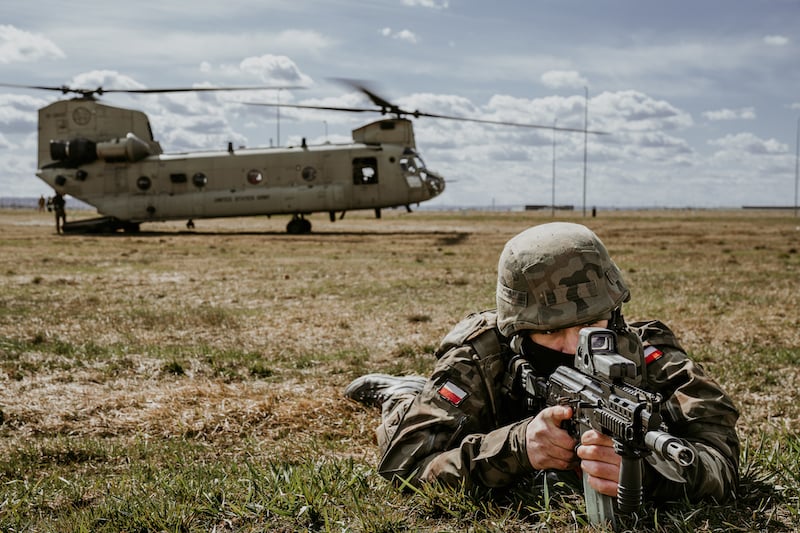
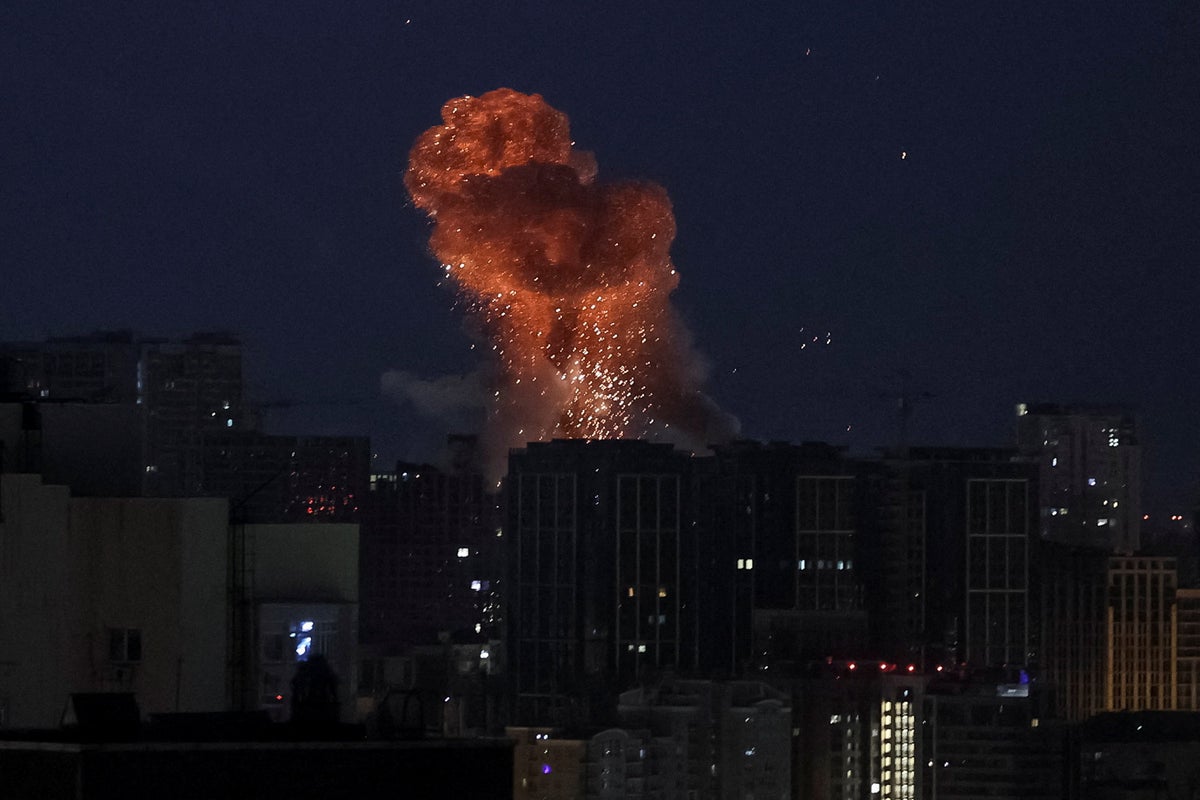
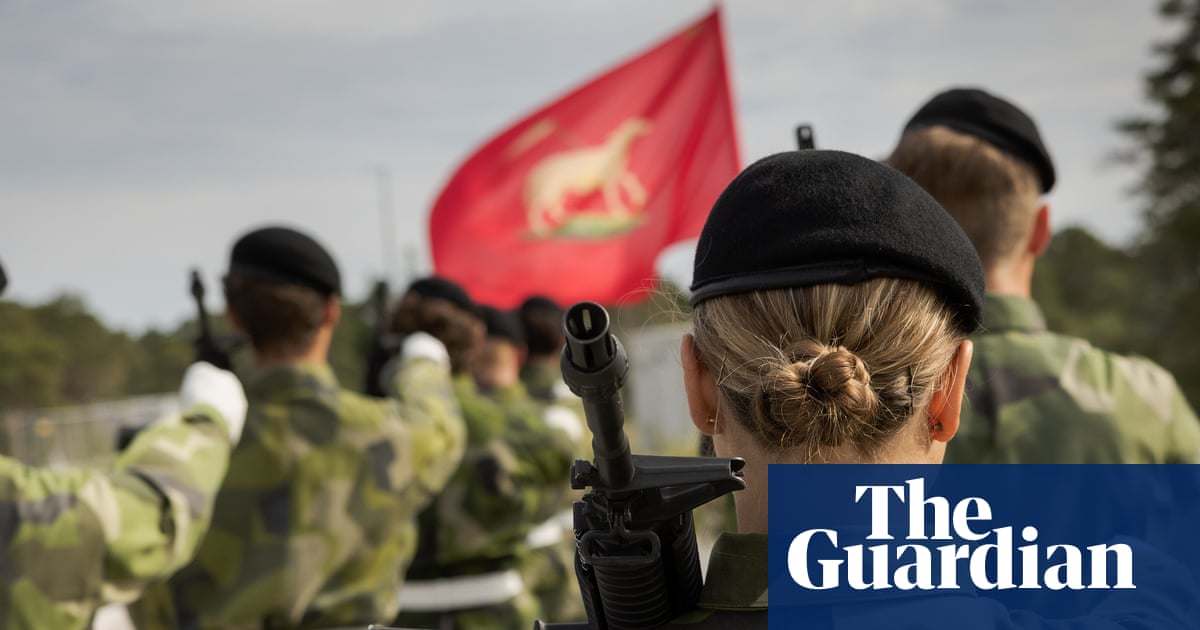
- Spillover risks to NATO territory from Russia’s war are likely to persist, reinforcing eastern‑flank military posture and civil‑defence planning, particularly in the Baltics and Nordics. (Confidence: medium · ASSESSED)
- I&W: Further Russian drones, debris or missiles land inside Romania, Poland or Baltic states and are confirmed by national authorities. (0-14 days)
- I&W: NATO announces additional forward deployments or readiness upgrades on the eastern flank. (0-14 days)
Outlook & scenarios
Persistent low‑intensity sabotage and pressure (60%)
Russia-linked actors continue intermittent sabotage against European rail, energy and subsea nodes, while allied services disrupt some plots. Cross‑border spillover incidents like the drone strike in Romania recur sporadically. NATO sustains eastern‑flank reinforcement and European governments manage defence‑spending headwinds without major policy reversals.
Limited provocation against Poland (35%)
Within months, Russia conducts a limited border incursion from Kaliningrad or Belarus or a precision strike on Polish critical infrastructure. Warsaw activates crisis consultations with allies and hardens border and infrastructure security. Moscow calibrates the action below thresholds for largescale war while amplifying narratives aimed at testing NATO resolve.
Baltic infrastructure disruption wave (25%)
A cluster of infrastructure incidents, such as damage to subsea power or telecom cables and attempted arson near energy or rail nodes across the Baltic region, triggers heightened maritime and land domain security. Attribution debates persist but Western governments highlight a Russia‑linked pattern consistent with prior cases.
Recommendations
- Consolidate and share a cross‑country case dossier on 2022-2025 infrastructure attacks with German, Polish, Finnish and Estonian counterparts to map TTPs from the GRU‑ordered Warsaw arson, Deutsche Bahn fibre‑optic cuts and the Estlink 2 cable incident, and prioritise protective security for similar assets.
- Support Poland in target‑hardening likely aimpoints by stress‑testing security at rail chokepoints, power substations and telecom nodes, and by coordinating counter‑UAS coverage along the Kaliningrad and Belarus borders consistent with the warned provocation profiles.
- Increase seabed and cable‑corridor monitoring in the Baltic Sea, including patrol patterns and technical surveillance focused on the Finland, Estonia interconnect and adjacent telecom lines, with pre‑positioned rapid repair capacity.
- Task energy‑market monitoring to track Russian‑origin LNG arrivals at French and Spanish terminals and brief EU counterparts on options to close spot‑purchase loopholes that dilute REPowerEU goals.
- Prepare strategic communications toolkits that anticipate reassurance narratives from Moscow about not intending to attack NATO, balanced with public evidence of record‑high sabotage threats and recent arrests, to sustain allied public support.
- Develop fast‑track judicial and intelligence‑sharing mechanisms for sabotage cases so prosecutors can move quickly on state‑linked networks that cross EU jurisdictions.
- Run an allied table‑top exercise on a limited Kaliningrad‑ or Belarus‑based provocation against Poland, including cyber‑physical impacts on rail and power, to align immediate response steps, escalation management and attribution messaging.
Confidence & uncertainty
Multiple independent claims from Western governments, NATO and major media corroborate a surge in suspected Russia‑linked sabotage, a GRU‑directed arson case in Poland, and an undersea cable cut between Finland and Estonia. A U.S. warning of a near‑term provocation against Poland and scenario descriptions provide specificity but rest on single‑source reporting and analytic framing, lowering confidence. Energy‑leverage dynamics and debates over defence spending are well attested but include inference about how Moscow might exploit them. Given solid but partly indirect attribution and some single‑source elements, medium overall confidence is appropriate.
Alternative analysis (red cell)
The sources document credible allegations, isolated incidents, and official warnings, but rely mainly on medium‑grade attributions, policy statements, and single incidents rather than multi‑source forensic, SIGINT, or pattern‑of‑operations evidence. A more cautious estimate is that Russia retains capability and intent for disruptive sabotage and information operations and that vigilance is warranted; however, current public evidence does not yet substantiate high‑confidence claims of a sustained, coordinated sabotage campaign across Europe or imminent kinetic provocations against NATO territory.
Intelligence gaps
- [EEI 1.2 · UNCOVERED] Observed reconnaissance activity around critical sites indicative of attack planning (unauthorised drone flights, repeated surveillance visits, loitering vehicles, mapping/photography of assets). Recommended collection: open-source/media
- [EEI 1.3 · UNCOVERED] Law-enforcement or customs seizures, arrests or interdictions of persons or shipments carrying explosives, sabotage tools, specialty cutting/electrical equipment, or covert comms gear destined for/near critical infrastructure. Recommended collection: law enforcement
- [EEI 2.1 · UNCOVERED] Emergence or amplification of coordinated social-media networks (sets of accounts, pages, channels) pushing identical narratives or hashtags across multiple platforms, including bot-like activity metrics and origin IP/common management indicators. Recommended collection: social-media/OSINT
- [EEI 2.2 · UNCOVERED] Publication or internal guidance from state-run media, proxy outlets, or identified influence platforms distributing talking points, pre-scripted messaging, or translated content targeted at specific EU countries/communities. Recommended collection: open-source/media
- [EEI 2.3 · UNCOVERED] Distribution of manipulated multimedia (deepfakes), targeted phishing/whaling campaigns, or localized false narratives timed to political events (elections, protests, court rulings) with tracked reach and engagement metrics. Recommended collection: cyber/forensic
- [EEI 3.1 · UNCOVERED] Unusual financial transactions: wire transfers, crypto conversions, or payments to shell companies, NGOs or individuals exceeding typical baselines that link to known proxies or front organisations. Recommended collection: financial
- [EEI 3.2 · UNCOVERED] Travel and movement indicators for suspected operatives: repeated border crossings, chartered/irregular flights, booking patterns or mobile/location data placing identified individuals in staging areas shortly before incidents. Recommended collection: border/immigration
- [EEI 3.3 · UNCOVERED] Cargo, freight or maritime movements with discrepancies (concealed/dual-use equipment, false manifests, unusual routing) detected at ports, rail hubs or via AIS that correspond to deliveries of material used in sabotage or influence operations. Recommended collection: customs/ports
- [EEI 3.4 · UNCOVERED] Intercepted or otherwise-obtained communications showing tasking, coordination, or payment instructions between Russian agencies/handlers and proxy groups, including identified command-and-control servers or encrypted group identifiers. Recommended collection: signals-intel/SIGINT
Cited sources
[1] Wikipedia · Russian sabotage operations in Europe (B) · sha256:e332876d2064 [2] euobserver.com · An attack on Poland would be Putin’s last fail (B) · sha256:7e837813b482 [3] Wikipedia · Russia–European Union relations (B) · sha256:2328474086ef [4] vietnam.vn · If Europe 'breaks free' from Russia, is it really safe? (B) · sha256:1bad6f0d1f01 [5] newsweek.com · More burns and few answers from US to come at crunch NATO summit (B) · sha256:5a55906249b0 [6] РИА Новости · Источник: рост военных расходов НАТО становится непопулярным в Европе (B) · sha256:0792eb8f61e0 [7] independent.co.uk · Ukraine-Russia war latest: Putin hits Kyiv with ballistic missiles hours after Zelensky said attack ‘imminent’ (A) · sha256:4c0aa8aff9e7 [8] nbcnews.com · Russia launches deadly wave of missiles and drones on Kyiv (A) · sha256:00119ecf84d5 [9] РИА Новости · СМИ: НАТО готовится к войне с Россией (B) · sha256:8b1abcb2d923 [10] The Guardian · ‘The risk is Russia becomes desperate’: the Swedish Baltic Sea island preparing for invasion (A) · sha256:b5815f97af69
Source content hashes were computed at collection time; the cited text is preserved unmodified for the life of this product.
Red cell review: PARTIAL DISSENT
TLP:CLEAR