TLP:CLEAR · Disclosure is not limited.
Europe situation report: Russia-linked hybrid activity heightens across cyber, infrastructure and information domains
Time window: Last 1 day · Audience: General analyst · Type: Situation report · DTG: 2026-07-16 12:53Z · Overall confidence: MEDIUM
BLUF
Russia-linked hybrid threats to Europe are rising across three fronts: active FSB Centre 16 cyber operations against vulnerable routers, reinforced infrastructure protection on NATO’s eastern flank, and intensified Russian narratives depicting Ukraine as a ‘terrorist’ actor in the Azov Sea. The near-term risk of disruptive cyber or limited sabotage incidents in the Baltics or Poland is credible.
Executive summary
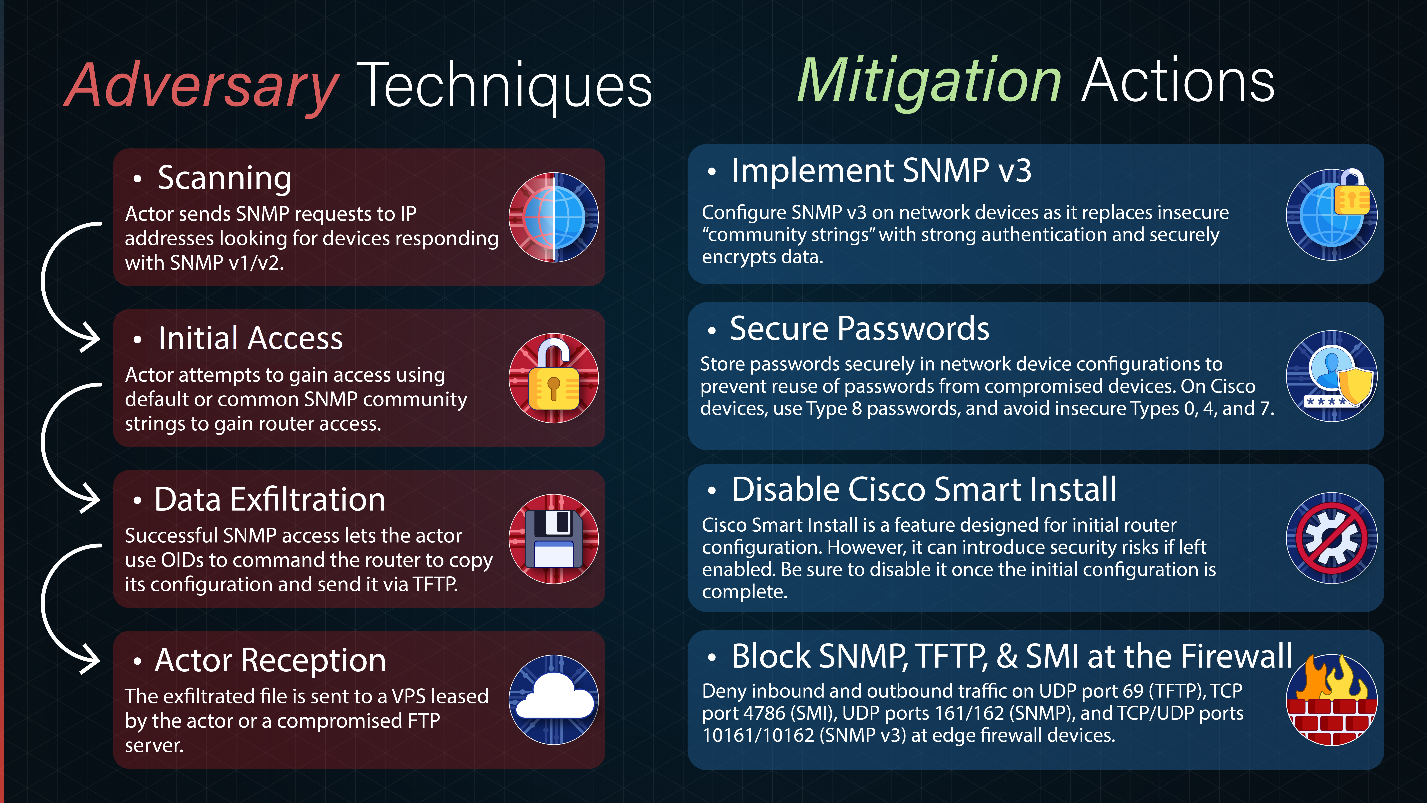
A coalition of 19 national cyber security agencies has warned that Russian state-sponsored actors are systematically scanning the Internet for exposed routers with default or weak credentials, a campaign attributed to FSB Centre 16, with the EU stating the unit has conducted cyber espionage and sabotage against European defence industries and critical infrastructure. Governments are moving to harden posture: the United Kingdom has launched a comprehensive inquiry into Russia and aims to bolster hybrid defences, while Poland and Lithuania have tightened protection of key infrastructure. Leaders in Latvia, Lithuania and Poland publicly flag the risk of Russian hybrid or limited military provocations against NATO’s eastern flank. Concurrently, Moscow is amplifying information operations that portray Ukraine as a terrorist actor in the Azov Sea, drawing on high-tempo Ukrainian strikes on Russian vessels and Russia’s suspension of traffic. Russia’s kinetic campaign against Kyiv and Ukraine’s Black Sea ports persists, sustaining a volatile backdrop in which hybrid tactics can be paired with physical pressure.
Change from previous assessment
Initial assessment of this topic for this run. Relative to the prior brief’s focus on Lithuania’s warning and UK threat framing, this update adds stronger corroboration on the cyber dimension via the 19‑agency warning and EU attribution to FSB Centre 16, and brings in concrete protective steps in Poland and Lithuania. It also formalises Moscow’s ‘terrorism’ narrative around the Azov Sea as an information‑operations line to watch, while maintaining that Russian strikes on Kyiv and Odesa‑area ports persist.
Key judgments
- Russian state‑linked cyber activity, led by FSB Centre 16, is active against European networks and very likely to intensify in the near term, targeting exposed routers in sectors including communications, energy, financial services, healthcare and government. (Confidence: high · ASSESSED)
- I&W: European ISPs and national CERTs publish advisories of SNMP v1/v2 exploitation attempts traced to infrastructure previously attributed to FSB Centre 16. (0-14 days)
- I&W: No new EU or national attributions to FSB Centre 16 and a sustained drop in scanning advisories across member states. (1-3 months)
- European governments are tightening hybrid‑defence posture and very likely to expand protective measures over the next one to three months, signalled by the UK’s Russia inquiry and intent to bolster hybrid defences, UK parliamentary warnings on Russian aggression and cyber operations, and reinforced infrastructure protection in Poland and Lithuania alongside eastern‑flank risk statements. (Confidence: high · ASSESSED)
- I&W: UK publishes inquiry terms of reference and begins hearings; Poland and Lithuania announce further deployments or new legal measures to guard rail and energy assets. (1-3 months)
- I&W: UK pauses or closes the inquiry without deliverables; Baltic and Polish authorities roll back elevated protective deployments. (1-3 months)
- Moscow is likely to amplify information operations portraying Ukraine as a terrorist actor in the Azov Sea to influence European opinion and policy debates, leveraging Ukrainian strikes on Russian vessels and Russia’s public ‘terrorism’ accusations against Kyiv. (Confidence: medium · ASSESSED)
- I&W: Coordinated Russian MFA, MoD and state‑media messaging in EU languages using a ‘terrorism’ framing tied to Azov incidents, with measurable uptake on EU social platforms. (0-14 days)
- I&W: Russian official channels discontinue ‘terrorism’ framing in Azov coverage for at least two consecutive weekly cycles. (1-3 months)
- There is a credible risk of limited Russian hybrid provocations against NATO’s eastern flank in the near term, though specific timing and methods remain uncertain, given public warnings by Latvia, Lithuania and Poland and recent Polish and Lithuanian moves to harden infrastructure security. (Confidence: medium · ASSESSED)
- I&W: Arrests or disruption of suspected Russian‑linked sabotage cells in Poland, Lithuania or Latvia, or public attribution of an attack on rail or energy assets. (1-3 months)
- I&W: Eastern‑flank governments lower alert postures without incident attributions or threat updates. (1-3 months)
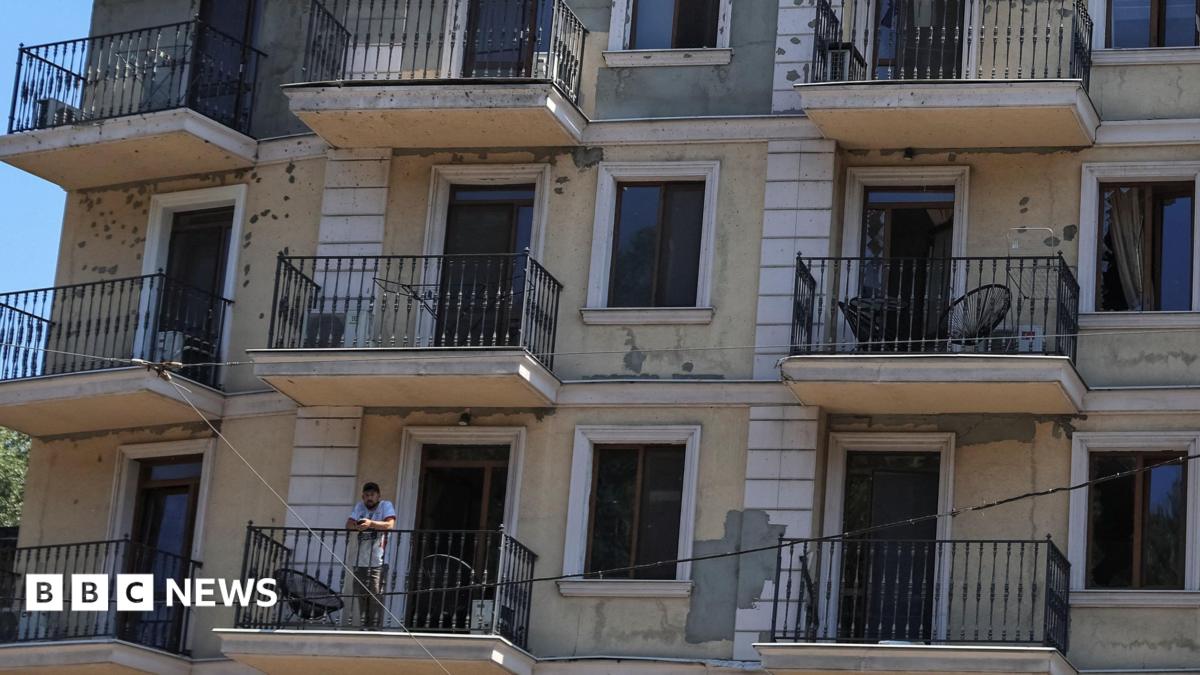
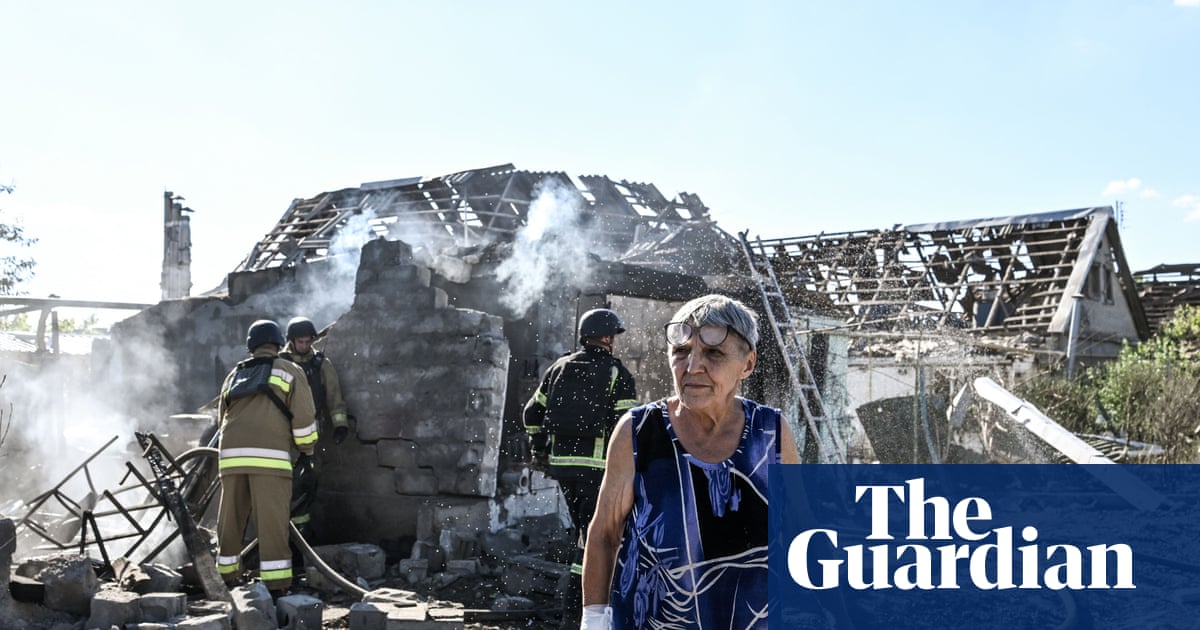
- Russia’s strikes on Kyiv and on Odesa‑area port infrastructure are likely to persist in the short term, sustaining a volatile backdrop in which hybrid tactics can be paired with physical pressure on Europe’s periphery. (Confidence: medium · ASSESSED)
- I&W: Further reported Russian strikes on Kyiv and Odesa‑area ports verified by Ukrainian authorities and Russia’s defence ministry. (0-14 days)
- I&W: A verified ceasefire honoured by both sides, with no reported strikes on Kyiv or Black Sea port infrastructure for 30 days. (1-3 months)
Outlook & scenarios
FSB Centre 16 escalates to a disruptive but contained cyber incident (50%)
FSB Centre 16 exploits weakly secured SNMP‑enabled routers at a European ISP or municipal network, causing service degradation in communications or local government services. Impact is contained within days through emergency patching and traffic filtering, but the episode triggers wider audits across at‑risk sectors.
Limited sabotage attempt on NATO’s eastern flank (40%)
A small‑scale attack against rail signalling or an energy substation in Poland or the Baltics is disrupted or causes brief outages. Authorities publicly link the operation to Russian services or proxies, prompting additional force protection around critical nodes and deeper NATO‑EU coordination on hybrid defence.
Information offensive shapes EU discourse on Ukraine support (60%)
Russian officials and state media sustain a ‘terrorism’ narrative tied to Azov Sea incidents across EU languages. The campaign does not reverse policy but complicates public communication in several member states, forcing governments to invest in rapid debunking and message discipline.
Recommendations
- Direct network owners to disable SNMP v1/v2 wherever possible, rotate community strings, restrict management access to internal addresses, and apply vendor patches to edge routers within 14 days.
- Task national CERTs to issue a coordinated advisory on FSB Centre 16 tactics, techniques and procedures, with indicators of compromise and a targeted hunt package for ISPs and critical infrastructure operators.
- Prioritise red‑team testing and physical security reviews at rail and energy nodes in Poland, Lithuania and Latvia; pre‑position spare parts and incident response kits at identified bottlenecks.
- Stand up a cross‑government rapid communications cell to pre‑bunk and debunk Russian ‘terrorism’ narratives related to the Azov Sea, with templated content in major EU languages.
- Use the UK’s Russia inquiry to accelerate information‑sharing with EU and NATO partners on hybrid threat indicators and lessons for public preparedness.
- Mandate tabletop exercises for healthcare and local government IT on router compromise scenarios, including service continuity plans and offline data restoration drills.
Confidence & uncertainty
Overall confidence is medium. The cyber threat picture rests on multiple corroborating sources, including a 19‑agency warning and attribution to FSB Centre 16, plus EU statements on espionage and sabotage across Europe. Government posture shifts in the UK, Poland and Lithuania are well reported. Judgments about near‑term escalation and information‑operation impacts extend beyond direct reporting and involve inference, and the timing and nature of potential provocations on the eastern flank remain uncertain. These gaps and single‑source elements on narrative effects keep confidence at medium.
Alternative analysis (red cell)
A more cautious assessment is defensible: the reporting credibly documents scanning activity, episodic strikes, and public signaling by European states, but it does not yet provide the operational or trend indicators needed to project escalation or influence success with high confidence. Public attributions and statements are indicators of risk, yet without corroborating SIGINT/telemetry, operational orders, or demonstrable amplification activity, forecasts of imminent intensification or broad policy effects are premature.
Intelligence gaps
- [EEI 1.2 · PARTIAL] Observed reconnaissance activity around critical sites indicative of attack planning (unauthorised drone flights, repeated surveillance visits, loitering vehicles, mapping/photography of assets). Recommended collection: open-source/media
- [EEI 1.3 · UNCOVERED] Law-enforcement or customs seizures, arrests or interdictions of persons or shipments carrying explosives, sabotage tools, specialty cutting/electrical equipment, or covert comms gear destined for/near critical infrastructure. Recommended collection: law enforcement
- [EEI 2.1 · UNCOVERED] Emergence or amplification of coordinated social-media networks (sets of accounts, pages, channels) pushing identical narratives or hashtags across multiple platforms, including bot-like activity metrics and origin IP/common management indicators. Recommended collection: social-media/OSINT
- [EEI 2.2 · UNCOVERED] Publication or internal guidance from state-run media, proxy outlets, or identified influence platforms distributing talking points, pre-scripted messaging, or translated content targeted at specific EU countries/communities. Recommended collection: open-source/media
- [EEI 2.3 · UNCOVERED] Distribution of manipulated multimedia (deepfakes), targeted phishing/whaling campaigns, or localized false narratives timed to political events (elections, protests, court rulings) with tracked reach and engagement metrics. Recommended collection: cyber/forensic
- [EEI 3.1 · UNCOVERED] Unusual financial transactions: wire transfers, crypto conversions, or payments to shell companies, NGOs or individuals exceeding typical baselines that link to known proxies or front organisations. Recommended collection: financial
- [EEI 3.2 · UNCOVERED] Travel and movement indicators for suspected operatives: repeated border crossings, chartered/irregular flights, booking patterns or mobile/location data placing identified individuals in staging areas shortly before incidents. Recommended collection: border/immigration
- [EEI 3.4 · PARTIAL] Intercepted or otherwise-obtained communications showing tasking, coordination, or payment instructions between Russian agencies/handlers and proxy groups, including identified command-and-control servers or encrypted group identifiers. Recommended collection: signals-intel/SIGINT
Cited sources
[1] itnews.com.au · Russian spies hunt for routers running legacy protocols with default credentials (B) · sha256:b6ce7e373fb9 [2] military.com · Baltics and Poland Warn Russia Could Launch Limited Military or Hybrid Provocation Against NATO (B) · sha256:0dd61b4dd482 [3] cryptobriefing.com · UK launches inquiry into Russia, cites Moscow as major threat (B) · sha256:fa2454116d6b [4] bb.lv · Каспаров предупредил о риске новой эскалации: возможной целью могут стать страны Балтии (B) · sha256:086258226af5 [5] CNN · Strait of Hormuz-style crisis looms for Russia as Ukraine forces shutdown of a key waterway | CNN (A) · sha256:fc311d679d69 [6] UK Government · Europe’s investment in defence is a response to Russian aggression: UK statement to the OSCE (A) · sha256:2bf231f150a8 [7] The Guardian · As Russia’s assault continues, Ukraine’s politics shift and an old alliance begins to fray (A) · sha256:19154a1dd2e5 [8] BBC · Russian attacks kill 14 as Ukraine hits Black Sea oil tankers (A) · sha256:ceba5ff0e962
Source content hashes were computed at collection time; the cited text is preserved unmodified for the life of this product.
Red cell review: PARTIAL DISSENT
TLP:CLEAR