TLP:CLEAR · Disclosure is not limited.
European protest activity: national actions, not a unified general strike
Time window: Last 1 day · Audience: General analyst · Type: Situation report · DTG: 2026-10-30 09:25Z · Overall confidence: HIGH
BLUF
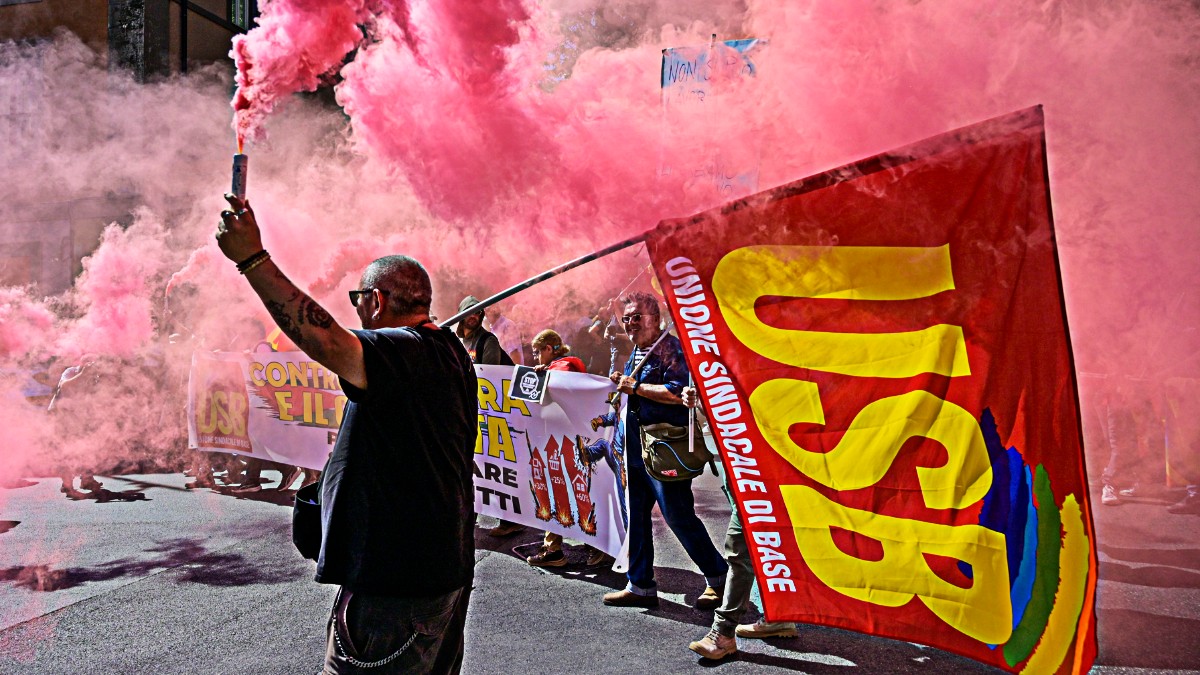
Italy’s 30 October general strike and associated demonstrations are reported as underway, while transport disruption remains disputed. The reporting does not establish a single coordinated general strike across France, Italy, Portugal and Albania: France’s next nationwide action is scheduled for 5 November, and Albania’s protests centre on domestic political grievances.
Executive summary
Protest activity is reported across several European countries, but the available evidence describes separate national mobilisations rather than a common strike call. In Italy, USB called a general strike on 30 October, with reports of gatherings at ports and a walkout by ground-handling staff at Pisa and Florence airports. Rail service reports conflict after the Transport Ministry ordered postponement of transport-sector action and operators announced regular schedules. In France, authorities announced a deployment of 70,000 security personnel for 31 October amid recent looting and damage; accounts describe both largely peaceful marches and violence by smaller groups. Albania faces continuing student-led anti-government protests and a demonstration scheduled for 31 October. Portugal appears only in broad reporting that does not identify a strike call or participating unions.
Change from previous assessment
Since the 29 October brief, reporting has confirmed a USB-led general strike and associated demonstrations in Italy on 30 October, replacing the earlier assessment that reporting showed only distinct planned actions. The central assessment remains that a coordinated general strike across France, Italy, Portugal and Albania is not established. New reporting adds France’s announced 70,000-person security deployment for 31 October and the scheduled Albanian demonstration on the same date; the Italian transport outcome remains contested.
Key judgments
- A coordinated general strike spanning France, Italy, Portugal and Albania is unlikely. Reporting supports a USB-led general strike in Italy on 30 October and a nationwide French action planned for 5 November, while Albania’s scheduled demonstration is part of its domestic anti-government movement. Portugal appears only in a broad, low-reliability account of protests, with no named union or strike notice; this gap limits confidence in the continental picture. (Confidence: medium · ASSESSED)
- I&W: A named Portuguese union or trade union confederation publishes a strike notice tied to the French, Italian and Albanian actions. (0-14 days)
- I&W: French, Italian, Portuguese and Albanian unions announce a shared date, demands and coordinating body for a general strike. (0-3 months)
- The USB-led general strike proceeded as a protest mobilisation in Italy on 30 October, with union gatherings reported at Livorno and Trieste and a 24-hour ground-handling walkout reported at Pisa and Florence airports. The scale of the action is reported as more than 40 demonstrations, while a separate account says protests were planned in more than 50 cities. The transport picture is mixed: the government ordered several transport strike components postponed, USB rejected that order, airport ground handlers walked out, and rail operators announced regular service. The exact extent of disruption remains uncertain. (Confidence: medium · REPORTED)
- I&W: Italian rail operators publish post-strike service data showing whether trains ran regularly during the announced 29-30 October strike window. (0-14 days)
- I&W: Airport or union reports confirm the duration and operational effect of the Pisa and Florence ground-handling walkout. (0-14 days)
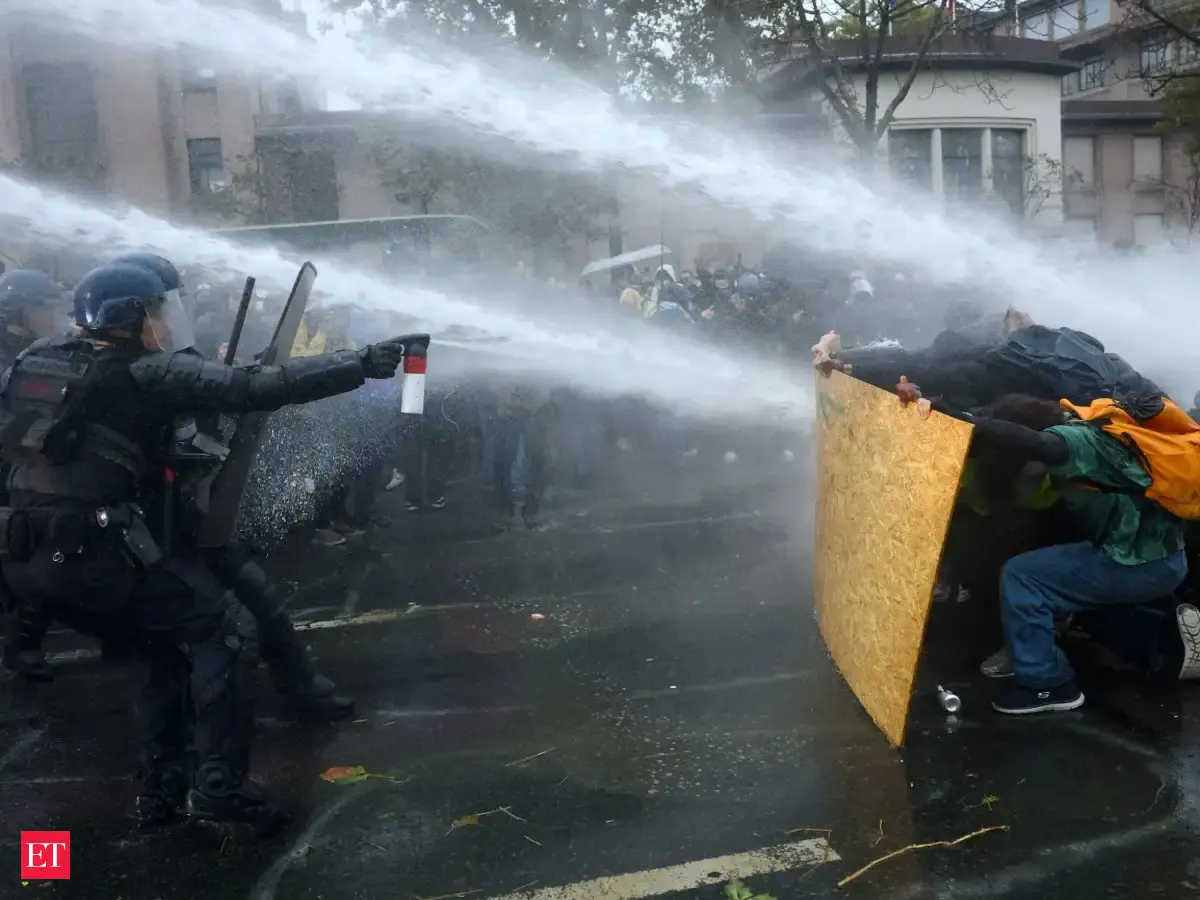
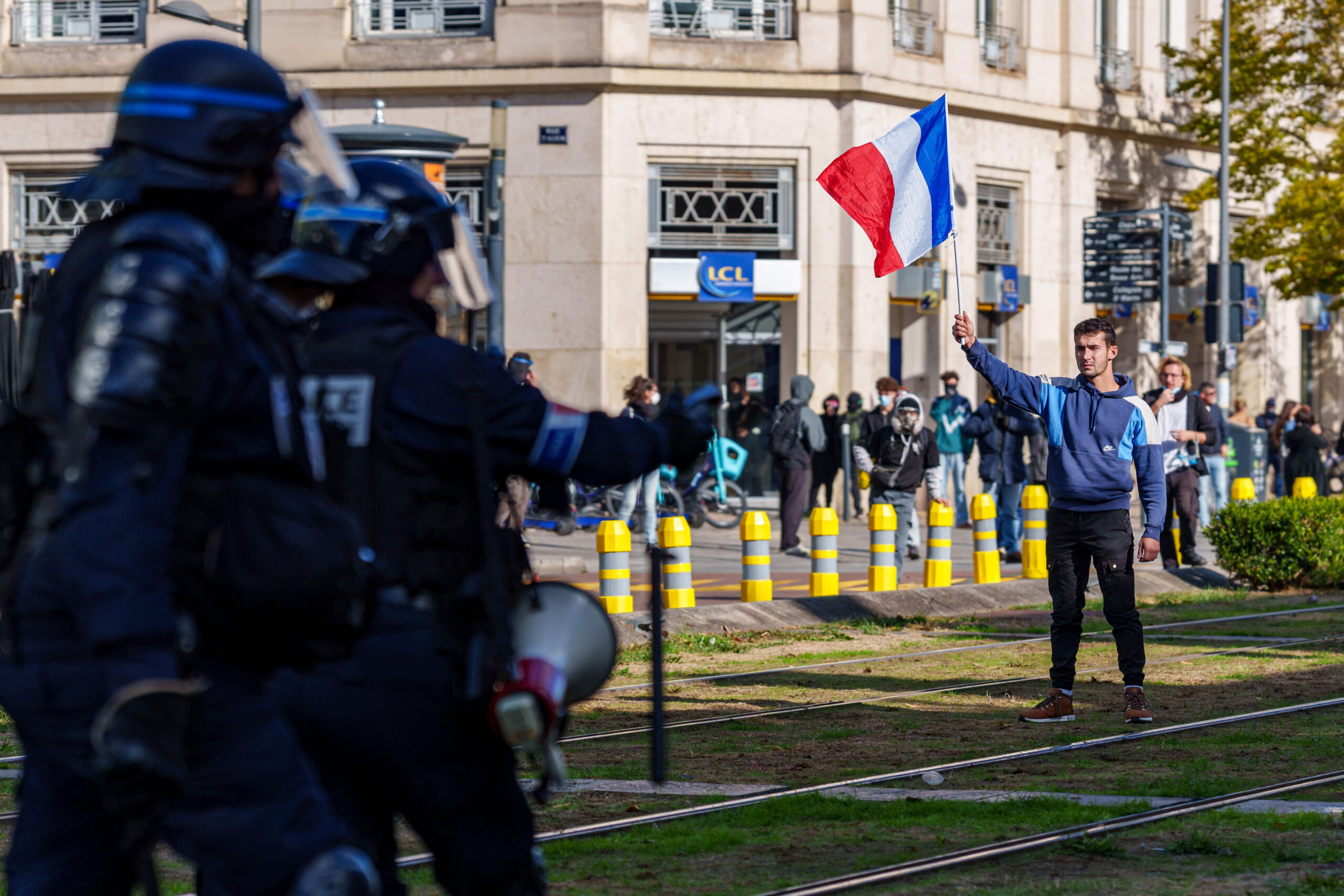
- Localized violence on 31 October in France is likely, alongside substantial peaceful participation. The Interior Ministry announced a deployment of 70,000 security personnel after recent unrest that included looting and the burning of Limoges town hall; a separate account says the 17 October demonstrations were largely peaceful, with violence concentrated outside the main marches. The supplied reporting does not substantiate 1,200 arrests in Paris alone: the arrest figures provided are national and do not give a Paris-only breakdown. (Confidence: medium · ASSESSED)
- I&W: French authorities report arrests, injuries or property damage at the 31 October demonstrations, with locations and counts specified. (0-14 days)
- I&W: Police and organisers report that the 31 October marches remained peaceful and that no substantial public disorder occurred. (0-14 days)
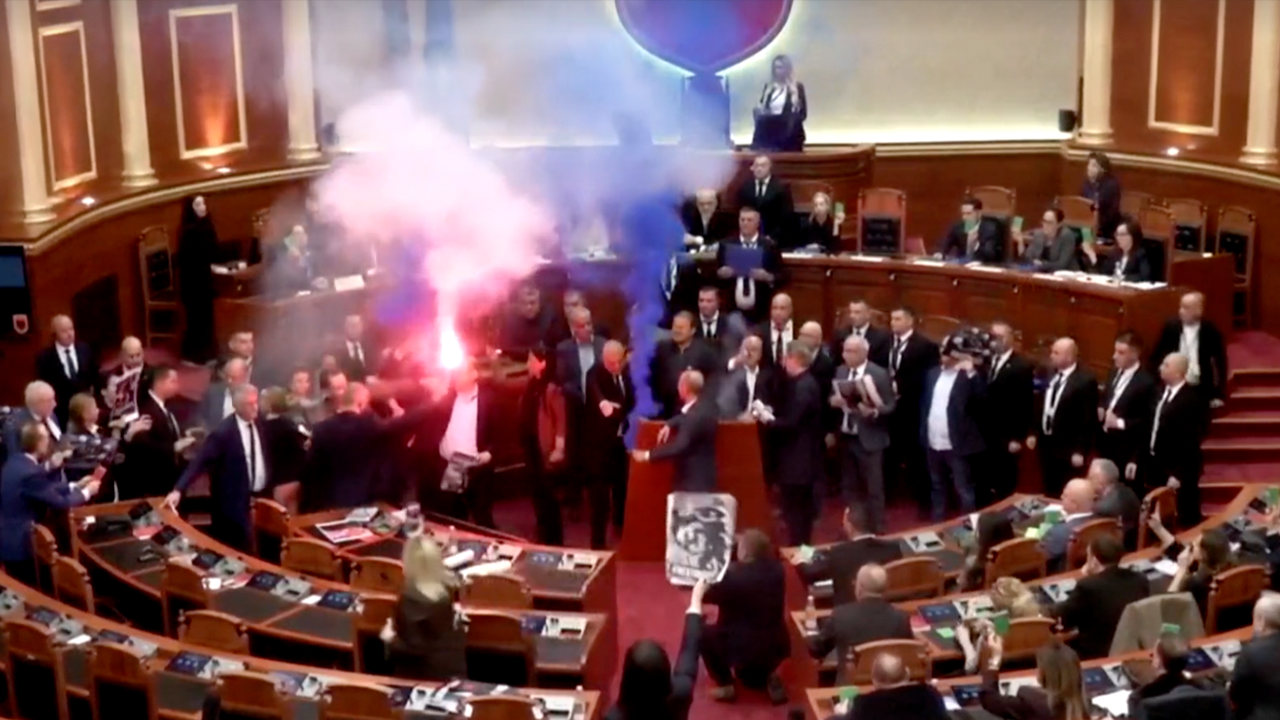
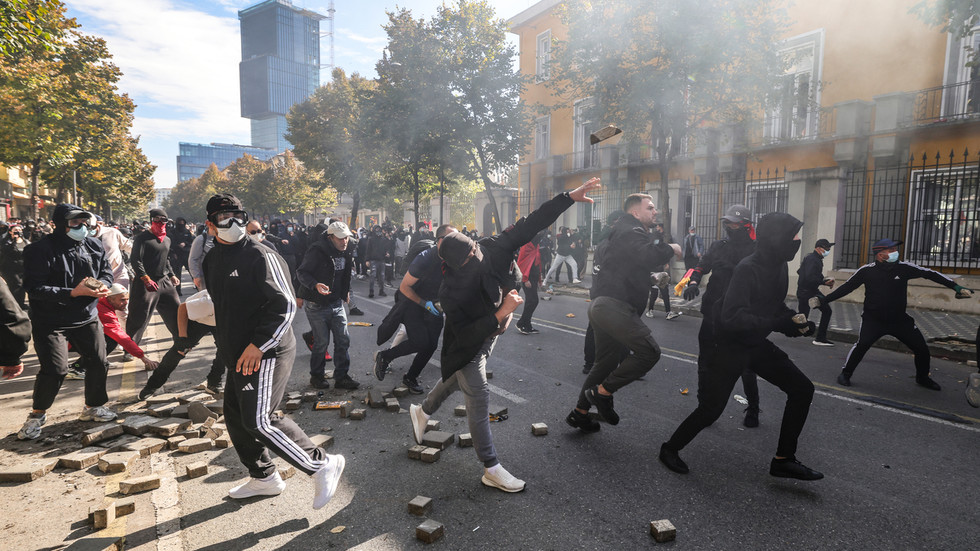
- Albanian demonstrations are likely to continue through the 31 October protest, with a continuing risk of clashes between protesters and police. Student-led demonstrators have demanded Edi Rama’s resignation over corruption, underfunded schools, unemployment and limited economic opportunity; reporting also describes clashes in Tirana and unrest in other cities. Measures adopted on 28 October make remaining at a demonstration that turns violent a criminal offence, with fines of up to 500,000 leks. (Confidence: medium · ASSESSED)
- I&W: Organisers or Albanian media confirm the 31 October demonstration and report turnout, route or stated demands. (0-14 days)
- I&W: Albanian authorities report arrests or fines under the 28 October measure after a demonstration turns violent. (0-14 days)
Outlook & scenarios
Separate national actions continue (65%)
The most likely course is continued national-level mobilisation without a unified European strike. France’s 5 November action and Albania’s protests retain domestic demands, while Italian unions pursue their own strike calendar. The 30 October Italian action remains the clearest instance of a national general strike in the current reporting.
Loose cross-border solidarity grows (25%)
A broader but still loosely coordinated wave is unlikely. Protest calls across multiple European cities and the international dockworkers’ action provide channels for solidarity, but the reporting does not establish a shared strike plan across France, Italy, Portugal and Albania.
Violence widens and prompts tighter restrictions (10%)
A low-probability, high-impact outcome is a sequence of serious clashes that leads authorities to impose wider protest restrictions or make additional arrests. The risk is most acute around the French demonstrations on 31 October and the scheduled Albanian protest, where recent reporting already describes violence and heightened security measures.
Recommendations
- Do not describe the activity as a pan-European general strike unless reporting identifies a shared call, participating unions and a common strike date. Keep the Italian 30 October strike, French 5 November action and Albanian demonstrations analytically separate.
- Reconcile the Italian transport record against operator notices and post-event service data. Distinguish the USB strike from the separate Cobas, Adl, Clap and Sial call, which reporting describes as excluding transport.
- For France, track the 31 October deployment and protest outcomes by city. Record arrests and injuries separately for Paris and the national total, and verify the scope of any reported figure before using it.
- Monitor the Albanian demonstration scheduled for 31 October and subsequent enforcement of the 28 October penalties. Distinguish protester conduct, police action and government allegations about foreign involvement.
- Seek specific Portuguese union statements or local reporting before assessing whether the country has a strike call, rather than relying on broad claims that protests have spread there.
Confidence & uncertainty
Overall confidence is high for the core reported events: multiple major and local media accounts describe the Italian strike call and activity, France’s announced security deployment and recent unrest, and Albania’s protests and new penalties. Confidence is lower on the extent of Italian transport disruption, the exact counts of demonstrations, and the claim of a coordinated cross-border strike. Portugal is supported only by broad reporting without a named union or strike notice.
Intelligence gaps
- [EEI 1.2 · PARTIAL] Strike participation rates, public-transport cancellations, school or university closures, and interruptions to ports, airports, energy facilities or other critical services. Recommended collection: government/transport reporting
- [EEI 2.1 · UNCOVERED] Announced or implemented policy concessions involving austerity measures, education funding, pensions, wages or youth employment. Recommended collection: government statements
- [EEI 2.4 · UNCOVERED] Negotiation schedules, mediation efforts or breakdowns between governments and trade-union or student representatives. Recommended collection: labor/government reporting
- [EEI 3.1 · PARTIAL] Named organizations issuing mobilization calls, with verified membership, geographic reach and turnout at prior actions. Recommended collection: open-source/organizational websites
- [EEI 3.3 · PARTIAL] Student movement communications identifying coordinating committees, protest logistics, fundraising or links to established political parties. Recommended collection: social media/student networks
- [EEI 3.4 · PARTIAL] Participation by violent fringe groups, organized football ultras or extremist networks, including evidence of weapons, incendiary devices or coordinated attacks. Recommended collection: law-enforcement reporting
- [EEI 4.1 · PARTIAL] Changes in retail activity, industrial output, freight movement, tourism bookings or financial-market indicators attributed to strike disruption. Recommended collection: economic/financial reporting
- [EEI 4.2 · UNCOVERED] War-risk or political-risk insurance premium changes, transport rerouting and business continuity warnings linked to protest activity. Recommended collection: commercial risk reporting
- [EEI 4.3 · UNCOVERED] Polling or verified public-opinion data showing support for the protests, governments or specific austerity demands. Recommended collection: polling/media reporting
- [EEI 4.4 · PARTIAL] Resignations, coalition disputes, parliamentary no-confidence actions or electoral announcements triggered by the protest wave. Recommended collection: parliamentary/political reporting
Red cell review: CONCUR
TLP:CLEAR