TLP:CLEAR · Disclosure is not limited.
European youth protests spread, but no cross-border general strike is verified
Time window: Last 1 day · Audience: General analyst · Type: Situation report · DTG: 2026-10-21 08:40Z · Overall confidence: HIGH
BLUF
Protests have occurred in France, Italy, Portugal and Albania, but the reporting does not substantiate a coordinated general strike across those countries. It is likely that France will see renewed demonstrations on 24 October, with an expanded security deployment; actions in Milan, Lisbon, Porto and Tirana remain nationally distinct.
Executive summary
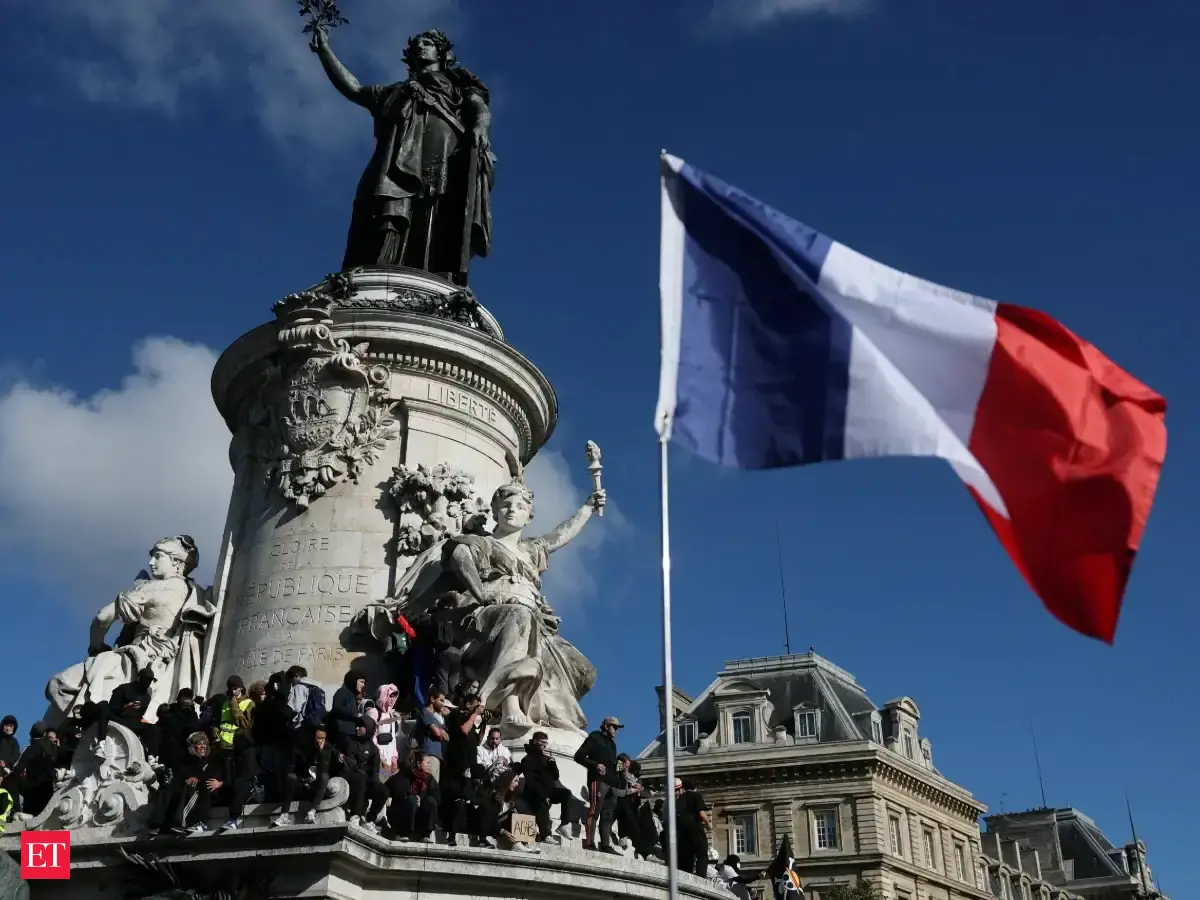
The protests reflect related pressure over living costs and public services, but their immediate demands differ. French students have raised school conditions and teacher shortages; demonstrators in Milan focused on living costs, while Lisbon and Porto protests centre on housing. In Tirana, students have protested tuition and education conditions and called for Prime Minister Edi Rama to resign. France's 17 October turnout estimates differ, with authorities reporting 550,000 and organisers 800,000. The French government has announced a larger security operation for 24 October. Italy has approved 500 troops for Milan but has not given them policing powers. Portuguese protesters returned to encampment sites after police cleared them. A single unidentified social-media post endorses a general strike, but the available reporting does not show a shared date or organising body across the four countries.
Change from previous assessment
Since the 20 October brief, the assessment remains that protests in the four countries are separate and that a coordinated general strike is unsubstantiated. Reporting now gives greater detail on France's planned 24 October security operation, including named police units and Sentinelle support, and adds specific allegations of injuries to minors alongside 36 IGPN inquiries. Italy's cabinet approval of 500 troops and new protest-related legal measures are also reported. In Portugal, protesters returned to Lisbon and Porto camp sites after police clearances, with 55 arrests and subsequent releases reported. In Albania, reporting described an eighth consecutive day of demonstrations by 20 October. These developments strengthen the near-term assessment of heightened security and recurring national protests, not of a unified continental movement.
Key judgments
- It is almost certain that protests occurred in France, Italy, Portugal and Albania, but it is unlikely that the available reporting describes one centrally organised movement or a coordinated general strike across those countries. The immediate demands differ: French students cite school conditions and teacher shortages; Milan demonstrators have protested living costs; housing is central to the Lisbon and Porto encampments; and Tirana students have raised tuition, education funding and corruption. French unions have scheduled actions for 5 November, while Portuguese unions filed strike notices for 18 October and CGTP-IN called for a 24 November protest. The only general-strike item is an endorsement from an unidentified social-media account, not a confirmed organisational call. Multiple major-media accounts corroborate the separate protests, but cross-border coordination is not directly disproved and the general-strike claim is thinly sourced. (Confidence: medium · ASSESSED)
- I&W: A dated joint call for a strike, signed by trade union confederations or student organisations in France, Italy, Portugal and Albania, with named participating sectors or actions, would break this assessment. (0-21 days)
- I&W: If no shared call or organising statement appears by the French unions' 5 November action, while national actions retain separate dates and organisers, that would confirm this assessment. (0-21 days)
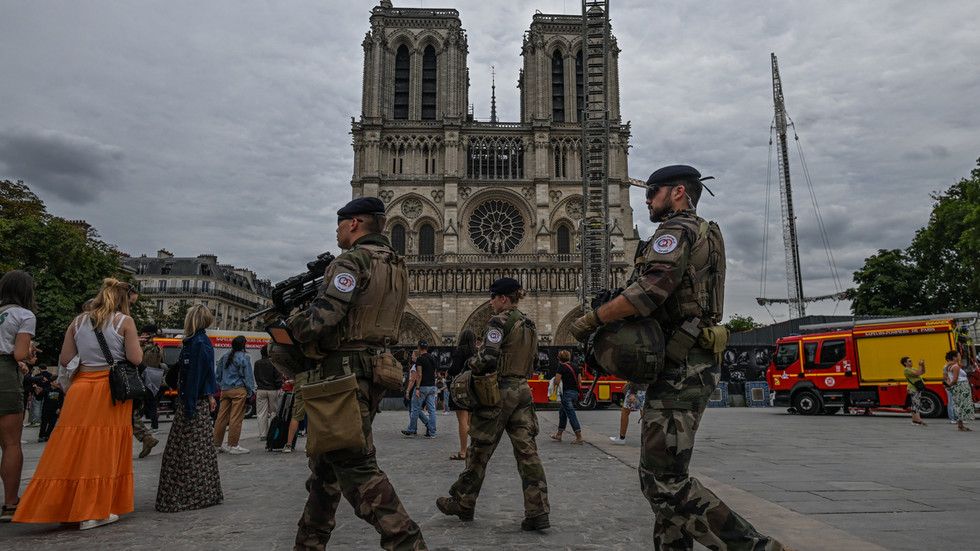
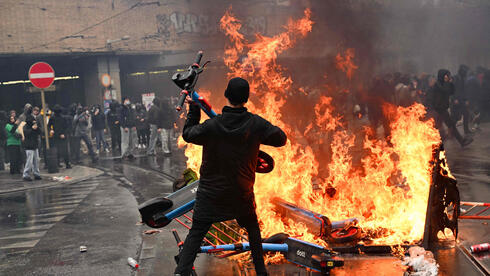
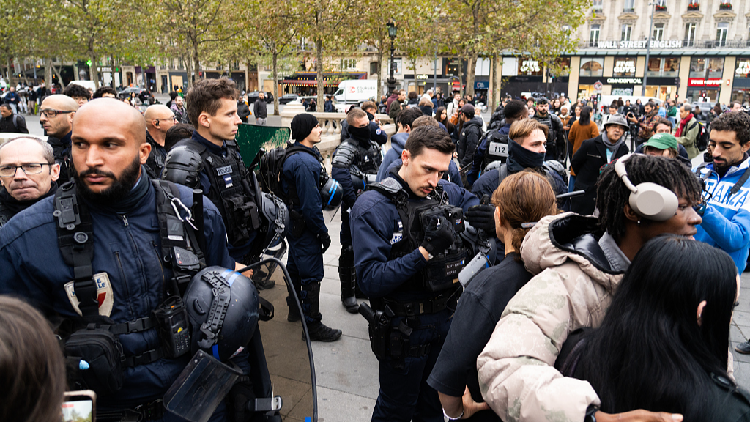
- It is likely that France will see renewed demonstrations on 24 October and a larger public-order deployment, although the reporting does not establish that violence will recur. Yellow Vest accounts and French high school students have announced demonstrations. The government has said it will increase police resources and deploy Sentinelle troops to selected sites; Interior Minister Laurent Nuñez has also announced plans involving RAID, GIGN, BRI, helicopters, Centaure vehicles and water cannons. This assessment rests on multiple major-media reports of planned demonstrations and government preparations, not on observed events on 24 October. (Confidence: medium · ASSESSED)
- I&W: French authorities report that the announced police, RAID, GIGN, BRI or Sentinelle deployments are operating at demonstrations on 24 October, confirming the expected security posture. (0-14 days)
- I&W: French authorities cancel the planned security operation and organisers withdraw the 24 October demonstrations, breaking the expectation of a renewed protest event. (0-14 days)
- It is likely that allegations of French police force against minors will remain a political and legal issue in the coming weeks. Reporting describes serious injuries to Mael, 16, in France, Eden, 14, in Saint-Ouen-l'Aumone and Enzo, 17, in Paris; the police watchdog IGPN has opened 36 inquiries into alleged misconduct. These reports establish allegations and formal investigations, not findings of misconduct. Confidence is medium because the detailed injury accounts are concentrated in one major-media report, while the inquiry count is separately reported. (Confidence: medium · ASSESSED)
- I&W: IGPN publishes findings, opens additional case files, or reports new complaints linked to the named incidents, confirming that the issue remains active. (1-3 months)
- I&W: By 31 January, IGPN closes the 36 inquiries without finding misconduct and no further complaint is reported, weakening the assessment that the issue remains a sustained political and legal concern. (1-3 months)
- It is likely that Milan will retain a stronger state security posture in the near term. The Italian cabinet approved sending 500 troops to the city and approved a new offence covering violent participation in demonstrations, with penalties of up to five years in prison and a €20,000 fine. The cabinet did not approve policing powers for soldiers after President Sergio Mattarella opposed the move; the Defence Ministry described their role as protecting key sites and monitoring sensitive locations. The reported cabinet decisions come from major-media coverage, while a conflicting social-media description of the army as cracking down on protesters is poorly sourced. (Confidence: medium · ASSESSED)
- I&W: Italy's Defence Ministry confirms that 500 troops are deployed in Milan to protect key sites, confirming the announced security posture. (0-14 days)
- I&W: The cabinet formally rescinds the Milan deployment before 4 November, breaking the expectation that the expanded posture will remain in place. (0-14 days)
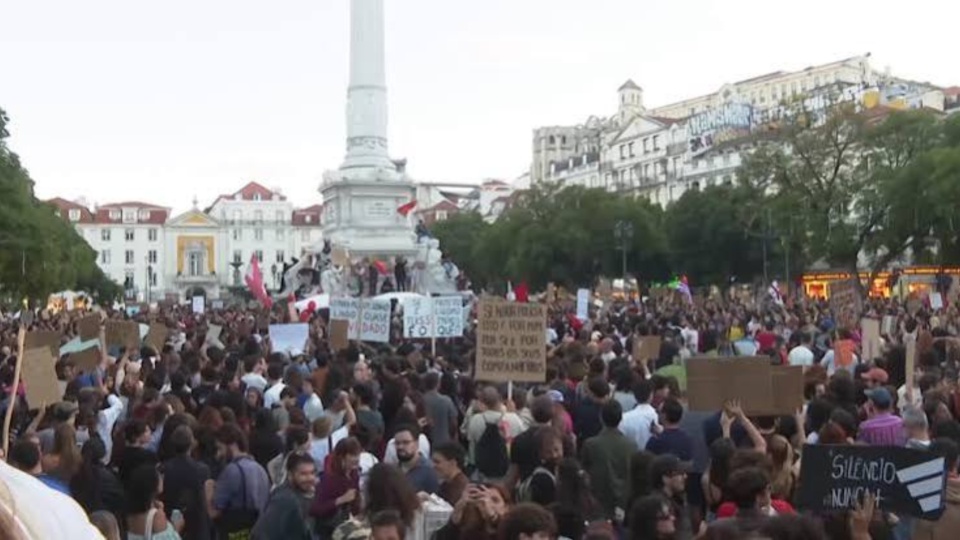
- It is likely that housing encampments will recur in Lisbon and Porto over the next two weeks. Police cleared camps at Rossio Square and Dom João I Square, but protesters returned to both sites; 55 people were arrested and later released pending a Lisbon court appearance. Accounts of police conduct conflict: Amnesty International alleged excessive force, while a police superintendent described the eviction as calm and proportionate. The recurrence assessment rests on reported returns to the sites; confidence in the account of the clearance itself is lower because its characterisation is contested. (Confidence: medium · ASSESSED)
- I&W: Protesters re-establish or maintain encampments at Rossio Square or Dom João I Square, confirming continued mobilisation. (0-14 days)
- I&W: By 4 November, both sites remain clear and no new housing encampment is reported in Lisbon or Porto, breaking the expectation of recurring camps. (0-14 days)
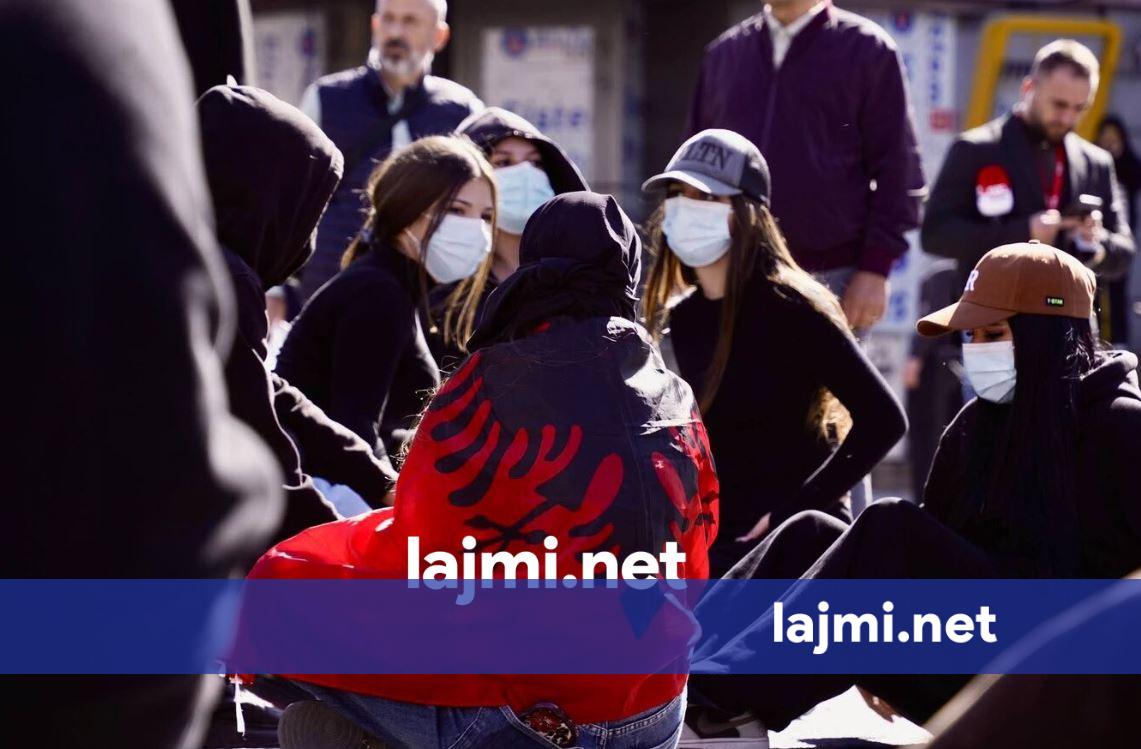
- It is likely that protests and police confrontations will continue in Tirana over the next two weeks. Reports described an eighth consecutive day of demonstrations by 20 October, with police using tear gas and water cannons; student demands include lower tuition, greater education investment and action on corruption, alongside calls for Edi Rama to resign. Rama's claims that the protests represent a hybrid war or an attempted violent overthrow are political characterisations, not independently established evidence of external direction. Confidence is medium because the protest reporting is corroborated across major-media and local reporting, but the claims about organisation and external influence are not substantiated. (Confidence: medium · ASSESSED)
- I&W: Reports identify renewed rallies or police use of tear gas or water cannons in central Tirana, confirming continued confrontation. (0-14 days)
- I&W: Student organisers announce a suspension of demonstrations and no rally is reported in Tirana for 14 consecutive days, breaking the expectation of continued mobilisation. (0-14 days)
Outlook & scenarios
Separate protests continue under tighter security (55%)
It is likely that the French demonstrations planned for 24 October proceed under an expanded security deployment, while protests in Milan, Lisbon, Porto and Tirana continue on separate national tracks. French security measures and Italy's site-protection deployment contain disorder without producing a shared strike call.
Disorder recurs in several cities (25%)
It is unlikely that protest activity becomes centrally coordinated, but renewed clashes in France or Tirana, fresh arrests in Milan, or another clearance of the Lisbon and Porto encampments intensify domestic pressure on the respective governments. Differing police and protester accounts deepen disputes over the use of force.
Dialogue and local action reduce street pressure (15%)
It is unlikely that mobilisation stops across all four countries at once. French government meetings with unions and attention to school demands, alongside continued Portuguese housing actions, nevertheless reduce turnout and limit further confrontations in the larger cities.
A severe injury triggers a wider escalation (5%)
It is very unlikely, but a further severe injury during a French demonstration triggers renewed student mobilisation and draws Yellow Vest supporters into larger confrontations. Protest organisers in Italy, Portugal or Albania adopt shared messaging, giving the current parallel protests a more visible cross-border dimension.
Recommendations
- Do not describe the situation as a pan-European general strike unless dated calls are verified directly with the named trade union confederations and student organisations in each country. Record the organiser, date, location and participating sectors separately.
- Track French prefecture and police announcements for 24 October, including the actual deployment of RAID, GIGN, BRI, Sentinelle troops and crowd-control equipment. Separate planned deployments from confirmed activity and record arrests, injuries and curfews with their reporting period.
- Follow IGPN case updates and court filings connected to the reported injuries of Mael, Eden and Enzo. Distinguish family allegations, official inquiry activity and adjudicated findings.
- Confirm with Italy's Defence Ministry whether the 500 troops are deployed in Milan and which sites they protect. Track implementation of the new offence and detention powers for 14 to 17-year-olds, while keeping the reported absence of soldier policing powers explicit.
- Monitor Rossio Square in Lisbon and Dom João I Square in Porto for renewed encampments, police clearances and court proceedings involving the 55 detainees. Keep Amnesty International's account and the police superintendent's account of the clearance separate.
- For Tirana, track student demands, reported rally attendance and documented police action. Attribute Rama's claims about hybrid warfare or an attempted overthrow to him rather than treating them as evidence of external organisation.
Confidence & uncertainty
Overall confidence is high for the broad assessment that protests occurred in France, Italy, Portugal and Albania and prompted distinct national responses. Multiple major-media accounts corroborate the main events and reported government measures, with local reporting adding detail on Albania. Confidence is lower on exact turnout and arrest totals, contested accounts of police conduct and any claim of cross-border organisation. The general-strike assertion rests on a single unidentified social-media post and is not corroborated.
Intelligence gaps
- [EEI 1.1 · PARTIAL] Confirmed dates, locations and participating unions or student organizations for planned general-strike actions in each country. Recommended collection: open-source/social media
- [EEI 1.2 · PARTIAL] Strike participation rates, public-transport cancellations, school or university closures, and interruptions to ports, airports, energy facilities or other critical services. Recommended collection: government/transport reporting
- [EEI 1.4 · UNCOVERED] Evidence that protest organizers are coordinating common demands, slogans, dates, funding or operational guidance across national borders. Recommended collection: open-source/social media
- [EEI 2.1 · UNCOVERED] Announced or implemented policy concessions involving austerity measures, education funding, pensions, wages or youth employment. Recommended collection: government statements
- [EEI 2.4 · PARTIAL] Negotiation schedules, mediation efforts or breakdowns between governments and trade-union or student representatives. Recommended collection: labor/government reporting
- [EEI 3.1 · PARTIAL] Named organizations issuing mobilization calls, with verified membership, geographic reach and turnout at prior actions. Recommended collection: open-source/organizational websites
- [EEI 3.2 · PARTIAL] Trade-union confederation decisions on strike mandates, rolling strikes, sector-wide action or cross-border coordination. Recommended collection: trade-union statements
- [EEI 3.3 · UNCOVERED] Student movement communications identifying coordinating committees, protest logistics, fundraising or links to established political parties. Recommended collection: social media/student networks
- [EEI 3.4 · PARTIAL] Participation by violent fringe groups, organized football ultras or extremist networks, including evidence of weapons, incendiary devices or coordinated attacks. Recommended collection: law-enforcement reporting
- [EEI 4.1 · PARTIAL] Changes in retail activity, industrial output, freight movement, tourism bookings or financial-market indicators attributed to strike disruption. Recommended collection: economic/financial reporting
- [EEI 4.2 · UNCOVERED] War-risk or political-risk insurance premium changes, transport rerouting and business continuity warnings linked to protest activity. Recommended collection: commercial risk reporting
- [EEI 4.3 · UNCOVERED] Polling or verified public-opinion data showing support for the protests, governments or specific austerity demands. Recommended collection: polling/media reporting
- [EEI 4.4 · PARTIAL] Resignations, coalition disputes, parliamentary no-confidence actions or electoral announcements triggered by the protest wave. Recommended collection: parliamentary/political reporting
Red cell review: CONCUR WITH COMMENT
TLP:CLEAR