TLP:CLEAR · Disclosure is not limited.
France’s 17 November strike: no verified continental general strike
Time window: Last 1 day · Audience: General analyst · Type: Situation report · DTG: 2026-11-18 16:07Z · Overall confidence: HIGH
BLUF
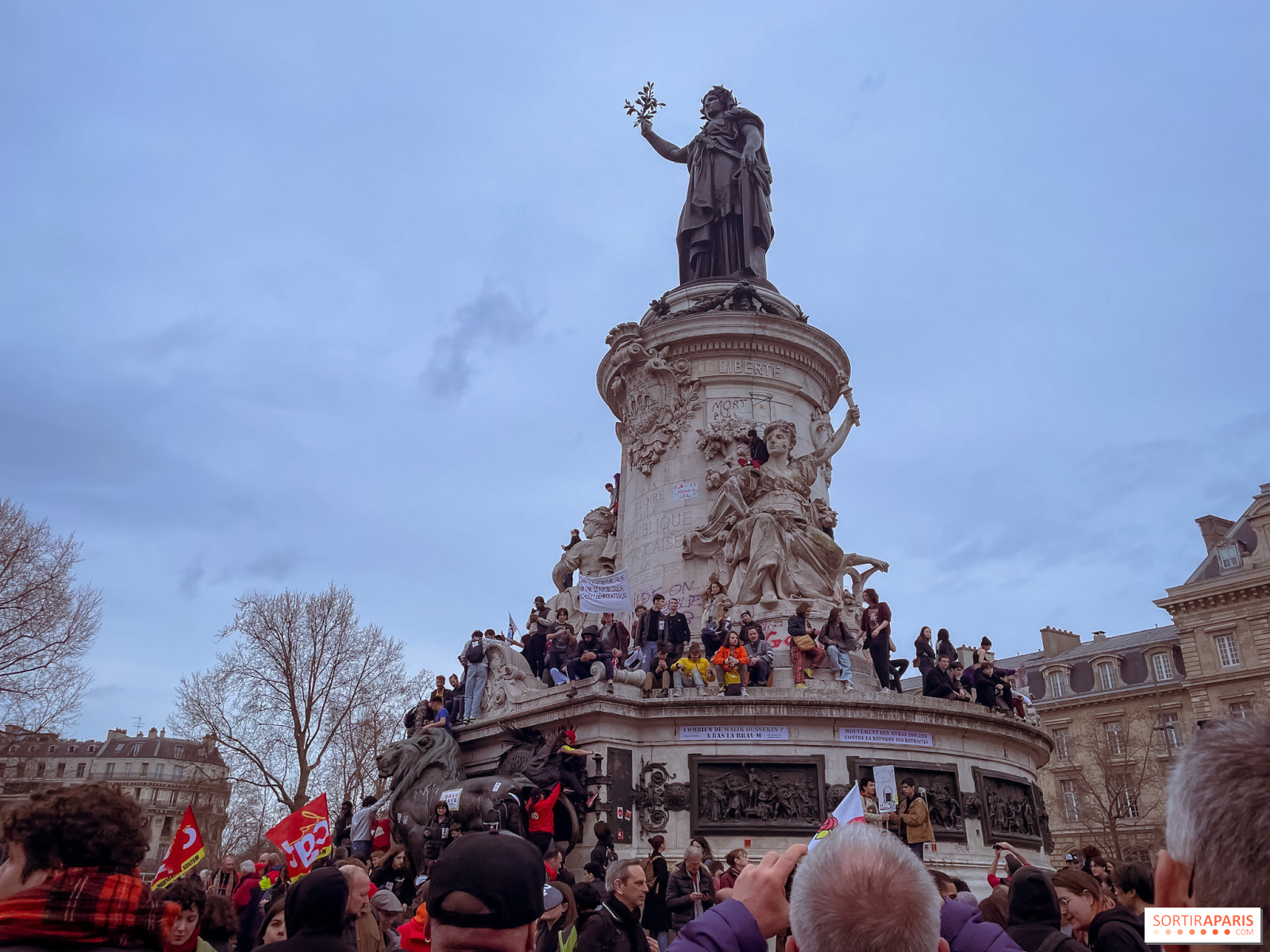
Six French public-sector unions called a strike on 17 November, and a march took place in Paris. The supplied reporting does not establish a coordinated strike across France, Italy, Portugal and Albania; turnout estimates conflict, and claims of 1,200 Paris arrests or more than 200 injuries are not substantiated.
Executive summary
The French action centred on demands for pay rises, changes to the civil-service pay index and abolition of the waiting day. Reported strike rates were 2.59% in the civil service and about 3% in national education, while turnout estimates ranged from 146,000 nationwide according to the Interior Ministry to more than 500,000 according to the CGT. The six unions met Prime Minister Sébastien Lecornu on 13 November; he announced a month of talks and a further meeting on 11 December. The claims provide no evidence of strike calls in Italy or Albania. Portugal-related reporting concerns Carris safety inspection records in Lisbon, not protest mobilisation. Injury figures come from a single blog, and the supplied claims contain no 1,200-arrest tally for Paris.
Change from previous assessment
Initial assessment update since the 17 November brief: reporting now documents the French 17 November march, measured public-sector strike rates and competing turnout estimates. Lecornu’s month of talks and a meeting on 11 December provide a clearer near-term track for the French pay dispute. The assessment that a coordinated France, Italy, Portugal and Albania strike is unestablished remains unchanged. The new injury claim is from a single blog and does not substantiate either more than 200 injuries or 1,200 arrests in Paris.
Key judgments
- A coordinated general strike across France, Italy, Portugal and Albania is unlikely over the next month. The supplied claims document French union action, but do not establish a strike call in Italy or Albania; the Portugal reporting concerns Carris inspection records in Lisbon. This is an inference from limited reporting, not evidence that no other calls exist. (Confidence: low · ASSESSED)
- I&W: A joint announcement names unions in France, Italy, Portugal and Albania and sets a shared strike date. This would confirm the assessment needs revision. (0-14 days)
- I&W: No cross-border union call appears, while national union statements continue to set separate actions or schedules. This would support the assessment. (0-14 days)
- The reported 17 November French public-sector stoppage was limited by the available strike-rate figures, despite substantial demonstrations. Reported rates were 2.59% in the civil service and about 3% in national education. The Interior Ministry and CGT gave sharply different demonstration counts: 146,000 versus more than 500,000 nationwide, and 28,000 versus 175,000 in Paris. A separate blog published a CGT figure above 1.5 million, but did not specify an event date. (Confidence: medium · ASSESSED)
- I&W: A final public-sector strike-rate release at or below 3% would confirm limited work stoppage; a verified rate above 10% would break this assessment. (0-14 days)
- I&W: A reconciled Interior Ministry and CGT account identifies the same 17 November event and resolves the turnout gap. This would confirm the event scale; an unresolved or larger discrepancy would leave it uncertain. (0-14 days)
- The supplied reporting does not substantiate claims of more than 200 injured or 1,200 arrests in Paris on 17 November. A single blog reports more than 200 young people injured, including one person who lost a hand; the separate claim of more than 6,800 detentions refers to France before 17 October and does not establish a 17 November Paris arrest count. (Confidence: low · ASSESSED)
- I&W: A Paris police prefecture or court release gives an arrest count for 17 November near 1,200. This would confirm the arrest claim; a materially lower official count would break it. (0-14 days)
- I&W: A French health authority or named hospitals publish a tally supporting more than 200 injuries from the 17 November protests. This would confirm the injury claim; a lower documented count would break it. (0-14 days)
- The French public-sector pay dispute is likely to remain active through the planned 11 December meeting, but the available claims do not establish another strike date. Six unions sought immediate pay rises, an increase and inflation indexation of the civil-service index point, and abolition of the waiting day; Lecornu announced a month of talks. (Confidence: medium · ASSESSED)
- I&W: The 11 December meeting proceeds and the government or unions announce further bargaining dates. This would confirm that negotiations remain active. (1 month)
- I&W: One or more of the six unions publish a new strike notice before the meeting. This would confirm renewed mobilisation; a joint agreement that closes the stated demands would weaken the assessment. (0-1 month)
Outlook & scenarios
Talks continue without a wider stoppage (55%)
The government and public-sector unions continue talks towards the 11 December meeting. The 17 November action remains a French mobilisation, with no verified cross-border general strike.
Renewed French public-sector action (30%)
If talks do not address the unions’ pay and indexation demands, another French sector-based strike is likely. This would not, by itself, demonstrate coordination with Italy, Portugal or Albania.
Cross-border strike coordination (10%)
A joint call involving unions in France, Italy, Portugal and Albania is unlikely on the current record. A shared date and named participating organisations would mark a material change.
High-impact escalation in France (5%)
A serious protest injury followed by renewed restrictions on gatherings would create a low-probability, high-impact risk of wider confrontation. The reported injury claims remain uncorroborated.
Recommendations
- Keep French strike reporting separate from claims of a continental campaign. Record a cross-border strike only when a joint call names participating organisations and a common date.
- Track the 11 December meeting between Sébastien Lecornu and public-sector unions, including any published response to pay, indexation and waiting-day demands.
- Before circulating turnout figures, distinguish Interior Ministry and CGT estimates and check whether any larger figure refers to the same event and date.
- Treat the claims of more than 200 injuries and 1,200 Paris arrests as unverified until matched to official police, court or health-service reporting.
Confidence & uncertainty
The required headline rating is high for the narrow finding that French unions called and held a 17 November strike action, based on detailed local reporting. It does not extend to the scale of the demonstrations or the claimed continental coordination: ministry and union turnout estimates differ sharply, the larger blog figure is undated, and the injury allegations are single-source. The supplied evidence does not warrant high confidence in a four-country strike wave.
Alternative analysis (red cell)
The supplied material does not support a reliable probability judgment about coordinated strike activity beyond France; it mainly demonstrates a French mobilization and unrelated Portuguese reporting. The injury evidence is not wholly absent, since claim 97edf668-e6d5-4f6e-8602-14dcf36a41c6 weakly supports more than 200 injuries, while the cited detention claim does not address the alleged Paris arrest total. Overall, the evidence supports uncertainty rather than a firm negative assessment of cross-border coordination or a categorical rejection of the injury claim.
Intelligence gaps
- [EEI 1.1 · PARTIAL] Confirmed dates, locations and participating unions or student organizations for planned general-strike actions in each country. Recommended collection: open-source/social media
- [EEI 1.2 · PARTIAL] Strike participation rates, public-transport cancellations, school or university closures, and interruptions to ports, airports, energy facilities or other critical services. Recommended collection: government/transport reporting
- [EEI 1.4 · UNCOVERED] Evidence that protest organizers are coordinating common demands, slogans, dates, funding or operational guidance across national borders. Recommended collection: open-source/social media
- [EEI 2.1 · PARTIAL] Announced or implemented policy concessions involving austerity measures, education funding, pensions, wages or youth employment. Recommended collection: government statements
- [EEI 3.1 · PARTIAL] Named organizations issuing mobilization calls, with verified membership, geographic reach and turnout at prior actions. Recommended collection: open-source/organizational websites
- [EEI 3.2 · PARTIAL] Trade-union confederation decisions on strike mandates, rolling strikes, sector-wide action or cross-border coordination. Recommended collection: trade-union statements
- [EEI 3.3 · PARTIAL] Student movement communications identifying coordinating committees, protest logistics, fundraising or links to established political parties. Recommended collection: social media/student networks
- [EEI 3.4 · UNCOVERED] Participation by violent fringe groups, organized football ultras or extremist networks, including evidence of weapons, incendiary devices or coordinated attacks. Recommended collection: law-enforcement reporting
- [EEI 4.1 · UNCOVERED] Changes in retail activity, industrial output, freight movement, tourism bookings or financial-market indicators attributed to strike disruption. Recommended collection: economic/financial reporting
- [EEI 4.2 · UNCOVERED] War-risk or political-risk insurance premium changes, transport rerouting and business continuity warnings linked to protest activity. Recommended collection: commercial risk reporting
- [EEI 4.3 · UNCOVERED] Polling or verified public-opinion data showing support for the protests, governments or specific austerity demands. Recommended collection: polling/media reporting
- [EEI 4.4 · UNCOVERED] Resignations, coalition disputes, parliamentary no-confidence actions or electoral announcements triggered by the protest wave. Recommended collection: parliamentary/political reporting
Red cell review: PARTIAL DISSENT
TLP:CLEAR