TLP:CLEAR · Disclosure is not limited.
Gaza Ceasefire Instability and Regional Escalation
Time window: Last 7 days · Audience: General analyst · Type: Situation report · DTG: 2026-09-02 13:14Z · Overall confidence: HIGH
BLUF
Very likely Israeli strikes and other hostilities will continue across Gaza, leaving the October 2025 Israel-Hamas ceasefire operationally unstable and humanitarian conditions severe. Likely Israeli-Hezbollah exchanges and US-Iran retaliation will sustain a wider regional escalation, while diplomacy offers only a roughly even chance of temporary pauses.
Executive summary
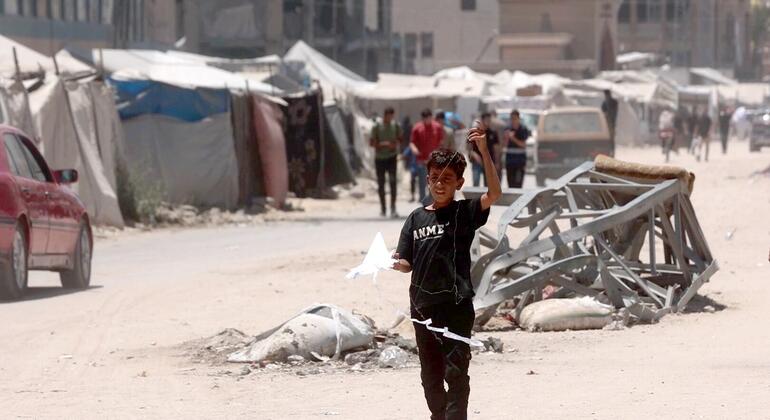
Israeli military activity continues across Gaza despite the October 2025 ceasefire, with disputed Palestinian casualty totals exceeding 900 for 2026 and 1,300 since 10 October 2025. More than two million people remain displaced, food insecurity is acute, and around 90 per cent of civilian infrastructure is damaged or destroyed. In southern Lebanon, Israeli positions and reported violations are expanding while Hezbollah has targeted Israeli troops inside Lebanese territory. US-Iran hostilities have widened to southern Iran, Erbil and Jordan, and commercial shipping remains exposed to interference and mine hazards in the Strait of Hormuz. Attacks on West Bank mosques and continuing pressure on UNRWA add political strain.
Change from previous assessment
Since the 1 September brief, the assessment has shifted towards a more acute multi-front escalation. New reporting adds disputed Gaza casualty totals of more than 900 deaths in 2026 and more than 1,300 since 10 October 2025, an Israeli raid that detained a senior Hamas security official in Gaza City, more than 5,000 reported Israeli violations in Lebanon, four new Israeli bases bringing the reported total to nine, and an Israeli instruction to prepare for a long-term presence in southern Lebanon. US-Iran hostilities have expanded to dozens of targets along Iran's southern coast, an IRGC-reported attack in Erbil and Iranian missile activity affecting Jordan and other states. New West Bank mosque attacks and settler violence have also been added to the escalation picture. The prior judgments on Gaza, Lebanon, US-Iran hostilities and Hormuz remain, but confidence is lower on casualty attribution, ceasefire status and the effects of diplomacy than on the underlying reported events.
Key judgments
- Very likely Israeli military strikes and other hostilities will continue across Gaza over the next 0-14 days and 1-3 months, keeping the October 2025 Israel-Hamas ceasefire operationally unstable. OCHA reports ongoing air strikes despite the ceasefire, Israel said its special forces detained a senior Hamas security official in Gaza City on 1 September, and Gaza's Hamas-run Ministry of Health reported more than 900 deaths from Israeli attacks in 2026 and more than 1,300 deaths since 10 October 2025. The death figures and attribution remain contested because the IDF says there is no basis to attribute all recorded deaths to its activity. Confidence is medium because UN and major-media reporting corroborate continued hostilities, but the cumulative totals use different baselines and causation remains disputed. (Confidence: medium · ASSESSED)
- I&W: CONFIRM: OCHA or hospital reporting records another Israeli air strike with civilian casualties in Gaza, or Israel announces another raid or detention, within 0-14 days. (0-14 days)
- I&W: BREAK: OCHA reports no Israeli air strikes or other attacks and no civilian casualties across Gaza for 14 consecutive days, alongside public implementation of the ceasefire's suspension of military operations. (0-14 days)
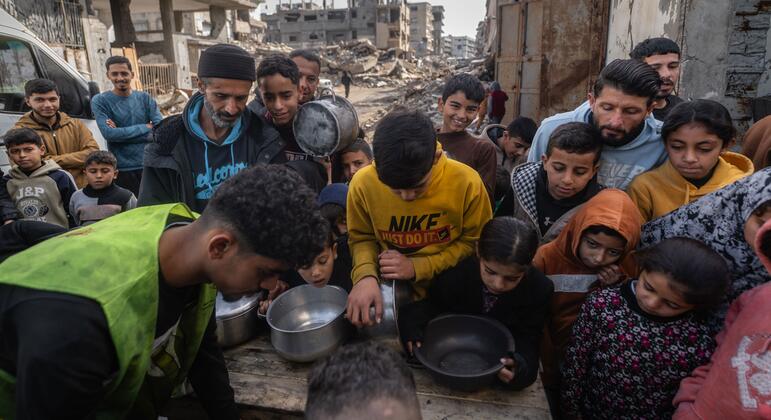
- Very likely severe humanitarian conditions will persist in Gaza over the next 1-3 months. More than two million people remain displaced, around 90 per cent of civilian infrastructure is heavily damaged or destroyed, 50 per cent of families reported running out of food in the previous month, about one in five families reported eating one meal a day, and three-quarters of households faced difficulty accessing markets in August 2026. UN partners provided food parcels and wheat flour to more than 600,000 people, while WHO supported the evacuation of 106 patients and 132 companions in the preceding week. Authorisation to bring explosive-ordnance clearance equipment into Gaza remains pending. Confidence is high because UN, WFP, WHO, UNICEF and UN Satellite Centre reporting corroborate the principal indicators. (Confidence: high · ASSESSED)
- I&W: CONFIRM: A subsequent WFP or UN update reports that at least 50 per cent of Gaza families are still running out of food or that at least 75 per cent of households still face difficulty accessing markets. (1-3 months)
- I&W: BREAK: UN reporting records a sustained fall in displacement from more than two million people, materially improved food access, and authorisation for explosive-ordnance clearance equipment. (1-3 months)
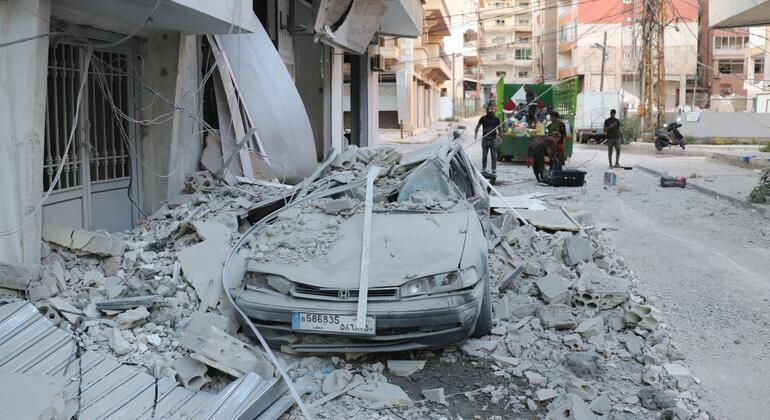
- Likely Israeli military activity and Hezbollah-Israel exchanges will continue in southern Lebanon over the next 1-3 months, with wider fighting constrained by UNIFIL deconfliction but increased by Israel's expanding presence. UNIFIL reported Hezbollah drone attacks and retaliatory Israeli strikes, increased logistical movements, demolitions and projectile launches, and severe damage to villages and civilian infrastructure. Reporting states that Israel controls around 5 per cent of Lebanese territory, extending up to 10 kilometres from the border in some places, has established four new bases bringing its positions to nine, and is preparing for a long-term presence. Lebanon's military has recorded more than 5,000 Israeli violations of the June ceasefire deal. Hezbollah has not attacked Israel since the ceasefire came into force but has targeted Israeli troops inside Lebanese territory. Confidence is medium because UNIFIL, BBC and Lebanese official reporting support the wider pattern, while the influence of deconfliction and the long-term presence assessment remains inferential. (Confidence: medium · ASSESSED)
- I&W: CONFIRM: UNIFIL or Lebanese military reporting records another Hezbollah drone or projectile attack on Israeli troops inside Lebanon followed by an Israeli strike, or reports additional Israeli bases or demolitions. (0-14 days)
- I&W: BREAK: UNIFIL reports no projectile launches or related military activity for 30 consecutive days and Israel begins a documented withdrawal from the five retained points and newer positions in southern Lebanon. (1-3 months)
- Likely US-Iran exchanges and attacks affecting US positions in the region will continue over the next 0-14 days, while there is a roughly even chance of a temporary diplomatic pause after Qatar's Prime Minister Sheikh Mohammed bin Abdulrahman Al Thani visits Tehran on 3 September. The US military struck targets in Iran on 1 September and CENTCOM reported strikes on dozens of military targets along Iran's southern coast on 2 September. The IRGC reported a combined missile and drone attack on US facilities in Erbil, while Jordanian forces said they intercepted 10 of 13 Iranian ballistic missiles entering Jordan and Iran fired missiles towards Bahrain, Kuwait and Iraq's Kurdish region. President Donald Trump's threats of further attacks and Masoud Pezeshkian's conditional offer to reciprocate create competing military and diplomatic tracks. Confidence is medium because the main strike sequence is supported by official and major-media reporting, but Iranian casualty accounts and some timing details remain contested. (Confidence: medium · ASSESSED)
- I&W: CONFIRM: CENTCOM announces another strike or the IRGC announces another missile or drone attack on US facilities or partner territory in Erbil, Jordan, Bahrain or Kuwait. (0-14 days)
- I&W: BREAK: Qatar reports that the 3 September Tehran visit produced an agreed US-Iran return to the June Memorandum of Understanding and no further military action is reported for 14 days. (0-14 days)
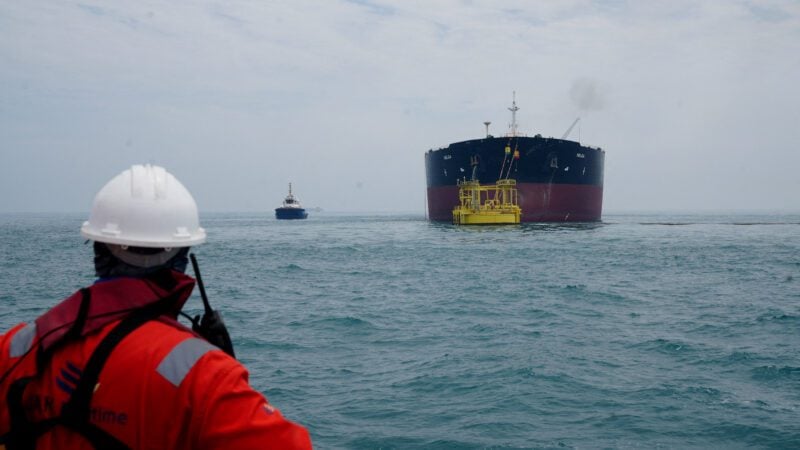
- Likely commercial shipping disruption in the Strait of Hormuz will persist over the next 0-14 days, while there is a roughly even chance of a temporary managed-transit arrangement after Iran-Oman negotiations. INTERTANKO says vessels using the Traffic Separation Scheme cannot be assumed to transit without interference and that mine clearance alone is insufficient to restore normal shipping. The Joint Maritime Information Center continues to warn about drifting or uncharted mines, despite Donald Trump's claim that all mines in international waters had been removed or detonated. Iran promotes a northern corridor through its waters, while the proposed Iran-Oman arrangement remains under negotiation and would exclude military vessels. Confidence is medium because commercial, military and diplomatic accounts conflict over mine clearance, route control and the status of the proposed agreement. (Confidence: medium · ASSESSED)
- I&W: CONFIRM: The Joint Maritime Information Center or INTERTANKO records another mine hazard, interference or attack affecting the Traffic Separation Scheme or the southern route off Oman. (0-14 days)
- I&W: BREAK: Iran and Oman announce a signed transit arrangement and INTERTANKO reports normal, unimpeded commercial passage through the Strait for 14 consecutive days. (0-14 days)
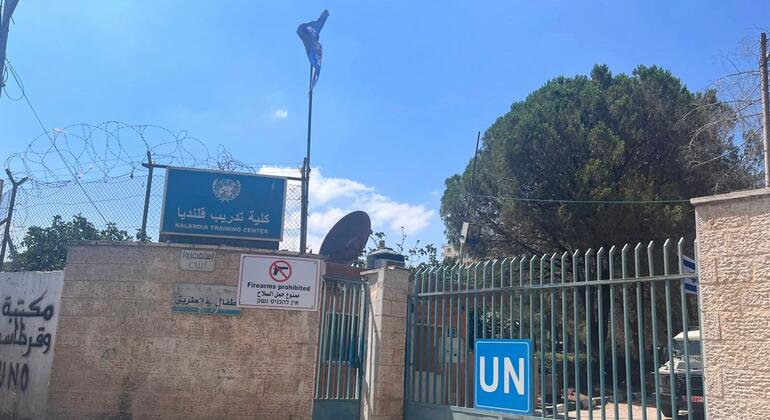
- Likely Israeli security operations, settler attacks and pressure on UNRWA facilities will remain elevated across the West Bank and East Jerusalem over the next 1-3 months, adding political strain around the Gaza ceasefire. On 1 September, Israeli forces fired tear gas into a mosque in Madama, settlers attempted to burn the Nur al-Din Zanki Mosque in Bazariya and burned vehicles in Beta and Nahalin, while Israeli forces arrested at least 14 Palestinians across the West Bank. UN reporting records more than 1,430 settler attacks this year, at least 76 Palestinians killed and about 3,800 displaced. Israeli authorities also remain deployed inside the Kalandia Vocational Training Centre after taking control of it and temporarily holding 24 UNRWA staff. Confidence is medium because the incidents are supported by UN, Al Jazeera and UNRWA reporting, but the continuation assessment and its effect on Gaza ceasefire behaviour are inferential. (Confidence: medium · ASSESSED)
- I&W: CONFIRM: Another mosque attack, settler vehicle-burning incident or Israeli arrest operation is reported in the West Bank, or Israeli authorities extend control over the Kalandia centre or another UNRWA facility. (0-14 days)
- I&W: BREAK: UN reporting records no new settler attacks or religious-site incidents for 30 days and Israeli authorities vacate the Kalandia centre without taking control of another UNRWA facility. (1-3 months)
Outlook & scenarios
Managed but unstable multi-front conflict (55%)
Likely over the next 1-3 months. Israeli strikes continue in Gaza, Israeli-Hezbollah exchanges remain concentrated in southern Lebanon, and US-Iran retaliation remains limited to military and partner positions. Hormuz shipping stays disrupted, while UNIFIL, Qatar and Oman efforts contain the conflict without producing a durable regional settlement.
Temporary diplomatic pauses (30%)
A temporary US-Iran pause follows Qatar's Tehran visit and Pezeshkian's conditional offer, while Iran and Oman establish limited arrangements for commercial transit through the Strait. Gaza and southern Lebanon remain operationally unstable because Israeli strikes, the Israeli presence in Lebanon and humanitarian pressures continue.
High-impact regional widening (15%)
A further US strike or Iranian missile and drone attack hits US facilities or partner territory, prompting additional US action. Hezbollah attacks Israeli troops in southern Lebanon, Israel expands strikes or positions, and a new maritime incident closes or further restricts commercial routes through Hormuz. This is a low-probability, high-impact scenario.
Recommendations
- For the next 14 days, maintain a daily Gaza incident ledger that separates reported deaths, deaths attributed to Israeli activity, and deaths disputed by the IDF. Record the event date, location, source and casualty category rather than combining incompatible cumulative totals.
- Prioritise collection on three Gaza tripwires: new Israeli raids or strikes in Gaza City and southern Gaza, civilian casualties verified by hospitals or OCHA, and any public evidence that the October 2025 ceasefire's suspension of military operations is being implemented or abandoned.
- Track southern Lebanon for new Israeli bases, demolitions, incursions beyond the Yellow Line and statements on a long-term presence. Cross-check Hezbollah attack claims against UNIFIL, Lebanese Armed Forces and Israeli reporting before assessing a shift from attacks on troops inside Lebanon to attacks on Israel.
- Monitor US-Iran developments through CENTCOM announcements, IRGC statements and air-defence reports from Jordan, Bahrain, Kuwait and Iraq. Give priority to evidence of additional attacks on US facilities and to the outcome of Qatar's 3 September Tehran visit.
- Treat Hormuz transit claims as unresolved until commercial operators, the Joint Maritime Information Center and INTERTANKO report sustained passage. Track mine warnings, route restrictions, vessel interference and any signed Iran-Oman arrangement separately from political claims about clearance.
- Coordinate humanitarian monitoring around the Kerem Shalom and Rafah crossings, medical evacuations and authorisation for explosive-ordnance clearance equipment. Flag any further damage to water facilities, warehouses or aid supplies as an operational warning for Gaza relief access.
- Maintain a separate West Bank and East Jerusalem escalation track covering mosque attacks, settler violence, arrests and Israeli control of UNRWA premises. Escalate analytic attention if attacks on religious sites coincide with new Israeli operations or restrictions on UNRWA services.
Confidence & uncertainty
Overall confidence is high for the principal event pattern because the assessment draws on 23 usable sources, including UN, OCHA, WFP, WHO, UNICEF, UNIFIL, CENTCOM, the US State Department, BBC, Associated Press, Al Jazeera and INTERTANKO reporting. These sources independently corroborate continued hostilities and humanitarian deterioration in Gaza, Israeli military entrenchment and Hezbollah-related activity in Lebanon, and renewed US-Iran exchanges. The main uncertainties concern the attribution and baselines of Gaza casualty totals, the operational status of the October 2025 ceasefire, conflicting accounts of Iranian strike effects, and the unsettled mine and transit situation in the Strait of Hormuz.
Intelligence gaps
- [EEI 1.1 · PARTIAL] Number, type and geolocated coordinates of projectiles (rockets, mortars, anti-tank guided missiles) fired from Lebanon into Israel in the last 24/72 hours, including time-stamped launch and impact locations. Recommended collection: signals/intel
- [EEI 1.2 · UNCOVERED] Satellite or aerial imagery showing movement, concentration, or forward displacement of Hezbollah-associated military assets (armored vehicles, artillery pieces, mobile rocket launchers, logistics convoys) to positions within 0-10 km of the Israel-Lebanon border. Recommended collection: satellite/imagery
- [EEI 1.3 · UNCOVERED] Intercepted or captured Hezbollah command-and-control communications or orders explicitly directing cross-border operations or coordinated strikes with Palestinian groups (time-stamped messages, unit identifiers, orders to fire/move). Recommended collection: signals/intel
- [EEI 1.4 · UNCOVERED] Observable changes in Israeli northern-front posture within Israel (numbers and types of reinforcements deployed to northern brigades, activation of reserves, air defense redeployments, evacuation orders or shelter alerts in northern towns), including timestamps and unit IDs where available. Recommended collection: human/intel
- [EEI 2.1 · UNCOVERED] Official or corroborated reports of IDF reservist mobilization and unit-level deployment orders (number of reservists called, named brigades/units ordered to deploy, deployment timelines). Recommended collection: open-source/media
- [EEI 2.2 · UNCOVERED] Satellite or ground imagery showing concentrations of IDF heavy equipment (tanks, infantry fighting vehicles, engineering vehicles), staging areas, field hospitals or forward supply dumps within X km of the Gaza border and at known crossing points. Recommended collection: satellite/imagery
- [EEI 2.3 · PARTIAL] Change in strike patterns consistent with pre-ground-attack shaping: sustained high-frequency airstrikes on tunnel networks, command nodes, coastal launch sites, and known insurgent concentrations (strike counts, munition types, locations, times). Recommended collection: open-source/media
- [EEI 2.4 · UNCOVERED] Logistics indicators: verified convoys of fuel/ammunition entering staging areas, establishment of forward logistics or medical bases, or documented requisitioning orders for bulk combat supplies with timestamps and quantities. Recommended collection: human/intel
- [EEI 3.1 · UNCOVERED] Number, participants and content of diplomatic contacts or negotiation sessions in the last 48 hours involving mediators (Egypt, Qatar, US, UN), including any proposed ceasefire text, prisoner/exchange lists, timelines or verification mechanisms. Recommended collection: diplomatic
- [EEI 3.2 · PARTIAL] Public statements, press releases or verified communiqués from Hamas and other Gaza armed groups specifying acceptance, rejection, or conditions for a ceasefire (explicit conditions such as prisoner release lists, withdrawal terms, lifting of blockades), with timestamps and speaker attribution. Recommended collection: open-source/media
- [EEI 3.4 · PARTIAL] Operational evidence of a de facto pause: verified sustained reduction (e.g., ≥12 hours) in strikes or launches from either side in specific sectors, supported by strike/impact logs, radar tracks and incident reports. Recommended collection: open-source/media
Red cell review: CONCUR WITH COMMENT
TLP:CLEAR