TLP:CLEAR · Disclosure is not limited.
Gaza Ceasefire Instability and Southern Lebanon Friction
Time window: Last 7 days · Audience: General analyst · Type: Situation report · DTG: 2026-08-28 13:09Z · Overall confidence: LOW
BLUF
The October 2025 Gaza ceasefire is very likely to remain unstable over the next 1-3 months, with Israeli strikes continuing while Hamas disarmament and Israeli withdrawal remain unresolved. Southern Lebanon presents the immediate escalation concern, as Hezbollah drone attacks and Israeli strikes around Ali al-Taher and Nabatiya are likely to continue without a sustained Israeli ground assault.
Executive summary
Reporting from 27 and 28 August 2026 indicates that Israeli strikes in Gaza continue despite the October 2025 ceasefire, while Hamas has reportedly accepted disarmament and civilian rule and Israel has tied withdrawal to verified weapons decommissioning. Gaza's humanitarian situation remains severe despite deliveries reaching more than 600,000 people. In southern Lebanon, Hezbollah launched two explosive drones at IDF troops on 27 August, prompting Israeli strikes around Nabatiya and against Hezbollah weapon storage facilities. UNIFIL has also observed increased military activity in Lebanon. The principal uncertainties concern the reliability of casualty totals, the extent of Hezbollah's underground presence, and Israeli intentions towards the Ali al-Taher tunnel network.
Change from previous assessment
Since the 26 August 2026 brief, the assessment of Gaza has not changed: Israeli strikes and an unstable ceasefire remain very likely. New reporting on 27 August records another Hezbollah drone attack and an Israeli strike wave in southern Lebanon, strengthening the judgment that armed friction will persist around Ali al-Taher and Nabatiya. The assessment that Israel is unlikely to launch a sustained ground assault remains in place but is still low confidence. No prior judgment has been retired. The new reported entrenchment along Gaza's Yellow Line and the reported IDF and Shin Bet cooperation with Palestinian militias opposing Hamas are watch items, but their low corroboration does not alter the core judgments.
Key judgments
- Very likely Israeli strikes in Gaza will continue over the next 1-3 months, leaving the October 2025 ceasefire unstable. Reporting records continuing Israeli strikes, while Prime Minister Benjamin Netanyahu has stated that Israeli forces will not withdraw until Hamas hands over all its weapons. Hamas has reportedly agreed to disarm and transfer Gaza to civilian rule, but the roadmap links Israeli withdrawal to verified weapons decommissioning. Reported Palestinian deaths since the ceasefire began range from 1,288 to 1,303, reflecting unresolved differences in timing and source attribution. Confidence is medium because major-media reporting supports the strikes and political positions, but the casualty totals and practical status of the disarmament process remain contested. (Confidence: medium · ASSESSED)
- I&W: Confirmation: the IDF reports another strike in Gaza or Benjamin Netanyahu again states that Israeli forces will remain in place until Hamas disarms. (0-14 days)
- I&W: Break: the Board of Peace records verified decommissioning of Hamas weapons followed by an Israeli troop withdrawal from current Gaza lines. (1-3 months)
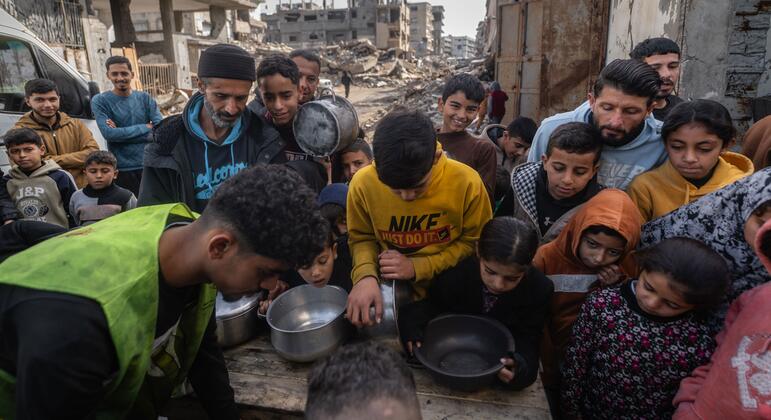
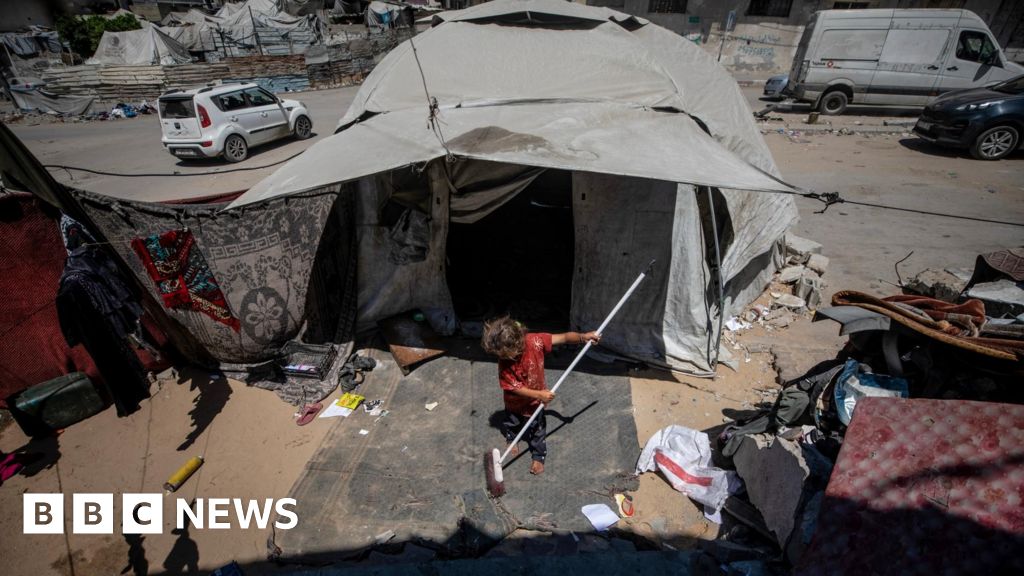
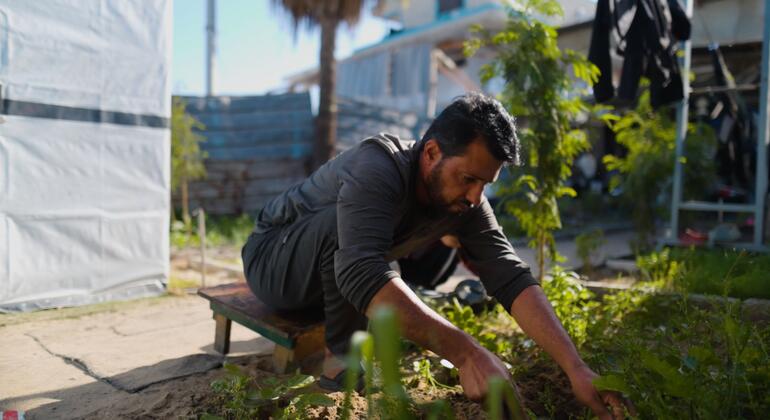
- Very likely severe humanitarian conditions in Gaza will persist over the next 1-3 months. UNICEF found chronic malnutrition among 12.2 per cent of children, while UN reporting indicates that 50 per cent of families recently ran out of food, one in five families eat only one meal a day, and three-quarters of households face difficulty accessing markets. Around 90 per cent of civilian infrastructure is heavily damaged or destroyed. Humanitarian agencies and UN partners have still delivered food and essential supplies to more than 600,000 people and collected hundreds of pallets at Kerem Shalom. Confidence is high because UNICEF and multiple UN sources corroborate the core indicators, although current aid deliveries do not demonstrate sustained improvement. (Confidence: high · ASSESSED)
- I&W: Confirmation: UNICEF or UN reporting again records chronic malnutrition at or above 12.2 per cent, one in five families eating one meal a day, or three-quarters of households struggling to access markets. (0-30 days)
- I&W: Break: UN partners document sustained access through Kerem Shalom and a new UNICEF survey records chronic malnutrition below 12.2 per cent. (1-3 months)
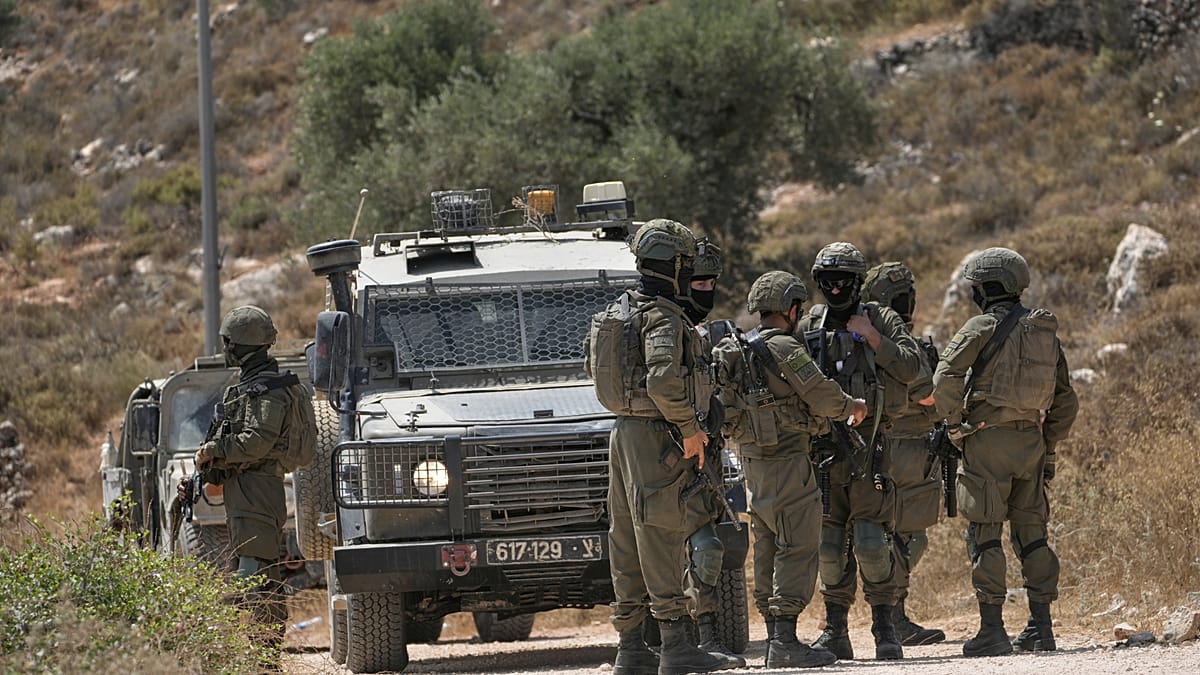
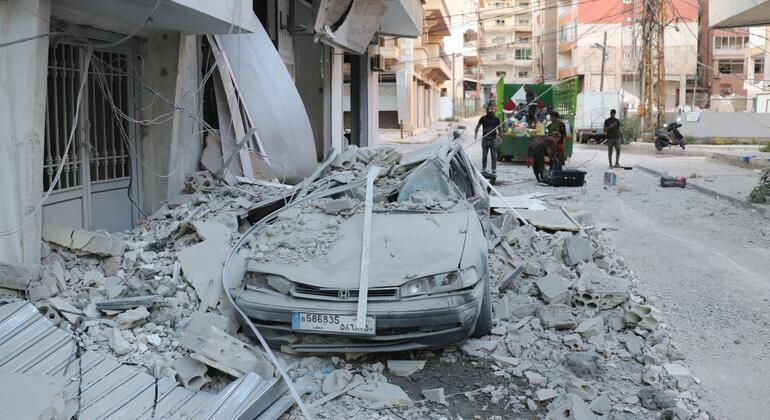
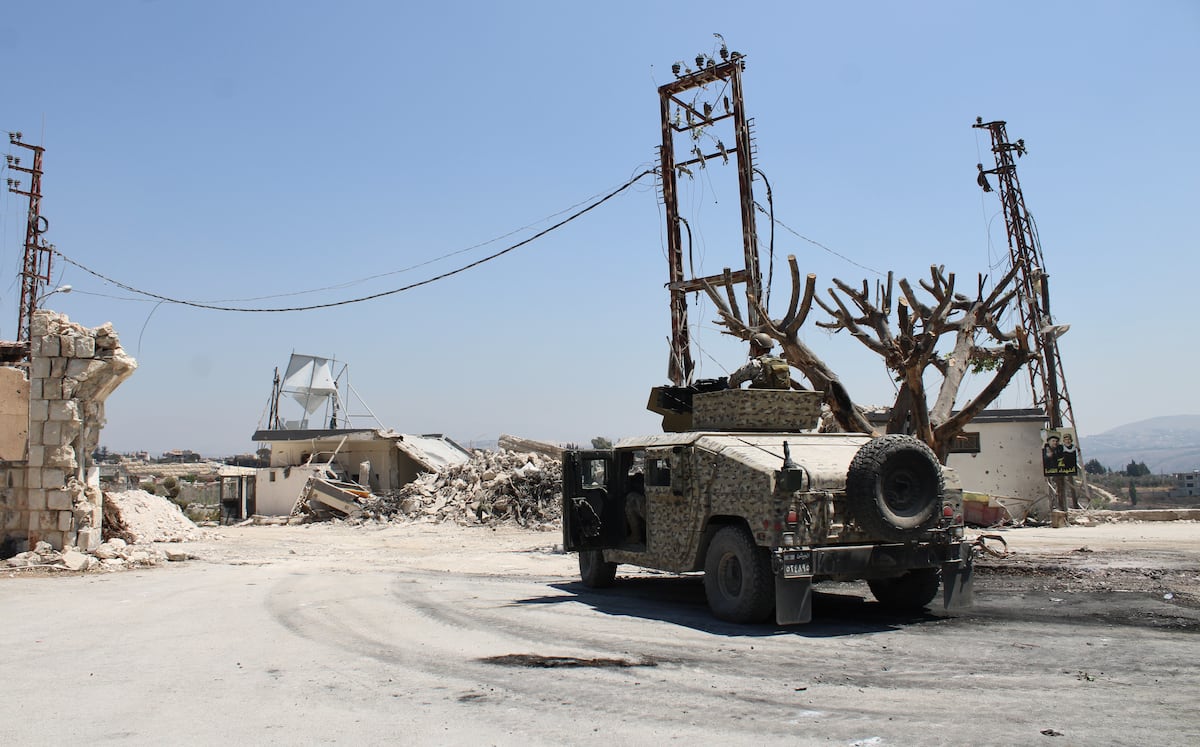
- Likely Hezbollah and the IDF will sustain armed friction around the Ali al-Taher Ridge and Nabatiya in southern Lebanon over the next 1-3 months. On 27 August, Hezbollah launched two explosive drones at IDF troops, after which the IDF conducted a wave of strikes, including attacks on Hezbollah weapon storage facilities and infrastructure in the Nabatiya area. The Lebanese Health Ministry reported one woman killed and six people wounded. UNIFIL has observed a rise in military activity, while Israeli forces have deployed units to control the outskirts of Nabatiya and identified 12 entrances to the Ali al-Taher tunnel network. Confidence is medium because the 27 August exchange is supported by multiple major-media reports and UNIFIL observations, while claims about 20 to 40 Hezbollah members and dozens of Iranian Revolutionary Guards officers inside the complex are less well corroborated. (Confidence: medium · ASSESSED)
- I&W: Confirmation: Hezbollah launches another explosive drone or projectile at IDF positions near Ali al-Taher or Nabatiya, followed by Israeli strikes in southern Lebanon. (0-14 days)
- I&W: Break: the IDF ends daily operations, withdraws from the remaining pilot zone, and the Lebanese Armed Forces take control of additional territory. (1-3 months)
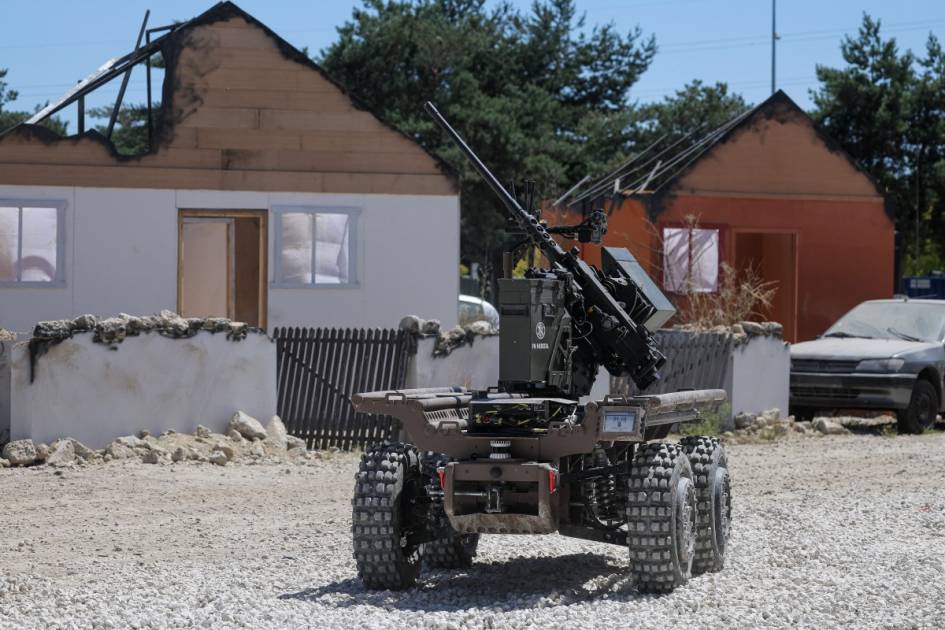
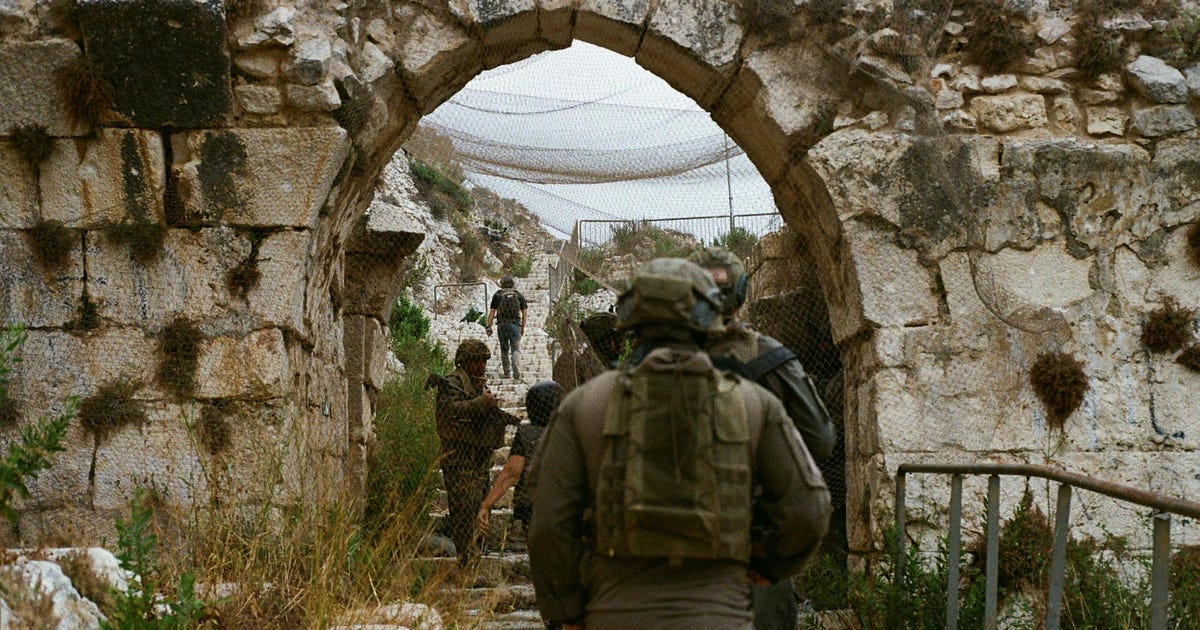
- Unlikely Israeli forces will conduct a sustained ground assault into the Ali al-Taher tunnel network or expand current Lebanon operations into Beirut over the next 1-3 months. Israeli forces reportedly retain the capability to escalate but are avoiding an action that would open a new regional conflict. Their current approach emphasises control of access routes and tunnel entrances, supported by intelligence, drones, thermal cameras, seismic sensors, and reconnaissance robots. This is a low-confidence assessment resting chiefly on single-source analytical reporting about Israeli caution and intent. Reporting that Israeli officials do not rule out a Rafah-like outcome and separate reporting of continued escalation remain contrary indicators. (Confidence: low · ASSESSED)
- I&W: Confirmation: Israeli forces maintain control of most access routes and entrances around Ali al-Taher while using surveillance systems and robots without entering the tunnel complex. (0-14 days)
- I&W: Break: the IDF announces sustained ground entry into the Ali al-Taher tunnel network or conducts new strikes in Beirut. (0-14 days)
- Likely humanitarian pressure in Lebanon will remain severe over the next 1-3 months. The UN reports that a six-month appeal requiring nearly 640 million dollars is due to end in four days and remains only half funded. At least 4,350 people have reportedly been killed in Lebanon since 28 February 2026, while 900,000 people have received at least one round of emergency cash assistance since March. Continued military activity and limited funding will constrain recovery. Confidence is medium because UN reporting supports the funding and assistance figures, while the casualty total comes from a separate major-media report and has limited corroboration. (Confidence: medium · ASSESSED)
- I&W: Confirmation: the Lebanon appeal closes with funding still near half of the required amount while UNIFIL continues to report increased military activity. (0-14 days)
- I&W: Break: the appeal becomes fully funded and UNIFIL reports a sustained decline in military activity across its area of operations. (1-3 months)
Outlook & scenarios
Likely: Protracted unstable Gaza ceasefire (70%)
Israeli strikes continue in Gaza while Israel holds current lines pending Hamas disarmament. Hamas's stated acceptance of civilian rule keeps a negotiating channel open, but the roadmap does not produce verified weapons decommissioning or Israeli withdrawal. Aid deliveries continue through Kerem Shalom, while food insecurity and infrastructure damage remain severe.
Unlikely but high impact: Gaza ceasefire collapse (25%)
Continued Israeli strikes and the unresolved condition that Hamas surrender its weapons cause the ceasefire process to collapse. Israeli forces resume broader operations across Gaza, humanitarian access deteriorates, and the diplomatic roadmap loses practical relevance.
Likely: Contained but persistent southern Lebanon violence (70%)
Hezbollah continues limited drone or projectile attacks around Ali al-Taher and Nabatiya, and the IDF responds with strikes against Hezbollah infrastructure. Israeli forces retain access-route control and surveillance around the tunnel network without conducting a sustained ground assault or striking Beirut.
Very unlikely but high impact: Wider Lebanon escalation (10%)
A Hezbollah attack causes Israeli forces to enter the Ali al-Taher tunnel network, followed by a broader Israeli campaign in Lebanon and strikes in Beirut. The resulting escalation overwhelms existing ceasefire arrangements and sharply increases civilian and humanitarian pressure.
Recommendations
- Maintain a daily Gaza watch that separates three indicators by date and actor: IDF strike activity, Hamas weapons decommissioning, and Israeli troop movements from current lines. Treat the October 2025 ceasefire as operationally unstable until all three indicators show sustained change.
- Prioritise collection on Ali al-Taher and Nabatiya for fresh evidence of Hezbollah drone or projectile launches, IDF strike patterns, movements by the 36th Division, changes to access routes, and activity at the 12 reported tunnel entrances.
- Use UNICEF and UN reporting as the baseline for Gaza food insecurity, chronic malnutrition, market access, and aid flows. Reconcile Palestinian casualty totals by reporting period and source before incorporating them into trend assessments.
- Treat claims about Hezbollah and Iranian personnel inside the Ali al-Taher complex, Israeli cooperation with Palestinian militias opposing Hamas, and preparations for a wider Israeli battle as unconfirmed until independent reporting or official corroboration is available.
- Track the Lebanon humanitarian appeal through its stated closure point and record whether funding remains at half of the nearly 640 million dollar requirement. Link funding status to UNIFIL reporting on military activity and displacement.
- Escalate analytic warning if the IDF reports entry into the Ali al-Taher tunnel network, Hezbollah conducts another attack near Nabatiya, or Israel conducts new strikes in Beirut.
Confidence & uncertainty
Overall confidence is low because the evidence base combines high-reliability UN, UNICEF, UNIFIL, and official reporting with medium-confidence major-media accounts and several low-confidence or single-source claims. Current Gaza aid and food insecurity indicators are well corroborated, but ceasefire implementation, casualty totals, Israeli intentions, and Hezbollah's underground presence remain contested. Duplicated claims, inconsistent dates, and reporting from different timeframes further reduce confidence in the full regional picture.
Intelligence gaps
- [EEI 1.1 · UNCOVERED] Number, type and geolocated coordinates of projectiles (rockets, mortars, anti-tank guided missiles) fired from Lebanon into Israel in the last 24/72 hours, including time-stamped launch and impact locations. Recommended collection: signals/intel
- [EEI 1.2 · UNCOVERED] Satellite or aerial imagery showing movement, concentration, or forward displacement of Hezbollah-associated military assets (armored vehicles, artillery pieces, mobile rocket launchers, logistics convoys) to positions within 0-10 km of the Israel-Lebanon border. Recommended collection: satellite/imagery
- [EEI 1.3 · UNCOVERED] Intercepted or captured Hezbollah command-and-control communications or orders explicitly directing cross-border operations or coordinated strikes with Palestinian groups (time-stamped messages, unit identifiers, orders to fire/move). Recommended collection: signals/intel
- [EEI 1.4 · UNCOVERED] Observable changes in Israeli northern-front posture within Israel (numbers and types of reinforcements deployed to northern brigades, activation of reserves, air defense redeployments, evacuation orders or shelter alerts in northern towns), including timestamps and unit IDs where available. Recommended collection: human/intel
- [EEI 2.1 · UNCOVERED] Official or corroborated reports of IDF reservist mobilization and unit-level deployment orders (number of reservists called, named brigades/units ordered to deploy, deployment timelines). Recommended collection: open-source/media
- [EEI 2.2 · UNCOVERED] Satellite or ground imagery showing concentrations of IDF heavy equipment (tanks, infantry fighting vehicles, engineering vehicles), staging areas, field hospitals or forward supply dumps within X km of the Gaza border and at known crossing points. Recommended collection: satellite/imagery
- [EEI 2.3 · PARTIAL] Change in strike patterns consistent with pre-ground-attack shaping: sustained high-frequency airstrikes on tunnel networks, command nodes, coastal launch sites, and known insurgent concentrations (strike counts, munition types, locations, times). Recommended collection: open-source/media
- [EEI 2.4 · UNCOVERED] Logistics indicators: verified convoys of fuel/ammunition entering staging areas, establishment of forward logistics or medical bases, or documented requisitioning orders for bulk combat supplies with timestamps and quantities. Recommended collection: human/intel
- [EEI 3.1 · UNCOVERED] Number, participants and content of diplomatic contacts or negotiation sessions in the last 48 hours involving mediators (Egypt, Qatar, US, UN), including any proposed ceasefire text, prisoner/exchange lists, timelines or verification mechanisms. Recommended collection: diplomatic
- [EEI 3.2 · PARTIAL] Public statements, press releases or verified communiqués from Hamas and other Gaza armed groups specifying acceptance, rejection, or conditions for a ceasefire (explicit conditions such as prisoner release lists, withdrawal terms, lifting of blockades), with timestamps and speaker attribution. Recommended collection: open-source/media
- [EEI 3.3 · PARTIAL] Humanitarian indicators relevant to ceasefire: establishment and operation of agreed humanitarian corridors/checkpoints, number of aid deliveries admitted, civilian evacuations completed, and NGO/hospital reports of access denials or safe-passage violations. Recommended collection: humanitarian/NGO reports
- [EEI 3.4 · UNCOVERED] Operational evidence of a de facto pause: verified sustained reduction (e.g., ≥12 hours) in strikes or launches from either side in specific sectors, supported by strike/impact logs, radar tracks and incident reports. Recommended collection: open-source/media
Cited sources
[1] ualrpublicradio.org · Official leading Trump's Gaza ceasefire effort criticizes Israel for its attacks (A) · sha256:f5c53338f7a2 [2] kazu.org · Official leading Trump's Gaza ceasefire effort criticizes Israel for its attacks (A) · sha256:2d84f45386b4 [3] bbc.com · Board of Peace's Gaza envoy criticises Israeli strikes and Hamas actions (A) · sha256:be1cf10f0ffe [4] aljazeera.com · Israel-Hamas truce failure ‘point of no return’, envoy warns (A) · sha256:ddfb1624e01b [5] United Nations · Gaza: Children still at risk despite drop in acute hunger (A) · sha256:bad24cef5838 [6] United Nations · Aid reaches hundreds of thousands in Gaza amid severe food insecurity (A) · sha256:3c21ae1c3dab [7] jpost.com · IDF launches strikes on southern Lebanon following Hezbollah's explosive drone attacks on soldiers (A) · sha256:815da075cbbc [8] haaretz.com · IDF strikes in Lebanon kill one, wound six, including child, woman (A) · sha256:4850d7883ff8 [9] United Nations · Lebanon: Civilian risks grow as military activity continues, UN says (A) · sha256:25b5e1e14bb7 [10] Euronews · حسابات إقليمية معقدة. لماذا تتجنب إسرائيل حسم معركة "علي الطاهر" في جنوب لبنان؟ (A) · sha256:b2bca985924e [11] independentarabia.com · روبوتات تحت الأرض.. سلاح إسرائيل الجديد في حرب الأنفاق جنوب لبنان (B) · sha256:a5e9c8724ca7 [12] threads.com · Threads (E) · sha256:ef4e4ca042b7 [13] defensenews.com · In southern Lebanon, fighting Hezbollah in the hills becomes a strategic conundrum (B) · sha256:fd335c6224d6 [14] Al Jazeera · US-Israel war on Iran, six months down the line: In numbers (A) · sha256:55e6b62c0865
Source content hashes were computed at collection time; the cited text is preserved unmodified for the life of this product.
Red cell review: CONCUR WITH COMMENT
TLP:CLEAR