TLP:CLEAR · Disclosure is not limited.
Gaza Ceasefire Strains as Israel-Hezbollah Tensions Persist
Time window: Last 7 days · Audience: General analyst · Type: Situation report · DTG: 2026-10-29 13:13Z · Overall confidence: HIGH
BLUF
Likely Israeli strikes continue to breach the Gaza ceasefire, but conflicting casualty figures do not establish that it has collapsed. Hezbollah is reported to be rebuilding capabilities while Israel conditions withdrawal from southern Lebanon on Hezbollah’s disarmament; the reporting indicates preparation and confrontation, not a confirmed new exchange.
Executive summary
Israeli strikes in Gaza on 28 and 29 October included a reported strike on an Economy Ministry work post in al-Mawasi, west of Rafah. Gaza government media officials later reported four people killed and 30 wounded, while medical sources initially gave a lower toll; a separate report of six deaths across multiple strikes is not reconciled with those figures. In southern Lebanon, Israel says it controls a security zone of about 700 square kilometres and will not withdraw before Hezbollah is disarmed throughout Lebanon. Hezbollah has said it will not disarm while Israeli forces remain. In the West Bank, Israeli forces continued a lockdown of Hebron for a seventh day on 29 October. Israel’s 27 October election left both main blocs short of a majority in partial results, and a Shin Bet inquiry into suspected foreign funding has no reported findings. A separate report that Benjamin Netanyahu sought US involvement in fresh strikes on Iran before the election remains unconfirmed.
Change from previous assessment
Since the 28 October brief, reporting adds the al-Mawasi strike and its updated casualty toll, a seventh day of lockdown in Hebron, and Israel Katz’s statement that Israel controls about 700 square kilometres in southern Lebanon and will not withdraw before Hezbollah is disarmed across Lebanon. The Hezbollah readiness assessment remains, with additional reporting on explosives intended for explosive drones; the supplied material still does not establish a new Israel-Hezbollah exchange. The election tally has moved to 53 seats for Netanyahu’s bloc, 48 for Eisenkot’s and 19 for Arab parties, with double-envelope ballots still outstanding and a Shin Bet inquiry now under way. The Iran assessment remains low confidence: new reporting says Netanyahu pressed Trump for US involvement before the election, but does not establish approval or imminence.
Key judgments
- Likely the Gaza ceasefire remained in force but was breached by Israeli strikes reported on 28 and 29 October. The Gaza government media office said an Israeli strike on an Economy Ministry work post in al-Mawasi, west of Rafah, killed four people and wounded 30, including six in critical condition. Medical sources initially reported three killed and 15 wounded. A separate social-media report gave a six-death toll across multiple strikes; the available reporting does not establish whether those deaths overlap with the al-Mawasi toll. The reports support continued ceasefire violations, not a finding that the ceasefire has collapsed. (Confidence: medium · ASSESSED)
- I&W: Gaza medical sources or the Israeli military report another strike with a named location and casualty figures, confirming continued violations. (0-14 days)
- I&W: Israeli forces announce a halt to strikes and Gaza medical reporting records no further strike casualties for 14 consecutive days, weakening the assessment of continuing violations. (0-14 days)
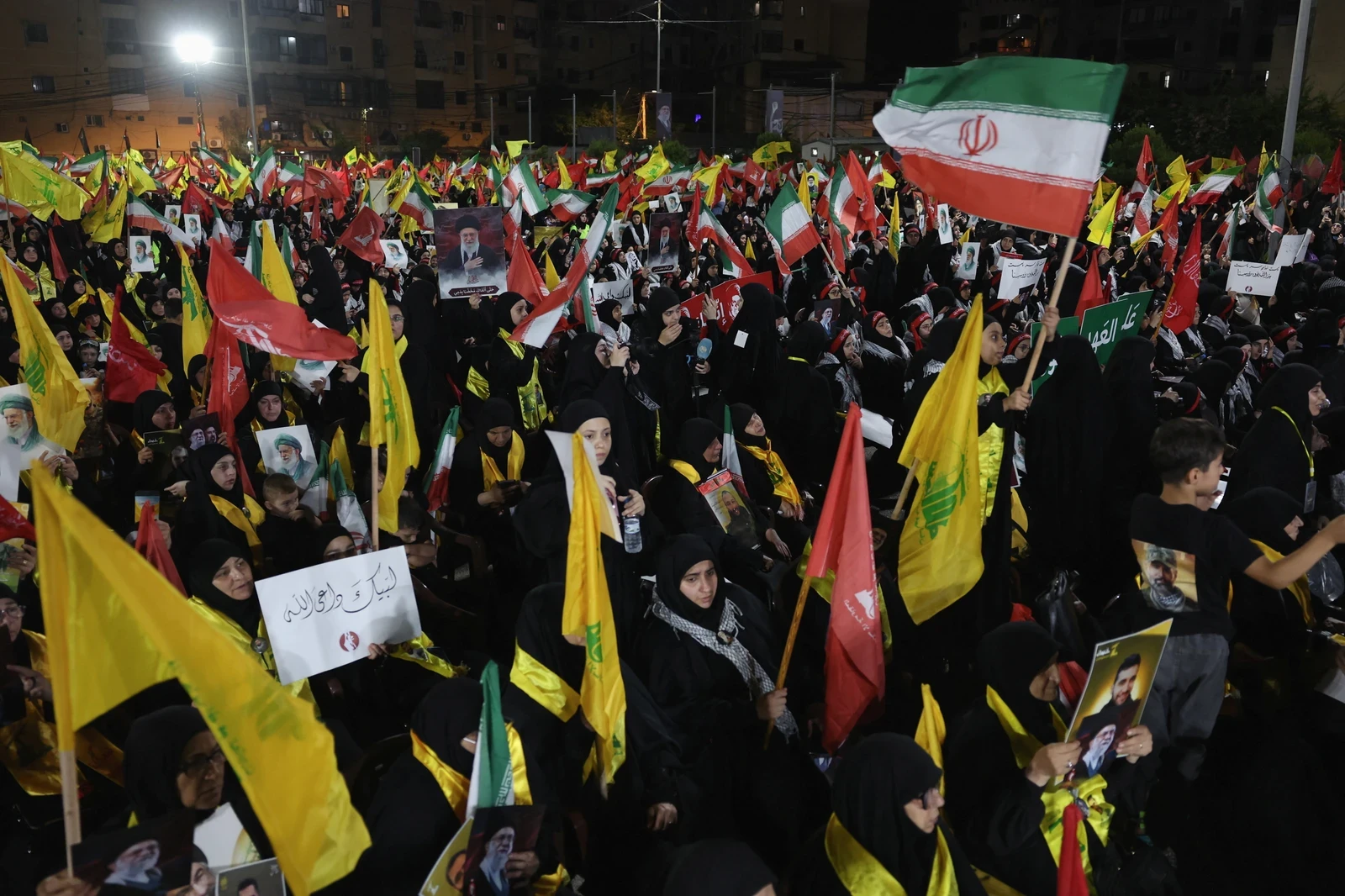
- Likely Hezbollah is continuing to rebuild military capabilities and prepare for possible renewed fighting with Israel, but the supplied reporting establishes readiness, not a decision to initiate a new exchange. A report citing Lebanese security personnel says Hezbollah spent three months preparing and received Iranian funding. Hezbollah has acknowledged that explosives seized by Lebanese authorities belonged to it and were intended for explosive drones. The central preparation account rests on one report, while Hezbollah’s acknowledgement provides a separate corroborating element. (Confidence: medium · ASSESSED)
- I&W: Lebanese authorities report another seizure of explosives or drone components linked to Hezbollah, with Hezbollah confirming ownership, supporting the readiness assessment. (0-14 days)
- I&W: A corroborated report identifies a Hezbollah drone launch or Israeli interception, breaking the assessment that the supplied reporting establishes preparation but not a new exchange. (0-14 days)
- Likely the Israel-Hezbollah stand-off will persist while their stated conditions remain opposed. Israeli Defence Minister Israel Katz said Israel controls about 700 square kilometres in southern Lebanon and will not withdraw before Hezbollah is disarmed throughout Lebanon. Hezbollah leader Naim Qassem has rejected disarmament while Israeli forces remain and called for their withdrawal. These statements establish a dispute over withdrawal and weapons, not an agreement to de-escalate. (Confidence: medium · ASSESSED)
- I&W: Israel announces a withdrawal or reduction of its deployment in southern Lebanon, or Hezbollah publicly accepts disarmament, breaking the assessment that the stated conditions remain opposed. (1-3 months)
- I&W: Israel reiterates that withdrawal depends on Hezbollah’s disarmament while Hezbollah again rejects disarmament during Israeli occupation, confirming the stand-off assessment. (0-14 days)
- Very likely Israeli forces maintained the Hebron lockdown through 29 October, its seventh consecutive day, after two Israeli soldiers were killed near the Telem settlement area. Reporting says Israeli forces closed Hebron’s entrances and exits, arrested at least 110 Palestinians between Friday and Wednesday, and isolated 12 villages and hamlets in Masafer Yatta. The arrest and displacement figures rely on reporting attributed to Palestinian organisations and local authorities. (Confidence: medium · REPORTED)
- I&W: Israeli authorities announce reopening of Hebron’s entrances or local reporting confirms that the lockdown has ended, breaking the assessment of a continuing closure. (0-14 days)
- I&W: The Palestinian Prisoners’ Club reports new arrests in Hebron or local authorities report continued isolation of Masafer Yatta communities, confirming continued restrictions. (0-14 days)
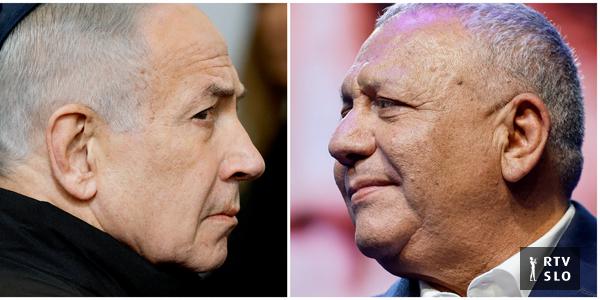
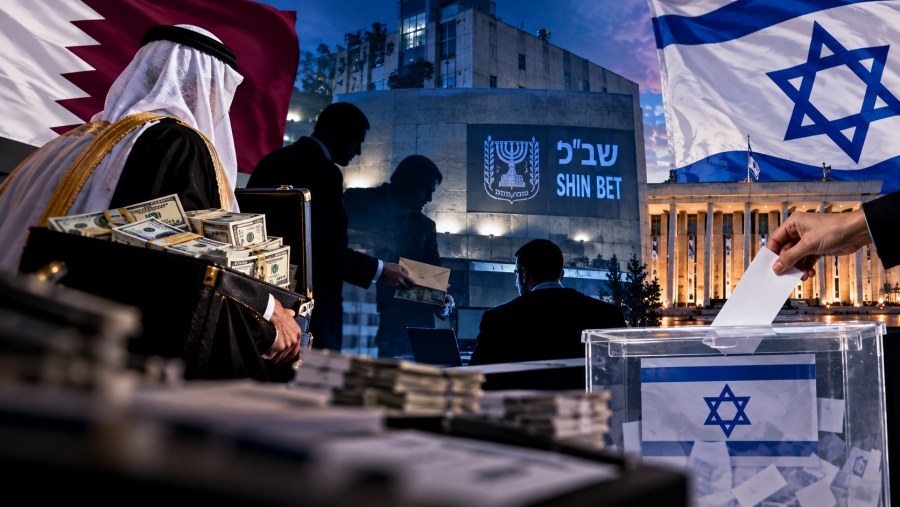
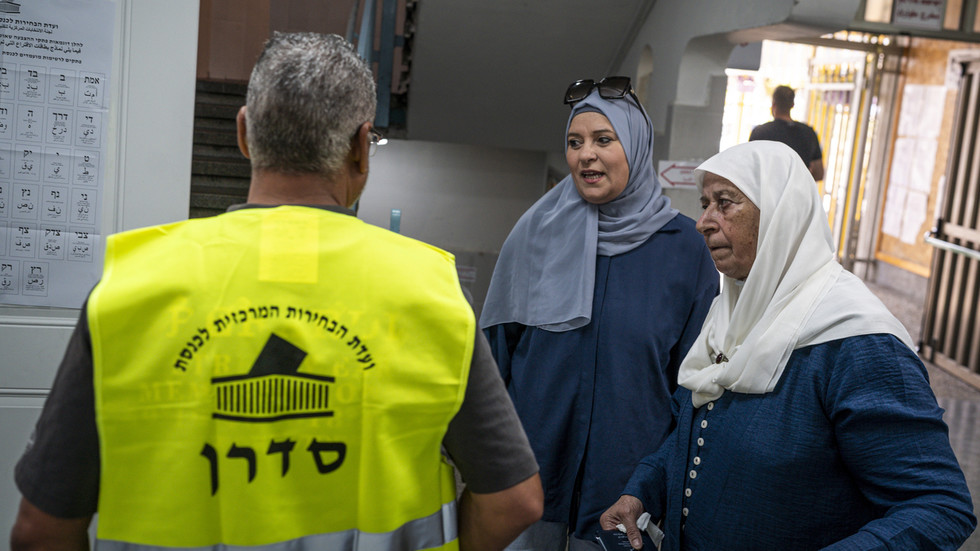
- Very likely the partial count of Israel’s 27 October election left both main blocs short of the 61 seats needed for a majority. Published tallies put Benjamin Netanyahu’s bloc at 53 seats, Gadi Eisenkot’s bloc at 48 and Arab parties at 19, with an estimated 430,000 to 480,000 double-envelope votes still outstanding. The broader Likud claim that Arab parties rigged the election was dismissed by police; separately, Central Elections Committee chairman Noam Sohlberg ordered a Shin Bet inquiry into suspected improper foreign funding. The inquiry had no reported findings, and Qatar denied interference. (Confidence: medium · REPORTED)
- I&W: The Central Elections Committee publishes final seat totals by 4 November, confirming or changing the reported 53, 48 and 19 seat counts. (0-14 days)
- I&W: The Shin Bet reports findings from its inquiry into suspected foreign funding, clarifying whether the investigation supports or rejects the allegations. (0-14 days)
- Unlikely the available reporting establishes that a US or Israeli strike on Iran is authorised or imminent. Israeli and US media reported that Netanyahu pressed Donald Trump for US involvement in fresh strikes before the 27 October election. This remains a single-report account and does not establish an approval, operational order or imminent action. (Confidence: low · ASSESSED)
- I&W: Trump or Netanyahu publicly announces an approved operation against Iran, breaking the assessment that authorisation or imminence is not established. (0-14 days)
- I&W: Trump and Netanyahu publicly deny an approved strike decision, with no official operation announcement by 30 November, confirming the assessment. (0-1 month)
Outlook & scenarios
Gaza violations remain episodic, Lebanon stays tense (62%)
Likely Israeli strikes and related casualties continue to be reported in Gaza without a formal end to the ceasefire. Israel maintains its southern Lebanon deployment and Hezbollah continues rebuilding, but neither side initiates a confirmed new exchange. Hebron restrictions persist in the near term.
A limited Israel-Hezbollah exchange (28%)
Unlikely but plausible, a Hezbollah drone or other cross-border attack is followed by an Israeli response in southern Lebanon. The exchange remains localised, while the parties continue to dispute Israeli withdrawal and Hezbollah disarmament.
Multi-front escalation (8%)
A low-probability, high-impact wildcard is an Israeli or US strike on Iran after the reported pre-election lobbying by Netanyahu. Hezbollah responds with explosive drones against Israeli positions, prompting Israeli strikes in Lebanon and a wider Israel-Hezbollah exchange.
Recommendations
- Maintain a Gaza incident log that separates the al-Mawasi strike from reports of multiple strikes. Record the source and update time for each casualty figure, and do not combine the initial medical-source toll with later Gaza government media office totals without explaining the difference.
- Track southern Lebanon daily for Israeli statements on the security zone, Hezbollah announcements, Lebanese authority reports of weapons seizures and independently corroborated launches or interceptions. Treat a confirmed Hezbollah launch or Israeli interception as a change from readiness reporting to active exchange.
- Monitor Hebron access and detention reports separately. Record changes to entrances and exits, arrest totals and the status of isolated Masafer Yatta communities rather than treating different displacement estimates as interchangeable.
- Follow the final Israeli election tally and the Shin Bet inquiry on separate tracks. Do not present local vote-buying allegations as proof of foreign interference, or the foreign-funding inquiry as a finding of election fraud.
- Keep the Iran strike report at low confidence. Seek corroboration of authorisation or operational direction before treating the reported Netanyahu-Trump discussions as evidence of imminent action.
Confidence & uncertainty
Overall confidence is high for the broad situation picture because the Gaza strike and ceasefire reporting includes accounts from medical sources and the Gaza government media office, partial Israeli election tallies are consistent across multiple outlets, and the Lebanon reporting combines security-source reporting with Hezbollah’s acknowledgement about seized explosives. Confidence is lower on the precise Gaza casualty toll, the outcome of the foreign-funding inquiry and Hezbollah’s operational intent. The Iran strike account rests on a single report and does not establish authorisation or imminence.
Intelligence gaps
- [EEI 1.1 · UNCOVERED] Number, type and geolocated coordinates of projectiles (rockets, mortars, anti-tank guided missiles) fired from Lebanon into Israel in the last 24/72 hours, including time-stamped launch and impact locations. Recommended collection: signals/intel
- [EEI 1.2 · UNCOVERED] Satellite or aerial imagery showing movement, concentration, or forward displacement of Hezbollah-associated military assets (armored vehicles, artillery pieces, mobile rocket launchers, logistics convoys) to positions within 0-10 km of the Israel-Lebanon border. Recommended collection: satellite/imagery
- [EEI 1.3 · UNCOVERED] Intercepted or captured Hezbollah command-and-control communications or orders explicitly directing cross-border operations or coordinated strikes with Palestinian groups (time-stamped messages, unit identifiers, orders to fire/move). Recommended collection: signals/intel
- [EEI 1.4 · UNCOVERED] Observable changes in Israeli northern-front posture within Israel (numbers and types of reinforcements deployed to northern brigades, activation of reserves, air defense redeployments, evacuation orders or shelter alerts in northern towns), including timestamps and unit IDs where available. Recommended collection: human/intel
- [EEI 2.1 · UNCOVERED] Official or corroborated reports of IDF reservist mobilization and unit-level deployment orders (number of reservists called, named brigades/units ordered to deploy, deployment timelines). Recommended collection: open-source/media
- [EEI 2.2 · UNCOVERED] Satellite or ground imagery showing concentrations of IDF heavy equipment (tanks, infantry fighting vehicles, engineering vehicles), staging areas, field hospitals or forward supply dumps within X km of the Gaza border and at known crossing points. Recommended collection: satellite/imagery
- [EEI 2.3 · PARTIAL] Change in strike patterns consistent with pre-ground-attack shaping: sustained high-frequency airstrikes on tunnel networks, command nodes, coastal launch sites, and known insurgent concentrations (strike counts, munition types, locations, times). Recommended collection: open-source/media
- [EEI 2.4 · UNCOVERED] Logistics indicators: verified convoys of fuel/ammunition entering staging areas, establishment of forward logistics or medical bases, or documented requisitioning orders for bulk combat supplies with timestamps and quantities. Recommended collection: human/intel
- [EEI 3.1 · UNCOVERED] Number, participants and content of diplomatic contacts or negotiation sessions in the last 48 hours involving mediators (Egypt, Qatar, US, UN), including any proposed ceasefire text, prisoner/exchange lists, timelines or verification mechanisms. Recommended collection: diplomatic
- [EEI 3.2 · UNCOVERED] Public statements, press releases or verified communiqués from Hamas and other Gaza armed groups specifying acceptance, rejection, or conditions for a ceasefire (explicit conditions such as prisoner release lists, withdrawal terms, lifting of blockades), with timestamps and speaker attribution. Recommended collection: open-source/media
- [EEI 3.3 · UNCOVERED] Humanitarian indicators relevant to ceasefire: establishment and operation of agreed humanitarian corridors/checkpoints, number of aid deliveries admitted, civilian evacuations completed, and NGO/hospital reports of access denials or safe-passage violations. Recommended collection: humanitarian/NGO reports
- [EEI 3.4 · UNCOVERED] Operational evidence of a de facto pause: verified sustained reduction (e.g., ≥12 hours) in strikes or launches from either side in specific sectors, supported by strike/impact logs, radar tracks and incident reports. Recommended collection: open-source/media
Red cell review: CONCUR WITH COMMENT
TLP:CLEAR