TLP:CLEAR · Disclosure is not limited.
Gaza operations persist; Lebanon front brittle amid early-July US, Iran flare-ups
Time window: Last 7 days · Audience: General analyst · Type: Situation report · DTG: 2026-07-10 13:20Z · Overall confidence: MEDIUM
BLUF
Israeli combat operations in Gaza are very likely ongoing, while the Israel, Lebanon front remains brittle with daily Resolution 1701 violations and periodic Israeli strikes. Early-July US, Iran kinetic activity likely elevates regional spillover risk even as Arab states press for restraint.
Executive summary
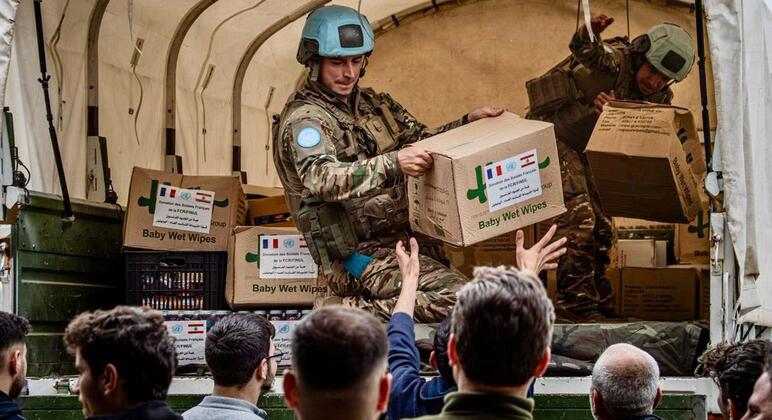
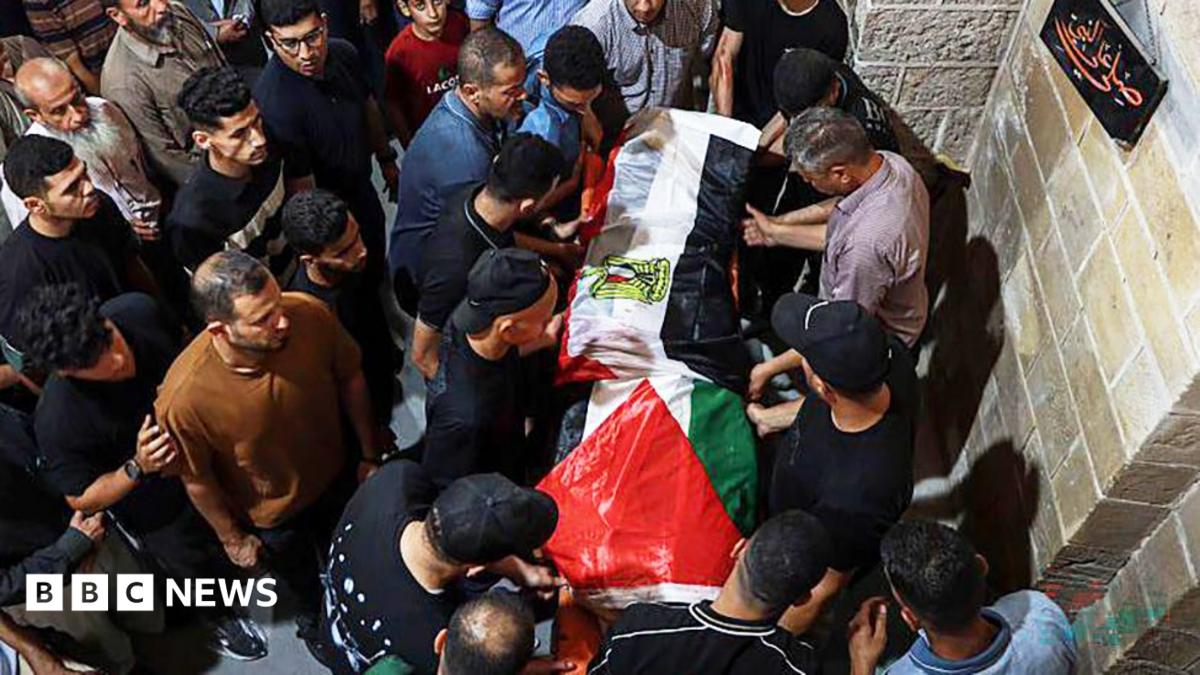
Major media and satellite reporting indicate Israeli forces continue expanding their area of control in Gaza, with 37 NASA thermal detections recorded on 9 July. Humanitarian access in Gaza likely remains constrained and hazardous, given IDF access controls, suspended aid operations and ambulance permissions in Al‑Shuja'iyya, and a high toll on aid workers, including a documented fatal strike on an aid worker in Gaza City. In Lebanon, UNIFIL notes reduced violence but daily breaches of Resolution 1701, while Israeli forces reportedly operate north of the Blue Line and Israeli jets have launched strikes in the south. Some displaced Lebanese are returning, but many residents remain unable to go back, and roughly 96,000 people are displaced from northern Israel. Regionally, two consecutive days of US strikes in Iran and Iranian fire at Bahrain and Kuwait in July, paired with IEA warnings, point to elevated escalation risk despite Egyptian and Gulf calls to contain tensions.
Change from previous assessment
Initial assessment of this topic for this run, with updates since the prior brief including: fresh NASA detections over Gaza on 9 July that support continued operations; additional reporting of Israeli air activity in southern Lebanon; and early-July US and Iranian strikes paired with regional calls for restraint, which refine the escalation outlook. Added a discrete judgment on elevated urban security risks in Lebanon and retained a cautious view on humanitarian access in Gaza with explicit indicators.
Key judgments
- Israeli combat operations in Gaza are very likely ongoing, with Israeli forces expanding their area of control and 37 satellite thermal detections recorded across the Strip on 9 July. (Confidence: high · ASSESSED)
- I&W: Sustained daily clusters of high-confidence satellite thermal detections across multiple districts of Gaza for 48-72 hours (0-14 days)
- I&W: A sustained fall to near-zero thermal detections across Gaza for 48-72 hours accompanied by official announcements of an operational pause (0-14 days)
- Humanitarian access and safety in Gaza likely remain constrained and hazardous, given IDF access controls in newly designated areas, suspended aid operations and ambulance access restrictions in Al‑Shuja'iyya, and the high toll on aid workers. (Confidence: medium · ASSESSED)
- I&W: Aid organisations publicly report denials or suspensions of movements into mapped control zones such as Al‑Shuja'iyya (0-14 days)
- I&W: IDF rescinds or relaxes the prior-notification requirement for humanitarian movements into controlled areas (1-3 months)
- A sustained cessation of cross-border hostilities in Lebanon is unlikely in the near term, despite some civilian returns, because UNIFIL records daily Resolution 1701 violations and Israeli operations and air strikes persist north of the Blue Line. (Confidence: medium · ASSESSED)
- I&W: Additional Israeli air or artillery strikes reported in southern Lebanon and continued daily 1701 violation reporting by UNIFIL (0-14 days)
- I&W: Verified pullback of Israeli forces to the Israeli side of the Blue Line and a documented two-week period without recorded 1701 violations (1-3 months)
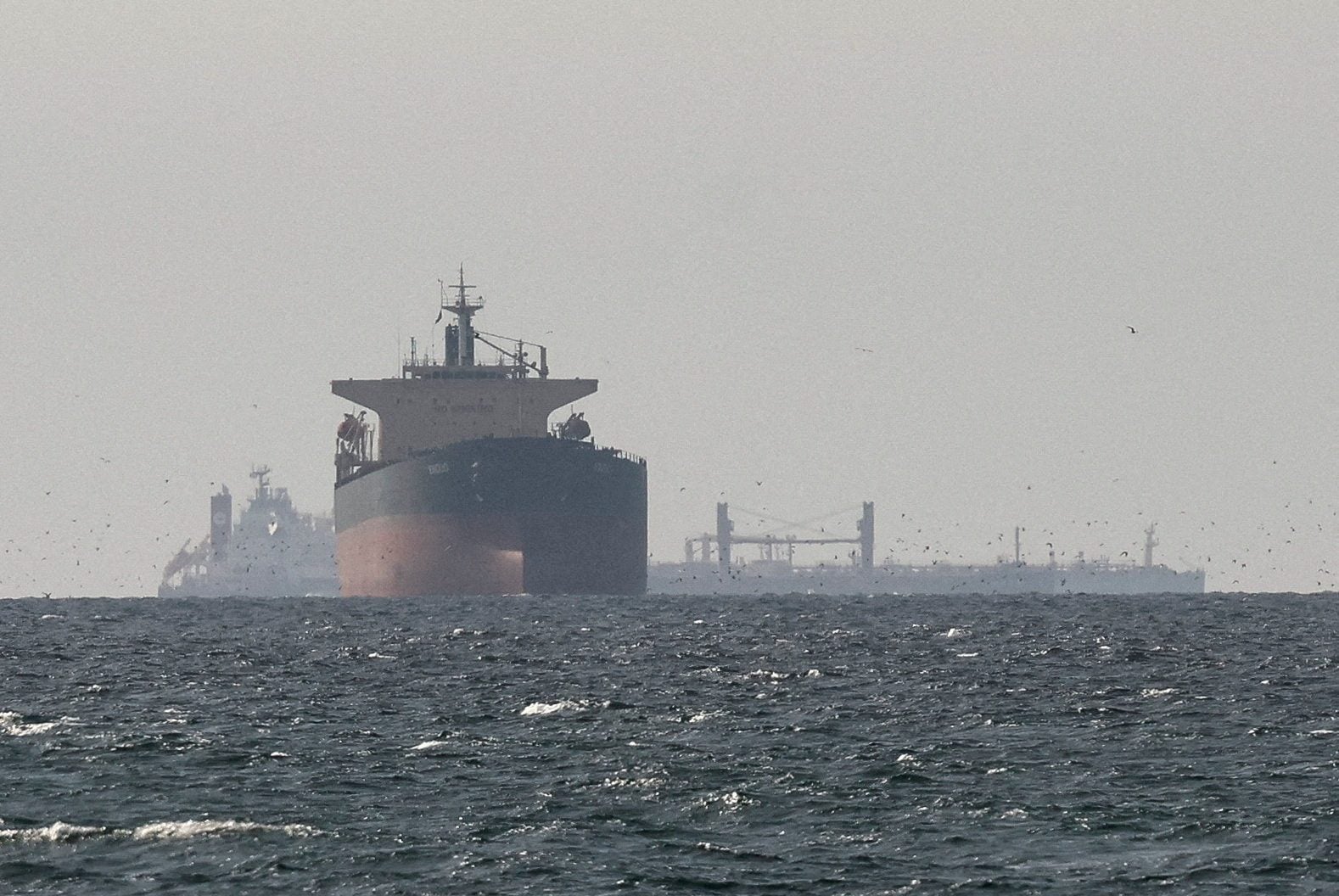
- Regional escalation risk is likely elevated this month, given consecutive US strikes in Iran and Iranian fire at Bahrain and Kuwait in July, despite Arab calls to contain tensions and energy-market warnings. (Confidence: medium · ASSESSED)
- I&W: New US or Iranian kinetic strikes or missile alerts reported in Gulf capitals (0-14 days)
- I&W: Publicly announced US, Iran de-escalation talks followed by a verifiable 14-day pause in strikes (1-3 months)
- Displacement pressures along the Israel, Lebanon frontier very likely remain high: about 96,000 people from northern Israel are displaced and many Lebanese residents remain unable to return to damaged areas, although some families are going back to the south. (Confidence: medium · ASSESSED)
- I&W: Municipal rolls in border communities continue to show large numbers registered outside home localities (1-3 months)
- I&W: Local authorities reopen schools and public services in evacuated Israeli and Lebanese border towns with return rates above 80 percent (1-3 months)
- Urban security risks in Lebanon, including Beirut, are very likely elevated, with potential for drone and missile strikes and continued terrorist plotting, while official assistance to citizens is constrained. (Confidence: high · REPORTED)
- I&W: Fresh security advisories warning of rocket, drone or bomb risks in Beirut or the Bekaa (0-14 days)
- I&W: Embassy relaxes movement restrictions for personnel across Lebanon (1-3 months)
Outlook & scenarios
Managed volatility without regionwide war (50%)
Israeli operations in Gaza continue at varying tempo and humanitarian access stays constrained in controlled zones. The Lebanon front sees recurring but contained violations of Resolution 1701 and occasional Israeli strikes, with UNIFIL still documenting daily breaches and movement impeded by debris and unexploded ordnance. The early-July US, Iran flare-up cools as Arab mediation presses containment, though energy-market sensitivity persists.
Northern flare-up (30%)
Cross-border violence between Israel and Hezbollah intensifies, triggered by renewed Israeli strikes in southern Lebanon and Hezbollah responses. UNIFIL records an uptick in daily violations north of the Blue Line, returns stall, and displacement grows on both sides of the frontier. Humanitarian access and stabilisation tasks in southern Lebanon slow as UXO clearance and security conditions degrade.
Regional spillover (20%)
US and Iranian forces resume tit-for-tat strikes, while allied capitals urge restraint with limited effect. Gulf security alerts rise and insurers price higher war-risk premiums. Hezbollah hardens its posture, Israeli operations continue in Gaza, and maritime and energy markets deteriorate in response to renewed kinetic activity.
Recommendations
- Maintain a daily GEOINT/OSINT watch on Gaza using NASA FIRMS to map heat clusters by district and cross-cue with IDF communiques and reliable media for attribution.
- Task collection to the Blue Line: compile UNIFIL public statements on Resolution 1701 breaches, geolocate reported Israeli strikes in southern Lebanon, and track open-source imagery for indications of force posture north of the Blue Line.
- Establish tripwires for US, Iran escalation: confirmed kinetic strikes by either side, missile alerts in Gulf capitals, and coordinated Arab diplomatic outreach, with immediate analytic notes on each trigger.
- Engage humanitarian partners operating in Gaza to document access denials or delays tied to prior-notification rules and ambulance permissions, and capture geotagged incident logs for trend analysis.
- Update displacement baselines for northern Israel and southern Lebanon and set thresholds for change in municipal return registrations to inform contingency planning.
- Refresh Lebanon country risk guidance for field teams: emphasise the potential for drone or missile strikes in Beirut, terrorist-plotting warnings, and the limited US government emergency support footprint.
- Develop a red-team assessment of how renewed US, Iran strikes would affect Israel, Hezbollah dynamics and humanitarian operations in southern Lebanon, with decision points for posture adjustments.
Confidence & uncertainty
Overall confidence is medium. Several key points rest on multiple high-reliability sources: major media reporting Israeli expansion in Gaza, NASA thermal detections, UNIFIL statements on daily Resolution 1701 violations, and official advisories detailing Lebanon’s security environment. Other elements, such as specific air activity in southern Lebanon and granular humanitarian access conditions in Gaza, draw on medium-confidence or single-outlet reporting and contain dated references. Early-July US, Iran strike claims are well sourced but the forward risk trajectory is inherently uncertain, warranting assessed rather than reported judgments.
Intelligence gaps
- [EEI 1.1 · PARTIAL] Number, type and geolocated coordinates of projectiles (rockets, mortars, anti-tank guided missiles) fired from Lebanon into Israel in the last 24/72 hours, including time-stamped launch and impact locations. Recommended collection: signals/intel
- [EEI 1.2 · UNCOVERED] Satellite or aerial imagery showing movement, concentration, or forward displacement of Hezbollah-associated military assets (armored vehicles, artillery pieces, mobile rocket launchers, logistics convoys) to positions within 0–10 km of the Israel-Lebanon border. Recommended collection: satellite/imagery
- [EEI 1.3 · UNCOVERED] Intercepted or captured Hezbollah command-and-control communications or orders explicitly directing cross-border operations or coordinated strikes with Palestinian groups (time-stamped messages, unit identifiers, orders to fire/move). Recommended collection: signals/intel
- [EEI 1.4 · PARTIAL] Observable changes in Israeli northern-front posture within Israel (numbers and types of reinforcements deployed to northern brigades, activation of reserves, air defense redeployments, evacuation orders or shelter alerts in northern towns), including timestamps and unit IDs where available. Recommended collection: human/intel
- [EEI 2.1 · UNCOVERED] Official or corroborated reports of IDF reservist mobilization and unit-level deployment orders (number of reservists called, named brigades/units ordered to deploy, deployment timelines). Recommended collection: open-source/media
- [EEI 2.2 · PARTIAL] Satellite or ground imagery showing concentrations of IDF heavy equipment (tanks, infantry fighting vehicles, engineering vehicles), staging areas, field hospitals or forward supply dumps within X km of the Gaza border and at known crossing points. Recommended collection: satellite/imagery
- [EEI 2.3 · PARTIAL] Change in strike patterns consistent with pre-ground-attack shaping: sustained high-frequency airstrikes on tunnel networks, command nodes, coastal launch sites, and known insurgent concentrations (strike counts, munition types, locations, times). Recommended collection: open-source/media
- [EEI 2.4 · PARTIAL] Logistics indicators: verified convoys of fuel/ammunition entering staging areas, establishment of forward logistics or medical bases, or documented requisitioning orders for bulk combat supplies with timestamps and quantities. Recommended collection: human/intel
- [EEI 3.2 · UNCOVERED] Public statements, press releases or verified communiqués from Hamas and other Gaza armed groups specifying acceptance, rejection, or conditions for a ceasefire (explicit conditions such as prisoner release lists, withdrawal terms, lifting of blockades), with timestamps and speaker attribution. Recommended collection: open-source/media
- [EEI 3.4 · PARTIAL] Operational evidence of a de facto pause: verified sustained reduction (e.g., ≥12 hours) in strikes or launches from either side in specific sectors, supported by strike/impact logs, radar tracks and incident reports. Recommended collection: open-source/media
Cited sources
[1] npr.org · Israel expands its control of Gaza (A) · sha256:fbcd6bc6d77e [2] NPR · 9 months into ceasefire, areas of Gaza are threatened by Israel's expanding control (A) · sha256:e7d00a4cd730 [3] NASA · NASA FIRMS thermal detections — Gaza (2d) (A) · sha256:7e4d451ca016 [4] npr.org · Shelling at night, gunfire by day in Israel's expanding zone of control in Gaza (A) · sha256:86e1fcccf911 [5] bbc.co.uk · Palestinians mourn Gaza World Cup screenings organiser killed in Israeli strike (A) · sha256:cf9193005290 [6] United Nations · Grim homecoming: Devastation greets Lebanon’s war-weary returnees (A) · sha256:d573f0df6555 [7] TeleSUR English · Lebanon | Israeli regime launches new waves of attacks in southern region (B) · sha256:511b090dab2d [8] ynetnews.com · How a push to disarm Hezbollah is deepening divisions in Lebanon, raising fears of civil war (B) · sha256:e6b05bfee443 [9] gcaptain.com · UAE’s Oil Output Surged to Record High in June, IEA Says (B) · sha256:1175802f246c [10] aljazeera.com · US-Iran escalation threatens oil supply recovery, warns IEA (A) · sha256:b2588a359603 [11] Wikipedia · Hezbollah–Israel conflict (2023–present) (B) · sha256:aa6823bcd46f [12] U.S. Department of State · Lebanon Travel Advisory | Travel.State.gov (A) · sha256:a9c302d69f7c
Source content hashes were computed at collection time; the cited text is preserved unmodified for the life of this product.
TLP:CLEAR