TLP:CLEAR · Disclosure is not limited.
Gulf escalation: Iran targets Kuwait and Bahrain as U.S. hits Iran after tanker attack; Hormuz risk elevated
Time window: Last 1 day · Audience: General analyst · Type: Situation report · DTG: 2026-06-28 10:14Z · Overall confidence: MEDIUM
BLUF
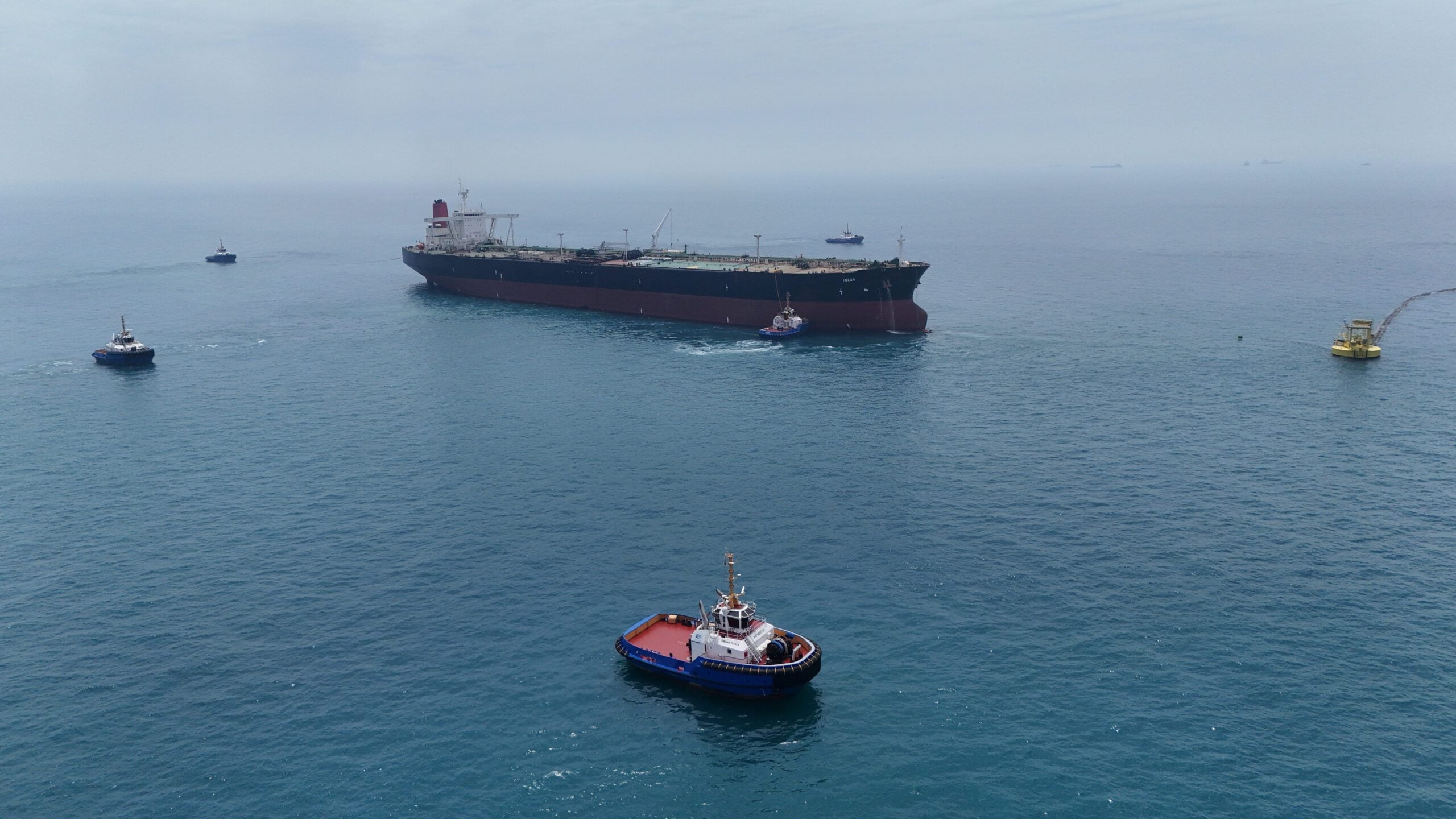
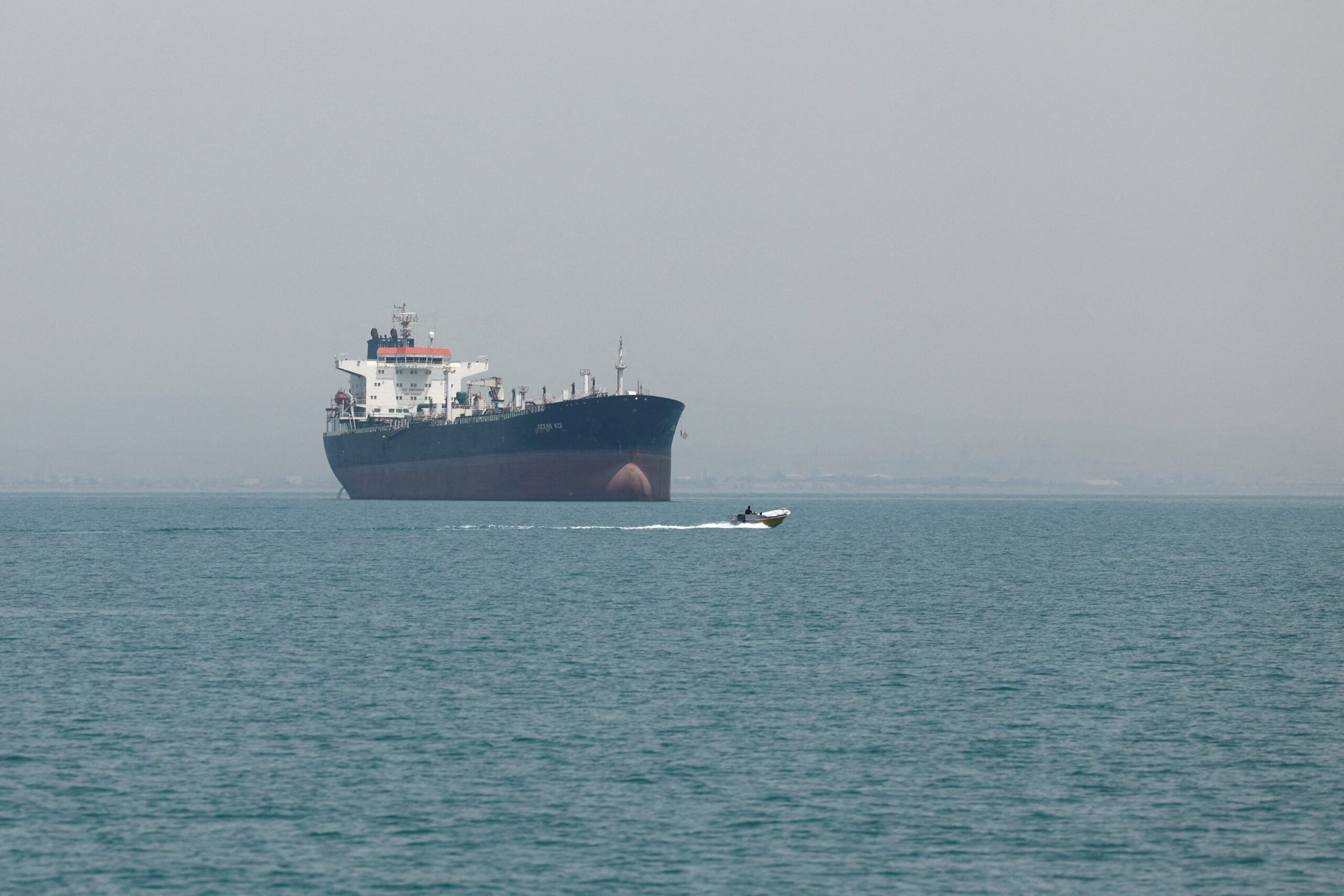
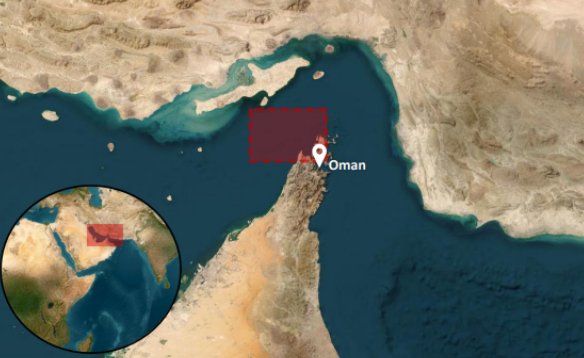
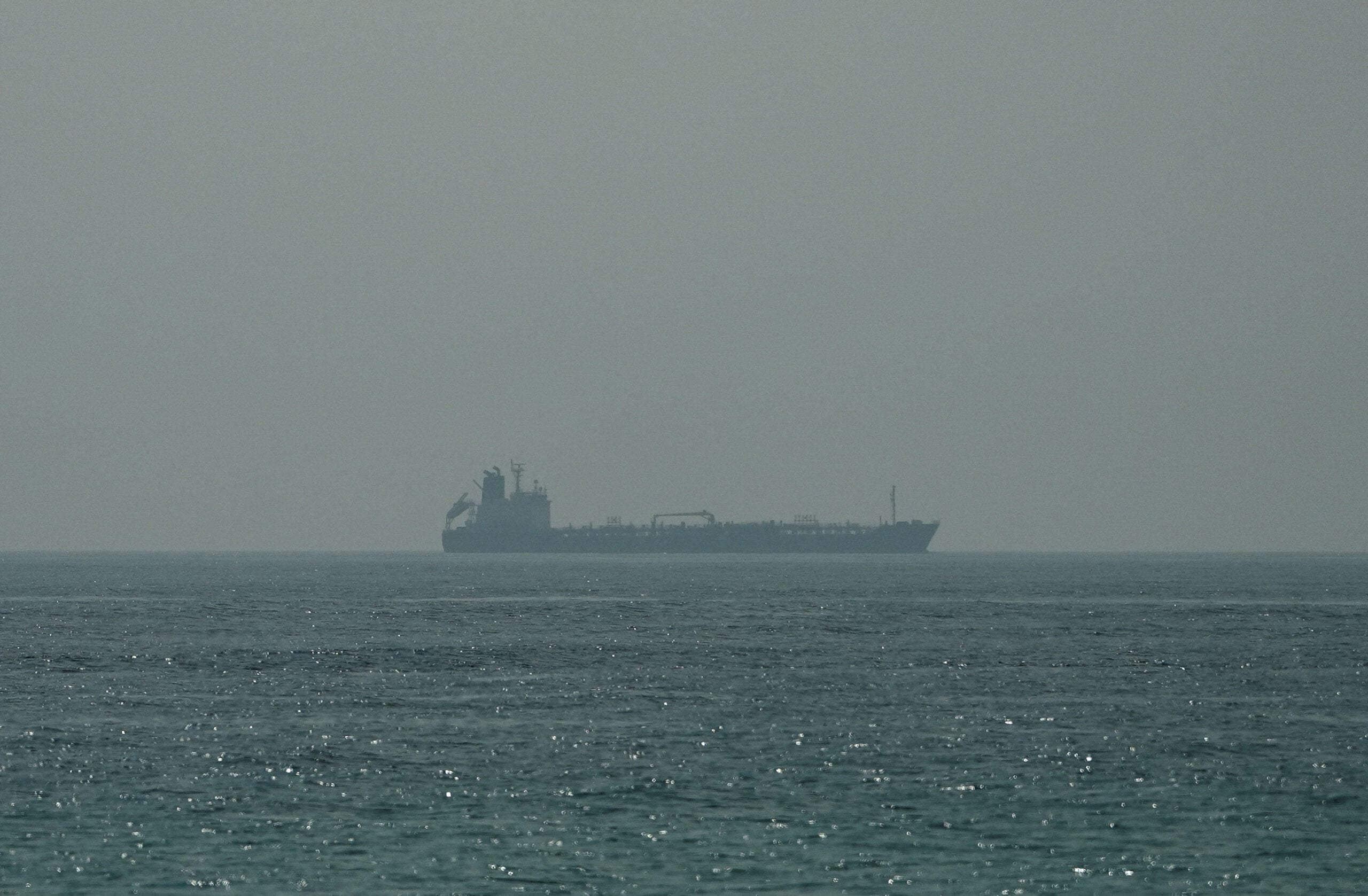
Iran very likely launched missiles and drones at U.S.-linked sites in Kuwait and Bahrain after U.S. strikes on Iranian targets that followed a drone attack on a Panama‑flagged tanker in the Strait of Hormuz. Maritime risk in Hormuz is elevated, with the threat level raised and Iran enforcing routing, while shipping flows are uneven.
Executive summary
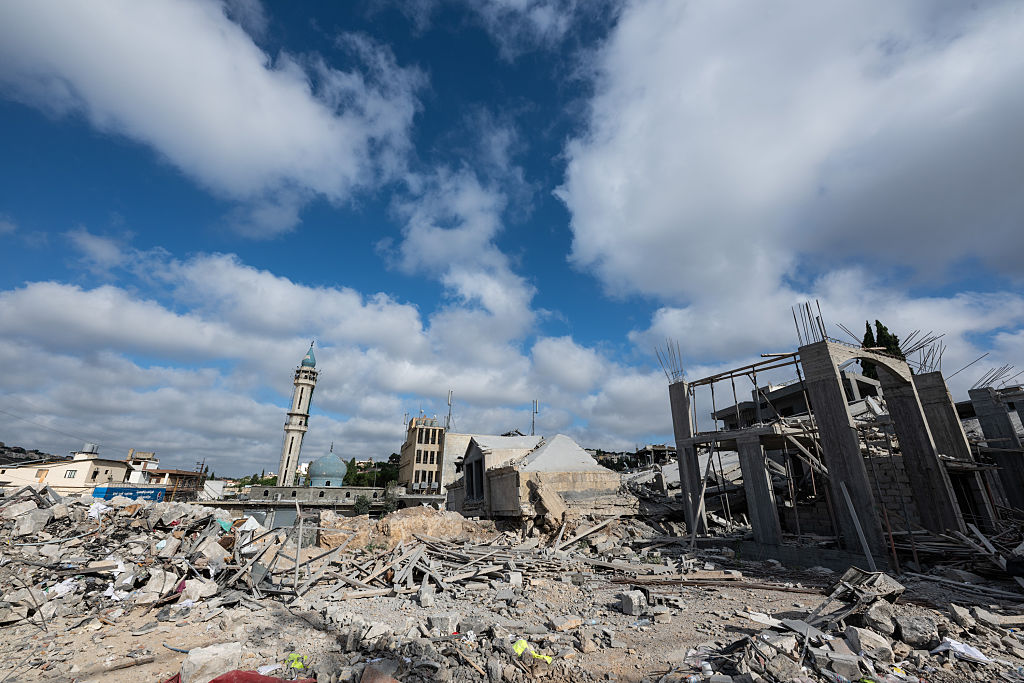
On 28 June, CENTCOM reported strikes on 10 Iranian military targets in and near the Strait of Hormuz following an Iranian drone attack on a Panama‑flagged tanker. Iran very likely responded by launching missiles and drones at U.S.-linked sites in Kuwait and Bahrain, with Kuwaiti air defences intercepting inbound threats and Bahrain reporting limited structural damage and air‑raid sirens. The maritime threat level in the Strait of Hormuz was raised to substantial amid reports of mines, paused UN‑facilitated evacuations, and Iranian enforcement of preferred sea lanes, even as some commercial transits resumed. Tehran and Washington publicly accuse each other of breaching an interim understanding, indicating the ceasefire framework is functionally collapsed. In parallel, Israel conducted a drone strike in Lebanon’s Nabatiyeh, and Hezbollah supporters protested in Beirut against the U.S., Israel, Lebanon agreement, signalling continued friction on the northern front.
Change from previous assessment
Since the prior brief, Iran has very likely launched missiles and drones at U.S.-linked sites in Kuwait and Bahrain, with Kuwaiti intercepts and limited damage in Bahrain reported. A Panama‑flagged tanker was almost certainly hit by an Iranian drone, and CENTCOM reported strikes on ten Iranian military targets in and near Hormuz in response, the second round since the interim understanding. The JMIC raised the threat level in Hormuz to substantial, UN‑facilitated ship evacuations were paused, and Iran enforced routing with warning shots, although some commercial transits resumed. On the northern front, an Israeli drone strike in Nabatiyeh and Hezbollah protests in Beirut reinforced our view that friction persists despite diplomatic frameworks. Accordingly, we elevate the assessment of an ongoing reciprocal U.S., Iran exchange from likely to very likely and maintain that the ceasefire framework is functionally collapsed.
Key judgments
- Almost certainly: An Iranian drone attacked a Panama‑flagged tanker in the Strait of Hormuz on 28 June, damaging the vessel and triggering U.S. retaliation. (Confidence: high · REPORTED)
- I&W: Publication of damage imagery and incident reports by flag state or operator confirming drone impact and timeline. (0-14 days)
- I&W: Independent technical assessments attributing the strike to a non‑Iranian source or mechanical failure. (0-1 month)
- Very likely: U.S. forces conducted strikes on 10 Iranian military targets in and near the Strait of Hormuz on 28 June in response to the tanker attack, the second round since the interim understanding. (Confidence: high · REPORTED)
- I&W: CENTCOM releases battle damage imagery or target set details consistent with strikes on ten sites. (0-14 days)
- I&W: Third‑party satellite imagery shows no attributable damage at reported target locations. (1-3 months)
- Very likely: Iran launched missiles and drones at U.S.-linked sites in Kuwait and Bahrain on 28 June; Kuwaiti air defences intercepted inbound threats and Bahrain reported limited structural damage and nationwide sirens. (Confidence: high · REPORTED)
- I&W: Kuwait or Bahrain publish intercept debris analysis or imagery linking remnants to Iranian systems. (0-14 days)
- I&W: GCC governments issue retractions or deny inbound launches after technical review. (0-14 days)
- Likely: The interim ceasefire or memorandum framework is functionally collapsed, with reciprocal U.S., Iran strikes and both sides asserting the other violated the deal. (Confidence: medium · ASSESSED)
- I&W: Public suspension or abrogation of the understanding by Washington or Tehran, or recall of negotiating teams. (0-14 days)
- I&W: Verified halt to cross‑border strikes for two consecutive weeks and joint statements reaffirming terms. (1-3 months)
- Likely: The maritime threat environment in the Strait of Hormuz is elevated, with the threat level raised to substantial, an assessed presence of at least 80 mines in TSS lanes, Iranian enforcement including warning shots and insistence on authorisation, and UN‑facilitated evacuations paused despite some commercial transits resuming. (Confidence: medium · ASSESSED)
- I&W: JMIC maintains substantial or raises the threat level, or new mine encounters are reported in the TSS. (0-30 days)
- I&W: UN‑led evacuation convoys resume and sustained multi‑vessel south‑corridor transits occur without incident for two weeks. (1-3 months)
- Likely: Iran will expand target selection to include U.S.-linked sites in the UAE, keeping the terrorism and armed conflict risk in the Emirates elevated. (Confidence: medium · ASSESSED)
- I&W: UAE authorities report intercepts or attacks on facilities associated with U.S. presence or logistics. (0-1 month)
- I&W: Tehran publicly rescinds its UAE targeting rhetoric and establishes a deconfliction mechanism with Abu Dhabi. (1-3 months)
- Likely: The Israel, Hezbollah front will remain active despite diplomatic frameworks, as indicated by an Israeli drone strike in Nabatiyeh and Hezbollah‑organised protests in Beirut. (Confidence: medium · ASSESSED)
- I&W: Additional Israeli strikes reported in southern Lebanon or Hezbollah fire across the Blue Line. (0-30 days)
- I&W: Reported cessation of airstrikes and armed actions for two consecutive weeks verified by UN observers. (1-3 months)
Outlook & scenarios
Controlled tit‑for‑tat in the Gulf (60%)
U.S. continues targeted strikes on Iranian military infrastructure tied to maritime attacks, while Iran replies with limited missiles and drones against U.S.-linked sites in Kuwait and Bahrain. Air defences blunt most inbound threats, commercial transits resume intermittently, and the JMIC threat level remains substantial. Diplomatic messaging focuses on blame rather than de‑escalation.
Wider GCC escalation, including the UAE (35%)
Tehran expands its target set to U.S.-associated sites in the UAE, prompting further U.S. force protection measures and potential evacuations. Shipping faces additional disruption from stricter Iranian routing enforcement and mine risk, with insurers tightening cover and UN‑facilitated movements remaining suspended.
Patchwork de‑escalation (20%)
Backchannel contacts partially restore elements of the interim understanding. Cross‑border strikes pause, UN‑facilitated evacuations restart, and commercial flows stabilise on the southern corridor. Public rhetoric remains accusatory, and the arrangement is fragile.
Northern front flare‑up distracts from Hormuz (25%)
Israeli operations against Hezbollah in southern Lebanon intensify, drawing regional and media focus northward. Gulf exchanges slow but do not cease, leaving Hormuz risk elevated while decision‑makers prioritise Lebanon and the Israel, Iran proxy theatre.
Recommendations
- Direct collection against Iranian coastal surveillance, air defence, drone storage and minelayer facilities named by CENTCOM to validate battle damage and remaining capacity. Prioritise time‑dominant satellite passes and ELINT.
- Task liaison teams to obtain Kuwaiti and Bahraini air defence intercept data and debris analysis to confirm system types and engagement performance.
- Issue updated maritime guidance to U.S.‑linked operators transiting Hormuz that reflects the JMIC substantial threat level, reported mines, and Iran’s routing enforcement. Emphasise AIS discipline, south‑corridor routing and immediate reporting of incidents to UKMTO.
- Coordinate with UN maritime channels on conditions to restart evacuation convoys and map alternative staging points if pauses persist.
- Pre‑position or coordinate access for mine countermeasure assets and unmanned survey in the TSS lanes where at least 80 mines are assessed.
- Raise force protection postures at U.S.-associated facilities in the UAE and refresh dispersal and hardening plans consistent with recent evacuation orders and Iranian targeting statements.
- Establish a rapid deconfliction contact protocol with Gulf partners covering siren activation, NOTAMs and maritime safety warnings to reduce latency between attack and public guidance.
- Monitor Lebanese and Israeli reporting for repeat IDF UAV strikes or Hezbollah fire around Nabatiyeh and adjacent sectors, and assess spillover risk to U.S. diplomatic and military footprints in Lebanon.
Confidence & uncertainty
Multiple key events rest on high‑reliability reporting from CENTCOM statements and major media, including the Iranian drone attack on a Panama‑flagged tanker, U.S. strikes on Iranian targets, and Iranian launches toward Kuwait and Bahrain. Maritime risk elevations and Iranian routing enforcement are also supported by official and widely cited sources. Confidence is moderated to medium by timeline inconsistencies across some claims, uneven operational reporting on shipping flows versus paused evacuations, and duelling U.S., Iran narratives over the status of the interim understanding, which leave elements of intent and durability uncorroborated.
Alternative analysis (red cell)
The available reporting documents multiple kinetic events and elevated tensions around 28 June, but key attributions (e.g., "Iranian drone" for the tanker strike), the claimed mine count, the functional collapse of the MOU, and forecasts of UAE targeting rely on limited, sometimes single‑source or declaratory reporting without independent forensic, ISR, or diplomatic corroboration. A more cautious analytic posture is that violence and reciprocal strikes have occurred and the regional and maritime threat environment is elevated, while many stronger attribution and forecasting claims remain plausible hypotheses requiring further collection to confirm.
Intelligence gaps
- [EEI 1.1 · UNCOVERED] Movement, dispersal, or emplacement of Iranian conventional or IRGC heavy assets (ballistic missile launchers, Khoramshahr/Toofan-class missile transporters, ground-to-ground TELs, air defense batteries, amphibious units) from garrison areas toward forward bases or coastal launch sites. Recommended collection: satellite/IMINT
- [EEI 1.2 · PARTIAL] Authenticated Iranian military orders, NSC/IRGC operations directives, or senior leadership statements explicitly directing strikes against Israel or U.S. forces or authorizing cross-border operations. Recommended collection: human/diplomatic
- [EEI 2.1 · UNCOVERED] Observable pre-launch preparations for missile/rocket/cruise missile strikes (fueling, warhead mating, launcher orientation, support vehicle congregation) and abnormal munitions handling at known launch sites. Recommended collection: satellite/IMINT
- [EEI 2.2 · PARTIAL] Indications of proxy arms shipments and weapons transfers (truck convoys, small boat transfers, container movements from Iran to proxies, new stockpiles in Lebanon, Iraq, Yemen, Syria). Recommended collection: maritime/AIS
- [EEI 2.3 · UNCOVERED] Evidence of cyber attack planning or active exploitation campaigns targeting Israeli or U.S. military/critical infrastructure (emergence of new command-and-control servers, spear-phishing campaigns against defense personnel, successful intrusions). Recommended collection: cyber
- [EEI 3.1 · PARTIAL] Movements and posture changes of U.S. regional platforms (carrier strike groups, amphibious ready groups, B-52/B-1/B-2 or fighter deployments, missile defense assets repositioning) and associated armament loadouts. Recommended collection: satellite/IMINT
- [EEI 4.2 · PARTIAL] Houthi-attributed maritime attack indicators: AIS anomalies/loss of contact for commercial vessels, reports of missile/drone strikes or near-miss incidents in Bab al-Mandeb/Red Sea, Houthi claims paired with imagery of weapons launches. Recommended collection: maritime/AIS
- [EEI 4.3 · PARTIAL] Militia cross-border attack evidence from Iraq/Syria: recorded rocket/mortar launch events into Israel or strikes against U.S. facilities, movement of armed convoys toward border areas, and intercepted communications coordinating cross-border operations. Recommended collection: signals/ELINT
Cited sources
[1] gcaptain.com · US Carries Out Fresh Strikes Against Iran After Tanker Struck In Hormuz, Escalating Hostilities (B) · sha256:d0a1e8160079 [2] gcaptain.com · Tanker Struck In Hormuz As Navies Raise Threat Level To Ships (A) · sha256:c73f73118763 [3] gcaptain.com · Second Tanker Struck in Strait of Hormuz as U.S.-Iran Shipping Crisis Deepens (B) · sha256:73a0fc5a90df [4] maritime-executive.com · Tanker Struck by Drone off Oman and the US Again Responds with New Strkes (B) · sha256:b8b2d6d9d5bc [5] haaretz.com · Iran targets Gulf after U.S. launches overnight strikes in response to Hormuz attack (A) · sha256:685e928b773f [6] The Guardian · Donald Trump threatens to annihilate Iran after crossfire over Hormuz – Middle East crisis live (A) · sha256:1d01382dd8d3 [7] Wikipedia · 2026 Iran war (B) · sha256:de592d0d6c88 [8] jpost.com · Bahrain condemns Iran's 'systematic pattern of aggression,' calls on UN to hold Tehran accountable (B) · sha256:3af9a2203838 [9] insurancejournal.com · Bahrain Targeted, Ship Struck as Iran War Ceasefire Tested (A) · sha256:77fbafb20d78 [10] understandingwar.org · Iran Update Special Report, June 27, 2026 (C) · sha256:1792e1dea449 [11] United Nations · From Lebanon to the Strait of Hormuz, a Middle East hanging on fragile peace talks (A) · sha256:d0d950f95951 [12] gcaptain.com · Vitol Sails Stranded Aluminum Cargo Out Of Strait Of Hormuz (B) · sha256:a6664b4bb3a8 [13] U.S. Department of State · United Arab Emirates Travel Advisory (A) · sha256:7a0c71f2991b [14] The Jerusalem Post · Live Updates: Latest from Israel, Iran, and Middle East | The Jerusalem Post (A) · sha256:a93f1e5fb65c
Source content hashes were computed at collection time; the cited text is preserved unmodified for the life of this product.
Red cell review: PARTIAL DISSENT
TLP:CLEAR