TLP:CLEAR · Disclosure is not limited.
Gulf escalation lifts Iran-Israel confrontation risk and strains Hormuz shipping
Time window: Last 1 day · Audience: General analyst · Type: Situation report · DTG: 2026-07-15 07:50Z · Overall confidence: LOW
BLUF
US-Iran exchanges have widened to Iranian missile and drone fire into Jordan and Bahrain and to attacks on two UAE-linked tankers, while Israel continues strikes in Gaza. The Strait of Hormuz is operating under severe risk with degraded throughput. A direct Iran-Israel exchange remains a live risk, though no strike on Israeli territory is reported.
Executive summary
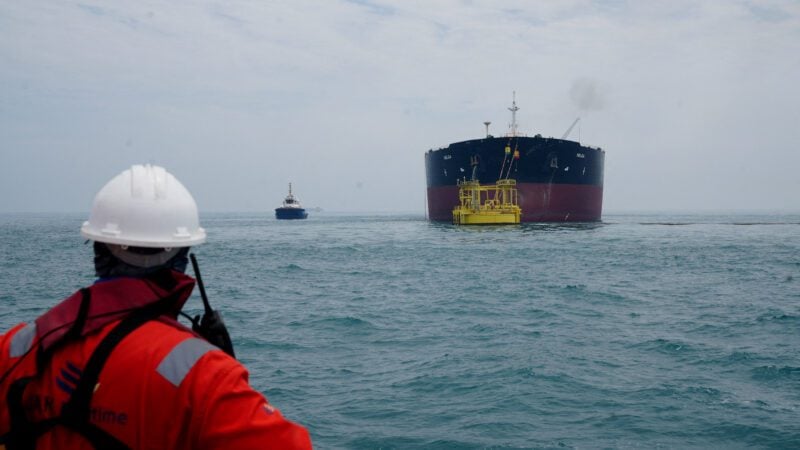
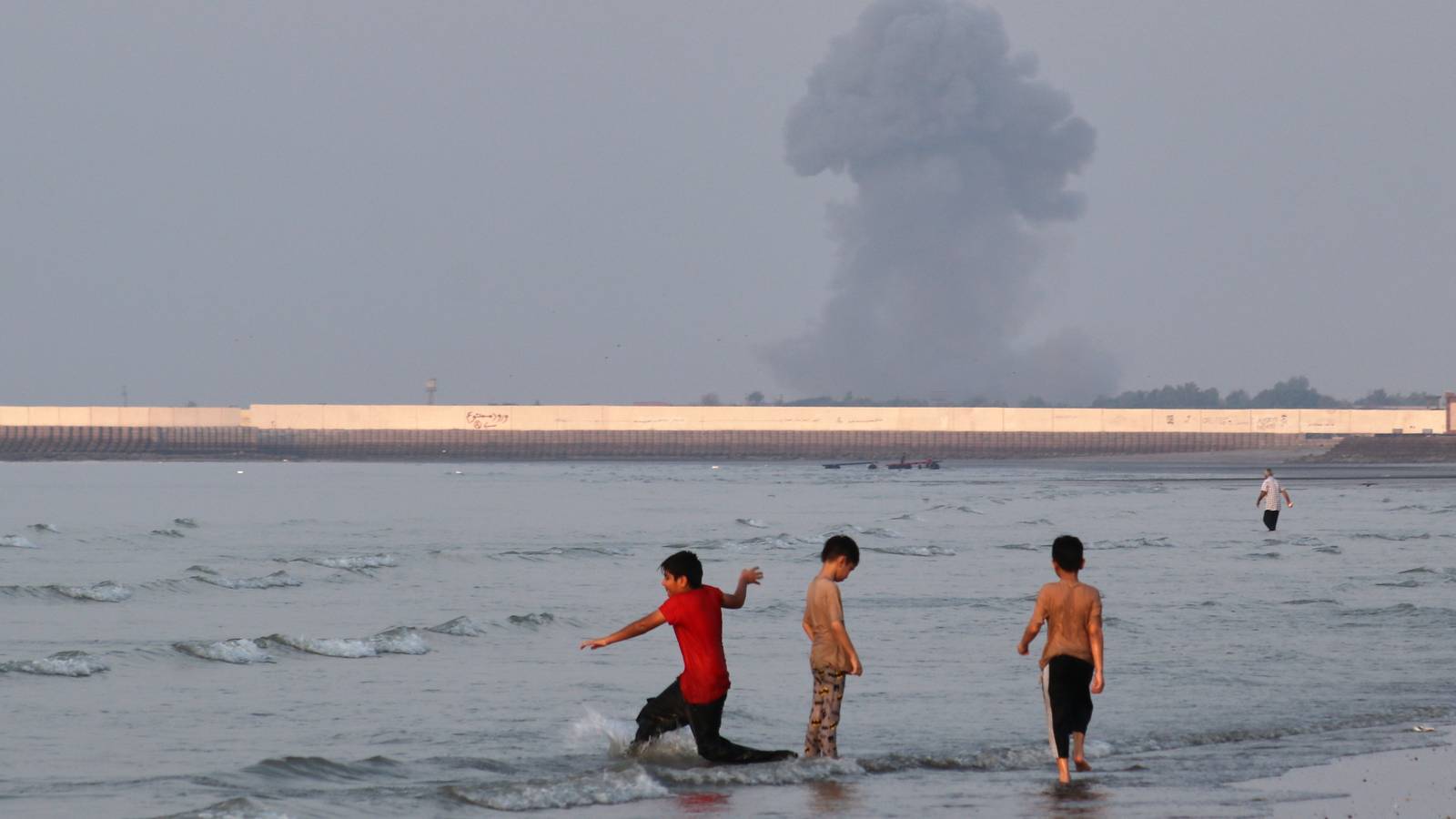
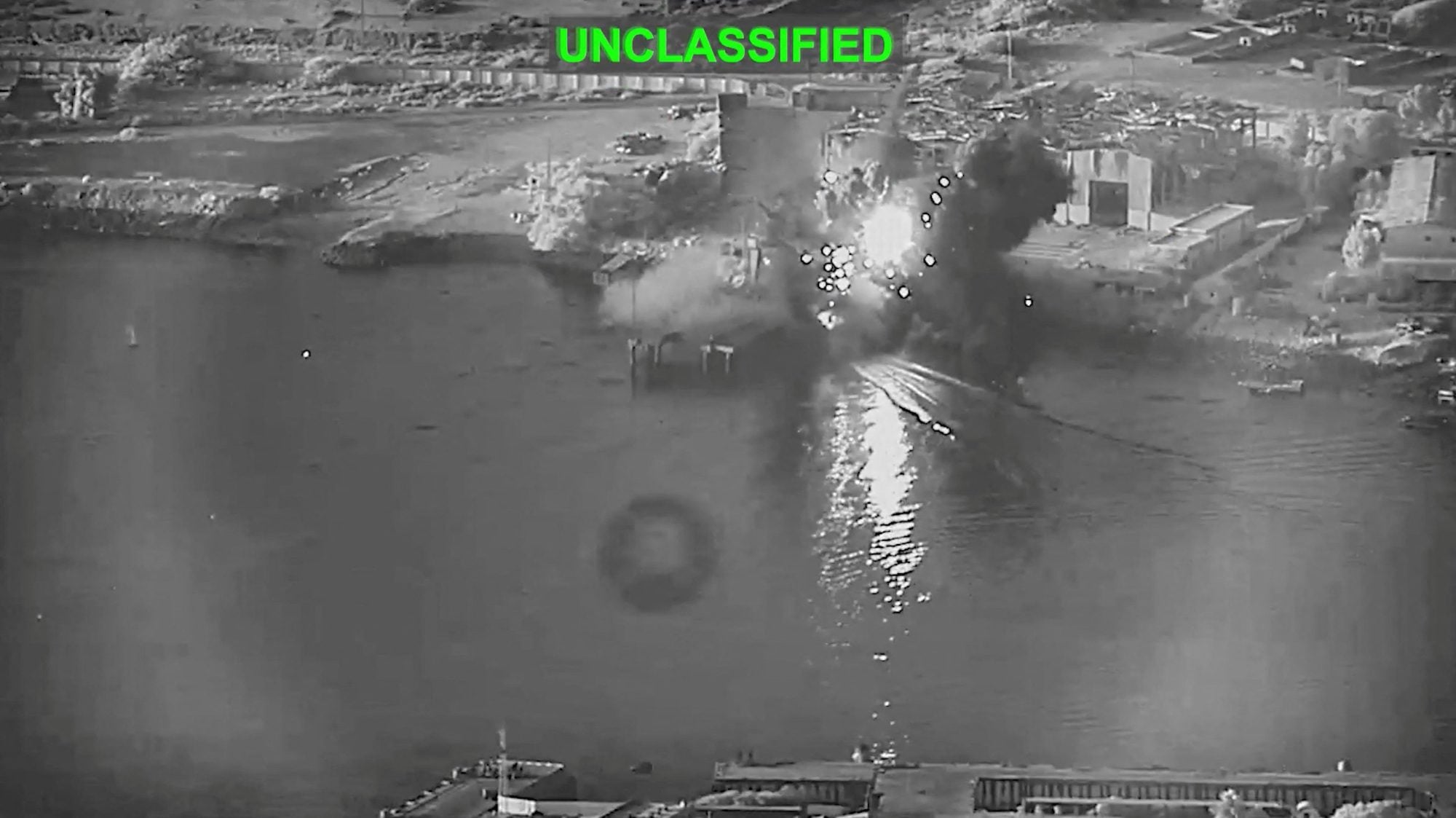
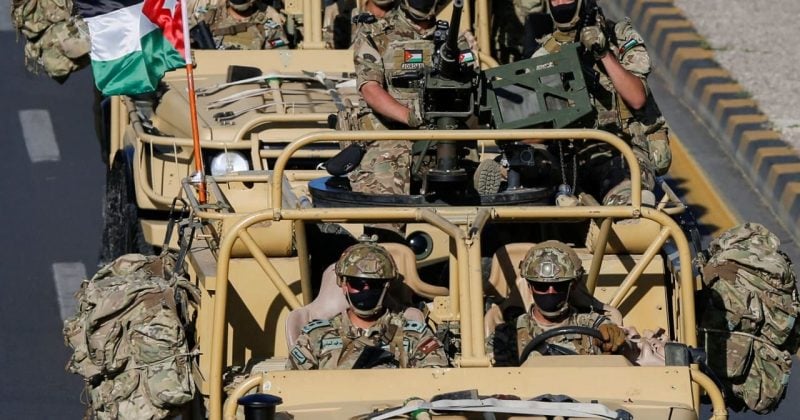
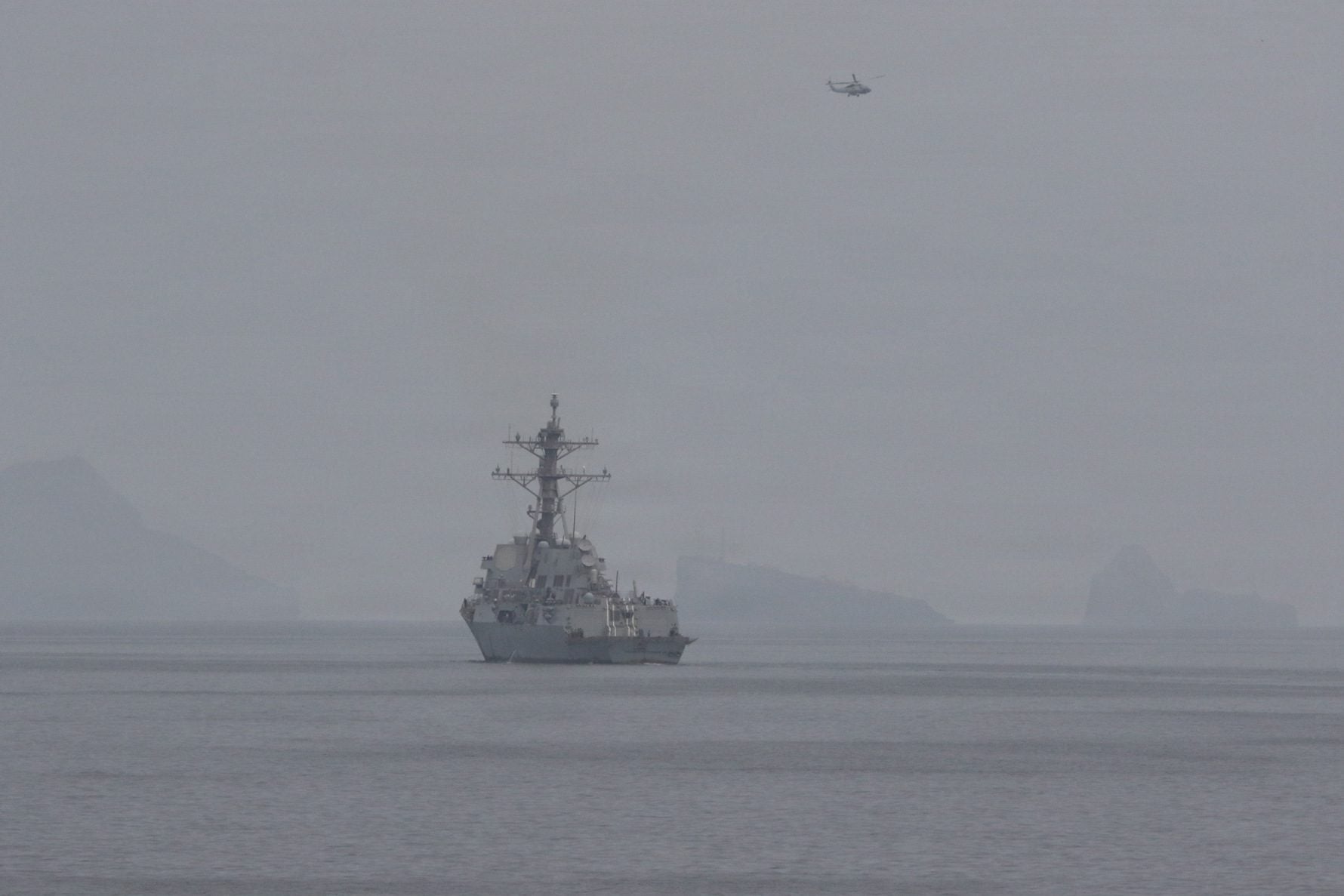
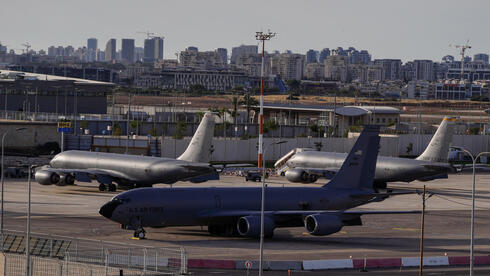
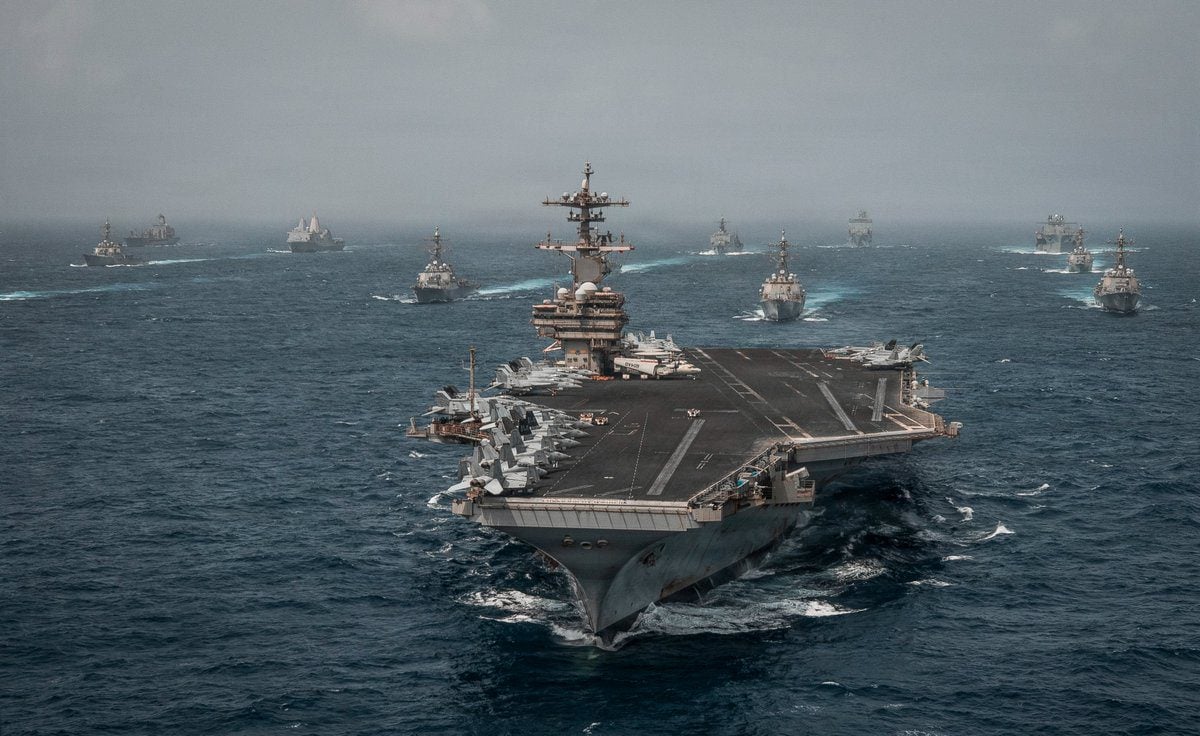
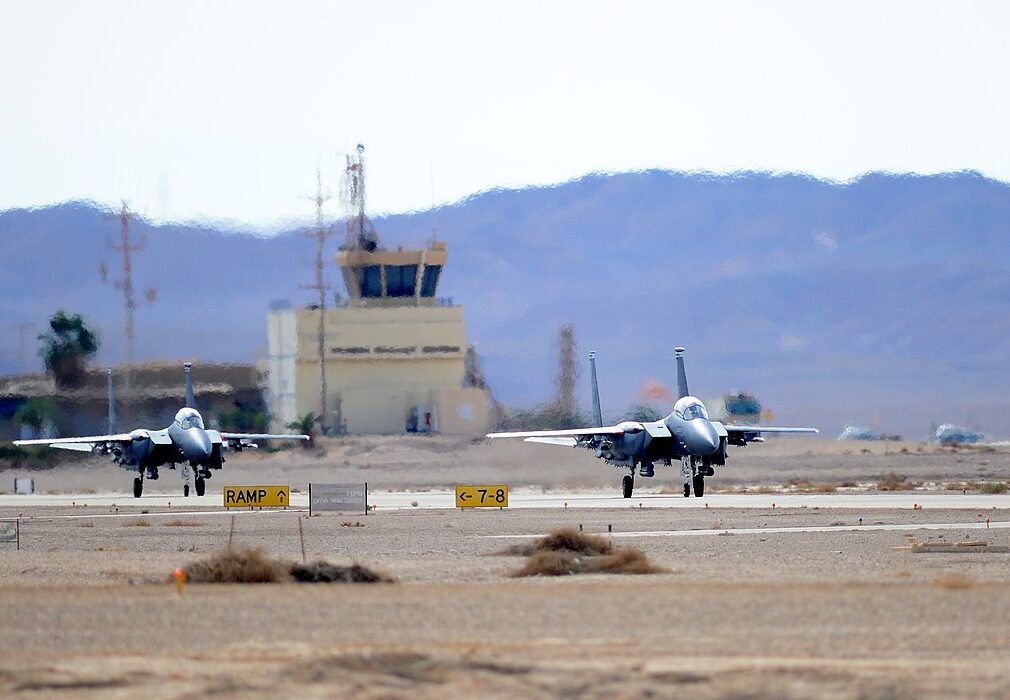
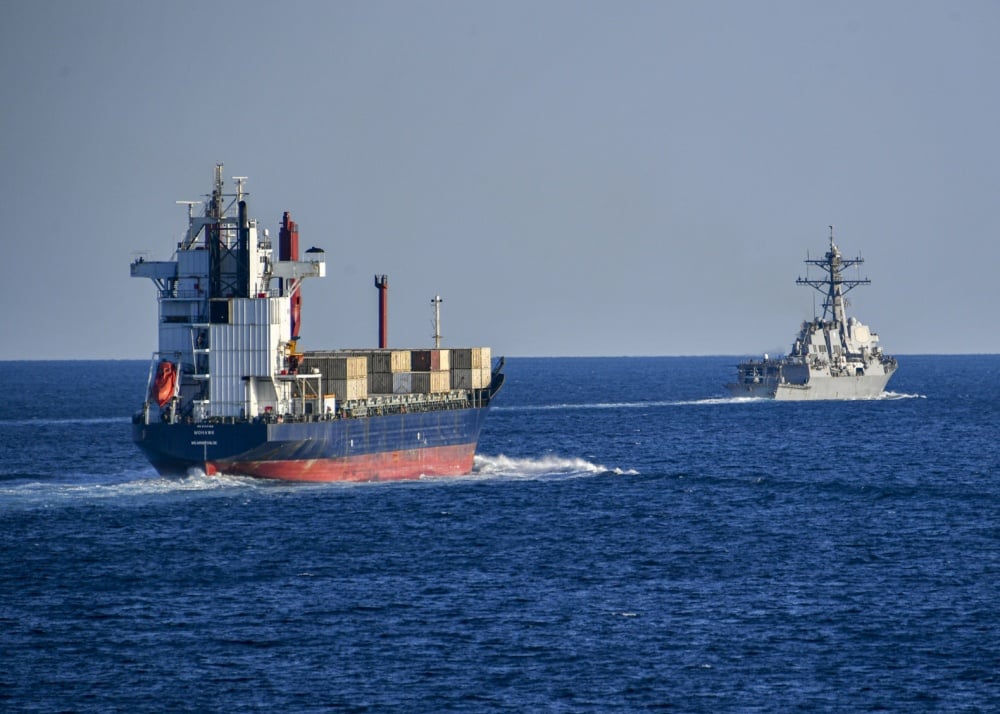
CENTCOM conducted multi-night strikes on Iranian targets, including a first combat use of Saronic Corsair unmanned surface vessels that hit a submarine and ship maintenance facility at Bandar Abbas on 12 July, with follow-on US strikes reported on 14 July. Iran fired missiles and drones toward Jordan and Bahrain, with Jordan intercepting four missiles and Bahrain sounding missile alert sirens three times. Reporting also points to Iranian or Iran-linked attacks on UAE-associated tankers MT Mombasa and MT Al Bahiyah in or near the Strait of Hormuz, killing at least one Indian mariner and injuring others. Maritime authorities keep the threat level at severe and industry assesses the southern Hormuz lane as unsafe; war risk premiums are expected to rise and only a handful of vessels reportedly transited overnight. In parallel, Israel struck targets across Gaza on 14 July, and Prime Minister Benjamin Netanyahu warned Tehran against future attacks on Israel. US aerial refuelling tankers remained at Ben-Gurion Airport despite earlier plans to disperse, reflecting a tightened US posture amid elevated risk to Gulf basing.
Change from previous assessment
Since the prior brief, additional US strike activity was reported on 14 July and the first combat use of Corsair unmanned surface vessels at Bandar Abbas on 12 July was detailed. Iranian missile and drone fire extended to Jordan and Bahrain alongside confirmed attacks on UAE-linked tankers MT Al Bahiyah and MT Mombasa with fatalities and injuries, and Bahrain sounded missile alert sirens. Maritime threat posture for Hormuz remains severe, with industry assessments that the southern lane is unsafe and expectations of higher war risk premiums; only a handful of vessels reportedly transited overnight. Israel conducted fresh strikes across Gaza on 14 July and Netanyahu reiterated deterrent warnings to Tehran. US aerial refuelling tankers remain at Ben-Gurion despite earlier plans to disperse. These developments tightened our assessments on elevated Hormuz risk and on a likely short-term consolidation of US posture in Israel while keeping our judgment on the risk of a direct Iran-Israel exchange as a live, but not yet realised, threat.
Key judgments
- US forces very likely conducted sustained strikes against Iranian targets from 12 to 14 July, including the first combat employment of Corsair unmanned surface vessels that struck a submarine and ship maintenance facility at Bandar Abbas Naval Base. (Confidence: high · REPORTED)
- I&W: Commercial satellite imagery shows new damage at the submarine and ship maintenance facility at Bandar Abbas consistent with 12 July strikes. (0-14 days)
- I&W: CENTCOM or DoD releases detailed battle damage assessments for 12-14 July operations inside Iran. (0-14 days)
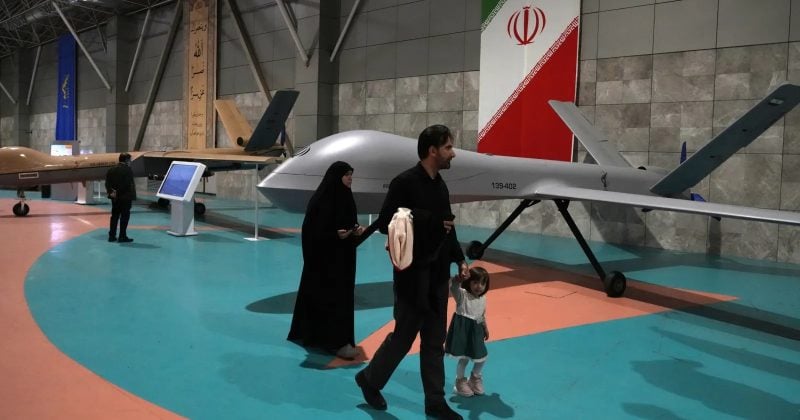
- Iran very likely launched missile and drone attacks targeting Jordan and Bahrain and struck UAE-linked tankers near the Strait of Hormuz, resulting in at least one fatality and multiple injuries among mariners. (Confidence: high · REPORTED)
- I&W: Official readouts from Jordan or Bahrain report further intercepts or impacts attributed to Iranian launches. (0-14 days)
- I&W: IMO or Gulf governments confirm additional tanker strikes near Hormuz with casualty updates. (0-14 days)
- The Strait of Hormuz is likely to remain at elevated risk and degraded throughput in the near term, given lethal attacks on tankers, a severe threat posture, assessments that the southern lane is unsafe, and expectations of higher war risk premiums. (Confidence: medium · ASSESSED)
- I&W: JMIC retains SEVERE for Hormuz and daily AIS shows fewer than ten commercial transits for multiple consecutive days. (0-14 days)
- I&W: Insurers publish higher quoted war risk premiums for Hormuz transits relative to last week. (0-14 days)
- Iran is likely calibrating to avoid direct strikes on Israeli territory for now, focusing instead on pressure against US-linked targets and Gulf states, while Israel maintains deterrent messaging and continues operations in Gaza. (Confidence: medium · ASSESSED)
- I&W: Iran or IRGC publicly claims a missile or drone strike on Israeli territory. (0-14 days)
- I&W: IDF or Israeli leadership confirms strikes inside Iran in direct retaliation to an Iranian attack on Israel. (0-14 days)
- Civilian and seafarer casualties are rising in the current escalation, including at least one Indian mariner killed and multiple wounded on MT Al Bahiyah and MT Mombasa, and at least ten people killed in Israeli strikes across Gaza on 14 July. (Confidence: medium · ASSESSED)
- I&W: Further IMO or Gulf government casualty confirmations linked to tanker incidents near Hormuz. (0-14 days)
- I&W: A sustained 14-day period without new reported shipping casualties near Hormuz and without Gaza civilian deaths would break this trend. (0-14 days)
- The United States is likely consolidating elements of its posture in Israel as regional bases face elevated risk, evidenced by refuelling tankers remaining at Ben-Gurion Airport despite earlier plans to disperse. (Confidence: medium · ASSESSED)
- I&W: Open-source imagery or airport records show additional US tankers arriving or persisting at Ben-Gurion. (0-14 days)
- I&W: Official announcements confirm full relocation of US refuelling aircraft from Ben-Gurion to IAF bases or out of Israel. (0-14 days)
- Policy signalling on a US naval blockade and fee regime is inconsistent, and is likely to remain fluid in the short term, complicating shipowner decision-making and route planning. (Confidence: medium · ASSESSED)
- I&W: A formal US directive publishes stable blockade rules of engagement and inspection procedures that remain unchanged for 30 days. (1-3 months)
- I&W: Further reversals or clarifications on blockade scope or fees issued within days of one another. (0-14 days)
Outlook & scenarios
Managed US-Iran tit-for-tat, Israel stays outside direct exchange (50%)
US strikes and Iranian launches persist intermittently, focused on Iranian military infrastructure, Jordan, Bahrain and shipping near Hormuz. Israel maintains deterrent rhetoric and continues Gaza operations but is not directly struck by Iran. Hormuz remains high risk with sporadic tanker attacks, severe threat ratings and elevated war risk premiums.
Direct Iran-Israel confrontation (30%)
Iran conducts a missile or drone strike into Israel, prompting overt Israeli retaliation against Iranian territory. Hezbollah activity and Israeli counterstrikes raise the possibility of a wider regional fight. Maritime traffic through Hormuz declines sharply as insurers and operators pull back amidst elevated threat messaging and fresh casualties.
Partial de-escalation through policy recalibration and backchannels (25%)
Washington shelves fee proposals and standardises blockade guidance while seeking Gulf investment commitments. Tehran reduces cross-border launches as diplomatic messaging resumes. Shipping threat ratings ease from severe, transits slowly recover and war risk premiums stabilise from higher levels.
Red Sea spillover via proxy action (15%)
Iran signals or facilitates Houthi action to close or heavily disrupt Bab el-Mandeb, extending risk from Hormuz to the Red Sea. Major carriers divert around southern Africa, compounding energy and freight shocks.
Recommendations
- Task geospatial and naval order-of-battle teams to secure and compare commercial satellite imagery of Bandar Abbas Naval Base and other named target sets for battle damage assessments aligned to 12-14 July strikes.
- Stand up a daily Hormuz operations brief that fuses JMIC advisories, AIS transit counts, insurer war risk premium quotes and IMO incident confirmations into a single risk picture for decision-makers.
- Maintain a structured log of official US blockade statements and fee proposals, including reversals and clarifications, and issue concise guidance notes for maritime stakeholders to reduce uncertainty.
- Prioritise collection on Iranian launch activity against Jordan and Bahrain and reporting on tanker incidents; require at least two independent confirmations for casualty figures from Emirati MoD, India’s MEA and IMO before internal amplification.
- Monitor Israeli posture and intent by tracking IDF strike reporting in Gaza and leadership statements, and watch for any open-source indicators of Israeli preparations for direct strikes on Iran.
- Track US aerial refuelling posture with open-source imagery at Ben-Gurion and Israeli airbases; alert if additional tankers arrive, or if withdrawal is executed, as a proxy for US risk tolerance in Gulf basing.
- Engage energy and shipping desks to model short-term supply and freight impacts under the four scenarios and pre-draft policy options for rerouting and stock release contingencies.
Confidence & uncertainty
Overall confidence is low because several core elements rest on conflicting and fluid reporting. US blockade policy is inconsistently signalled across multiple authoritative statements, with reversals and differing descriptions of scope. Casualty figures from the tanker attacks and Gaza strikes vary by source and level of detail. Some quantitative claims on Iranian launches and on US posture are think tank assessments rather than primary official reporting. Maritime throughput metrics rely on snapshots from different trackers and advisories. These factors, and the speed of events, reduce corroboration depth despite multiple high-quality sources.
Alternative analysis (red cell)
Current reporting documents discrete kinetic incidents and mixed policy signals but does not yet establish a coherent, sustained US strike campaign across 12–14 July nor incontrovertibly attribute all missile/drone/tanker attacks to direct Iranian state action. Casualty counts and target locations are inconsistent across sources, and observed targeting patterns could reflect operational constraints, proxy activity, or timing rather than explicit strategic restraint toward Israel. Key IMINT/ELINT, forensic battle-damage assessment, and authoritative policy directives are missing; absent those, stronger causal or intent inferences should be treated as provisional.
Intelligence gaps
- [EEI 1.1 · UNCOVERED] Observed repositioning, sustained increases, or new forward basing of Iranian conventional or IRGC forces (armored units, missile batteries, aircraft, naval vessels) toward borders or regional launch points. Recommended collection: IMINT/satellite
- [EEI 1.2 · UNCOVERED] Hezbollah or other Iran-aligned proxy forces conducting mass mobilization, visible rocket/artillery emplacements, cross-border firing incidents, or preparations for cross-border operations from Lebanon, Syria, Iraq or Yemen. Recommended collection: HUMINT/ground ISR
- [EEI 1.3 · UNCOVERED] Detection of increased missile/rocket/torpedo launch events attributable to Iran, Israel, or proxies (launch signatures, trajectories, impact points) indicating a sustained campaign rather than isolated strikes. Recommended collection: SIGINT/IMINT/air-defense radar
- [EEI 1.4 · UNCOVERED] Interdicted or observed shipments (air, sea, land manifests, seizures, satellite imagery of transfers) of advanced weapons or missile components from Iran toward proxy groups or forward staging points. Recommended collection: maritime/AIS
- [EEI 2.1 · UNCOVERED] Satellite or on-the-ground imagery showing fires, damage, or operational shutdown at major oil export facilities, refineries, storage terminals, or key pipeline infrastructure in the Gulf and Red Sea. Recommended collection: IMINT/satellite
- [EEI 2.2 · UNCOVERED] Commercial vessel incidents: AIS transponder shutdowns, distress signals, reported hull/engine damage, boardings, or confirmed attacks on tankers/merchant ships transiting the Strait of Hormuz, Bab al-Mandeb, or eastern Mediterranean. Recommended collection: maritime/AIS
- [EEI 2.3 · UNCOVERED] Significant and sustained reductions or rerouting of tanker transits through the Strait of Hormuz (ship traffic counts, pilot reports, port call cancellations) and announcements of closure or restricted navigation zones (NOTAMs, maritime advisories). Recommended collection: maritime/NOTAMs
- [EEI 2.4 · UNCOVERED] Rapid increases in war-risk insurance premiums for Middle East routes, shipping company advisories to avoid region, or major charter cancellations tied to the conflict. Recommended collection: financial/open-source
- [EEI 3.1 · UNCOVERED] Movement/arrival of major foreign military assets into the region: U.S. carrier strike groups, amphibious ready groups, strategic bomber flights, Russian/Chinese naval taskings, or allied expeditionary units (visible in AIS, NOTAMs, satellite imagery, official releases). Recommended collection: IMINT/satellite
- [EEI 3.2 · UNCOVERED] Official expedited arms transfers, basing/overflight agreements, or declarations of operational support (formal government announcements, defense ministry releases, logistics flight manifests). Recommended collection: open-source/diplomatic
- [EEI 3.3 · UNCOVERED] Embassy evacuations, large-scale personnel movements, issuance of government travel bans/advisories, or multinational security alerts affecting foreign nationals and diplomatic posture in the region. Recommended collection: diplomatic/open-source
- [EEI 3.4 · UNCOVERED] High-level diplomatic/UN activity: scheduled or emergency Security Council meetings, published ceasefire proposals, or multilateral statements committing support/condemnation that precede changes in military posture. Recommended collection: open-source/diplomatic
Cited sources
[1] gcaptain.com · U.S. Navy Sea Drones Make Combat Debut in Operations Near Hormuz (B) · sha256:7b2f3eb6bff2 [2] military.com · US Attacks Iran and Tehran Retaliates Across the Middle East, Threatening a Return to All-Out War (B) · sha256:aa6f2b403991 [3] gcaptain.com · Seafarer Death Toll Climbs as Trump Declares Hormuz 'Open to ALL Ship Traffic' (B) · sha256:5e5db8a0853f [4] gcaptain.com · Iranian Missile Attacks Hit Three More Tankers as U.S. Expands Strikes, Seafarer Death Toll Rises (B) · sha256:47755d568724 [5] insurancejournal.com · Iran and US launch New Missile Attacks, Battle Over Control of Strait of Hormuz (B) · sha256:a87016d2c4bf [6] cryptobriefing.com · Iran conducts seventh drone strike against US bases in Gulf amid 2026 conflict (B) · sha256:c2c00ea66cc3 [7] cryptobriefing.com · Iran strikes cause explosions in Kuwait, target US military in Jordan (B) · sha256:04a99bd21a80 [8] United Nations · ‘Cycle of escalation must end’: UN condemns deadly Strait of Hormuz attacks (A) · sha256:f01df67da8f5 [9] gcaptain.com · The Southern Route Through Hormuz Is No Longer Safe, Regardless of What Trump Says (B) · sha256:9186f99baf24 [10] BBC · Trump retreat over Hormuz tolls suggests struggle to end Iran war (A) · sha256:1b0f8207020e [11] maritime-executive.com · Trump Drops Hormuz Protection Fee Saying Gulf States Will Invest in US (B) · sha256:4e2d5c5ce853 [12] jpost.com · Netanyahu to Iran: New attacks on Israel will be met with 'much more powerful' response (A) · sha256:3919e6a85c56 [13] haaretz.com · Israeli fire kills 10 in Gaza, including a 10-year-old, officials say (A) · sha256:50af40b8c5b1 [14] haaretz.com · As U.S. renews strikes on Iran, parked refueling tankers jam Israel's Ben-Gurion airport (A) · sha256:10dda8705565 [15] ynetnews.com · Iran escalation freezes US tanker removal from Ben-Gurion Airport (B) · sha256:e2890841497d [16] JINSA · Don’t Let Iran Kick Out U.S. Troops, but Move them to Israel - JINSA (C) · sha256:bc095628a818 [17] gcaptain.com · Trump Drops Proposed 20% Hormuz Fee, Replaces It With Gulf Investment Deals (B) · sha256:c08d4550cd89 [18] gcaptain.com · U.S. Intensifies Sanctions on Iranian Shipping Network as Naval Blockade Resumes (B) · sha256:9024fe8b76a7
Source content hashes were computed at collection time; the cited text is preserved unmodified for the life of this product.
Red cell review: PARTIAL DISSENT
TLP:CLEAR