TLP:CLEAR · Disclosure is not limited.
Gulf Escalation Risks: Bahrain Radar Claim and Hormuz Disruption
Time window: Last 1 day · Audience: General analyst · Type: Situation report · DTG: 2026-11-15 07:30Z · Overall confidence: HIGH
BLUF
The immediate regional risk centres on Iranian pressure against Gulf security and shipping. The IRGC claims six UAVs targeted a US radar at Al-Riffa in Bahrain, but radar damage is unconfirmed and US reporting describes two drones intercepted on 13 November. Strait of Hormuz traffic remains far below pre-conflict levels, while current reporting says Washington is maintaining sanctions and a naval blockade rather than authorising another extensive bombing campaign.
Executive summary
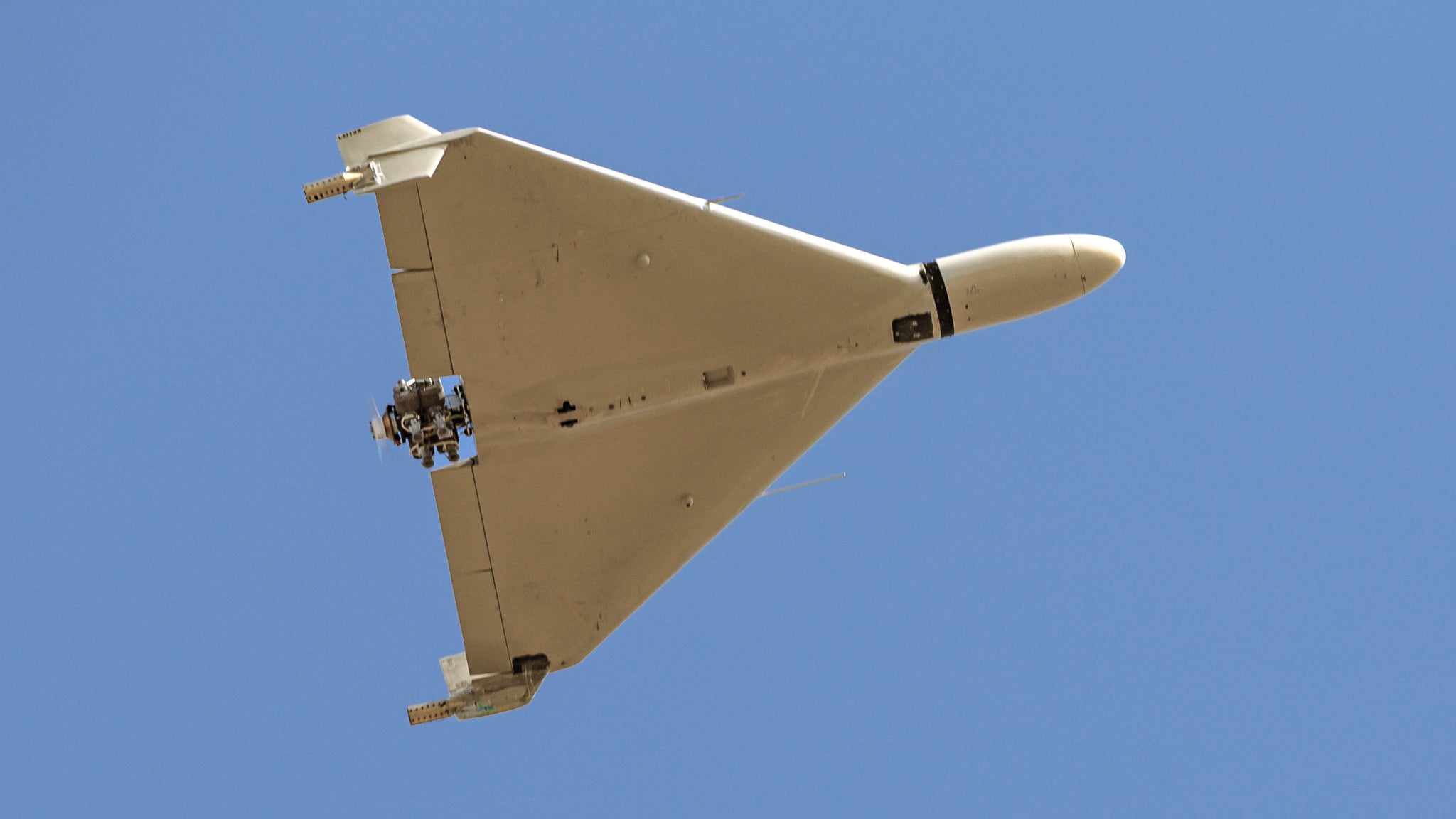
Reporting for 14 and 15 November centres on Iranian activity around Bahrain and continued disruption to Strait of Hormuz shipping. Bahrain issued threat alerts and explosions were reported; the IRGC claimed a six-UAV attack on the US radar at Al-Riffa, while the US military reported intercepting two Iranian drones in an attack on 13 November. The incident's timing, scale and effect on the radar remain unresolved. UKMTO figures show Hormuz traffic about 65% below pre-conflict levels and record eight recent maritime security incidents, including seven tanker attacks, although the traffic figure does not support a complete closure. Washington is reported to be maintaining sanctions and a naval blockade rather than resuming extensive bombing. Iran's remaining missile inventory and access to nuclear facilities remain uncertain.
Change from previous assessment
Since the prior brief, the Bahrain reporting adds a more specific IRGC claim of six UAVs targeting the Al-Riffa radar, alongside reports of explosions and Bahrain's alerts. The US account of two drones intercepted on 13 November leaves the chronology and outcome unresolved, so confidence in radar damage remains low. The Hormuz picture is more precisely quantified: UKMTO reported traffic about 65% below pre-conflict levels and eight recent maritime incidents, which supports continued disruption but conflicts with a separate claim of a complete standstill. The missile estimate is now reported as 1,500 to 2,500, explicitly with low confidence, and reports describe slower replenishment. The prior assessment of US restraint remains, supported by reporting that Washington is maintaining sanctions and a naval blockade rather than resuming extensive bombing.
Key judgments
- Iranian drone activity at the Al-Riffa helicopter base in Bahrain is likely to have occurred, but damage to the US air-defence radar is not established. The IRGC says six UAVs targeted the radar on 15 November; Bahrain issued threat alerts and explosions were reported. The US military says it intercepted two Iranian drones in an attack on 13 November, leaving open whether the accounts describe separate incidents or disagree on the timing and number of drones. (Confidence: medium · ASSESSED)
- I&W: Confirm: Bahrain or the US publicly verifies radar damage at Al-Riffa, supported by an official damage assessment or imagery. (0-14 days)
- I&W: Break: Bahrain or the US confirms the Al-Riffa radar remained operational and identifies the 13 November interception as a separate incident from the IRGC's 15 November claim. (0-14 days)
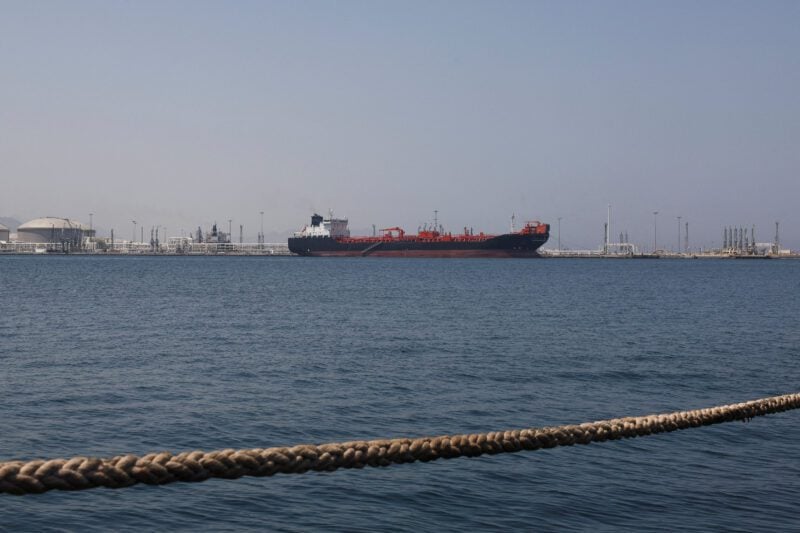
- Iran is likely to sustain coercive restrictions on unauthorised Strait of Hormuz transits over the next 14 days, but a complete physical closure is not established. UKMTO reported traffic about 65% below pre-conflict levels, with 139 outbound and 169 inbound transits, and documented eight recent maritime security incidents, including seven tanker attacks. A separate claim that trade has stopped conflicts with the reported transit counts. (Confidence: medium · ASSESSED)
- I&W: Confirm: UKMTO's next reporting period records traffic at least 50% below pre-conflict levels or reports another attack on a vessel transiting the Strait. (0-14 days)
- I&W: Break: UKMTO reports traffic above 80% of pre-conflict levels for seven consecutive days and no new maritime security incidents in the Strait. (0-14 days)
- A new extensive US bombing campaign against Iran in the next 14 days is unlikely while Washington maintains its reported sanctions and naval blockade approach and Gulf allies continue urging restraint. The reported US policy is not a confirmed decision against future strikes; the claimed IRGC operation at Al-Riffa raises the risk of a change if US personnel or facilities are confirmed damaged. (Confidence: low · ASSESSED)
- I&W: Confirm: By 29 November, the White House reiterates that sanctions and the naval blockade remain its chosen approach, with no announcement of renewed extensive strikes. (0-14 days)
- I&W: Break: The White House or Department of Defense announces renewed extensive strikes on Iranian targets, or reports a new US strike campaign. (0-14 days)
- Iran is likely to retain capacity for additional regional missile strikes, but the reported estimate of 1,500 to 2,500 missiles is not a reliable measure of launch-ready capability. The estimate is explicitly described as low confidence; reporting also says Iranian authorities are replenishing stocks more slowly than before the conflict. These figures do not establish how many missiles are operational. (Confidence: low · ASSESSED)
- I&W: Confirm: Independent reporting documents further Iranian missile launches or verified replenishment activity. (1-3 months)
- I&W: Break: A new US or Israeli assessment revises the inventory estimate below 1,000 and reports that most remaining missiles are not launch-ready. (1-3 months)
- A reliable public, facility-by-facility account of damage at Fordow or access to damaged Iranian nuclear sites is unlikely to be available from the supplied reporting. Iran says inspectors recently visited Bushehr, but the IAEA has not confirmed that inspection. The report that inspectors remain excluded from Iranian nuclear facilities was read only in summary, and a separate technical assessment says no detailed public damage review is available for individual sites, particularly Fordow. (Confidence: low · ASSESSED)
- I&W: Confirm: The IAEA publishes a statement naming which Iranian sites it has inspected and whether it has access to damaged facilities. (1-3 months)
- I&W: Break: The IAEA or another named technical body publishes a facility-specific damage assessment for Fordow or other affected sites. (1-3 months)
Outlook & scenarios
Continued Gulf pressure with limited US response (55%)
Iran maintains pressure on unauthorised Hormuz transits and continues to claim operations against US facilities. Bahrain and the US do not confirm major radar damage, and Washington holds to its reported sanctions and naval blockade approach.
US-Iran escalation around Gulf facilities (25%)
Bahrain or the US confirms damage at Al-Riffa, or a further attack causes US casualties. Washington responds with strikes on Iranian targets, prompting additional Iranian missile or drone activity against US facilities in the Gulf.
Partial Hormuz reopening through mediation (20%)
Mediators advance the proposed two-day plan to reopen the Strait. Iran eases restrictions and shipping increases, although reported proposals have not yet produced a final result.
Wider regional strike cycle, low probability and high impact (5%)
A confirmed attack on US or Gulf infrastructure triggers a broader US response. Iran expands its retaliation beyond the immediate Gulf theatre, widening the conflict and increasing pressure on regional security and shipping.
Recommendations
- Maintain a dated incident timeline for Al-Riffa. Separate the US account of two drones intercepted on 13 November from the IRGC claim of six UAVs on 15 November, and do not assess radar destruction without confirmation from Bahrain, the US or reliable imagery.
- Update a Hormuz tracker at least daily for the next 14 days. Record UKMTO transit counts and reported incidents separately so reduced traffic is not mistaken for a complete closure.
- Treat the 1,500 to 2,500 missile estimate as a low-confidence inventory range, not a count of launch-ready weapons. Seek corroboration from reported launches, replenishment activity or a new independently sourced assessment.
- Seek IAEA confirmation of the reported Bushehr inspection and of access to damaged nuclear sites, including Fordow. Keep summary-only reporting distinct from confirmed inspection or damage findings.
Confidence & uncertainty
Overall confidence is high in the broad assessment that the conflict is sustaining pressure on Gulf security and shipping. UKMTO figures quantify reduced Hormuz traffic and maritime incidents, while separate reporting records Bahrain's alerts and the competing US and IRGC accounts of activity at Al-Riffa. Confidence is lower on radar damage, the timing and number of drones, Iran's launch-ready missile inventory and nuclear-site access; those details remain disputed, explicitly low confidence or based in part on reporting read only in summary.
Alternative analysis (red cell)
The Bahrain episode may be an uncorroborated IRGC account of an attack, with the US-confirmed interception on 13 November potentially representing the only established event. In the Strait of Hormuz, reduced traffic and reported attacks demonstrate disruption, but they do not by themselves prove that Iran will sustain deliberate coercive restrictions over the next 14 days. The available evidence therefore supports a more uncertain reading of both the attribution and the forecast than the brief's medium-confidence formulations imply.
Intelligence gaps
- [EEI 1.1 · UNCOVERED] Observed repositioning, sustained increases, or new forward basing of Iranian conventional or IRGC forces (armored units, missile batteries, aircraft, naval vessels) toward borders or regional launch points. Recommended collection: IMINT/satellite
- [EEI 1.4 · UNCOVERED] Interdicted or observed shipments (air, sea, land manifests, seizures, satellite imagery of transfers) of advanced weapons or missile components from Iran toward proxy groups or forward staging points. Recommended collection: maritime/AIS
- [EEI 2.1 · PARTIAL] Satellite or on-the-ground imagery showing fires, damage, or operational shutdown at major oil export facilities, refineries, storage terminals, or key pipeline infrastructure in the Gulf and Red Sea. Recommended collection: IMINT/satellite
- [EEI 2.3 · PARTIAL] Significant and sustained reductions or rerouting of tanker transits through the Strait of Hormuz (ship traffic counts, pilot reports, port call cancellations) and announcements of closure or restricted navigation zones (NOTAMs, maritime advisories). Recommended collection: maritime/NOTAMs
- [EEI 2.4 · UNCOVERED] Rapid increases in war-risk insurance premiums for Middle East routes, shipping company advisories to avoid region, or major charter cancellations tied to the conflict. Recommended collection: financial/open-source
- [EEI 3.1 · PARTIAL] Movement/arrival of major foreign military assets into the region: US carrier strike groups, amphibious ready groups, strategic bomber flights, Russian/Chinese naval taskings, or allied expeditionary units (visible in AIS, NOTAMs, satellite imagery, official releases). Recommended collection: IMINT/satellite
- [EEI 3.2 · PARTIAL] Official expedited arms transfers, basing/overflight agreements, or declarations of operational support (formal government announcements, defense ministry releases, logistics flight manifests). Recommended collection: open-source/diplomatic
- [EEI 3.3 · PARTIAL] Embassy evacuations, large-scale personnel movements, issuance of government travel bans/advisories, or multinational security alerts affecting foreign nationals and diplomatic posture in the region. Recommended collection: diplomatic/open-source
Red cell review: PARTIAL DISSENT
TLP:CLEAR