TLP:CLEAR · Disclosure is not limited.
Gulf escalation: US hits 80+ targets in Iran, IRGC fires at Bahrain and Kuwait, Hormuz threat severe as Israel continues Gaza strikes
Time window: Last 1 day · Audience: General analyst · Type: Situation report · DTG: 2026-07-08 13:48Z · Overall confidence: LOW
BLUF
US forces very likely struck over 80 targets on Iran’s southern coast overnight 7-8 July, prompting IRGC missile and drone attacks on US-linked sites in Bahrain and Kuwait as sirens sounded and interceptions were reported. Maritime risk in the Strait of Hormuz remains severe, while Israeli strikes in Gaza continue and Rome is preparing Israel, Lebanon talks.
Executive summary
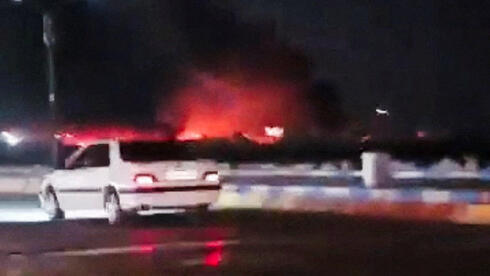
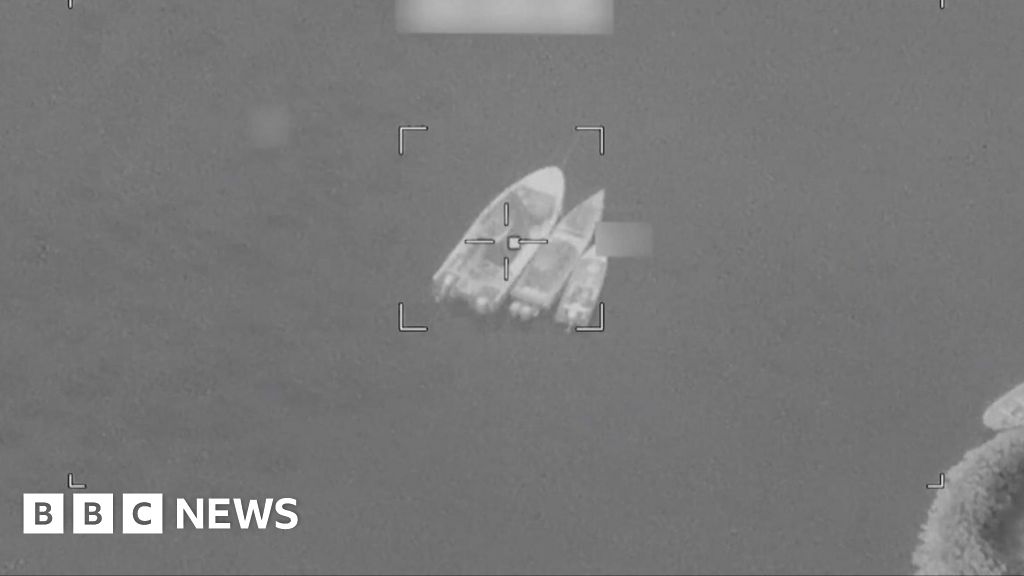
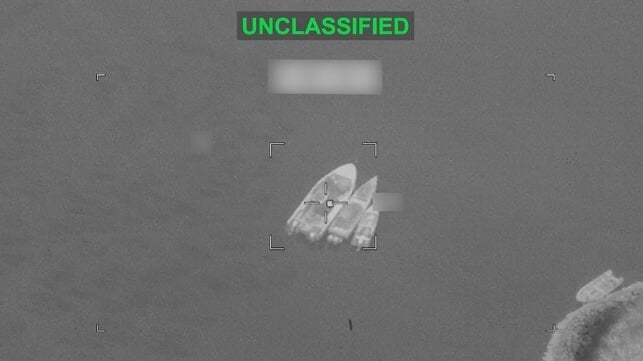
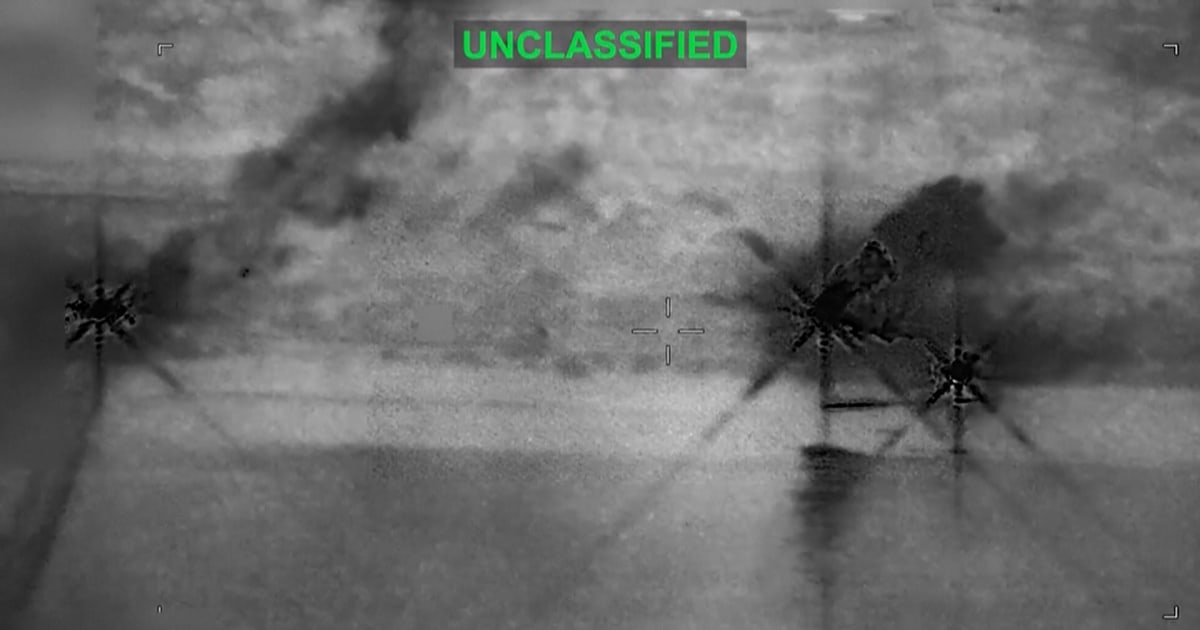
CENTCOM reports it struck more than 80 targets in Iran, including coastal air defences, radars, anti-ship batteries and IRGC attack boats around the Strait of Hormuz. Iranian media reported explosions in Bandar Abbas, Qeshm Island and Sirik, with video showing a fire in Bandar Abbas. The IRGC says it responded by targeting up to 85 US military sites in Bahrain and Kuwait, including Salman Port and Ali Al‑Salem Air Base; Bahrain and Kuwait sounded missile alerts and Kuwait reported intercepting two ballistic missiles and 13 drones. Washington revoked oil sanctions relief, and Tehran labelled the strikes a violation of last month’s memorandum as President Trump said the ceasefire and MoU are over. China urged restraint. Shipping risk in Hormuz has been raised to Severe after three tanker attacks, including a UAV strike report, while Iran directs shipping onto a ‘safe route’ closer to its coast; UK and French minehunters are poised in Omani waters but plans have been set back by fresh attacks. In parallel, Israeli strikes in Gaza reportedly killed eight in the past 24 hours, with four killed in a Gaza City vehicle strike, and Italy has slated Israel, Lebanon talks in Rome next week. Qatar condemned repeated Iranian attacks on Bahrain and Kuwait.
Change from previous assessment
Since the 7 July brief, the conflict has moved from attacks on commercial vessels and Iranian enforcement in Hormuz to direct US strikes on more than 80 targets in Iran and IRGC missile and drone launches at US‑linked sites in Bahrain and Kuwait, with sirens and Kuwaiti interceptions reported. Washington revoked oil sanctions relief as Tehran labelled the strikes a violation of the memorandum, and public statements from US and Iranian officials indicate the ceasefire/MoU is over. Maritime risk remains at Severe, with a reported UAV strike on a tanker and Iran directing shipping onto a ‘safe route’, while UK‑French minehunters await conditions in Omani waters. Israeli strikes in Gaza continued, and Italy set dates for Israel, Lebanon talks. Confidence has been lowered by new contradictions on dates and the lack of verified damage from IRGC’s claimed target set.
Key judgments
- The United States very likely conducted large‑scale strikes on Iranian military infrastructure around the Strait of Hormuz overnight 7-8 July, hitting more than 80 targets and causing explosions in Bandar Abbas, Qeshm Island and Sirik. (Confidence: high · REPORTED)
- I&W: Commercial satellite imagery shows destroyed or degraded coastal radar and anti‑ship batteries at Bandar Abbas, Qeshm or Sirik consistent with reported strike locations. (0-14 days)
- I&W: CENTCOM releases battle damage assessment listing target sets struck around Iran’s southern coast. (0-14 days)
- Iran very likely launched missiles and drones at US‑linked facilities in Bahrain and Kuwait in response, triggering sirens and Kuwaiti interceptions; the IRGC claims to have targeted up to 85 sites including Salman Port and Ali Al‑Salem Air Base, though damage remains unverified. (Confidence: medium · REPORTED)
- I&W: Geolocated imagery of impact or interceptor debris at Ali Al‑Salem Air Base or Bahrain’s Salman Port, with host‑nation confirmation of strikes on US‑used facilities. (0-14 days)
- I&W: US 5th Fleet and Kuwaiti MOD publish assessments stating no hits on US facilities, only interceptions, contradicting IRGC claims. (0-14 days)
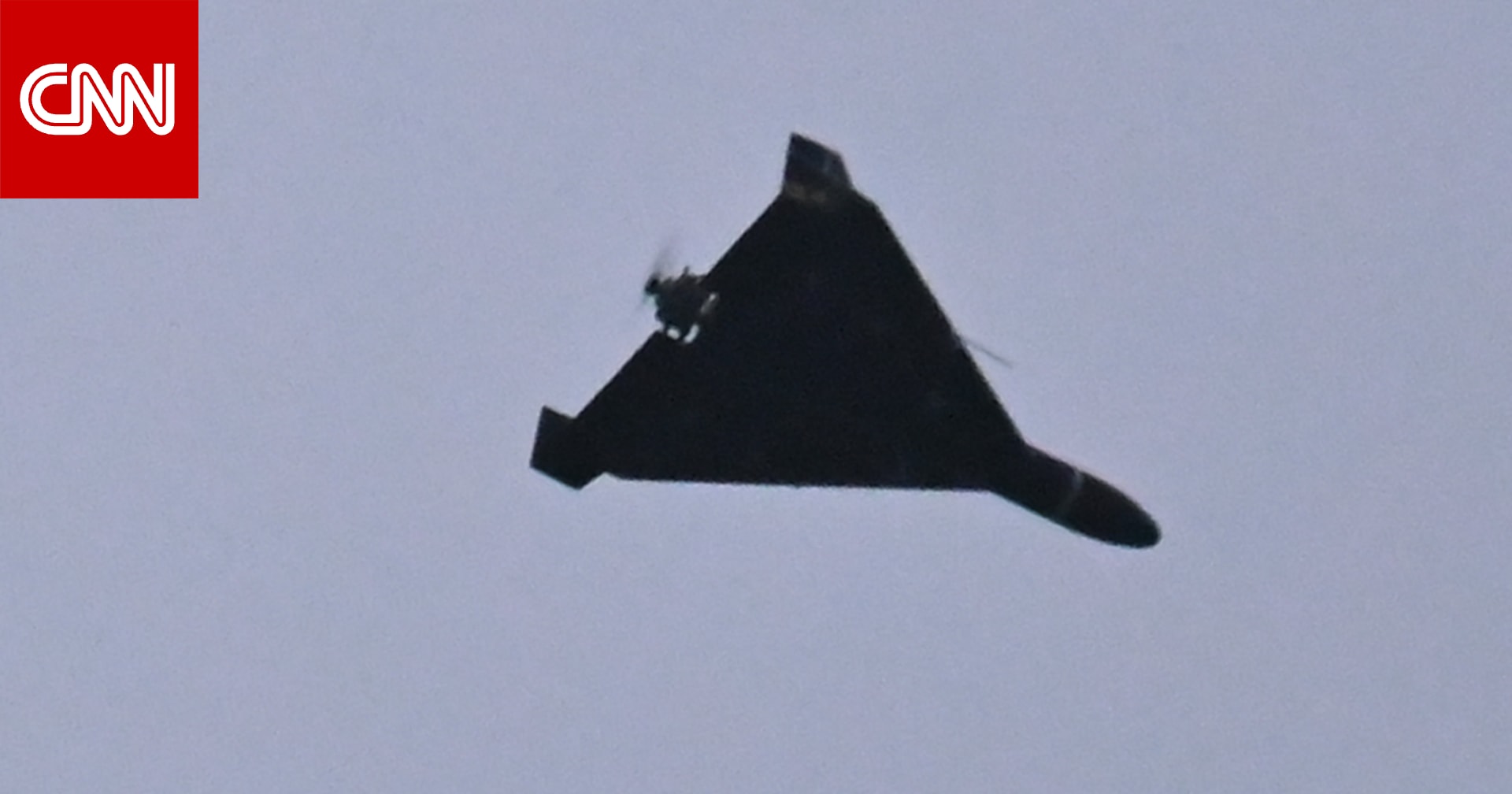
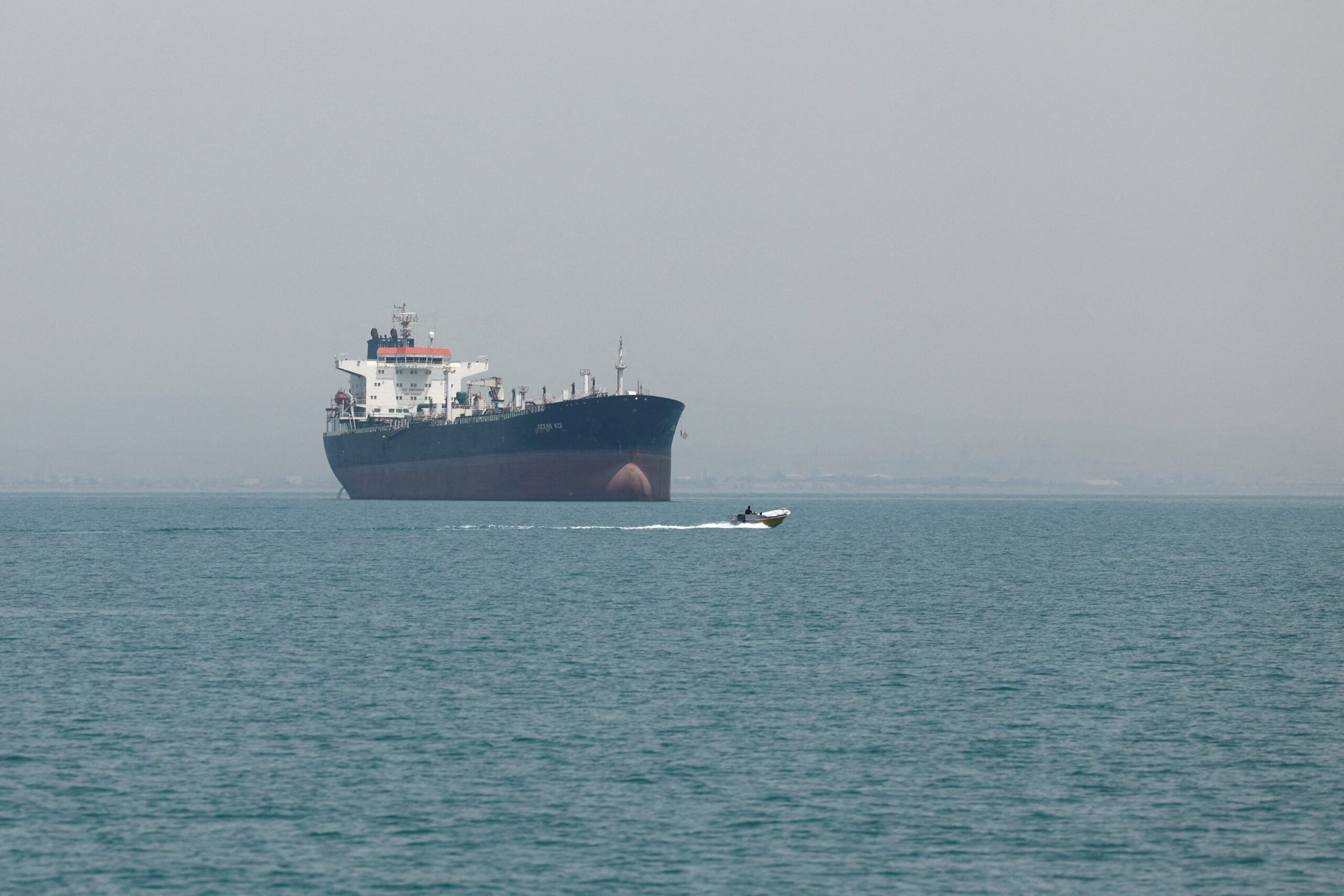
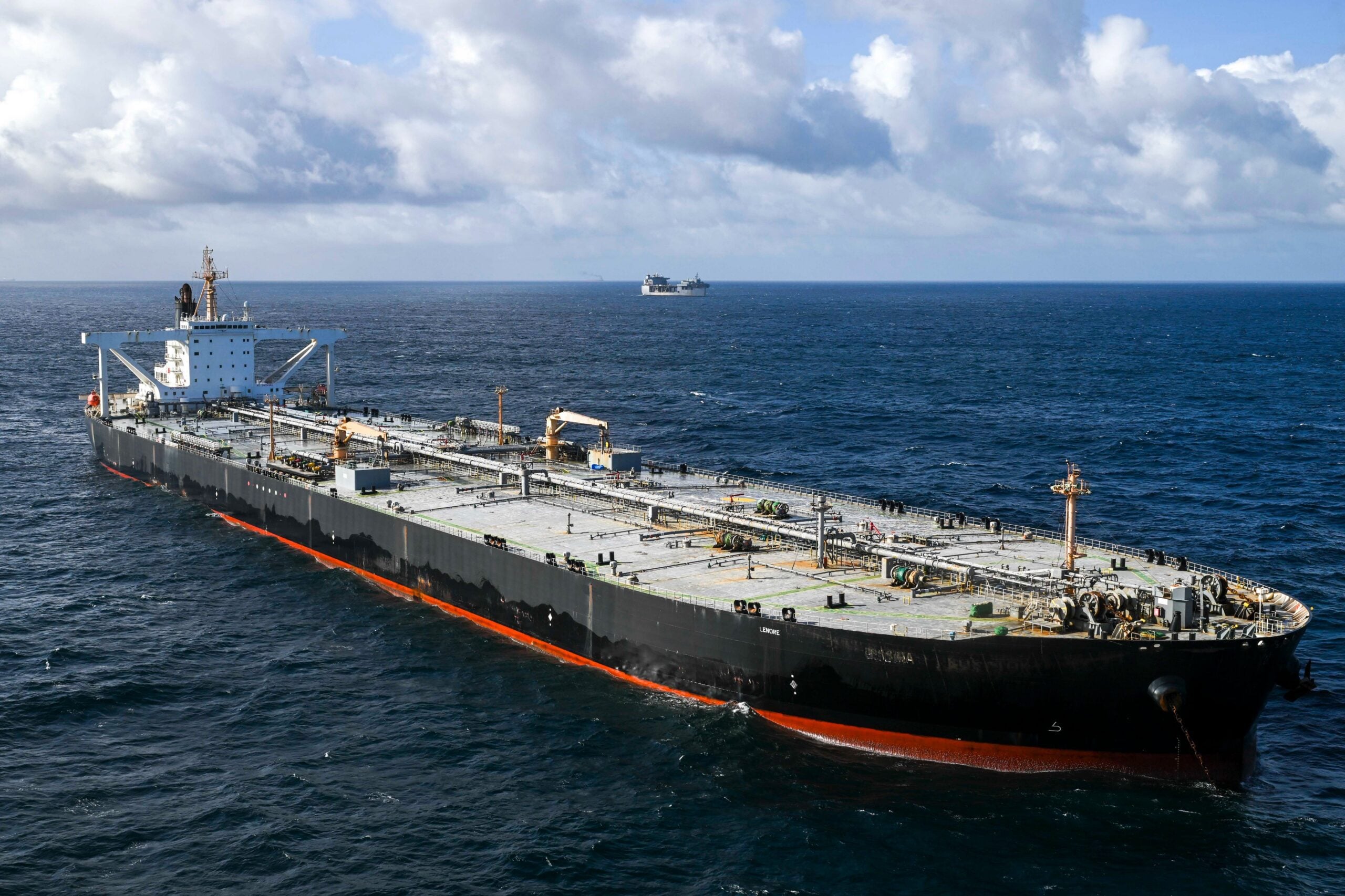
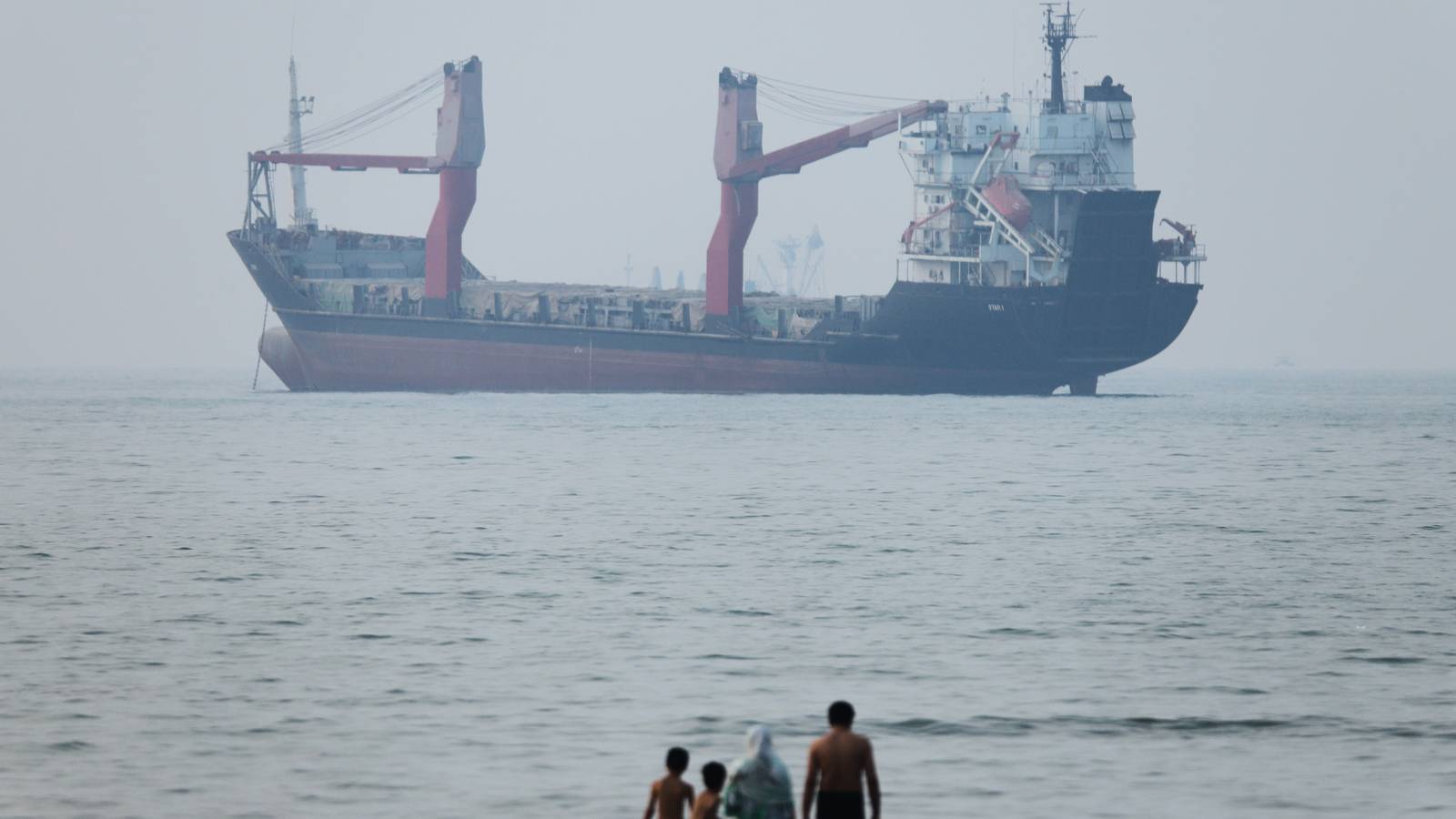
- Maritime risk in the Strait of Hormuz is high and likely to remain Severe in the near term, given three confirmed tanker attacks including a UAV strike report, Iran’s direction to follow its ‘safe route’ and warnings against unauthorised transit, and delayed European de‑mining preparations in Omani waters. (Confidence: high · ASSESSED)
- I&W: JMIC maintains a Severe posture or issues further warnings after additional incidents against merchant vessels transiting Hormuz. (0-14 days)
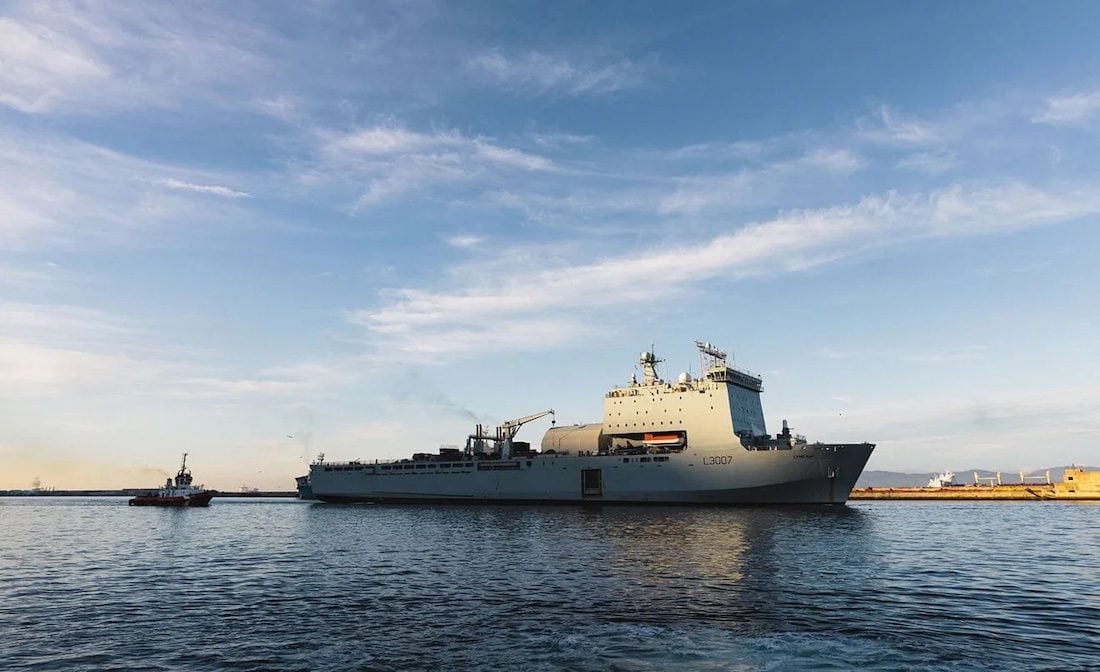
- I&W: UK‑French minehunters commence an announced de‑mining operation in Omani waters with publicly released maritime safety notices. (1-3 months)
- The June US‑Iran understanding has very likely collapsed, as Washington revokes oil‑sales relief and Tehran brands the strikes a violation while the US president declares the ceasefire and MoU over. (Confidence: medium · ASSESSED)
- I&W: OFAC and the Treasury announce enforcement actions against buyers of Iranian oil and publish updated guidance reflecting the waiver revocation. (1-3 months)
- I&W: A joint US‑Iran statement signals resumption of MoU‑related talks or a new pause in strikes. (1-3 months)
- Chinese messaging is pressing for restraint and Beijing retains leverage over Tehran, but it is unlikely to alter immediate military decision‑making by Washington or the IRGC. (Confidence: low · ASSESSED)
- I&W: China announces shuttle diplomacy with senior Iranian officials or convenes public talks addressing Hormuz shipping. (1-3 months)
- I&W: Evidence of Chinese military involvement in Gulf maritime security or explicit political support for Iranian strikes. (1-3 months)
- Israeli operations in Gaza are ongoing despite the US‑Iran exchange, with reported fatalities in Gaza City and across the past 24 hours, while Rome‑hosted Israel, Lebanon talks are scheduled next week and the US defence secretary is expected in Israel. (Confidence: medium · REPORTED)
- I&W: Italy’s Foreign Ministry issues a participant list and agenda for 15-16 July Israel, Lebanon talks in Rome. (0-14 days)
- I&W: IDF announces a wider operation on the northern front that postpones or cancels the Rome track. (0-14 days)
Outlook & scenarios
Managed tit‑for‑tat confined to Hormuz and Gulf bases (50%)
CENTCOM executes additional limited strikes on maritime‑threat assets along Iran’s southern coast, while the IRGC intermittently launches low‑to‑moderate salvos at US‑linked sites in Bahrain and Kuwait that air defences largely intercept. Hormuz remains at Severe risk with sporadic attacks on shipping and Iran enforcing its ‘safe route’. UK‑French minehunters hold in Omani waters, pending risk reduction. Israeli operations in Gaza continue at a steady tempo and Rome talks go ahead.
Broader regional spillover (30%)
The IRGC sustains higher‑volume missile and UAV activity that achieves verified damage at Ali Al‑Salem Air Base or Bahrain’s Salman Port, prompting expanded US strikes deeper inside Iran. Maritime attacks increase and insurers tighten cover, delaying any de‑mining start. Israeli strikes intensify and northern‑front tensions rise, complicating diplomacy.
Fragile de‑escalation via backchannels (20%)
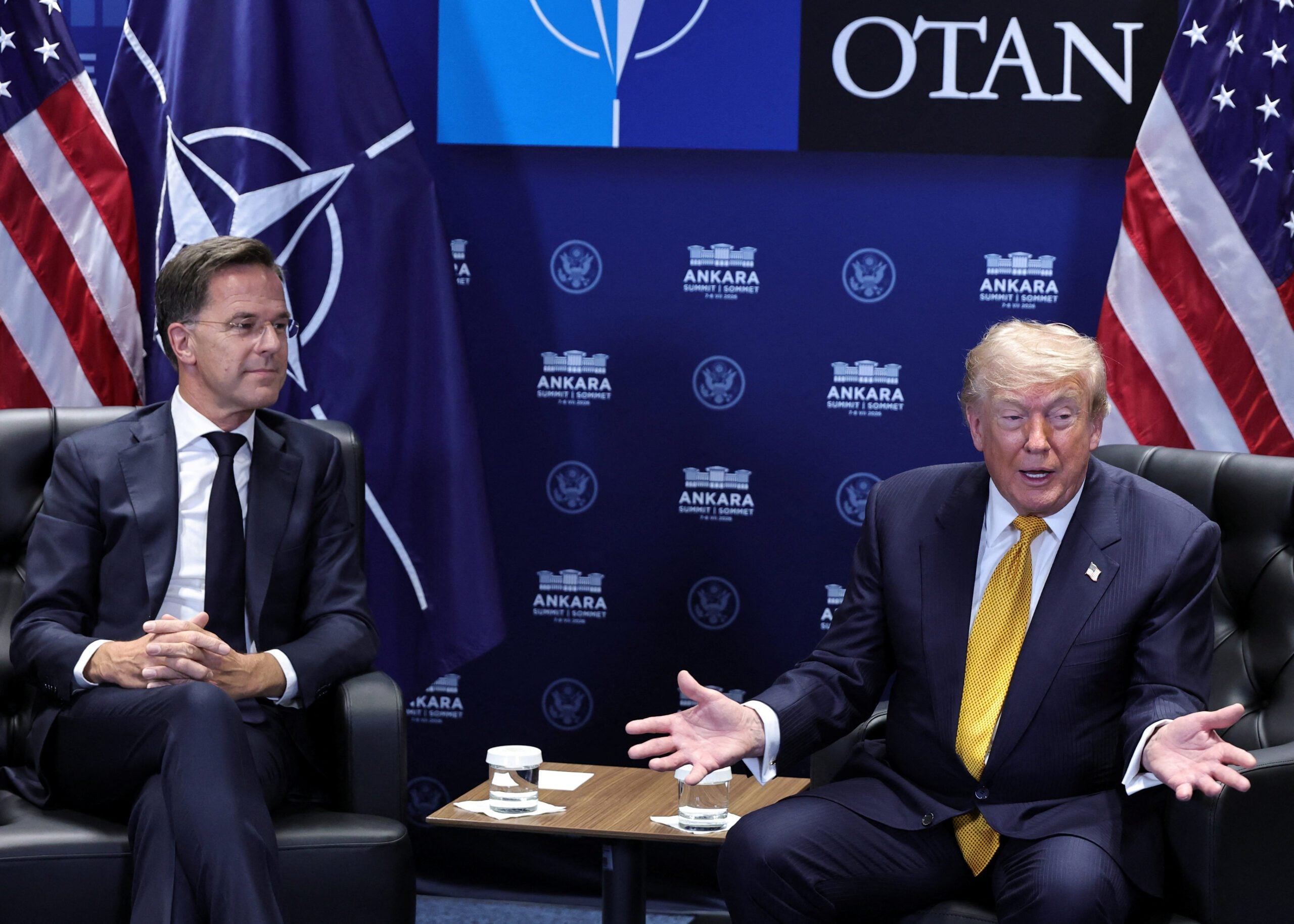
Following Khamenei’s burial and leader‑level outreach at the NATO summit margins, Washington and Tehran pause new strikes and reopen limited contacts. Oman facilitates initial de‑mining steps in its waters and shipping flows stabilise, though sanctions enforcement remains and the ceasefire framework does not formally revive.
Recommendations
- Prioritise geospatial BDA of reported strike locations at Bandar Abbas, Qeshm and Sirik to validate CENTCOM claims and refine target‑system analysis for follow‑on tasking.
- Coordinate with Bahrain and Kuwait for rapid ground truth on any impacts at Salman Port, US‑used facilities and Ali Al‑Salem AB; surge counter‑UAS and point‑defence coverage at known aimpoints.
- Maintain a live common operating picture of maritime incidents in and around Hormuz, integrating JMIC alerts and UKMTO reports, and update shipping advisories to US‑linked operators on routing and risk tolerance.
- Support Omani engagement with UK and French de‑mining teams by pre‑positioning ISR and EOD liaison to accelerate clearance once political conditions allow.
- Intensify interdiction of IRGC maritime strike enablers by monitoring coastal radar emissions, anti‑ship battery activity and IRGC small‑boat concentrations for time‑sensitive targeting.
- Track sanctions implementation: compile a watchlist of key Iranian oil lifters and financiers and prepare options for secondary enforcement actions if exports persist despite the waiver revocation.
- Engage Israel, Italy and Lebanon to ensure the Rome talks proceed despite Gulf tensions; synchronise deconfliction channels to prevent miscalculation on the northern front.
- Monitor Chinese diplomatic activity and oil‑trade patterns with Iran to anticipate shifts in Tehran’s calculus and potential openings for pressure or de‑escalation.
Confidence & uncertainty
Overall confidence is low due to timing discrepancies and partial sourcing across several threads. The US strike narrative is well‑corroborated by multiple major outlets and Iranian reporting of explosions, but claims about IRGC strikes on 85 US targets rely heavily on Iranian statements with limited independent damage confirmation and overlapping date stamps. Maritime threat assessments are strong, yet elements draw on mixed‑date reporting and anonymised incident details. Sanctions actions and MoU status are supported but include conflicting effective dates and political statements rather than formal documents. These gaps and contradictions constrain precision on sequence, damage and intent.
Alternative analysis (red cell)
Several analytic judgments in the brief overstate certainty given the mix of public-party statements, medium/low-Admiralty items, and internal date/sequence contradictions. A more cautious reading is that significant kinetic exchanges occurred and maritime risk is elevated, but the scale, exact timing, and diplomatic end-state (collapse vs. suspension) remain plausibly disputed; Iranian public claims about striking '85 targets' and assertions about the MoU's termination are susceptible to exaggeration or political signaling and require independent operational and diplomatic corroboration.
Intelligence gaps
- [EEI 1.1 · UNCOVERED] Movement, dispersal, or emplacement of Iranian conventional or IRGC heavy assets (ballistic missile launchers, Khoramshahr/Toofan-class missile transporters, ground-to-ground TELs, air defense batteries, amphibious units) from garrison areas toward forward bases or coastal launch sites. Recommended collection: satellite/IMINT
- [EEI 1.2 · UNCOVERED] Authenticated Iranian military orders, NSC/IRGC operations directives, or senior leadership statements explicitly directing strikes against Israel or U.S. forces or authorizing cross-border operations. Recommended collection: human/diplomatic
- [EEI 1.3 · PARTIAL] Changes in Israeli and U.S. force posture indicating anticipation of direct large-scale conflict—elevated readiness levels, mobilization notices, pre-positioning of munitions, or public/private orders to prepare offensive strikes. Recommended collection: open-source/diplomatic
- [EEI 2.1 · UNCOVERED] Observable pre-launch preparations for missile/rocket/cruise missile strikes (fueling, warhead mating, launcher orientation, support vehicle congregation) and abnormal munitions handling at known launch sites. Recommended collection: satellite/IMINT
- [EEI 2.2 · UNCOVERED] Indications of proxy arms shipments and weapons transfers (truck convoys, small boat transfers, container movements from Iran to proxies, new stockpiles in Lebanon, Iraq, Yemen, Syria). Recommended collection: maritime/AIS
- [EEI 2.3 · UNCOVERED] Evidence of cyber attack planning or active exploitation campaigns targeting Israeli or U.S. military/critical infrastructure (emergence of new command-and-control servers, spear-phishing campaigns against defense personnel, successful intrusions). Recommended collection: cyber
- [EEI 3.1 · PARTIAL] Movements and posture changes of U.S. regional platforms (carrier strike groups, amphibious ready groups, B-52/B-1/B-2 or fighter deployments, missile defense assets repositioning) and associated armament loadouts. Recommended collection: satellite/IMINT
- [EEI 3.2 · PARTIAL] Official or leaked U.S. government/diplomatic communications indicating thresholds for strikes, authorization for offensive operations, or limits on action (NSC/DoD statements, congressional notifications, diplomatic notes). Recommended collection: diplomatic/human
- [EEI 3.3 · PARTIAL] Changes in U.S. base force-protection measures and rules of engagement at regional facilities (base lockdowns, evacuation notices, flight restrictions, activation of Local Defense Forces or missile intercept systems). Recommended collection: open-source/local reporting
- [EEI 4.1 · PARTIAL] Hezbollah-specific indicators: convoys and logistics movements toward Lebanon–Israel border, artillery/rocket emplacement in southern Lebanon, documented strikes-preparation activity, public mobilization orders or recruitment drives. Recommended collection: satellite/IMINT
- [EEI 4.2 · UNCOVERED] Houthi-attributed maritime attack indicators: AIS anomalies/loss of contact for commercial vessels, reports of missile/drone strikes or near-miss incidents in Bab al-Mandeb/Red Sea, Houthi claims paired with imagery of weapons launches. Recommended collection: maritime/AIS
- [EEI 4.3 · UNCOVERED] Militia cross-border attack evidence from Iraq/Syria: recorded rocket/mortar launch events into Israel or strikes against U.S. facilities, movement of armed convoys toward border areas, and intercepted communications coordinating cross-border operations. Recommended collection: signals/ELINT
Cited sources
[1] Al Jazeera · Why have US-Iran strikes resumed and what does it mean for peace? (A) · sha256:33fed5272a61 [2] haaretz.com · Eight killed, 17 wounded by Israeli fire in Gaza over past 24 hours, medics say (A) · sha256:d300056ee08c [3] Euronews · مباشر - طهران وواشنطن تتبادلان الضربات. ومحادثات مرتقبة بين إسرائيل ولبنان في روما (A) · sha256:d61bb359575d [4] ynetnews.com · US strikes Iran after tanker attacks, Tehran hits Gulf bases as Hegseth heads to Israel (A) · sha256:27cb4d9d6a6d [5] maritime-executive.com · U.S. and Iran Trade Retaliatory Strikes in Contest for Control of Hormuz (B) · sha256:a4022868ccef [6] nbcnews.com · CENTCOM releases video of renewed strikes on Iran (B) · sha256:83c1e37321a6 [7] bbc.com · Fire blazes in Iran after US strikes (A) · sha256:bae2e715bd6d [8] npr.org · Tehran targets Bahrain and Kuwait after U.S. strikes (A) · sha256:6ec972c3a9e8 [9] military.com · Iran and US Trade Fire and Trump Calls the Ceasefire into Question (B) · sha256:a4518f3f9cf0 [10] CNN · استهدفت 85 موقعا. الحرس الثوري يعلق على الضربات في الكويت والبحرين (B) · sha256:cd76285c3818 [11] gcaptain.com · Three Tankers Attacked Near Strait of Hormuz as JMIC Warns of 'Severe' Threat (B) · sha256:e24de03a6861 [12] gcaptain.com · U.S. Revokes Iran Oil Waiver After Hormuz Attacks, Launches New Military Strikes (B) · sha256:1706e927a186 [13] gcaptain.com · Iran Mining Hormuz to Funnel Ships Into Its Waters, U.S. Navy Says (B) · sha256:d791115064e1 [14] gcaptain.com · Hormuz Strikes Threaten Progress on Europe’s De-mining Mission (B) · sha256:39eabf55bccb [15] gcaptain.com · Trump Says US Ceasefire With Iran Is ‘Over’ After Strikes (A) · sha256:fb51eb27aee1 [16] theguardian.com · First Thing: Trump calls Iran’s leaders ‘scum’ and declares fragile ceasefire over (A) · sha256:537ee2cbe3fb [17] Newsweek · China reacts as U.S.-Iran strikes threaten fragile peace (B) · sha256:c9c9ccde8cd5
Source content hashes were computed at collection time; the cited text is preserved unmodified for the life of this product.
Red cell review: PARTIAL DISSENT
TLP:CLEAR