TLP:CLEAR · Disclosure is not limited.
Gulf Maritime Risk Rises Amid Iran-Israel Conflict
Time window: Last 1 day · Audience: General analyst · Type: Situation report · DTG: 2026-10-09 11:40Z · Overall confidence: MEDIUM
BLUF
Commercial shipping through the Strait of Hormuz and the Persian Gulf is very likely to remain at elevated risk over the next 0 to 14 days, following reported tanker strikes near Hormuz and north of Qatar. Iranian responsibility for the Acers strike remains unconfirmed, and a US strike on Iran before 3 November is unlikely, although reporting on US planning conflicts with President Donald Trump’s public pledge.
Executive summary
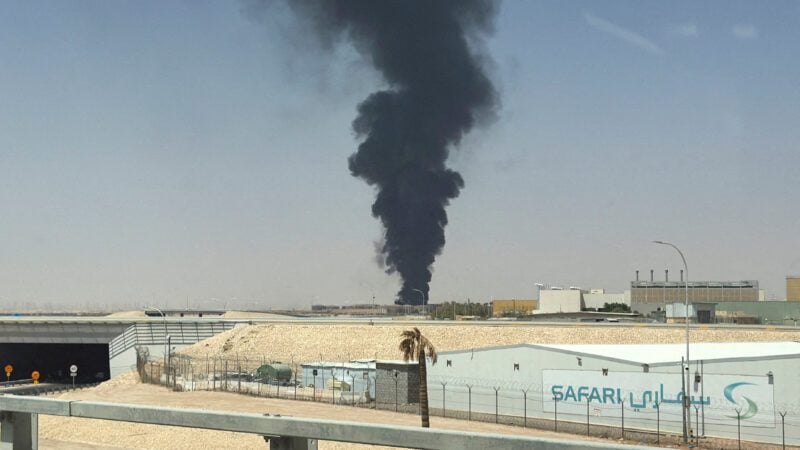
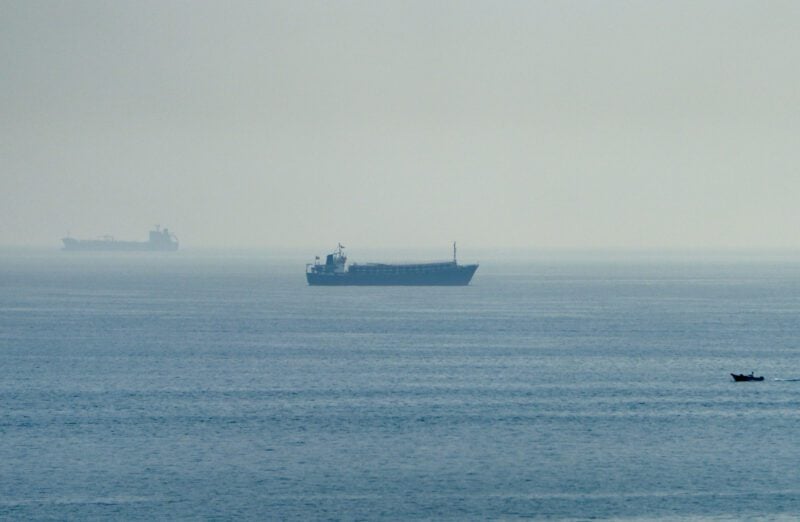
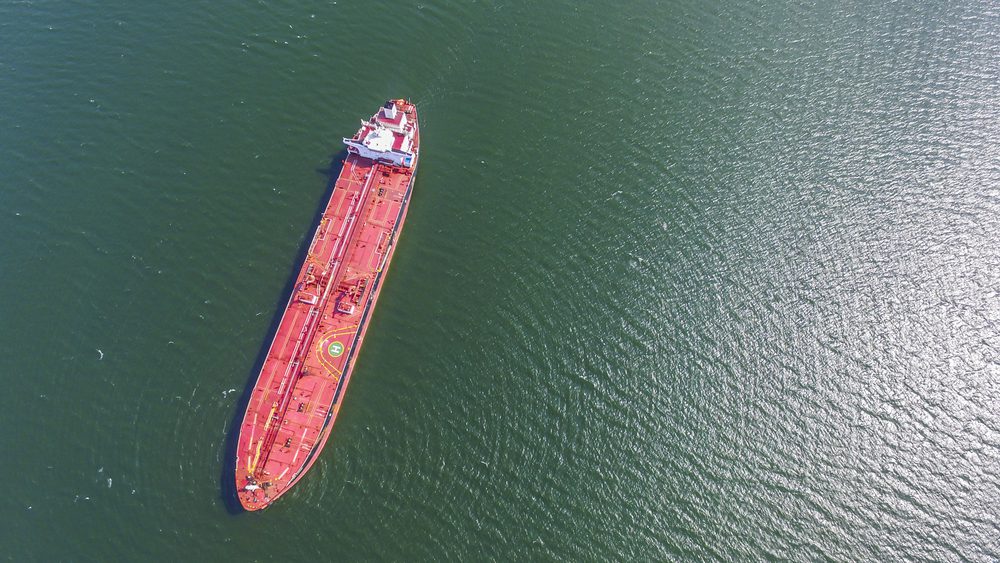
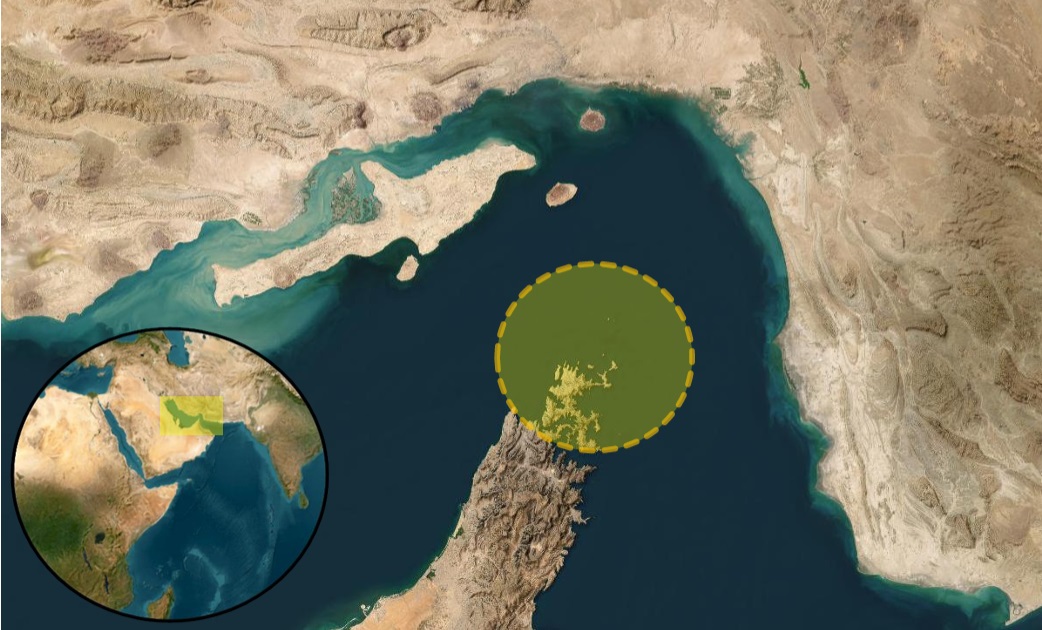
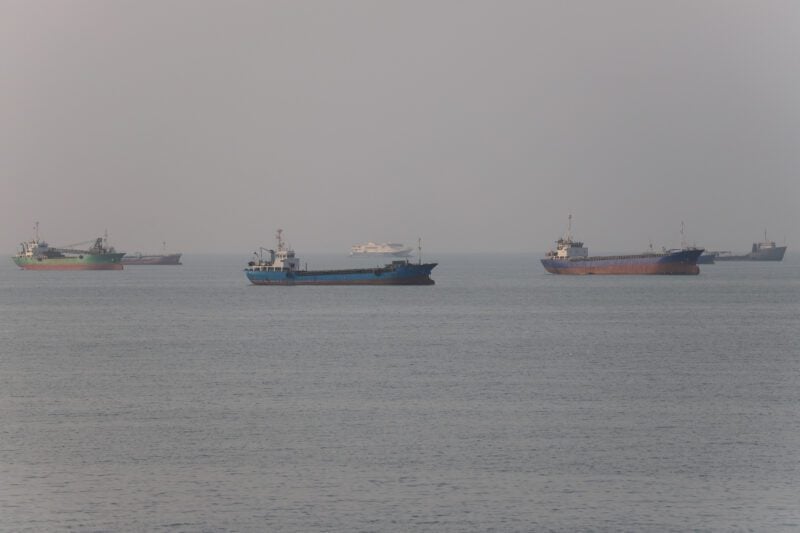
UK Maritime Trade Operations reported an unknown projectile striking a crude oil tanker in the Strait of Hormuz on 6 October. On 7 October, projectiles struck the Antigua and Barbuda-flagged chemical tanker Acers about 51 nautical miles north of Madinat ash Shamal, Qatar; UKMTO has not attributed the attack, and reporting differs on the damage. Reports of tanker attacks and their monthly totals do not fully align. Meanwhile, Gulf-to-East Asia tanker costs remain far above pre-conflict levels even as one report says crude flows through Hormuz have recovered towards pre-war levels. Saudi Arabia is discussing longer-term oil loadings outside the strait. The US position on strikes before 3 November is also unsettled in the reporting: Trump ruled out an attack before the midterm elections, while other reports describe Pentagon strike planning.
Change from previous assessment
Since the 8 October brief, the assessment incorporates UKMTO’s report of a 6 October tanker strike in the Strait of Hormuz and the 7 October strike on Acers north of Madinat ash Shamal. These incidents reinforce the previous judgement of elevated shipping risk, while the Acers attribution remains unresolved. This brief adds the conflicting reports on US strike planning before 3 November and incorporates Saudi reporting of three deaths in the airport attacks and the coalition’s stated destruction of 82 Houthi targets. Saudi discussions on long-term loadings outside Hormuz add evidence of continued shipping adaptation.
Key judgments
- Commercial tanker traffic in the Strait of Hormuz and the Persian Gulf is very likely to face elevated attack risk over the next 0 to 14 days. UKMTO reported a projectile strike on a crude oil tanker in Hormuz on 6 October, and the Antigua and Barbuda-flagged Acers was struck north of Madinat ash Shamal on 7 October. Reporting also describes at least 12 tanker attacks between 28 September and 5 October, but the reported attack totals do not reconcile cleanly. UKMTO reporting and wire-service coverage support the occurrence of recent incidents; the uncertain totals and unknown attackers limit confidence. (Confidence: medium · ASSESSED)
- I&W: UKMTO reports another projectile strike on an oil or chemical tanker in the Strait of Hormuz or Persian Gulf. (0 to 14 days)
- I&W: UKMTO reports no new tanker strikes through 23 October and withdraws its extreme-caution advisory. (0 to 14 days)
- Iranian responsibility for the 7 October strike on Acers is not established in current reporting. One trade-publication account attributes the strike to Iranian drones, while UKMTO says it has not attributed the attack; accounts also differ on the incident’s location and damage. The attribution rests on uncorroborated reporting and should be treated with low confidence. (Confidence: low · REPORTED)
- I&W: UKMTO or the investigating authority publishes evidence identifying the Acers attackers or linking the strike to an Iranian launch source. (0 to 30 days)
- I&W: The investigation identifies a non-Iranian source or rules out the reported Iranian-drone account. (0 to 30 days)
- Hormuz oil movement is likely to continue while freight costs and route disruption remain high. One wire-service report says crude flows have recovered towards pre-war levels, but Gulf-to-East Asia tanker costs are reported at more than six times their pre-conflict level, and Signal Ocean places over 40 per cent of the global VLCC fleet in or near the Persian Gulf. Saudi Arabia is discussing long-term loadings outside Hormuz, building on shuttle transfers already used by Gulf producers. Wire-service and market-data reporting supports continued movement alongside costly, altered shipping patterns; flow and rate measures do not establish normal access. (Confidence: medium · ASSESSED)
- I&W: Signal Ocean continues to report more than 40 per cent of the global VLCC fleet in or near the Persian Gulf, while Gulf-to-East Asia rates remain above six times pre-conflict levels. (0 to 14 days)
- I&W: Signal Ocean reports the Gulf-area VLCC share below 40 per cent and Gulf-to-East Asia rates fall to within twice their pre-conflict level. (0 to 3 months)
- A US strike on Iran before 3 November is unlikely, but the supplied reporting does not establish that the option has been removed. Trump publicly said the United States would not attack before the midterm elections; separate reporting says the White House requested Pentagon options executable before that date, and another report says Trump is weighing whether to escalate before or after the elections. The opposing accounts include a public statement and reporting based on unnamed officials, so confidence in this assessment is low. (Confidence: low · ASSESSED)
- I&W: Trump repeats that the United States will not attack before 3 November and the Pentagon confirms it has received no execution order. (0 to 14 days)
- I&W: The White House authorises a strike or US forces attack an Iranian target before 3 November. (0 to 25 days)
- Saudi-Houthi hostilities are likely to continue over the next 0 to 14 days. Saudi reporting says the Houthis struck King Khalid International Airport in Riyadh and Abha airport on 6 and 7 October, killing three people and injuring dozens; the Saudi-led coalition said it destroyed 82 Houthi targets in Yemen in response. Reporting attributes the two-airport attacks to the Houthis, but one account identifies the Riyadh attackers as unknown, so attribution is not equally clear for both incidents. (Confidence: medium · ASSESSED)
- I&W: The Houthis claim another attack on King Khalid International Airport or Abha airport, or the Saudi-led coalition announces further strikes in Saada, Hodeida, Jawf or Marib. (0 to 14 days)
- I&W: Saudi airport reporting records no new attack at King Khalid or Abha, and the Saudi-led coalition announces a halt to strikes in Yemen. (0 to 14 days)
Outlook & scenarios
Persistent maritime disruption without a US strike (55%)
Tanker attacks and route warnings continue intermittently around Hormuz and the Persian Gulf. Crude continues to move through the strait and via Gulf shuttle transfers, but freight costs stay high. Trump’s public pledge holds and the United States does not strike Iran before 3 November.
Wider Gulf shipping and Saudi-Houthi escalation (35%)
Further strikes affect tankers in Hormuz or the approaches to Qatar, while renewed Houthi attacks and Saudi-led coalition strikes extend the parallel Saudi-Yemen exchange. Commercial operators continue to use shuttle transfers and routes outside Hormuz, with shipping costs remaining elevated.
Wildcard: US strike before 3 November (10%)
Despite Trump’s public statement, the reported Pentagon options lead to a US strike on Iran before the midterm elections. Iran enforces its stated threat against unauthorised oil-export routes, raising the prospect of further attacks on commercial vessels in Hormuz and the Persian Gulf.
Recommendations
- Maintain a daily incident register for the Strait of Hormuz and Persian Gulf. Record vessel name, flag, coordinates, time, reported damage, casualties and attribution separately, and reconcile UKMTO totals against media and maritime-security counts.
- Do not attribute the Acers strike to Iran unless UKMTO or an investigating authority publishes corroborating evidence. Keep the conflicting accounts of location, damage and attacker visible in updates.
- Separate oil-flow volumes from commercial shipping conditions in reporting. Track Signal Ocean fleet concentration and tanker rates alongside Saudi Aramco’s discussions on long-term loadings outside Hormuz.
- Treat reports of Pentagon strike options as evidence of planning, not authorisation. Change the pre-election strike assessment only on a confirmed policy decision, an execution order or verified military action.
- Track Saudi General Authority of Civil Aviation reporting on King Khalid International Airport and Abha, alongside Houthi statements and Saudi-led coalition announcements on strikes in Yemen.
Confidence & uncertainty
Overall confidence is medium. UKMTO incident reporting, wire-service coverage and Signal Ocean market data support the assessment of recent tanker attacks and severe shipping-cost pressure. Confidence is lower on Acers attribution and damage, the exact tanker-attack count, and US strike policy before 3 November, where reporting conflicts or relies on limited sourcing.
Alternative analysis (red cell)
The evidence on a pre-election US strike is better characterized as indeterminate than as pointing toward an unlikely outcome. Trump's statement in 1a141b97-fcae-4648-8f12-37c782ee72f1 is directly offset by reporting of executable options and active deliberation in ffdcfd00-7ebf-4718-ae10-fb41597b3d85 and 1d52d6d5-b0b3-41c3-a81a-de2d91ef4e59. The available reporting therefore supports a meaningful possibility of action before 3 November, while remaining insufficient to establish that it is more likely than not.
Intelligence gaps
- [EEI 1.1 · UNCOVERED] Number, type, launch times, and trajectories of ballistic missiles, cruise missiles, armed UAV strikes, and combat-air sorties launched by Iranian or Israeli forces toward the other's territory or forward bases within a 72-hour window. Recommended collection: signals/intel
- [EEI 1.2 · UNCOVERED] Observable changes in Israeli and Iranian force posture: mobilization or reserve call-up orders, unit road/rail movements, dispersal or sortie rates of air squadrons, redeployment of air-defense batteries, and activation of civil-defense alerts or sirens in major population centers. Recommended collection: open-source/media
- [EEI 1.3 · PARTIAL] Indications of strike authorization or targeting preparations in Iranian or Israeli command chains: authenticated public orders by senior commanders, detected increases in encrypted communications consistent with targeting, or visible movement of strike munitions to launch/storage sites. Recommended collection: signals/intel
- [EEI 2.1 · UNCOVERED] Counts, launch locations (coordinates), weapons types, and assessed damage from rocket/missile/drone strikes originating from Lebanon into northern Israel attributed to Hezbollah or allied groups. Recommended collection: open-source/media
- [EEI 2.2 · UNCOVERED] Reported attacks by Iranian-backed militias in Iraq and Syria: rocket/IED strikes on bases hosting US/coalition or Israeli personnel, documented militia unit movements toward borders, and captured movement or transfer of weapons systems to forward militia positions. Recommended collection: human
- [EEI 2.3 · UNCOVERED] Maritime harassment or attacks by proxies (e.g., Houthis): incidents of missile/rocket strikes against commercial vessels, small-boat swarm attacks, discovery or detonation of naval mines, and corresponding AIS anomalies in the Red Sea, Gulf of Aden, or southern Arabian Gulf. Recommended collection: maritime/AIS
- [EEI 3.1 · PARTIAL] Movements and arrival dates of foreign military assets into the region: carrier strike groups, amphibious ships, surface combatants, strategic airlift/tanker deployments, and air/sea patrol patterns by US, European, Russian, or regional militaries. Recommended collection: imagery/satellite
Cited sources
[1] Yeni Şafak (English edition) · Tanker hit by projectile in Strait of Hormuz: UK agency (B) · 8 October 2026 · sha256:294bb9d2ada9 [2] gCaptain · Tanker Attack Off Qatar Signals Wider Threat Beyond Hormuz (C) · 8 October 2026 · sha256:a87a5ee0d4e0 [3] Reuters (republished by gCaptain) · Attack Risks Rise for Tankers as Iran Vows to Block More Hormuz Routes (A) · 8 October 2026 · sha256:7906e770b59e [4] The Maritime Executive · Oil Prices and Tanker Rates Rise After Latest Iranian Attacks in Mideast (C) · sha256:3df697f297fe [5] Bloomberg (republished by gCaptain) · Supertankers Racing to Middle East Worsen Global Ship Crunch (A) · 8 October 2026 · sha256:3b78e0d897e9 [6] Bloomberg (republished by gCaptain) · Saudis in Talks to Formalize Hormuz Shuttles in Fight for Market (A) · 8 October 2026 · sha256:268cf4e00362 [7] gCaptain (republishing Bloomberg content) · Houthis Kill Three in Strikes on Saudi Arabian Airports (C) · 9 October 2026 · sha256:9f6bafbfe7b4
Source content hashes were computed at collection time; the cited text is preserved unmodified for the life of this product.
Red cell review: PARTIAL DISSENT
TLP:CLEAR