TLP:CLEAR · Disclosure is not limited.
Gulf tit-for-tat intensifies: IRGC strikes Kuwait and Bahrain after U.S. raids; talks falter as Hormuz risk stays high
Time window: Last 1 day · Audience: General analyst · Type: Situation report · DTG: 2026-06-29 10:44Z · Overall confidence: LOW
BLUF
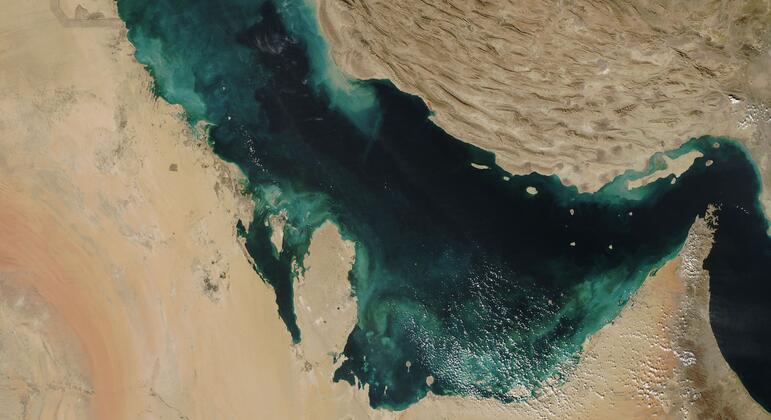
Iran’s Islamic Revolutionary Guard Corps almost certainly launched drones and ballistic missiles at U.S.-linked targets in Kuwait and Bahrain on 28 June after U.S. strikes on Iranian sites, while both Washington and Tehran trade accusations over a shaky ceasefire and mooted talks in Qatar. Maritime and aviation risk across the Strait of Hormuz and the UAE remains elevated, with Iran signalling intent to expand targeting to U.S.-associated locations in the Emirates.
Executive summary
After U.S. airstrikes on at least ten Iranian military sites linked to maritime aggression, Iran’s Islamic Revolutionary Guard Corps claimed drone and missile attacks against U.S.-linked targets in Kuwait and Bahrain. Kuwait’s defences intercepted, including two ballistic missiles, and Bahrain reported a residential building near its international airport was hit. Tehran and Washington accuse each other of breaking a fragile understanding as the IRGC threatens to halt negotiations, even as reports point to a meeting in Qatar and claims of a ceasefire allowing freer ship passage. Maritime risk in and around the Strait of Hormuz remains heightened despite some resumed transits, and Iran has publicly flagged intent to target U.S.-associated locations in the UAE. On the northern front, a U.S.-brokered Israel, Lebanon framework exists on paper, but Hezbollah lethal activity and Israeli fire suggest continued friction despite the deal.
Change from previous assessment
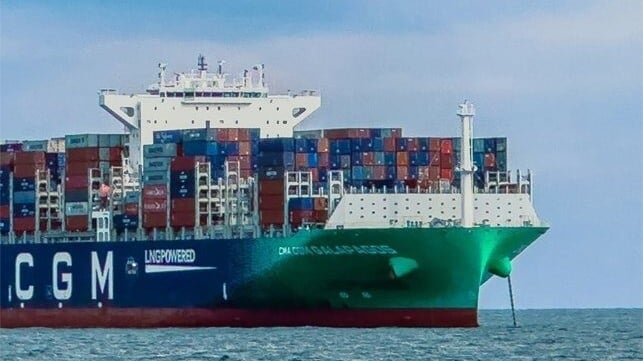
New since the prior brief: corroborated IRGC claims of drone and missile attacks on Kuwait and Bahrain that targeted U.S.-linked sites, with Kuwait intercepting two ballistic missiles and Bahrain reporting a residential building near its airport hit; reports of no American casualties. Additional U.S. strike details emerged referencing at least ten Iranian military targets tied to maritime aggression. On the diplomatic track, parallel claims surfaced of a planned U.S., Iran meeting in Qatar and a ceasefire allowing freer passage, while the IRGC threatened to halt talks and both sides accused each other of violations. Maritime signals remained mixed: JMIC raised the threat level and traffic reportedly declined, yet a carrier moved a previously trapped vessel and crude exports rebounded to partial prewar levels. Risk to the UAE sharpened with Iranian intent statements and an FAA caution. On the northern front, a U.S.-brokered Israel, Lebanon framework was signed, but Hezbollah killed an Israeli soldier and Israeli fire continued, indicating friction despite the deal.
Key judgments
- Almost certainly: The Islamic Revolutionary Guard Corps launched drones and ballistic missiles at U.S.-linked targets in Kuwait and Bahrain on 28 June, with Kuwait intercepting inbound threats and Bahrain reporting a residential building near its international airport was hit; no American casualties were reported. (Confidence: high · REPORTED)
- I&W: Kuwait Armed Forces release imagery of recovered ballistic missile debris with identifiable Iranian markings and serials. (0-14 days)
- I&W: Authoritative denial by Kuwait and Bahrain of any inbound threats accompanied by radar-track data that contradicts interception claims. (0-14 days)
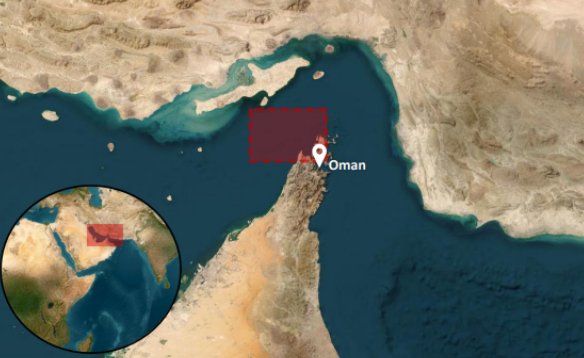
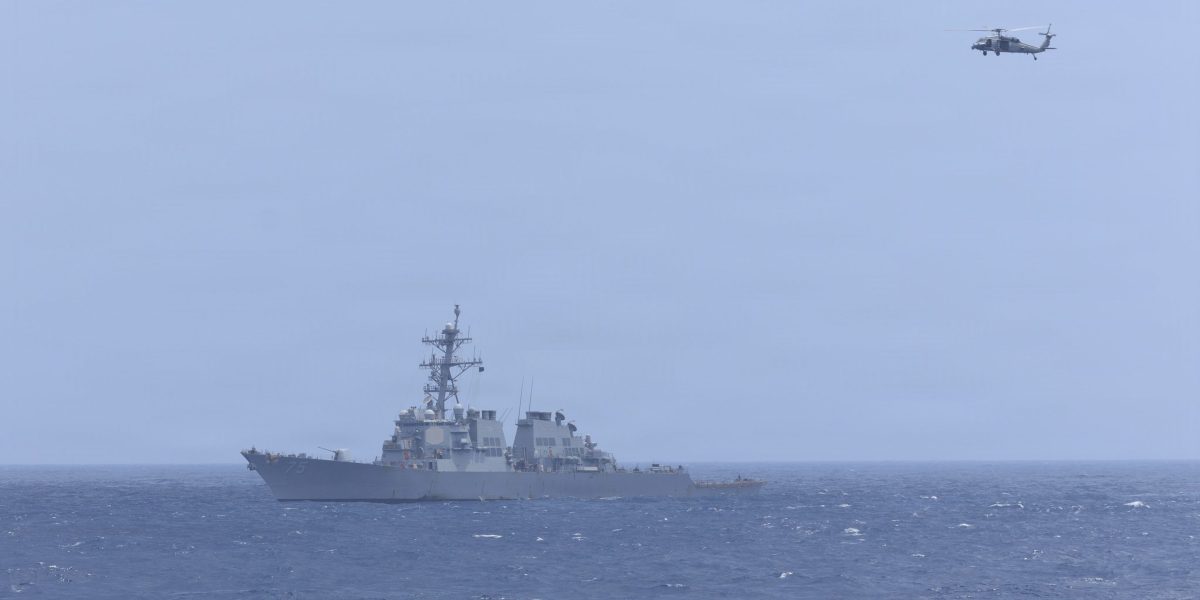
- Likely: U.S. forces conducted airstrikes on at least ten Iranian military sites in and around the Strait of Hormuz area on 27-28 June in response to an Iranian drone attack on the Panama‑flagged tanker Kiku. (Confidence: medium · REPORTED)
- I&W: Commercial satellite imagery shows fresh damage at named Iranian surveillance, air defence, drone storage, and minelayer sites around Hormuz. (0-14 days)
- I&W: Iran arranges press visits to purported target sites showing no damage consistent with airstrikes. (0-14 days)
- Likely: The U.S., Iran memorandum framework is at risk, with both sides accusing the other of violations and the IRGC threatening to halt talks, despite parallel reporting of a meeting in Qatar and a claimed ceasefire that includes freer maritime passage. (Confidence: medium · ASSESSED)
- I&W: Planned U.S., Iran meeting in Qatar is postponed or cancelled and Tehran issues a formal notice pausing the negotiation track. (0-14 days)
- I&W: A joint U.S., Iran statement from Doha announces a deconfliction mechanism and timelines for restraint. (0-14 days)
- Likely: The Strait of Hormuz operating environment remains high risk, with a raised maritime threat level, reported traffic decline and evacuation needs, Iran asserting control of routing and fees, but selective transits resuming under constraint. (Confidence: medium · ASSESSED)
- I&W: JMIC maintains or raises the threat level and major carriers acknowledge Iranian routing permissions or fee demands in advisories. (0-14 days)
- I&W: Sustained two‑week AIS data shows traffic and crude exports returning to or above prewar baselines without Iranian corridor permissions. (1-3 months)
- Likely: Iran intends to expand target selection to include U.S.-associated locations in the UAE, keeping terrorism and armed conflict risk elevated for U.S. interests there. (Confidence: medium · ASSESSED)
- I&W: UAE announces intercepts over or near Al Dhafra Air Base or Jebel Ali affecting U.S.-linked sites. (0-14 days)
- I&W: U.S. revises its UAE travel advisory downward or FAA rescinds cautionary guidance for U.S. carriers over the UAE. (1-3 months)
- Likely: The Israel, Hezbollah front will remain active despite a U.S.-brokered framework, as shown by a Hezbollah killing of an Israeli soldier and continued Israeli fire, while Hezbollah rejection and UNIFIL’s ‘overall’ calm indicate a contested but unstable track. (Confidence: medium · ASSESSED)
- I&W: Regular IDF and Hezbollah communiqués claim cross‑border attacks or casualties at a near‑daily tempo. (0-14 days)
- I&W: Lebanese Armed Forces deploy and UNIFIL verifies weapons removals in pilot zones with a measurable drop in exchange of fire. (1-3 months)
- Likely: Iranian markets are under stress following reciprocal strikes, with the Tehran Stock Exchange down sharply and the rial weaker on the open market. (Confidence: medium · REPORTED)
- I&W: Tehran Stock Exchange main index remains below roughly five million points and the rial trades weaker than about 1.7 million per U.S. dollar. (0-14 days)
- I&W: Index rebounds above prior levels and rial strengthens materially after any de‑escalation announcement. (0-14 days)
Outlook & scenarios
Rolling tit‑for‑tat between the U.S. and Iran with continued IRGC strikes on U.S.-linked sites in Kuwait and Bahrain (60%)
Iran continues to target Ali Al Salem Air Base and U.S. Fifth Fleet‑related facilities in Bahrain with drones and ballistic missiles following further U.S. raids on Iranian surveillance, air defence, drone storage and minelayer nodes. Interceptions remain common and damage limited, but pressure on Gulf partners and U.S. posture persists. Shipping through Hormuz stays constrained, with Iranian assertions over routing and fees complicating transits.
Narrow pause via Qatar mitigates immediate escalation but leaves Hormuz contested (40%)
A meeting in Qatar produces a short stand‑down and a face‑saving statement on freer maritime passage. Some carriers transit, as seen with a container line’s movement, and crude exports recover to partial prewar volumes. Iran still asserts corridor management and permissions, keeping compliance risks and insurance premiums elevated.
Spillover to the UAE targeting U.S.-associated locations (35%)
Following public threats, Iran expands target selection to include U.S.-associated locations in the UAE. Air and missile defence activity near Jebel Ali or Al Dhafra triggers new U.S. aviation cautions and reinforces prior personnel drawdowns, raising terrorism and armed conflict risk for U.S. interests in the Emirates.
Northern front friction endures despite the Israel, Lebanon framework (50%)
Hezbollah’s rejection of the framework and continued lethal incidents, along with Israeli fires and counter‑claims of militant activity, keep the front active. UNIFIL reports an overall calm at times, but implementation benchmarks like Lebanese Armed Forces control in pilot zones slip, and withdrawal and interdiction provisions stall.
Recommendations
- Exploit official Kuwaiti and Bahraini defence channels for debris photography and intercept reporting; fuse with commercial satellite imagery to confirm launch types and aimpoints at Ali Al Salem and U.S. Fifth Fleet‑related facilities.
- Task near‑term commercial imagery over Iranian coastal surveillance, air defence, drone storage and minelayer sites around Hormuz struck by U.S. aircraft to validate battle damage and readiness recovery timelines.
- Stand up a Hormuz risk dashboard that fuses JMIC threat levels, AIS traffic analytics, carrier advisories and any documented Iranian permissions or fee demands; track the status of the reported 11,000 seafarers awaiting evacuation.
- Advise U.S. carriers and contractors operating in or over the UAE to review the FAA caution and prepare alternates for air routes and crew layovers; coordinate with corporate security on shelter‑in‑place and dispersal options in Abu Dhabi and Dubai.
- Prioritise collection on IRGC intent regarding UAE targets, including statements about U.S. bases; monitor UAE intercept reports and air defence activity around Jebel Ali and Al Dhafra for early warning.
- Maintain watch on Iranian financial indicators, including the Tehran Stock Exchange main index and open‑market rial rates, to gauge regime risk tolerance and escalation incentives.
- Monitor implementation signals on the Israel, Lebanon framework: LAF deployments to pilot zones, UNIFIL reporting, and Hezbollah public messaging to assess the likelihood of sustained calm versus relapse.
- Increase cyber monitoring for Iranian activity against Israeli and U.S. interests, given reported surges, and brief defenders on likely TTPs aligned to kinetic flashpoints.
Confidence & uncertainty
Overall confidence is low because many critical elements rest on medium‑confidence, single‑reporting streams with internal contradictions, notably on the status of the ceasefire and talks versus continued strikes, and on maritime conditions where reports of a blocked strait coexist with verified transits and partial export recovery. Several key details of U.S. strikes derive from media summaries rather than detailed official readouts, and some timelines vary across sources. While multiple high‑confidence items corroborate the IRGC attacks and interceptions, the broader strategic trajectory and Hormuz operating picture remain thinly sourced or conflicting.
Alternative analysis (red cell)
While incidents and elevated tensions are credibly reported, the ledger shows important single-source clustering (e.g., f2735430/7168bb91/ffda100c) and mixed Admiralty grades for key attributions. A more cautious analytic framing is defensible: attacks likely occurred but attribution (IRGC vs other actors), precise intercept/damage counts, the scale of U.S. retaliatory strikes, and whether the memorandum has meaningfully collapsed are not yet independently corroborated. Additional ISR/BDA, multi‑source diplomatic communiques, and on‑the‑record military logs are needed to resolve these uncertainties.
Intelligence gaps
- [EEI 1.1 · UNCOVERED] Movement, dispersal, or emplacement of Iranian conventional or IRGC heavy assets (ballistic missile launchers, Khoramshahr/Toofan-class missile transporters, ground-to-ground TELs, air defense batteries, amphibious units) from garrison areas toward forward bases or coastal launch sites. Recommended collection: satellite/IMINT
- [EEI 2.1 · UNCOVERED] Observable pre-launch preparations for missile/rocket/cruise missile strikes (fueling, warhead mating, launcher orientation, support vehicle congregation) and abnormal munitions handling at known launch sites. Recommended collection: satellite/IMINT
- [EEI 2.2 · UNCOVERED] Indications of proxy arms shipments and weapons transfers (truck convoys, small boat transfers, container movements from Iran to proxies, new stockpiles in Lebanon, Iraq, Yemen, Syria). Recommended collection: maritime/AIS
- [EEI 3.1 · UNCOVERED] Movements and posture changes of U.S. regional platforms (carrier strike groups, amphibious ready groups, B-52/B-1/B-2 or fighter deployments, missile defense assets repositioning) and associated armament loadouts. Recommended collection: satellite/IMINT
- [EEI 3.3 · PARTIAL] Changes in U.S. base force-protection measures and rules of engagement at regional facilities (base lockdowns, evacuation notices, flight restrictions, activation of Local Defense Forces or missile intercept systems). Recommended collection: open-source/local reporting
- [EEI 4.1 · PARTIAL] Hezbollah-specific indicators: convoys and logistics movements toward Lebanon–Israel border, artillery/rocket emplacement in southern Lebanon, documented strikes-preparation activity, public mobilization orders or recruitment drives. Recommended collection: satellite/IMINT
- [EEI 4.2 · UNCOVERED] Houthi-attributed maritime attack indicators: AIS anomalies/loss of contact for commercial vessels, reports of missile/drone strikes or near-miss incidents in Bab al-Mandeb/Red Sea, Houthi claims paired with imagery of weapons launches. Recommended collection: maritime/AIS
- [EEI 4.3 · UNCOVERED] Militia cross-border attack evidence from Iraq/Syria: recorded rocket/mortar launch events into Israel or strikes against U.S. facilities, movement of armed convoys toward border areas, and intercepted communications coordinating cross-border operations. Recommended collection: signals/ELINT
Cited sources
[1] UALR Public Radio · U.S. and Iran exchange strikes, underscoring the fragility of the ceasefire (A) · sha256:6706129f6858 [2] houstonpublicmedia.org · U.S. and Iran exchange strikes, underscoring the fragility of the ceasefire (A) · sha256:bf755d3053bf [3] Los Angeles Times · Iran attacks Bahrain and Kuwait following U.S. strikes and threatens to halt talks - Los Angeles Times (A) · sha256:eaa2a93a25b7 [4] The Jerusalem Post · Why did Iran renew attacks on Gulf states, despite the Memorandum of Understanding? - analysis (B) · sha256:a7f262e56010 [5] BBC News عربي · الولايات المتحدة وإيران تتفقان على وقف الأعمال القتالية ومرور السفن "بحرّية" عبر مضيق هرمز - BBC News عربي (A) · sha256:935558a4f14b [6] maritime-executive.com · CMA CGM Containership Uses Iranian Route Through Strait of Hormuz (B) · sha256:1ab20e106ac7 [7] USA Today · Trump again threatens Iran with warning it will 'no longer exist': What to know (A) · sha256:cd1d4ce7f846 [8] maritime-executive.com · Tanker Struck by Drone off Oman and the US Again Responds with New Strikes (B) · sha256:b8b2d6d9d5bc [9] CNN · Analysis: New US-Iran clashes revealed fragility of truce — and why it may work | CNN Politics (A) · sha256:d415fb27646e [10] Al Jazeera · IRGC doubles down as Iran-US MoU jeopardised by Hormuz strikes (A) · sha256:ae8716bf1503 [11] The Media Line · Moving past a ceasefire: Recognizing Israel is a big step, but 'normal,' says Lebanese diplomat (B) · sha256:e8fac0aa25e4 [12] Wikipedia · 2026 Iran war (B) · sha256:6f964516fd73 [13] United Nations · From Lebanon to the Strait of Hormuz, a Middle East hanging on fragile peace talks (A) · sha256:d0d950f95951 [14] Fortune · Iran is forcing the U.S. into an escalation trap as a 'shadow war' over the Strait of Hormuz heats up that could kill the tenuous ceasefire | Fortune (B) · sha256:7bf91514168a [15] gcaptain.com · Aramco Helicopter Crash In Ras Tanura Kills All 14 On Board (A) · sha256:599d7c5eac90 [16] U.S. Department of State · United Arab Emirates Travel Advisory (A) · sha256:7a0c71f2991b [17] jpost.com · The strategic significance of the Israel-Lebanon framework agreement - opinion (B) · sha256:20334a48c596
Source content hashes were computed at collection time; the cited text is preserved unmodified for the life of this product.
Red cell review: PARTIAL DISSENT
TLP:CLEAR