TLP:CLEAR · Disclosure is not limited.
Hormuz and Bab-el-Mandeb: Shipping Risk Rises, Key Claims Remain Unverified
Time window: Last 1 day · Audience: General analyst · Type: Situation report · DTG: 2026-11-15 17:45Z · Overall confidence: HIGH
BLUF
Very likely, commercial shipping remains constrained around the Strait of Hormuz, while the 15 November redeployment by southern Yemeni forces increases Houthi leverage near Bab-el-Mandeb. The supplied reporting does not establish a Bab-el-Mandeb blockade, disruption at four of five key straits, or Brent at $108 per barrel.
Executive summary
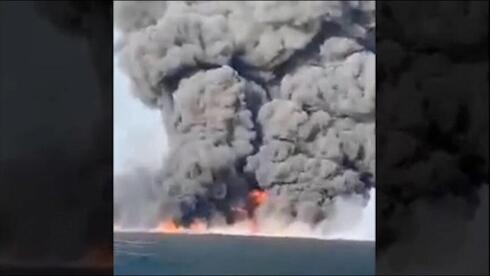
Reported: UKMTO recorded an attack on a tanker in the Arabian Gulf near the Strait of Hormuz on 15 November, and Iran's IRGC claimed that tankers struck mines, including one supertanker that sank. The mine strikes and sinking lack independent confirmation, and the reported number of affected vessels varies. Southern Armed Forces announced a redeployment from the Dhubab Airport and Bab-el-Mandeb area towards Aden; accounts differ on whether Houthi pressure forced the move. Bahrain said it intercepted Iranian drones targeting the al-Riffa air base on 15 November, while the IRGC claimed a successful strike on a US radar facility. Assessment: Hormuz traffic is impaired, but the available record does not show it is fully stopped. The Bab-el-Mandeb move raises concern over Houthi influence, not proof of a blockade. The supplied price data does not verify Brent at $108, and the record does not substantiate claims of disruption at four of five key straits.
Change from previous assessment
The prior brief described Hormuz traffic as severely reduced but not stopped and found no evidence of a Bab-el-Mandeb blockade or Brent at $108. This update adds a UKMTO-recorded tanker attack near Hormuz, new IRGC claims of mine strikes and a supertanker sinking, and a Southern Armed Forces announcement of redeployment from the Bab-el-Mandeb area towards Aden. The redeployment raises the assessment of Houthi leverage near the strait, but does not establish a blockade. The Bahrain drone attack on 15 November adds a new direct security concern; its outcome remains disputed. The assessment that four of five key straits are disrupted and Brent is $108 remains unsupported by the supplied record.
Key judgments
- Very likely, commercial movement through the Strait of Hormuz remains materially constrained, but a complete closure is not established. The International Energy Agency reported Gulf oil exports, excluding Oman, at 18.4 million barrels per day in October, about 26% below pre-war levels; Gulf exporters are also using ship-to-ship transfers off Oman and the UAE. UKMTO recorded a 15 November tanker attack near the strait. Iran's IRGC declared the strait closed, while US CENTCOM claimed that more than 1.7 billion barrels moved through under US protection in 24 hours. That CENTCOM figure conflicts sharply with the IEA export measure and requires clarification. IRGC claims of mine strikes and a sunken supertanker remain unverified; the reported vessel count varies. (Confidence: medium · ASSESSED)
- I&W: Confirm: UKMTO or Indian shipping authorities record further attacks or sustained restrictions on tanker movements through Hormuz. Break: independently verifiable transit records show regular commercial passage and no further attacks. (0-14 days)
- I&W: Confirm or break the closure assessment by reconciling US CENTCOM's reported 24-hour shipment figure with independently reported daily transit and export data. (0-14 days)
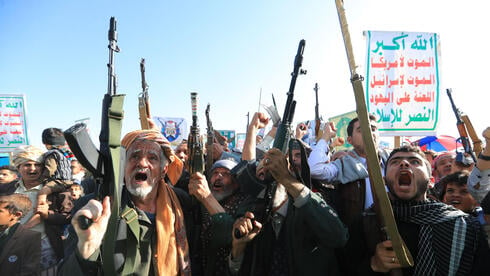
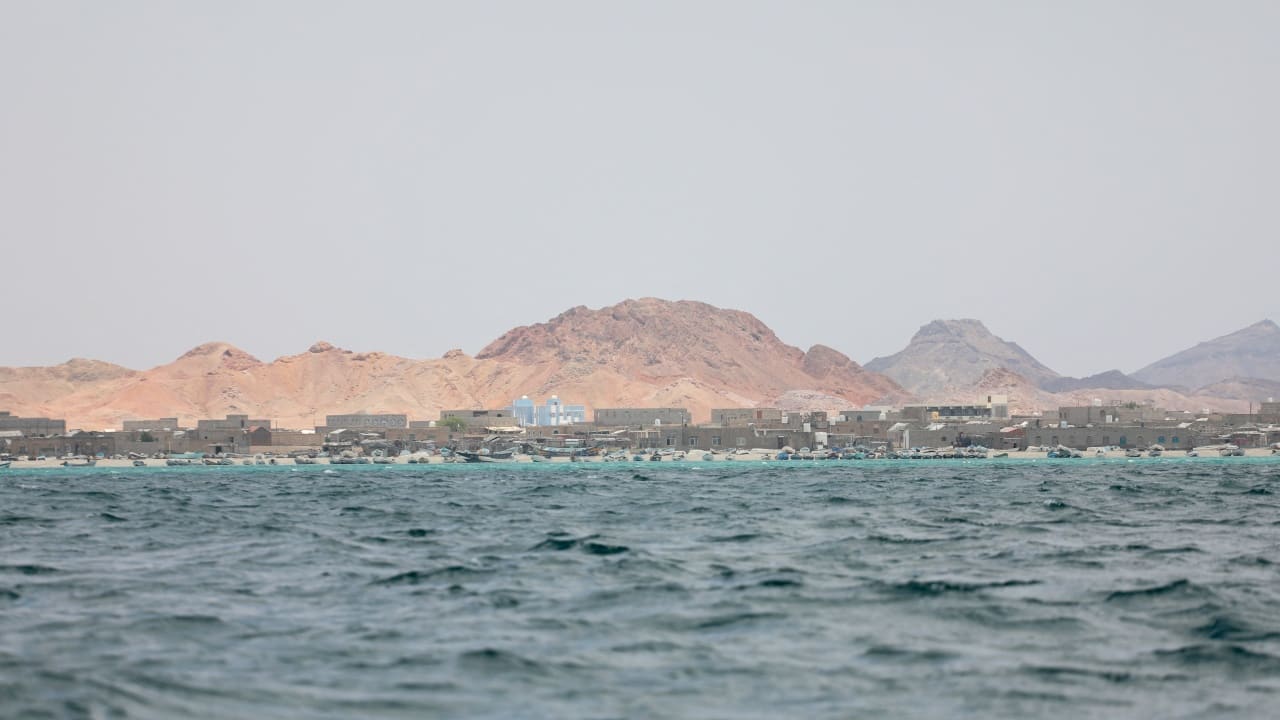
- Likely, the 15 November Southern Armed Forces redeployment from Dhubab Airport and the Bab-el-Mandeb area towards Aden has reduced government-aligned positions near the strait and increased Houthi leverage. The forces said the move prioritised Aden and nearby governorates; Houthi sources described it as a retreat under pressure. Reporting that government forces regained control of Bab al-Mandab and parts of Zubab in early October complicates claims that the Houthis now control the area. The redeployment announcement does not establish a blockade or the status of commercial transits. (Confidence: medium · ASSESSED)
- I&W: Confirm: independently verified troop-position reporting shows Southern Armed Forces units have left Dhubab and the Bab-el-Mandeb area, with Houthi forces occupying those positions. Break: verified government-aligned units remain in or return to those positions. (0-14 days)
- I&W: Confirm a shipping threat: UKMTO issues a Bab-el-Mandeb transit warning or independent transit records show a sustained fall in commercial passage. Break: regular passage continues without new security advisories. (0-30 days)
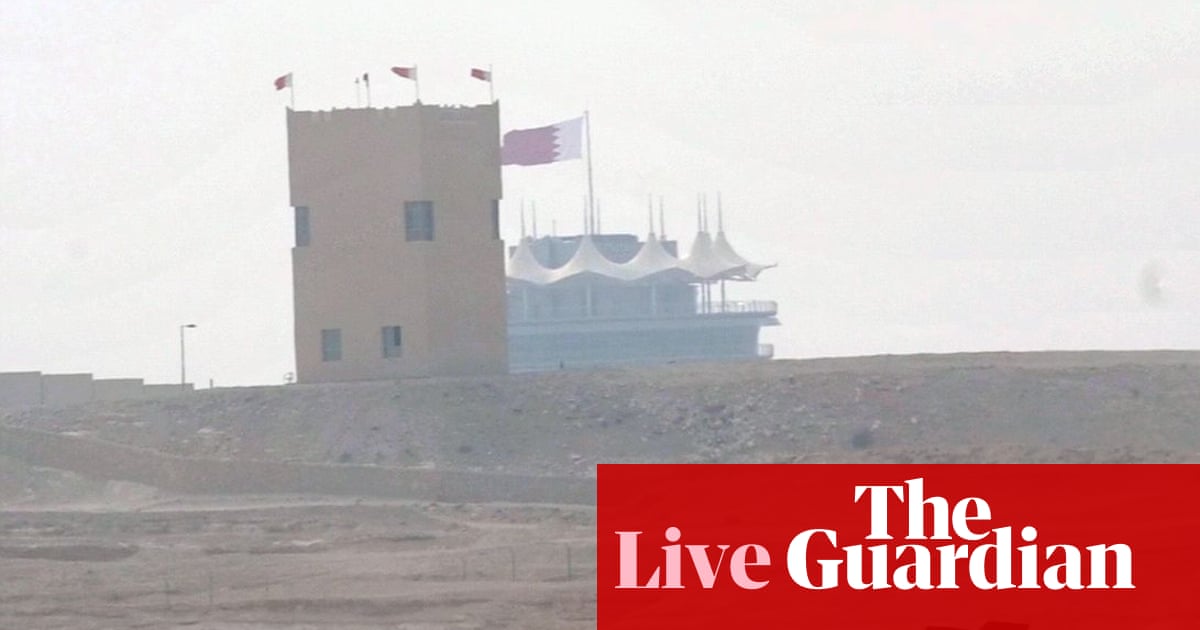
- Very likely, Iran attempted a six-drone strike on the US air-defence radar facility at al-Riffa air base in Bahrain on 15 November. The IRGC said it targeted the facility; Bahrain said its air defences intercepted the attack. Whether any drone struck or damaged the radar remains unverified because the parties give opposing accounts of the outcome. (Confidence: medium · REPORTED)
- I&W: Confirm an impact: independent imagery or an official technical report identifies damage to the al-Riffa radar facility. Break the impact claim: imagery or a technical report confirms the radar remained undamaged and the drones were intercepted. (0-14 days)
- I&W: Confirm continued attack risk: Bahrain issues another threat alert or reports another drone interception. Break: Bahrain reports no further drone incidents during the period. (0-14 days)
- Likely, reduced Gulf exports are sustaining energy-price and supply pressure, but the supplied record does not verify Brent at $108 per barrel. The latest cited EIA Brent spot price is $92.14 on 11 November, and the IEA reported October Gulf exports below pre-war levels. The record does not substantiate a current war-risk premium increase, tighter tanker availability, or fertilizer-trade disruption. (Confidence: medium · ASSESSED)
- I&W: Confirm Brent at $108: a dated EIA or exchange price series records Brent at or above $108 per barrel. Break: the latest comparable official or exchange measure remains below $108. (0-14 days)
- I&W: Confirm continued export pressure: the next IEA update reports Gulf exports remain below pre-war levels. Break: the update reports exports returning to pre-war levels. (1-3 months)
- Unlikely, the supplied evidence establishes disruption at four of five key maritime straits or a complete Bab-el-Mandeb blockade. It documents disruption and shipping risk at Hormuz and a military redeployment near Bab-el-Mandeb, but provides no current Bab-el-Mandeb transit count and no comparable reporting on the other straits. This is a judgement about the evidence available, not proof that disruptions elsewhere are absent. (Confidence: low · ASSESSED)
- I&W: Confirm: independent daily transit data shows material disruption in at least four of the five tracked straits for seven consecutive days. Break: comparable data shows regular commercial traffic in at least three of the five and no verified closure notices. (0-14 days)
- I&W: Confirm a Bab-el-Mandeb blockade: UKMTO or another named maritime authority reports a closure or repeated verified attacks that halt commercial passage. Break: current transit records show commercial vessels continuing to pass. (0-30 days)
Outlook & scenarios
Prolonged, intermittent disruption (60%)
Likely over the next two to four weeks. Iranian warnings and attacks around Hormuz continue to deter some commercial movements, while US protection and exporter workarounds sustain intermittent passage. Houthi influence near Bab-el-Mandeb rises, but the available reporting does not establish a full blockade.
Limited maritime de-escalation (25%)
Unlikely over the next month. Abbas Araghchi's planned 17 November visit to Muscat and reported Qatari and Pakistani mediation provide channels for limited understandings. Donald Trump's public rejection of a deal and continued attacks leave a durable settlement unlikely; a narrow arrangement on shipping safety remains a plausible outcome.
Wider disruption and direct escalation (15%)
Very unlikely, but high impact over the next month. A verified tanker sinking or a successful strike on the al-Riffa radar facility leads to further Iranian and US action. Renewed attacks, combined with a confirmed Houthi closure or sustained attack pattern at Bab-el-Mandeb, sharply reduce commercial passage and deepen supply pressure.
Recommendations
- Maintain separate reporting lines for confirmed vessel attacks, IRGC mine claims, and alleged tanker sinkings. Do not record the loss of a supertanker or more than two million barrels as confirmed without independent vessel identification or imagery.
- Ask the maritime watch to reconcile UKMTO and Indian shipping-authority reports with available vessel-position records. Track daily commercial passage through Hormuz and Bab-el-Mandeb separately.
- Verify Southern Armed Forces positions around Dhubab Airport, Zubab and the Bab-el-Mandeb area. Record the government explanation and the Houthi account as competing claims until independent reporting resolves control and motivation.
- Seek independent confirmation of damage to the al-Riffa radar facility before assessing the strike's operational effect. Track new Bahrain threat alerts and reported interceptions.
- Use dated, comparable EIA or exchange data for Brent assessments. Keep spot prices, futures prices and reported energy-export volumes distinct; do not repeat the $108 figure without a verifiable price source.
- Ask analysts covering shipping and commodities to obtain current insurer quotations, tanker availability data and fertilizer-trade indicators before assessing those effects as established.
Confidence & uncertainty
Overall confidence is high for the broad picture of shipping risk, the announced Yemeni redeployment and the Bahrain drone incident. Multiple major-media reports describe the redeployment and attack, while UKMTO and Indian shipping authorities report a tanker incident and official EIA and IEA figures provide an economic reference point. Some coverage repeats official statements rather than independently verifying them. Confidence is lower on the claimed mine strikes and sinking, the outcome of the Bahrain attack, Bab-el-Mandeb control, and the headline Brent price.
Intelligence gaps
- [EEI 1.3 · PARTIAL] Daily vessel-transit volume, AIS dark activity, anchorage buildup, and rerouting rates at Hormuz and Bab-el-Mandeb compared with pre-crisis levels. Recommended collection: maritime/AIS
- [EEI 2.2 · UNCOVERED] Tanker and container-ship rerouting through the Cape of Good Hope or other alternatives, including added sailing days, fuel consumption, and available vessel capacity. Recommended collection: shipping-industry/AIS
- [EEI 2.3 · UNCOVERED] War-risk insurance premium, deductible, coverage-exclusion, and voyage-approval changes for Hormuz, Bab-el-Mandeb, Red Sea, Gulf of Aden, and adjacent waters. Recommended collection: insurance-market
- [EEI 2.4 · PARTIAL] Operational status and export-loading changes at Saudi, UAE, Omani, Iranian, Djiboutian, and Red Sea ports, terminals, pipelines, and storage facilities. Recommended collection: port-operator/energy-infrastructure
- [EEI 3.1 · UNCOVERED] Brent and Dubai crude price movements, futures-curve shifts, volatility, and the spread between regional and global crude benchmarks. Recommended collection: commodity-markets
- [EEI 3.2 · PARTIAL] Changes in crude, refined-product, LNG, and LPG volumes transiting the straits and in announced production cuts, strategic-stock releases, or emergency cargo substitutions. Recommended collection: energy-trade/AIS
- [EEI 3.3 · UNCOVERED] Fertilizer shipment delays, canceled or redirected cargoes, regional price increases for urea and ammonia, and reported inventory levels in import-dependent markets. Recommended collection: commodity-trade/port-data
- [EEI 3.4 · PARTIAL] Container freight rates, vessel charter rates, bunker costs, port congestion, and manufacturing or retail supply disruptions attributable to the chokepoint crisis. Recommended collection: shipping-and-logistics-markets
- [EEI 4.2 · PARTIAL] Diplomatic commitments, deconfliction arrangements, prisoner or vessel releases, and publicly announced conditions for reopening commercial transit. Recommended collection: diplomatic-reporting
- [EEI 4.3 · UNCOVERED] Shipping-company decisions to resume, suspend, or expand transits and corresponding changes in insurer voyage approvals and war-risk premiums. Recommended collection: shipping-and-insurance-industry
- [EEI 4.4 · UNCOVERED] New incidents, military alerts, vessel diversions, or port restrictions at other critical chokepoints indicating geographic spread beyond Hormuz and Bab-el-Mandeb. Recommended collection: maritime/AIS-official-notices
Red cell review: CONCUR WITH COMMENT
TLP:CLEAR