TLP:CLEAR · Disclosure is not limited.
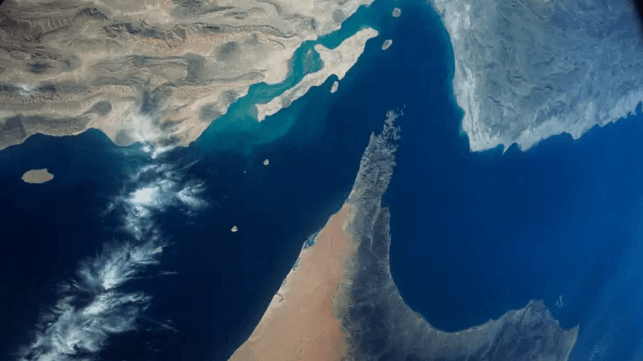
Hormuz at risk: Iran targets Omani route as IMO rejects permit demands and U.S. pressure resumes
Time window: Last 7 days · Audience: General analyst · Type: Situation report · DTG: 2026-07-11 12:13Z · Overall confidence: MEDIUM
BLUF
Iran is striking commercial vessels and pushing a permit-and-route regime in the Strait of Hormuz, depressing traffic and driving up war-risk costs. Washington has resumed strikes and sanctions, while the IMO has urged states to ignore Iran’s demands, keeping the legal picture clear but the operational risk high.
Executive summary
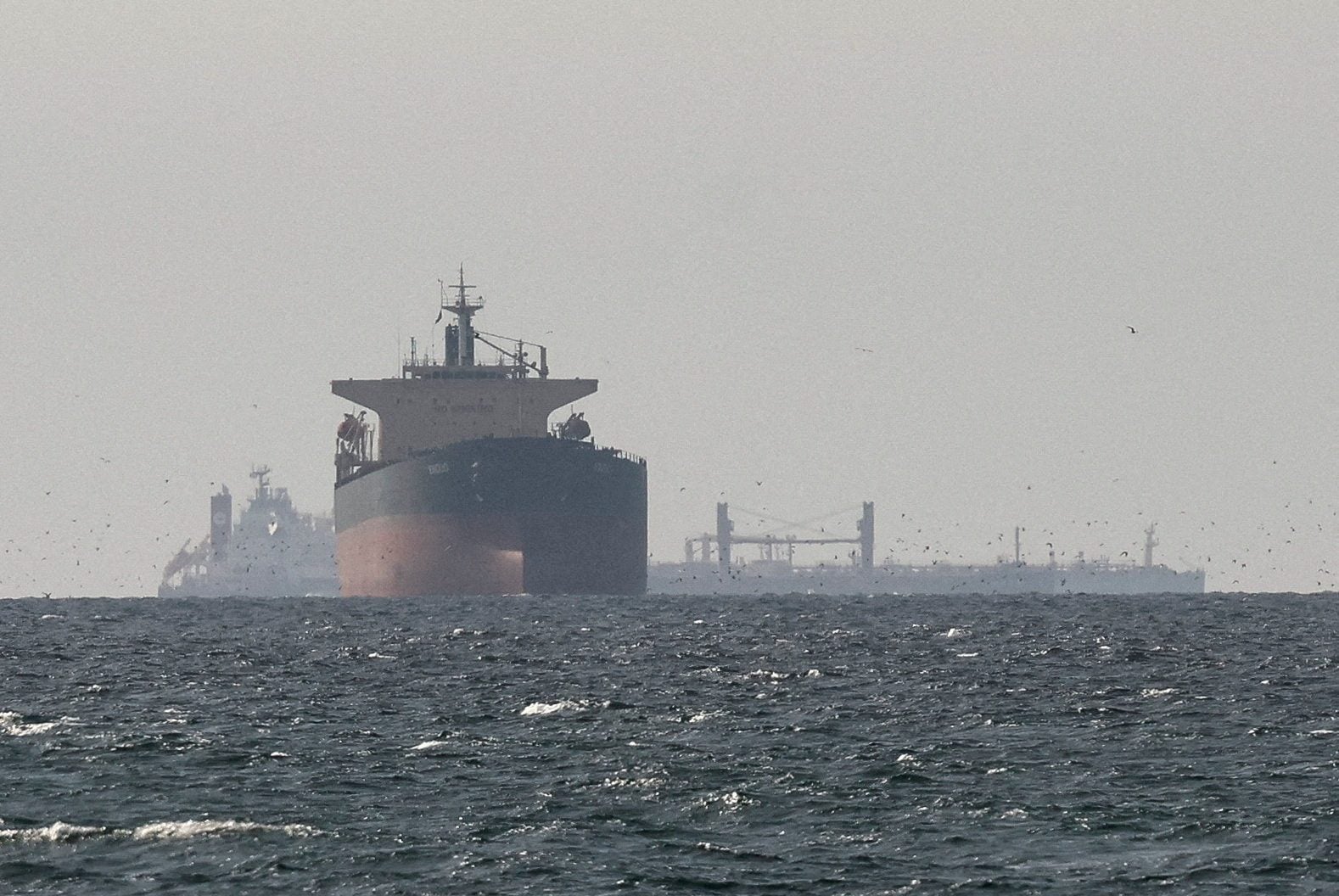
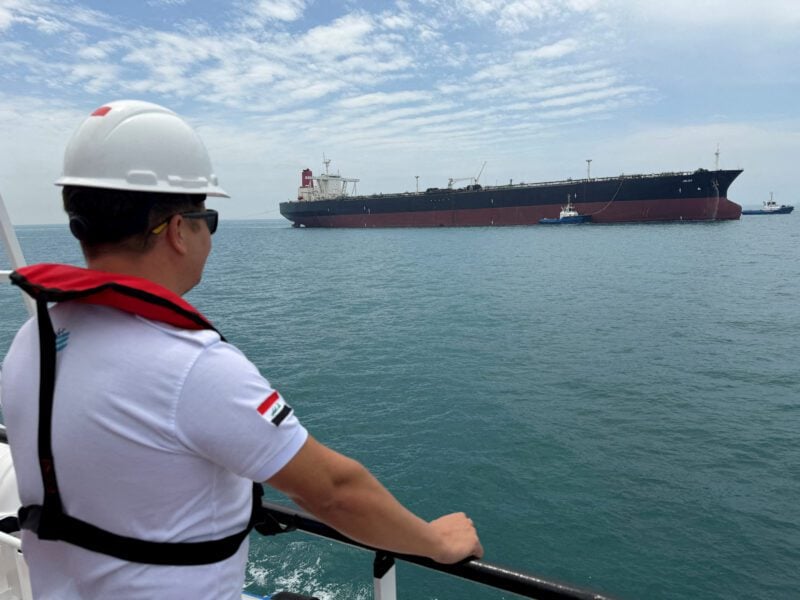
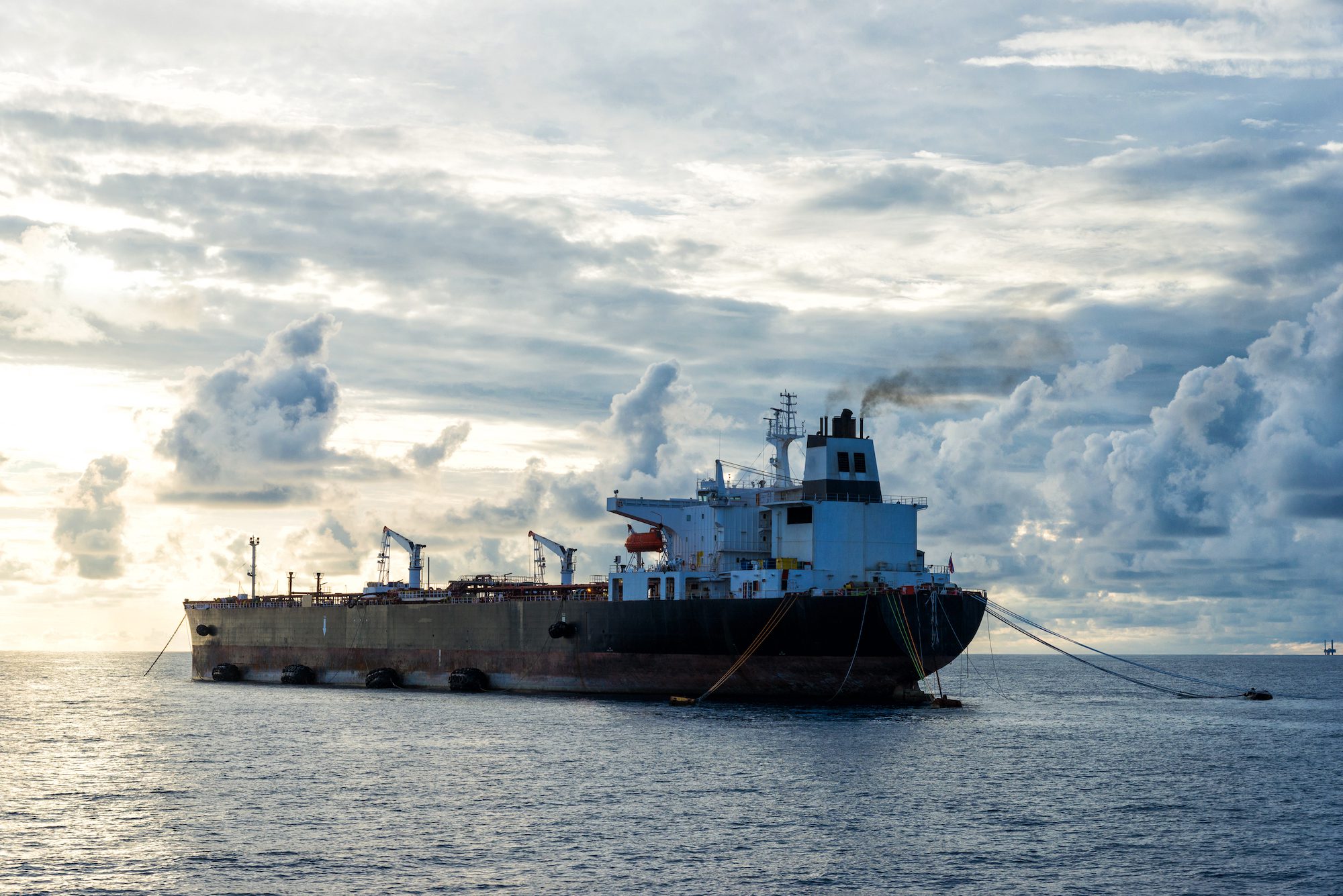
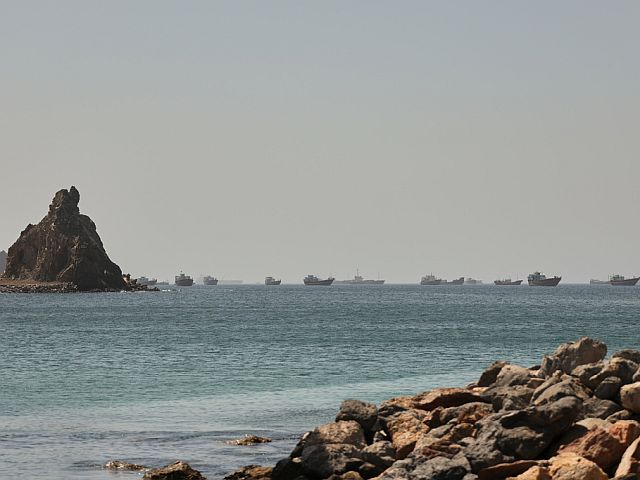
Since late June, Iran-linked attacks have hit shipping in and around the Strait of Hormuz, including a drone strike on the Singapore-flagged Ever Lovely on 25 June and damage to the Panamanian-flagged tanker Kiku near Oman on 27 June. Tehran is insisting ships use routes it approves and has threatened force, while a newly created Gulf Affairs Office has claimed authority to issue passage permits. The IMO has urged member states not to comply and condemned Iran’s proposed control structure. Shipping flows have fallen sharply, with southern-route transits off Oman dropping into single digits after renewed attacks on 7 July and some days seeing traffic near a halt, though limited flows continue via a northerly track nearer Iran and a U.S.-protected route. War-risk insurance premiums have jumped, and London brokers report fewer inquiries for Hormuz voyages. The United States has struck dozens of targets inside Iran and revoked oil-sanctions relief, adding new financial measures, even as Oman hosts contacts and Iran has requested further talks. The threat to U.S.-linked sites in the UAE remains elevated.
Key judgments
- Iran is very likely conducting a targeted campaign against commercial shipping in and near the Strait of Hormuz, concentrating strikes and seizures on vessels using the southern Omani route since late June. (Confidence: high · REPORTED)
- I&W: UKMTO or JMIC publishes an incident advisory attributing a weapon strike against a south-of-Oman transit to Iran. (0-14 days)
- I&W: Four consecutive weeks without any reported Iranian-attributed attacks or seizures in or near Hormuz. (1-3 months)
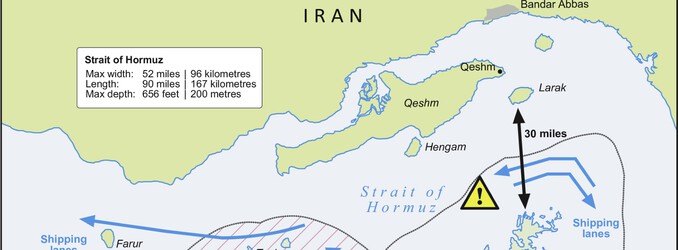
- Tehran is very likely trying to impose a de facto permit-and-approved-route regime in Hormuz, and has threatened force to channel traffic along a northerly corridor, a move publicly rejected by the IMO and most flag states. (Confidence: high · REPORTED)
- I&W: Intercepted VHF or published advisories show IRGC or Iranian naval units ordering merchant ships to present permits and divert to the northern corridor. (0-14 days)
- I&W: Public notice from Iran rescinding permit demands or an IMO, Iran joint communication clarifying no special permits are required. (1-3 months)
- Shipping through Hormuz has fallen sharply and is likely to remain unpredictable in the near term, with southern-route transits in single digits and a smaller, variable flow along the northern corridor and on U.S.-protected tracks. (Confidence: medium · REPORTED)
- I&W: INTERTANKO or JMIC daily counts show southern-route transits staying below 10 per day for two straight weeks. (1-3 months)
- I&W: Northern-route daily transits return above 70 for a week. (1-3 months)
- War‑risk and hull insurance pricing for Hormuz transits has risen markedly, very likely constraining shipowner willingness to enter the strait while attacks persist. (Confidence: high · ASSESSED)
- I&W: London war‑risk quotes at or above 6 percent for VLCC transits reported by brokers. (0-14 days)
- I&W: War‑risk additional premiums decline to 1 percent or lower for two consecutive weeks. (1-3 months)
- Washington has very likely reverted to coercion after the June understandings broke down, combining renewed air strikes on Iranian targets with the revocation of oil‑sanctions relief and fresh financial designations. (Confidence: high · REPORTED)
- I&W: OFAC announces new designations tied to Iranian maritime actors or oil trade; CENTCOM releases additional strike reports. (0-14 days)
- I&W: U.S. issues a new general or specific licence reinstating Iranian oil transactions or publicly pauses strikes. (1-3 months)
- U.S.-linked locations in the United Arab Emirates very likely remain at elevated risk from Iranian or aligned attacks. (Confidence: high · ASSESSED)
- I&W: UAE air defence reports an intercept of a drone or missile linked to Iran or its proxies. (0-14 days)
- I&W: The U.S. eases its UAE travel posture or the FAA withdraws cautionary advisories for U.S. operators in UAE airspace. (1-3 months)
- Energy market effects are likely to be volatile in the short run, but Gulf producers are adapting via non‑Hormuz routes and global crude trade flows are likely to recover toward pre‑conflict levels by year end. (Confidence: medium · ASSESSED)
- I&W: EIA monthly outlook reiterates end‑year rebound of global crude production and trade flows. (1-3 months)
- I&W: Public reporting indicates increased use of Saudi East‑West or UAE bypass infrastructure to move crude outside Hormuz. (1-3 months)
Outlook & scenarios
Managed coercion: targeted Iranian harassment and U.S. retaliation keep Hormuz open but thinned (60%)
Iran continues to strike vessels using the Omani route and enforces an approved northerly corridor, while the United States sustains periodic strikes and sanctions. Traffic remains volatile and depressed, with southern transits often in single digits and selective movements along a U.S.-protected track. Insurance costs stay high and many owners avoid the waterway.
Oman channel de‑escalation stabilises a northern transit (35%)
Talks in Muscat and follow‑on contacts yield written assurances on freedom of navigation and a pause in attacks. More ships shift to a monitored northern route nearer Iran, the IMO stance holds, and insurers begin trimming premiums. Traffic gradually recovers from reduced levels.
Escalation and episodic chokehold (25%)
IRGC missile or drone attacks resume at higher tempo, including against a laden large tanker, prompting expanded U.S. strikes across Iran. Traffic again grinds to near‑halt on some days, war‑risk quotes spike toward double digits, and Brent prices push higher before easing on adaptive flows.
Wildcard: navigation mishap on an unapproved track forces clean‑up and delays (10%)
A major grounding on a riskier, non‑approved route blocks traffic and triggers environmental response operations. Even without further attacks, owner caution and clearance operations prolong delays and keep premiums elevated.
Recommendations
- Stand up a route‑segmented Hormuz traffic tracker that tallies daily Omani southern‑route and Iranian northern‑route transits from AIS, cross‑checked against UKMTO and JMIC advisories; brief when southern transits remain below 10 per day for 72 hours.
- Build an insurance‑risk dashboard capturing quoted war‑risk ranges, acceptance rates and inquiry volumes from London brokers; trigger elevated watch when quotes cluster at or above 6 percent or when brokers report significant drop‑offs in inquiries.
- Maintain a live register of U.S.‑linked vessels and cargoes slated for Hormuz passages and coordinate routing options, including the U.S.‑protected track, with company security officers and JMIC liaison points.
- Update personnel protection assumptions for the UAE: apply the State Department ordered‑departure precedent and FAA cautions to movement planning, and ensure corporate travellers comply with UAE threat advisories.
- Map sanctions exposure across tanker owners, managers, charterers and exchange houses linked to Iran; pre‑brief compliance teams on likely OFAC target sets and implement rapid counterparty screening for new designations.
- Develop contingency lift plans that privilege non‑Hormuz export routes where feasible, including Saudi Arabia’s East‑West Pipeline and UAE bypass infrastructure; pre‑book tonnage and slots to hedge against episodic choke points.
- Prioritise OSINT collection on Iranian permit enforcement: task for VHF recordings of IRGC hails, screenshots of permit demands, and vessel track deviations to the northern corridor to validate the coercion pattern.
- Track the Muscat diplomatic channel and any demands for written guarantees on navigation; prepare decision notes on verification mechanisms and indicators that would warrant adjusting risk posture or restoring transits at scale.
Confidence & uncertainty
Many core developments rest on multiple, mutually reinforcing sources: detailed incident reporting on ship attacks and seizures, official and multilateral statements on Iran’s permit demands and the IMO response, trade data showing reduced transits, and documented U.S. strikes and sanctions actions. Some elements remain variable or single‑source, including precise day‑by‑day traffic counts, attribution details in individual incidents, and forward‑looking market projections. Conflicting snapshots of flows by route and timing gaps between reports introduce uncertainty. Taken together, this supports a medium overall confidence assessment.
Alternative analysis (red cell)
While attacks and Iranian declarations are documented, the reporting does not definitively show an organized, effective Iranian campaign that systematically channels most traffic onto a single route; much of the evidence is declaratory or episodic. Key inferences about route concentration, an operational permit regime, insurance‑driven behavioral change, and assured year‑end market recovery rest on limited or single‑source inputs. Additional AIS route data, weapons forensics, authoritative timelines, and insurance/operational records are necessary to materially raise or lower confidence in these judgments.
Cited sources
[1] The Jerusalem Post · How Israeli start-ups are helping ships navigate a contested Hormuz - opinion (B) · sha256:cd4232cc0f11 [2] worldoil.com · Hormuz oil tanker traffic persists along Oman route as conflict escalates (B) · sha256:3c6a09c04175 [3] gcaptain.com · More LNG, Japan-Linked Vessels Transit Hormuz Despite Renewed Mideast Tensions (B) · sha256:c10a7327839c [4] dailybeirut.com · Вашингтон угрожает Ирану военным ответом из-за напряжённости в Ормузском проливе (B) · sha256:36a93521b170 [5] kommersant.ru · Лента новостей (Москва) (B) · sha256:f7b921d03f77 [6] MigNews · ИМО ООН потребовала игнорировать требования Ирана по Ормузскому проливу - MigNews - Новости Израиля и Мира на русском языке (A) · sha256:246ea9c59319 [7] worldoil.com · Hormuz shipping grinds to near halt amid renewed U.S.-Iran strikes (A) · sha256:023c97f8d0a0 [8] gcaptain.com · INTERTANKO: Hormuz Tanker Transits Via Southern Route Fall to Single Digits After Renewed Fighting (C) · sha256:5dd772147038 [9] maritime-executive.com · Iran Resumes Attacks on Merchant Shipping With Strike on LNG Carrier (A) · sha256:e822179d55b8 [10] marinelink.com · Hormuz Standoff Risks Chronic Instability for Gulf Oil Flows (B) · sha256:924814bb808d [11] gcaptain.com · Hormuz War-Risk Cover Climbs as Shipowners Pull Back (B) · sha256:6fdbdccd9f3c [12] gcaptain.com · Trump Declares Iran Ceasefire Over as U.S. Unveils New Sanctions (B) · sha256:19675373b893 [13] point.md · США нанесли новые удары по Ирану после атаки на танкеры в Ормузском проливе (B) · sha256:2f720d670fcd [14] interfax.ru · МИД Ирана обвинил Штаты в нарушении меморандума о взаимопонимании (B) · sha256:b4d98500afe5 [15] newsru.co.il · США: Ормузский пролив должен быть открыт. Axios: Ирану дан срок до конца субботы - NEWSru.co.il (B) · sha256:9a1dbcbbfac7 [16] U.S. Department of State · United Arab Emirates Travel Advisory (A) · sha256:7a0c71f2991b [17] foxnews.com · Iran's biggest weapon against the US may be slipping away, experts say (B) · sha256:a5f7e6cb179d [18] gcaptain.com · UAE’s Oil Output Surged to Record High in June, IEA Says (A) · sha256:9cefc8fd0ef0 [19] gcaptain.com · Oil Market Recovery Hinges on Hormuz Stability as IEA Warns Renewed Fighting Clouds Outlook (B) · sha256:6ed3dabc77b4
Source content hashes were computed at collection time; the cited text is preserved unmodified for the life of this product.
Red cell review: PARTIAL DISSENT
TLP:CLEAR