TLP:CLEAR · Disclosure is not limited.
Hormuz Attacks and Regional Spillover Risks
Time window: Last 1 day · Audience: General analyst · Type: Situation report · DTG: 2026-10-13 16:05Z · Overall confidence: HIGH
BLUF
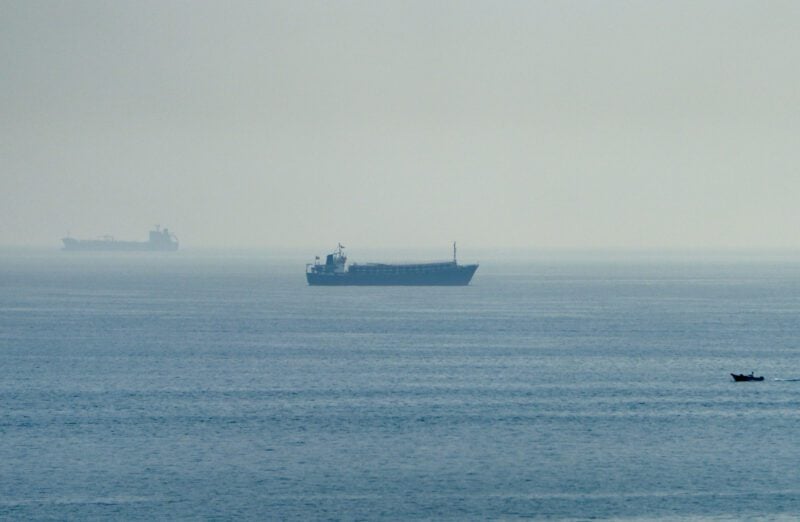
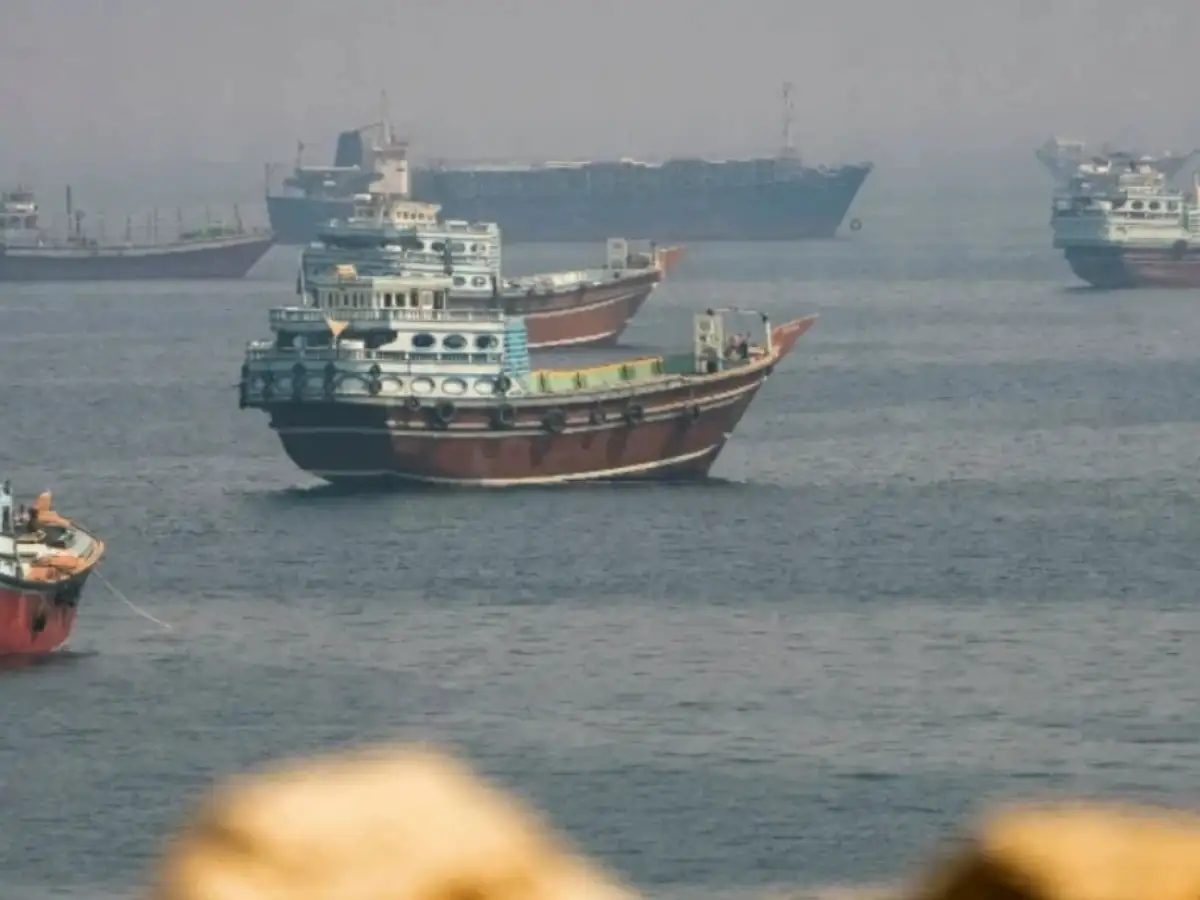
Commercial shipping through the Strait of Hormuz remains severely disrupted, with UKMTO reporting 15 vessels struck in two weeks and separate reporting of six vessels hit on 11 October. NCAGS data recorded about 29 transits per day over the preceding 72 hours, so passage was reduced but not stopped. The reporting in this period is stronger on maritime and Saudi-Houthi risks than on direct Iran-Israel exchanges.
Executive summary
Reporting describes repeated attacks on commercial vessels in and around the Strait of Hormuz, alongside sharply reduced transit volumes and rising tanker costs. The reported attack count and attribution vary: UKMTO attributed 15 vessel strikes in the preceding two weeks to Iran, while accounts of individual incidents often describe unknown attackers. Iran's Foreign Ministry spokesman Ismail Baghaei said Tehran was still reviewing the US response to its reopening proposal and would reply through intermediaries. Separately, the Houthis claimed attacks on Riyadh airport, but reporting gives conflicting casualty totals. The claims provided for this period do not document a new direct exchange of strikes between Iran and Israel.
Change from previous assessment
Since the 12 October brief, the assessment now incorporates reporting of six vessel strikes on 11 October and NCAGS data showing approximately 29 daily Hormuz transits, which is more specific than the prior brief's broader disruption picture and conflicts with the single-digit transit account. The Saudi-Houthi assessment now includes conflicting Riyadh airport casualty figures and President Trump's statement that the United States was considering strikes against the Houthis. Iranian statements clarify that Tehran is still reviewing the US response through intermediaries, but do not establish an agreement. Initial judgments on shipping disruption and regional spillover are updated; the current claims do not provide evidence of a new direct Iran-Israel exchange.
Key judgments
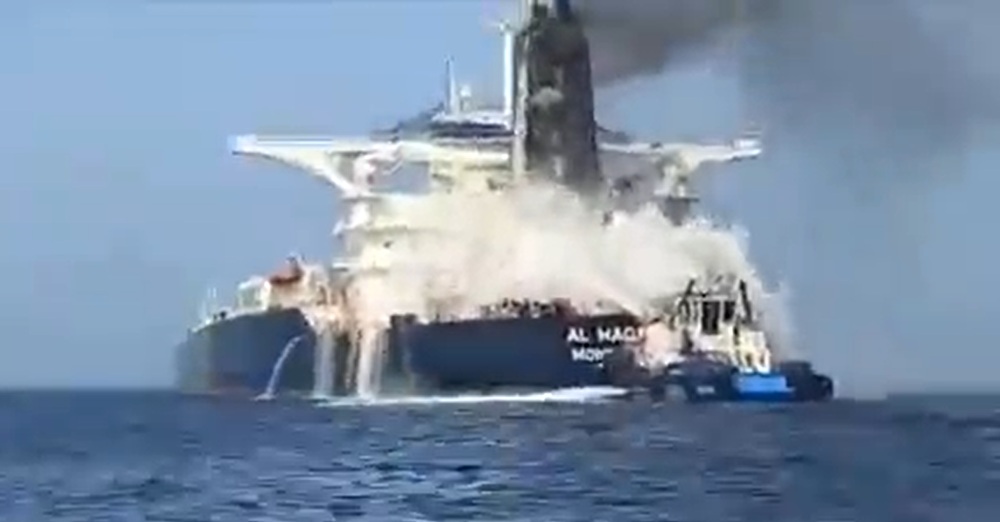
- Further attacks on commercial shipping in the Strait of Hormuz and nearby waters are likely over the next 14 days. UKMTO reported 15 vessels struck by Iran in the preceding two weeks, and separate trade reporting said six vessels, including five tankers and a container ship, were struck on 11 October. Incident-level accounts often identify the attackers as unknown, so the overall attack pattern is better supported than attribution of individual strikes. (Confidence: medium · ASSESSED)
- I&W: A new UKMTO warning records a commercial vessel struck in the Strait of Hormuz or Gulf of Oman, confirming continued attacks. (0-14 days)
- I&W: No new UKMTO vessel-strike warnings are issued and JMIC lowers its Strait of Hormuz threat level from SEVERE, breaking the assessment of continued attack activity. (0-14 days)
- Commercial traffic through the Strait of Hormuz is severely depressed but not fully stopped, and is likely to remain well below its historical level over the next 14 days. NCAGS data recorded approximately 29 daily transits over the preceding 72 hours, compared with a historical average of roughly 138; this instrumented figure conflicts with separate reporting that transits had fallen to single digits. Iran announced the strait's closure and restricted the routes it described as safe, while the United States reported continuing naval blockade operations against Iranian shipping. (Confidence: medium · ASSESSED)
- I&W: NCAGS daily counts remain below 50 transits for three consecutive days, confirming that traffic remains substantially below the historical average. (0-14 days)
- I&W: NCAGS records more than 100 daily transits for three consecutive days, breaking the assessment of persistently depressed traffic. (0-14 days)
- A negotiated reopening of the Strait of Hormuz within 14 days is unlikely. Ismail Baghaei said Iran was studying the US response to its proposal and would reply through intermediaries; he also confirmed continuing message exchanges. These statements establish ongoing contact, not agreement or an operational reopening. The negotiating picture rests largely on statements from the same Iranian spokesman, so confidence in this forecast is low. (Confidence: low · ASSESSED)
- I&W: Iran announces that it has accepted the US response or that an intermediary-backed passage arrangement is in force, breaking the assessment that reopening is unlikely within 14 days. (0-14 days)
- I&W: Baghaei says Iran is still reviewing the US position and no agreed transit terms are announced, confirming the assessment. (0-14 days)
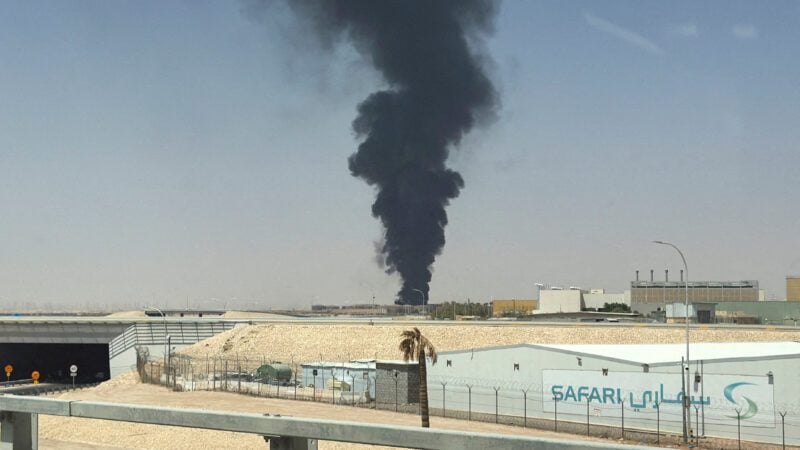
- Saudi-Houthi violence is likely to remain an active source of regional escalation over the next 14 days. The Houthis claimed attacks on Riyadh airport in response to Saudi action, and Saudi fighter jets were reported supporting Yemeni government forces near Bab el-Mandeb. Reports give conflicting casualty totals for the Riyadh airport attacks, and President Donald Trump's statement that the United States was considering joining strikes against the Houthis does not establish a US decision to do so. (Confidence: medium · ASSESSED)
- I&W: The Houthis claim another attack on a Saudi airport or energy facility, or Saudi aircraft are reported supporting a further Yemeni government operation, confirming continued exchanges. (0-14 days)
- I&W: Saudi and Houthi authorities announce a halt to attacks and no further strikes are reported on Saudi targets or near Bab el-Mandeb, breaking the assessment. (0-14 days)
- High tanker freight costs and uneven crude availability are likely to sustain energy-market pressure over the next one to three months. A supertanker voyage from the US Gulf Coast to Europe was estimated at about US$46 million last week, compared with US$6.5 million before the war; an Americas-to-Asia voyage was reported above US$80 million. Reporting also places crude benchmarks above US$100 per barrel and describes heavy crude accumulating in the Americas while buyers in Asia and Europe face shortages. These market figures rely mainly on wire-service reporting and do not establish how long the conditions will persist. (Confidence: medium · ASSESSED)
- I&W: Reported US Gulf Coast-to-Europe supertanker costs remain above US$24.50 per barrel and crude benchmarks remain above US$100, confirming continued freight and price pressure. (1-3 months)
- I&W: Hormuz transits recover above 100 per day for three consecutive days and reported transatlantic supertanker costs fall below US$24.50 per barrel, breaking the assessment of sustained pressure. (1-3 months)
Outlook & scenarios
Continued maritime disruption (70%)
The most likely outlook is continued vessel strikes and constrained passage through the Strait of Hormuz. Iran's route warnings, reported US naval blockade operations and the JMIC SEVERE threat assessment remain in place, while transit counts stay well below the historical average. Tanker freight costs remain elevated.
Limited diplomatic opening (20%)
A less likely outcome is that Iran completes its review of the US position through intermediaries and agrees to limited passage terms. Some commercial transits resume, but traffic does not quickly return to the historical range of roughly 120 to 138 vessels per day.
High-impact US-Iran maritime clash (10%)
An unlikely, high-impact scenario is a new vessel incident involving US forces and Iranian forces that prompts direct military action. The reporting includes a lower-confidence account of US forces disabling the bulk carrier Ocean Molica and a separate Iranian Revolutionary Guard claim of setting a ship on fire; the available accounts do not establish whether they describe the same incident.
Recommendations
- Maintain a daily incident log that separates UKMTO vessel-strike reports from claims assigning responsibility. Reconcile the reported 10 and 11 October tanker dates and the conflicting casualty accounts for the Sohar-area strike before using either in an assessment.
- Track NCAGS daily transit counts against the reported 29-transit figure and the historical average of roughly 138. Do not describe the strait as fully closed while recorded commercial transits continue.
- Track public statements from Ismail Baghaei and evidence of actual vessel passage separately. Treat message exchanges or a proposal as distinct from agreed terms and operational reopening.
- Verify future Houthi claims against reports of damage and casualties in Saudi Arabia. Do not infer a US decision to strike from President Trump's statement that he was considering participation.
- Update the energy assessment with comparable tanker freight quotations and crude benchmarks. Keep voyage-cost estimates for different routes distinct rather than treating them as a single market rate.
Confidence & uncertainty
Overall confidence is high for the core picture of repeated attacks on shipping and sharply reduced Hormuz traffic: UKMTO reporting, JMIC's threat assessment, NCAGS transit data and trade and wire-service reporting provide corroboration. Confidence is lower for individual attack attribution, the conflicting transit descriptions and casualty totals, and the status of negotiations. The high headline confidence applies to the overall situation, not to every incident detail or forecast.
Intelligence gaps
- [EEI 1.1 · UNCOVERED] Observed repositioning, sustained increases, or new forward basing of Iranian conventional or IRGC forces (armored units, missile batteries, aircraft, naval vessels) toward borders or regional launch points. Recommended collection: IMINT/satellite
- [EEI 1.2 · PARTIAL] Hezbollah or other Iran-aligned proxy forces conducting mass mobilization, visible rocket/artillery emplacements, cross-border firing incidents, or preparations for cross-border operations from Lebanon, Syria, Iraq or Yemen. Recommended collection: HUMINT/ground ISR
- [EEI 1.4 · UNCOVERED] Interdicted or observed shipments (air, sea, land manifests, seizures, satellite imagery of transfers) of advanced weapons or missile components from Iran toward proxy groups or forward staging points. Recommended collection: maritime/AIS
- [EEI 2.1 · UNCOVERED] Satellite or on-the-ground imagery showing fires, damage, or operational shutdown at major oil export facilities, refineries, storage terminals, or key pipeline infrastructure in the Gulf and Red Sea. Recommended collection: IMINT/satellite
- [EEI 3.1 · PARTIAL] Movement/arrival of major foreign military assets into the region: US carrier strike groups, amphibious ready groups, strategic bomber flights, Russian/Chinese naval taskings, or allied expeditionary units (visible in AIS, NOTAMs, satellite imagery, official releases). Recommended collection: IMINT/satellite
Cited sources
[1] The Economic Times · Crude oil crisis in Hormuz: Much more than just price and quantity - The Economic Times (B) · sha256:5da8170df7f3 [2] gCaptain · Six Ships Struck in Single Day as Hormuz Attacks Accelerate (C) · 12 October 2026 · sha256:827b82e39440 [3] The Maritime Executive · UKMTO Reports Six Strikes in One Day on Tankers in the Mideast (C) · sha256:d9f8f55e1ec7 [4] Sky News Arabia · التصعيد بين أميركا وإيران. آخر الأخبار (A) · sha256:774ebebb2061 [5] Bloomberg (republished by gCaptain) · Deadly Attacks on Saudi Arabia Risk Wider War That Draws In US (A) · 12 October 2026 · sha256:12e5390910a1 [6] Newsquawk · US President Trump says Houthis are misbehaving very badly and he spoke with Saudi Crown Prince MBS about… (B) · 12 October 2026 · sha256:758969a30d19 [7] Reuters (republished by gCaptain) · Soaring Tanker Rates Leave Americas Awash in Crude Oil (A) · 12 October 2026 · sha256:7419c1992ab9
Source content hashes were computed at collection time; the cited text is preserved unmodified for the life of this product.
Red cell review: CONCUR WITH COMMENT
TLP:CLEAR