TLP:CLEAR · Disclosure is not limited.
Hormuz counterstrikes and Lebanon brinkmanship sustain Iran, Israel escalation
Time window: Last 1 day · Audience: General analyst · Type: Situation report · DTG: 2026-06-27 10:40Z · Overall confidence: MEDIUM
BLUF
U.S. airstrikes on Iranian sites near Sirik following the Ever Lovely attack, coupled with IRGC transit warnings and mine hazards, keep Hormuz navigation at risk as Israel, Hezbollah tensions persist despite Washington talks. The ceasefire track between Washington and Tehran remains fragile and contested, raising the chance of further tit-for-tat amid regional spillover to Bahrain.
Executive summary
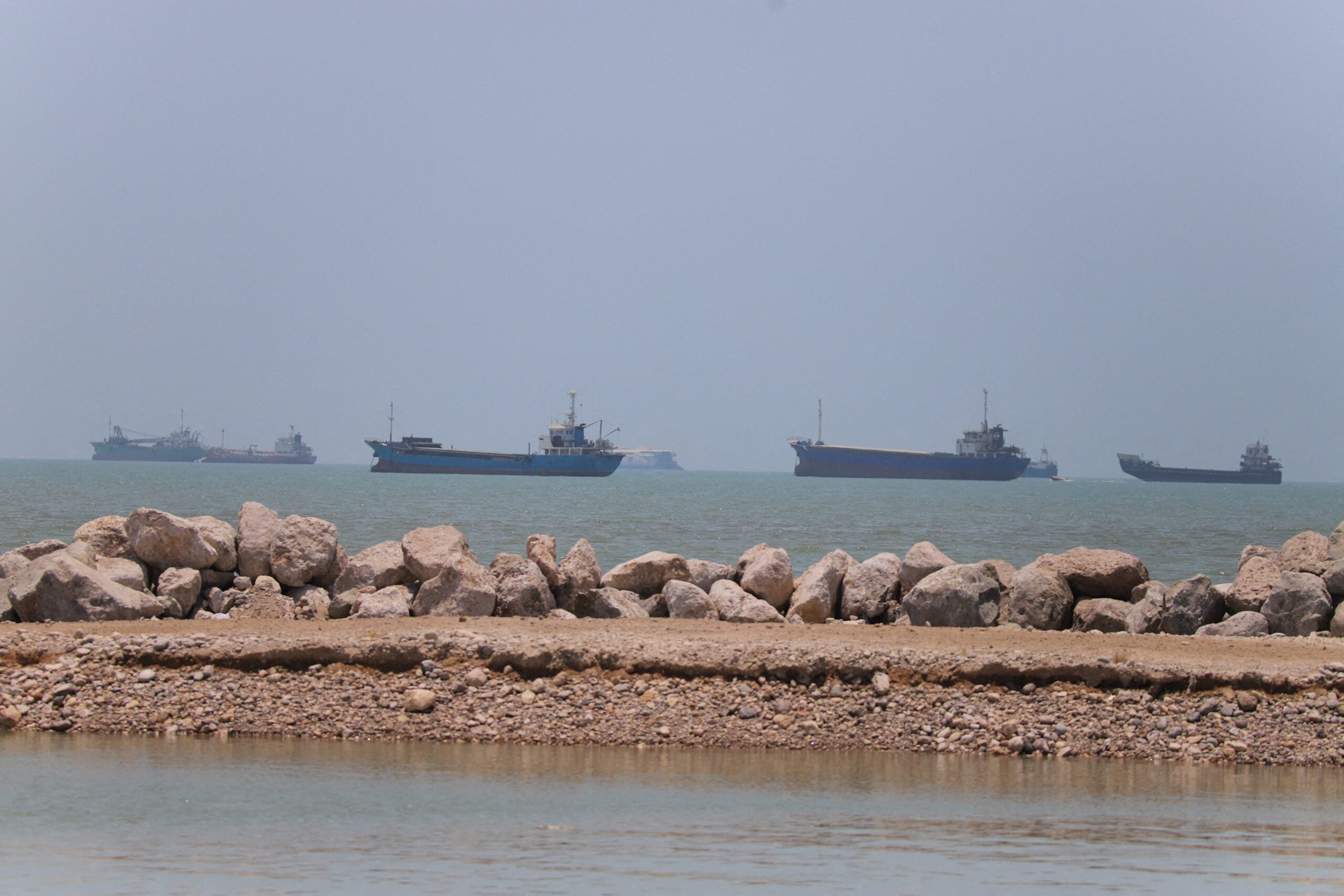
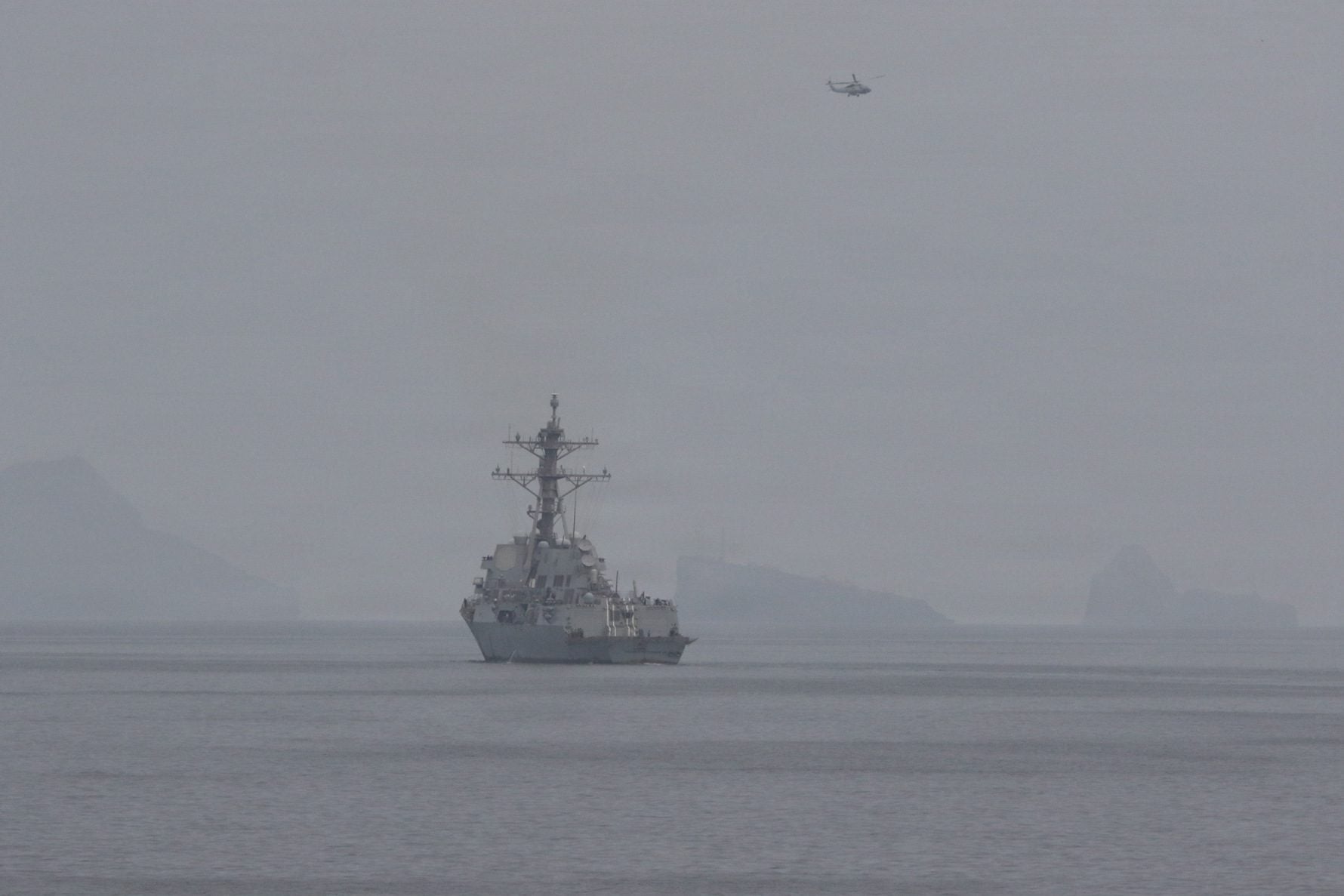
On 25 June 2026, the Singapore‑flagged Ever Lovely sustained damage from a strike near Dahit, Oman, as it exited the Strait of Hormuz. UKMTO confirmed the incident and the United States attributed it to an IRGC‑N drone. U.S. aircraft then hit Iranian missile and drone storage sites and coastal radars, including targets on Sirik Island, with Iranian authorities later saying Sirik port operations were unaffected. The IRGC broadcast transit warnings asserting risk for vessels without Iranian permission, and the IMO suspended its evacuation framework for stranded seafarers. Mines remain a live hazard, with Pakistan recently reporting a detection near Oman and the IMO estimating about 80 mines in Hormuz shipping lanes. Traffic has not normalised fully and remains below pre‑war levels. In Lebanon, Israel dropped evacuation leaflets over a southern town on 26 June, Hezbollah’s FPV drones have killed more than a dozen Israeli troops, and Washington is hosting talks on a pilot plan for the Lebanese Armed Forces to enter designated southern areas. Lebanese leaders are split on the framework, and Israel says withdrawal would follow Hezbollah’s disarmament. Bahrain reported a drone attack and accused Iran, while Tehran said it struck U.S.-linked targets in response to U.S. airstrikes, highlighting ongoing regional spillover.
Change from previous assessment
Since the prior brief, the Singapore‑flagged Ever Lovely was struck near Dahit, Oman, prompting UKMTO confirmation and U.S. attribution to an IRGC‑N drone, followed by U.S. airstrikes on Iranian sites at and near Sirik targeting missile, drone and radar assets. Iran’s IRGC restated transit warnings and mine hazards were reinforced by an IMO estimate and a reported mine detection near Oman; the IMO’s evacuation framework was suspended after the attack. On the Lebanon front, Israel dropped evacuation leaflets on 26 June while Washington advanced a pilot plan for LAF deployments; Lebanese leaders split publicly, with Hezbollah lawmaker Hassan Fadlallah warning of civil war and the presidency welcoming agreement language. Bahrain reported a drone attack and accused Iran, adding a fresh Gulf‑state spillover datapoint. This assessment raises the immediacy of Hormuz strike‑risk and refines the Lebanon outlook to reflect both diplomatic movement and domestic resistance.
Key judgments
- Shipping risk through the Strait of Hormuz is very likely to remain elevated in the near term after the 25 June strike on the Singapore‑flagged Ever Lovely and U.S. counterstrikes on Iranian sites at Sirik Island, compounded by IRGC transit warnings and unresolved mine hazards. Reported facts include UKMTO’s confirmation of damage to Ever Lovely, U.S. attribution to an IRGC‑N drone, U.S. aircraft hitting Iranian missile and drone storage areas and coastal radars on 26-27 June, and Iranian reporting that Sirik port operations were unaffected. The IMO suspended its seafarer‑evacuation framework following the attack, traffic has not normalised fully and remains below pre‑war levels, Pakistan reported a mine detection near Oman, and the IMO has estimated roughly 80 mines in Hormuz shipping lanes. We assess these conditions will keep transit volatile. (Confidence: high · ASSESSED)
- I&W: UKMTO issues a new warning of a merchant vessel struck while exiting Hormuz or reports additional U.S./IRGC retaliatory strikes near Sirik. (0-14 days)
- I&W: Public launch of the UK, France‑led multinational mine‑clearing mission in Hormuz with initial safe lanes declared. (1-3 months)
- There is a roughly even chance the U.S., Iran ceasefire and negotiation track persists on paper while limited reprisals continue. Reported elements include a described 60‑day extension to a ceasefire for drafting a permanent agreement and U.S. statements that Iran signed a ceasefire and that talks continue, including on IAEA access. In parallel, President Trump and Iran’s IRGC each accused the other of violating the memorandum after the Ever Lovely incident, with reporting that the IRGC launched four attack drones and that Iran said it struck U.S.‑linked targets following U.S. airstrikes. These contradictory signals suggest a fragile arrangement vulnerable to further incidents. (Confidence: medium · ASSESSED)
- I&W: Public restatement by Washington and Tehran of the 60‑day process and movement on IAEA access talks. (0-14 days)
- I&W: Either side formally declares the memorandum of understanding void or suspends talks following another strike claim. (0-14 days)
- Hostilities on the Israel, Hezbollah front are likely to persist at a low‑to‑moderate tempo despite Washington’s talks on a pilot plan for Lebanese Armed Forces deployments in the south. Reported developments include Israel dropping evacuation leaflets over a southern Lebanon town on 26 June, Hezbollah’s FPV drones killing more than a dozen Israeli troops and Israel scrambling to counter them, and Israel stating withdrawal would follow Hezbollah’s disarmament. Lebanese leaders are split, with the presidency welcoming an agreement and Hezbollah lawmaker Hassan Fadlallah condemning it and warning enforcement could risk civil war. Israeli officials and ministers also dispute whether IDF operations are being restricted, reflecting an unsettled operational picture. (Confidence: medium · ASSESSED)
- I&W: Further IDF evacuation leaflets or Hezbollah FPV‑drone strikes that result in acknowledged IDF casualties along the border. (0-14 days)
- I&W: LAF units deploy into designated southern areas with verifiable removal of Hezbollah positions under the pilot plan. (1-3 months)
- Iran‑linked spillover into Gulf states is likely to continue testing regional security. Bahrain reported a drone attack and accused Iran, and Iran said it struck U.S.‑linked targets in response to U.S. airstrikes. This judgment rests on generally sourced but limited reporting over a short period, so confidence is moderated. (Confidence: medium · ASSESSED)
- I&W: Bahrain releases debris analysis attributing the UAV or the GCC issues a joint statement naming the IRGCN. (0-14 days)
- I&W: Parallel Iranian and Bahraini statements de‑escalate or deny the incident. (0-14 days)
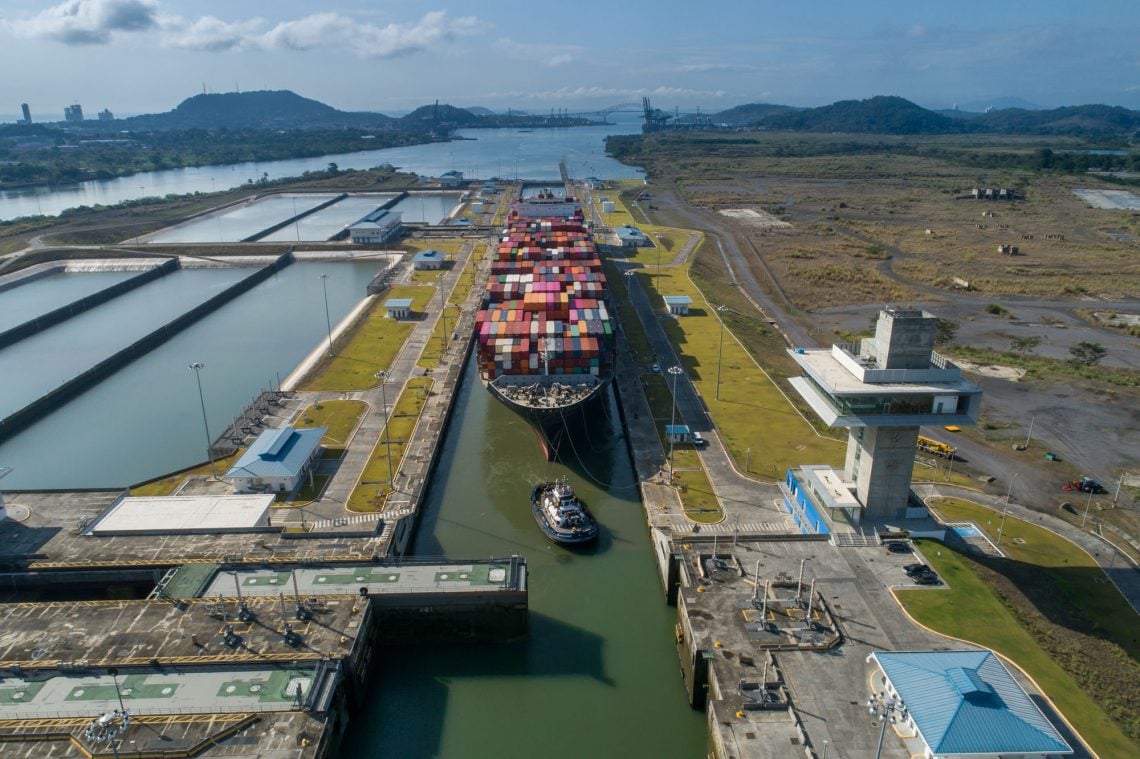
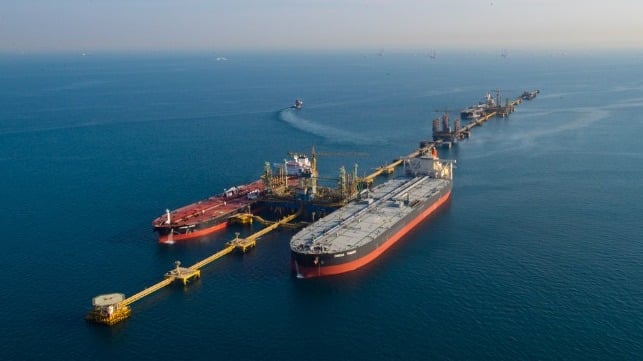
- Regional oil and shipping flows are likely to recover only unevenly and remain below pre‑war baselines, vulnerable to renewed IRGC enforcement and security incidents. Reports note tankers re‑entering the Gulf to load oil and Saudi Arabia resuming crude loadings at Ras Tanura’s Ju’aymah, yet traffic has not normalised and remains far below pre‑war levels, with war‑risk premiums elevated. Residual mine risk and recent detection near Oman reinforce the hazard, while diversions via the Panama Canal have lifted throughput and revenue outlooks. (Confidence: medium · ASSESSED)
- I&W: Sustained war‑risk premiums remain elevated and AIS‑tracked tanker volumes stay below pre‑war daily averages. (1-3 months)
- I&W: Multiple days of 24-27 tanker transits without new UKMTO incident warnings. (0-14 days)
Outlook & scenarios
Managed de‑escalation under a fragile memorandum (35%)
Washington and Tehran keep a ceasefire memorandum alive while negotiating over a 60‑day window and exploring IAEA access, and public messaging repeats commitment to talks. Oman and GCC partners signal against tolls while discussing operational coordination for the strait. In Lebanon, Washington’s pilot plan proceeds to limited LAF deployments in designated areas, with incidents tapering but not ending.
Prolonged low‑grade confrontation (50%)
Periodic IRGC‑N UAV or mine incidents trigger U.S. counterstrikes on Iranian missile, drone and radar sites near Hormuz, consistent with a tit‑for‑tat pattern. UKMTO continues to log warnings, traffic improves only slowly, and the IMO keeps evacuation options in reserve. Along the Blue, Yellow Line, leaflet drops, cross‑border fire and Hezbollah FPV‑drone attacks persist while the LAF pilot stalls amid Lebanese political pushback.
Escalatory breach and wider regional involvement (20%)
A high‑casualty maritime incident or lethal cross‑border strike collapses the ceasefire track. U.S. and Iranian forces escalate beyond limited, localised strikes, GCC states are drawn into sharper alignment, and Bahrain’s threat environment worsens. Shipping flows retrench abruptly, insurance costs spike again, and navigation regimes tighten across Hormuz.
Recommendations
- Maintain a daily OSINT watch on UKMTO advisories, AIS tracks through Hormuz, and vessel U‑turn behaviour to flag fresh attacks or route closures in near‑real time.
- Build and update a geospatial layer for Sirik Island and adjacent coastal radar sites, incorporating commercial satellite imagery and port operation cues to track strike patterns and post‑strike functionality.
- Capture and trend IRGC VHF Channel 16 broadcasts for changes in transit‑permission language, noting time, content and vessel proximity to Iranian waters.
- Establish a standing dataset of Hezbollah FPV‑drone incidents and IDF acknowledgements to gauge attrition and the effectiveness of Israeli counter‑UAS measures.
- Track the Washington talks timetable and deliverables on the LAF pilot, logging public statements by Lebanese presidency, prime minister and Hezbollah lawmakers for indicators of implementation or obstruction.
- Monitor war‑risk insurance quotes and broker circulars weekly to quantify cost movements relative to reported incident tempo and mine‑clearing announcements.
- Follow Oman and GCC statements on fees, insurance or control assertions in Hormuz, and map any divergence against Iranian demands for coordination or approvals to anticipate compliance risks for commercial operators.
- Keep the seafarer risk baseline current by consolidating fatality counts, crew‑status updates and IMO scheme changes, and issue targeted advisories to U.S. equities with exposure in Gulf shipping lanes.
Confidence & uncertainty
Overall confidence is medium. Core events around the Ever Lovely strike, UKMTO confirmation, U.S. attribution to IRGC‑N, and subsequent U.S. strikes on missile, drone and radar sites are covered by multiple major‑media and official accounts. Hormuz mine hazards and IRGC transit warnings are also corroborated across distinct sources. However, the ceasefire track features contradictory claims on scope and status, and reporting on spillover in Bahrain is comparatively limited. Lebanon‑related reporting is robust but includes competing domestic narratives on an emerging framework. These gaps and contradictions temper confidence in the trajectory, though confidence in the underlying incidents is stronger.
Alternative analysis (red cell)
An alternative, defensible reading is that the U.S.–Iran memorandum is already functionally frayed: contemporaneous reports of drone attacks, U.S. strikes, and IRGC declarations of violation permit an estimate that the arrangement is fragile or partially collapsed rather than merely persisting on paper with limited reprisals. The record’s reliance on single-source attributions and self-reporting of retaliatory actions increases the risk that the situation could deteriorate rapidly absent corroborated evidence of compliance and de‑escalation.
Intelligence gaps
- [EEI 1.3 · PARTIAL] Indications of strike authorization or targeting preparations in Iranian or Israeli command chains: authenticated public orders by senior commanders, detected increases in encrypted communications consistent with targeting, or visible movement of strike munitions to launch/storage sites. Recommended collection: signals/intel
- [EEI 2.1 · PARTIAL] Counts, launch locations (coordinates), weapons types, and assessed damage from rocket/missile/drone strikes originating from Lebanon into northern Israel attributed to Hezbollah or allied groups. Recommended collection: open-source/media
- [EEI 2.2 · PARTIAL] Reported attacks by Iranian-backed militias in Iraq and Syria: rocket/IED strikes on bases hosting US/coalition or Israeli personnel, documented militia unit movements toward borders, and captured movement or transfer of weapons systems to forward militia positions. Recommended collection: human
- [EEI 3.1 · PARTIAL] Movements and arrival dates of foreign military assets into the region: carrier strike groups, amphibious ships, surface combatants, strategic airlift/tanker deployments, and air/sea patrol patterns by US, European, Russian, or regional militaries. Recommended collection: imagery/satellite
Cited sources
[1] gcaptain.com · Drone Strike on Ever Lovely Exposes the Fiction of a Free Strait (B) · sha256:04eb68fde0d0 [2] The Jerusalem Post · Live Updates: Latest from Israel, Iran, and Middle East | The Jerusalem Post (A) · sha256:8b13fe15061f [3] maritime-executive.com · U.S. Conducts Counterstrike on Iran in Retaliation for Ever Lovely Attack (B) · sha256:7ffc572fe20a [4] aljazeera.net · خبير عسكري: الجيش الأمريكي انتقل إلى نهج "الصيد المريح" مع إيران (A) · sha256:2fabeedfc630 [5] gcaptain.com · Trump Says Iran Violated Ceasefire With Drone Attack on Ship (B) · sha256:8ddb7f77758e [6] maritime-executive.com · Full Steam Ahead In the Strait of Hormuz? Not So Fast (B) · sha256:dc8023b563e8 [7] gcaptain.com · Traffic Through Strait of Hormuz Slows After Attack on Ship (A) · sha256:2e301e3f5194 [8] gcaptain.com · Oman Tells Allies Ships Going Through Hormuz May Have to Pay (B) · sha256:fb3cbea18c2f [9] gcaptain.com · IMO Estimates There Are 80 Mines in Hormuz’s Shipping Lanes (B) · sha256:19d28892a0d8 [10] foxnews.com · Iran nuclear deal hinges on IAEA access to long-blocked atomic weapon sites, experts say (B) · sha256:fd647ccc2bfd [11] haaretz.com · Iran says it hits U.S.-linked targets as Bahrain reports drone attack (A) · sha256:d06a72c36a61 [12] CNN · Israel scrambles to counter Hezbollah drone threat | CNN (A) · sha256:42049778c89f [13] haaretz.com · Trump blows wind in Erdogan's sails as Turkey advances regional ambitions (B) · sha256:c4401f4a51d5 [14] Jerusalem Post · Cabinet clashes over claims IDF operations restricted in southern Lebanon (B) · sha256:2bb4df575eda [15] haaretz.com · Hezbollah slams Israel-Lebanon agreement as 'gift to enemy' that will lead to civil war (A) · sha256:e0e4b659f015 [16] gcaptain.com · Panama Canal Sees Revenue Beating Forecast After Hormuz Closure (B) · sha256:0111d480f13e
Source content hashes were computed at collection time; the cited text is preserved unmodified for the life of this product.
Red cell review: PARTIAL DISSENT
TLP:CLEAR