TLP:CLEAR · Disclosure is not limited.
Hormuz deconfliction advances: Iran, Oman open navigation talks, IMO readies mass seafarer evacuation, and US war‑powers vote remains symbolic
Time window: Last 1 day · Audience: General analyst · Type: Situation report · DTG: 2026-06-24 08:11Z · Overall confidence: MEDIUM
BLUF
Hormuz traffic is recovering under managed routing and mine‑risk controls, while Iran and Oman start formal navigation talks and the IMO prepares to evacuate over 11,000 stranded seafarers. US congressional action against further war with Iran is largely symbolic and is very unlikely to curb ongoing US maritime security operations in the near term.
Executive summary
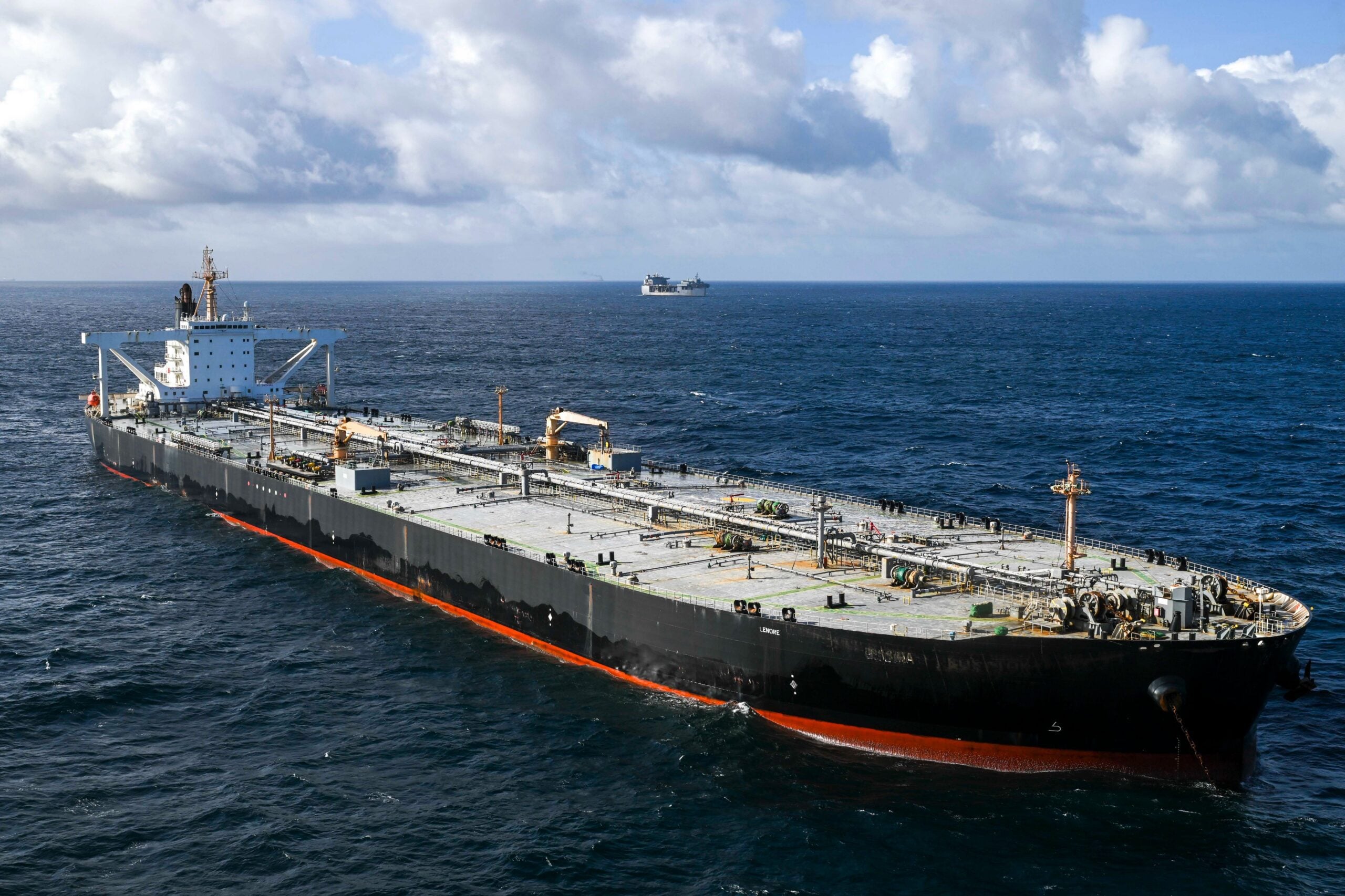
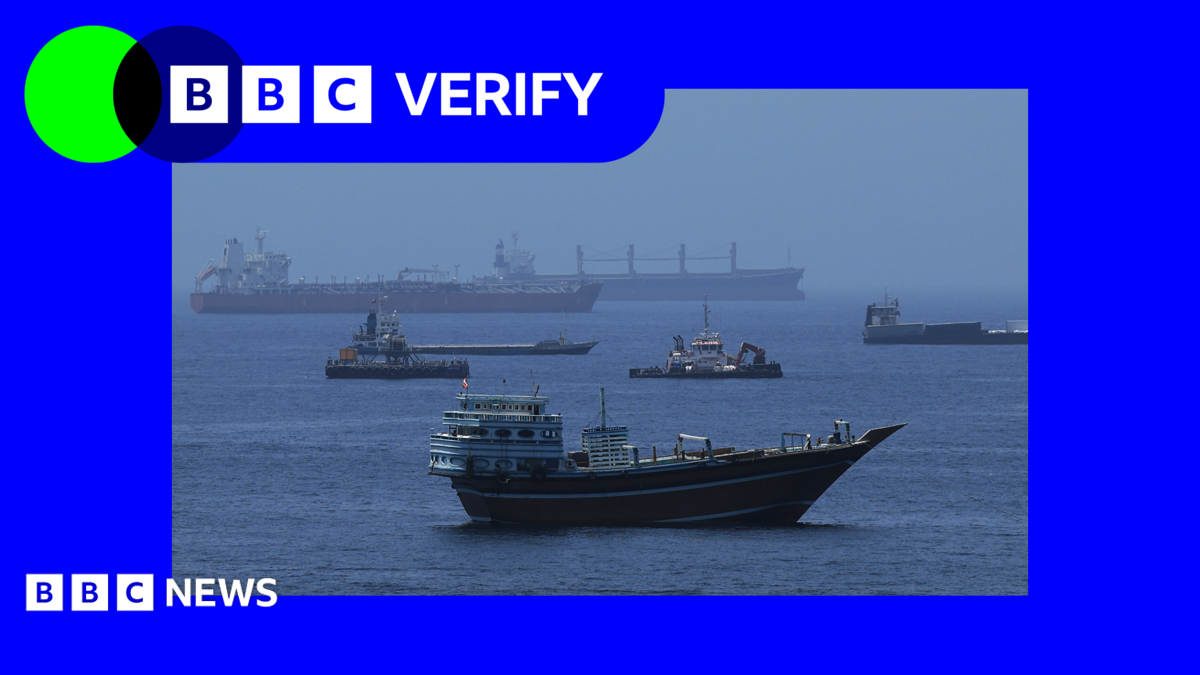
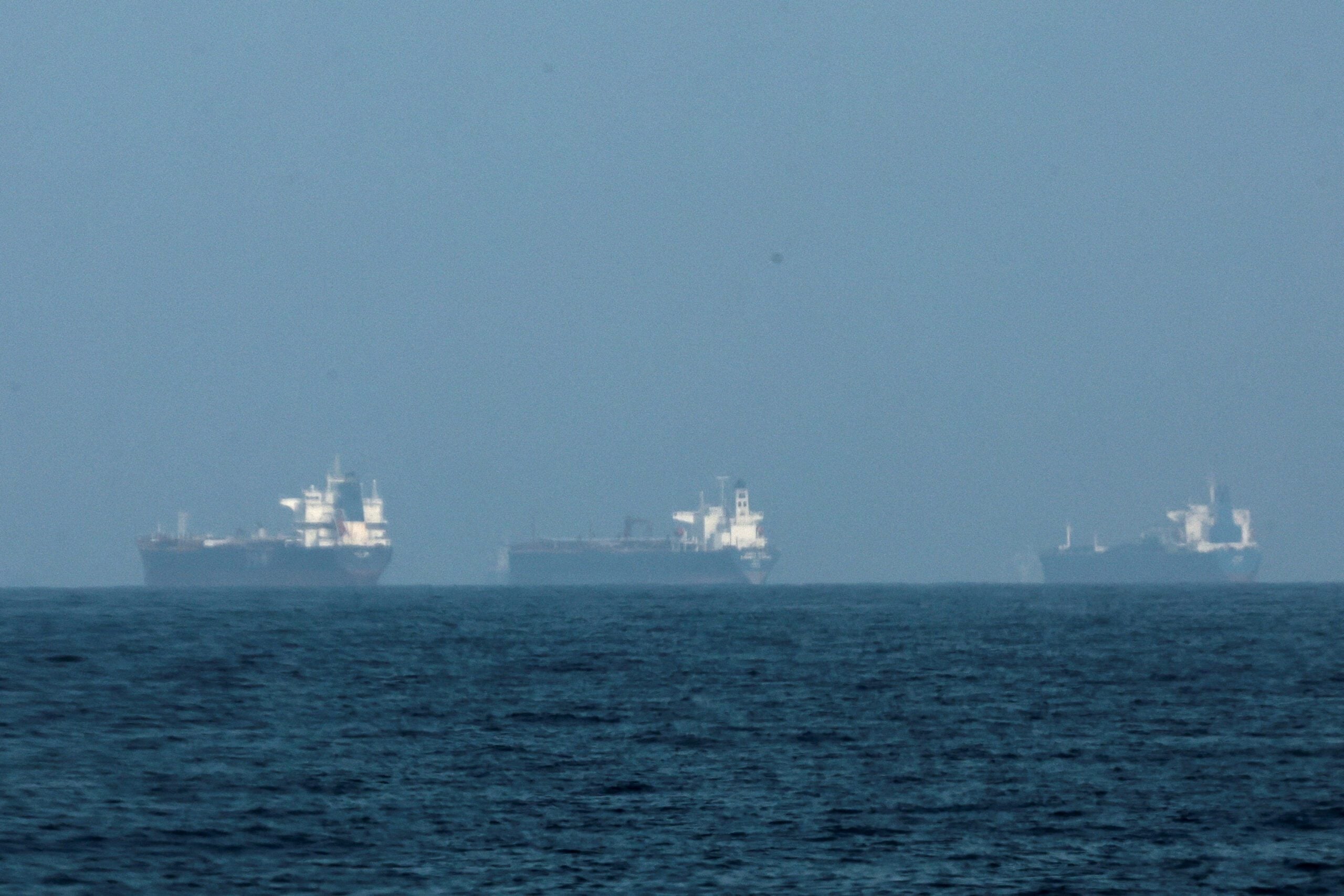
Maritime flows through the Strait of Hormuz are moving from near standstill to controlled recovery. At least 172 vessels have transited since reopening and 21 AIS‑visible crossings used the central corridor on 23 June, yet volumes remain below pre‑war norms due to active mine risk and steep insurance premiums. Iran and Oman have initiated a joint process on future navigation administration, while Washington and industry restate that no tolls are acceptable. The IMO, working with Oman, Iran and the United States, is preparing a large‑scale evacuation of more than 11,000 stranded seafarers using a temporary Omani corridor and phased convoys. In parallel, the US Senate passed a war‑powers resolution on Iran that is largely symbolic, with CENTCOM emphasising continued freedom of navigation. On the northern front, US‑facilitated Israel, Hezbollah ceasefire arrangements were renewed in June, but the broader Iran, Israel confrontation remains volatile given prior lethal strikes and Iran’s missile and drone salvos. Iranian oil liftings have intensified, including VLCC and Suezmax movements, while Brent was below 77 dollars on 23 June.
Change from previous assessment
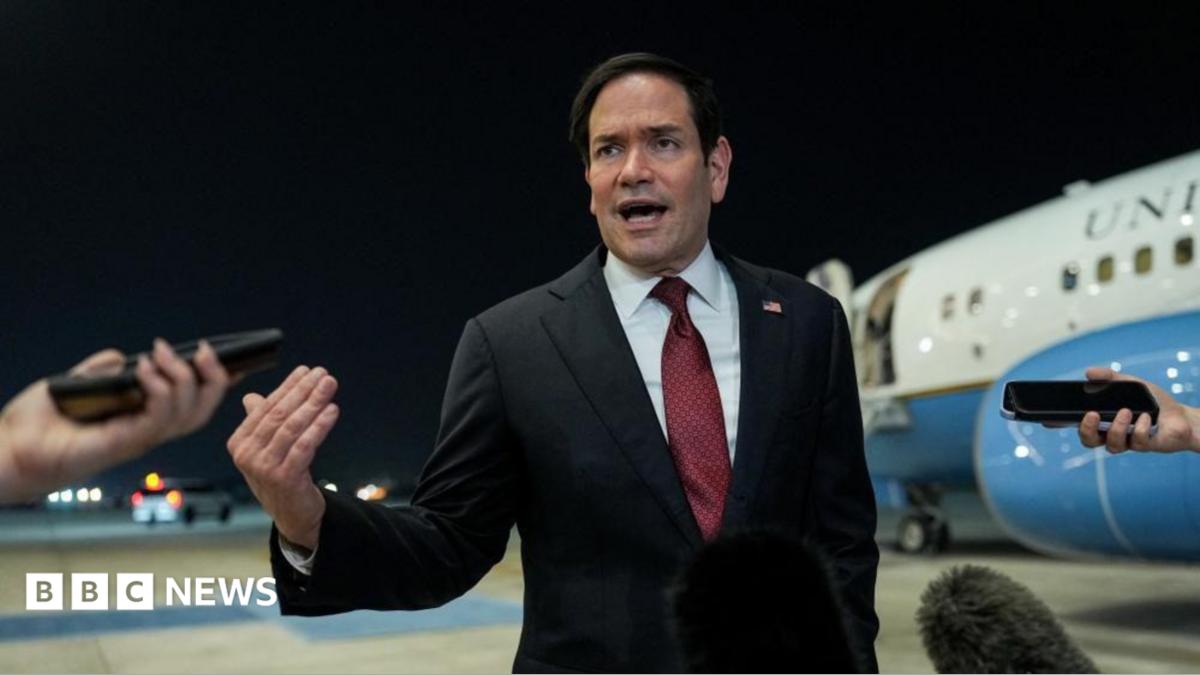
Since the prior brief, ships have re‑entered Hormuz’s central corridor with 21 AIS‑visible crossings on 23 June and at least 172 total transits since reopening. Iran and Oman moved from signalling intent to opening a formal process on navigation administration. The IMO detailed a mass evacuation plan for over 11,000 seafarers using an Omani corridor. The US Secretary of State publicly rejected any Hormuz tolls during a Gulf tour. Congress passed a largely symbolic war‑powers measure on Iran. Assessments on maritime recovery have edged firmer, while confidence in a durable governance settlement remains cautious. The Lebanon ceasefire framework persists, but the broader Iran, Israel risk picture is unchanged. Initial assessment of this topic.
Key judgments
- It is very likely the Strait of Hormuz has shifted from near‑standstill to managed recovery, with at least 172 vessel transits since reopening and ships re‑entering the central corridor on 23 June, yet volumes remain below pre‑war averages because of active mine risk and very high war‑risk insurance. (Confidence: high · ASSESSED)
- I&W: AIS‑tracked daily crossings rise steadily toward the pre‑war average of about 138 per day (1-3 months)
- I&W: Any confirmed mine strike on a merchant vessel inside the central corridor triggers renewed routing restrictions (0-14 days)
- It is likely Iran and Oman will advance a joint navigation administration concept for Hormuz, but any attempt to introduce tolls or service fees is unlikely to proceed soon given explicit US opposition and industry insistence on toll‑free passage. (Confidence: medium · ASSESSED)
- I&W: Publication of a joint Iran, Oman working group terms of reference referencing maritime services and pricing (1-3 months)
- I&W: Issue of an Omani or Iranian notice imposing fees or mandatory pre‑clearance for transits (0-14 days)
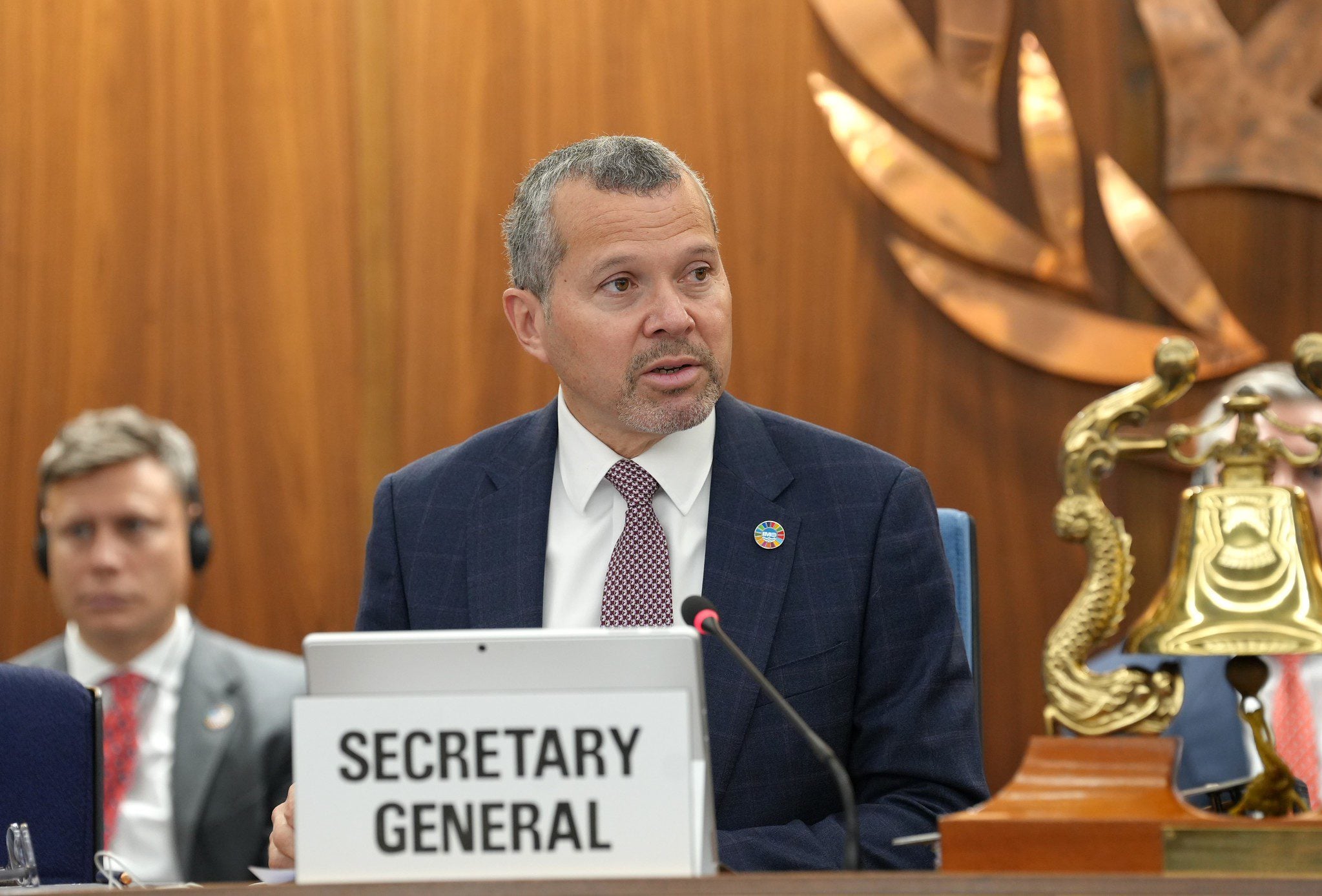
- It is likely the IMO, coordinating with Oman, Iran and the United States, will evacuate more than 11,000 stranded seafarers using a temporary Omani corridor and phased convoys, lowering immediate crew risk but temporarily constraining transit windows. (Confidence: medium · ASSESSED)
- I&W: Oman’s National Hydrographic Office issues convoy schedules and call‑in procedures for evacuation groups (0-14 days)
- I&W: IMO or JMIC issues a notice postponing or cancelling evacuation convoys due to security concerns (0-14 days)
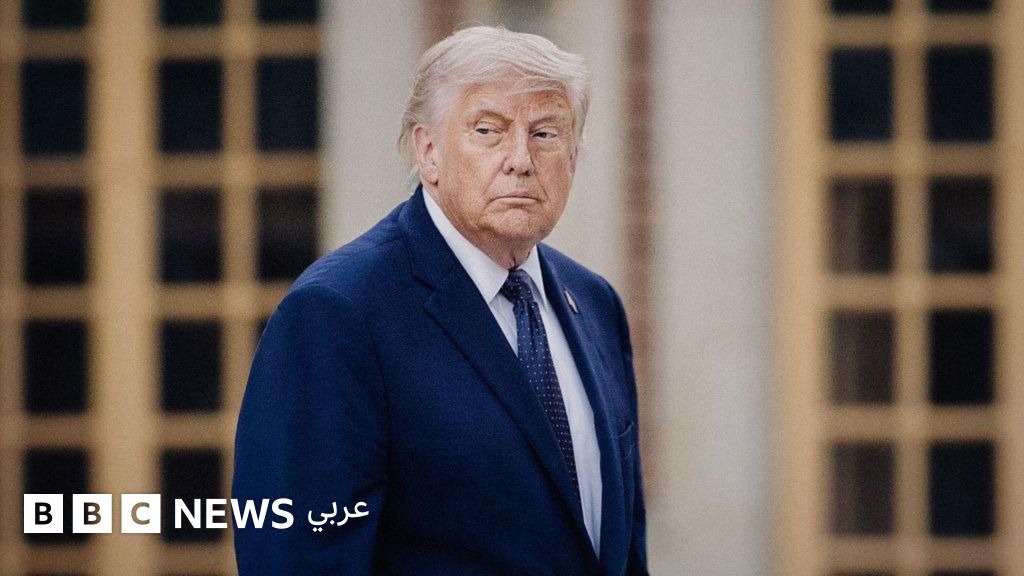
- It is very likely the US Senate’s Iran war‑powers resolution is largely symbolic and will not curb US maritime security operations around Hormuz in the near term. (Confidence: high · ASSESSED)
- I&W: CENTCOM and JMIC continue to issue routine patrol and routing advisories without drawdown notices (0-14 days)
- I&W: A presidential directive pauses or scales back US naval operations in the Gulf following the vote (0-14 days)
- There is a roughly even chance the Israel, Hezbollah ceasefire framework holds in the near term given repeated US‑facilitated truce announcements in June, but the wider Iran, Israel confrontation remains volatile after lethal strikes and Iran’s missile and drone salvos. (Confidence: medium · ASSESSED)
- I&W: No cross‑border rocket or missile launches and adherence to stated no‑strike areas for 14 consecutive days (0-14 days)
- I&W: Renewed Hezbollah rocket salvos or Israeli strikes into Beirut’s southern suburbs (0-14 days)
- It is very likely Iranian hydrocarbon exports via Hormuz have increased, with at least 30 laden tankers departing since the deal and Iran’s strongest crude export week by 21 June, while Brent remained below 77 dollars on 23 June. (Confidence: high · REPORTED)
- I&W: Sustained weekly counts of 25 or more laden departures of Iran‑linked tankers and continued VLCC and Suezmax AIS broadcasts (1-3 months)
- I&W: A sharp, sustained rise in Brent well above the 23 June level alongside reports of renewed disruption (0-14 days)
Outlook & scenarios
Managed stabilisation of Hormuz under deconfliction (60%)
Mine‑risk controls, JMIC‑guided southern routing, and phased convoys allow traffic to climb toward pre‑war levels. The Iran, Oman working group focuses on technical administration without fees, and the IMO completes the mass seafarer evacuation with minimal incident. US maritime security operations continue as Congress’ resolution has no operational effect.
Relapse to maritime disruption after a mine or miscalculation (35%)
A mine detonation or misidentification incident in the central corridor halts centre‑lane transits and pauses the evacuation plan. Insurers push premiums higher, owners revert to the Omani coastal route, and volumes stall well below pre‑war averages while clearance operations expand.
Governance and fees tussle slows normalisation (25%)
Iran and Oman float administrative charges or service conditions in working‑group drafts, prompting US objections and industry pushback. Owners favour the Omani route, some defer liftings, and legal debate delays a durable governance settlement.
Northern front reignites (30%)
A breakdown of the Israel, Hezbollah ceasefire leads to renewed cross‑border fire and targeted strikes. Gulf partners harden security postures, and shipping firms add additional buffers or postpone sailings through Hormuz, slowing the recovery.
Recommendations
- Stand up a daily AIS‑based dashboard tracking central‑corridor crossings and total Hormuz transits against the pre‑war baseline of about 138 per day, with alerting for sudden drops or corridor closures.
- Monitor and archive Oman National Hydrographic Office NAVWARNs, JMIC advisories, and IMO operational notices; set triggers for new mine coordinates, convoy schedules, or routing changes.
- Task collection against the Iran, Oman working group to obtain draft terms of reference, especially any language on ‘maritime services’ and associated costs, and assess likely implementation pathways.
- Maintain liaison with CENTCOM for indications of any post‑vote operational changes; watch for continuity of patrol patterns and escort announcements to validate that operations remain unaffected.
- Build a live dataset of war‑risk premiums and reported quotes for VLCC and Suezmax transits through Hormuz to quantify the insurance drag on flows.
- Track Iran‑linked laden departures and destinations, including China‑bound liftings, to anticipate export trends and potential choke points if enforcement pressure returns.
- Define near‑term tripwires for the Israel, Hezbollah ceasefire, including any reported launches or strikes in Beirut’s southern suburbs, and pre‑plan maritime risk posture adjustments tied to those triggers.
Confidence & uncertainty
Multiple independent and generally reliable sources underpin core findings. Maritime recovery is corroborated by AIS‑based reporting and industry trackers, mine‑risk guidance from JMIC, and statements by CENTCOM and the IMO. Iran, Oman navigation talks and US opposition to tolls are reported by both diplomatic and industry voices. However, some elements remain early‑stage or contested, notably the precise lead actor for evacuations and the timeline or content of any governance proposal, and there are inconsistencies in prior casualty reporting. Several strategic inferences rely on think tank analysis. On balance, this mix supports a medium overall confidence.
Alternative analysis (red cell)
The reporting mix of preliminary political statements, isolated operational observations, and some high-level claims does not cohere into firm evidence of durable changes. Alternative, defensible readings are that traffic increases are localized and fragile, Oman‑Iran talks are exploratory without near‑term binding outcomes, the IMO evacuation plan is aspirational or partial, ceasefires remain fragile tactical pauses, and Iranian export increases require corroborated cargo and terminal data to confirm sustained growth. Targeted collection (AIS/satellite, operational orders, legal texts, manifests, and independent imagery) is needed to adjudicate these judgments.
Intelligence gaps
- [EEI 1.2 · PARTIAL] Movements and posture changes of Iran-backed proxy forces (Hezbollah units in Lebanon, militias in Syria/Iraq): concentrations of personnel, transport of rocket/artillery launchers, visible logistics build-up within operational range of Israel. Recommended collection: human/intel
- [EEI 1.3 · PARTIAL] Israeli defensive and offensive posture changes: reservist call-ups, mobilization orders, sorties/airstrikes attributed to Israel, and domestic activation of missile-defense systems (locations and activation times). Recommended collection: open-source/media
- [EEI 1.4 · PARTIAL] Evidence of pre-positioning or arming of naval mines, fast attack craft, or anti-ship missile systems in the Gulf of Oman, northern Arabian Sea, or off the Lebanese/Syrian coasts that could be used to interdict Israeli or allied shipping. Recommended collection: maritime/AIS
- [EEI 2.1 · PARTIAL] Movements and tasking changes of external military assets: carrier strike groups, amphibious ready groups, expeditionary air wings, or ballistic-missile defense units into the Eastern Mediterranean, Persian Gulf, or Red Sea (vessel/aircraft IDs, routing, on-station times). Recommended collection: maritime/AIS
- [EEI 2.3 · PARTIAL] Changes to force protection or alert levels at foreign bases in the region (e.g., US bases in Kuwait, Qatar, UAE; Russian bases in Syria): activation of additional air defenses, curfews, or reinforcement shipments (personnel/equipment manifests). Recommended collection: signals/intel
- [EEI 3.2 · PARTIAL] Changes in crude oil and refined product flows from key terminals (reported tanker loading delays, terminal closures, throughput volumes at Kharg, Mina al-Ahmadi, Ras Tanura, and major Gulf ports compared to baseline). Recommended collection: commercial/ports
- [EEI 3.3 · PARTIAL] Market and insurance indicators: sudden spikes in war-risk or hull insurance premiums for Middle East routes, large moves in regional FX/stock indices, and notable changes in commodity futures (oil, freight rates) tied to regional risk perceptions. Recommended collection: financial/transactional
Cited sources
[1] BBC News عربي · ترامب ينتقد قراراً تاريخياً يوجهه إلى وقف الحرب ضد إيران بدعم الديمقراطيين والجمهوريين - BBC News عربي (A) · sha256:ca097b72358a [2] BBC · UN says it will evacuate sailors stranded in Strait of Hormuz, as Rubio warns against tolls (A) · sha256:8d984c349849 [3] gcaptain.com · First Ships Return to Hormuz's Central Corridor Since War Began (B) · sha256:f06c1754313e [4] gcaptain.com · Hormuz Traffic Picks Up as More Tankers Broadcast Crossings (B) · sha256:6bd5bba4a5ee [5] BBC · Dozens of ships head through Strait of Hormuz after US-Iran deal (A) · sha256:c2af9177485a [6] gcaptain.com · IMO Launches Evacuation of 11,000 Seafarers Still Trapped in Persian Gulf (A) · sha256:784b7d911413 [7] gcaptain.com · Who Will Govern Hormuz? Iran and Oman Begin Talks on Future Navigation and Maritime Services (B) · sha256:f8ac7005e8be [8] BBC · Congress passes war powers measure for first time, breaking with Trump over Iran (A) · sha256:ee5202be3a7e [9] Wikipedia · 2026 Lebanon war (B) · sha256:e72a29a9963a [10] The Guardian · Monday briefing: What does the escalation in the Middle East mean for global stability? (A) · sha256:752870989781 [11] gcaptain.com · Rubio Faces Task of Easing Gulf Allies' Fears Over U.S. Iran Deal (B) · sha256:a3d905cbf3d6 [12] BBC · BBC Verify | Latest News & Updates | BBC News (A) · sha256:63cc7abcff49
Source content hashes were computed at collection time; the cited text is preserved unmodified for the life of this product.
Red cell review: PARTIAL DISSENT
TLP:CLEAR