TLP:CLEAR · Disclosure is not limited.
Hormuz Disruption and Red Sea Risk: Shipping and Supply Pressures
Time window: Last 7 days · Audience: General analyst · Type: Situation report · DTG: 2026-10-21 00:08Z · Overall confidence: MEDIUM
BLUF
Shipping through the Strait of Hormuz is severely constrained, while fighting around Bab al-Mandeb raises a separate risk to maritime traffic. The reporting supports pressure on freight and fuel markets, but does not verify that four of five key straits are disrupted or independently confirm Brent at $108.
Executive summary
The Strait of Hormuz remains the clearest source of maritime disruption: reporting describes Iranian control, sharply higher Gulf-to-East Asia shipping costs and tanker concentration near the Persian Gulf. The IRGC Navy says tankers struck mines, but the supplied reporting does not independently confirm those incidents. Around Bab al-Mandeb, reports describe Houthi-held positions and intensifying fighting; they do not establish a blockade or quantify current commercial traffic. A trade-publication headline gives Brent at $108, while separate reporting places it near a five-month high. The claims provide no quantified war-risk premium or fertilizer-trade figures. In Yemen, fighting around Taiz and attacks on Saudi and Yemeni targets are accompanied by serious reported humanitarian impacts. The UK has announced defensive Typhoon missions for Saudi Arabia and a 90-day extension of refuelling support for Saudi air operations, but reporting does not clarify the boundary between those roles.
Key judgments
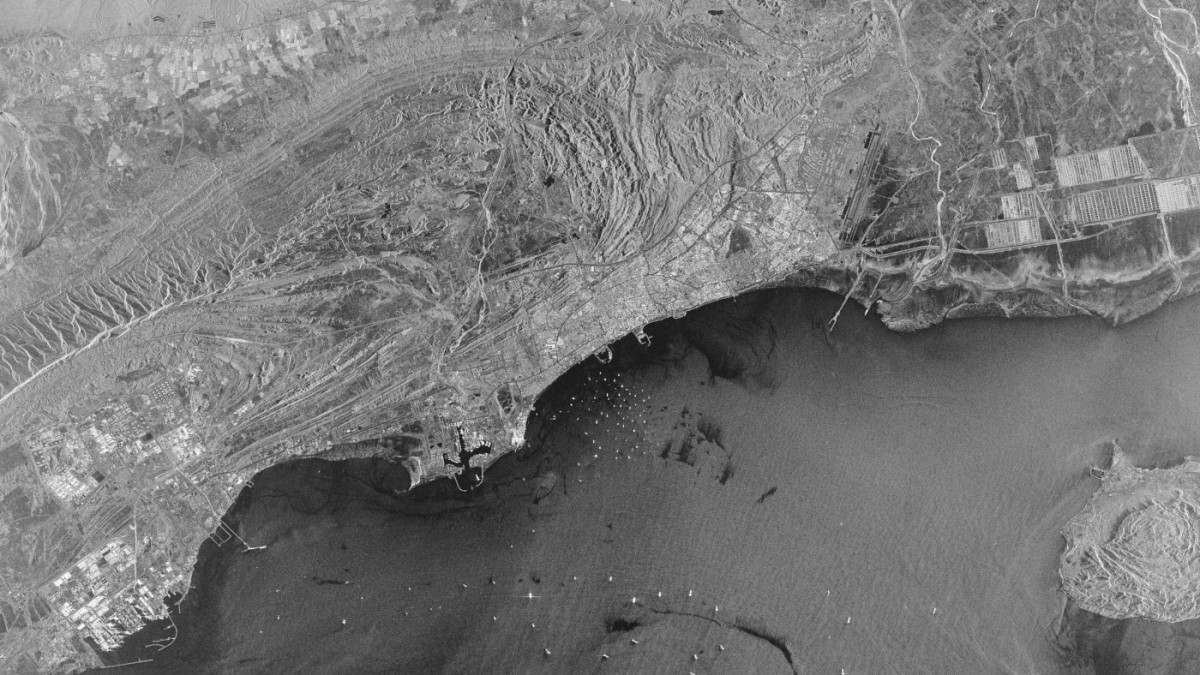
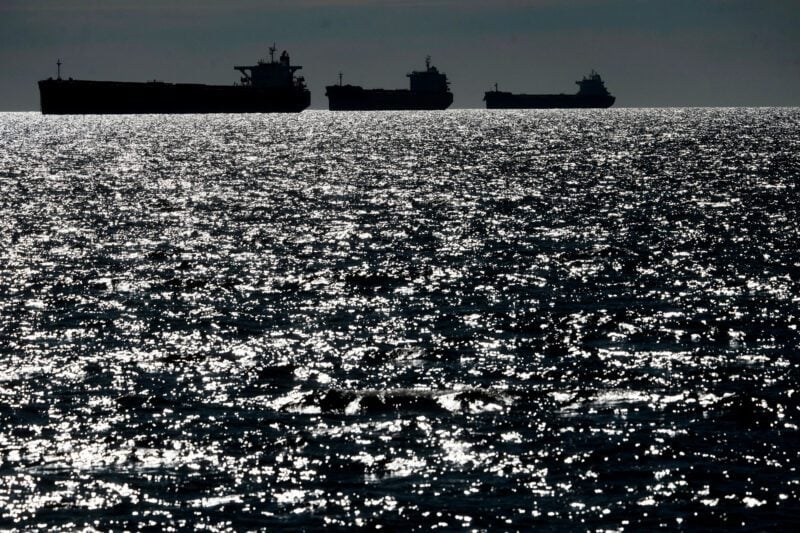
- Shipping through the Strait of Hormuz is likely to remain severely constrained over the next 1-3 months. Iran is reported to have maintained tight control of the strait, shipping oil from the Persian Gulf to East Asia is reported to cost more than six times as much as before the conflict, and more than 40% of the roughly 850 very large crude carriers are reported to be in the Persian Gulf or within a couple of days’ sailing. The IRGC Navy’s reports that tankers struck mines, including a third tanker on 20 October, remain unverified independently in the supplied reporting. (Confidence: medium · ASSESSED)
- I&W: AIS-based daily counts continue to show Strait of Hormuz transits below their pre-conflict level, and the reported share of the global VLCC fleet in or near the Persian Gulf remains above 40%. (0-14 days)
- I&W: A sustained return of Strait of Hormuz transits to pre-conflict levels, alongside a decline in the reported VLCC concentration below one-third of the global fleet, would break the assessment of severe constraints. (1-3 months)
- There is a roughly even chance that Bab al-Mandeb remains open to commercial traffic over the next 30 days, but the route faces elevated threat. Reporting says the Houthis seized positions overlooking the strait and that fighting around it is intensifying. A separate, lower-reliability report describes Bab al-Mandeb as a route for Saudi oil exports, but the supplied claims do not establish a blockade or verify current transit levels. (Confidence: low · ASSESSED)
- I&W: AIS-based daily counts show commercial transits continuing through Bab al-Mandeb without a sustained decline, confirming that passage remains available. (0-14 days)
- I&W: A verified Houthi attack on a named merchant vessel followed by a sustained suspension of commercial transits would break the assessment that the route remains open. (0-30 days)
- Fuel and freight price pressure is likely to persist in the near term. Vitol estimates that high-sulphur fuel oil flows through Hormuz remain at least 800,000 tonnes per month below February levels, Singapore bunker lead times have lengthened, and Gulf-to-East Asia oil shipping costs are reported at more than six times their pre-conflict level. Brent at $108 appears only in a trade-publication headline in the supplied claims; separate reporting says Brent is near a five-month high, so the $108 figure is not independently corroborated here. (Confidence: medium · ASSESSED)
- I&W: Brent settlements above $108 for five consecutive trading days, or Singapore VLSFO delivery lead times exceeding 18 days, would confirm continued market pressure. (0-14 days)
- I&W: A Vitol update showing HSFO flows through Hormuz recovering to within 800,000 tonnes per month of February levels, alongside shorter Singapore bunker lead times, would weaken this assessment. (1-3 months)
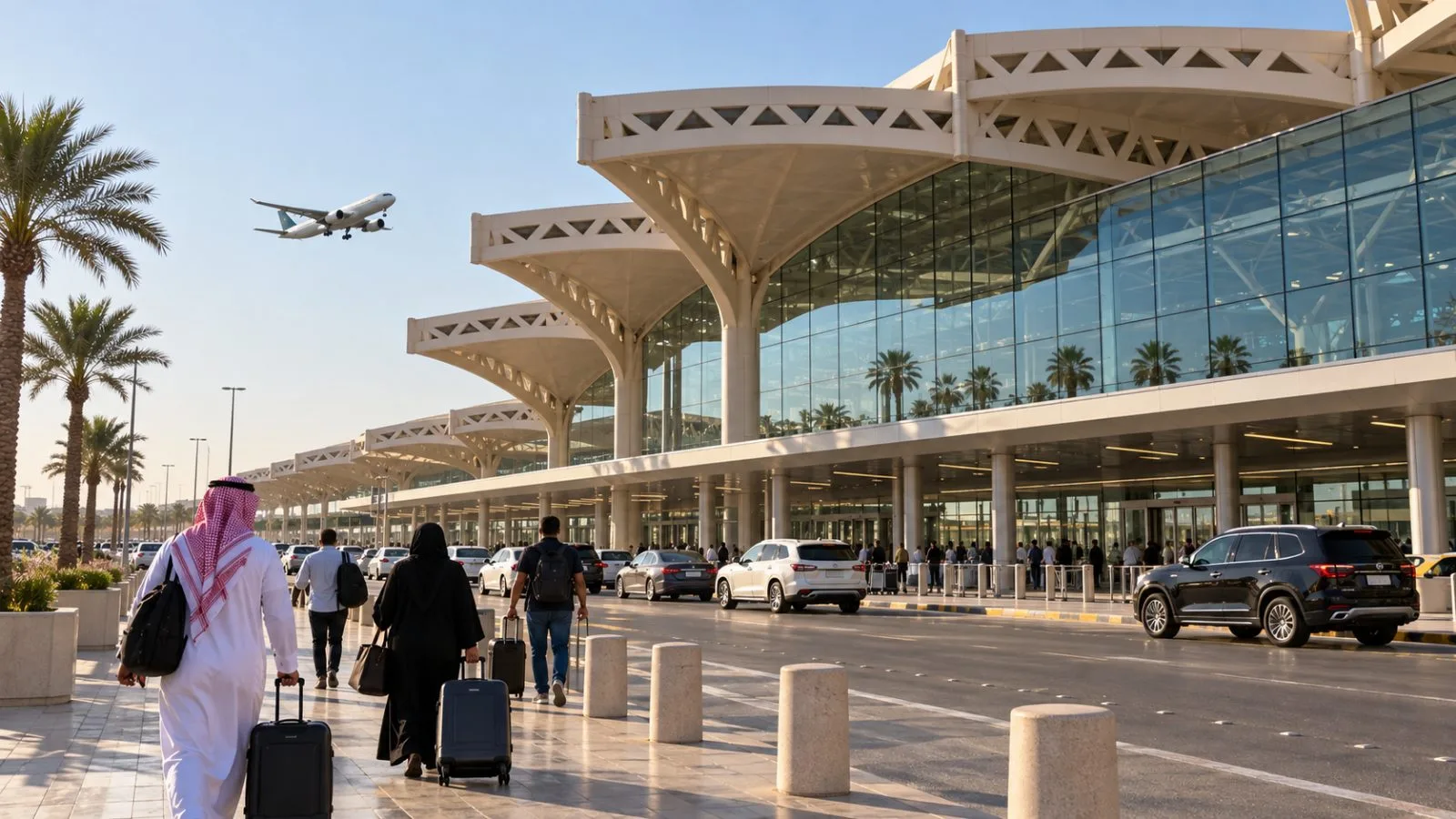
- Houthi-Saudi and intra-Yemeni fighting is likely to remain active over the next month. The Saudi-led coalition reports at least 20 attacks on King Khalid International Airport over 11 days and reports 17 deaths and more than 300 injuries from Houthi attacks; Saudi Arabia’s General Authority of Civil Aviation attributes three deaths to two attacks on airport facilities and a Saudia aircraft on 8 October. These figures cover different stated scopes, and a think-tank account gives a higher airport death toll, so the airport-specific total remains unresolved. The UK has stated that RAF Typhoons will fly defensive missions and will not conduct offensive strikes, while also extending refuelling support for Saudi air operations against Houthi targets in Yemen. The scope of the UK’s wider role is not clear from the reporting. (Confidence: medium · ASSESSED)
- I&W: A further Houthi missile or drone attack on King Khalid International Airport, Riyadh, Dhahran or a named Saudi energy site would confirm continued pressure on Saudi infrastructure. (0-14 days)
- I&W: A UK Ministry of Defence statement specifying Typhoon tasking and whether refuelling supports strikes on Houthi targets would resolve the current uncertainty about the scope of UK involvement. (0-14 days)
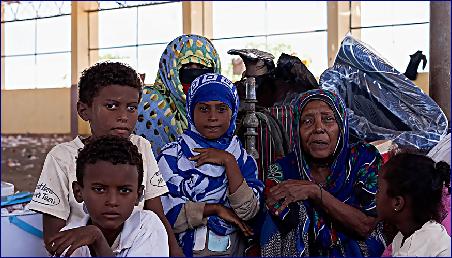
- Humanitarian conditions in Taiz are likely to worsen if access restrictions and fighting continue. The UN World Food Programme reports that road closures and shifting front lines have cut 800,000 people off from life-saving assistance, while reporting also records at least 32 civilian deaths in Taiz governorate between 1 August and 19 October, including 14 children. More than 18 million Yemenis are reported to face severe food insecurity nationwide. (Confidence: high · ASSESSED)
- I&W: A new WFP update reporting continued closure of routes into Taiz or an increase in the number of people cut off from assistance would confirm worsening access. (0-30 days)
- I&W: WFP confirmation that the Taiz-Aden supply route has reopened and that aid delivery to the reported 800,000 people has resumed would break the assessment of continued access deterioration. (1-3 months)
Outlook & scenarios
Prolonged Hormuz constraints, Bab al-Mandeb remains passable (55%)
Hormuz transit remains severely constrained and tanker availability stays tight. Fighting and Houthi-held positions keep Bab al-Mandeb risky, but commercial traffic continues. Freight and fuel costs remain under pressure.
Partial easing in shipping and energy markets (30%)
A reduction in attacks or an easing of passage restrictions allows more ships to transit Hormuz. Bab al-Mandeb remains contested but usable. Freight rates and bunker lead times begin to ease, although the reported fuel-flow shortfall persists.
Cross-chokepoint escalation (15%)
Further attacks in the Strait of Hormuz coincide with Houthi action that halts commercial traffic through Bab al-Mandeb. This low-probability, high-impact outcome would place pressure on tanker availability and increase the risk of prolonged fuel and freight disruption.
Recommendations
- Treat the four-of-five straits claim, the $108 Brent figure, war-risk premium increases and fertilizer-trade effects as unverified until separate, dated traffic and market data corroborate them.
- Track Strait of Hormuz and Bab al-Mandeb AIS transit counts, VLCC positions, tanker incidents and port calls daily. Keep IRGC Navy mine-strike claims separate from independently verified incidents.
- Request a UK Ministry of Defence clarification on whether the defensive-only restriction applies to Typhoon sorties alone or to the wider UK contribution, including refuelling for Saudi air operations against Houthi targets.
- Prioritise monitoring of WFP access reporting for Taiz, including the Taiz-Aden supply route and the reported 800,000 people cut off from assistance.
- Reconcile Saudi airport attack dates and casualty scopes before using a single death toll. Distinguish the three deaths GACA attributes to the 8 October attacks from broader coalition-reported totals.
Confidence & uncertainty
Overall confidence is medium because several core shipping and conflict reports are supported by official statements, UN reporting, established media and trade data. The strongest uncertainties concern the IRGC Navy’s unverified mine-strike claims, the absence of Bab al-Mandeb traffic data, the single headline source for Brent at $108, and conflicting Saudi airport casualty figures. Some additional claims rely on lower-reliability blog or social-media reporting.
Alternative analysis (red cell)
Current reporting supports substantial disruption and elevated risk at both maritime chokepoints, but it does not establish either sustained severe constraint at Hormuz or a 50-percent probability of continued commercial openness at Bab al-Mandeb. The evidence is better read as showing uncertain operational status: shipping and energy markets are already under pressure, while the duration and degree of future access remain unresolved. Independent transit data and confirmation of maritime incidents would be required to distinguish temporary disruption from persistent restriction.
Red cell review: PARTIAL DISSENT
TLP:CLEAR