TLP:CLEAR · Disclosure is not limited.
Hormuz Disruption Persists as US-Iran Pressure Broadens
Time window: Last 1 day · Audience: General analyst · Type: Situation report · DTG: 2026-08-28 14:10Z · Overall confidence: MEDIUM
BLUF
Very likely commercial shipping through the Strait of Hormuz will remain disrupted and exposed over the next 0-14 days, although limited traffic means a complete closure is unlikely. US economic pressure on Iran is likely to intensify, while Qatar and Oman mediation is unlikely to deliver a durable de-escalation quickly.
Executive summary
As of 28 August 2026, reporting indicates that the Strait of Hormuz remains dangerous but not fully closed. The Joint Maritime Information Center maintains a severe threat assessment, while the US military reports mine clearance and limited vessel movement. Washington is expanding economic pressure on Iran even as Iranian banks, companies and airlines reportedly retain some activity in the UAE. Qatar and Oman are pursuing navigation arrangements, but conflicting timelines and continued threats limit confidence in rapid diplomatic progress. US force posture is also under strain, with missile stocks moved from Europe and naval commanders seeking alternative port-call arrangements.
Change from previous assessment
Since the 27 August 2026 brief, the assessment retains very likely disruption in the Strait of Hormuz and unlikely immediate total closure, but adds greater weight to the contrast between reported US mine clearance and the Joint Maritime Information Center's severe threat rating. A new judgement assesses sustained US operational involvement alongside missile-interceptor shortages and carrier-sustainment problems. The economic-pressure judgement now reflects both the UAE trade suspension and continued Iranian banking and airline activity in Dubai, indicating uneven implementation. Qatar's prime minister has now met senior Iranian leaders in Tehran, but the assessment of rapid diplomatic de-escalation remains low confidence because no implemented navigation arrangement is reported. The previous Hezbollah-specific continuation judgement is not refreshed because the current claims provide no new Hezbollah attack sequence. The prior Gaza humanitarian assessment is narrowed here to Iran's reported humanitarian and economic pressure and current Israeli operations in Syria, Gaza and Jenin.
Key judgments
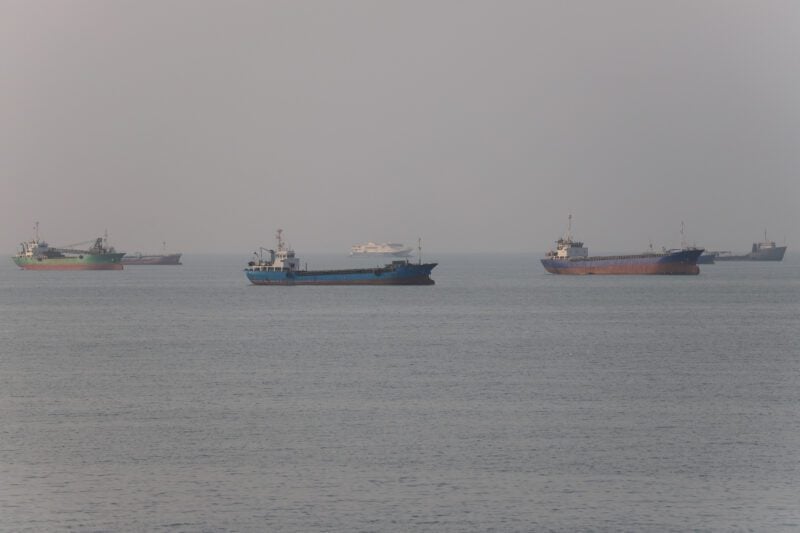
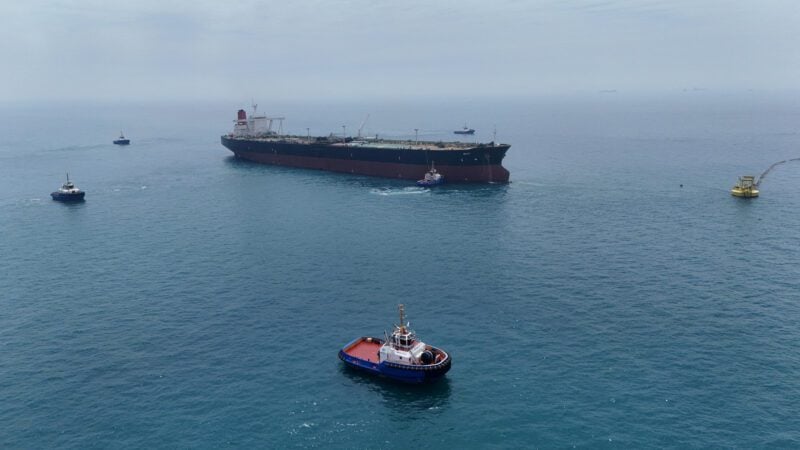
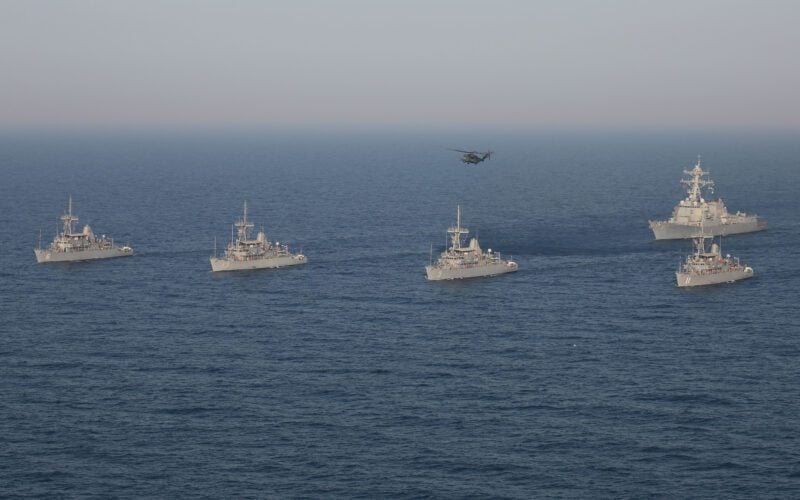
- Very likely commercial shipping through the Strait of Hormuz will remain disrupted and exposed over the next 0-14 days, while a complete closure is unlikely. The Joint Maritime Information Center maintains a severe threat assessment, the UN has recorded 70 incidents and 19 seafarer deaths since the war began, and the tanker AL SALAM II and two freighters were reportedly struck. Against this, the US military reports clearing Iranian mines and President Donald Trump says 24 vessels transited the Strait on the preceding day. The assessment is medium confidence because military and major-media reporting corroborate severe risk and limited passage, but crude-flow estimates conflict and projectile attribution remains unresolved. (Confidence: medium · ASSESSED)
- I&W: Confirm: another named commercial vessel or freighter is struck in the Strait, or Iran repeats its threat to strike unauthorised transits. (0-14 days)
- I&W: Break: daily Strait traffic exceeds 24 vessels and crude flows rise above half prewar levels for seven consecutive days. (0-14 days)
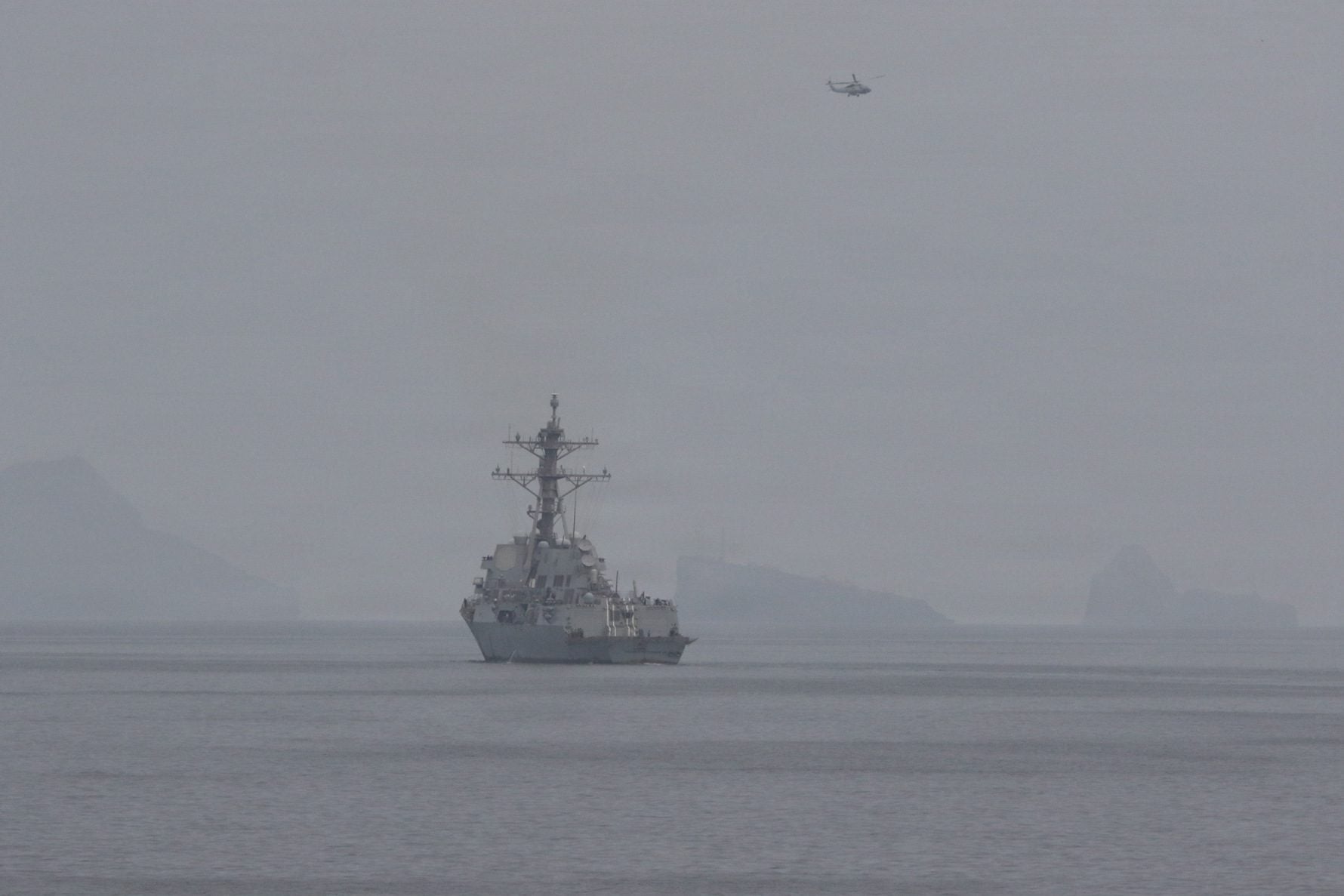
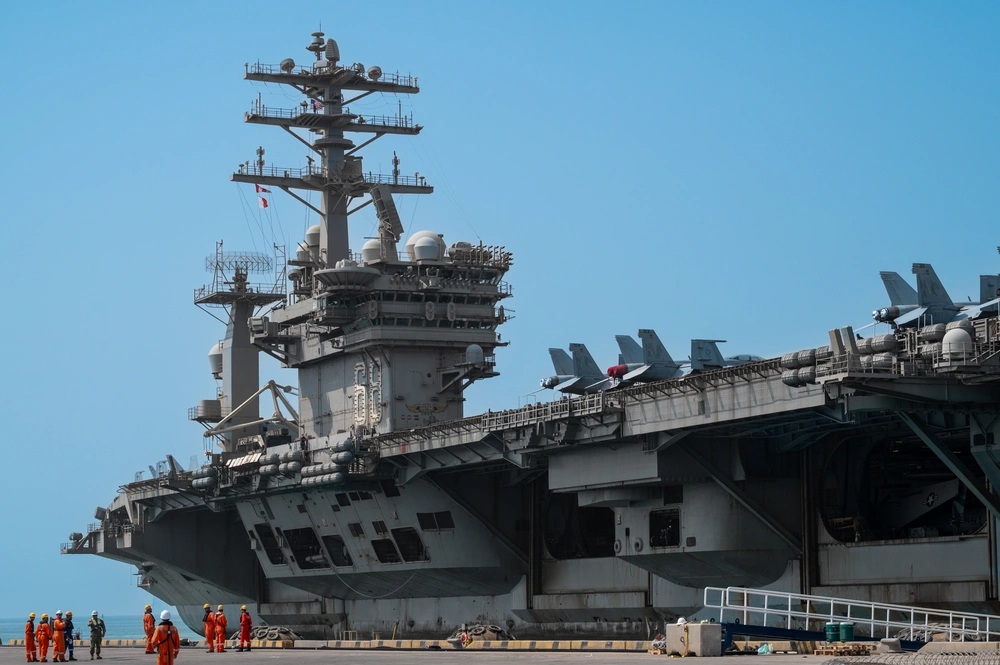
- Likely US military involvement in the conflict with Iran will remain operationally sustained over the next 0-30 days, while missile-interceptor and carrier-sustainment constraints will persist. Reporting describes US strikes and large-scale munitions expenditure, movement of missile stocks from Europe to the Middle East, a reported shortage of advanced interceptors in Europe, and preparations for the USS Theodore Roosevelt to relieve the USS George Washington. The assessment is medium confidence because official and major-media reporting supports the current force-posture picture, but the supplied dates for Operation Epic Fury and claims concerning Ali Khamenei's death conflict, as do reported US casualty totals. (Confidence: medium · ASSESSED)
- I&W: Confirm: the USS Theodore Roosevelt begins the deployment intended to relieve the USS George Washington, or US missile stocks move from Europe to the Middle East again. (0-30 days)
- I&W: Break: the US Navy cancels that relief deployment and reports no further movement of missile stocks from Europe to the Middle East. (0-30 days)
- Very likely the US will sustain and likely intensify economic pressure on Iran over the next 0-30 days, while Iran retains limited commercial channels with the UAE. Operation Economic Outcast targets digital assets, technology, gold, aviation and shipping, and the US is working with regional partners to isolate Iran's economy. The UAE has suspended trade relations, but reporting also says Iranian banks and companies continue operating openly in Dubai and Iranian airlines continue direct flights. Conflicting claims that Iranian oil exports have stopped while regional crude flows are increasing lower confidence in the overall effectiveness of the pressure campaign. (Confidence: medium · ASSESSED)
- I&W: Confirm: the US Treasury announces new designations involving digital assets, technology, gold, aviation or shipping. (0-30 days)
- I&W: Break: the UAE formally restores trade and financial transactions with Iran, or the Treasury withdraws the new sectoral sanctions. (0-30 days)
- Likely Qatar and Oman will continue navigation talks with Iran over the next 0-14 days, but an immediate durable de-escalation is unlikely. Qatar's prime minister met senior Iranian leaders in Tehran on 28 August, Iran is preparing conditions for reopening the Strait, and Iran and Oman have discussed a temporary joint navigation corridor. US threats against Oman complicate its intermediary role. This is low confidence because the diplomatic reporting contains conflicting dates for memoranda and ceasefire arrangements, and the evidence for implementation is thin and largely indirect. (Confidence: low · ASSESSED)
- I&W: Confirm: Iran publishes reopening conditions and Iran and Oman activate a temporary navigation corridor through which commercial vessels transit. (0-14 days)
- I&W: Break: Iran repeats its threat to strike unauthorised transits, or Oman ends negotiations following further US pressure. (0-14 days)
- Very likely conflict-related humanitarian and economic pressure will persist in Iran and surrounding states over the next 1-3 months. Reporting attributes more than 3,468 deaths to military operations inside Iran, at least 7,900 deaths across Iran, Lebanon and the Gulf states, approximately $270 billion in Iranian damage, and an Iranian consumer-price increase of more than 80 per cent year on year. About 1.6 million barrels a day of regional refining capacity also remains offline. Confidence is medium because the casualty and damage figures come from reports with differing geographic scopes and the available corroboration is incomplete. (Confidence: medium · ASSESSED)
- I&W: Confirm: additional deaths are reported in Iran, Lebanon or the Gulf states while regional refining capacity remains at least 1.6 million barrels a day below capacity. (1-3 months)
- I&W: Break: Iran reports restored oil exports and consumer-price growth falls below 80 per cent year on year. (1-3 months)
- Likely Israel will continue military operations against Iranian forces in Syria and Palestinian armed actors in Gaza and Jenin over the next 0-30 days. Reporting attributes Israeli airstrikes to Iranian allies and forces in Syria, an Israeli targeted strike to the Jenin area on 28 August, and the deaths of two Palestinian militants in Gaza on 27 August. Confidence is medium because the current strike reporting is mainly single-source major-media reporting, although the broader pattern of Israeli action against Iranian-linked actors is separately reported. (Confidence: medium · ASSESSED)
- I&W: Confirm: another Israeli strike is reported in Syria, Gaza or the Jenin area and is attributed to Iranian-linked forces or Palestinian armed actors. (0-30 days)
- I&W: Break: the Israeli army announces an operational halt and no further strikes are reported in those locations for 14 consecutive days. (0-30 days)
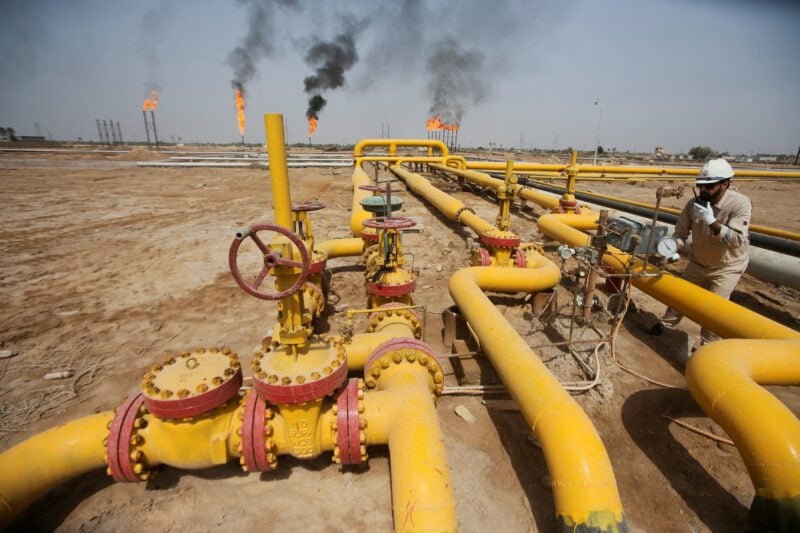
- Likely Saudi Arabia, Kuwait Petroleum Corp and Iraq will accelerate workarounds to reduce dependence on the Strait of Hormuz over the next 1-3 months, but these efforts will not fully restore prewar energy flows in that period. Gulf governments are examining integrated alternatives, Saudi Arabia is fast-tracking plans to redirect oil, Kuwait Petroleum Corp is discussing expanded pipeline systems with Saudi Arabia and the UAE, and Iraq aims to export through Baniyas and Aqaba. The assessment is medium confidence because these are mainly planned measures rather than completed infrastructure, while reported Hormuz flows remain around half prewar levels. (Confidence: medium · ASSESSED)
- I&W: Confirm: Iraq begins oil exports through Baniyas or Aqaba, or Saudi Arabia and Kuwait Petroleum Corp announce completed pipeline capacity. (1-3 months)
- I&W: Break: Saudi Arabia and Kuwait Petroleum Corp report no pipeline expansion while Iraq does not begin exports through either named alternative port. (1-3 months)
Outlook & scenarios
Managed but constrained maritime access (55%)
US mine-clearance and vessel-assistance activity continues, while Iran uses threats and negotiations to influence transit terms. Commercial traffic remains below prewar levels, but limited passage prevents a complete closure of the Strait.
Prolonged disruption and renewed vessel strikes (28%)
A further unidentified-projectile strike or Iranian action against an unauthorised vessel reduces traffic below current levels. US naval forces extend mine-clearance and protection activity, while Gulf governments accelerate alternative export routes.
Temporary navigation arrangement (20%)
Qatar, Iran and Oman convert existing discussions into a temporary navigation corridor. Selected commercial vessels resume transit under agreed conditions, but the arrangement remains vulnerable to further US-Iran or Iran-Israel military activity.
Direct escalation and regional spillover (8%)
Low-probability, high-impact wildcard: direct US-Iran military exchanges expand, US casualties rise, and attacks on shipping or Gulf energy infrastructure further restrict oil flows. Diplomatic activity loses practical effect and the Strait approaches full closure.
Recommendations
- Maintain a daily Strait of Hormuz tracker recording named vessel incidents, transit counts, crude-flow estimates, mine-clearance activity and the Joint Maritime Information Center threat rating. Distinguish Iranian exports from third-party Gulf exports.
- Create a dated event ledger for Operation Epic Fury, US strikes, Ali Khamenei's reported death, ceasefire memoranda and mine-clearance operations. Mark each entry by source reliability and preserve competing dates until independently resolved.
- Track US force posture through the USS Theodore Roosevelt relief deployment, further movement of missile stocks from Europe, alternative port-call decisions and reported personnel casualties. Separate official casualty figures from media estimates.
- Monitor implementation of Operation Economic Outcast by sector. Record new Treasury designations, UAE trade and financial restrictions, activity by Iranian banks in Dubai and the status of direct Iranian airline routes.
- Treat Qatar and Oman mediation as outcome-based reporting. Seek confirmation of published Iranian reopening conditions, a signed navigation protocol, mine-clearance arrangements and actual commercial transits under any corridor.
- Issue a weekly Iran and regional impact estimate covering reported deaths, Iranian consumer prices, damage estimates, refining capacity offline, Brent crude and the status of alternative Iraqi, Saudi and Kuwaiti export routes.
Confidence & uncertainty
Overall confidence is medium. The strongest judgements draw on multiple military, major-media, official and maritime reports covering vessel incidents, US mine clearance, sanctions activity and force posture. Confidence is reduced by conflicting dates for major operations and diplomatic agreements, unresolved attribution for attacks on shipping, inconsistent Iranian oil-export reporting and casualty figures that differ in geographic scope. The diplomatic assessment is lower confidence because evidence of implementation remains thin.
Intelligence gaps
- [EEI 1.1 · UNCOVERED] Movement, dispersal, or emplacement of Iranian conventional or IRGC heavy assets (ballistic missile launchers, Khoramshahr/Toofan-class missile transporters, ground-to-ground TELs, air defense batteries, amphibious units) from garrison areas toward forward bases or coastal launch sites. Recommended collection: satellite/IMINT
- [EEI 1.2 · PARTIAL] Authenticated Iranian military orders, NSC/IRGC operations directives, or senior leadership statements explicitly directing strikes against Israel or US forces or authorizing cross-border operations. Recommended collection: human/diplomatic
- [EEI 1.3 · UNCOVERED] Changes in Israeli and US force posture indicating anticipation of direct large-scale conflict, elevated readiness levels, mobilization notices, pre-positioning of munitions, or public/private orders to prepare offensive strikes. Recommended collection: open-source/diplomatic
- [EEI 2.1 · UNCOVERED] Observable pre-launch preparations for missile/rocket/cruise missile strikes (fueling, warhead mating, launcher orientation, support vehicle congregation) and abnormal munitions handling at known launch sites. Recommended collection: satellite/IMINT
- [EEI 2.2 · UNCOVERED] Indications of proxy arms shipments and weapons transfers (truck convoys, small boat transfers, container movements from Iran to proxies, new stockpiles in Lebanon, Iraq, Yemen, Syria). Recommended collection: maritime/AIS
- [EEI 2.3 · UNCOVERED] Evidence of cyber attack planning or active exploitation campaigns targeting Israeli or US military/critical infrastructure (emergence of new command-and-control servers, spear-phishing campaigns against defense personnel, successful intrusions). Recommended collection: cyber
- [EEI 3.1 · UNCOVERED] Movements and posture changes of US regional platforms (carrier strike groups, amphibious ready groups, B-52/B-1/B-2 or fighter deployments, missile defense assets repositioning) and associated armament loadouts. Recommended collection: satellite/IMINT
- [EEI 3.2 · PARTIAL] Official or leaked US government/diplomatic communications indicating thresholds for strikes, authorization for offensive operations, or limits on action (NSC/DoD statements, congressional notifications, diplomatic notes). Recommended collection: diplomatic/human
- [EEI 3.3 · UNCOVERED] Changes in US base force-protection measures and rules of engagement at regional facilities (base lockdowns, evacuation notices, flight restrictions, activation of Local Defense Forces or missile intercept systems). Recommended collection: open-source/local reporting
- [EEI 4.1 · UNCOVERED] Hezbollah-specific indicators: convoys and logistics movements toward Lebanon, Israel border, artillery/rocket emplacement in southern Lebanon, documented strikes-preparation activity, public mobilization orders or recruitment drives. Recommended collection: satellite/IMINT
- [EEI 4.2 · UNCOVERED] Houthi-attributed maritime attack indicators: AIS anomalies/loss of contact for commercial vessels, reports of missile/drone strikes or near-miss incidents in Bab al-Mandeb/Red Sea, Houthi claims paired with imagery of weapons launches. Recommended collection: maritime/AIS
- [EEI 4.3 · UNCOVERED] Militia cross-border attack evidence from Iraq/Syria: recorded rocket/mortar launch events into Israel or strikes against US facilities, movement of armed convoys toward border areas, and intercepted communications coordinating cross-border operations. Recommended collection: signals/ELINT
Cited sources
[1] gcaptain.com · Iran War Diplomacy Turns Toward Reopening Hormuz (B) · sha256:88fd0104dadf [2] gcaptain.com · U.S. Military Says It Has Cleared Iran’s Mines From Strait of Hormuz Shipping Lanes (A) · sha256:dce3299a6e04 [3] gcaptain.com · Hormuz Oil Flows Rising as Gulf Giants’ Ramp Up Accelerates (B) · sha256:8af12d4eb729 [4] Associated Press · Trump used to say he saw a quick end to his Iran war, but 6 months later he claims he's in no hurry (A) · sha256:3af59b62bdca [5] gcaptain.com · Tanker Hit in Strait of Hormuz as Trump Declares ‘Mission Accomplished’ in Iran (B) · sha256:b19947dba5b6 [6] newsweek.com · Trump’s Iran war at six months: 5 scenarios for what comes next (B) · sha256:df28dd15d80d [7] aljazeera.net · بعد 6 أشهر من الحرب. هذه أبرز تداعيات المواجهة الأمريكية الإيرانية (A) · sha256:6538afa89b0f [8] Los Angeles Times · Officials say U.S. Patriot missile stocks in Europe 'beyond critical' - Los Angeles Times (A) · sha256:8d9bc5268e70 [9] military.com · US Patriot Missile Stocks in Europe Are ‘Beyond Critical’ Due to Iran War, Officials Say (B) · sha256:2f3b74f88a66 [10] haaretz.com · IDF says it struck several Palestinians in West Bank's Jenin (A) · sha256:61eb26ec3c2b [11] maritime-executive.com · U.S. Navy is Looking for an Alternative to Bahrain for Mideast Port Calls (B) · sha256:04828c6e3b63 [12] Council on Foreign Relations · The Iran War at Six Months: A Region—and Its Relationship With the U.S.—Transformed (B) · sha256:8dcadd4cfe73 [13] gcaptain.com · US Commander Declares Hormuz Shipping Lanes Are Mine-Free (A) · sha256:207180f7dc2e [14] Los Angeles Times · Iran scrambles to sustain trade; U.S. threatens to sanction countries - Los Angeles Times (A) · sha256:b5f5e1812b15 [15] lebanondebate.com · "يوم القيامة" الأميركي يتأخر في دبي… إيران تعمل في وضح النهار (D) · sha256:72990833201b [16] military.com · Iran Scrambles to Sustain Trade as US Threatens to Sanction Countries That Refuse to Break Ties (B) · sha256:4a9bdfd21dc3 [17] Wikipedia · Iran–Israel proxy conflict (B) · sha256:d7a7ce39c044 [18] gcaptain.com · Pipelines and Ports: Iran War Spurs Gulf Infrastructure Investment (A) · sha256:baebc21308d2
Source content hashes were computed at collection time; the cited text is preserved unmodified for the life of this product.
TLP:CLEAR