TLP:CLEAR · Disclosure is not limited.
Hormuz escalation and Tehran’s leverage heighten Iran, Israel confrontation risks
Time window: Last 1 day · Audience: General analyst · Type: Situation report · DTG: 2026-07-08 03:13Z · Overall confidence: HIGH
BLUF
Maritime and cyber fronts tied to Tehran have intensified: three tanker attacks near the Strait of Hormuz triggered a Severe threat rating, while an Iran‑linked supply‑chain hacking campaign is active against Israeli government networks. Regional stability risk is rising as Iran hardens leverage around Hormuz and US basing vulnerabilities in the Gulf come into sharper focus.
Executive summary
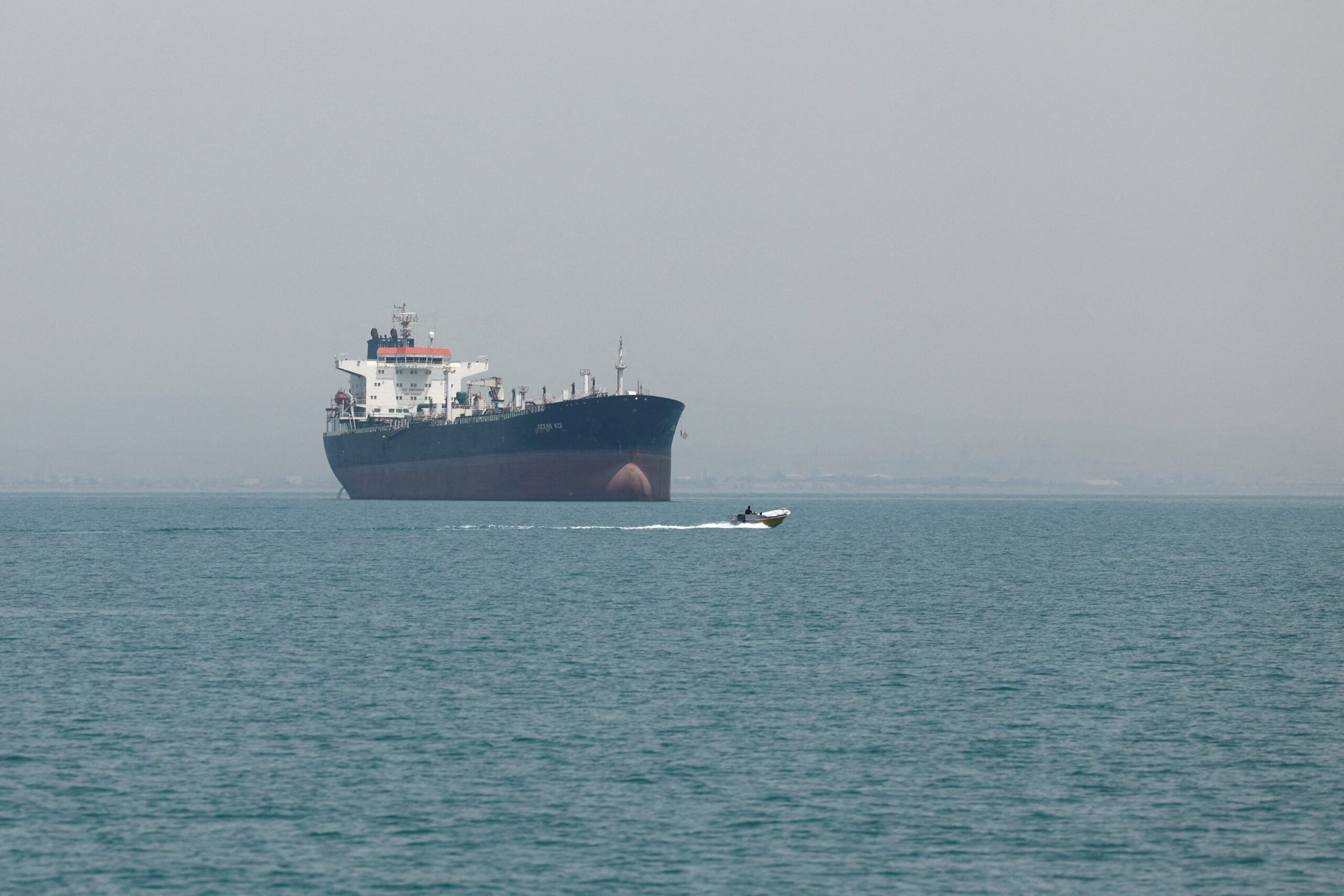
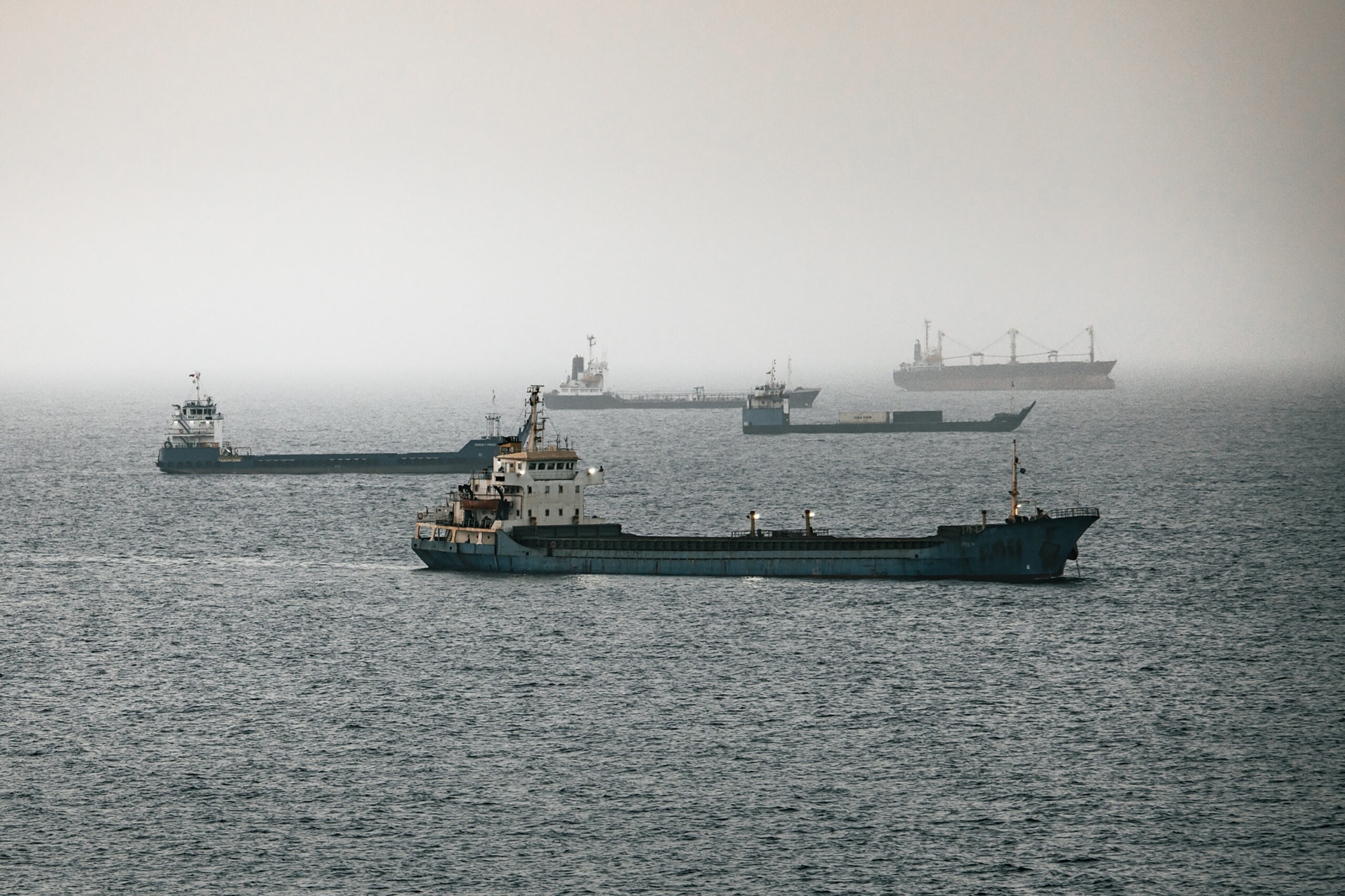
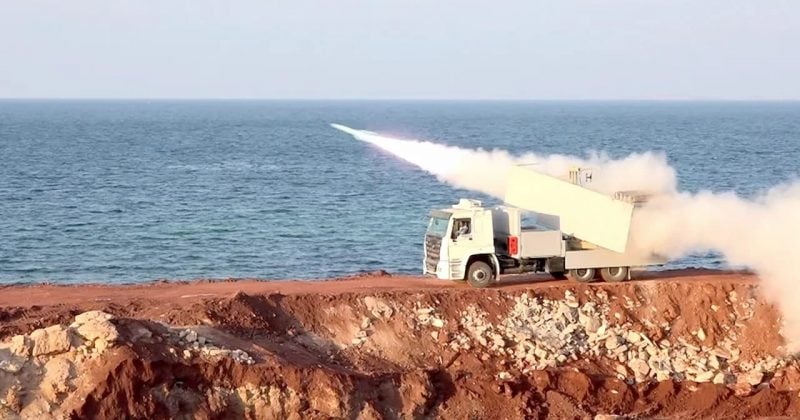
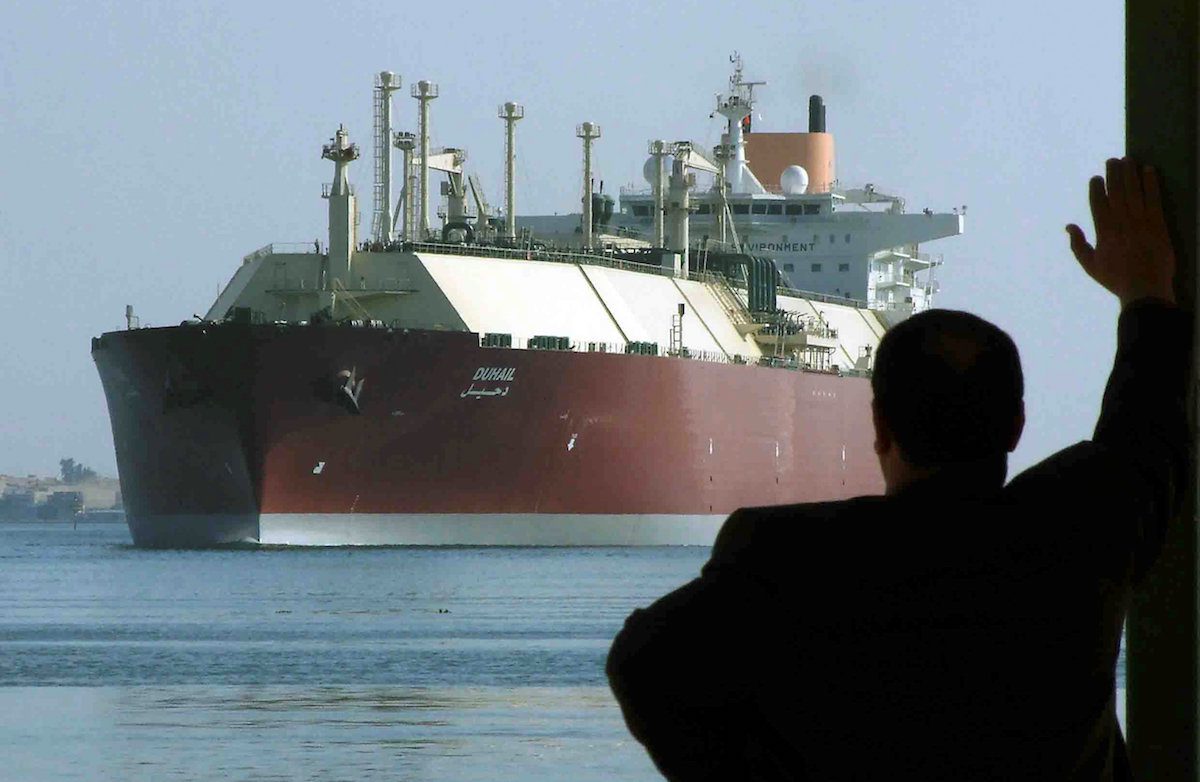
Within the last 24 hours, three commercial vessels transiting near the Strait of Hormuz were attacked, including the Qatari LNG carrier Al Rekayyat and the Saudi‑flagged crude tanker Wedyan near Limah, Oman. Crews sent distress signals and evacuated, and the Joint Maritime Information Center raised its assessment for Hormuz to Severe. Reporting attributes missile fire to the IRGC and notes continued IRGC UAV activity, while Tehran reiterates that vessels cannot transit without its permission. Oman has authorised British and French mine‑hunters to clear a southern route, but fresh attacks have already set back European de‑mining plans. In parallel, an Iran‑linked threat group, Cavern Manticore, has been targeting Israeli government agencies via trusted IT providers since early 2026. Separately, public imagery and reporting indicate Iranian missiles and drones have damaged US and partner assets across the Gulf, including an E‑3 Sentry at Prince Sultan Air Base and facilities at Naval Support Activity Bahrain, sharpening debate over US posture and access. Tehran’s public stance frames Hormuz control as leverage in nuclear‑related talks and signals no concession on transit rights. These moves, coupled with Israeli domestic political frictions and Jordan, Israel water strains, are widening the set of tripwires that could pull Israel and Iran back into direct confrontation.
Change from previous assessment
Since the prior brief, risk around Hormuz has escalated from hazardous to Severe with three tanker attacks in 24 hours, including the Qatari LNG carrier Al Rekayyat and the Saudi‑flagged Wedyan near Limah, Oman, and Qatar publicly holding Iran legally responsible. Reporting confirms continued IRGC attacks and UAV activity and details new US strikes in response. Fresh analysis surfaced significant damage at Naval Support Activity Bahrain and an E‑3 Sentry destroyed at Prince Sultan Air Base, sharpening focus on US basing vulnerability and proposals to shift elements westward. On the non‑kinetic front, Israeli researchers publicly detailed the Iran‑linked Cavern Manticore supply‑chain campaign against Israeli government agencies and IT providers. Initial assessment of this topic’s integrated maritime‑cyber posture is now strengthened with higher confidence and a broader set of tripwires.
Key judgments
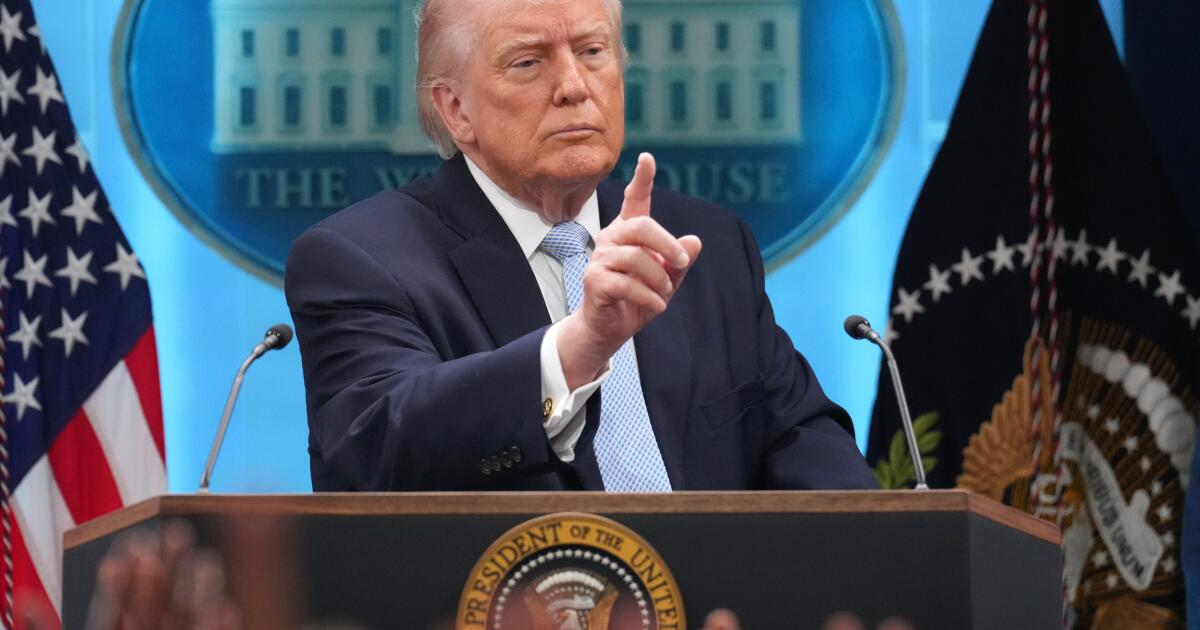
- It is very likely the Strait of Hormuz will remain a Severe‑risk environment for commercial shipping over the next 1-3 months, following three attacks within 24 hours that struck the Qatari LNG carrier Al Rekayyat and the Saudi‑flagged crude tanker Wedyan near Limah, Oman, with crews evacuating, while the IRGC continues attacks and UAV activity and the Joint Maritime Information Center raises the threat to Severe as Tehran states vessels cannot transit without its permission. (Confidence: high · REPORTED)
- I&W: Two or more UKMTO incident alerts for UAVs or projectiles in or off the Strait of Hormuz, including near Limah, Oman. (0-14 days)
- I&W: JMIC downgrades Hormuz threat from Severe and UKMTO reports no new incidents. (0-14 days)
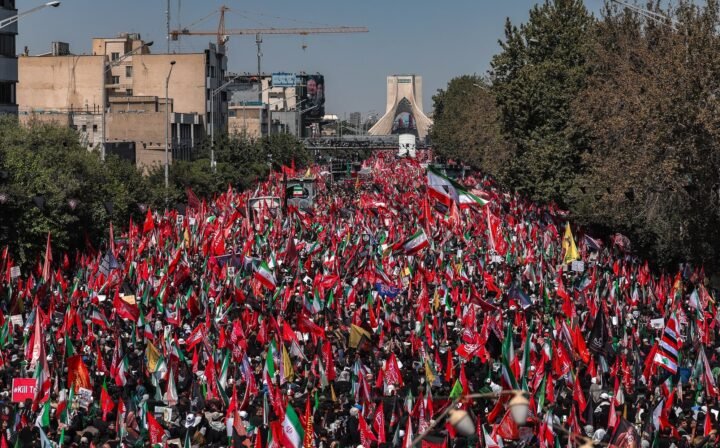
- Iran is almost certainly using control over the Strait of Hormuz as leverage in nuclear‑related negotiations and is likely to slow engagement until it secures a new status quo that recognises its asserted transit ‘rights’. (Confidence: high · ASSESSED)
- I&W: Public Iranian statements link the pace of nuclear talks to transit permissions or de‑mining decisions in Hormuz. (1-3 months)
- I&W: A joint Iran, Oman, European announcement launches de‑mining with explicit assurances of unfettered transit. (1-3 months)
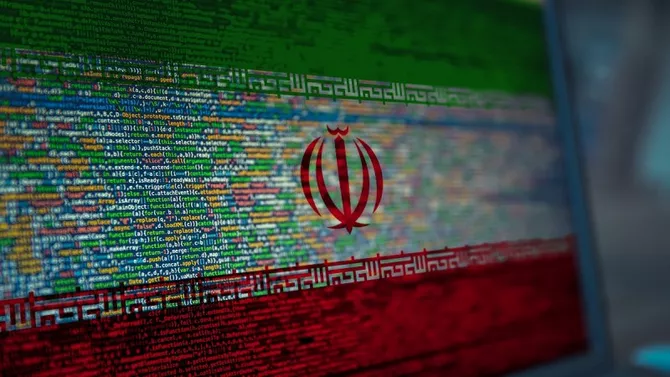
- An Iran‑linked cyber campaign, tracked as Cavern Manticore, is very likely to persist at elevated tempo against Israeli government entities and IT service providers, exploiting trusted IT providers, remote administration tools and software update channels, with a demonstrated understanding of Israeli supplier chains. (Confidence: high · REPORTED)
- I&W: New public advisories naming Cavern Manticore intrusions via Israeli managed service providers or update channels. (0-30 days)
- I&W: CERT‑IL and law enforcement announce dismantlement of Cavern Manticore infrastructure with a sustained drop in detections. (1-3 months)
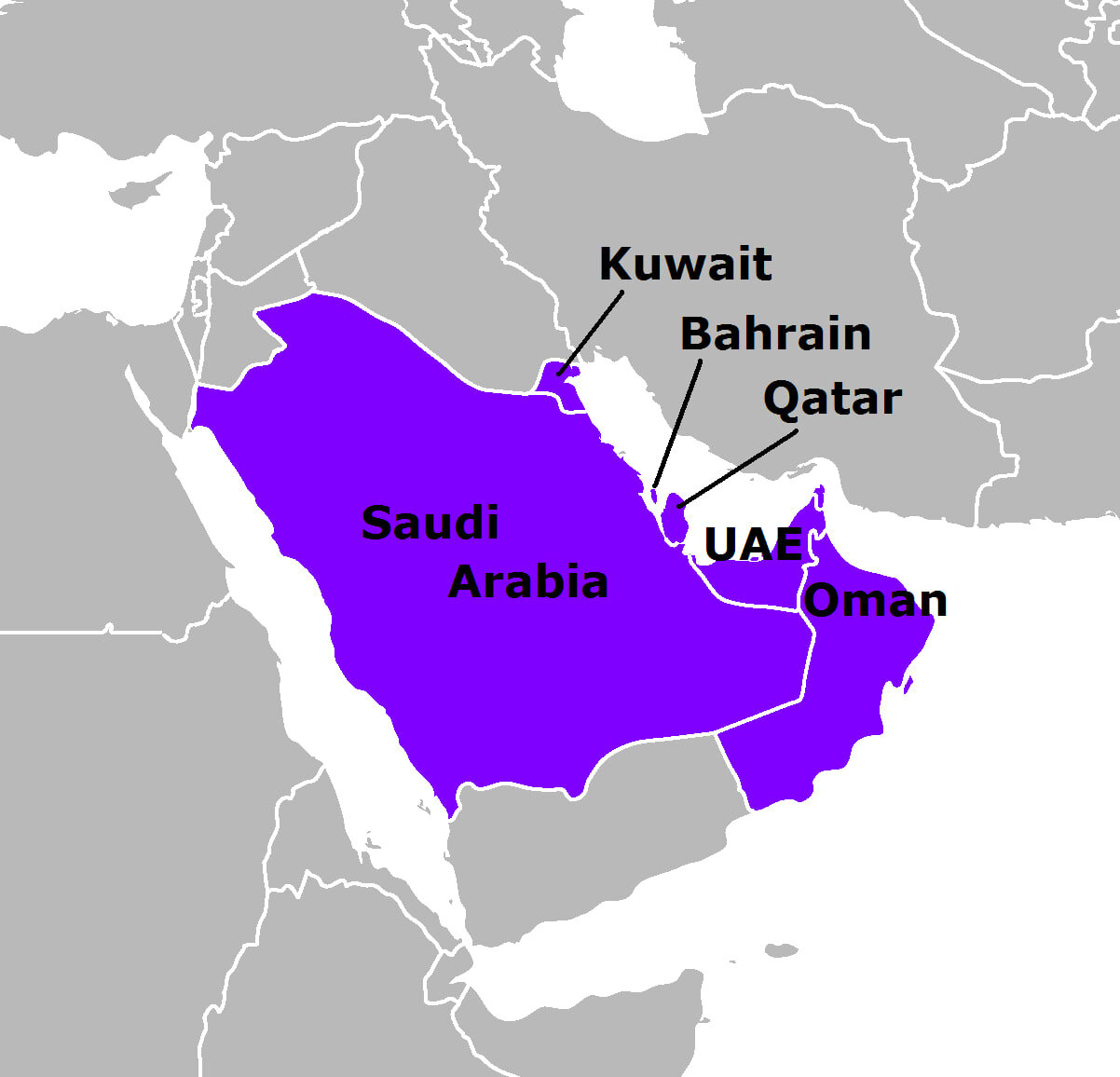
- Iranian missiles and drones have already damaged US and partner assets across the Gulf, including an E‑3 Sentry at Prince Sultan Air Base and facilities at Naval Support Activity Bahrain, and it is likely this will drive renewed US consideration of shifting elements of its basing posture westward to Israel and Egypt to reduce exposure. (Confidence: medium · ASSESSED)
- I&W: DoD or CENTCOM publicly announces posture review outcomes or new basing arrangements in Israel or Egypt. (1-3 months)
- I&W: US announcements focus on large hardening investments at existing Gulf hubs without westward relocation. (1-3 months)
- Israel, Jordan water tensions are likely to persist, straining Israel’s regional diplomacy while Amman advances the National Water Carrier desalination project to reduce reliance on Israeli supply. (Confidence: medium · ASSESSED)
- I&W: No renewal of the additional Israel, Jordan water supply while Jordan moves to tender or award major National Water Carrier contracts. (1-3 months)
- I&W: Public announcement of a renewed supplementary water agreement and joint technical committee workplan. (1-3 months)
Outlook & scenarios
Protracted Hormuz coercion and cyber pressure (60%)
IRGC hailing, UAV overflights and episodic strikes continue around Hormuz, keeping JMIC at Severe and diverting traffic into lanes closer to Iran’s shore. Oman‑authorised British and French mine‑hunters remain poised but constrained by security incidents and Tehran’s objections. In parallel, Cavern Manticore sustains supply‑chain intrusions against Israeli government agencies and IT providers, raising operational friction without decisive breakthroughs.
Abrupt escalation to direct Iran, Israel strikes (40%)
A follow‑on maritime attack or missile strike that produces casualties prompts rapid US and Israeli responses, including long‑range strikes on Iranian assets. Hezbollah calibrates limited support fires from Lebanon. Tehran doubles down on using Hormuz pressure as bargaining leverage, and regional energy and shipping markets experience renewed dislocation.
Managed de‑escalation around Hormuz (25%)
Oman brokers practical steps to open a southern corridor, and European mine‑hunters begin limited de‑mining with Muscat’s protection. Tehran reduces kinetic incidents while maintaining tough rhetoric on transit rights, and backchannel nuclear‑related talks regain momentum. Cyber activity persists but at a lower tempo as signalling outweighs disruption.
Recommendations
- Stand up a daily Hormuz watch that fuses UKMTO alerts, JMIC updates and commercial satellite imagery to map incident clusters near Limah, Oman, and along the Omani and Iranian lanes; issue a 24‑hour shipping SITREP to regional desks.
- Task collection to capture and archive IRGC vessel hailing and UAV activity reports in Hormuz to build a pattern‑of‑life baseline for pre‑attack indicators.
- Coordinate with Israeli cyber counterparts to ingest indicators of compromise and TTPs for Cavern Manticore; prioritise assessment of dependencies on managed service providers, remote administration tools and software update channels in government networks.
- Advise policy principals on the benefits and limits of an Oman‑anchored de‑mining effort; identify de‑confliction mechanisms with Muscat, London and Paris and outline minimum conditions for insurer confidence restoration.
- Request a posture review brief from DoD on Gulf basing vulnerability and alternatives; develop courses of action that weigh access, basing and overflight constraints if elements shift westward to Israel or Egypt.
- Produce a short decision memo on Israel, Jordan water dynamics, highlighting the lapsed supplementary agreement, Jordan’s National Water Carrier timeline and likely diplomatic off‑ramps to prevent spillover into broader regional files.
Confidence & uncertainty
Overall confidence is high because multiple, independent sources corroborate the core developments across domains: UKMTO and media reporting of three attacks near Hormuz, JMIC’s Severe rating, identification of the Al Rekayyat and Wedyan, and explicit Qatari attribution to Iran on the LNG strike; public imagery and reporting of damage at Naval Support Activity Bahrain and an E‑3 Sentry at Prince Sultan Air Base; and Check Point’s technical reporting on the Iran‑linked Cavern Manticore campaign against Israeli government targets. Uncertainties remain on formal Iranian responsibility for individual maritime incidents and precise timelines for de‑mining, which we reflect in assessed rather than reported judgments where projection is involved.
Alternative analysis (red cell)
The reporting supports immediate concern about a spike in maritime incidents and emergent cyber activity, but key analytic links—tying maritime operations to nuclear negotiation leverage, asserting multi‑month persistence of severe maritime risk, and forecasting major US basing shifts—rely on declarative statements, single‑source technical reporting, or opinion pieces rather than direct diplomatic, policy, or multi‑source technical evidence. A more cautious estimate is that Iran’s maritime actions increase short‑term regional risk and serve signaling or bargaining purposes, Cavern Manticore appears active but requires independent technical corroboration to assess persistence, and US responses will likely focus first on force protection and operational adjustments unless corroborating policy directives emerge.
Intelligence gaps
- [EEI 1.1 · UNCOVERED] Observed repositioning, sustained increases, or new forward basing of Iranian conventional or IRGC forces (armored units, missile batteries, aircraft, naval vessels) toward borders or regional launch points. Recommended collection: IMINT/satellite
- [EEI 1.2 · PARTIAL] Hezbollah or other Iran-aligned proxy forces conducting mass mobilization, visible rocket/artillery emplacements, cross-border firing incidents, or preparations for cross-border operations from Lebanon, Syria, Iraq or Yemen. Recommended collection: HUMINT/ground ISR
- [EEI 1.4 · UNCOVERED] Interdicted or observed shipments (air, sea, land manifests, seizures, satellite imagery of transfers) of advanced weapons or missile components from Iran toward proxy groups or forward staging points. Recommended collection: maritime/AIS
- [EEI 2.1 · UNCOVERED] Satellite or on-the-ground imagery showing fires, damage, or operational shutdown at major oil export facilities, refineries, storage terminals, or key pipeline infrastructure in the Gulf and Red Sea. Recommended collection: IMINT/satellite
- [EEI 2.3 · PARTIAL] Significant and sustained reductions or rerouting of tanker transits through the Strait of Hormuz (ship traffic counts, pilot reports, port call cancellations) and announcements of closure or restricted navigation zones (NOTAMs, maritime advisories). Recommended collection: maritime/NOTAMs
- [EEI 2.4 · UNCOVERED] Rapid increases in war-risk insurance premiums for Middle East routes, shipping company advisories to avoid region, or major charter cancellations tied to the conflict. Recommended collection: financial/open-source
- [EEI 3.2 · UNCOVERED] Official expedited arms transfers, basing/overflight agreements, or declarations of operational support (formal government announcements, defense ministry releases, logistics flight manifests). Recommended collection: open-source/diplomatic
- [EEI 3.3 · UNCOVERED] Embassy evacuations, large-scale personnel movements, issuance of government travel bans/advisories, or multinational security alerts affecting foreign nationals and diplomatic posture in the region. Recommended collection: diplomatic/open-source
Cited sources
[1] jpost.com · Iran’s Hormuz escalation tests Gulf states, US resolve - analysis (B) · sha256:d41422676e5d [2] gcaptain.com · Three Tankers Attacked Near Strait of Hormuz as JMIC Warns of 'Severe' Threat (B) · sha256:a8b43daa30da [3] insurancejournal.com · Qatari LNG Ship Struck in Strait of Hormuz, Testing US Talks (A) · sha256:8e841dc5bfca [4] gcaptain.com · LNG Tanker 'Al Rekayyat' at Risk of Exploding After Attack Near Hormuz (A) · sha256:85a8e8b63072 [5] cryptobriefing.com · Iran fires missiles at ships in Strait of Hormuz, escalating tensions (B) · sha256:d8312f8608b5 [6] mdeast.news · جنازة المرشد الأعلى. رسائل تحد إيرانية ومؤشرات على نظام إقليمي جديد (B) · sha256:1eb46cd65c0e [7] Jerusalem Post · Iran-linked hackers used Israeli IT providers to target government bodies (B) · sha256:62d05a427010 [8] news.az · New Iran-linked hacker group targets Israeli government agencies | News.az (B) · sha256:7a8003c10026 [9] caspianpost.com · New Iran-Linked Hacker Group Targets Israeli Government Networks (B) · sha256:5e5a2da36da4 [10] Los Angeles Times · Contributor: Why won’t Trump just tell us what the Iran war cost? - Los Angeles Times (A) · sha256:48a01a6b25d9 [11] tehrantimes.com · Ex-CENTCOM chief suggests US needs to move bases from Persian Gulf (B) · sha256:dd6f00155bff [12] ynetnews.com · 'Using water as political bargaining chip doesn't serve peace': Israel-Jordan water dispute fuels new tensions (B) · sha256:0d217b3e2ed9
Source content hashes were computed at collection time; the cited text is preserved unmodified for the life of this product.
Red cell review: PARTIAL DISSENT
TLP:CLEAR