TLP:CLEAR · Disclosure is not limited.
Hormuz flashpoint deepens: US strikes Iran, IRGC hits US sites, Israel signals tougher retaliation
Time window: Last 1 day · Audience: General analyst · Type: Situation report · DTG: 2026-07-15 15:14Z · Overall confidence: MEDIUM
BLUF
US forces hit dozens of Iranian targets near the Strait of Hormuz on 15 July while Iran’s Revolutionary Guard claimed strikes on US sites in Bahrain, Kuwait and Jordan and threatened to close other energy corridors. Navigation through Hormuz remains high risk under a SEVERE rating, tanker casualties are mounting, oil prices are rising, and Israel is posturing for a harsher response to any future Iranian attack.
Executive summary
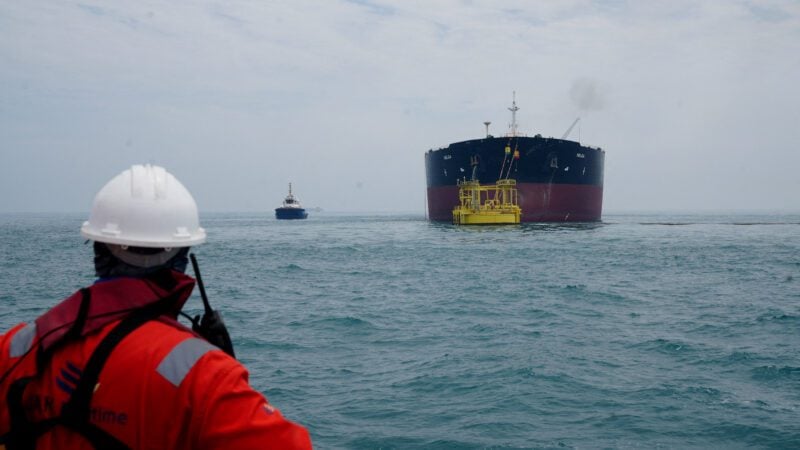
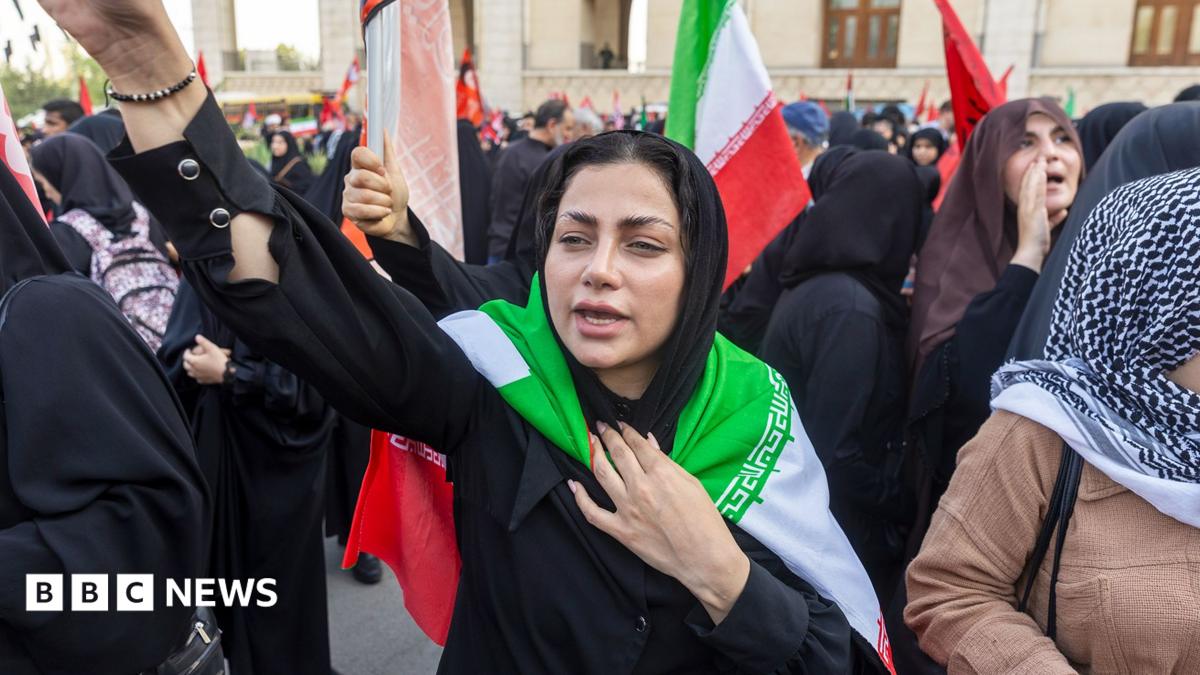
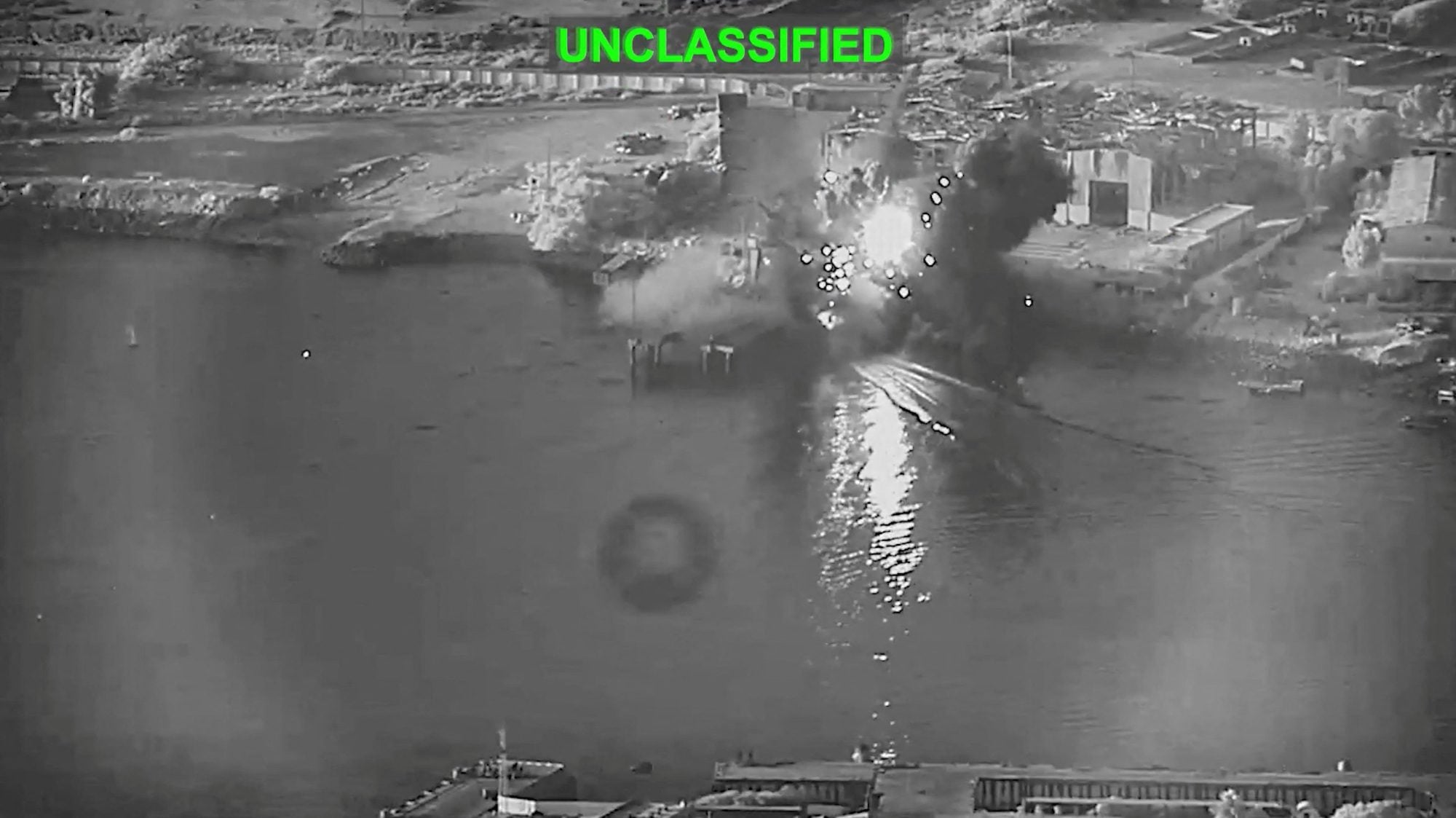
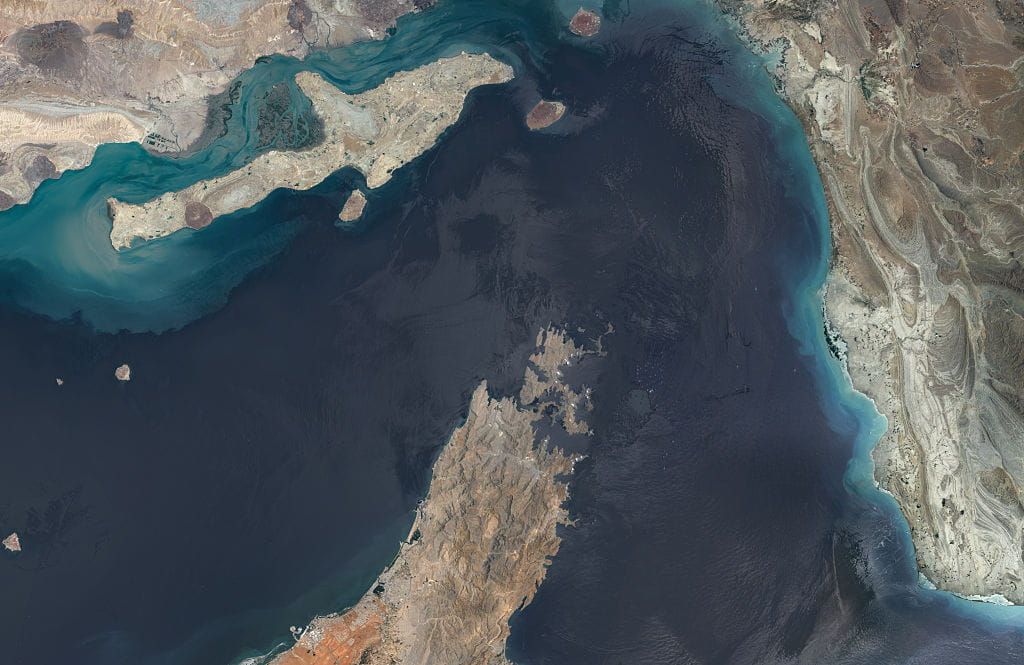
US Central Command conducted a new round of strikes on 15 July against Iranian coastal defence and missile infrastructure near Hormuz, including Greater Tunb Island, building on a 12 July wave that introduced Saronic Corsair unmanned surface vessels in combat against Bandar Abbas naval infrastructure. The IRGC said it struck US military targets in Bahrain, Kuwait and Jordan, as attacks on merchant shipping along Oman’s southern route continued to produce casualties among Indian crews. Tehran insists Hormuz will remain shut until US strikes and a naval blockade end, while Washington publicly asserts the waterway is open; the Joint Maritime Information Center holds Hormuz at SEVERE and Oman has called for restoring freedom of navigation. Multiple investigations report Iran exploited SS7 and advertising-tech vulnerabilities to locate US forces in Iraq and Bahrain. Oil prices have climbed on the rising risk. In parallel, Israel warns Tehran of harsher retaliation, while the IDF conducted lethal strikes in Gaza on 14 to 15 July, including targeting two Hamas commanders; an Israeli civilian in Haifa died on 15 July from wounds sustained in an earlier Iranian missile attack.
Change from previous assessment
Since the prior brief, US forces have conducted additional strikes on 15 July against Iranian targets near Hormuz, Iran’s IRGC has claimed new strikes on US sites in Bahrain, Kuwait and Jordan, and further tanker casualties have been reported along the Omani route. Iran’s telecom exploitation of SS7 and ad‑tech to locate US forces has been detailed, JMIC has kept Hormuz at SEVERE, and Oman has reiterated efforts to restore navigation. In Israel, the IDF struck Gaza on 14-15 July, killing at least 10 including six police officers and two Hamas commanders, the Prime Minister warned Tehran of harsher retaliation, and an Israeli civilian in Haifa died from wounds caused by an earlier Iranian missile attack. These developments increase confidence in continued tit‑for‑tat around Hormuz and raise the assessed likelihood that Tehran will pressure other chokepoints.
Key judgments
- Very likely US Central Command is sustaining a strike campaign against Iranian military assets near Hormuz, including coastal defence and cruise missile infrastructure, with dozens of targets hit on 15 July and the combat debut of Corsair unmanned surface vessels on 12 July. (Confidence: high · REPORTED)
- I&W: Commercial satellite imagery shows fresh damage at Greater Tunb Island sites and the Bandar Abbas submarine and ship maintenance facility consistent with 12-15 July strikes. (0-14 days)
- I&W: CENTCOM or the White House announces a pause in strike operations for at least 72 hours. (0-14 days)
- Likely Iran has expanded attacks on US-linked regional targets and commercial shipping, with the IRGC claiming strikes on US sites in Bahrain, Kuwait and Jordan and multiple incidents injuring or killing Indian seafarers on tankers transiting the Omani route. (Confidence: medium · REPORTED)
- I&W: Official communiqués from Bahrain, Kuwait and Jordan confirm impacts on named US facilities and provide casualty figures. (0-14 days)
- I&W: A two‑week stretch without JMIC incident bulletins on attacks along the Omani route and no host‑nation reports of cross‑border drones or missiles. (0-14 days)
- Roughly even chance navigation through the Strait of Hormuz is de facto constrained rather than fully shut, given clashing proclamations by Washington and Tehran, a maintained SEVERE threat level, and reports of traffic slowing. (Confidence: medium · ASSESSED)
- I&W: JMIC retains SEVERE for Hormuz while publicly available vessel‑tracking shows persistently reduced daily southbound traffic along Oman’s coast. (0-14 days)
- I&W: Oman announces restored freedom of navigation and JMIC lowers Hormuz threat to SUBSTANTIAL or below. (0-14 days)
- Very likely Iran has leveraged weaknesses in global telecom signalling and advertising‑tech to geolocate US forces in Iraq and Bahrain to support targeting. (Confidence: high · REPORTED)
- I&W: Iraqi or Bahraini telecom regulators announce emergency SS7 filtering or configuration changes citing national security concerns. (1-3 months)
- I&W: US Department of Defense issues a public advisory acknowledging adversary exploitation of SS7 or ad‑tech location data in theatre. (1-3 months)
- Oil prices are likely to remain elevated and volatile while Hormuz risk is severe and strikes continue. (Confidence: high · ASSESSED)
- I&W: Additional tanker attacks or strike waves coincide with further weekly gains in Brent benchmarks. (0-14 days)
- I&W: Public announcements of restored safe navigation through Hormuz are followed by sustained price retracement. (1-3 months)
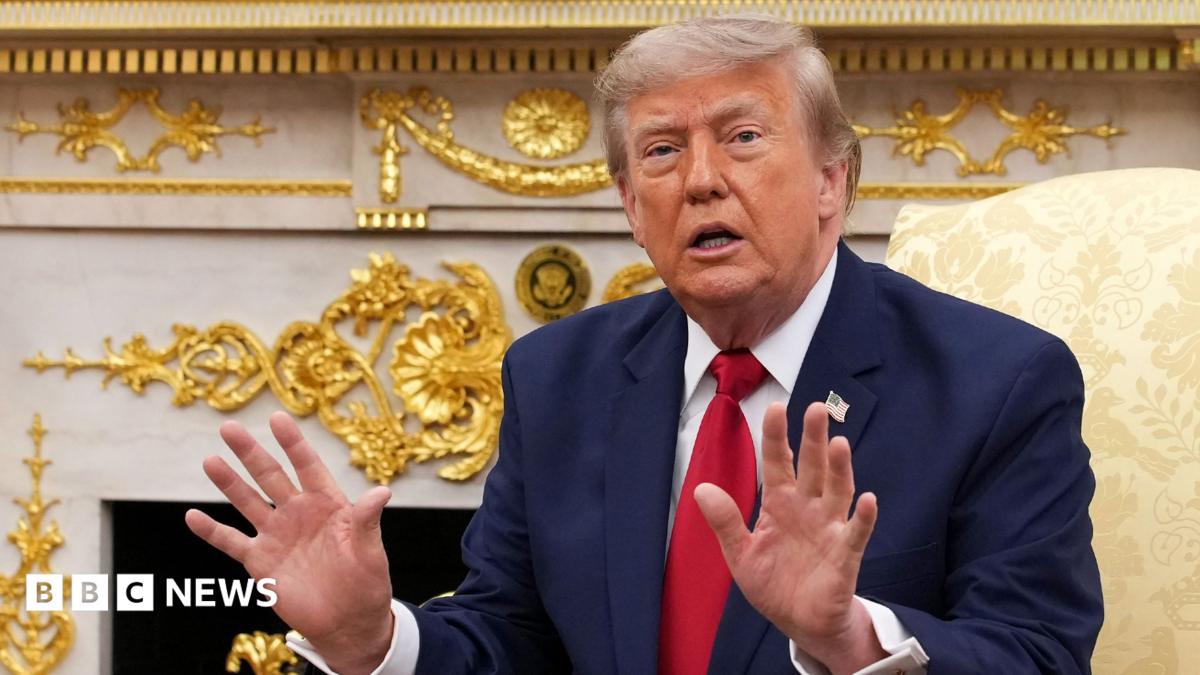
- Israel is likely to maintain heightened readiness for Iran‑linked confrontation and continue Gaza strike operations, while warning Tehran of harsher retaliation for any future attack on Israel. (Confidence: medium · ASSESSED)
- I&W: Publicly announced air‑defence drills or alert status changes alongside continued IDF strike reporting in Gaza. (0-14 days)
- I&W: Parallel de‑escalatory statements from Israeli and Iranian leadership and a halt in Gaza strike reports for at least one week. (0-14 days)
- Iran is likely to expand pressure beyond Hormuz by threatening or enabling disruption at other chokepoints, including Bab el‑Mandeb via Houthi partners, heightening Red Sea shipping risk. (Confidence: medium · ASSESSED)
- I&W: Houthi announcements or attacks that impede traffic at Bab el‑Mandeb or the southern Red Sea. (0-14 days)
- I&W: IRGC public messaging limits threats to Hormuz and disavows action in the Red Sea corridor. (1-3 months)
Outlook & scenarios
Managed containment around Hormuz with elevated maritime risk (50%)
US continues precision strikes on Iranian coastal defence and missile sites to degrade Iran’s ability to target shipping, while Iran sustains sporadic missile and drone harassment of vessels and claims intermittent attacks on US facilities in Bahrain, Kuwait and Jordan. Hormuz remains formally open but practically constrained under a maintained SEVERE threat level, with Oman pressing for restored freedom of navigation. Oil prices stay elevated amid periodic shipping casualties.
Regional spillover: Iran activates pressure beyond Hormuz (30%)
Following public threats, Tehran enables Houthi forces to step up interdiction at Bab el‑Mandeb while continuing attacks along the Omani route. The Red Sea corridor faces renewed disruptions and casualty incidents, forcing wider rerouting. Washington intensifies strikes and maritime interdiction, and the risk of miscalculation across multiple theatres rises.
Tactical de‑escalation on navigation amid policy recalibration (20%)
After threatening to impose new costs on shipping, Washington pivots to trade and investment arrangements in lieu of passage fees, while pushing for Oman‑mediated steps to reduce risk along the southern lane. Tehran tempers closure rhetoric but keeps pressure via threats. Hormuz traffic gradually recovers, though the threat level remains elevated and price volatility persists.
Recommendations
- Prioritise collection and rapid exploitation of commercial satellite imagery over Greater Tunb Island, Bandar Abbas Naval Base and adjacent coastal radar sites to validate strike effects and Iranian repair activity.
- Task cyber and signals analysts to work with host‑nation regulators in Iraq and Bahrain to detect and disrupt SS7 and ad‑tech location exploitation attributed to Iranian actors, and to document indicators of compromise for wider dissemination.
- Establish a daily Hormuz watchfloor that fuses JMIC threat updates, Oman’s navigation statements, and CENTCOM releases with vessel‑tracking analytics focused on the southern Omani lane.
- Engage Indian and Emirati counterparts to obtain casualty, forensic and munition‑type details from the MT Al Bahiyah and MT Mombasa incidents and to improve early warning to multinational crews.
- Issue immediate routing guidance to US‑ and partner‑flag operators to minimise exposure along the Omani coastal corridor during declared high‑risk periods and to maintain heightened watch conditions against missile and drone threats.
- Develop contingency plans for Red Sea disruption, including pre‑agreed rerouting schemes via the Cape route and options for naval presence or convoying at Bab el‑Mandeb if threat indicators trigger.
- Coordinate with energy and economic policy teams to stress‑test supply chains for a multi‑week Hormuz constraint, including substitution, inventory drawdown triggers and market communication to dampen volatility.
Confidence & uncertainty
Core developments, including US strikes near Hormuz on 15 July, the earlier combat use of Corsair unmanned surface vessels and multiple shipping casualty reports, are corroborated by wire services and major outlets. Iran’s claims of strikes on US targets in Bahrain, Kuwait and Jordan are supported by additional reporting but remain partly self‑attributed and variably detailed. There are unresolved contradictions on the operational status of Hormuz, with Tehran declaring closure and Washington declaring it open, and casualty figures for shipping incidents differ across reports. Given the mix of high‑quality sourcing with contested or single‑source elements and policy signalling that cuts both ways, medium overall confidence is warranted.
Alternative analysis (red cell)
Open-source reports indicate strikes, threats, and technical abuses, but several high-impact inferences depend on single-cluster reporting (notably dfc1d605) and mixed admiralty grades. A cautious alternative assessment is that incidents and threats have occurred, yet the tempo, attribution (to IRGC or CENTCOM), and critical operational linkages (e.g., telecom/ad‑tech exploitation used directly for targeting; coordinated Iran–Houthi preparations to close chokepoints) lack independent forensic or multi-source corroboration. Additional ISR, technical forensics, and independent HUMINT/official confirmations are required before treating the brief's stronger judgments as well supported.
Intelligence gaps
- [EEI 1.1 · UNCOVERED] Unusual long-range missile/rocket transporter-launcher (TEL) movements, storage activation, or assembly activity at known IRGC missile sites or forward staging areas. Recommended collection: satellite/imagery
- [EEI 1.3 · UNCOVERED] Large-scale transfers, deliveries, or convoy movements of armed UAVs/drones, guided munitions, or spare parts from Iran into Lebanon (Hezbollah), Iraq, Syria, or Gaza. Recommended collection: air/aviation track and HUMINT
- [EEI 1.4 · UNCOVERED] Sustained changes in Israeli air-defense usage (SAM launches, radar activations), wide-area alerts, or NOTAMs indicating elevated imminent strike response. Recommended collection: air/aviation/NOTAMs and signals
- [EEI 2.1 · PARTIAL] Concentration, repositioning, or sortie patterns of Iranian naval/IRGC patrol boats and fast-attack craft near shipping chokepoints or commercial lanes. Recommended collection: maritime/AIS and satellite/imagery
- [EEI 2.3 · UNCOVERED] Insurance market indicators: sudden spikes in war-risk or hull insurance premiums for routes through the Red Sea, Suez corridor, or Persian Gulf, and major carriers announcing route changes. Recommended collection: financial/market and commercial shipping notices
- [EEI 3.1 · PARTIAL] Deployment of foreign military assets to the region (carrier strike groups, amphibious ships, combat aircraft deployments, or additional bases activated) from the US, UK, France, Russia, or GCC states. Recommended collection: maritime/AIS and air/aviation and satellite/imagery
- [EEI 3.3 · UNCOVERED] Confirmed arms transfers, expedited weapons shipments, or transfer authorizations to Israel, Iran, or their proxies (aircraft parts, munitions, air defenses). Recommended collection: customs/INTEL and HUMINT
- [EEI 3.4 · UNCOVERED] Issuance of travel warnings, embassy evacuations or reductions, and closure of diplomatic missions by major capitals indicating escalation risk or shifted threat assessments. Recommended collection: OSINT/diplomatic
Cited sources
[1] Reuters · US launches new round of strikes against Iran as escalation threatens shipping (A) · sha256:5e11d21a043f [2] The Jerusalem Post · Live Updates: Latest from Israel, Iran, and Middle East | The Jerusalem Post (A) · sha256:73a4bec78cd0 [3] gcaptain.com · U.S. Navy Sea Drones Make Combat Debut in Operations Near Hormuz (B) · sha256:7b2f3eb6bff2 [4] maritime-executive.com · Iran Threatens to Close Off All Oil and Gas Export Routes From Gulf Region (B) · sha256:7c6f9d9ba3f9 [5] libertynation.com · US Reignites Bombing of Iran and Secures Hormuz Strait (B) · sha256:2ed424a343c7 [6] bbc.co.uk · Trump threatens to bomb bridges and power plants in Iran unless talks resume (A) · sha256:0c6aa9065112 [7] gcaptain.com · Seafarer Death Toll Climbs as Trump Declares Hormuz 'Open to ALL Ship Traffic' (B) · sha256:5e5db8a0853f [8] TechCrunch · Iran abused mobile networks' vulnerabilities to locate US military in the Middle East, report says | TechCrunch (B) · sha256:9e4b812fa41c [9] BBC · Lyse Doucet: Strait of Hormuz remains the fault line as the Iran and US drift back into war (A) · sha256:b9402309639c [10] gcaptain.com · Trump Vows Strikes on Iran's Power Plants and Bridges Unless Hormuz Reopens (B) · sha256:f20adb6eaee1 [11] bbc.co.uk · Iran threatens to block more trade routes as US launches fresh strikes (A) · sha256:9cf1fd6ccc12 [12] bbc.co.uk · Trump retreat over Hormuz tolls suggests struggle to end Iran war (A) · sha256:0c468651c477 [13] maritime-executive.com · Trump Drops Hormuz Protection Fee Saying Gulf States Will Invest in US (B) · sha256:4e2d5c5ce853 [14] bbc.com · Iran threatens to block more trade routes as US launches fresh strikes (A) · sha256:447681551b83 [15] jpost.com · Netanyahu to Iran: New attacks on Israel will be met with 'much more powerful' response (B) · sha256:3919e6a85c56 [16] haaretz.com · Israeli fire kills 10 in Gaza, including a 10-year-old, officials say (A) · sha256:50af40b8c5b1 [17] tass.ru · Израиль считает, что конфликт США и Ирана стал.. (B) · sha256:995afacf382c [18] gcaptain.com · Red Sea Shipping Faces Renewed Risk as Iran Signals Pressure Beyond Hormuz (A) · sha256:684607b46df1
Source content hashes were computed at collection time; the cited text is preserved unmodified for the life of this product.
Red cell review: PARTIAL DISSENT
TLP:CLEAR