TLP:CLEAR · Disclosure is not limited.
Hormuz flashpoint: Iranian coercion and U.S. blockade drive acute maritime risk
Time window: Last 7 days · Audience: General analyst · Type: Situation report · DTG: 2026-07-16 06:13Z · Overall confidence: MEDIUM
BLUF
Shipping risk in the Strait of Hormuz is very likely at an acute level, with traffic sharply reduced after Iranian attacks and warnings, and U.S. enforcement of a blockade of Iranian ports amid ongoing strikes. Oil benchmarks have jumped, reflecting elevated market assessment of supply disruption.
Executive summary
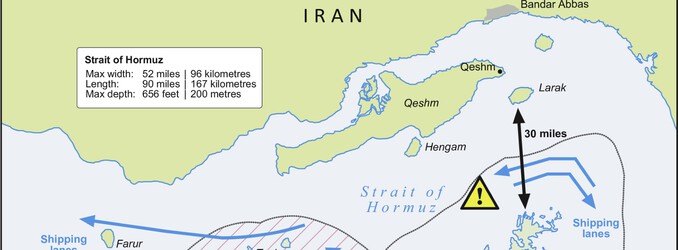
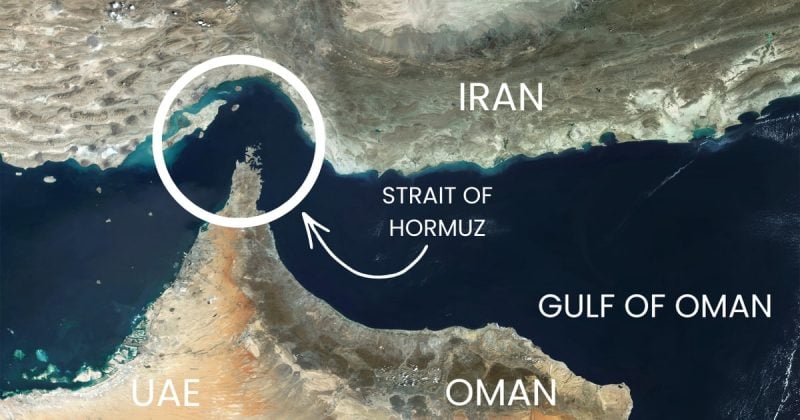
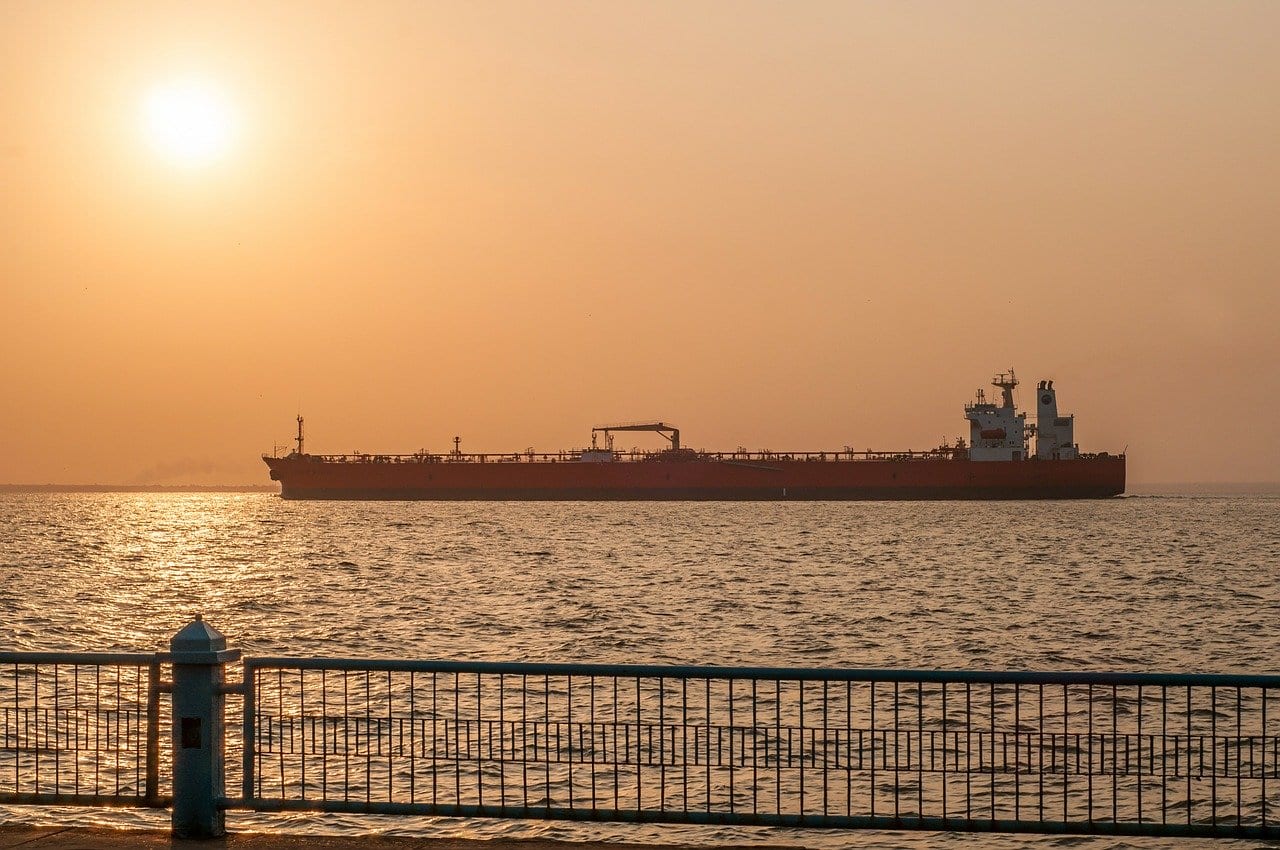
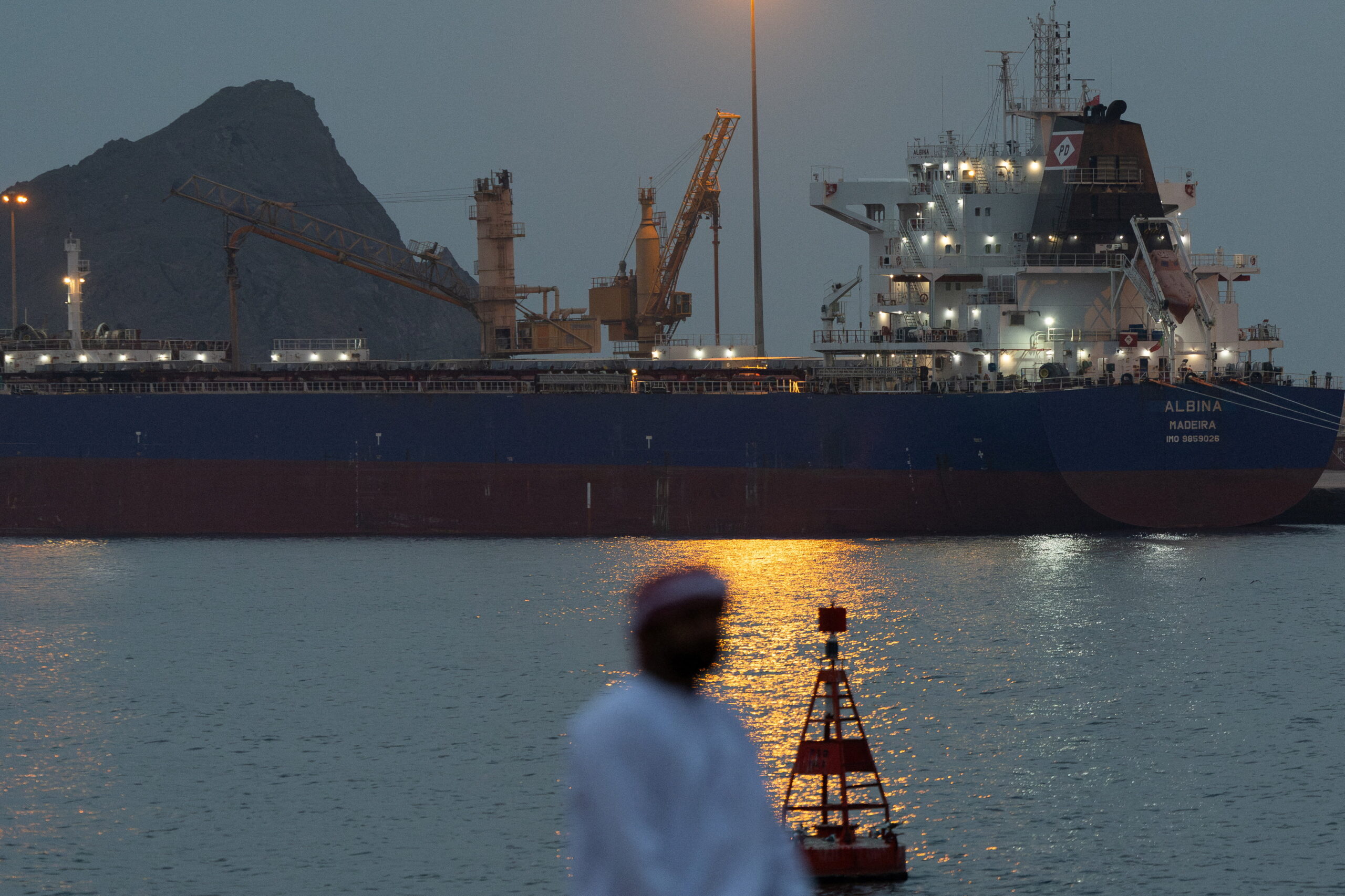
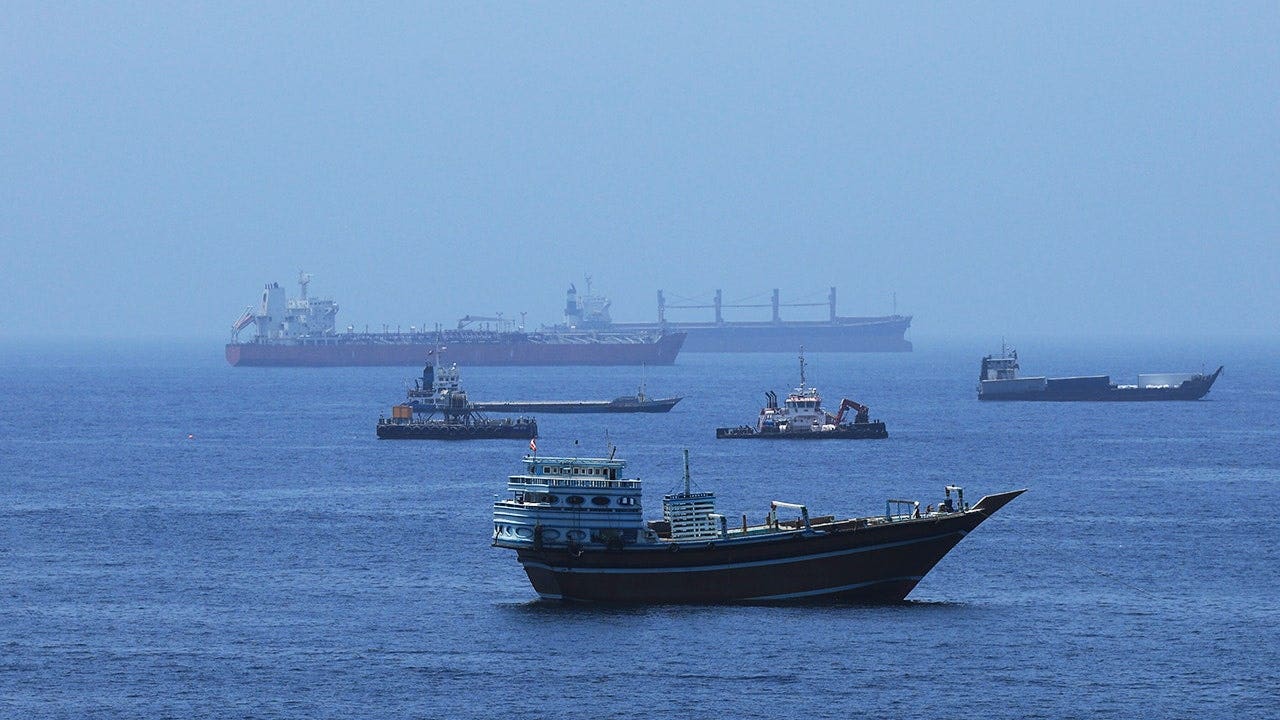
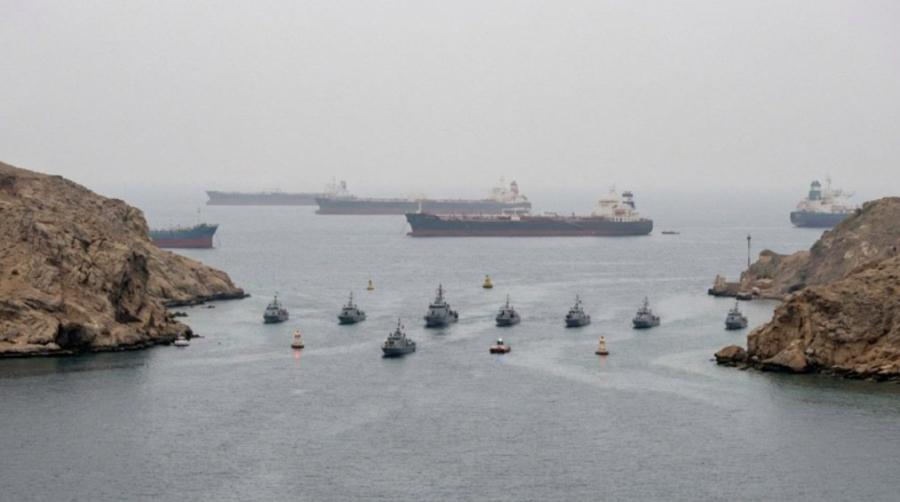
Tanker traffic through the Strait of Hormuz has slowed markedly, with reports of multiple attacks on vessels using the Omani route, the IMO advising ships to avoid Hormuz, AIS use being suppressed by some tankers, and empty VLCCs idling off Pakistan. Tehran is almost certainly trying to impose de facto control by threatening U.S.-recommended Omani lanes and funnelling traffic onto Iranian-designated routes. U.S. Central Command began enforcing a blockade of Iranian ports on Tuesday and has struck targets to reduce Iran’s ability to threaten shipping, while assuring the strait remains open for neutral transit. The picture is contested and volatile. Brent and WTI have jumped, consistent with a market pricing of heightened supply disruption risk. Gulf producers are leaning on bypass infrastructure such as Yanbu and new pipelines, but these measures are unlikely to offset a prolonged Hormuz disruption. Parallel U.S. and UK sanctions actions are tightening compliance pressure on Iranian-linked shipping networks.
Key judgments
- It is very likely that maritime risk in the Strait of Hormuz is acute, with tanker traffic sharply reduced and targeted attacks against large crude carriers on and near the Omani route. (Confidence: high · ASSESSED)
- I&W: Joint Maritime Information Center reporting continues to characterise Hormuz traffic as reduced, and IMO advice to avoid Hormuz remains in place. (0-14 days)
- I&W: Reversal indicated by a sustained 7-day recovery in AIS-visible VLCC transits through the Omani route without reported attacks. (0-14 days)
- Iran is almost certainly seeking de facto control of Hormuz transits by threatening ships on U.S.-recommended Omani lanes and steering traffic onto Iranian-designated corridors. (Confidence: high · ASSESSED)
- I&W: Additional public Iranian notices designating specific 'safe' corridors, coupled with IRGC interdictions of ships on the Omani route. (0-14 days)
- I&W: Break: multiple VLCCs routinely transiting the Omani route with AIS on and no Iranian harassment for at least one week. (0-14 days)
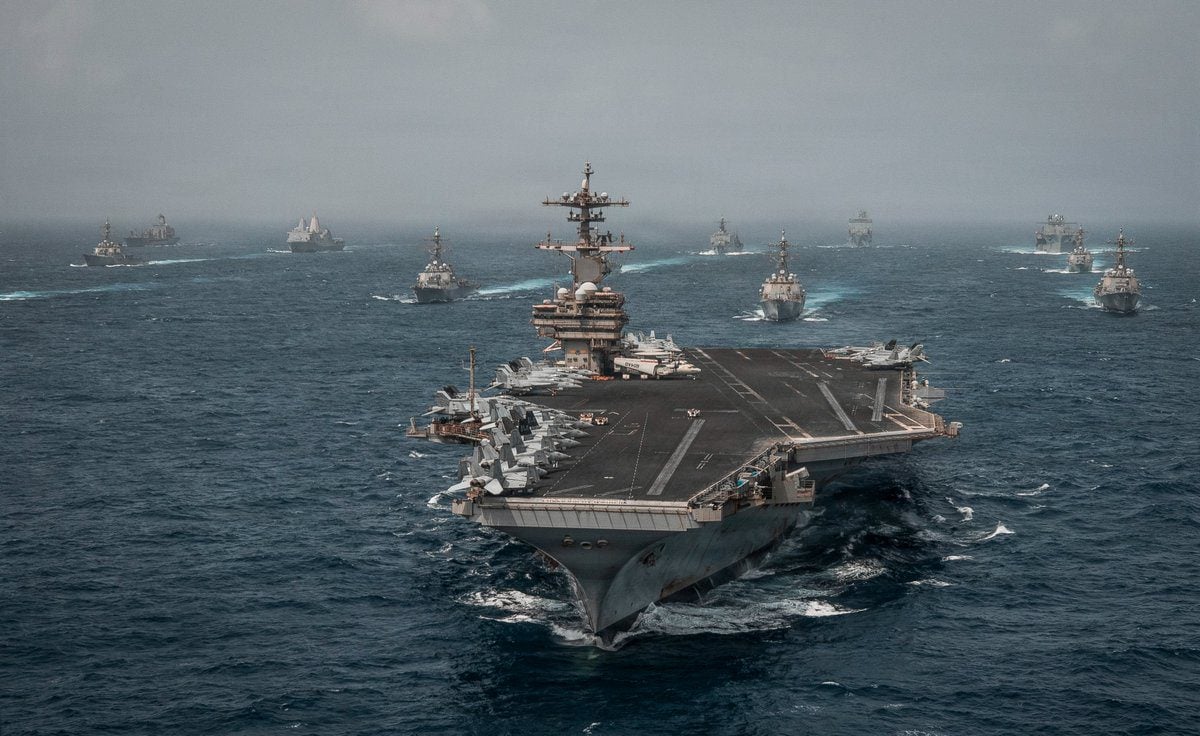
- U.S. forces are likely enforcing a maritime blockade of Iranian ports and striking coastal and maritime-threat nodes around Hormuz, contributing to a volatile escalation cycle despite U.S. assurances that neutral transit remains open. (Confidence: medium · ASSESSED)
- I&W: CENTCOM announces further strikes on Iranian coastal defence or missile sites linked to Hormuz threats, and publicised interdictions of Iran-linked shipping to or from Iranian ports. (0-14 days)
- I&W: Break: a public pause or suspension of blockade enforcement accompanied by Iranian commitments to halt attacks on shipping. (0-14 days)
- Global oil benchmarks have very likely risen in response to Hormuz shipping threats, reflecting market pricing of heightened supply-disruption risk. (Confidence: high · ASSESSED)
- I&W: WTI settles at or above about 79 dollars and Brent at or above about 83 dollars for a sustained period as shipping remains constrained. (0-14 days)
- I&W: Break: a week-long retreat in WTI and Brent alongside visibly improving Hormuz transits. (0-14 days)
- Gulf producers’ bypass options, including sustained liftings ex-Yanbu and new pipeline projects, are unlikely to offset a prolonged Hormuz disruption. (Confidence: medium · ASSESSED)
- I&W: Shipments from Yanbu remain near 4 million bpd while VLCC flows via Hormuz continue to lag, and no major new bypass capacity enters service. (1-3 months)
- I&W: Break: a marked rebound in VLCC transits through Hormuz or a step-change increase in non-Hormuz export capacity announced and utilised. (1-3 months)
- Coordinated sanctions pressure is very likely tightening on Iranian-linked shipping and logistics networks, raising compliance risk for carriers, traders and insurers. (Confidence: high · ASSESSED)
- I&W: Additional OFAC and UK listings against Iranian oil, shipping and logistics nodes, and related secondary designations. (1-3 months)
- I&W: Break: removal or broad licensing that eases constraints on Iranian-linked maritime activity. (1-3 months)
Outlook & scenarios
Prolonged contested transit with low volumes and sporadic attacks (60%)
Traffic remains depressed with intermittent VLCC transits, primarily along routes deemed safer by navies, while Iran keeps threatening U.S.-recommended Omani lanes and attempts to channel shipping onto Iranian-designated corridors. Further attacks on ships off Oman and additional advisories to avoid Hormuz sustain high insurance costs and keep many hulls idle or diverted.
Brokered partial de-escalation and escorted transits (30%)
Oman-led efforts to salvage a framework yield public commitments to halt attacks on shipping. Limited, escorted convoys along the Omani route resume under U.S. assurances of freedom of navigation. Tanker flows recover modestly but remain below normal as market and operators test the new arrangements.
Regional spillover to the Red Sea raises a second chokepoint risk (20%)
Iran signal-creeps threats toward the Red Sea while aligned actors harass shipping, adding Bab el-Mandeb to the risk map. A U.S.-led mission intensifies strikes and intercepts, but traffic reroutes drive higher costs and delays on the Europe, Asia artery.
Recommendations
- Maintain a continuous maritime picture: fuse JMIC updates, IMO guidance, and AIS behaviour, including dark transits near Hormuz and the Omani route. Flag any shift toward Iranian-designated corridors for immediate review.
- Task a daily shipping risk brief that tracks VLCC transits, insurer enquiries, port calls, and anchorage build-ups off Pakistan as leading indicators of operator caution.
- Update exposure maps of company and partner hulls using or planning the Omani route. Pre-plan diversions via Red Sea, Suez or via Yanbu liftings where commercially viable.
- Engage compliance teams to screen counterparties against the Shamkhani-linked network and newly designated entities. Reassess fixtures, P&I cover and trade finance where sanctions risk has increased.
- Set oil price tripwires using WTI and Brent closes as disruption proxies. Escalate to leadership when prices sustain above recent thresholds alongside reduced Hormuz transits.
- Develop a Hormuz convoy posture assessment: what assets, rules of engagement, and notification windows would be needed to raise throughput safely if escorted transits expand.
- Monitor Gulf bypass capacity utilisation, notably Yanbu shipments and announced UAE pipeline progress, to gauge the headroom for rerouting away from Hormuz.
Confidence & uncertainty
Overall confidence is medium. Several judgments rest on multiple, corroborating and reliable sources: reported traffic slowdowns, attacks near Oman, IMO guidance, U.S. strike activity, and oil price moves are well attested. However, there are contested narratives on the strait’s status and the precise scope of blockade enforcement, plus some elements draw on medium-confidence or mixed-source reporting. These contradictions and gaps temper certainty on the trajectory and scale of disruption despite strong signals of elevated risk.
Alternative analysis (red cell)
Reporting indicates elevated maritime risk with episodic attacks, warnings, and short-term traffic reductions concentrated in specific lanes, but the evidence is fragmentary and internally inconsistent on scope and intent. A more cautious estimate is that incidents and warnings have raised localized risk and caused some rerouting/holding, rather than proving a sustained Iranian seizure of de facto control or an established U.S. blockade. Additional operational AIS, forensic incident attribution, and official operational orders are needed to distinguish episodic disruption from a coherent, strategic change in control of Hormuz transits.
Cited sources
[1] worldoil.com · Hormuz shipping grinds to near halt amid renewed U.S.-Iran strikes (A) · sha256:023c97f8d0a0 [2] worldoil.com · Hormuz oil tanker traffic persists along Oman route as conflict escalates (B) · sha256:3c6a09c04175 [3] ynetnews.com · Iran attacks ship in Strait of Hormuz, declares waterway 'closed until further notice' (A) · sha256:a6ef492db3f4 [4] gcaptain.com · Supertankers Increasingly Bear Brunt in Hormuz Ship Attacks (B) · sha256:644809450db5 [5] cryptobriefing.com · Iran warns ships at risk on US-recommended routes in Strait of Hormuz (B) · sha256:9010560f81e2 [6] Atlantic Council · New Middle East corridors are about more than just bypassing the Strait of Hormuz (C) · sha256:fb9fac91221a [7] worldoil.com · Oil surges as Trump reinstates Hormuz blockade, proposes transit fee (A) · sha256:d0ec59d360fc [8] Европейская правда · В США заявляют, что Ормузский пролив остается открытым для судов (A) · sha256:27f0468f9599 [9] gcaptain.com · U.S. Intensifies Sanctions on Iranian Shipping Network as Naval Blockade Resumes (B) · sha256:9024fe8b76a7 [10] Wikipedia · Economic impact of the 2026 Iran war (B) · sha256:929a6366c455 [11] U.S. Energy Information Administration · EIA crude oil spot prices — 2026-07-13 (A) · sha256:1d5b0c255dd0 [12] foxnews.com · Iran's biggest weapon against the US may be slipping away, experts say (B) · sha256:a5f7e6cb179d [13] gcaptain.com · After Hormuz, Here's Why the Red Sea Is Now the World's Most Vulnerable Shipping Route (A) · sha256:46680c4d17db [14] gov.uk · Global anti-corruption: list of designations and sanctions notices (A) · sha256:d7aed86b3169
Source content hashes were computed at collection time; the cited text is preserved unmodified for the life of this product.
Red cell review: PARTIAL DISSENT
TLP:CLEAR