TLP:CLEAR · Disclosure is not limited.
Hormuz friction and a fraying Lebanon truce strain US-Iran diplomacy
Time window: Last 1 day · Audience: General analyst · Type: Situation report · DTG: 2026-06-21 08:43Z · Overall confidence: MEDIUM
BLUF
Iran has announced a closure-and-permissions regime at the Strait of Hormuz while Western naval guidance indicates the southern corridor remains usable, creating contested but not fully halted maritime traffic. The Israel-Hezbollah ceasefire is fraying with fresh exchanges and casualties, putting the planned US-Iran talks in Switzerland at risk of delay or derailment.
Executive summary
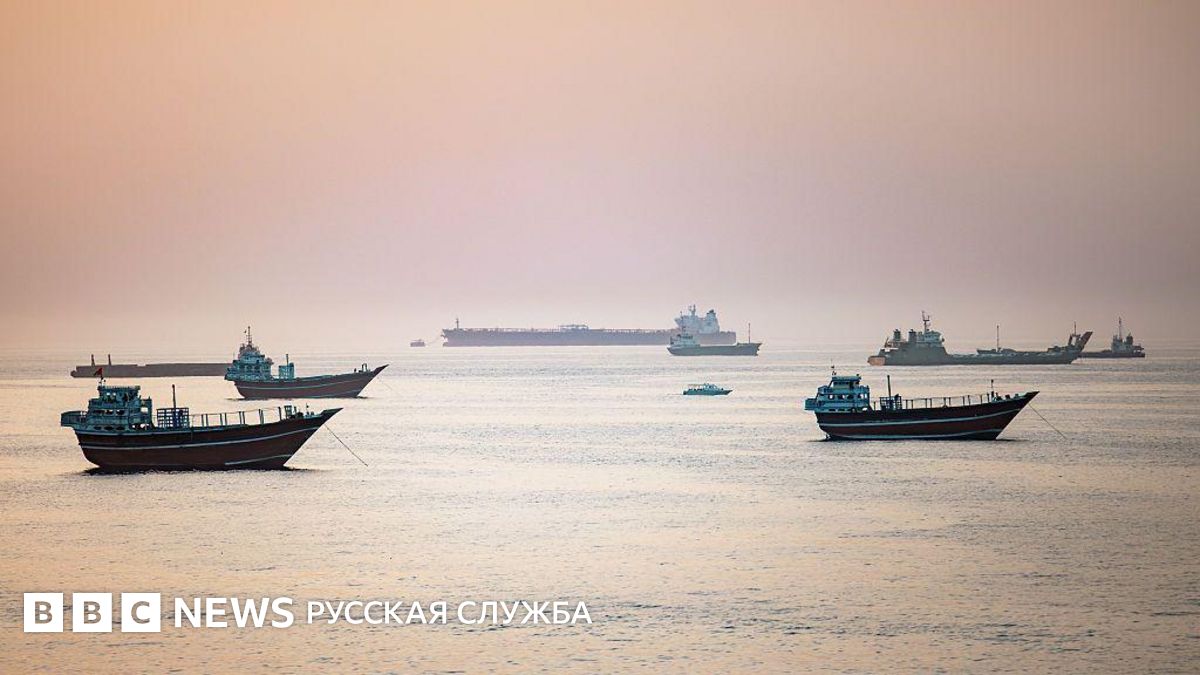
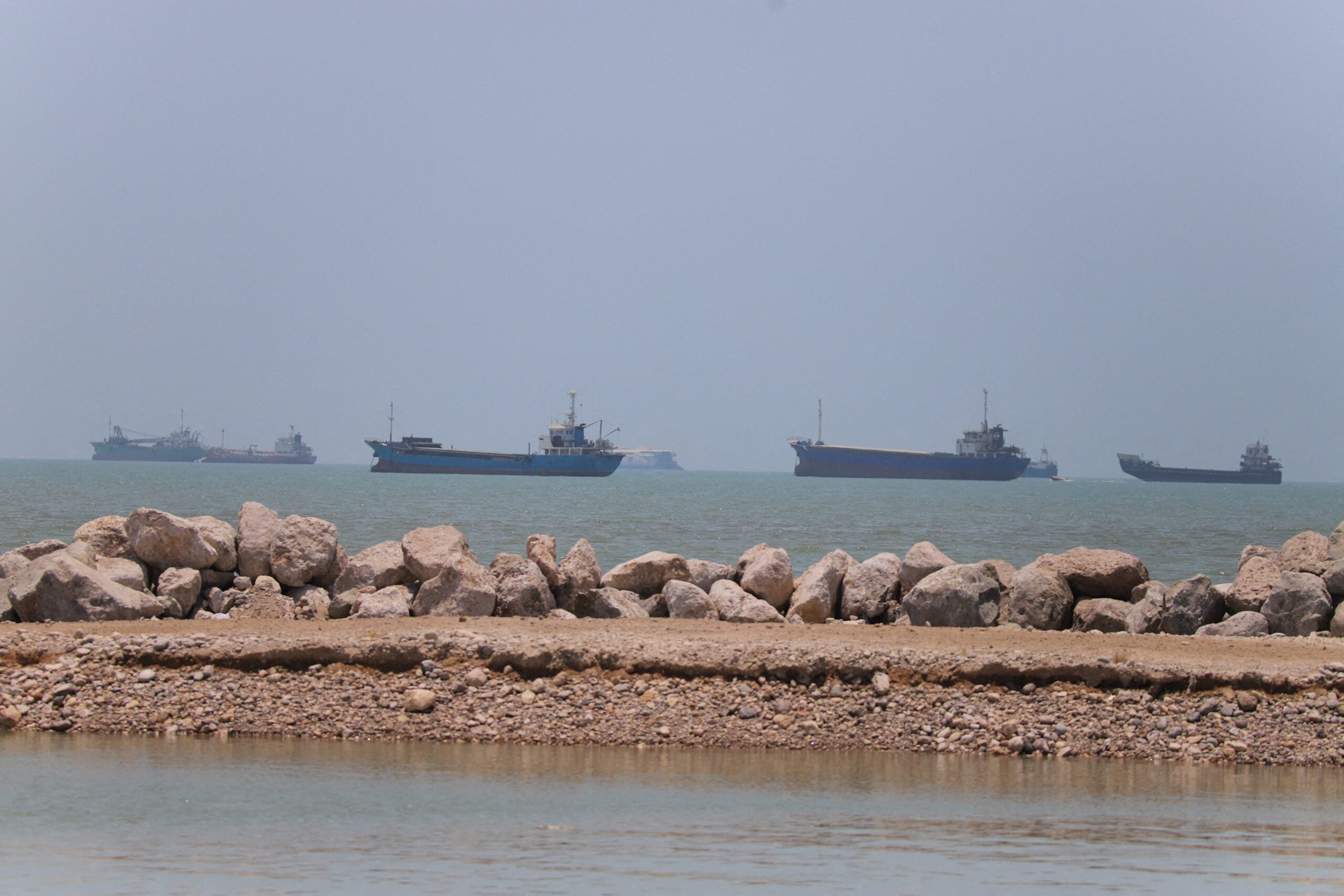
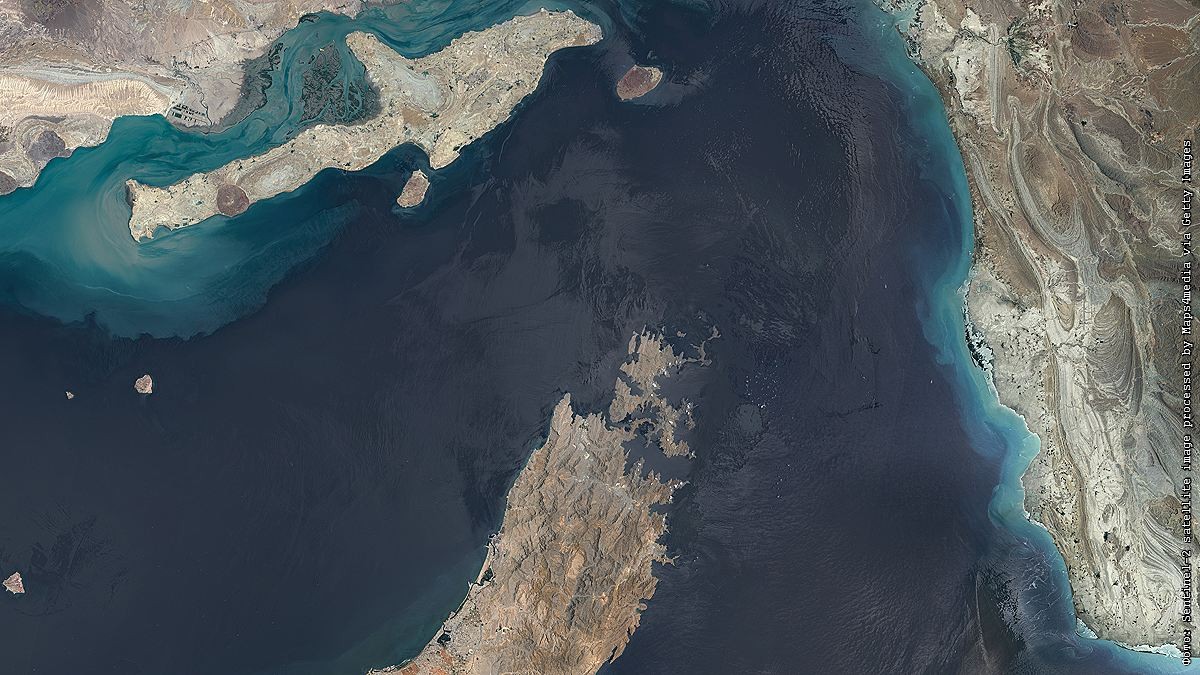
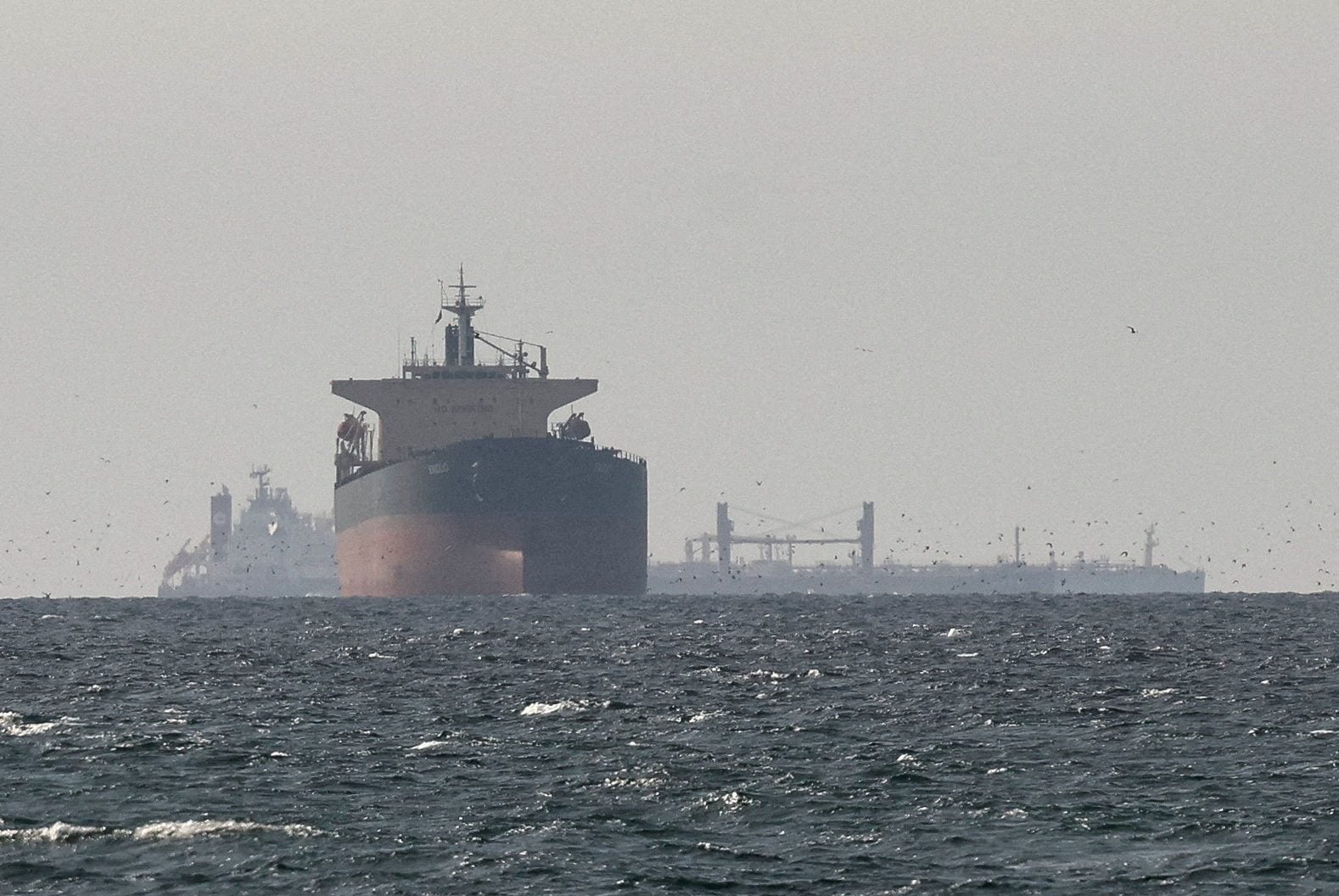
Tehran has declared Hormuz closed and warned ships off without Iranian permission, but Western naval advisories and US military statements say vessels can still use the southern route along Oman, leaving a confused operating picture. In Lebanon, Hezbollah fired on Israel and the IDF struck back with reported fatalities on both sides within hours of a declared ceasefire; casualty counts vary by source. Washington and Tehran have dispatched delegations to Switzerland and signalled optimism about talks focused first on Lebanon, though earlier sessions slipped and Iran has threatened missile fire if Israeli operations continue. Gulf and regional airspaces are reopening under ceasefire conditions but remain subject to short-notice restrictions. Threat levels to US-linked sites in the UAE remain elevated.
Change from previous assessment
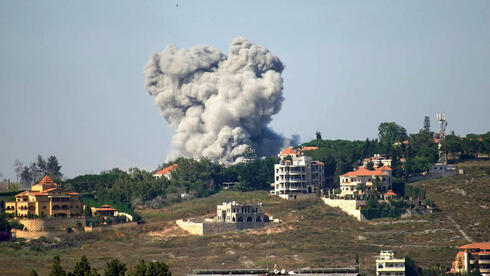
Since the 20 June brief, Iran has reasserted a closure‑and‑permissions posture at Hormuz while Western naval guidance highlighted a usable southern corridor. Hezbollah launched more than 50 projectiles and the IDF struck back with reported fatalities within hours of a declared ceasefire; Israeli leaders also issued a hold‑fire order. US Vice President JD Vance and an Iranian team travelled to Switzerland with public optimism about talks after earlier postponement. Regional airspace continues to reopen under ceasefire conditions, but short‑notice restrictions persist. Initial assessment of this topic was refined with contested maritime status and clearer evidence of a fraying truce.
Key judgments
- A full closure of the Strait of Hormuz is unlikely in the near term; Iran has imposed a de facto permissions regime and issued enforcement threats, but Western naval guidance and US statements indicate vessels continue to use the southern corridor. (Confidence: medium · ASSESSED)
- I&W: Regular day-night transits hugging the Omani coast with AIS on and no IRGCN hull boarding reports on the southern route. (0-14 days)
- I&W: An IRGCN-intercept or publicised seizure of a laden tanker on the southern corridor. (0-14 days)
- The Israel-Hezbollah ceasefire is very likely fractured, with both sides engaging in fire and resultant casualties within hours of its entry into effect. (Confidence: high · ASSESSED)
- I&W: Public acknowledgements of additional IDF air or drone strikes in southern Lebanon or new Hezbollah rocket or drone barrages. (0-14 days)
- I&W: A verified joint liaison announcement and sustained 72-hour cessation of cross-border fire. (0-14 days)
- US-Iran talks in Switzerland are likely to proceed in the very near term but face a roughly even chance of early slippage due to fighting in Lebanon and Iranian missile threats. (Confidence: medium · ASSESSED)
- I&W: Official photo release or readout from an opening plenary in Switzerland naming both delegations. (0-7 days)
- I&W: Formal postponement notice that cites ceasefire violations in Lebanon. (0-14 days)
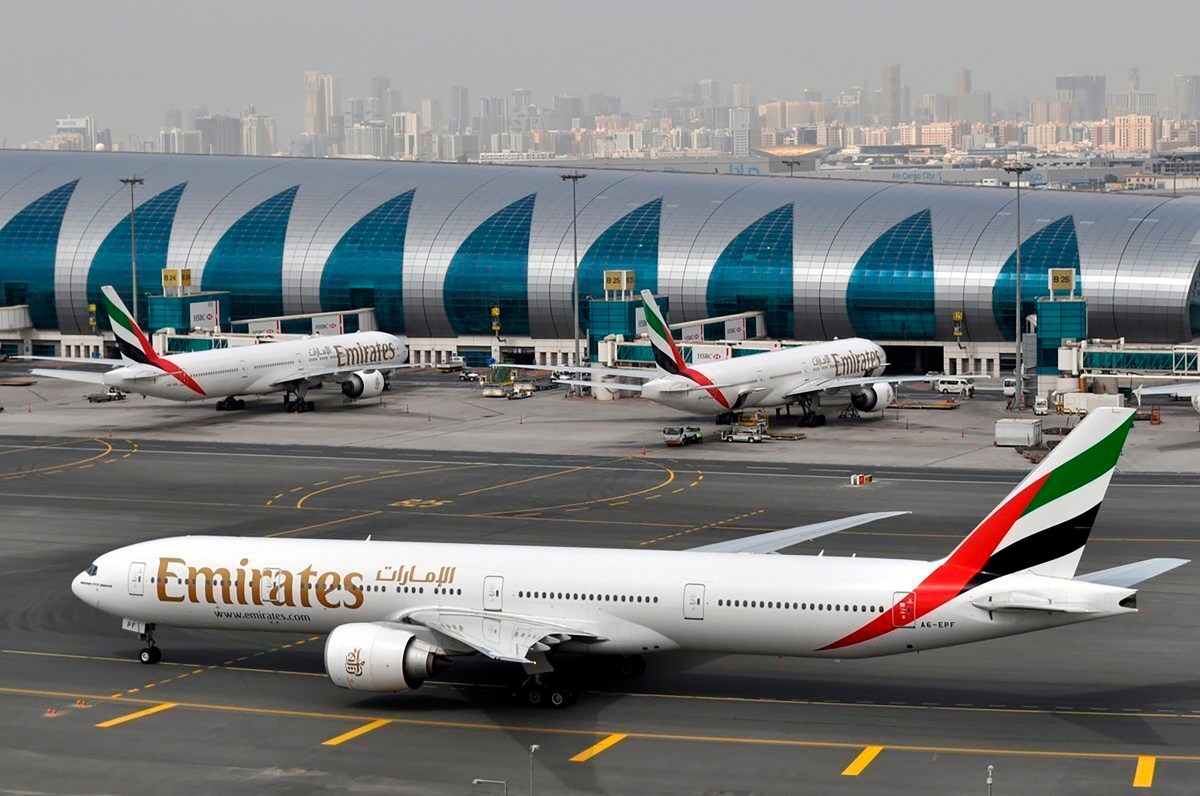
- The threat to US‑linked targets in the United Arab Emirates is likely to remain elevated, including missile and drone risk, sustaining cautious US aviation and travel postures. (Confidence: high · REPORTED)
- I&W: UAE authorities report or intercept a missile or one‑way attack drone targeting a US‑linked site. (0-30 days)
- I&W: US updates that downgrade the regional aviation advisory or restore broader family presence for US personnel. (1-3 months)
- Regional civil aviation has improved but remains unstable for at least the next month, with partial reopenings in Iran, Iraq and Jordan and unlocked Gulf corridors, yet periodic closures remain likely. (Confidence: medium · REPORTED)
- I&W: New NOTAMs further relaxing restrictions in Iran, Iraq or Jordan. (0-14 days)
- I&W: Emergency airspace closures in two or more states following a major cross‑border exchange. (0-14 days)
- Iran is likely leveraging Hormuz restrictions to coerce adherence to a Lebanon ceasefire and to test whether a fee‑based or permit‑based transit regime can stick over the next quarter. (Confidence: medium · ASSESSED)
- I&W: Publication of formal tariff or permit procedures by the Persian Gulf Waterways Administration. (1-3 months)
- I&W: Iran publicly rescinds permissions requirements while Lebanon ceasefire implementation advances. (1-3 months)
- Humanitarian impacts in Gaza and civilian harm in Lebanon are likely to worsen if Israeli ‘dual‑use’ restrictions persist and airstrikes continue. (Confidence: medium · ASSESSED)
- I&W: Monthly reporting shows rising civilian casualty totals in Lebanon and continued denial of essential items into Gaza. (1-3 months)
- I&W: Israeli authorities announce removal of ‘dual‑use’ limits and measurable week‑on‑week increases in aid throughput. (1-3 months)
Outlook & scenarios
Talks hold and de‑escalation takes root (40%)
US and Iranian delegations convene in Switzerland and agree initial guardrails on Lebanon, with Hezbollah signalling continued adherence and the IDF sustaining a pause. Gulf airspace corridors continue to unlock and carriers expand schedules. The southern Hormuz corridor remains in use under Western naval guidance while Tehran keeps its permissions rhetoric without hard interdictions.
Proxy escalation derails diplomacy (50%)
Renewed Hezbollah barrages and IDF retaliatory strikes, plus Iranian missile threats tied to Lebanon, force another postponement of talks. Casualties mount in southern Lebanon, Israel keeps forces engaged, and Tehran tightens its gatekeeping posture at Hormuz to raise pressure. Aviation NOTAMs harden again across parts of the region.
Hormuz standoff without full shutdown (30%)
Iran sustains a permit‑only narrative and episodic warning shots while Western advisories keep traffic to the Omani side with signals on. US forces monitor and message that traffic continues. Insurers price higher risk but energy flows persist through the southern lane absent a headline seizure.
Recommendations
- Maintain a 24/7 maritime watch on the southern Hormuz lane, fusing JMIC advisories with commercial AIS to flag any IRGCN boarding or diversion attempts in near real time.
- Advise shipowners to route via the Omani corridor with AIS continuously broadcasting and to carry documentary evidence of prior applications where applicable to reduce boarding time if challenged.
- Prepare an aviation routing contingency pack for Middle East operations that reflects partial reopenings in Iran, Iraq and Jordan but includes alternates for short‑notice night closures.
- For field and corporate security managers in the UAE, harden US‑linked sites against missile and one‑way UAV threats and rehearse shelter and communications protocols; align travel approvals with the current FAA advisory.
- Task the diplomatic and analytic teams to track and archive Swiss‑track deliverables, with specific focus on any Lebanon verification mechanism that could be stress‑tested by renewed cross‑border fire.
- Expand humanitarian monitoring for Gaza and Lebanon by tracking Israeli ‘dual‑use’ policy updates and monthly casualty reporting; prepare brief options that link relief measures to de‑escalation incentives.
Confidence & uncertainty
Multiple high‑reliability government and major media sources corroborate the fraying Lebanon ceasefire, fresh exchanges of fire and fatalities, the dispatch of US and Iranian teams to Switzerland, and ongoing aviation reopening with caveats. Reporting on Hormuz is contradictory: Iranian authorities and the IRGC announce closure and permissions while Western naval advisories and US military statements say the southern corridor remains usable. Casualty figures in Lebanon vary significantly by source. Some leverage assessments around Iran’s intended use of Hormuz, including possible fees, rest on analytical inference from single‑source commentary. These cross‑cuts warrant an overall medium confidence headline despite solid corroboration on key elements.
Alternative analysis (red cell)
The evidence for several central judgments (Hormuz closure, near‑term US‑Iran talks, and Iran’s alleged fee/permit strategy) is fragmented and internally contradictory. Competing authoritative statements from Iranian officials and Western military spokespeople, together with medium‑grade reporting of threats and the absence of independent, corroborating operational data (AIS logs, maritime directives, diplomatic confirmations), make plausible alternative assessments: Iran could be engaging in coercive signaling and intermittent interdiction rather than a sustained, effective closure; the Switzerland talks may be conditional or delayed; and observed Iranian maritime actions do not yet demonstrate an implemented fee‑based transit regime.
Intelligence gaps
- [EEI 1.1 · UNCOVERED] Unusual long-range missile/rocket transporter-launcher (TEL) movements, storage activation, or assembly activity at known IRGC missile sites or forward staging areas. Recommended collection: satellite/imagery
- [EEI 1.3 · UNCOVERED] Large-scale transfers, deliveries, or convoy movements of armed UAVs/drones, guided munitions, or spare parts from Iran into Lebanon (Hezbollah), Iraq, Syria, or Gaza. Recommended collection: air/aviation track and HUMINT
- [EEI 1.4 · UNCOVERED] Sustained changes in Israeli air-defense usage (SAM launches, radar activations), wide-area alerts, or NOTAMs indicating elevated imminent strike response. Recommended collection: air/aviation/NOTAMs and signals
- [EEI 2.2 · PARTIAL] Reported attacks, mine sightings, close-approach incidents, or damage to commercial tankers/merchant vessels operating in the Red Sea, Persian Gulf, or eastern Mediterranean. Recommended collection: maritime/AIS and OSINT/incident reports
- [EEI 2.3 · UNCOVERED] Insurance market indicators: sudden spikes in war-risk or hull insurance premiums for routes through the Red Sea, Suez corridor, or Persian Gulf, and major carriers announcing route changes. Recommended collection: financial/market and commercial shipping notices
- [EEI 2.4 · UNCOVERED] Port closures, naval escorts requested by commercial operators, or formal rerouting advisories issued by major shippers (e.g., Maersk, Hapag-Lloyd) for regional transits. Recommended collection: commercial/OSINT
- [EEI 3.1 · PARTIAL] Deployment of foreign military assets to the region (carrier strike groups, amphibious ships, combat aircraft deployments, or additional bases activated) from the US, UK, France, Russia, or GCC states. Recommended collection: maritime/AIS and air/aviation and satellite/imagery
- [EEI 3.3 · UNCOVERED] Confirmed arms transfers, expedited weapons shipments, or transfer authorizations to Israel, Iran, or their proxies (aircraft parts, munitions, air defenses). Recommended collection: customs/INTEL and HUMINT
Cited sources
[1] ynetnews.com · ‘Quiet will be met with quiet’: IDF holds fire as Iran threatens Israel (B) · sha256:3cb644547e05 [2] gcaptain.com · Iran Says Hormuz Has Been Closed But Sends Team For Swiss Talks (B) · sha256:590291fc1b65 [3] kaktus.media · Bild: Иран ограничил движение судов через Ормузский пролив (B) · sha256:a181d0532ce9 [4] gcaptain.com · Ships Told They Can Use South Hormuz Route With Signals On (B) · sha256:eed798d164e6 [5] Reuters · US Forces Monitoring Strait Of Hormuz To Ensure It Stays Open (A) · sha256:2ddaf6512980 [6] aljazeera.net · ما الذي دفع إيران إلى إعادة إغلاق مضيق هرمز؟ (A) · sha256:be7a00863556 [7] BBC News Русская служба · Иран объявил о закрытии Ормузского пролива в ответ на продолжение боевых действий в Ливане - BBC News Русская служба (A) · sha256:b39512621efa [8] The Jerusalem Post · Hezbollah breaks ceasefire, launches 50 rockets at IDF soldiers in Lebanon, Israel retaliates (A) · sha256:a7e6eb9dd075 [9] haaretz.com · Emergency session on Lebanon to lead U.S.-Iran talks in Switzerland, report says (B) · sha256:0d603739d7e2 [10] haaretz.com · Will Israel's presence in Lebanon make a U.S-Iran deal impossible? (B) · sha256:a149e45df0b3 [11] haaretz.com · The IDF's Russian roulette in Lebanon continues – and no one can explain why (B) · sha256:a4feed4ca981 [12] interfax.ru · Иранские военные заявили о приостановке движения судов через Ормузский пролив (B) · sha256:23f713154f6c [13] U.S. Department of State · United Arab Emirates Travel Advisory (A) · sha256:7a0c71f2991b [14] newsweek.com · Middle East flights reopen as new confusion hits travelers (A) · sha256:d101ee5d485d [15] UK Government · We urge Israel to immediately remove unjustifiable restrictions on humanitarian access: UK statement at the UN Security Council (A) · sha256:2b923f1dd46a
Source content hashes were computed at collection time; the cited text is preserved unmodified for the life of this product.
Red cell review: PARTIAL DISSENT
TLP:CLEAR