TLP:CLEAR · Disclosure is not limited.
Hormuz missile strikes test U.S.-Iran deal as talks pause and energy markets react
Time window: Last 1 day · Audience: General analyst · Type: Situation report · DTG: 2026-07-07 13:15Z · Overall confidence: HIGH
BLUF
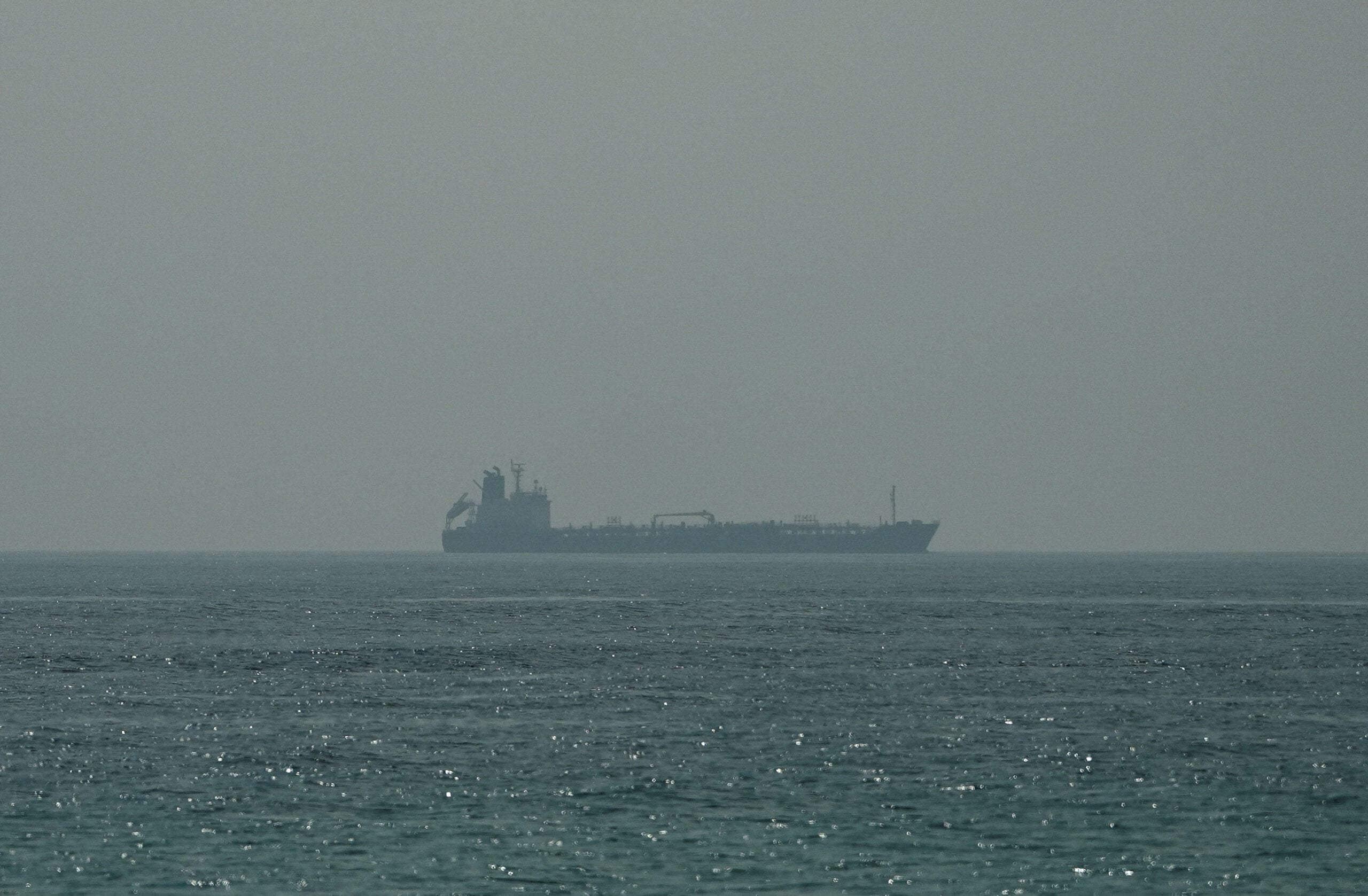
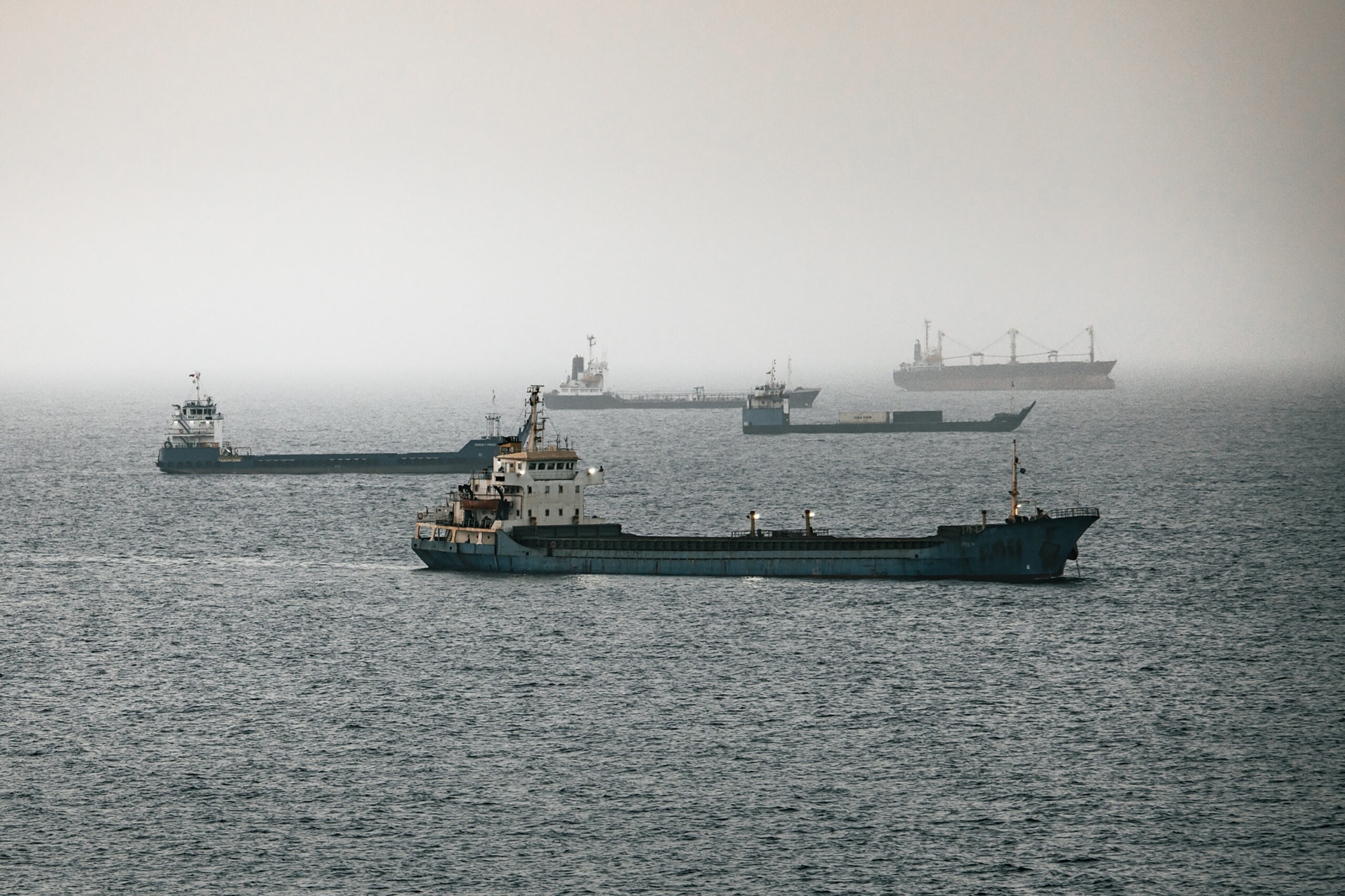
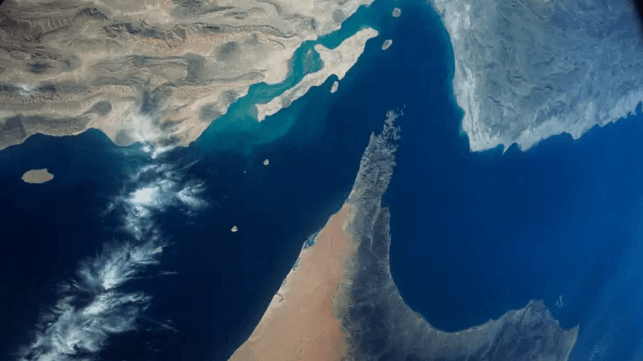
Iran’s Revolutionary Guard very likely fired missiles at commercial shipping in or near the Strait of Hormuz on 7 July, damaging the Qatari LNG carrier Al Rekayyat east of Limah, Oman, and a Saudi-flagged tanker, with no reported casualties. Negotiations under the 21 June U.S.-Iran memorandum are likely frozen during Ayatollah Ali Khamenei’s funeral amid renewed threats, keeping maritime risk elevated and energy markets sensitive.
Executive summary
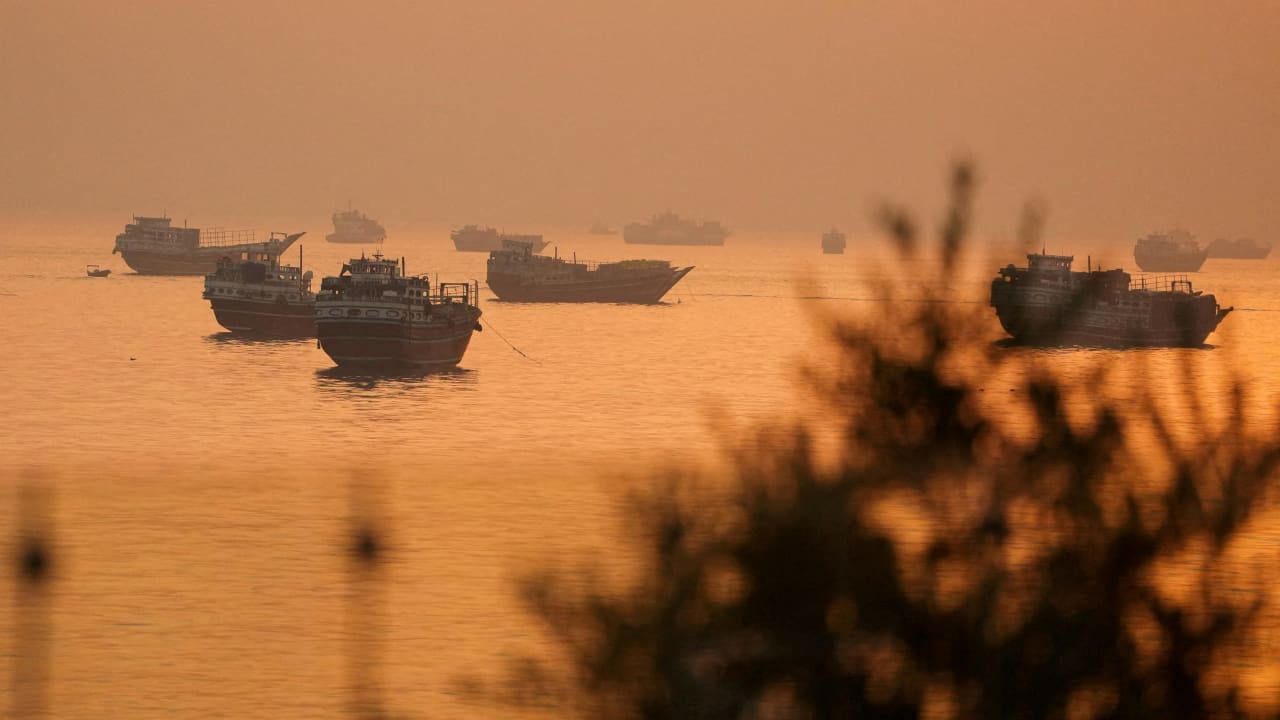
Multiple independent reports indicate at least two commercial vessels were hit in or near the Strait of Hormuz on 7 July, including the Qatari LNG carrier Al Rekayyat, which suffered a port-side strike and engine-room fire east of Limah, Oman, and a Saudi-flagged crude tanker that was damaged. Maritime authorities advised caution, and no casualties were reported. The Joint Maritime Information Center rates the threat in Hormuz as substantial. Shipping remains operational but fragmented, with transits recovering unevenly and investors closely tracking U.S.-Iran talks. European gas rose about 6 percent and oil about 1 percent after the attacks. Tehran has paused negotiations during Khamenei’s funeral and warned talks will not resume while U.S. threats continue, after President Trump said the United States would “finish the job” absent a deal. Iran is insisting on Iranian-designated corridors and has threatened force against alternatives, following earlier drone strikes, a seizure, and route warnings. In parallel, piracy risk off Somalia and Yemen has increased, with 44 seafarers held on three hijacked vessels and a recent attack in the Red Sea, adding to maritime insecurity along Middle East sea lanes.
Change from previous assessment
New missile strikes against Al Rekayyat and a Saudi-flagged tanker mark a sharper maritime escalation since the prior brief, which assessed sustained hostilities and a fragile maritime environment. Talks are now paused during Khamenei’s funeral, and Tehran has reiterated that negotiations will not resume while U.S. threats persist. Maritime risk remains substantial, with fresh market reactions and evidence of fragmented but ongoing transits. Added coverage integrates rising piracy off Somalia and Yemen that compounds sea-lane risk. This is an initial assessment of the 7 July attacks layered onto the ongoing crisis picture.
Key judgments
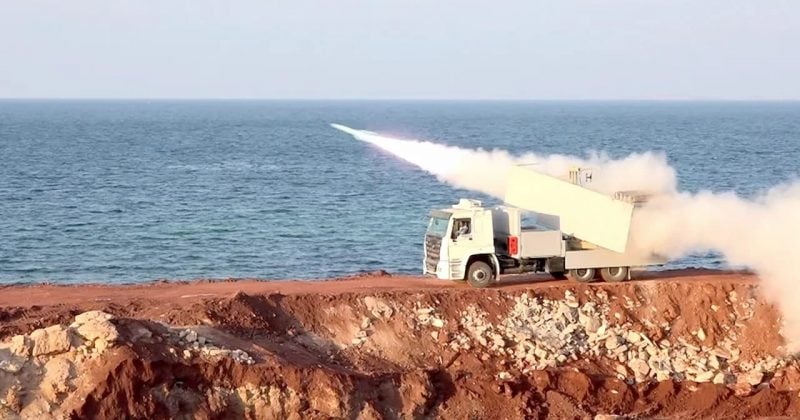
- Iran’s Islamic Revolutionary Guard Corps very likely fired at least two missiles at commercial vessels in or near the Strait of Hormuz on 7 July, damaging the Qatari LNG carrier Al Rekayyat east of Limah, Oman, and a Saudi-flagged crude tanker, igniting a fire aboard Al Rekayyat but causing no reported casualties. (Confidence: high · REPORTED)
- I&W: Named government attribution and missile-debris forensics linking the strikes to IRGC munitions from Al Rekayyat’s damage assessment. (0-14 days)
- I&W: Flag-state or insurer investigation attributing the Saudi tanker’s damage to collision rather than hostile fire. (0-14 days)
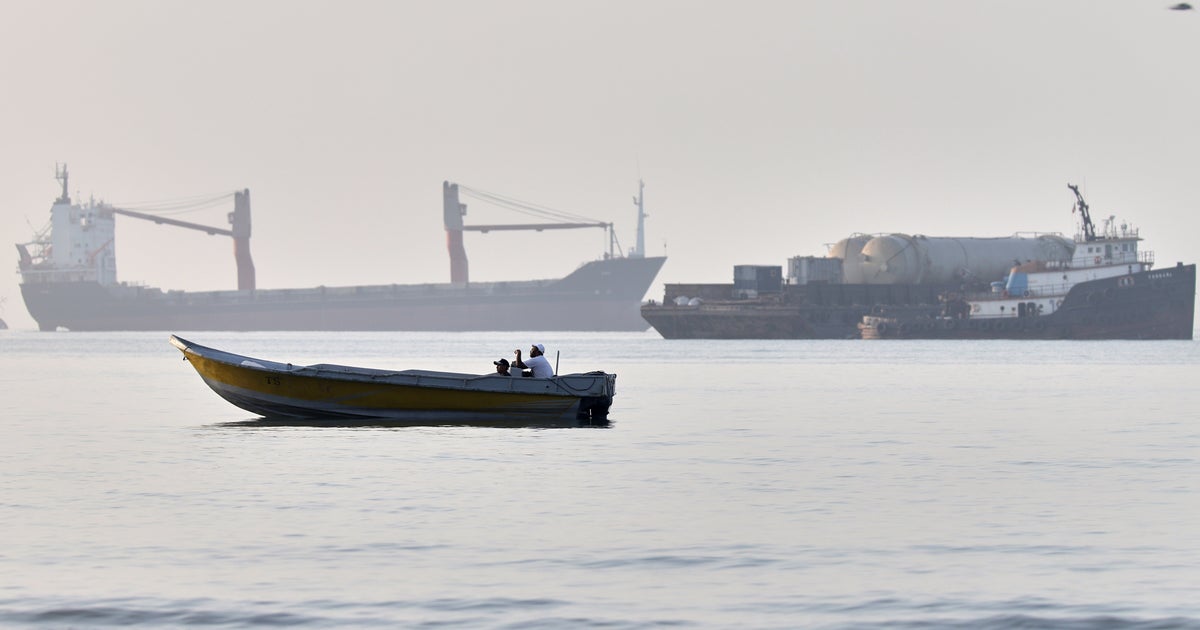
- Maritime risk in Hormuz is high and shipping flows are operational but fragmented, reflected in a substantial threat rating, cautious navigation behaviour and price sensitivity in European gas and global oil. (Confidence: high · ASSESSED)
- I&W: JMIC or UKMTO raises risk level or issues repeated high-urgency advisories following additional attacks. (0-14 days)
- I&W: Sustained return to near pre-conflict daily transit counts for two consecutive weeks without incident alerts. (1-3 months)
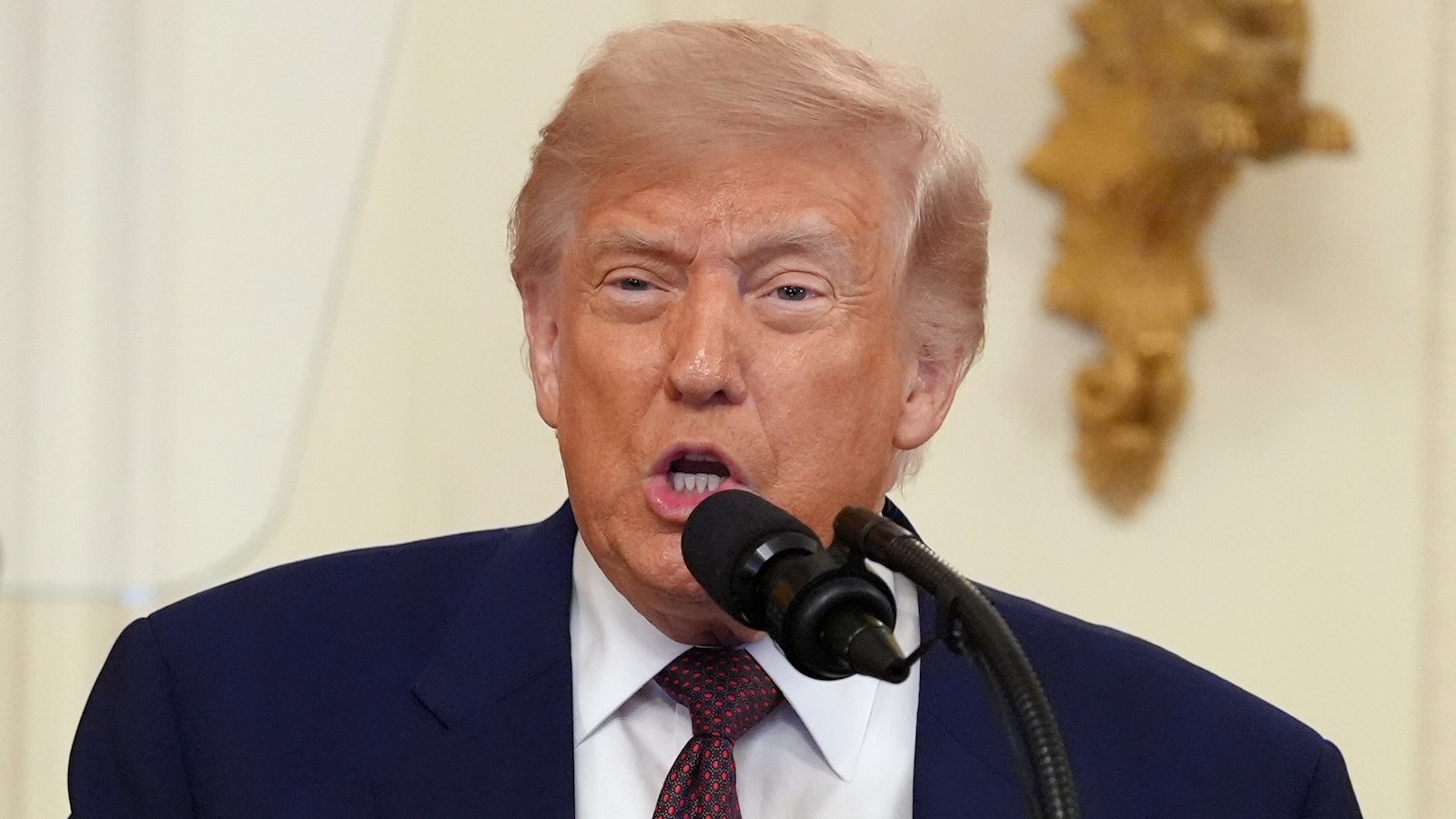
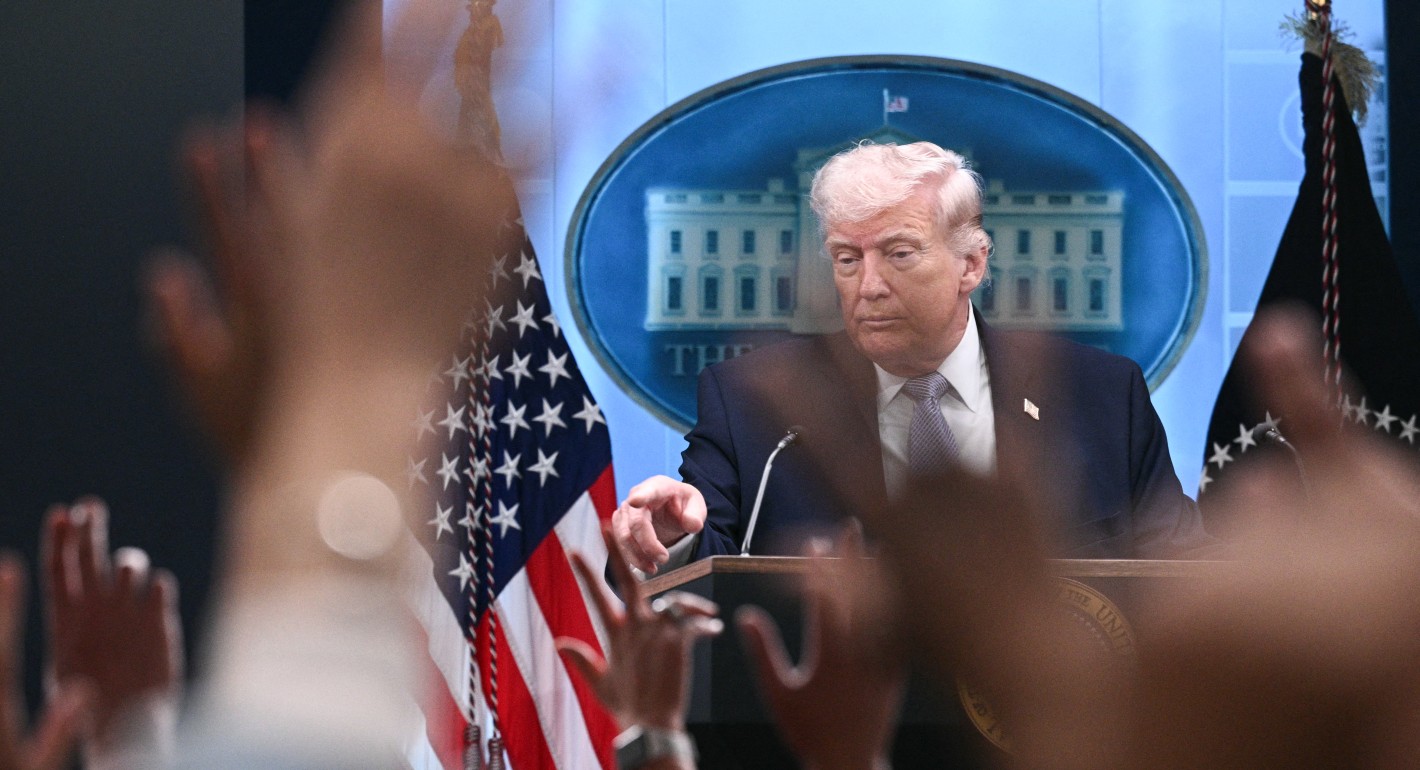
- Talks under the 21 June U.S.-Iran memorandum are likely frozen in the near term as Tehran pauses negotiations during Ayatollah Ali Khamenei’s funeral and warns it will not resume while U.S. threats persist, following President Trump’s declaration that the United States would “finish the job” absent a deal. (Confidence: medium · ASSESSED)
- I&W: No new session dates or joint readouts for follow-on negotiations announced after the funeral period. (1-3 months)
- I&W: Public announcement of working-group meetings or a joint statement recommitting to the memorandum. (0-14 days)
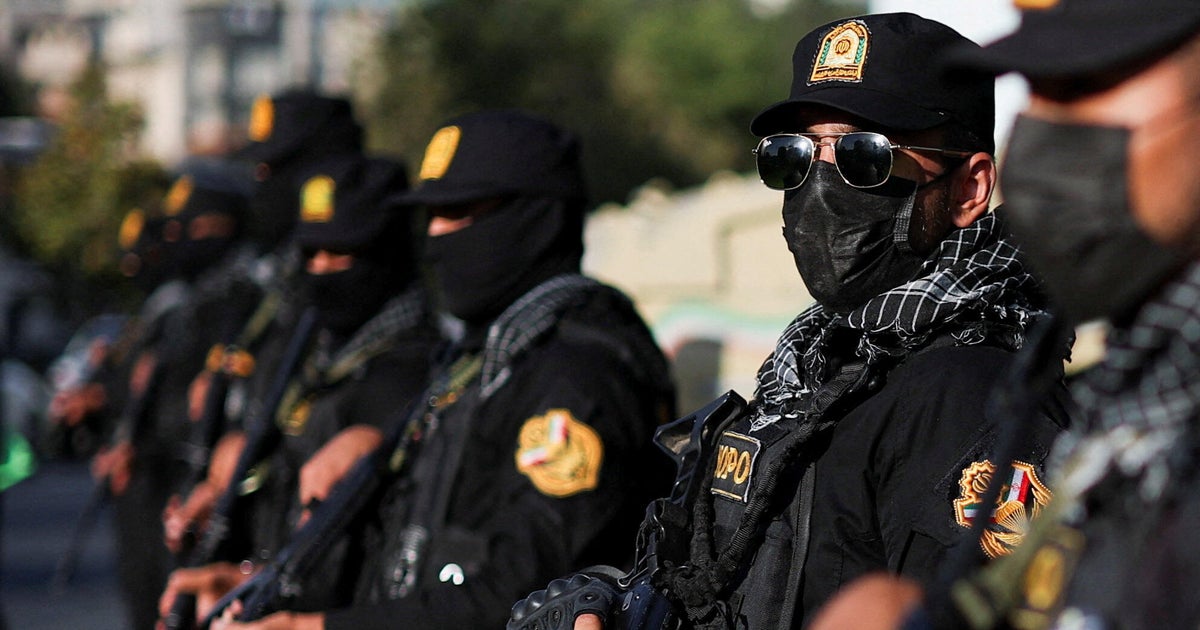
- Iran is very likely enforcing de facto control of routing through the Strait of Hormuz and escalating from prior drone strikes and a seizure to missile use, warning ships to adhere to Iranian-designated corridors and threatening force against alternatives. (Confidence: high · ASSESSED)
- I&W: IRGC issues updated route coordinates and backs them with interdictions, seizures or warning fire in Hormuz. (0-14 days)
- I&W: An internationally monitored transit scheme with escorts along the Omani coast is implemented with Iranian acceptance. (1-3 months)
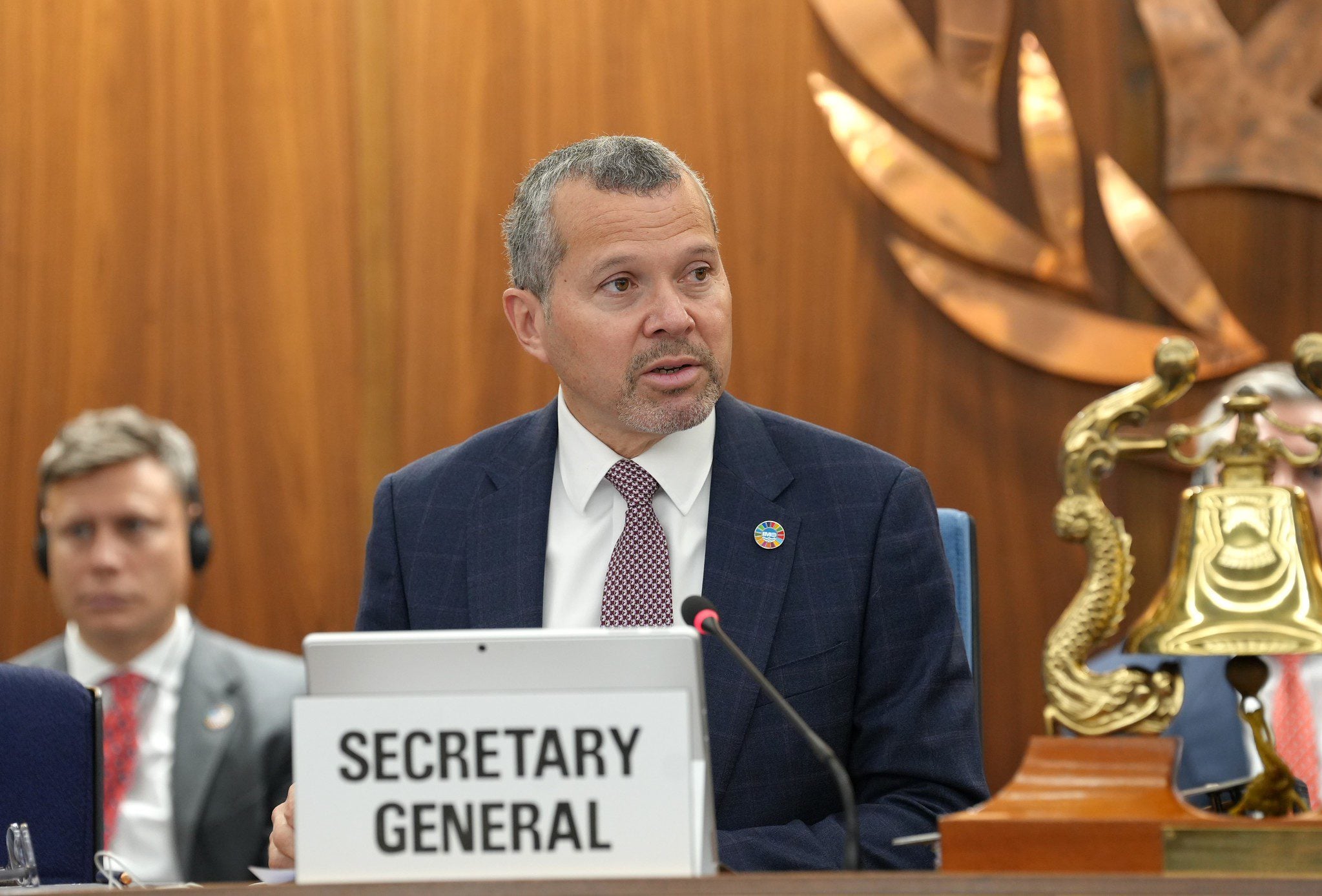
- Piracy risk off Somalia and Yemen has risen, with 24 incidents recorded in three months and 44 seafarers held on the hijacked MT Honour 25, Eureka and Sward, alongside a reported attack on the Palau-flagged Lady Naeima in the Red Sea. (Confidence: high · REPORTED)
- I&W: IMO or UKMTO confirms either the safe release of the 44 seafarers or additional hijackings in the same areas. (1-3 months)
- I&W: Regional naval tasking increases and incident tallies decline in subsequent IMO reporting. (1-3 months)
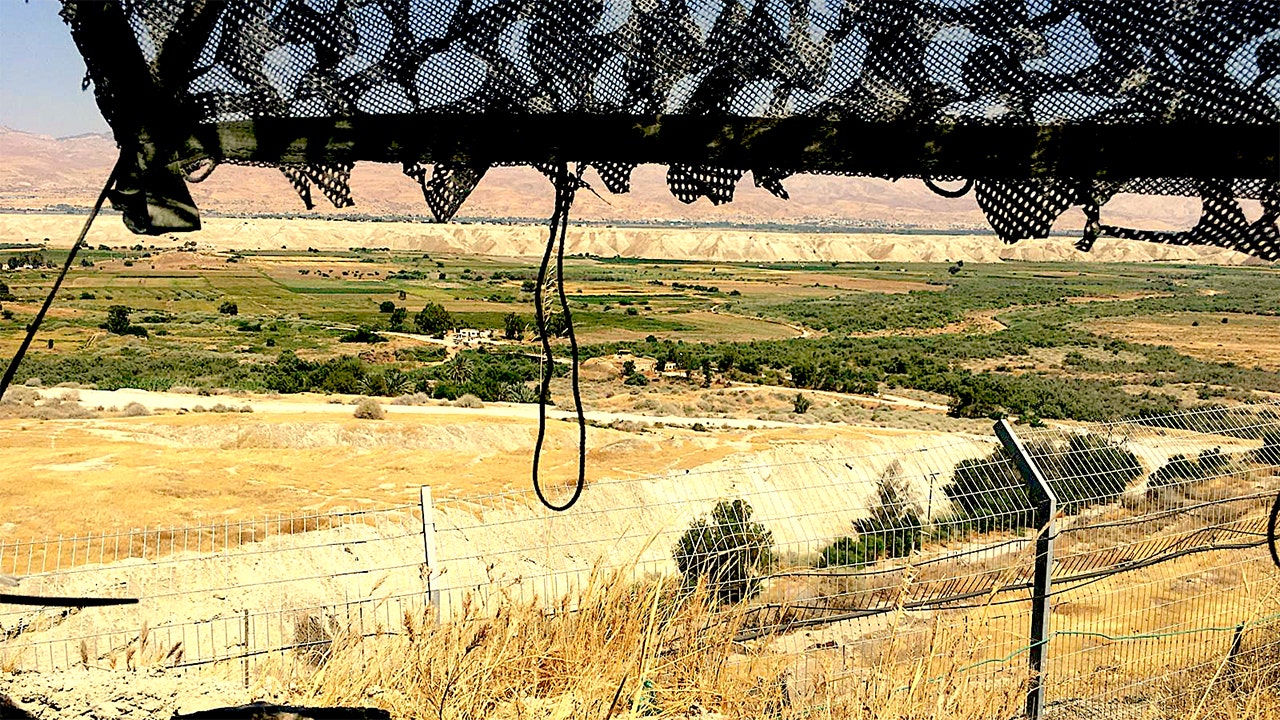
- There is a roughly even chance of renewed Israeli escalation on secondary fronts despite current ceasefire mechanics, as the IDF fortifies the Jordan border and continues lethal operations in Lebanon amid reporting of a possible broader operation in Gaza. (Confidence: medium · ASSESSED)
- I&W: Official announcements of large reserve call-ups for Gaza or publicly acknowledged expansion of strikes in southern Lebanon. (0-14 days)
- I&W: Sustained reduction in cross-border fire matched by visible IDF force drawdown in the north. (1-3 months)
Outlook & scenarios
Managed coercion at sea, frozen talks (60%)
IRGC continues intermittent missile or drone harassment and strict routing enforcement in Hormuz while avoiding mass casualties. Shipping remains fragmented yet operational, with periodic price spikes and JMIC advisories maintaining a high threat posture. Tehran keeps negotiations on hold through and after the funeral period while reiterating that talks will not resume under threat.
Backchannel stabilisation and escorted corridors (35%)
After the funeral period, U.S.-Iran contacts quietly restart and a monitored transit arrangement along the Omani coast reduces attack frequency. UKMTO advisories ease, daily transits climb toward pre-conflict levels, and market sensitivity fades as risk premiums narrow.
Regional flare-up beyond the maritime theatre (25%)
Israeli domestic and front-line pressures lead to expanded IDF action in Gaza or intensified exchanges in southern Lebanon, while IRGC harassment at sea persists. Energy and shipping markets face dual shocks from land and maritime theatres, amplifying volatility.
Wildcard: Maritime mass-casualty incident triggers temporary shutdown (10%)
A follow-on strike or accident causes a major onboard explosion on a laden LNG or ULCC, resulting in casualties and environmental risk. Insurers and flag states halt or reroute traffic, producing a short, sharp disruption in Hormuz transits.
Recommendations
- Establish a vessel-level dossier for Al Rekayyat and the affected Saudi-flagged tanker, tracking AIS, port calls, repairs and insurer filings to validate attack vectors and refine attribution assessments.
- Task daily collection against UKMTO and JMIC advisories, VHF intercepts in Hormuz and EO/SAR imagery of Limah approaches to monitor route enforcement and interdiction patterns.
- Map Iranian-designated versus U.S.-preferred corridors and maintain a live overlay of transiting hulls by flag, cargo and owner risk appetite to anticipate chokepoints and diversion behaviour.
- Stand up a negotiation-status tracker keyed to official readouts and ministerial statements to detect any break in the current pause and to cue scenario updates within hours.
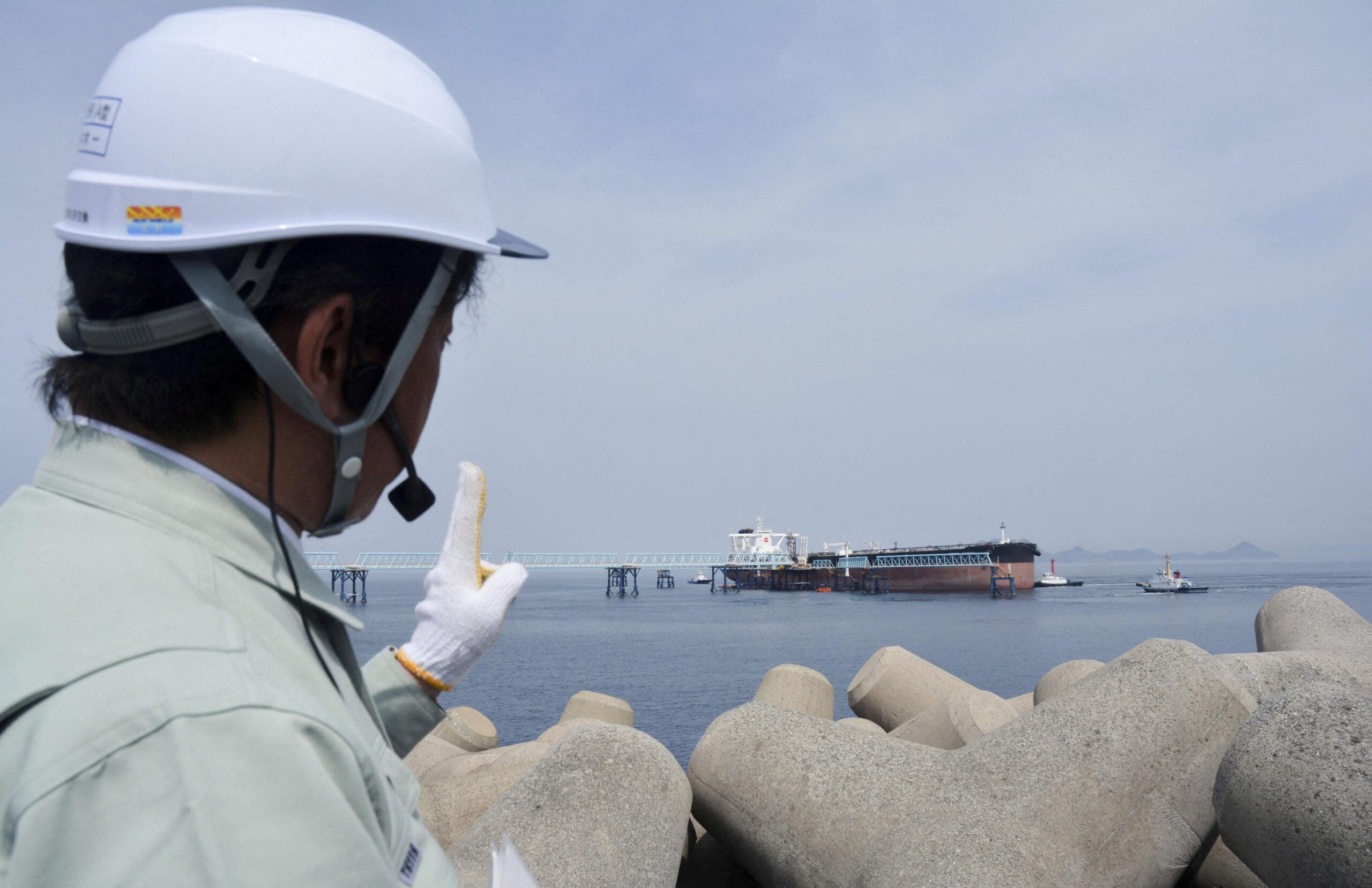
- Quantify near-term exposure by running updated energy sensitivity tables for Europe and Japan using observed transit counts and price elasticities, then brief potential second-order impacts on shipping insurance and refinery runs.
- Integrate Horn of Africa piracy into Middle East sea-lane risk: track the three hijacked vessels and any Lady Naeima follow-on reporting, and prepare a release-or-rescue watchlist with IMO contacts.
- Pre-position an indicators and warnings log for a Gaza or Lebanon escalation, linking IDF reserve mobilisation notices, border-wall progress and cross-border fire reports to decision thresholds.
Confidence & uncertainty
Overall confidence is high because multiple independent, reliable sources corroborate the 7 July Hormuz incidents, including vessel identification, location east of Limah, damage characteristics and official maritime advisories. The maritime threat posture, market moves and investor focus on talks are supported by converging reporting, and Iran’s routing enforcement is evidenced by repeated warnings, threats, earlier interdictions and strikes. Remaining uncertainties include the precise munition type in each attack, the full identity and damage profile of the Saudi-flagged tanker, and whether one damage case reflects collision rather than hostile fire, as well as the duration of the negotiation pause. These gaps affect granularity, not the core judgments.
Alternative analysis (red cell)
The reporting credibly documents that commercial vessels were struck and that maritime risk has increased, and IMO-sourced claims substantiate a rise in piracy and hostages. However, the evidence does not firmly establish IRGC responsibility or missile employment—the weapon type and perpetrator remain ambiguous—and Iran’s claim to de facto, continuous control of routing through the Strait is not decisively proven. Similarly, negotiations with the US appear at least temporarily paused for funeral-related and political reasons rather than demonstrably frozen for the near term, and Israeli preparations increase escalation risk but do not by themselves make renewed broad escalation an even chance without additional operational indicators.
Intelligence gaps
- [EEI 1.1 · UNCOVERED] Movement, dispersal, or emplacement of Iranian conventional or IRGC heavy assets (ballistic missile launchers, Khoramshahr/Toofan-class missile transporters, ground-to-ground TELs, air defense batteries, amphibious units) from garrison areas toward forward bases or coastal launch sites. Recommended collection: satellite/IMINT
- [EEI 1.2 · UNCOVERED] Authenticated Iranian military orders, NSC/IRGC operations directives, or senior leadership statements explicitly directing strikes against Israel or U.S. forces or authorizing cross-border operations. Recommended collection: human/diplomatic
- [EEI 1.3 · PARTIAL] Changes in Israeli and U.S. force posture indicating anticipation of direct large-scale conflict—elevated readiness levels, mobilization notices, pre-positioning of munitions, or public/private orders to prepare offensive strikes. Recommended collection: open-source/diplomatic
- [EEI 2.1 · PARTIAL] Observable pre-launch preparations for missile/rocket/cruise missile strikes (fueling, warhead mating, launcher orientation, support vehicle congregation) and abnormal munitions handling at known launch sites. Recommended collection: satellite/IMINT
- [EEI 2.2 · UNCOVERED] Indications of proxy arms shipments and weapons transfers (truck convoys, small boat transfers, container movements from Iran to proxies, new stockpiles in Lebanon, Iraq, Yemen, Syria). Recommended collection: maritime/AIS
- [EEI 2.3 · UNCOVERED] Evidence of cyber attack planning or active exploitation campaigns targeting Israeli or U.S. military/critical infrastructure (emergence of new command-and-control servers, spear-phishing campaigns against defense personnel, successful intrusions). Recommended collection: cyber
- [EEI 3.1 · UNCOVERED] Movements and posture changes of U.S. regional platforms (carrier strike groups, amphibious ready groups, B-52/B-1/B-2 or fighter deployments, missile defense assets repositioning) and associated armament loadouts. Recommended collection: satellite/IMINT
- [EEI 3.2 · PARTIAL] Official or leaked U.S. government/diplomatic communications indicating thresholds for strikes, authorization for offensive operations, or limits on action (NSC/DoD statements, congressional notifications, diplomatic notes). Recommended collection: diplomatic/human
- [EEI 3.3 · UNCOVERED] Changes in U.S. base force-protection measures and rules of engagement at regional facilities (base lockdowns, evacuation notices, flight restrictions, activation of Local Defense Forces or missile intercept systems). Recommended collection: open-source/local reporting
- [EEI 4.1 · PARTIAL] Hezbollah-specific indicators: convoys and logistics movements toward Lebanon–Israel border, artillery/rocket emplacement in southern Lebanon, documented strikes-preparation activity, public mobilization orders or recruitment drives. Recommended collection: satellite/IMINT
- [EEI 4.2 · UNCOVERED] Houthi-attributed maritime attack indicators: AIS anomalies/loss of contact for commercial vessels, reports of missile/drone strikes or near-miss incidents in Bab al-Mandeb/Red Sea, Houthi claims paired with imagery of weapons launches. Recommended collection: maritime/AIS
- [EEI 4.3 · UNCOVERED] Militia cross-border attack evidence from Iraq/Syria: recorded rocket/mortar launch events into Israel or strikes against U.S. facilities, movement of armed convoys toward border areas, and intercepted communications coordinating cross-border operations. Recommended collection: signals/ELINT
Cited sources
[1] CBS News · U.S.-Iran Updates: Tanker hit in Strait of Hormuz as Tehran threatens to ditch talks over Trump's threats (A) · sha256:9f54847a8148 [2] The Jerusalem Post · Live Updates: Latest from Israel, Iran, and Middle East | The Jerusalem Post (A) · sha256:66ce282d309e [3] cnn.com · Tanker struck near Strait of Hormuz as Trump heads to NATO summit | CNN (A) · sha256:14b874d44299 [4] gcaptain.com · Qatari LNG Ship Struck in Strait of Hormuz, Testing US Talks (A) · sha256:3113a0e31733 [5] huffpost.com · Tankers Hit In Strait Of Hormuz As Millions Mourn Iran's Khamenei (A) · sha256:3a3df4ca30e1 [6] gcaptain.com · Tanker Struck by Projectile Near Hormuz, Sparking Fire (B) · sha256:684afa21259d [7] jpost.com · Iran fires missiles at two commercial ships in Strait of Hormuz, causing major damage (A) · sha256:8f42827ec253 [8] cryptobriefing.com · Iran fires missiles at ships in Strait of Hormuz, escalating tensions (B) · sha256:d8312f8608b5 [9] ynetnews.com · Iran fires missiles at commercial ships in Strait of Hormuz, report says (B) · sha256:9ed5afa1374f [10] insurancejournal.com · Update: Qatari LNG Ship Struck in Strait of Hormuz, Testing US Talks (A) · sha256:044f7c16d939 [11] maritime-executive.com · Iran Resumes Attacks on Merchant Shipping With Strike on LNG Carrier (A) · sha256:e822179d55b8 [12] gcaptain.com · Japan's Mideast Crude Supply to Rebound in July as Stranded Vessels Exit Hormuz (A) · sha256:8cfdacfbb5a7 [13] abcnews.com · Iran updates: Iran says military's 'ready to respond' amid Trump threats (A) · sha256:00d1e4bdfd20 [14] wwno.org · Tanker set ablaze after being struck by projectile in the Strait of Hormuz (A) · sha256:ffad1745ed9e [15] The Jerusalem Post · How Israeli start-ups are helping ships navigate a contested Hormuz - opinion (B) · sha256:cd4232cc0f11 [16] Carnegie Endowment for International Peace · A Thousand Days After October 7, Washington Still Has No Strategic Plan | Carnegie Endowment for International Peace (B) · sha256:d8ac2abb2961 [17] gcaptain.com · IMO Chief Urges Immediate Release of 44 Seafarers Held by Somali Pirates (A) · sha256:848bc4c618ce [18] gcaptain.com · IMO Council Opens With Maritime Security, Hormuz, and Piracy High on Agenda (B) · sha256:03512e23b6d0 [19] Fox News · Israel fortifies border with Jordan as Iran seeks new terror path (B) · sha256:8a7c4ebc3b2c [20] haaretz.com · Netanyahu's desperate bid to survive the elections could drag Gaza back into Israel's line of fire (A) · sha256:797f0295d154
Source content hashes were computed at collection time; the cited text is preserved unmodified for the life of this product.
Red cell review: PARTIAL DISSENT
TLP:CLEAR