TLP:CLEAR · Disclosure is not limited.
Hormuz Risk Persists, Bab-el-Mandeb Blockade Unproven
Time window: Last 1 day · Audience: General analyst · Type: Situation report · DTG: 2026-10-22 08:45Z · Overall confidence: HIGH
BLUF
Hormuz remains highly hazardous, but the available evidence does not substantiate disruption at four of five key maritime chokepoints or a commercial blockade of Bab-el-Mandeb. Brent futures were reported at $110.11 per barrel on 22 October, while the EIA's Brent spot figure was $115.22 on 20 October; the benchmarks differ, and maritime attacks and freight costs remain elevated.
Executive summary
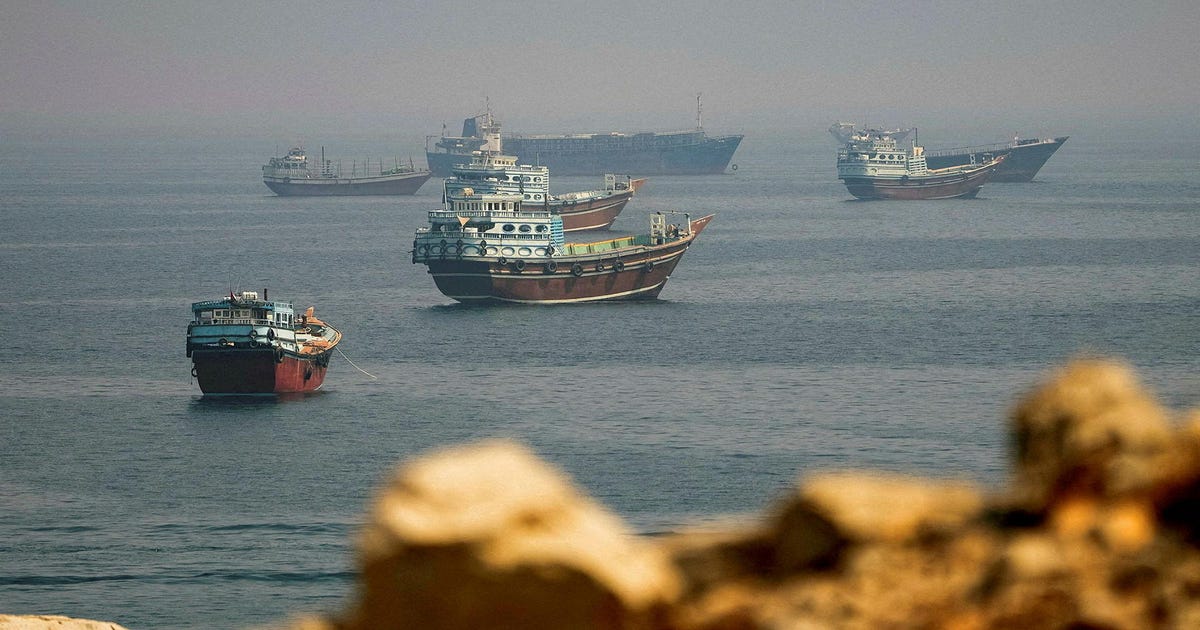
JMIC maintained a SEVERE threat assessment for the Strait of Hormuz, and UKMTO recorded 12 attacks on commercial vessels in the week ending 16 October, including 10 in Hormuz. Reports of Hormuz-specific oil flows conflict with estimates of wider Gulf exports, which include alternative routes. The IRGC Navy says it struck four vessels in the northern Persian Gulf and reported additional mine incidents, but the supplied claims do not independently verify those events. In Saudi Arabia, an attack on King Fahd International Airport in Dammam killed one person and injured eight; reporting on the Shaybah oilfield attack conflicts on both casualties and attribution. The US State Department ordered non-emergency personnel and their families to leave Saudi Arabia. Red Sea carrier data show continued use of Bab-el-Mandeb, despite reporting of a Houthi maritime embargo. Brent and tanker freight figures remain high, though price benchmarks and some flow estimates are inconsistent.
Change from previous assessment
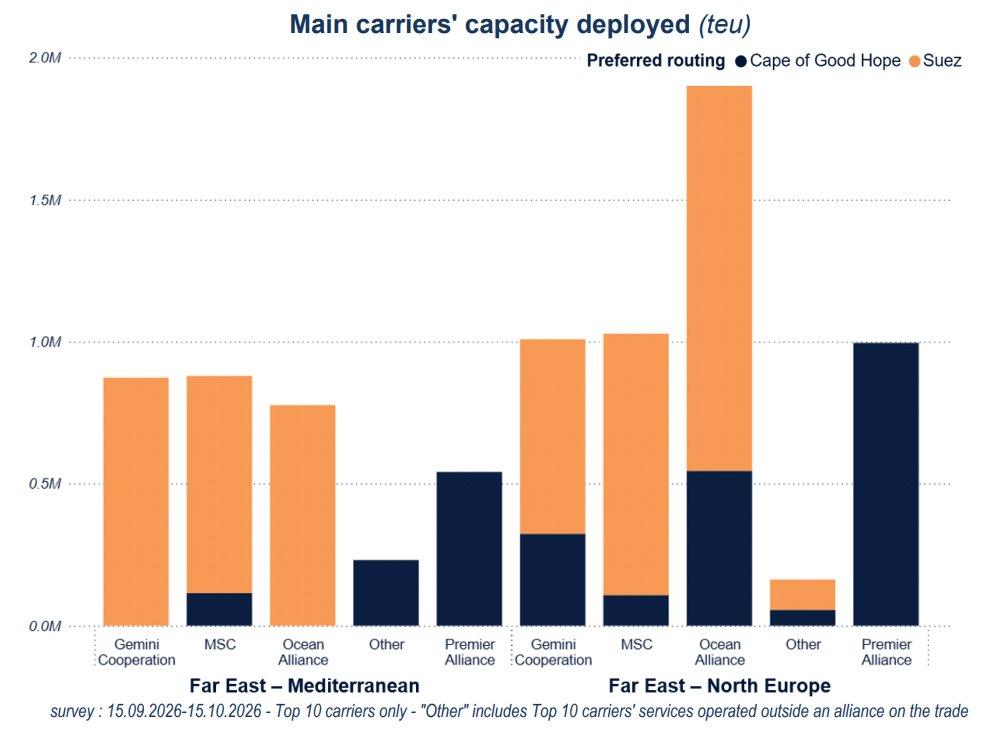
Since the 21 October brief, reporting has added the IRGC Navy's claim that four vessels were struck in the northern Persian Gulf, additional claims of mine incidents, the 21 October attack on King Fahd International Airport in Dammam, the Shaybah drone incident and the US ordered departure of non-emergency personnel and families from Saudi Arabia. Brent futures were reported at $110.11 on 22 October, while the EIA's 20 October spot figure was $115.22, adding a benchmark discrepancy rather than resolving the price level. New Alphaliner routing data show continued Red Sea and Bab-el-Mandeb use by container carriers; this updates the route picture but still does not establish a commercial blockade or four-of-five chokepoint disruption. Confidence remains low on IRGC incident details and Shaybah attribution, and the earlier uncertainty over Hormuz-specific flows persists.
Key judgments
- Hormuz shipping is likely to remain materially hazardous and constrained over the next 14 days, although the scale of the throughput reduction remains unresolved. JMIC maintained a SEVERE threat assessment, and UKMTO recorded 10 commercial-vessel attacks in the strait during the week ending 16 October. One report put direct Hormuz shipments more than one-third below pre-war levels, while another estimated flows at about 82% of pre-war levels. Wider Gulf export figures do not settle the question: Kpler reported 24.6 million barrels per day for the week ending 18 October, while Vortexa estimated 18 million barrels per day for the same seven-day period and placed pre-conflict flows at at least 18.5 million. (Confidence: medium · ASSESSED)
- I&W: JMIC retains its SEVERE Hormuz rating and UKMTO records at least 10 attacks on commercial vessels in the strait in a seven-day reporting period, confirming continued high risk. (0-14 days)
- I&W: JMIC removes its SEVERE rating and UKMTO reports no commercial-vessel attacks in Hormuz for a full seven-day period, breaking the assessment of persistently high operational risk. (0-14 days)
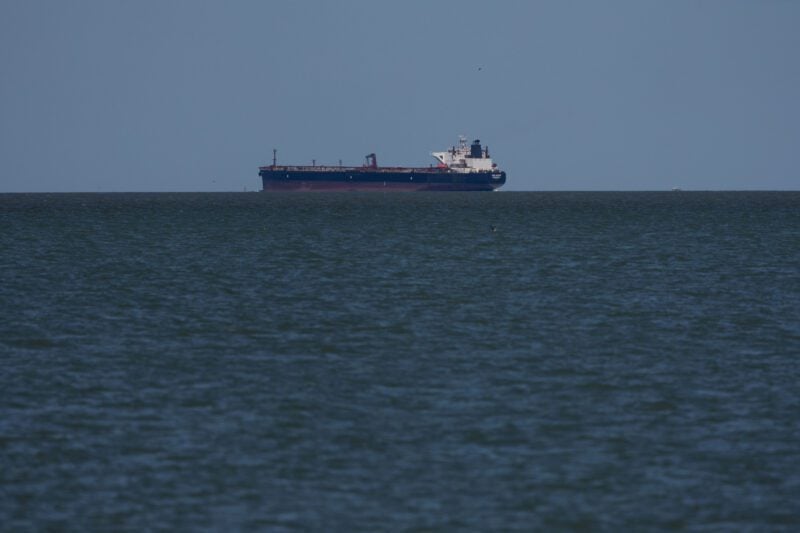
- Brent prices and tanker freight costs are likely to remain elevated over the next 14 days. December Brent futures were reported at $108.42 on 21 October and $110.11 on 22 October, while the EIA reported a Brent spot price of $115.22 for 20 October. The figures are different instruments and dates, so they do not establish a single settled price. The IEA reported Gulf-to-Asia crude shipping costs above $37 per barrel, more than five times pre-war levels; Goldman Sachs separately reported record tanker rates and identified war-risk insurance, fuel costs and ship-to-ship transfers as cost drivers. (Confidence: medium · ASSESSED)
- I&W: Brent futures remain above $100 per barrel and IEA-reported Gulf-to-Asia freight costs remain above $30 per barrel, confirming continued price and transport pressure. (0-14 days)
- I&W: Brent futures close below $100 per barrel for three consecutive trading sessions and a new IEA freight estimate falls below $20 per barrel, breaking the assessment of persistently elevated prices and freight. (0-14 days)
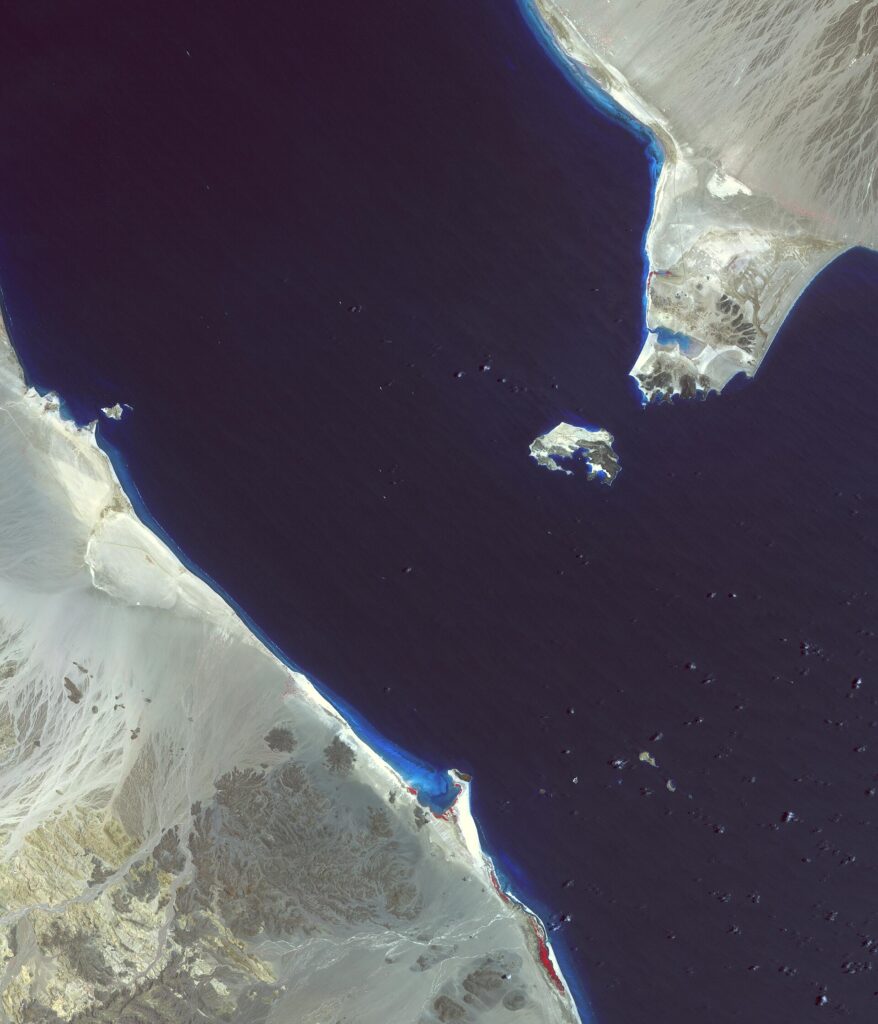
- It is unlikely that the supplied evidence establishes a commercial blockade of Bab-el-Mandeb or disruption at four of five key maritime chokepoints. A report described a Houthi maritime embargo, but Alphaliner's survey found Red Sea transits on 24 of 46 direct Far East to Europe services from 15 September to 15 October; Red Sea routings accounted for 63% of Far East to Europe capacity. Some carriers still sent ships through Bab-el-Mandeb westbound and returned to Asia via the Cape of Good Hope. The evidence indicates rerouting and risk, not a verified commercial blockade; it does not establish the status of three other chokepoints. (Confidence: low · ASSESSED)
- I&W: A subsequent Alphaliner survey continues to show Far East to Europe services transiting the Red Sea and Bab-el-Mandeb, confirming that a commercial blockade is not in effect. (1-3 months)
- I&W: A new carrier survey reports that none of the Top-10 carriers' direct Far East to Europe services transit Bab-el-Mandeb for a full reporting period, confirming a sustained commercial shutdown. (1-3 months)
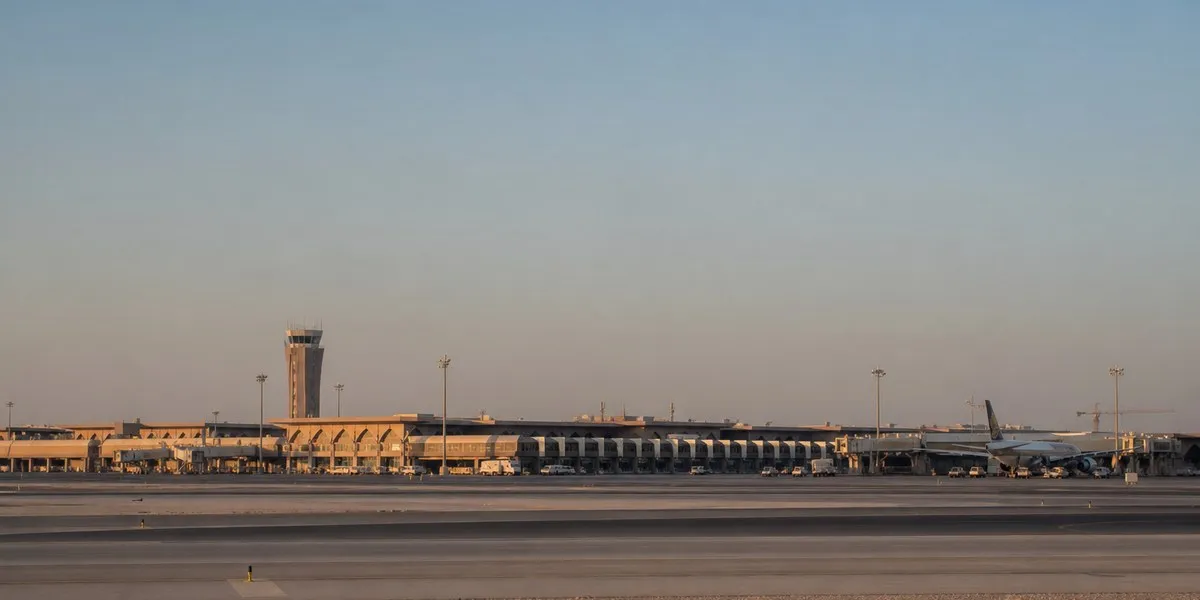
- Further attacks on Saudi civilian aviation or energy infrastructure are likely over the next 14 days. The 21 October attack on King Fahd International Airport in Dammam killed one person and injured eight; Saudi aviation reporting and US State Department statements attributed attacks on Saudi infrastructure to the Houthis, while some reporting left the Dammam attackers unidentified. For Shaybah, reports differ between two injuries and two deaths, and Saudi energy officials did not identify who launched the drone. The State Department's departure order and the US embassy alert indicate continuing concern, but they do not resolve those attribution disputes. (Confidence: medium · ASSESSED)
- I&W: Saudi authorities report another attack on an airport or energy site, or issue a new public alert naming the Houthis, confirming continued attacks and attribution. (0-14 days)
- I&W: Saudi authorities report no further airport or energy-site attack for 14 consecutive days and the US embassy in Riyadh withdraws its warning, breaking the assessment of near-term attack risk. (0-14 days)
- The IRGC Navy's reported strike on four vessels and its reports of three vessels hitting mines west of Hormuz remain unverified in the supplied evidence. The strike account comes from the IRGC Navy and is repeated in media reports, but those reports do not provide independent confirmation of vessel identities, damage or casualties. JMIC previously said an earlier IRGC claim about two tankers hitting mines on 17 October was unsubstantiated; that earlier finding does not settle the newer claims. (Confidence: low · REPORTED)
- I&W: UKMTO or JMIC publishes a vessel-specific notice matching the reported four-vessel strike or mine incidents west of Hormuz, confirming key details independently. (0-14 days)
- I&W: UKMTO or JMIC states that the reported vessels and incidents cannot be verified, or publishes vessel tracking that contradicts the reported damage, further weakening the claims. (0-14 days)
- An agreed reopening of Hormuz within the next seven days is unlikely. Tehran reportedly offered to restore normal navigation within seven days in exchange for Washington lifting its naval blockade, easing oil sanctions and accepting a broader cessation of hostilities; President Trump rejected the proposal as unacceptable. The supplied evidence does not show an accepted agreement or an agreed navigation mechanism. (Confidence: low · ASSESSED)
- I&W: Washington and Tehran publicly accept the stated terms or announce a jointly agreed navigation arrangement, breaking the assessment that reopening within seven days is unlikely. (0-7 days)
- I&W: Neither government announces acceptance of terms or an agreed navigation arrangement by 29 October, confirming that the reported offer has not produced an immediate reopening agreement. (0-7 days)
Outlook & scenarios
Constrained Hormuz traffic, Gulf exports adapt (55%)
Hormuz remains hazardous and direct transit stays below normal, while Saudi Arabia and the UAE continue using pipelines, Red Sea terminals and ship-to-ship transfers. Gulf export totals remain resilient, but the difference between Kpler and Vortexa estimates continues to complicate estimates of actual flows through the strait. Elevated freight costs and attacks sustain oil-market pressure.
Attacks widen across the Gulf and Saudi Arabia (25%)
Additional attacks on Saudi airports or energy infrastructure follow the Dammam and Shaybah incidents. IRGC enforcement claims and further vessel attacks increase operator caution around Hormuz and the Gulf of Oman. Carriers shift more services away from exposed routes, adding to freight and insurance costs.
Conditional diplomatic reopening (15%)
Oman and other mediators press for a navigation arrangement after the UK and Oman agree on the need to keep Hormuz open. Progress requires Washington and Tehran to bridge their disagreement over the US blockade, sanctions and a cessation of hostilities. A public acceptance of terms would be the clearest sign of movement.
Wildcard: renewed US or Israeli strikes and Iranian retaliation (8%)
US and Israeli planning reports describe possible renewed strikes on Iranian nuclear sites and strategic locations including Kharg Island and Qeshm, but approval for such strikes is not established in the supplied reporting. If strikes occur, the IRGC's warnings about US bases and the existing attacks on shipping create a path to wider military action and a sharper disruption to Gulf exports. This is a low-probability, high-impact scenario.
Recommendations
- Maintain separate daily measures for Hormuz transits, total Gulf exports and oil moved through bypass routes. Record each estimate's geography, time window and whether it includes offshore transfers before comparing Kpler, Vortexa and other figures.
- For the next 14 days, reconcile UKMTO and JMIC incident notices with vessel identities, locations, damage and crew reports. Keep IRGC statements about the four-vessel strike and mine incidents labelled as unverified until independently corroborated.
- Track Dammam and Shaybah incident updates against Saudi government statements. Record casualty figures and responsibility separately, and do not attribute the Shaybah attack to the Houthis without a confirmed claim or official attribution.
- Monitor State Department travel notices and the US embassy alert for Saudi Arabia. Distinguish the confirmed Saudi departure order from reporting about departures in other Gulf states, which was publicly disputed.
- Report Brent futures and EIA spot prices as separate benchmarks with observation dates. Track published tanker freight costs and war-risk insurance measures separately; do not present an unquantified insurance increase as a settled premium figure.
- Do not describe Bab-el-Mandeb as commercially blockaded or claim four of five chokepoints are disrupted without updated transit or carrier-routing evidence. Review subsequent Alphaliner routing data alongside reports of Houthi activity near the strait.
Confidence & uncertainty
Overall confidence is high for the broad situation picture because the reporting includes official EIA pricing, JMIC and UKMTO maritime-security reporting, separate Kpler and Vortexa flow estimates, and Saudi and US reporting on attacks and diplomatic precautions. This headline rating reflects corroboration across the situation, not certainty on every incident or market measure. Hormuz throughput estimates conflict, futures and spot prices differ by benchmark and date, and the IRGC vessel claims and some Houthi attributions lack independent confirmation.
Intelligence gaps
- [EEI 1.3 · PARTIAL] Daily vessel-transit volume, AIS dark activity, anchorage buildup, and rerouting rates at Hormuz and Bab-el-Mandeb compared with pre-crisis levels. Recommended collection: maritime/AIS
- [EEI 2.1 · PARTIAL] US, coalition, Iranian, Saudi, Omani, and other naval force posture changes, including escorts, convoy schedules, mine-countermeasure deployments, air patrols, and rules-of-engagement announcements. Recommended collection: maritime/defense-reporting
- [EEI 2.2 · PARTIAL] Tanker and container-ship rerouting through the Cape of Good Hope or other alternatives, including added sailing days, fuel consumption, and available vessel capacity. Recommended collection: shipping-industry/AIS
- [EEI 2.3 · PARTIAL] War-risk insurance premium, deductible, coverage-exclusion, and voyage-approval changes for Hormuz, Bab-el-Mandeb, Red Sea, Gulf of Aden, and adjacent waters. Recommended collection: insurance-market
- [EEI 2.4 · PARTIAL] Operational status and export-loading changes at Saudi, UAE, Omani, Iranian, Djiboutian, and Red Sea ports, terminals, pipelines, and storage facilities. Recommended collection: port-operator/energy-infrastructure
- [EEI 3.1 · PARTIAL] Brent and Dubai crude price movements, futures-curve shifts, volatility, and the spread between regional and global crude benchmarks. Recommended collection: commodity-markets
- [EEI 3.2 · PARTIAL] Changes in crude, refined-product, LNG, and LPG volumes transiting the straits and in announced production cuts, strategic-stock releases, or emergency cargo substitutions. Recommended collection: energy-trade/AIS
- [EEI 3.3 · UNCOVERED] Fertilizer shipment delays, canceled or redirected cargoes, regional price increases for urea and ammonia, and reported inventory levels in import-dependent markets. Recommended collection: commodity-trade/port-data
- [EEI 4.2 · PARTIAL] Diplomatic commitments, deconfliction arrangements, prisoner or vessel releases, and publicly announced conditions for reopening commercial transit. Recommended collection: diplomatic-reporting
- [EEI 4.3 · PARTIAL] Shipping-company decisions to resume, suspend, or expand transits and corresponding changes in insurer voyage approvals and war-risk premiums. Recommended collection: shipping-and-insurance-industry
- [EEI 4.4 · UNCOVERED] New incidents, military alerts, vessel diversions, or port restrictions at other critical chokepoints indicating geographic spread beyond Hormuz and Bab-el-Mandeb. Recommended collection: maritime/AIS-official-notices
Red cell review: CONCUR WITH COMMENT
TLP:CLEAR