TLP:CLEAR · Disclosure is not limited.
Hormuz Shipping: Tanker Strikes, Disputed Traffic and Escalation Risk
Time window: Last 7 days · Audience: General analyst · Type: Situation report · DTG: 2026-11-02 00:10Z · Overall confidence: HIGH
BLUF
Nakilat’s LNG carrier Al Mayeda was very likely struck by unidentified objects on 30 October, while UKMTO reported separate tanker incidents in and near the Strait of Hormuz. October damage reports point to sustained danger for commercial shipping, but current transit levels and responsibility for specific attacks remain unsettled; a renewed US-Israeli strike on Iran after 3 November is roughly even chance over the next 1-3 months.
Executive summary
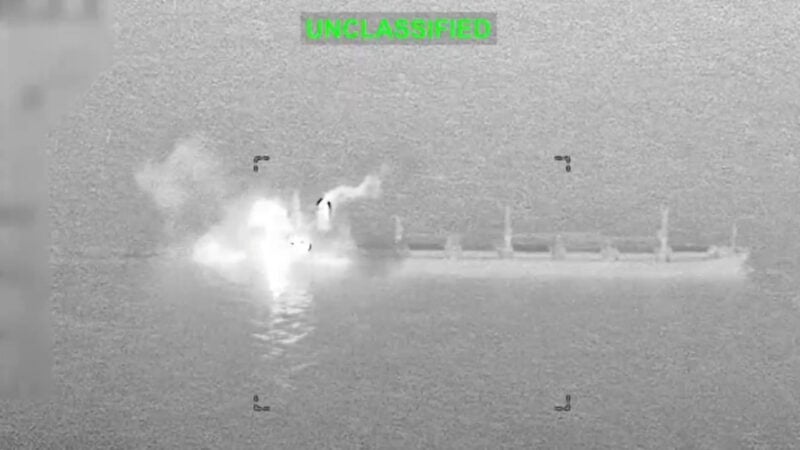
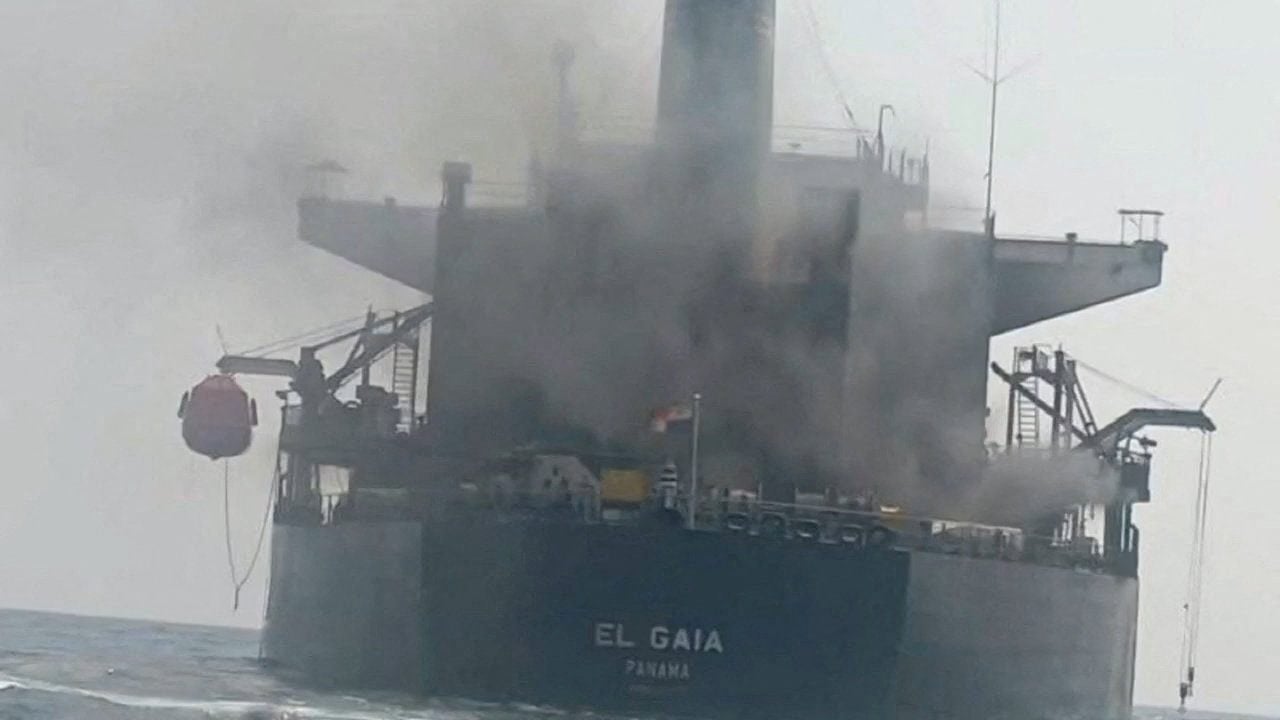
Nakilat reported damage to Al Mayeda, with no crew injuries or environmental impact. UKMTO separately reported a vessel hit by an unknown projectile about 40 nautical miles south of Iran’s Lavan Island and a crude oil tanker struck while transiting the Strait. October reporting recorded at least 28 damage reports in the Strait and at least 29 ships hit across the wider Gulf. The scale of current disruption is unclear: one report puts Hormuz shipments at about 80% of prewar levels, another describes the Strait as largely closed, and US Central Command says about 95% of ships transit without incident. Iran and the United States have exchanged proposals through Qatar, but Donald Trump rejected Iran’s seven-condition plan. Reporting also describes possible post-election strikes, alongside Washington’s stated preference for diplomacy. The supplied evidence does not substantiate Asian refined-fuel exports at multi-year lows or a quantified 5 mb/d Red Sea disruption.
Key judgments
- The Al Mayeda was very likely struck by unidentified objects on 30 October. Nakilat reported vessel damage and no crew injuries or environmental impact; the available reporting does not identify the objects, the attacker or a damage mechanism. (Confidence: medium · REPORTED)
- I&W: Nakilat or Qatar’s authorities publish a final inspection confirming physical damage and specifying whether it affected the vessel structure or cargo. A correction denying physical impact would weaken this judgment. (0-14 days)
- I&W: A published position report from Nakilat or UKMTO identifies where Al Mayeda was struck. A report that places the vessel outside the Gulf would require revising the location assessment. (0-14 days)
- October 2026 was very likely the highest-reported month for commercial-ship damage in the available wartime record, but the reports do not establish that Hormuz is nearly closed. One account puts Strait shipments at about 80% of prewar levels, while another describes the Strait as largely closed; US Central Command says about 95% of ships transit without incident. These measures have different scopes and are not directly comparable. (Confidence: medium · ASSESSED)
- I&W: A UKMTO or IMO tally records at least 13 vessel-damage incidents in the Strait and wider Gulf during the first 14 days of November, supporting a continued high incident pace. (0-14 days)
- I&W: Independently measured daily transit counts remain near 80% of prewar levels through 16 November, or return to prewar levels. Either result would help resolve the current disagreement over traffic volume. (0-14 days)
- It is unlikely that current reporting can attribute the Al Mayeda strike or the separate late-October tanker incidents to Iran. Nakilat described unidentified objects, UKMTO described an unknown projectile, and Reuters could not immediately verify the IRGC Navy’s account of tanker fires; Iran’s earlier claims and warnings do not establish responsibility for these specific incidents. (Confidence: low · ASSESSED)
- I&W: Qatar, Nakilat or UKMTO publishes a forensic finding that links the weapon or launch origin to Iran. Such a finding would break the current assessment of unresolved attribution. (0-14 days)
- I&W: Nakilat or UKMTO publishes a correction identifying an accidental cause or a non-Iranian actor, strengthening the assessment that Iran was not responsible for the specific incident. (0-14 days)
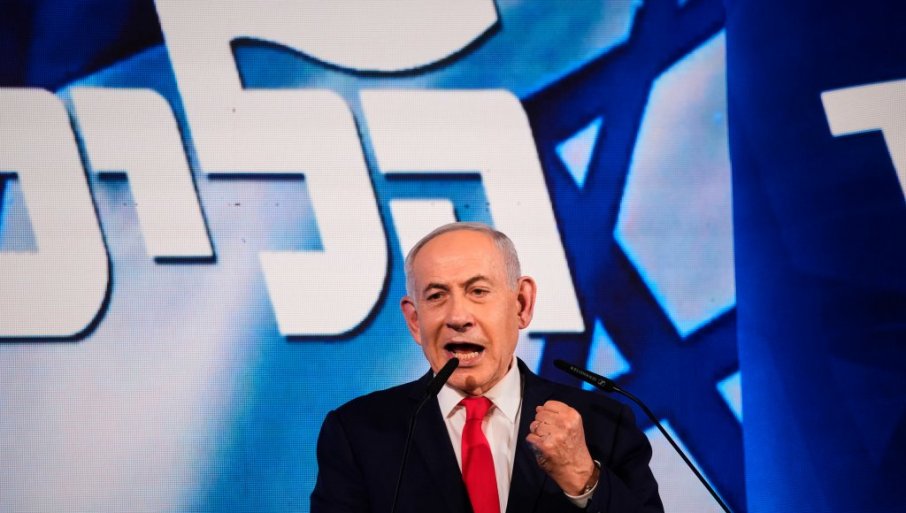
- A renewed US-Israeli strike on Iran after 3 November is roughly even chance over the next 1-3 months, not an established decision. Reports of post-election strike planning and Netanyahu’s request for renewed operations are counterbalanced by reporting that Washington prioritises diplomacy and by Qatar-mediated talks. Iran has threatened retaliation against vital facilities and Red Sea shipping, which would raise the risk to energy and maritime infrastructure if strikes resume. (Confidence: low · ASSESSED)
- I&W: The White House or Pentagon confirms a post-election strike authorisation or publicly identifies an operational timeline. This would raise the likelihood of renewed strikes. (0-14 days)
- I&W: Qatar announces a US-Iran agreement that specifies Hormuz reopening terms and a pause in hostilities. This would lower the likelihood of a near-term strike. (0-14 days)
Outlook & scenarios
Conditional diplomatic easing (35%)
Qatar-mediated talks produce an agreement on reciprocal steps, including easing restrictions on Hormuz traffic. Passage improves but remains vulnerable to fresh incidents, and the terms do not resolve attribution for the October strikes.
Constrained transit and recurring incidents (40%)
No agreement follows the exchange of proposals. Tanker incidents and security concerns persist, while commercial traffic continues below prewar levels. The reported 80% transit figure and the characterisation of the Strait as largely closed remain competing descriptions until comparable traffic data is available.
Renewed strikes and Gulf retaliation (20%)
The United States and Israel resume strikes after the midterm elections. Iran acts on its threats against Gulf infrastructure or shipping, increasing danger to energy vessels and raising the chance of wider regional attacks.
Red Sea spillover wildcard (5%)
Iran-backed groups in Yemen expand attacks on Red Sea shipping in response to renewed hostilities. This is a low-probability, high-impact scenario; the available reporting records a threat, not evidence that a new campaign is under way.
Recommendations
- Reconcile daily Hormuz transit counts against UKMTO and IMO incident records. Keep Strait-only reports separate from wider Gulf totals, and record whether each measure counts incidents, ships struck or attempted attacks.
- Treat responsibility for the Al Mayeda and other late-October tanker incidents as unconfirmed. Seek Nakilat’s final inspection and any Qatar or UKMTO forensic findings before assigning an attacker.
- Track Al Mayeda’s published position, inspection results and operational status. Distinguish vessel damage from cargo damage when updating the incident record.
- Maintain separate watch lines for Qatar-mediated negotiations and post-election strike indications. Update the strike assessment on an announced authorisation or agreed diplomatic framework, not on threats alone.
- Monitor for verified attacks on Gulf energy sites and Red Sea shipping. Separate public warnings from confirmed operations in situation updates.
Confidence & uncertainty
High overall confidence is warranted for the core reported incidents and the existence of extensive October shipping damage reporting, with accounts from Nakilat, Qatar’s authorities, UKMTO, the IMO and major media. Confidence is lower on the exact damage and location details, attribution, current transit volumes and future US or Israeli decisions. The disagreement between reported transit levels and descriptions of closure, as well as reliance on unverified statements for some incidents, limits confidence in the overall severity and forecast.
Alternative analysis (red cell)
Renewed US-Israeli strikes are a substantial possibility, but the available reporting does not support treating the probability as approximately 50 percent. The evidence may reflect bargaining pressure and contingency planning rather than an imminent decision, while active diplomacy and Qatar-mediated talks remain competing pathways. Iranian retaliation threats would increase the consequences of renewed strikes, but they do not by themselves establish the likelihood that strikes will occur.
Red cell review: PARTIAL DISSENT
TLP:CLEAR