TLP:CLEAR · Disclosure is not limited.
Hormuz squeeze, Red Sea attacks and IDF moves point to sustained instability despite deconfliction talk
Time window: Last 1 day · Audience: General analyst · Type: Situation report · DTG: 2026-07-06 11:47Z · Overall confidence: MEDIUM
BLUF
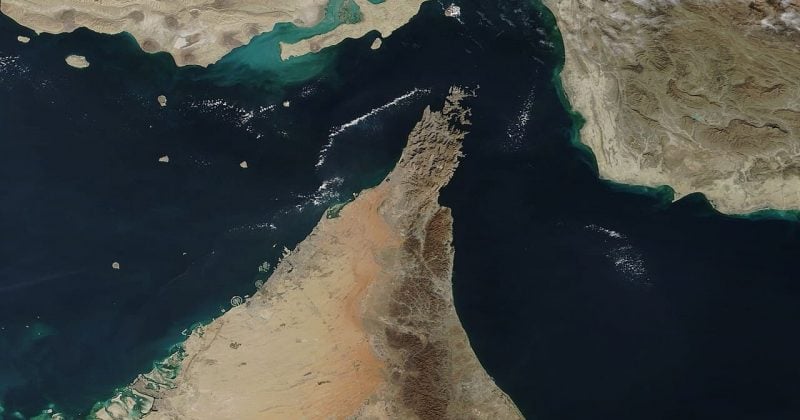
Iran is very likely enforcing effective control over the Strait of Hormuz, suppressing transits and stranding crews, while Houthi threats keep Red Sea shipping at risk. Israel’s posture against Hezbollah has hardened with fresh strikes and explicit warnings, and Gulf partners are fortifying with Israeli air defence, so the near-term escalation risk remains elevated despite limited diplomatic steps.
Executive summary
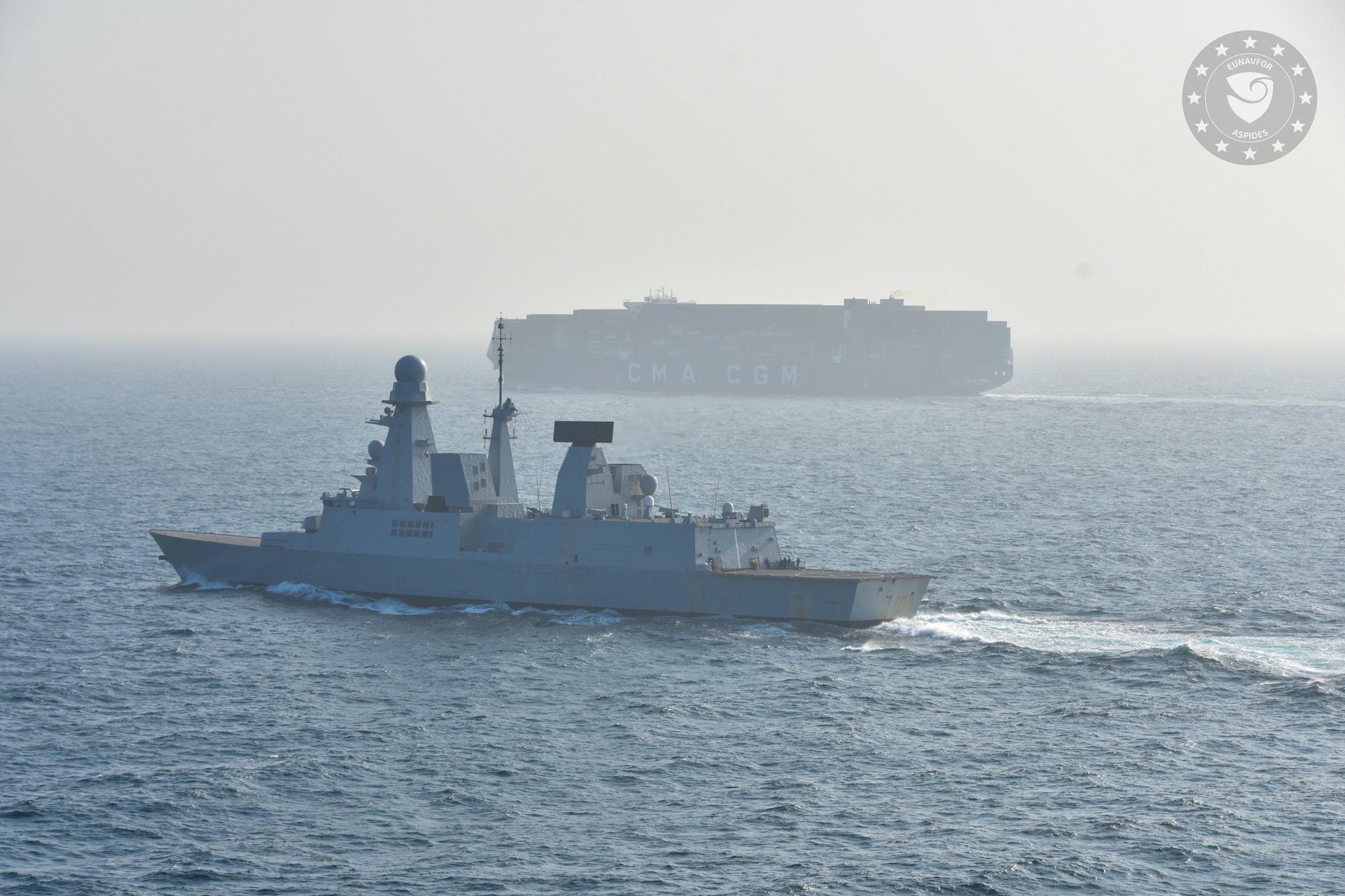
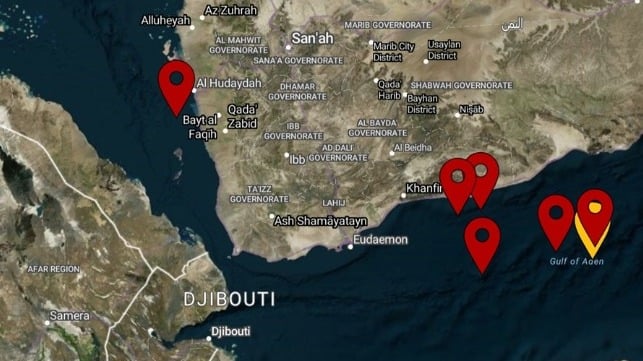
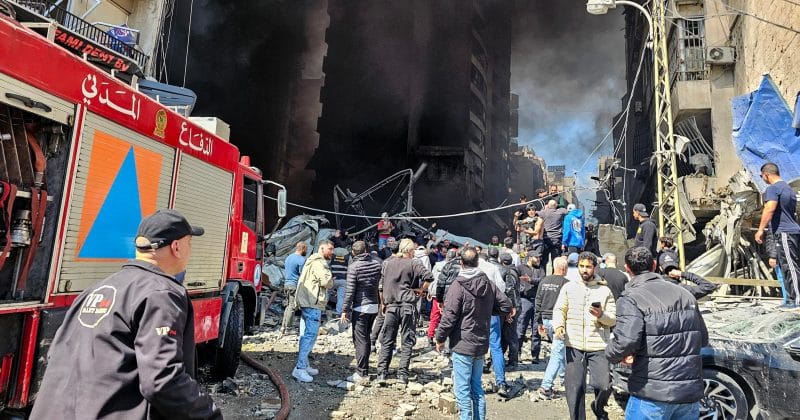
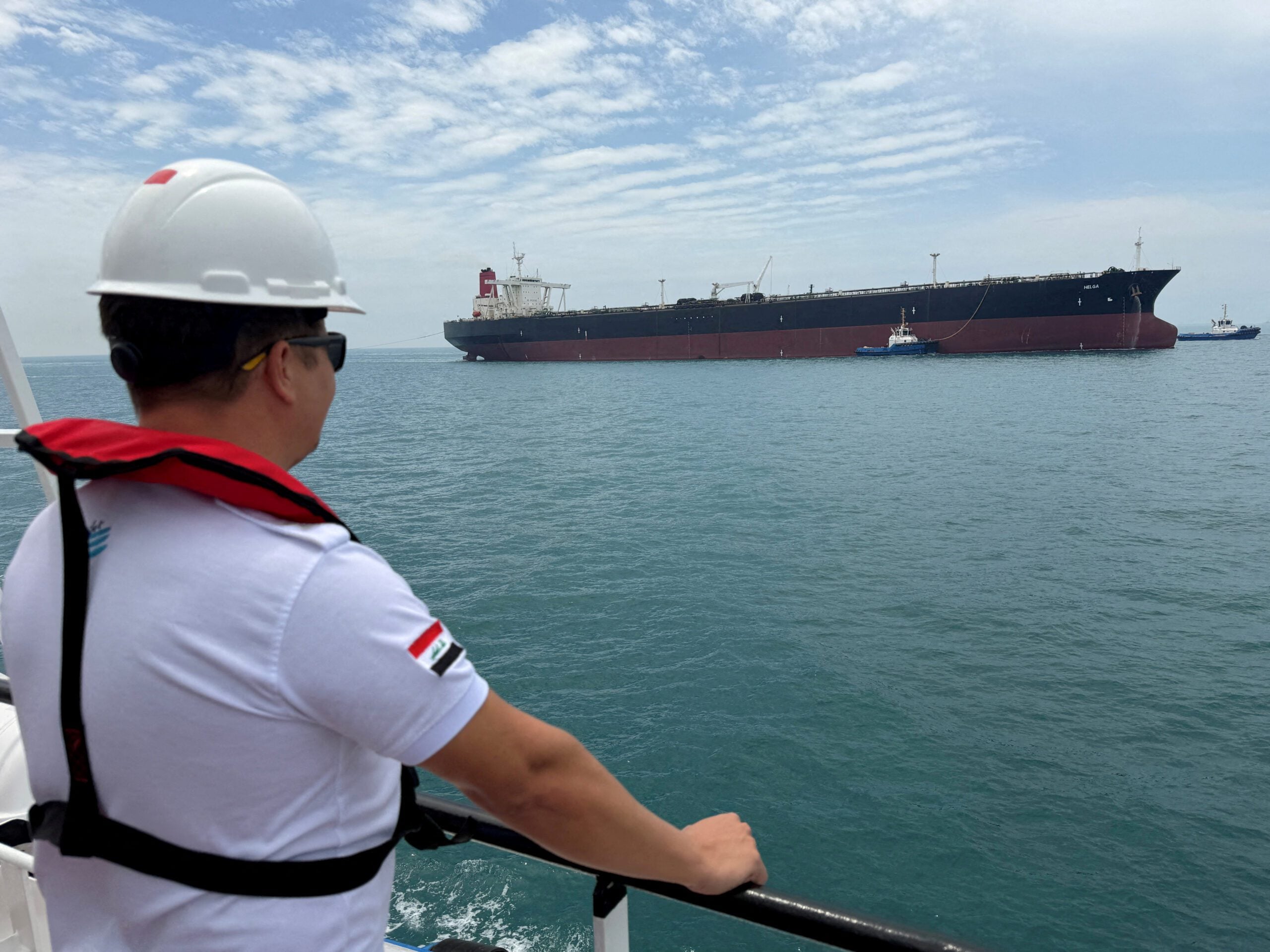
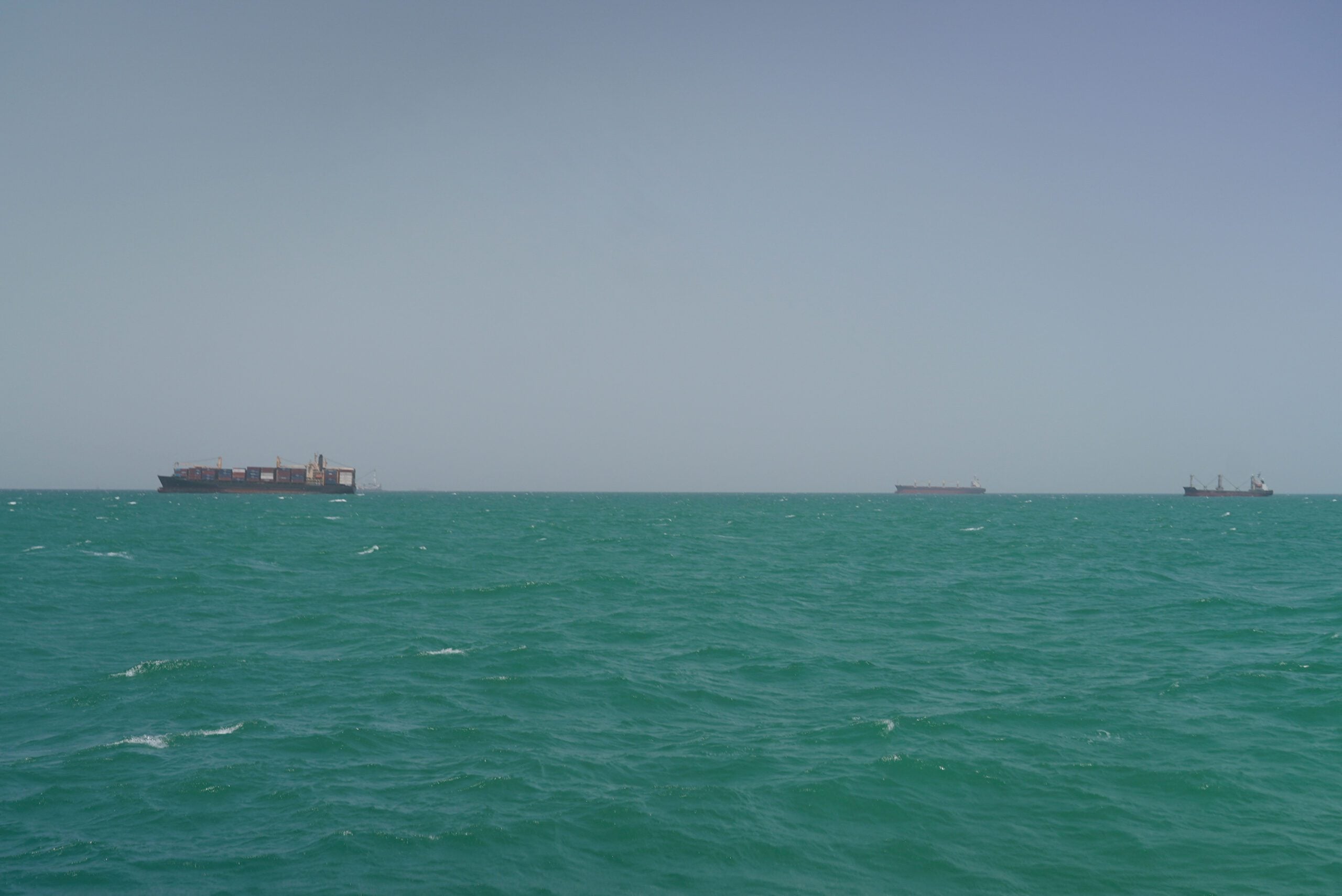
Commercial traffic through the Strait of Hormuz fell on 4 July and many operators are avoiding the waterway as Iran asserts control, with thousands of seafarers still stranded. Oman has engaged Tehran, Paris and London on strait governance and France announced plans with the UK for mine-clearing on the southern route, even as concerns circulate about potential transit fees. In the Red Sea, a cargo vessel reported an attack near Hodeidah on 5 July amid a Houthi ban on Israeli ships and renewed threats. Along the northern front, the IDF conducted four airstrikes in southern Lebanon since 4 July, claims control over Hezbollah tunnel networks near Beaufort Castle, and has signalled readiness for a swift offensive if the truce is breached. In the Gulf, Tehran’s earlier missile and drone strikes extended to US-linked sites in Qatar, and Israel has confirmed deployment of an Iron Dome battery to the UAE. Diplomatically, the UN Security Council condemned Iran’s retaliatory strikes, and Qatar has resumed shipping with Iran between Dayyer and Al Ruwais, reflecting selective economic normalisation alongside continued confrontation.
Change from previous assessment
Since the 5 July brief, new reporting shows: a further drop in Hormuz transits on 4 July and continued operator avoidance; a reported Red Sea attack near Hodeidah on 5 July; four additional IDF airstrikes in southern Lebanon since 4 July alongside explicit IDF warnings of a ‘swift offensive’ if the truce is breached; official Israeli confirmation that an Iron Dome battery was sent to the UAE; Oman’s strait-governance diplomacy, coupled with a French-UK mine-clearing plan; and resumption of Iran, Qatar shipping between Dayyer and Al Ruwais. These developments increase confidence in sustained maritime risk and Israeli readiness on the northern front, while indicating limited, tactical deconfliction on select maritime corridors.
Key judgments
- Very likely Iran is enforcing an effective closure and tight control of the Strait of Hormuz, suppressing commercial transits and leaving thousands of seafarers stranded. (Confidence: high · ASSESSED)
- I&W: AIS-verified deep-draft tanker and bulker transits through Hormuz remain sharply below pre-war baselines. (0-14 days)
- I&W: Publicly announced escorted convoys on the southern route, with French-UK mine-countermeasure units operating and transit counts rising toward normal. (1-3 months)
- Likely the Israel, Lebanon front will see renewed escalation in the near term despite ceasefire language, given fresh IDF airstrikes in southern Lebanon and senior Israeli statements of readiness for a swift offensive if Hezbollah violates the truce. (Confidence: medium · ASSESSED)
- I&W: Hezbollah fires on the Israeli home front followed by IDF strikes on targets in Beirut’s Dahiyeh district. (0-14 days)
- I&W: No IDF airstrikes reported in southern Lebanon and joint deconfliction statements by both sides. (0-14 days)
- Very likely Houthi policy and operations are sustaining elevated risk to merchant shipping off Hodeidah and across the southern Red Sea. (Confidence: high · REPORTED)
- I&W: Another UKMTO-confirmed attack or attempted boarding within 30 nm of Hodeidah. (0-14 days)
- I&W: Houthi authorities publicly revoke and observe the June ban on Israeli ships. (1-3 months)
- Very likely Iran and its allies retain the intent and capability to target Israel, US facilities and Arab partners across the Gulf, and Gulf states will continue to harden defences, including with Israeli systems. (Confidence: high · REPORTED)
- I&W: Official reporting of additional Iranian UAV or missile launches toward Bahrain, Qatar or the UAE. (0-14 days)
- I&W: Host-nation or Israeli statements announcing redeployment or drawdown of the Iron Dome presence in the UAE. (1-3 months)
- Likely maritime deconfliction will progress faster than any political settlement of the Iran, Israel confrontation, indicated by Oman’s governance talks on Hormuz, the UN censure of Iranian retaliatory strikes, and selective Iran, Qatar trade resumption. (Confidence: medium · ASSESSED)
- I&W: A multilateral communiqué sets out traffic management or mine-clearance milestones for Hormuz. (1-3 months)
- I&W: Iran publicly withdraws the 60-day toll restraint or halts the Dayyer, Al Ruwais service. (0-14 days)
- There is a roughly even chance that headline oil prices remain subdued even as shipping and fuel-supply stress persists, reflecting uneven transmission from chokepoint risk to global benchmarks. (Confidence: medium · ASSESSED)
- I&W: Brent crude remains near 75 dollars a barrel without a sustained break above 85 dollars. (0-14 days)
- I&W: A sustained price surge above 95 dollars for more than a week following new disruption headlines. (0-14 days)
- Low confidence: Iran is likely to continue leveraging legal and diplomatic avenues against the United States over the 2026 war as part of a wider pressure strategy. (Confidence: low · ASSESSED)
- I&W: Tehran publicises procedural steps or filings in the Hague case under the Algiers Accords. (1-3 months)
- I&W: Iran suspends or withdraws its Hague action. (1-3 months)
Outlook & scenarios
Managed Hormuz deconfliction with partial reopening (50%)
Oman’s talks with Iran and European partners translate into a practical traffic-management and mine-clearance scheme for the southern route. Limited escorted convoys restart for energy cargoes while many deep-sea operators still route around the Gulf. Qatar’s Dayyer, Al Ruwais corridor expands, easing some logistical bottlenecks without resolving the broader conflict.
Northern front reignites (40%)
Hezbollah tests the ceasefire with fire on the Israeli home front, prompting an IDF ‘swift offensive’ into southern Lebanon and strikes on Dahiyeh. Cross-border exchanges intensify, drawing focus and resources north and raising miscalculation risks with Iran.
Red Sea campaign intensifies (50%)
Houthi forces sustain or escalate attacks near Hodeidah and across the Bab al-Mandab, targeting Israel-linked or flagged traffic and opportunistic merchant vessels. UKMTO advisories increase, insurance premia rise, and Eilat’s operational pauses persist.
Gulf strike environment persists with hardened defences (30%)
Iran and allied networks conduct intermittent UAV or missile launches against Israel and US-linked sites in Gulf states. Regional partners keep air defences on high alert, with Israeli systems remaining in the UAE and expanded cooperation on early warning.
Recommendations
- Prioritise maritime domain awareness on Hormuz and the southern Red Sea: fuse AIS, UKMTO signals and commercial satellite reporting to track reversals, loitering patterns and any escorted convoys.
- Task collection to confirm IRGC radio-warning activity and any observed mine-countermeasure deployments by France and the UK on the strait’s southern route; maintain a running ledger of vessels turned around after warnings.
- Engage IMO and flag registries to reconcile the stranded-seafarer count and identify highest-risk crews for potential assistance or evacuation planning.
- Coordinate with defence attachés in Abu Dhabi and Doha to confirm the scope, location and duration of Israeli Iron Dome deployments and any recent strike attempts on US-linked sites.
- Maintain a standing watch on the Israel, Lebanon border: geolocate IDF airstrikes, track Hezbollah firing incidents and prepare tripwire reporting for any IDF action against Beirut’s Dahiyeh district.
- Monitor Houthi communications and UKMTO advisories for additional attacks near 30 nm SW of Hodeidah; prepare rapid advisory updates for US-linked commercial operators transiting the Red Sea.
- Track Omani diplomatic outputs for concrete timelines on governance or clearance of Hormuz, and watch for any public retreat from Iran’s stated 60‑day toll restraint.
- Run a daily market-operations brief pairing Brent price moves with shipping disruption indicators to flag any divergence between physical risk and headline pricing for policy principals.
Confidence & uncertainty
Overall confidence is medium. Several high-confidence, independent reports corroborate severe disruption and Iranian control at Hormuz, Houthi threats and incidents near Hodeidah, and Israeli defensive deployments in the UAE. These are reinforced by credible think-tank reporting on IDF activity in southern Lebanon. However, some elements rest on single outlets or are partly contradictory, including differing counts of stranded seafarers and imprecise location details in Red Sea incident reports, and there are mixed economic signals on oil prices versus disruption narratives. These gaps and variances preclude a high-confidence aggregate assessment.
Intelligence gaps
- [EEI 1.1 · PARTIAL] Unusual long-range missile/rocket transporter-launcher (TEL) movements, storage activation, or assembly activity at known IRGC missile sites or forward staging areas. Recommended collection: satellite/imagery
- [EEI 1.3 · PARTIAL] Large-scale transfers, deliveries, or convoy movements of armed UAVs/drones, guided munitions, or spare parts from Iran into Lebanon (Hezbollah), Iraq, Syria, or Gaza. Recommended collection: air/aviation track and HUMINT
- [EEI 1.4 · PARTIAL] Sustained changes in Israeli air-defense usage (SAM launches, radar activations), wide-area alerts, or NOTAMs indicating elevated imminent strike response. Recommended collection: air/aviation/NOTAMs and signals
- [EEI 2.3 · UNCOVERED] Insurance market indicators: sudden spikes in war-risk or hull insurance premiums for routes through the Red Sea, Suez corridor, or Persian Gulf, and major carriers announcing route changes. Recommended collection: financial/market and commercial shipping notices
- [EEI 3.3 · PARTIAL] Confirmed arms transfers, expedited weapons shipments, or transfer authorizations to Israel, Iran, or their proxies (aircraft parts, munitions, air defenses). Recommended collection: customs/INTEL and HUMINT
- [EEI 3.4 · UNCOVERED] Issuance of travel warnings, embassy evacuations or reductions, and closure of diplomatic missions by major capitals indicating escalation risk or shifted threat assessments. Recommended collection: OSINT/diplomatic
Cited sources
[1] cryptobriefing.com · Iran blocks Strait of Hormuz, threatening global oil supply amid conflict (B) · sha256:726861c72492 [2] gcaptain.com · Cargo Ship Reports Attack Off Yemen, Adding To Red Sea Risks (A) · sha256:4390cf49eb2f [3] maritime-executive.com · Could Existing Ships Operate Without Crew in High-Risk Zones Like Hormuz? (B) · sha256:a5186a0e22ba [4] gcaptain.com · The Race To Rescue 8,000 Sailors Still Stranded Behind Hormuz (A) · sha256:a8273d46305e [5] theguardian.com · Iran seeks to tighten control over strait of Hormuz alongside Khamenei funeral (A) · sha256:df3833c6b0e4 [6] gcaptain.com · Indonesia, Singapore Reaffirm Free Passage in Strait of Malacca (A) · sha256:5ffe6d11a131 [7] maritime-executive.com · European Naval Coalition for Hormuz Disappears Without a Trace (B) · sha256:db0a99346fac [8] Institute for the Study of War (ISW) and The Critical Threats Project (CTP) at the American Enterprise Institute · Iran Update Special Report, July 5, 2026 (B) · sha256:b2a6c74e305b [9] cryptobriefing.com · Israel ready for military action amid fragile ceasefire with Iran (B) · sha256:9bf649830561 [10] maritime-executive.com · Cargo Ship Reports Attack Near Hodeidah, Yemen (B) · sha256:43f94284c44d [11] ynetnews.com · Saudi surrender in Yemen: The Iranian flight threatening Israel (B) · sha256:6a1257c2c682 [12] Wikipedia · 2026 Iran war (B) · sha256:a143601b8236 [13] Wikipedia · Reactions to the 2026 Iran war (B) · sha256:ae007eb2470c [14] Times of India · After Oman, US Ally Qatar Resumes Iran Shipping, Direct Trade Move Shocks Trump (B) · sha256:2122c5eb3170 [15] haaretz.com · Netanyahu minister confirms Israel sent Iron Dome system to UAE during Iran war (A) · sha256:c076eea2b049 [16] gcaptain.com · Iran And Qatar Resume Maritime Trade (B) · sha256:8d35686f59eb
Source content hashes were computed at collection time; the cited text is preserved unmodified for the life of this product.
TLP:CLEAR