TLP:CLEAR · Disclosure is not limited.
Hormuz traffic plunges as US, Iran hostilities resume and US blockade is reinstated
Time window: Last 7 days · Audience: General analyst · Type: Situation report · DTG: 2026-07-15 00:12Z · Overall confidence: MEDIUM
BLUF
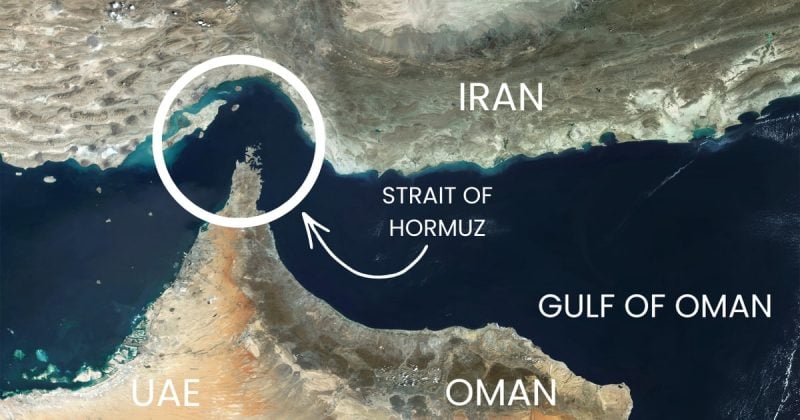
Commercial transits through the Strait of Hormuz have plunged since 9 July amid renewed US and Iranian strikes, multiple tanker attacks and official warnings. Washington has reinstated a naval blockade while permitting neutral transit, and the strait is now contested rather than fully closed or fully open.
Executive summary
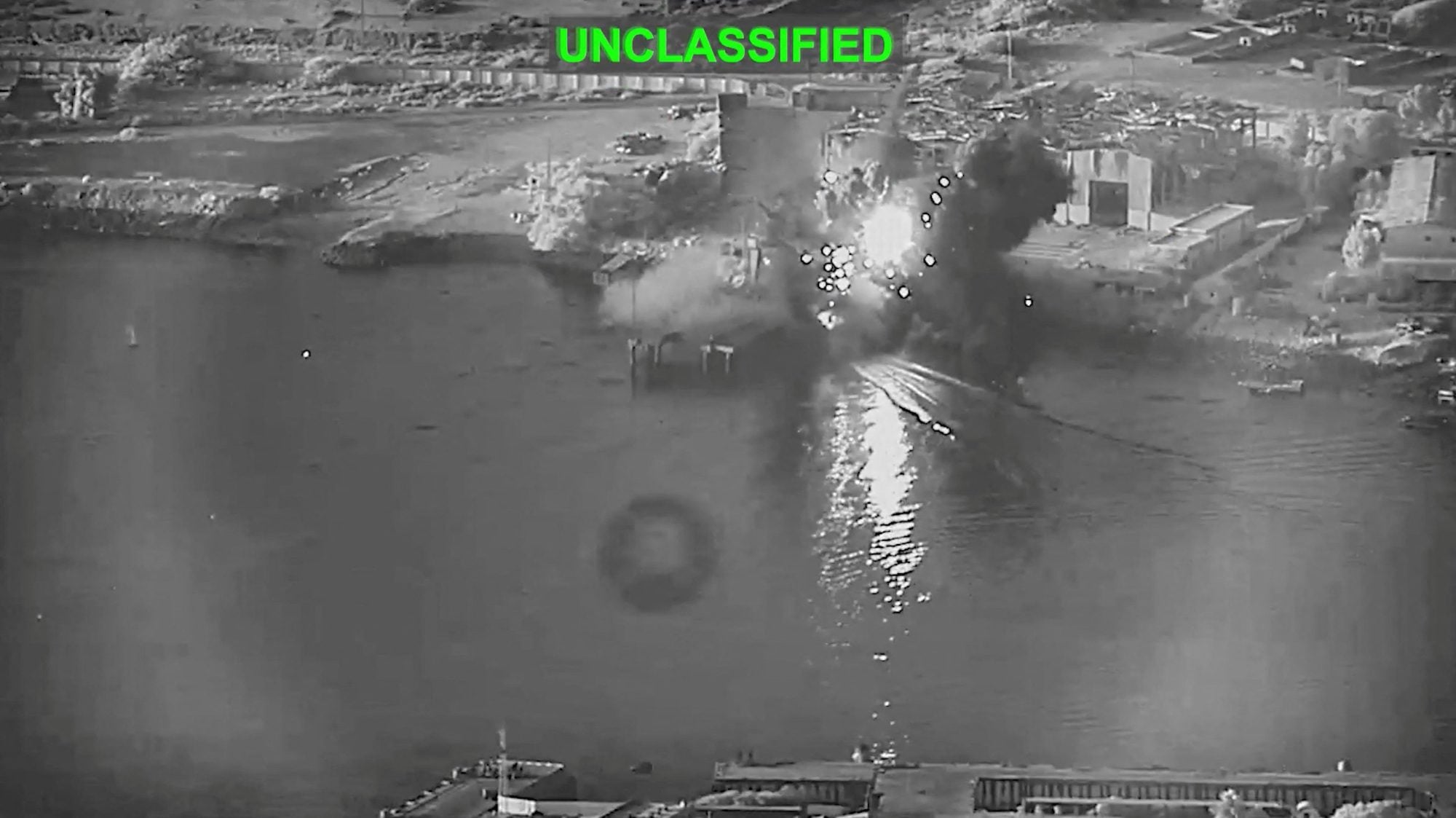
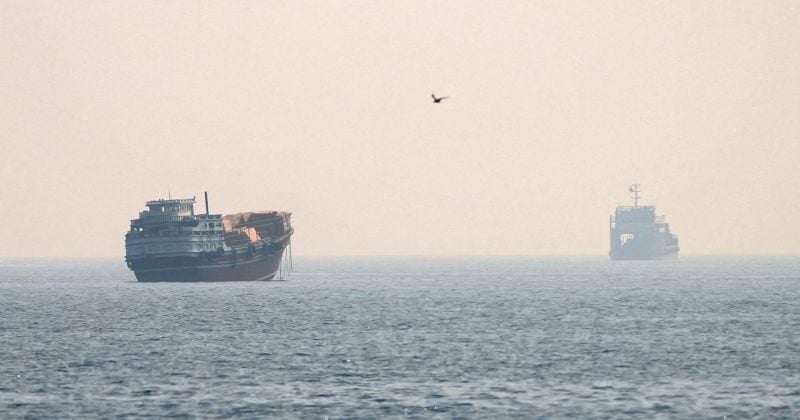
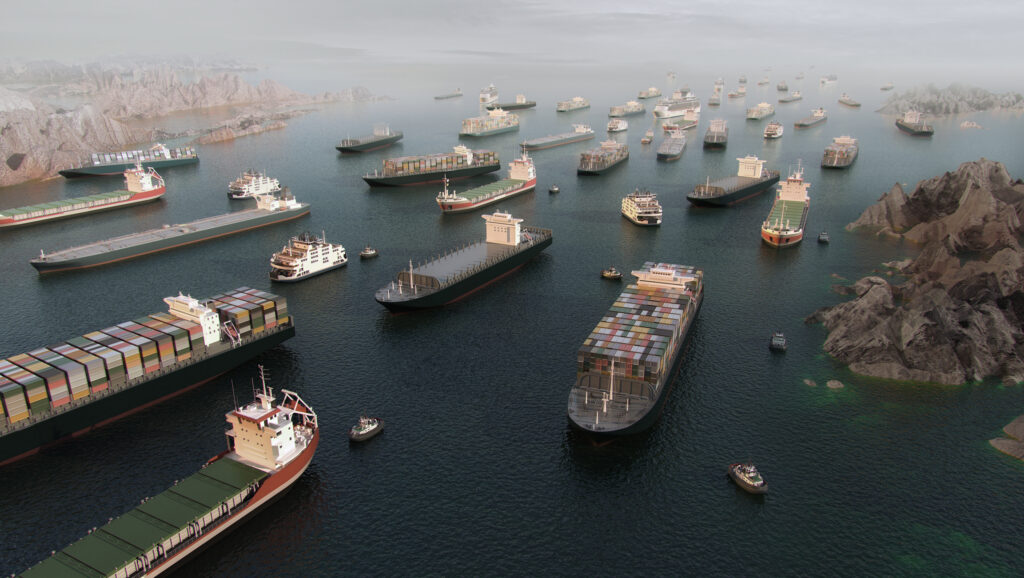
Shipping through the Strait of Hormuz slowed to a near standstill on 9 July, with only two tankers recorded in the early hours and a Qatari LNG carrier left stranded off Oman after a projectile strike. UKMTO issued three attack warnings in 24 hours and maritime threat levels were raised. The United States conducted new strikes on 12 July, including the first combat use of unmanned surface vessels that hit a facility at Bandar Abbas, and Iran launched retaliatory attacks on US-linked targets around the region. On 13 July President Donald Trump announced the reinstatement of a naval blockade that bars traffic to and from Iranian ports while allowing neutral transit, coinciding with the revocation of a temporary US oil-sales authorisation for Iran. Oil prices rose more than 3 percent as war-risk premiums were expected to be reassessed higher, and market pricing points to a challenging environment for resolution by 31 August. Public claims by Iran that the strait is closed and by the United States that it is open coexist with sharply reduced but not zero traffic, confirming a contested maritime corridor.
Key judgments
- Shipping through the Strait of Hormuz has very likely plunged since 9 July amid renewed hostilities, with flows reduced to a trickle and insurers advising pauses in transits. (Confidence: high · REPORTED)
- I&W: No large vessel transits via the US‑coordinated lane while broadcasting AIS for several consecutive days (0-14 days)
- I&W: Daily transits trend back toward roughly 40 ships, the recent pre-escalation average (1-3 months)
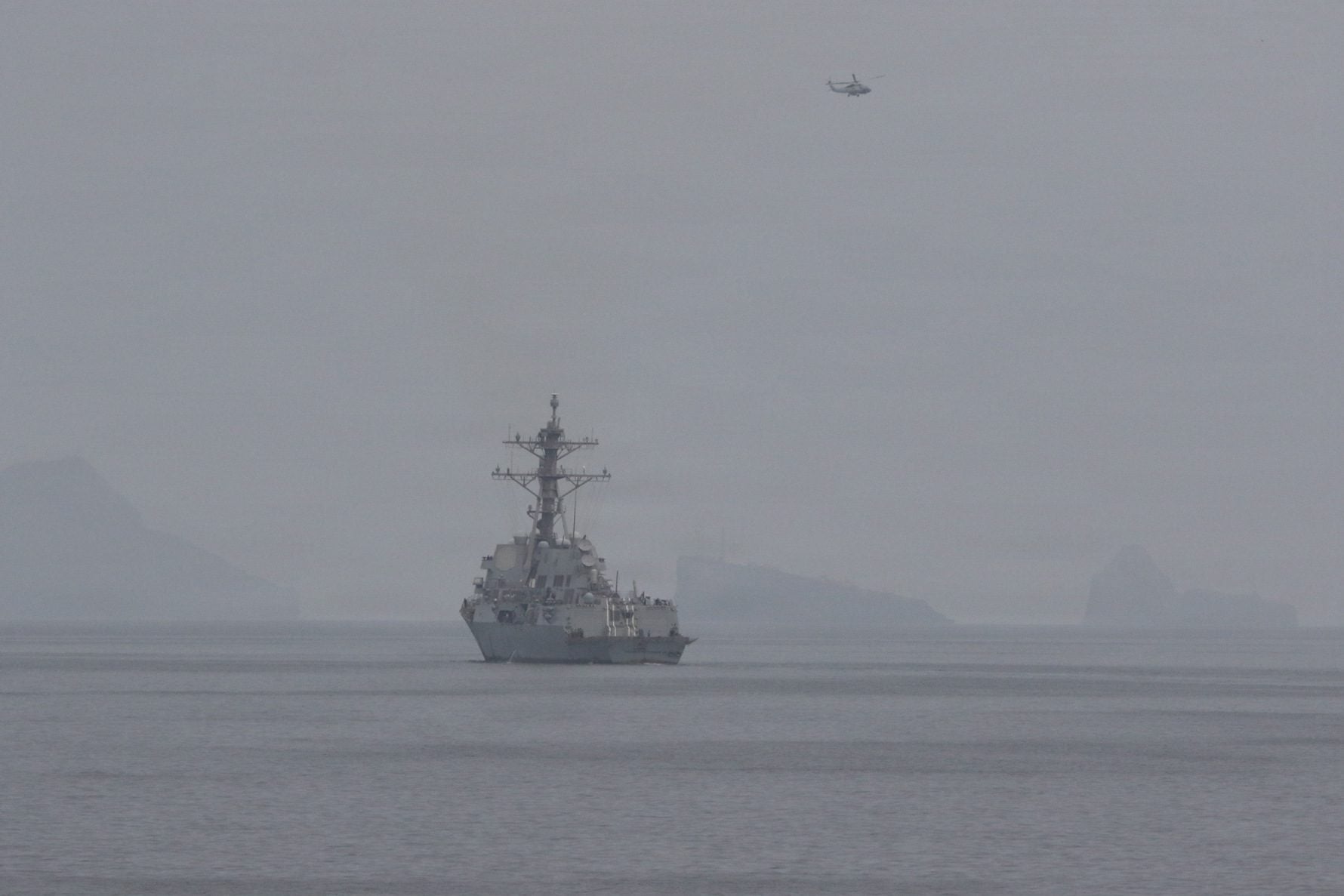
- US and Iranian operations have resumed at scale around the strait, including US multi‑platform strikes on 12 July and the first combat use of unmanned surface vessels, making a contested maritime environment very likely to persist in the near term. (Confidence: high · REPORTED)
- I&W: CENTCOM or Iranian announcements of new strike waves or target sets in or near Hormuz (0-14 days)
- I&W: A verified pause in strike announcements and maritime attack warnings (0-14 days)
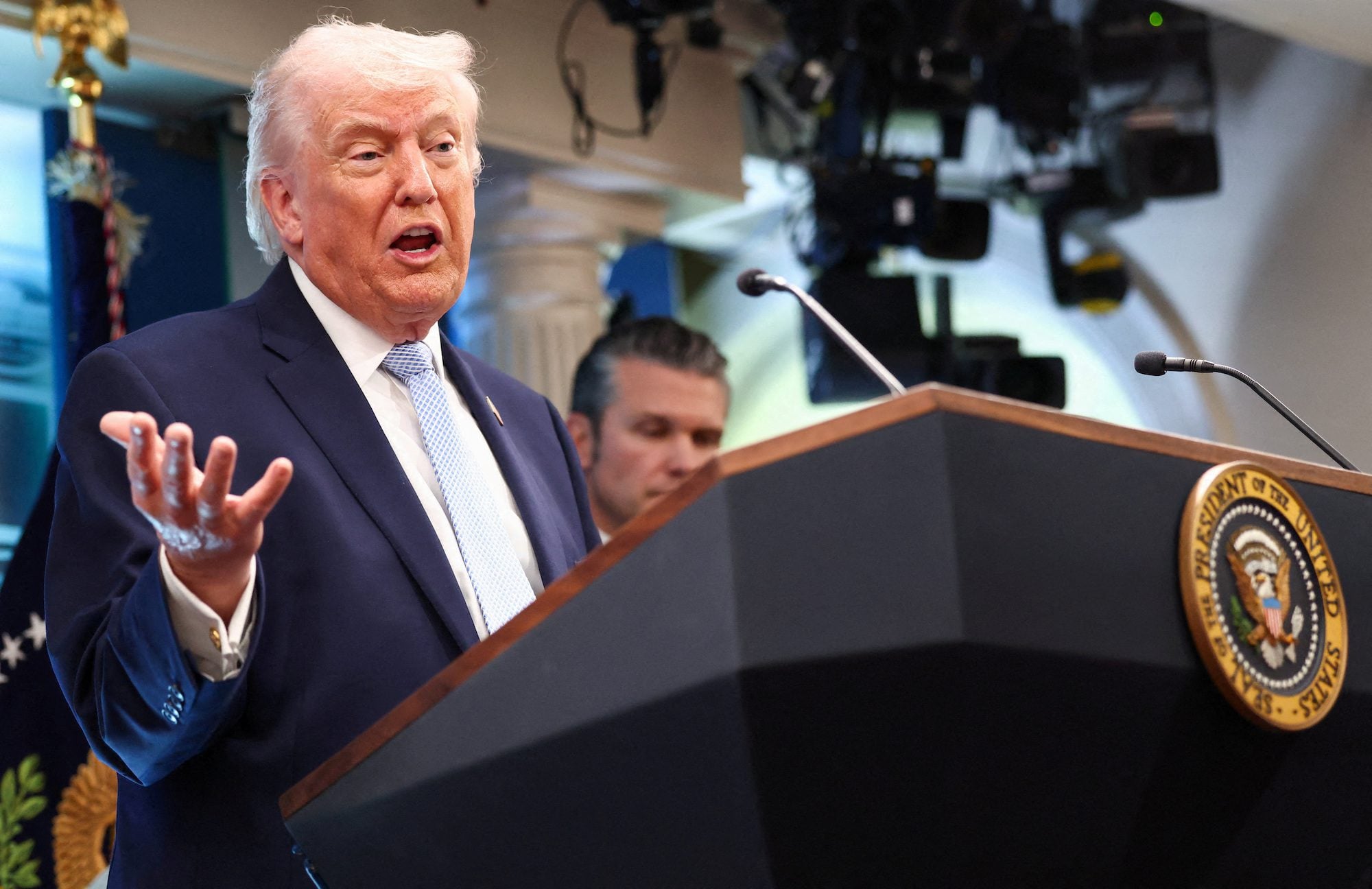
- Washington very likely reinstated a naval blockade on 13 July that prohibits commercial shipping to and from Iranian ports while allowing neutral transit, and is re‑tightening sanctions by revoking Iran’s temporary oil‑sales authorisation. (Confidence: medium · REPORTED)
- I&W: Publicised US Navy interdictions or boardings of vessels suspected of trading with Iranian ports (0-14 days)
- I&W: OFAC issues a new general licence restoring a broader corridor for Iranian oil sales (0-14 days)
- The strait is likely contested rather than fully closed or fully open: Iran’s IRGC Navy declared it closed, the United States declared it open to all non‑Iranian shipping, yet observed traffic shows sharply reduced but non‑zero transits. (Confidence: high · ASSESSED)
- I&W: Persistent UKMTO attack warnings alongside intermittent tanker transits (0-14 days)
- I&W: Either a 72‑hour period with zero AIS‑broadcast large‑vessel transits, or a sustained recovery to near pre‑conflict daily volumes (0-14 days)
- Risks to crews are high, with at least one confirmed fatality and multiple injuries from tanker strikes in recent days and a cumulative seafarer death toll of at least 15 in the conflict. (Confidence: high · REPORTED)
- I&W: Further casualties reported by flag states or UKMTO from incidents in or near Hormuz (0-14 days)
- I&W: A two‑week interval with no crew casualties reported in the strait (0-14 days)
- Energy markets are likely to remain sensitive to further maritime incidents, with crude benchmarks up more than 3 percent after the latest strikes and war‑risk premiums expected to be reassessed higher, while market pricing points to a difficult path to resolution by 31 August. (Confidence: medium · ASSESSED)
- I&W: Another 3 percent or greater same‑day move in Brent or WTI coincident with attacks or strike announcements (0-14 days)
- I&W: War‑risk underwriters rescind advice to pause Hormuz voyages and narrow premiums (0-14 days)
Outlook & scenarios
Protracted contestation with depressed but non‑zero flows (60%)
Iran maintains pressure through threats and episodic attacks while the United States sustains strikes and blockade enforcement. Traffic remains well below normal, with sporadic transits using routes hugging Omani waters and persistent UKMTO warnings. Market pricing continues to reflect a challenging environment for resolution into late August.
Escalation to de facto shutdown and spillover risk (35%)
Further tanker strikes and Iranian enforcement against vessels on unapproved routes push operators and underwriters to stand down most sailings. The United States expands target sets ashore and at sea. Iran’s regional network raises the threat beyond the Gulf, increasing the risk that Red Sea lanes face renewed disruption alongside Hormuz.
Managed stabilisation via escorted corridors and transactional deals (30%)
A guarded de‑escalation emerges, with escorted transits and back‑channel arrangements that keep the strait open for non‑Iranian traffic while Iranian trade remains constrained by the blockade and sanctions. Traffic recovers toward recent 40‑per‑day averages recorded before 9 July, but war‑risk premiums remain elevated.
Recommendations
- Maintain a daily watch on UKMTO and Joint Maritime Information Center advisories and correlate with AIS-based transit counts to flag any shift from the current trickle to recovery or to full stoppage.
- Map client exposure to the reinstated blockade rules and OFAC posture: identify vessels, cargoes and counterparties with links to Iranian ports or to entities designated in US sanctions actions, and prepare routing or counterpart risk mitigations.
- Task near‑real‑time tracking of the southern Omani corridor and record all hailing or harassment reports to assess whether Iran is enforcing its stated routing conditions.
- Stand up an incident log of tanker attacks and crew casualties to support duty‑of‑care decisions and insurance engagement, referencing flag‑state confirmations and UKMTO reports.
- Embed market tripwires into energy risk models: react to 3 percent or larger crude price moves on strike days and to insurer guidance changes on Hormuz transits.
- Prepare analytic notes for leadership on potential policy inflection points: renewed US strike waves, publicised interdictions, or a new general licence affecting Iranian oil sales, and the likely impact on shipping flows.
Confidence & uncertainty
Overall confidence is medium. The core shipping slump, attack warnings and resumed strikes are corroborated by multiple independent wire services, major media and official maritime advisories. Statements on the blockade and sanctions revocation are reported but include elements with medium or lower sourcing. Public claims about the strait’s status conflict, and traffic data points show sharply reduced but non‑zero flows, which we assess as a contested environment. Some market indicators are mixed, with reports of both price surges and steady sessions, keeping our confidence below high.
Alternative analysis (red cell)
Current reporting supports a picture of uneven, localized disruption rather than a uniform collapse of Strait traffic: some transits occurred while others avoided the area. Announcements of a reinstated blockade and sanctions actions appear to reflect policy intent and legal steps more than independently verified interdiction. Verified human tolls remain limited to specific confirmed incidents; larger aggregated casualty counts lack transparent corroboration.
Cited sources
[1] kitco.com · Oil tanker traffic through Hormuz at near standstill as attacks strain Iran truce (A) · sha256:e0189168ac2e [2] Al Jazeera · Strait of Hormuz traffic plunges as US, Iran resume fighting (A) · sha256:21a47b5646d7 [3] Desitdown News · Desitdown News (Strait of Hormuz traffic plunges as US, Iran resume fighting) #desitdown #news (B) · sha256:9f3810c690d4 [4] Oil & Gas 360 · Tanker traffic slows in Strait of Hormuz after US and Iran clashes - Oil & Gas 360 (B) · sha256:88b08511cf1a [5] gcaptain.com · Iranian Missile Attacks Hit Three More Tankers as U.S. Expands Strikes, Seafarer Death Toll Rises (B) · sha256:aac2389d932a [6] kitco.com · Oil tanker traffic through Hormuz at near standstill on fresh attacks (B) · sha256:e333c09ae4e9 [7] gcaptain.com · U.S. Navy Sea Drones Make Combat Debut in Operations Near Hormuz (A) · sha256:51471861c36b [8] BBC · US insists Strait of Hormuz is open as it exchanges strikes with Iran (A) · sha256:24b071adf7ed [9] absatz.media · Почему хуситы перекроют Баб-эль-Мандебский пролив (B) · sha256:ab064785dfd8 [10] Wikipedia · 2026 Iran war (B) · sha256:3aebdaf37d35 [11] gcaptain.com · U.S. Intensifies Sanctions on Iranian Shipping Network as Naval Blockade Resumes (B) · sha256:c4c5c84a63eb [12] forbes.com · Hormuz Risk Is Back: Why The Market Is Wrong On Energy (A) · sha256:c8545436ddf1 [13] gcaptain.com · Trump Drops Proposed 20% Hormuz Fee, Replaces It With Gulf Investment Deals (B) · sha256:dbf653cba568 [14] cryptobriefing.com · US resumes aggressive actions against Iran amid Strait of Hormuz tensions (B) · sha256:431d0f88a292 [15] gcaptain.com · Seafarer Death Toll Climbs as Trump Declares Hormuz 'Open to ALL Ship Traffic' (B) · sha256:c7e137144271 [16] aisstream.io · AISStream vessel traffic — Global (15 vessels) (F) · sha256:ebb8940ffc8a [17] gcaptain.com · The Southern Route Through Hormuz Is No Longer Safe, Regardless of What Trump Says (B) · sha256:9186f99baf24 [18] marinelink.com · Oil Jumps 3% on Renewed US-Iran Conflict (B) · sha256:0a8f8fee7f5f [19] cryptobriefing.com · Iran warns ships at risk on US-recommended routes in Strait of Hormuz (B) · sha256:9010560f81e2 [20] U.S. Energy Information Administration · EIA crude oil spot prices — 2026-07-06 (A) · sha256:9f3606623b2c
Source content hashes were computed at collection time; the cited text is preserved unmodified for the life of this product.
Red cell review: PARTIAL DISSENT
TLP:CLEAR