TLP:CLEAR · Disclosure is not limited.
Hormuz under fire: IRGC-linked tanker strikes and U.S. sea‑drone attacks drive Iran, Israel theatre risks
Time window: Last 1 day · Audience: General analyst · Type: Situation report · DTG: 2026-07-15 10:41Z · Overall confidence: LOW
BLUF
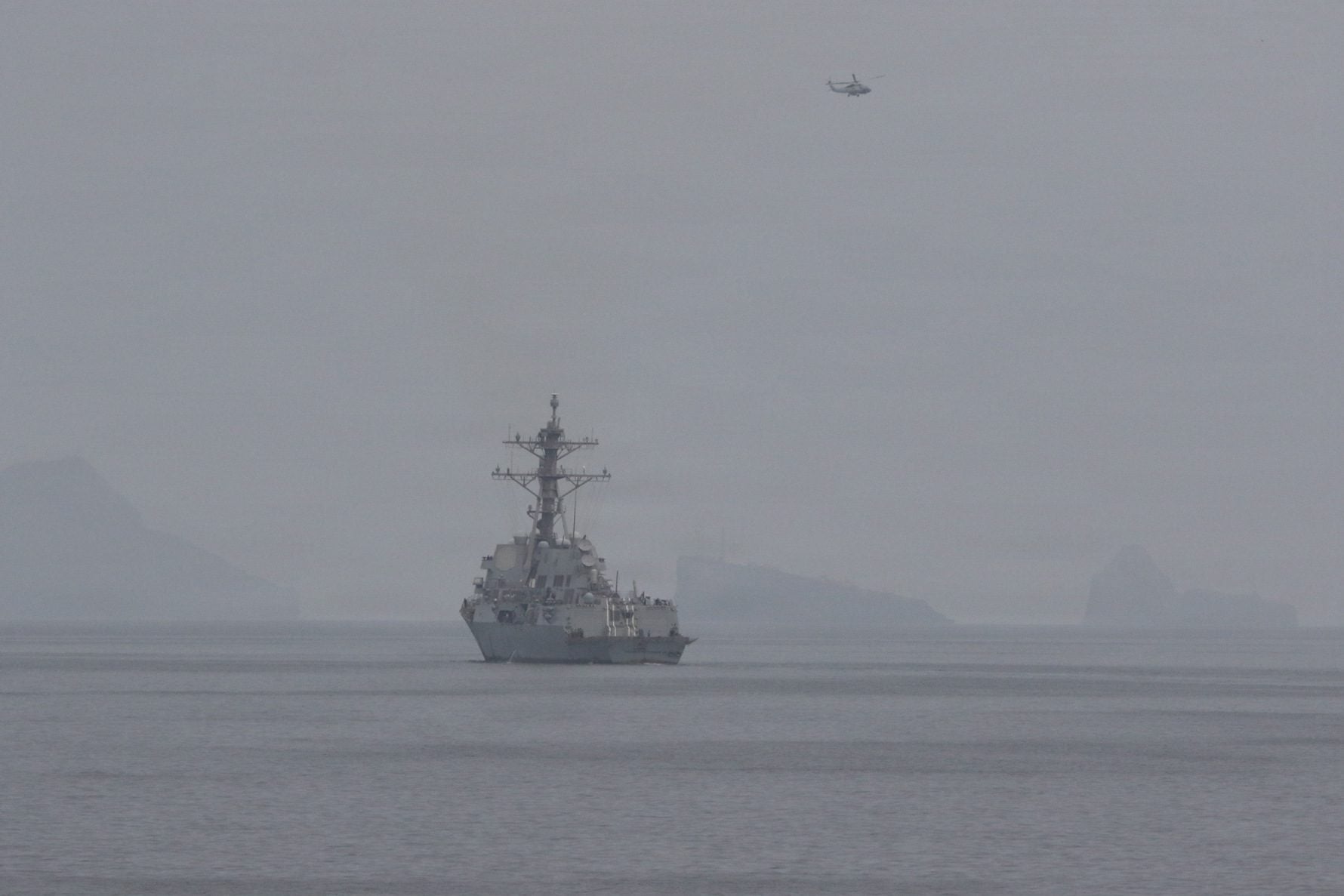
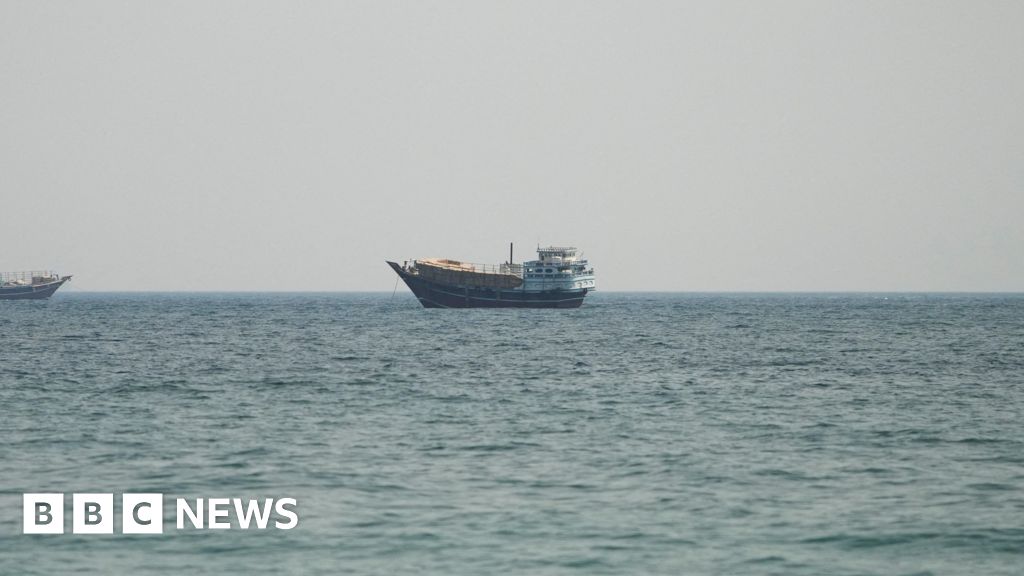
Deadly attacks on UAE‑flagged tankers in Omani waters and U.S. Central Command’s sea‑drone strike on Bandar Abbas confirm an escalating U.S., Iran confrontation centred on the Strait of Hormuz. Shipping faces a severe near‑term threat and oil prices are rising, while Oman resists Iranian control claims and India protests, raising the risk of wider regional spillover.
Executive summary
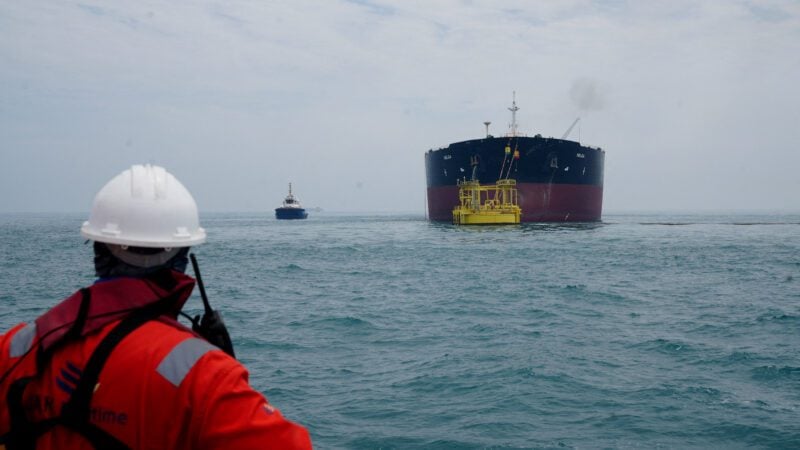
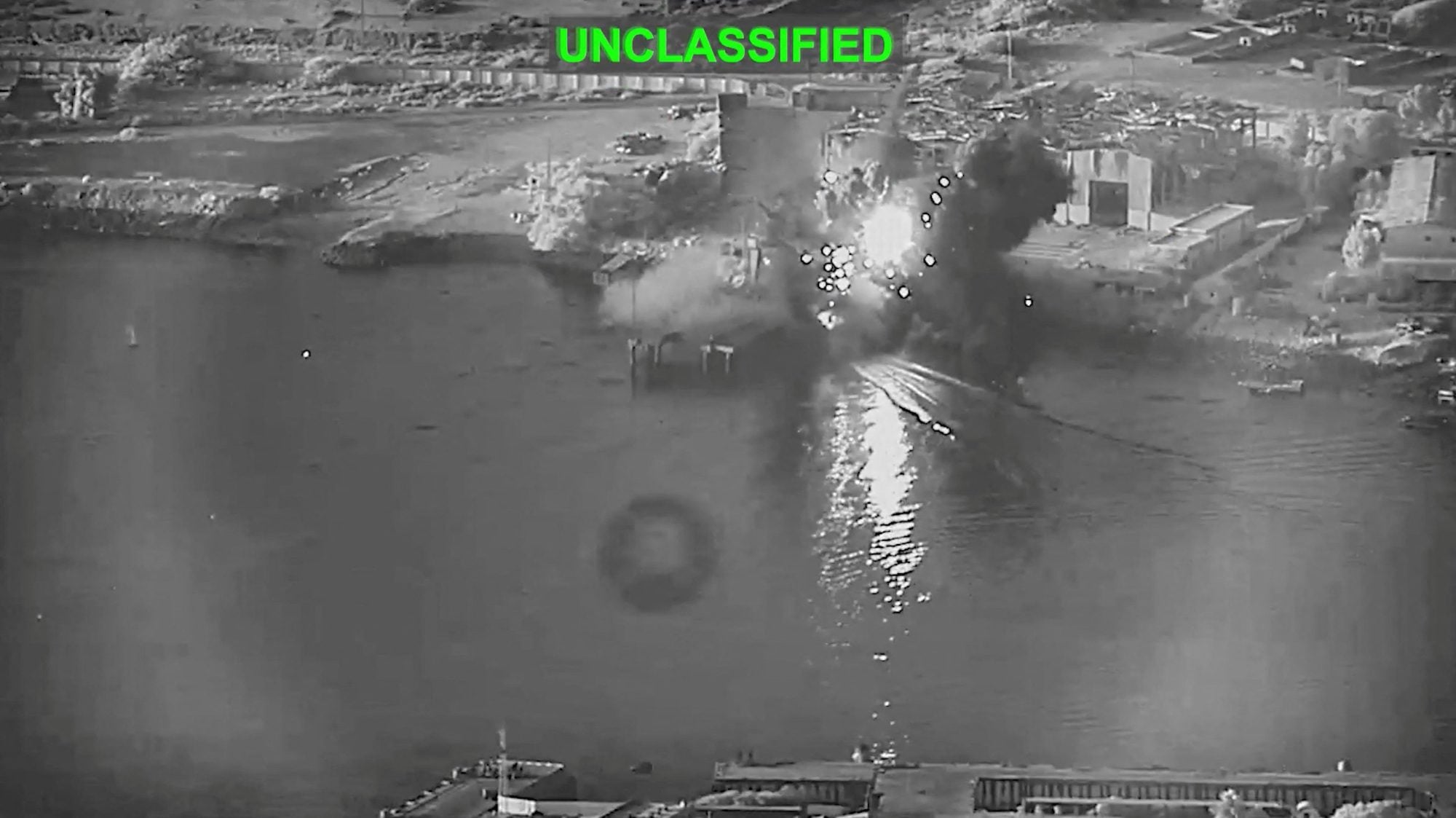
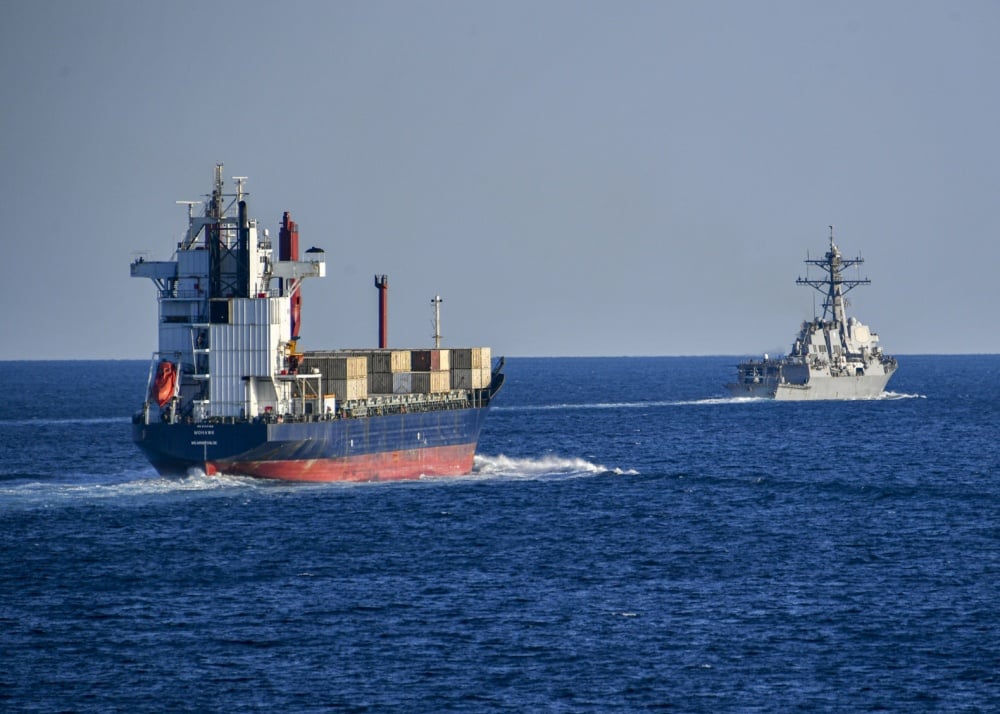
Multiple ships have been hit around the Strait of Hormuz, including the UAE‑flagged Al Bahiyah and Mombasa, with one Indian seafarer confirmed dead and several crew injured. The IMO condemned overnight attacks and is working with authorities, and India summoned Iran’s deputy envoy. The IRGC has claimed responsibility for a missile strike and further tankers have been attacked near the strait. In parallel, CENTCOM conducted repeated strikes on Iranian targets, including the first combat use of Saronic Corsair unmanned surface vessels at Bandar Abbas on 12 July, while U.S. operations continued into 14 July. Iran has carried out a seventh series of drone strikes against U.S. installations in the Gulf region, reportedly aimed at bases in Kuwait and Bahrain. The Joint Maritime Information Center kept the Hormuz threat at severe, verified transits collapsed into single digits on 12-13 July, and Oman publicly supported freedom of navigation while objecting to Iranian control claims. Oil prices rose more than 11 percent in five days and insurers are expected to reassess war‑risk premiums upward. Israel warned Tehran against future attacks and U.S. aerial refuelling tankers remain at Ben‑Gurion, reflecting a sustained forward posture. Humanitarian impacts include rising seafarer deaths and fresh civilian fatalities in Gaza on 14 July, with the UN rights chief warning that any closure of Hormuz would have far‑reaching human rights effects.
Change from previous assessment
Since the prior brief, reporting added specificity on maritime attacks and casualties near Hormuz, including India’s confirmation of a fatality on Al Bahiyah and injuries on Mombasa, and the IMO’s condemnation of deadly attacks. Oman publicly backed freedom of navigation and objected to Iranian control language, and India lodged a protest with Tehran. CENTCOM’s use of Saronic Corsair sea drones at Bandar Abbas on 12 July and further U.S. strikes through 14 July were confirmed, alongside Iranian drone strikes aimed at U.S. bases in Kuwait and Bahrain. Oil prices rose more than 11 percent over five days. We maintain that U.S., Iran strikes are very likely ongoing, elevate the maritime threat environment with more granular indicators, and keep confidence tempered due to contradictory blockade and casualty narratives.
Key judgments
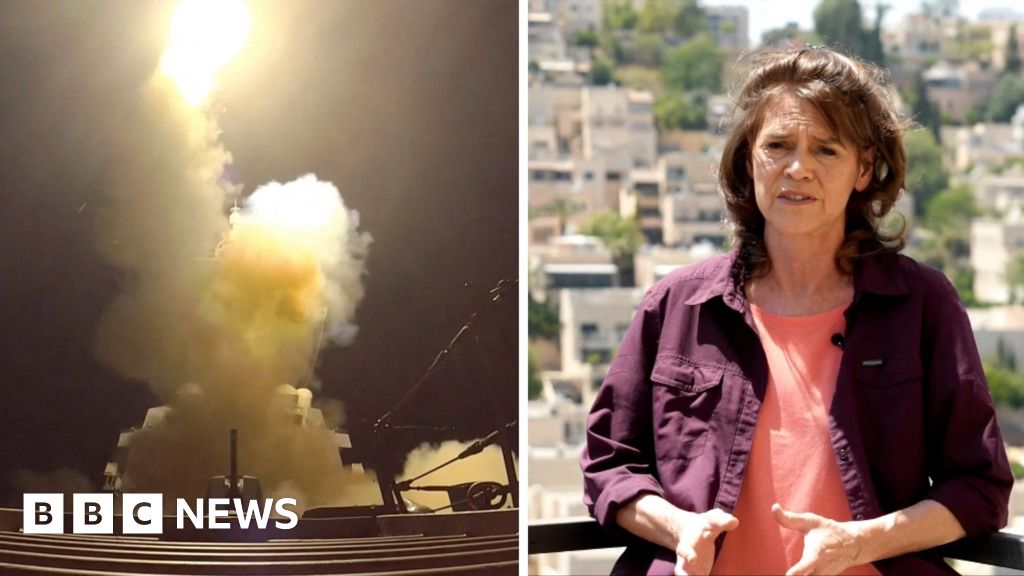
- It is very likely the United States and Iran are in an active, sustained exchange of strikes, including CENTCOM’s first combat use of Saronic Corsair unmanned surface vessels against Bandar Abbas on 12 July, follow‑on U.S. strikes through 14 July, and repeated Iranian drone attacks on U.S. installations in the Gulf region aimed at Kuwait and Bahrain. (Confidence: high · REPORTED)
- I&W: CENTCOM issues additional nightly strike releases degrading Iranian coastal radars or air defences. (0-14 days)
- I&W: Iranian military channels publicise further drone sorties targeting U.S. facilities in Kuwait or Bahrain. (0-14 days)
- It is very likely the IRGC is responsible for multiple recent attacks on merchant shipping transiting the Strait of Hormuz and Omani waters, with fatalities and injuries among Indian crew on the UAE‑flagged Al Bahiyah and Mombasa and a crewman from GFS Galaxy still missing. (Confidence: high · REPORTED)
- I&W: Another tanker is struck along the southern traffic lane inside Omani territorial waters with rapid IRGC attribution. (0-14 days)
- I&W: JMIC lowers Hormuz threat below severe and incident reports fall to low single digits per week. (1-3 months)
- It is likely the Strait of Hormuz remains partially open but under severe threat and competing control claims, as shown by a severe threat posture, verified transits collapsing into single digits on 12-13 July, and Oman resisting Iranian attempts to formalise control while publicly backing freedom of navigation. (Confidence: medium · ASSESSED)
- I&W: Verified Strait transits remain below 20 per day while JMIC sustains a severe threat rating. (0-14 days)
- I&W: Oman announces a negotiated navigation framework or inspection regime acceptable to all parties. (1-3 months)
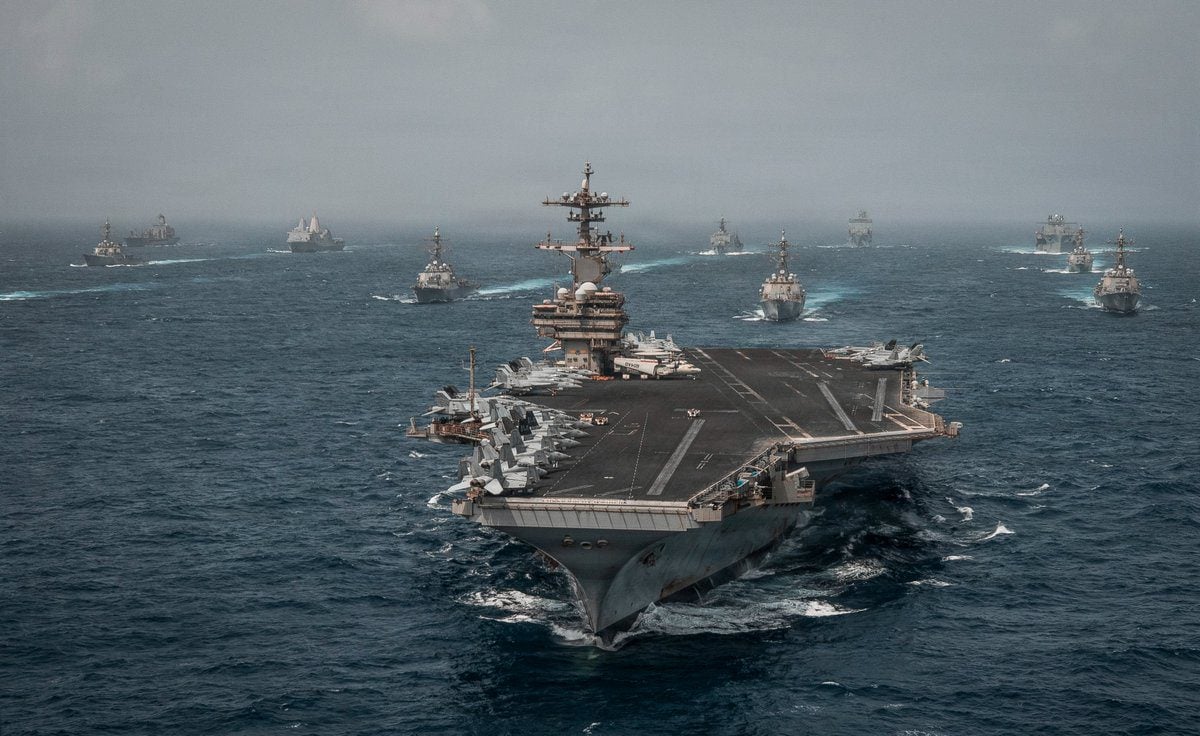
- It is likely regional escalation risk will persist, with Israel signalling a harsher retaliation to any Iranian attack and the United States maintaining a forward posture, including aerial refuelling tankers at Ben‑Gurion and more than 20 U.S. Navy warships operating across the Middle East. (Confidence: medium · ASSESSED)
- I&W: Additional U.S. refuelling aircraft or air defence units arrive in Israel or remain beyond previously signalled timelines. (0-14 days)
- I&W: Public reporting of a drawdown of U.S. refuelling assets from Ben‑Gurion or naval redeployments away from the Gulf. (1-3 months)
- It is likely energy market risk will remain elevated in the near term as the maritime threat persists, reflected in oil prices up more than 11 percent in five days and expectations that war‑risk premiums for Hormuz transits will be reassessed upward. (Confidence: medium · ASSESSED)
- I&W: Brent remains at least 5 percent above the pre‑attack baseline while underwriters raise quoted war‑risk premiums for Hormuz. (0-14 days)
- I&W: Insurers publish premium reductions in step with a sustained downgrade of JMIC threat levels. (1-3 months)
- It is likely humanitarian harm will deepen if fighting and maritime disruption continue, with seafarer deaths mounting, new civilian fatalities in Gaza on 14 July, and UN warnings that any Hormuz closure would carry wide human rights impacts beyond the region. (Confidence: medium · ASSESSED)
- I&W: IMO or flag‑state reporting confirms additional seafarer fatalities or injuries linked to Hormuz attacks. (0-14 days)
- I&W: UN human rights mechanisms issue formal updates linking maritime restrictions to documented rights impacts. (1-3 months)
Outlook & scenarios
Managed containment: high‑tempo U.S., Iran tit‑for‑tat and persistent maritime risk (60%)
U.S. nightly strikes continue to degrade Iranian coastal and air‑defence nodes while Iran sustains drone activity against U.S. installations. Oman resists Iranian control claims and keeps pressing for a navigation framework, but the southern Omani corridor remains dangerous, keeping JMIC at severe and transits depressed. Oil prices stay elevated and insurers hold higher war‑risk rates.
Maritime shock: de facto closure of the southern Hormuz corridor (45%)
Further IRGC‑attributed attacks on tankers transiting Omani waters deter most commercial traffic along the southern lane. Verified crossings remain in low double digits and several operators suspend voyages. War‑risk premiums jump, Brent spikes, and India and Gulf capitals intensify diplomatic pressure on Tehran.
Direct Iran, Israel exchange (30%)
An Israeli strike on Iranian soil or assets triggers a direct Iranian missile and drone response against Israeli territory. Israel answers with harsher retaliation as signalled by leadership messaging. U.S. posture in Israel and the Gulf hardens to contain spillover, with higher air tasking and naval presence.
Wildcard: Houthi entry closes Bab el‑Mandeb (15%)
Despite previous signalling without follow‑through, Iran encourages Houthi action to interdict Red Sea traffic. A second chokepoint disruption compounds Hormuz risk, forcing large‑scale rerouting around southern Africa and amplifying price and insurance shocks.
Recommendations
- Stand up a daily Hormuz watch using JMIC bulletins and third‑party transit counts to trigger alerts when verified crossings fall below 20 per day; brief leadership if severe status endures beyond a week.
- Task maritime risk analysis to update route advisories for the southern Omani lane, incorporating IRGC attribution patterns and casualty reporting from India’s MEA and flag states.
- Catalogue U.S. and Iranian strike patterns since 7 July, including the Corsair USV employment at Bandar Abbas, to anticipate likely next targets and windows of activity.
- Engage diplomatic reporting streams for Oman’s navigation stance and any talks on inspection or permit regimes; flag shifts that could ease or entrench contestation.
- Prepare a short‑fuse oil shock and insurance exposure brief tying Brent movements and expected war‑risk premium adjustments to client sectors and supply chains.
- Establish a seafarer casualty tracker from IMO notices and flag‑state releases to quantify humanitarian impacts and inform engagement with maritime operators.
- Monitor U.S. forward posture signals, including aerial refuelling tanker basing at Ben‑Gurion and regional naval deployments, to update escalation assessments.
Confidence & uncertainty
Overall confidence is low because several core elements rest on contested or inconsistent open reporting. Casualty figures for the Al Bahiyah and Mombasa incidents vary across sources, blockade and strait‑status statements conflict with observed reduced but non‑zero transits, and some strike reporting relies on secondary media rather than official communiqués. While multiple high‑reliability claims corroborate U.S. strikes and IRGC‑linked maritime attacks, gaps and contradictions on attribution, numbers and timing constrain confidence in the full picture.
Alternative analysis (red cell)
The assessment that the IRGC is responsible for multiple merchant‑shipping attacks (judgment 1) is not the only defensible interpretation. The package contains inconsistent casualty counts and relies on a single claim of responsibility (164e1f92 C1) without independent forensic or ISR linkage; a more cautious estimate is that attacks occurred but attribution to the IRGC and the precise casualty toll remain unconfirmed pending multi‑source forensic and intelligence corroboration.
Intelligence gaps
- [EEI 1.1 · UNCOVERED] Number, type, launch times, and trajectories of ballistic missiles, cruise missiles, armed UAV strikes, and combat-air sorties launched by Iranian or Israeli forces toward the other's territory or forward bases within a 72-hour window. Recommended collection: signals/intel
- [EEI 1.2 · UNCOVERED] Observable changes in Israeli and Iranian force posture: mobilization or reserve call-up orders, unit road/rail movements, dispersal or sortie rates of air squadrons, redeployment of air-defense batteries, and activation of civil-defense alerts or sirens in major population centers. Recommended collection: open-source/media
- [EEI 1.3 · UNCOVERED] Indications of strike authorization or targeting preparations in Iranian or Israeli command chains: authenticated public orders by senior commanders, detected increases in encrypted communications consistent with targeting, or visible movement of strike munitions to launch/storage sites. Recommended collection: signals/intel
- [EEI 2.1 · UNCOVERED] Counts, launch locations (coordinates), weapons types, and assessed damage from rocket/missile/drone strikes originating from Lebanon into northern Israel attributed to Hezbollah or allied groups. Recommended collection: open-source/media
- [EEI 2.2 · UNCOVERED] Reported attacks by Iranian-backed militias in Iraq and Syria: rocket/IED strikes on bases hosting US/coalition or Israeli personnel, documented militia unit movements toward borders, and captured movement or transfer of weapons systems to forward militia positions. Recommended collection: human
- [EEI 2.3 · UNCOVERED] Maritime harassment or attacks by proxies (e.g., Houthis): incidents of missile/rocket strikes against commercial vessels, small-boat swarm attacks, discovery or detonation of naval mines, and corresponding AIS anomalies in the Red Sea, Gulf of Aden, or southern Arabian Gulf. Recommended collection: maritime/AIS
- [EEI 3.1 · UNCOVERED] Movements and arrival dates of foreign military assets into the region: carrier strike groups, amphibious ships, surface combatants, strategic airlift/tanker deployments, and air/sea patrol patterns by US, European, Russian, or regional militaries. Recommended collection: imagery/satellite
- [EEI 3.2 · UNCOVERED] Concrete diplomatic and political actions: emergency UN/Arab League meetings called, official embassy evacuation orders, public declarations of intent to interpose or protect shipping/airspace, and newly announced sanctions or arms-transfer approvals tied to the conflict. Recommended collection: diplomatic
- [EEI 3.3 · UNCOVERED] Immediate commercial and market indicators: rerouting of commercial tankers and container vessels (e.g., avoidance of Bab el-Mandeb or Strait of Hormuz), sudden spikes in war-risk insurance premiums for regional sea lanes, temporary port closures, and near-term price moves in regional benchmark crude tied to incidents. Recommended collection: financial/market
Cited sources
[1] gcaptain.com · U.S. Navy Sea Drones Make Combat Debut in Operations Near Hormuz (B) · sha256:7b2f3eb6bff2 [2] cryptobriefing.com · Iran conducts seventh drone strike against US bases in Gulf amid 2026 conflict (B) · sha256:c2c00ea66cc3 [3] haaretz.com · As U.S. renews strikes on Iran, parked refueling tankers jam Israel's Ben-Gurion airport (A) · sha256:aba0450adf2a [4] Yahoo News · Trump resumes Iran port blockade and threatens strikes on energy targets (B) · sha256:2cbce1dd7f5b [5] gcaptain.com · Iranian Missile Attacks Hit Three More Tankers as U.S. Expands Strikes, Seafarer Death Toll Rises (B) · sha256:47755d568724 [6] United Nations · ‘Cycle of escalation must end’: UN condemns deadly Strait of Hormuz attacks (A) · sha256:f01df67da8f5 [7] gcaptain.com · The Southern Route Through Hormuz Is No Longer Safe, Regardless of What Trump Says (C) · sha256:7682e395aaf4 [8] gcaptain.com · Seafarer Death Toll Climbs as Trump Declares Hormuz 'Open to ALL Ship Traffic' (B) · sha256:5e5db8a0853f [9] gcaptain.com · Trump Drops Proposed 20% Hormuz Fee, Replaces It With Gulf Investment Deals (B) · sha256:c08d4550cd89 [10] maritime-executive.com · Trump Drops Hormuz Protection Fee Saying Gulf States Will Invest in US (B) · sha256:4e2d5c5ce853 [11] BBC · Lyse Doucet: Strait of Hormuz remains the fault line as the Iran and US drift back into war (A) · sha256:b9402309639c [12] BBC · Watch: The clash between US and Iran for control of the Strait of Hormuz (A) · sha256:86d6fd2ce6ce [13] jpost.com · Netanyahu to Iran: New attacks on Israel will be met with 'much more powerful' response (A) · sha256:3919e6a85c56 [14] gcaptain.com · U.S. Intensifies Sanctions on Iranian Shipping Network as Naval Blockade Resumes (B) · sha256:9024fe8b76a7 [15] ShortNews · Iran War Escalates: US Military Boosts Presence | Top 10 News July 15, 2026 #Shorts (B) · sha256:e616611564e3 [16] haaretz.com · Israeli fire kills 10 in Gaza, including a 10-year-old, officials say (A) · sha256:50af40b8c5b1 [17] Al Jazeera · Palestine weekly: Israel attacks children, hospitals in bloody week in Gaza (B) · sha256:0e189881b4f0
Source content hashes were computed at collection time; the cited text is preserved unmodified for the life of this product.
Red cell review: PARTIAL DISSENT
TLP:CLEAR