TLP:CLEAR · Disclosure is not limited.
Indo-Pacific SITREP: Allied drills intensify as China sustains visible naval presence
Time window: Last 1 day · Audience: General analyst · Type: Situation report · DTG: 2026-06-30 09:11Z · Overall confidence: HIGH
BLUF
Allied forces are very likely strengthening deterrence and air-defence integration across the Western Pacific during RIMPAC while China sustains a steady cadence of naval visibility through repeated Hong Kong port calls and overseas engagements. There is a likely near‑term risk of miscalculation as Chinese maritime enforcement patterns in the South China Sea persist alongside an elevated allied exercise tempo.
Executive summary
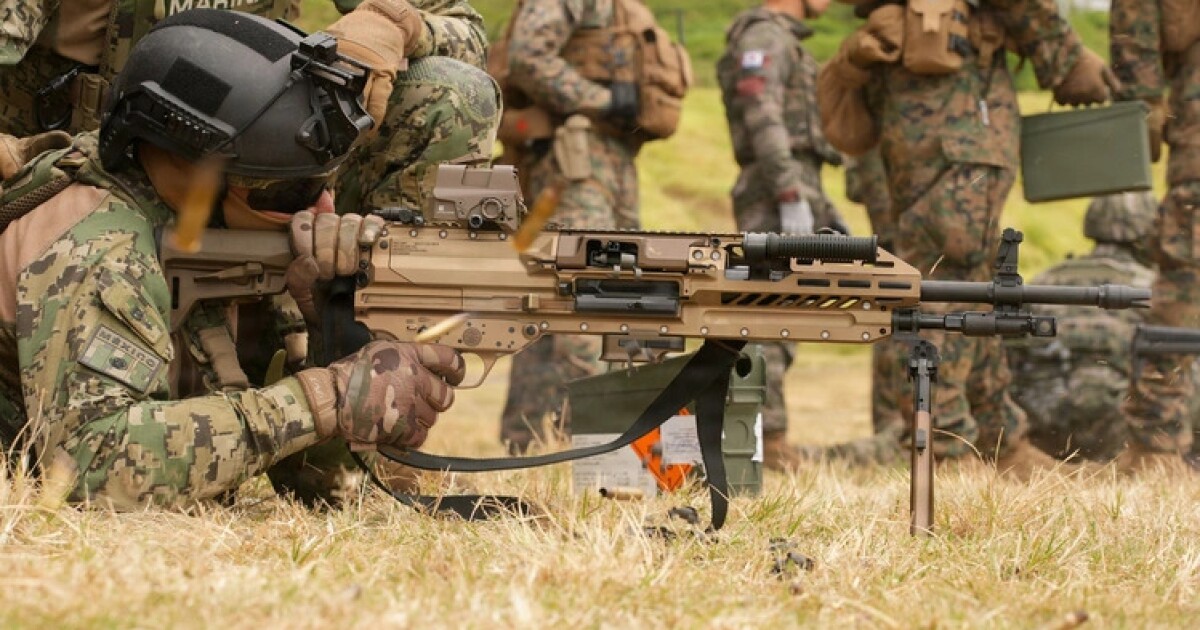
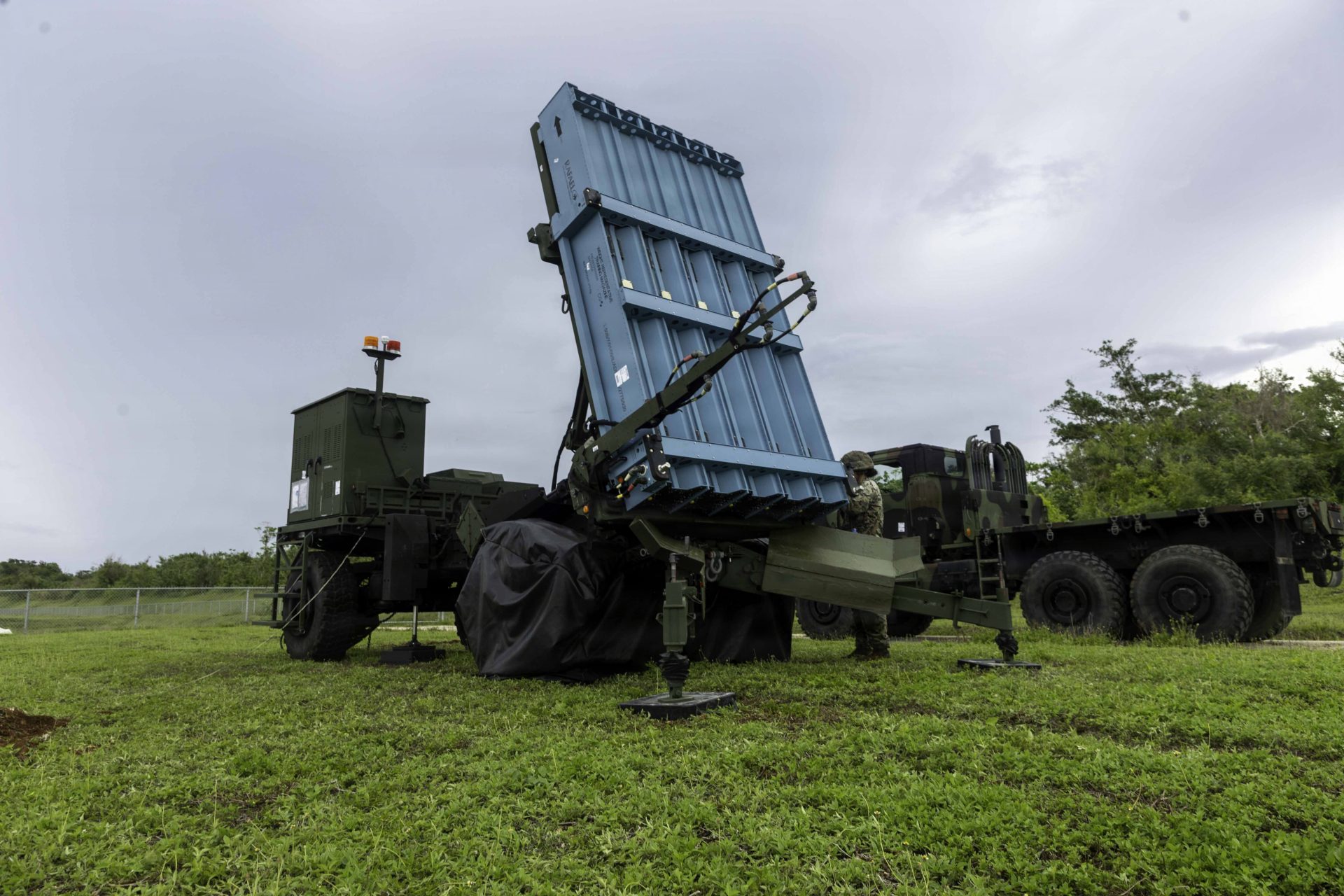
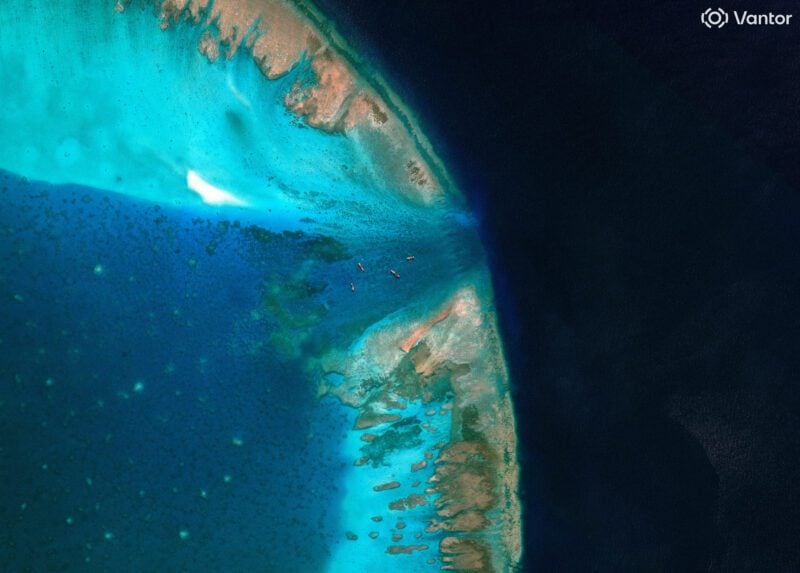
China continues to project naval visibility in the Western Pacific through repeated People’s Liberation Army Navy port visits to Hong Kong in 2024-2025 and overseas appearances, while its forces and the China Coast Guard have conducted patrols around Scarborough Shoal. In parallel, the United States and partners are expanding joint deterrence in and around the first island chain, including live‑fire training under RIMPAC 2026, Marine Corps integration of the Medium‑Range Intercept Capability in Guam, and South Korea’s deeper command and force contributions. Taiwan’s enforcement actions aligned with U.S. export controls on advanced chips are likely to add friction with Beijing. U.S. public support for Taiwan’s security remains strong, reinforcing policy momentum for sustained allied posture.
Change from previous assessment
Since the 29 June brief, allied deterrence details have sharpened with reported RIMPAC live‑fire events in Hawaiʻi and Marine Corps MRIC integration activity in Guam. China’s overseas naval visibility has an additional data point with Chinese naval officers in Seychelles. There is no new reporting in this set on PLA operations east of Taiwan or across the Taiwan Strait median line, so prior judgments on that vector are unchanged and confidence is held steady.
Key judgments
- China is likely sustaining a steady naval visibility pattern in the Western Pacific via repeated PLAN port calls to Hong Kong in 2024-2025 and overseas engagements by Chinese naval officers. (Confidence: medium · ASSESSED)
- I&W: Additional official notices of PLAN carrier or surface action group port visits to Hong Kong announced for the next quarter. (1-3 months)
- I&W: A prolonged lull in PLAN public port-call announcements or long-range deployments. (1-3 months)
- The United States and partners are very likely expanding integrated air and maritime deterrence around Taiwan’s flanks through RIMPAC live‑fire training, Marine Corps MRIC integration in Guam, and increased South Korean command roles and deployments. (Confidence: high · ASSESSED)
- I&W: Formal fielding milestones or further funding for MRIC batteries and allied integration events announced. (1-3 months)
- I&W: U.S. Army awards or testing of unmanned surface vessels for Pacific sustainment. (1-3 months)
- Given reported Chinese maritime enforcement around Scarborough Shoal and a crowded allied exercise calendar, there is likely an elevated near‑term risk of maritime miscalculation in the wider theatre. (Confidence: medium · ASSESSED)
- I&W: Official notices of close‑quarters interactions between Chinese units and allied forces during RIMPAC adjacencies. (0-14 days)
- I&W: Public reporting of a pause or curtailment in exercise serials due to unsafe manoeuvring at sea. (0-14 days)
- Taiwan’s alignment with U.S. export‑control enforcement on advanced chips is likely to increase Beijing’s pressure through diplomatic or economic channels rather than immediate naval responses. (Confidence: medium · ASSESSED)
- I&W: Further Taiwan law‑enforcement actions tied to U.S. investigations into AI chip diversion. (1-3 months)
- I&W: PRC public economic countermeasures or formal protests targeting Taiwan technology firms. (0-14 days)
- Strong U.S. public support for Taiwan’s security is likely to reinforce Washington’s appetite for sustained deterrence activities in the Western Pacific. (Confidence: medium · ASSESSED)
- I&W: Additional national polling showing high salience for Taiwan’s security among U.S. voters. (1-3 months)
- I&W: Congressional and executive branch statements linking exercises and posture decisions to Taiwan’s security. (0-14 days)
Outlook & scenarios
Managed competition with elevated grey‑zone pressure (60%)
China maintains visible naval presence via port calls and selective patrols, while allied forces sustain an intensive exercise calendar and air‑defence integration. Encounters remain mostly professional, but frequent, keeping miscalculation risk elevated without a decisive break in behaviour.
Deterrence consolidation and limited de‑escalation (40%)
RIMPAC concludes without incidents, allied integrated air‑defence steps continue, and trade diplomacy reduces some frictions. Beijing sustains symbolic presence activities but avoids novel shows of force as both sides prioritise signalling over confrontation.
Export‑control flashpoint spills into maritime signalling (25%)
Further Taiwan enforcement actions aligned with U.S. export controls trigger PRC diplomatic reprisals and sharper maritime signalling. Patrols and boardings in contested waters increase, raising the chance of an operational mishap amid ongoing allied drills.
Recommendations
- Task daily monitoring of official Chinese government portals announcing PLAN port calls and deployments, with a standing watchlist for Hong Kong visit notices and associated ship lists.
- Fuse RIMPAC 2026 daily SITREP inputs with open‑source AIS and commercial satellite data to flag proximity events between Chinese platforms and allied units.
- Track Marine Corps MRIC programme milestones and fielding in Guam, alongside joint integration events, to assess near‑term allied air‑defence coverage improvements.
- Maintain a rolling log of Taiwan law‑enforcement actions tied to U.S. export controls and map PRC responses across diplomatic statements, trade measures, and maritime posture.
- Develop a structured indicator set for miscalculation risk, including reported close‑quarters manoeuvres, unsafe aviation intercepts, or exercise curtailments, with 24‑hour alerting.
Confidence & uncertainty
Multiple judgments rest on corroborated reporting from official government outlets and major media. Chinese naval visibility is supported by several independent official notices of PLAN Hong Kong port calls across two years and coverage of overseas engagements. Allied activity is evidenced by RIMPAC live‑fire reporting, Marine Corps statements on MRIC integration and funding, and U.S. Army planning signals for Pacific logistics. Where the brief extends beyond direct reporting, such as the linkage to miscalculation risk around Taiwan, confidence is moderated and clearly marked as assessed. The main uncertainty is the absence of fresh, sourced reporting in this set on PLA activity immediately adjacent to Taiwan, which tempers specificity on near‑Taiwan naval behaviour.
Alternative analysis (red cell)
An alternative, conservative synthesis is that the reporting records episodic PLAN port calls and ceremonial engagements, discrete allied exercises and capability fielding (MRIC/RIMPAC), and historical PRC enforcement at contested features, but does not yet establish sustained operational patterns, a focused Taiwan-flank deterrence expansion, or a single PRC response pathway. The evidence base shows temporal gaps, several lower-admiralty analytic syntheses, single-source scheduling reports, and at least one unaddressed contradiction (see tradecraft_lint_findings.code: 'contradiction_unaddressed'), so further collection is required before endorsing higher-confidence judgments.
Intelligence gaps
- [EEI 1.1 · UNCOVERED] Number, type, and precise locations (latitude/longitude or named sea areas) of PLAN surface combatants, amphibious ships, and auxiliaries operating within 200 nautical miles of Taiwan or transiting the Taiwan Strait over the past 72 hours. Recommended collection: maritime/AIS
- [EEI 1.2 · UNCOVERED] NOTAMs, maritime safety warnings, or official PRC civil/maritime notices that close or restrict airspace/sea lanes around Taiwan, and any concurrent cancellation of commercial ferry or airline services to/from Taiwanese ports/airports. Recommended collection: open-source/diplomatic
- [EEI 1.3 · UNCOVERED] Number and sortie patterns of PLA air assets (fighters, bombers, airborne early warning, aerial refuellers) crossing the median line or entering Taiwan ADIZ, including time-on-station and armament indications (e.g., weapons pylons loaded). Recommended collection: air/flight-radar
- [EEI 2.1 · UNCOVERED] Location and composition of any PLAN carrier strike groups or task forces within the Western Pacific (carrier identity, escort ships, embarked air wing size and aircraft types) and recent underway replenishment events. Recommended collection: satellite/imagery
- [EEI 2.2 · UNCOVERED] Presence, numbers, and readiness indicators of amphibious assault ships, large landing craft, and pre-positioned amphibious equipment at eastern PRC ports (Fujian, Zhejiang, Guangdong), including evidence of loading, embarkation or training ramps/vehicles staged for embarkation. Recommended collection: maritime/AIS
- [EEI 2.3 · UNCOVERED] Submarine activity: detections or reported transits of PLAN attack or ballistic submarines on routes between mainland bases and patrol areas around Taiwan, and indications of increased sonar/contact reports or anti-submarine warfare activity by regional navies. Recommended collection: undersea/acoustic
- [EEI 3.1 · UNCOVERED] Movements and positions of US and allied naval and air forces (carrier strike groups, amphibious ready groups, maritime patrol aircraft) toward the Taiwan region, including orders to sortie, transit times, and change in deployment status. Recommended collection: maritime/AIS
- [EEI 3.2 · UNCOVERED] Public and official diplomatic statements, military advisories, and changes in rules of engagement or defensive posture from the United States, Japan, Australia, and Taiwan, including emergency meetings, sanctions announcements, or military aid pledges. Recommended collection: diplomatic
- [EEI 3.3 · UNCOVERED] Commercial indicators of regional escalation: rapid increases in war-risk insurance premiums for Taiwan-related sea lanes, suspension of shipping lines or insurance-backed rerouting, and major port/terminal closures affecting logistic lifelines. Recommended collection: financial/insurance
Cited sources
[1] locpg.gov.cn · 舰耀香江:人民海军舰艇赴港影像志 (A) · sha256:bfae4a303ce0 [2] CCTV · [国防军事早报]中国海军官兵参加塞舌尔独立50周年阅兵活动 (A) · sha256:69a3eb50ed8c [3] Hawaii Public Radio · Military exercises kick off across the islands with RIMPAC 2026 (A) · sha256:49cf6a746f3d [4] defensescoop.com · III MEF integrates MRIC surface-to-air defense system during Pacific exercise (A) · sha256:c0634af4cdc4 [5] businessinsider.com · The US Army is looking to drone boats to alleviate its watercraft problems in the Pacific (B) · sha256:446abe07fff6 [6] gcaptain.com · China Conducts Patrols Around Scarborough Shoal in Disputed South China Sea (B) · sha256:683f1e04796f [7] gizmodo.com · Taiwanese Authorities Reportedly Raid Supermicro in Move That Could Signal Big Change For AI Chip Exporters (B) · sha256:6fc7fb37bb05 [8] Ronald Reagan Presidential Foundation and Institute · 里根研究所民调:逾八成美国人担忧中国威胁,66%视台湾安全为重要利益 (B) · sha256:e508c1aefc33
Source content hashes were computed at collection time; the cited text is preserved unmodified for the life of this product.
Red cell review: PARTIAL DISSENT
TLP:CLEAR