TLP:CLEAR · Disclosure is not limited.
Indo-Pacific SITREP: PLA Navy ‘routine’ ops near Japan, harder line on Taiwan, and typhoon disruption risk
Time window: Last 1 day · Audience: General analyst · Type: Situation report · DTG: 2026-07-10 13:15Z · Overall confidence: MEDIUM
BLUF
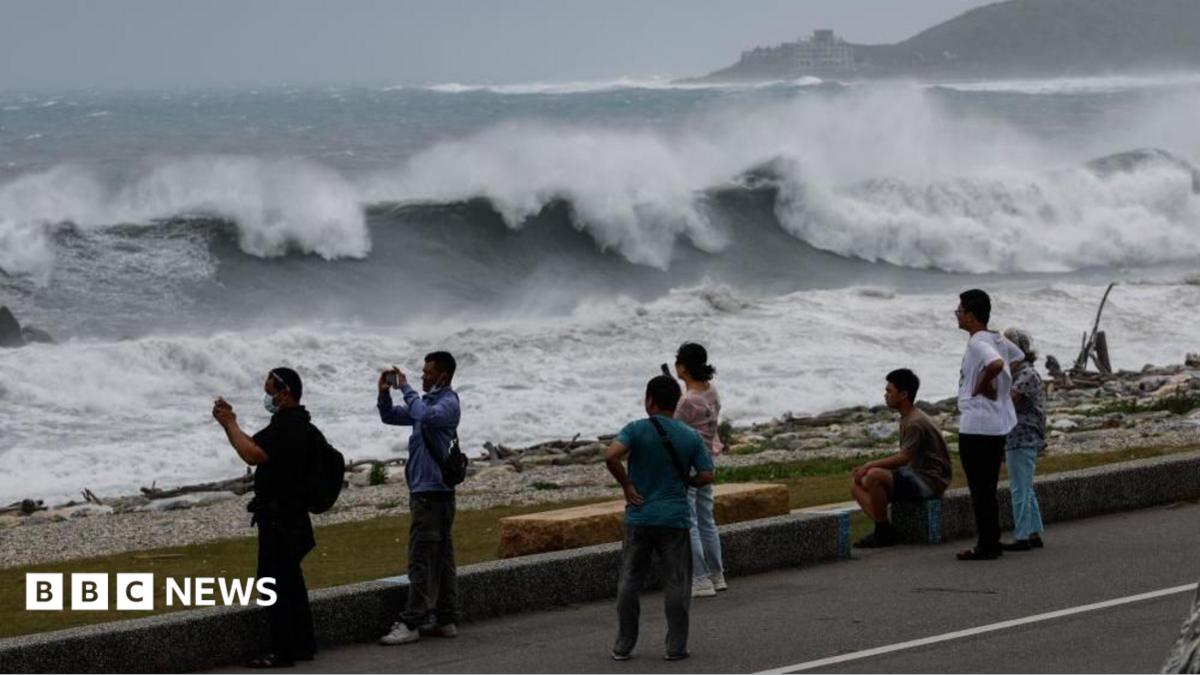
Beijing is publicly framing PLAN blue-water activity near Japan as routine while doubling down on messaging that Taiwan independence is a dead end. Severe weather from Typhoon Bavi is likely to shape near-term military postures around Taiwan and the Ryukyus, with Taiwan putting 29,000 troops on standby for disaster response.
Executive summary
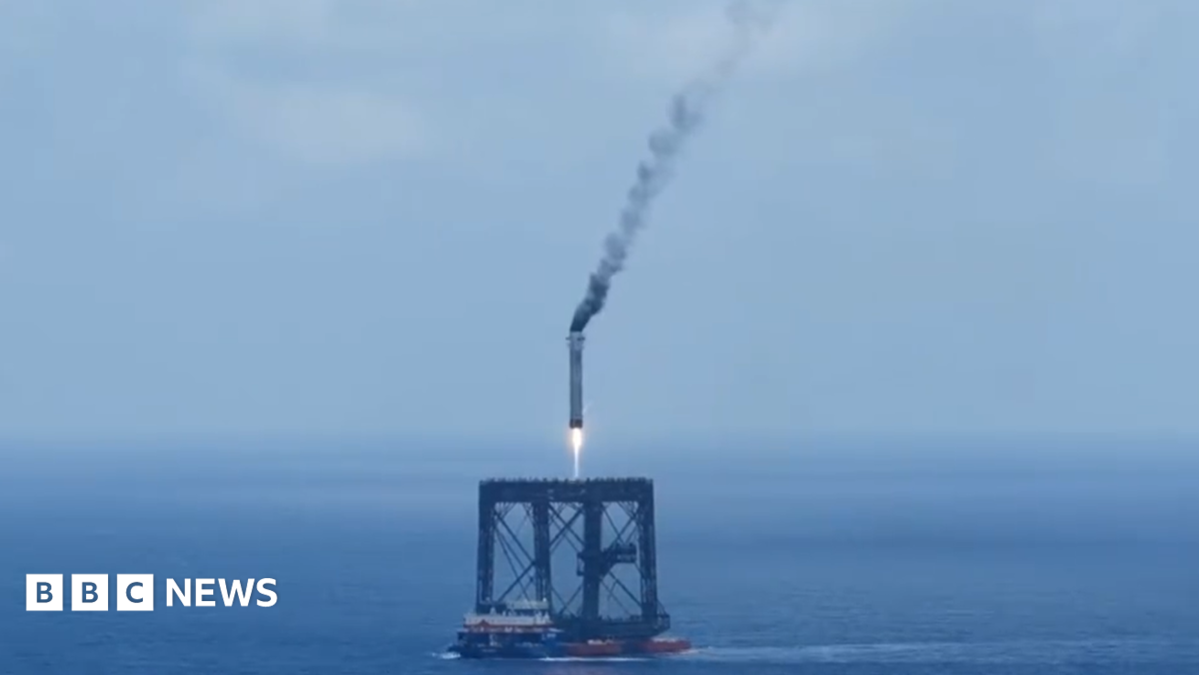
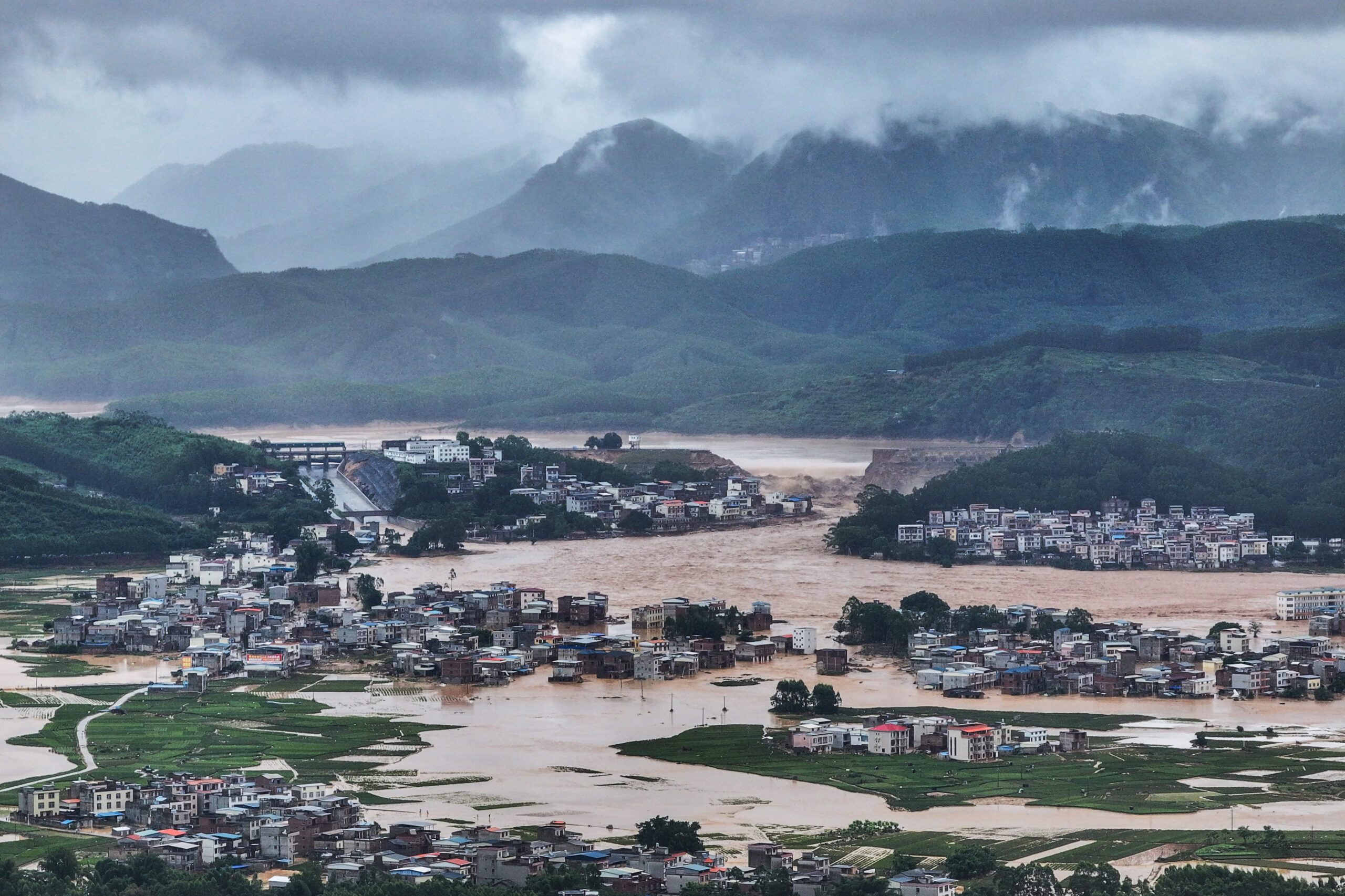
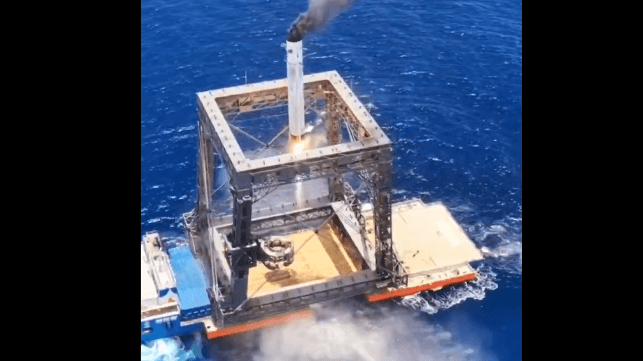
China’s Ministry of National Defence and state outlets describe recent PLAN far-sea training in waters around Japan as an annual routine not aimed at any country, even as Beijing reiterates that Taiwan independence is a dead end and emphasises combat readiness. Japan has protested frequent Chinese military activity and urged reconsideration of missile tests, sustaining friction around the Ryukyus. Weather hazards are building: Taiwan has warned of up to one metre of rainfall from Typhoon Bavi and placed 29,000 soldiers on standby, while residents on Japan’s Sakishima Islands are on alert and China expects up to six typhoons in July. In parallel, China showcased a reusable orbital booster landing at sea and ongoing carrier defensive advances, signalling technological momentum that supports deterrence narratives.
Change from previous assessment
Since the 9 July brief, Beijing has reiterated that recent PLAN activity near Japan is routine and not aimed at any country, and restated that Taiwan independence is a dead end. Japan has publicly protested frequent Chinese military activity. China showcased a reusable booster landing at sea and continued to highlight force modernisation. Weather risk has risen: Taiwan warned of up to one metre of rainfall from Typhoon Bavi and put 29,000 troops on standby, with residents on Japan’s Sakishima Islands on alert and China expecting up to six typhoons in July. We place greater weight on weather as a near-term operational constraint and maintain an assessed outlook of sustained PLA activity near Japan shaping the broader environment.
Key judgments
- PLAN far-sea operations in waters surrounding Japan are very likely to persist under a “routine training” rubric, sustaining pressure along Japan’s approaches and shaping the wider security environment relevant to Taiwan even without new reporting of PLAN activity in the Taiwan Strait in this period. (Confidence: medium · ASSESSED)
- I&W: Public reporting by Japan’s defence ministry of a PLA Navy surface group operating in the surrounding waters of Japan within the next two weeks. (0-14 days)
- I&W: China’s defence ministry states the current far-sea training cycle has concluded and ships are returning to port. (0-14 days)
- Beijing’s public line that “Taiwan independence is a dead end” and its emphasis on combat readiness very likely signal continued coercive pressure on Taipei, though not an imminent shift to open conflict. (Confidence: medium · ASSESSED)
- I&W: PLA publicises joint combat-readiness patrols encircling Taiwan after Typhoon Bavi passes. (0-14 days)
- I&W: Sustained reduction in PLA and state-media messaging on reunification and “anti-secession” themes. (1-3 months)
- Typhoon Bavi and sequential storms are likely to constrain air and maritime operations and drive visible military-civil defence activity in Taiwan and across China’s southeast coast through July. (Confidence: medium · ASSESSED)
- I&W: Taiwan’s defence ministry extends or expands the 29,000-strong standby and deploys additional units for flood response. (0-14 days)
- I&W: Taiwanese authorities scale back rainfall and flood warnings as Bavi’s track shifts away from the island. (0-14 days)
- Friction between Tokyo and Beijing over PLA activity is likely to intensify around the Ryukyu and Sakishima arcs, maintaining incident risk even if both sides avoid deliberate escalation. (Confidence: medium · ASSESSED)
- I&W: Japan issues additional public protests detailing unsafe or close-quarter interactions with PLA units near the Sakishima Islands. (0-14 days)
- I&W: Noticeable decline in Japanese protest statements regarding PLA activity around Japan’s southern approaches. (1-3 months)
- China’s reusable orbital booster landing at sea and reported carrier defensive upgrades are very likely intended to reinforce perceptions of military-technological momentum that support deterrence narratives relevant to Taiwan, though operational impact timelines remain uncertain. (Confidence: medium · ASSESSED)
- I&W: State media explicitly ties the reusable booster achievement or Fujian’s self-defence suite to national defence milestones. (1-3 months)
- I&W: Lack of further publicised sea trials or capability disclosures on the Fujian. (1-3 months)
- U.S.-Japan anti-submarine cooperation highlighted at RIMPAC is likely to stiffen allied detection postures across the Western Pacific, complicating PLA undersea manoeuvre planning. (Confidence: low · ASSESSED)
- I&W: Public reporting of post-RIMPAC allied anti-submarine deployments or exercises in the Western Pacific. (1-3 months)
- I&W: Reduced allied public emphasis on anti-submarine cooperation after RIMPAC concludes. (1-3 months)
Outlook & scenarios
Steady-state PLA pressure under ‘routine training’ cover (65%)
PLAN surface groups continue far-sea training in waters around Japan under the annual routine label, while Beijing maintains firm reunification messaging. Japan lodges periodic protests, but both sides avoid confrontations at sea. Weather disruptions from Bavi temporarily slow operations, then activity resumes at previous tempo.
Post-typhoon spike in PLA activity around Taiwan’s periphery (35%)
After Bavi passes, the PLA announces combat-readiness patrols and intensified training in areas adjacent to Taiwan, aligning messaging on reunification with visible activity. Taiwan keeps forces postured for both disaster relief and deterrence. Friction with Japan persists, especially near the Sakishima Islands.
Weather-dominant lull with humanitarian focus (40%)
Successive storms force sustained slowdowns in air and maritime operations. Taiwan’s 29,000 troops concentrate on relief tasks and China’s emergency management posture dominates the public narrative. Military signalling continues largely through statements and media coverage, not manoeuvres.
Recommendations
- Prioritise collection on official releases from China’s defence ministry and state media for references to ‘far-sea training’ and ship movements near Japan’s southern approaches, mapping timelines against PLA messaging on Taiwan.
- Establish an alert for Japanese defence ministry protest notices and movement reports related to PLA activity around the Ryukyus and Sakishima Islands to track interaction risk and proximity trends.
- Integrate Typhoon Bavi forecasts and follow-on storm outlooks into operational assessments for Taiwan and the East China Sea, and be prepared to separate humanitarian deployments from coercive signalling in reporting.
- Task monitoring of Chinese aerospace and naval capability narratives, including reusable booster announcements and disclosures on the carrier Fujian’s defensive suite, as medium-term indicators of deterrence signalling.
- After Bavi passes, watch for any announcement of joint combat-readiness patrols or drills in areas adjacent to Taiwan as a near-term indicator of renewed pressure.
Confidence & uncertainty
Overall confidence is medium. Multiple official Chinese statements and major-media reports corroborate PLAN activity framed as routine near Japan, hardened messaging on Taiwan, and significant typhoon risk with concrete preparatory measures in Taiwan and Japan. However, there is no new direct reporting of PLA naval operations around Taiwan itself in this window, and some claims on capabilities and carrier defences rely on medium-reliability sources. Weather-related figures vary across reports, adding uncertainty on humanitarian tasking timelines. The analytic linkage from activity near Japan to pressure relevant to Taiwan is inferential, which lowers confidence.
Intelligence gaps
- [EEI 1.1 · UNCOVERED] Number, type, and precise locations (latitude/longitude or named sea areas) of PLAN surface combatants, amphibious ships, and auxiliaries operating within 200 nautical miles of Taiwan or transiting the Taiwan Strait over the past 72 hours. Recommended collection: maritime/AIS
- [EEI 1.2 · PARTIAL] NOTAMs, maritime safety warnings, or official PRC civil/maritime notices that close or restrict airspace/sea lanes around Taiwan, and any concurrent cancellation of commercial ferry or airline services to/from Taiwanese ports/airports. Recommended collection: open-source/diplomatic
- [EEI 1.3 · UNCOVERED] Number and sortie patterns of PLA air assets (fighters, bombers, airborne early warning, aerial refuellers) crossing the median line or entering Taiwan ADIZ, including time-on-station and armament indications (e.g., weapons pylons loaded). Recommended collection: air/flight-radar
- [EEI 2.1 · PARTIAL] Location and composition of any PLAN carrier strike groups or task forces within the Western Pacific (carrier identity, escort ships, embarked air wing size and aircraft types) and recent underway replenishment events. Recommended collection: satellite/imagery
- [EEI 2.2 · UNCOVERED] Presence, numbers, and readiness indicators of amphibious assault ships, large landing craft, and pre-positioned amphibious equipment at eastern PRC ports (Fujian, Zhejiang, Guangdong), including evidence of loading, embarkation or training ramps/vehicles staged for embarkation. Recommended collection: maritime/AIS
- [EEI 2.3 · PARTIAL] Submarine activity: detections or reported transits of PLAN attack or ballistic submarines on routes between mainland bases and patrol areas around Taiwan, and indications of increased sonar/contact reports or anti-submarine warfare activity by regional navies. Recommended collection: undersea/acoustic
- [EEI 3.1 · PARTIAL] Movements and positions of US and allied naval and air forces (carrier strike groups, amphibious ready groups, maritime patrol aircraft) toward the Taiwan region, including orders to sortie, transit times, and change in deployment status. Recommended collection: maritime/AIS
- [EEI 3.2 · PARTIAL] Public and official diplomatic statements, military advisories, and changes in rules of engagement or defensive posture from the United States, Japan, Australia, and Taiwan, including emergency meetings, sanctions announcements, or military aid pledges. Recommended collection: diplomatic
- [EEI 3.3 · PARTIAL] Commercial indicators of regional escalation: rapid increases in war-risk insurance premiums for Taiwan-related sea lanes, suspension of shipping lines or insurance-backed rerouting, and major port/terminal closures affecting logistic lifelines. Recommended collection: financial/insurance
Cited sources
[1] military.people.com.cn · 国防部新闻发言人就近期涉军问题答记者问--军事--人民网 (A) · sha256:685f200dc9b8 [2] 中国国防部 · 国防部新闻发言人就近期涉军问题答记者问_习近平外交思想和新时代中国外交 (A) · sha256:b677b3234ee1 [3] news.fjsen.com · 国防部新闻发言人就近期涉军问题答记者问 - 即时新闻 - 东南网 (A) · sha256:8fb76471fb08 [4] insurancejournal.com · Catastrophic Storms to Test China's Resilience in 2026, Scientists Warn (A) · sha256:bb14892afeae [5] BBC · Taiwan, Japan and south-eastern China brace for Typhoon Bavi as landslides kill 15 in Philippines (A) · sha256:5088776e4d0f [6] voachinese.com · 中国试射潜射洲际导弹之际,环太军演展示美日反潜合作 (B) · sha256:a8726cbd84d8 [7] BBC · China successfully lands reusable rocket, state media says (A) · sha256:58dca9491e11 [8] maritime-executive.com · China Follows SpaceX's Lead With Reusable-Booster Landing Barge (B) · sha256:5fa8b6155ce4 [9] Asia Times · China's Fujian carrier racing to kill America's torpedo threat - Asia Times (B) · sha256:c10cff68eb1e
Source content hashes were computed at collection time; the cited text is preserved unmodified for the life of this product.
TLP:CLEAR