TLP:CLEAR · Disclosure is not limited.
Iran and Israel: funeral flashpoint, multi-front fighting and Hormuz risk
Time window: Last 1 day · Audience: General analyst · Type: Situation report · DTG: 2026-07-03 12:16Z · Overall confidence: MEDIUM
BLUF
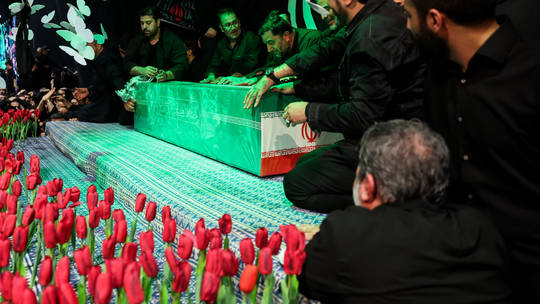
A near-term escalation around Ayatollah Ali Khamenei’s funeral is likely as Tehran warns of a harsh response to any Israeli or US move. Israel is sustaining operations across several fronts, while oil flows through the Strait of Hormuz have recovered above 10 million barrels per day but remain at risk from IRGC enforcement.
Executive summary
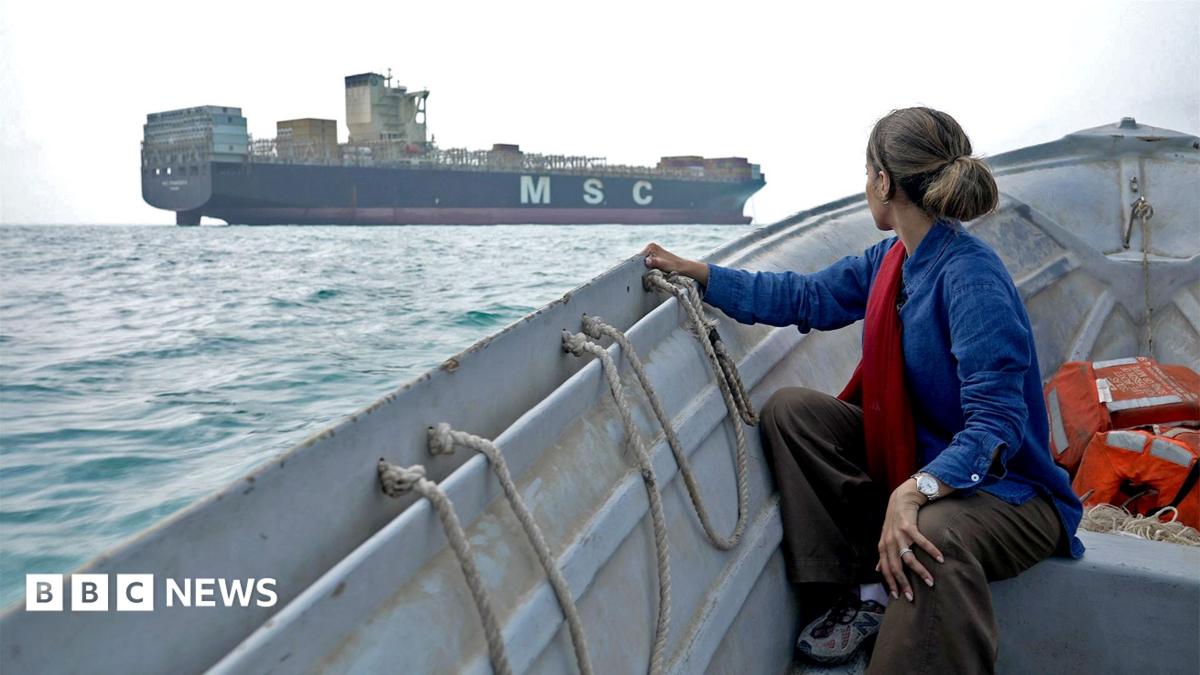
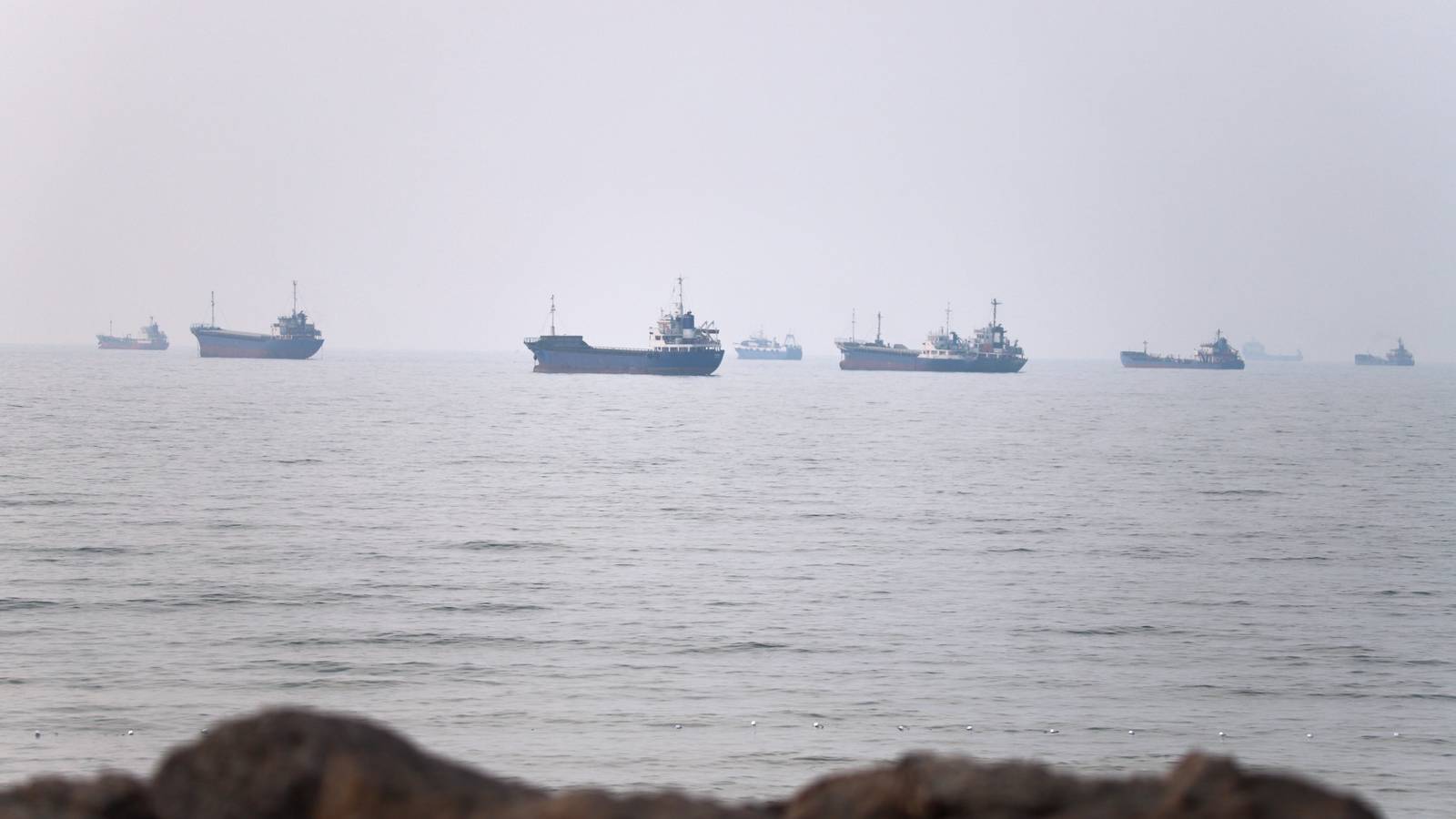
Tehran has warned Washington and Jerusalem against any action during Khamenei’s funeral, following Iranian strikes on Israel and US bases earlier in the war and amid a pause in indirect US-Iran talks. The IDF is operating on multiple fronts, has maintained a presence in a Syrian buffer zone since December 2024, and is preparing a broad offensive option against Hezbollah, as skirmishing continues near Bint Jbail. In the Strait of Hormuz, commercial traffic has resumed and reportedly surged above 10 million barrels per day with US backing, yet Iran is enforcing routing, has fired on non-compliant ships and conducted a drone attack on a container vessel. Casualty reporting from Hormozgan province and across Israel points to continuing cross-border strike effects. Freight rates are rising, reflecting persistent maritime risk and broader supply uncertainty.
Change from previous assessment
New since the prior brief: Tehran has issued specific warnings tied to Khamenei’s funeral and indirect US‑Iran talks are paused until after the burial, raising the near‑term escalation risk; oil flows through the Strait of Hormuz have recovered above 10 million bpd even as IRGC enforcement persists and a recent drone attack on a container ship highlights residual risk; the IDF remains active on several fronts, with a reported plan for a wide‑ranging option against Hezbollah and a fresh wounding near Bint Jbail reinforcing northern‑front friction. This brief raises the assessed likelihood of a short‑term flare‑up around the funeral window and refines the maritime outlook to a recovered‑but‑fragile flow regime.
Key judgments
- A near-term escalation spike around Khamenei’s funeral is likely, given Tehran’s explicit warnings and its record of regional retaliation, while indirect US-Iran talks are paused until after the burial. (Confidence: medium · ASSESSED)
- I&W: Iran issues nationwide airspace or security restrictions and conducts additional missile or drone launches during 4-9 July funeral events (0-14 days)
- I&W: Announcement that indirect US-Iran talks will resume immediately after the burial without new preconditions (0-14 days)
- The IDF is very likely to sustain and, if required, expand operations on the northern fronts, including preparations for an offensive against Hezbollah, while maintaining rapid-response posture in the Syrian buffer zone. (Confidence: high · ASSESSED)
- I&W: Additional IDF reserve call-ups and artillery or armour movements into the northern sector with publicised staging areas facing southern Lebanon (0-14 days)
- I&W: Official notice or credible reporting of a Northern Command operational pause and de-escalatory rules of engagement along the Blue Line (0-14 days)
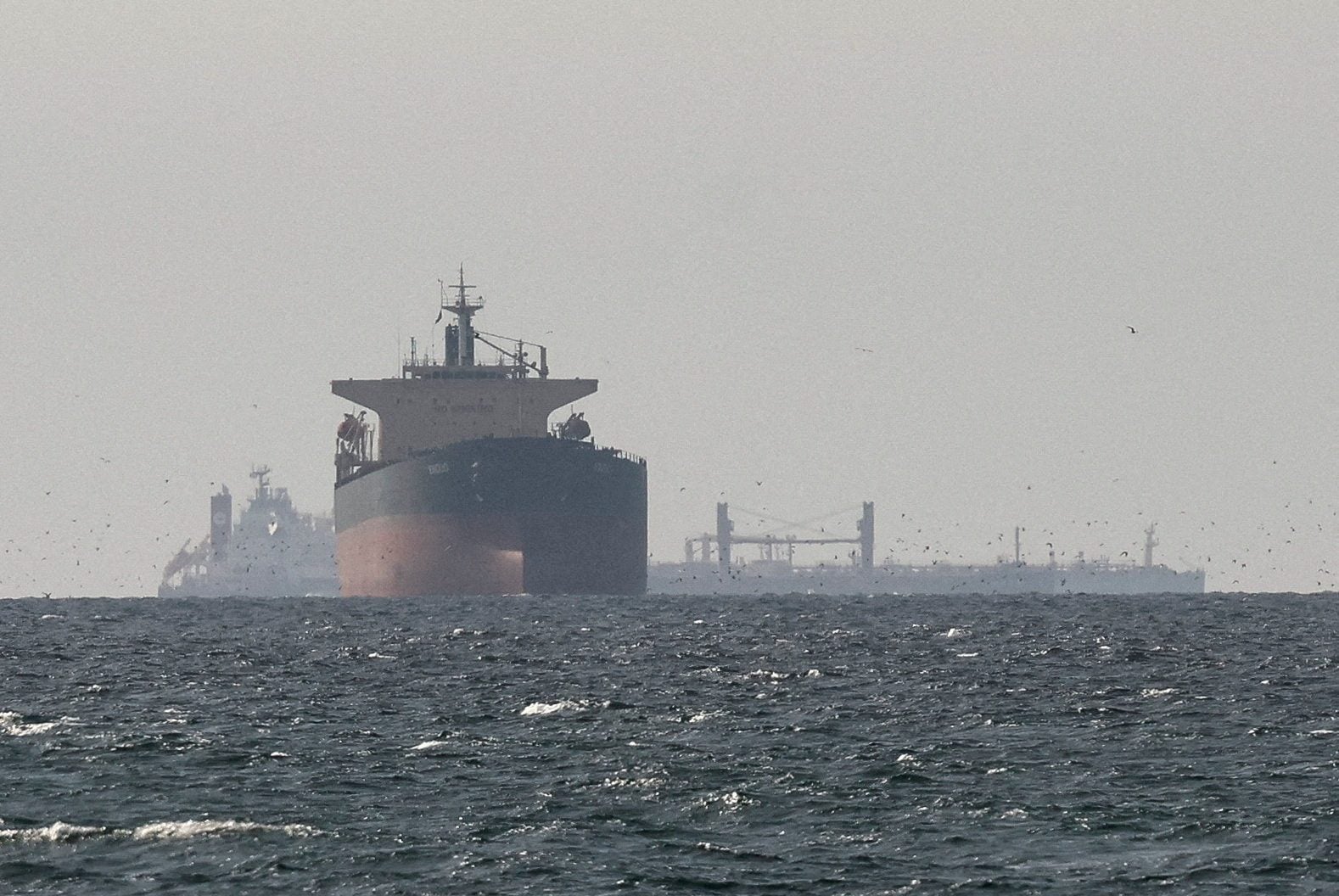
- Maritime risk in the Strait of Hormuz remains high despite recovered flows, and Iran is likely to keep enforcing routing and threatening or attacking non-compliant shipping. (Confidence: high · ASSESSED)
- I&W: Documented IRGC firing, boarding or UAV strike against a flagged merchant vessel transiting outside Iran-approved lanes (0-14 days)
- I&W: Public Iranian acceptance of maritime MoU terms and two weeks of uninterrupted commercial transits without incident (0-14 days)
- Cross‑border strikes are causing sustained casualties in Iran’s Hormozgan province and across Israel, and attrition is unlikely to abate in the next fortnight. (Confidence: medium · ASSESSED)
- I&W: New official casualty bulletins from the Red Crescent in Hormozgan or Israeli authorities reporting fatalities or mass injuries from missile or UAV attacks (0-14 days)
- I&W: Fourteen consecutive days without ballistic missile alerts in Israel and no new conflict‑related fatality reporting from Hormozgan (0-14 days)
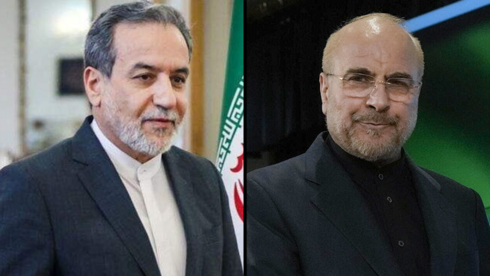
- The risk of targeted killings of senior Iranian officials remains high and will likely constrain diplomacy for at least the next month. (Confidence: high · ASSESSED)
- I&W: Public reporting of diverted or delayed flights for Abbas Araghchi or Mohammad Bagher Ghalibaf due to threat intelligence (0-14 days)
- I&W: Publicly documented in‑person talks featuring Araghchi and Ghalibaf in Switzerland without extraordinary security rerouting (1-3 months)
- Freight rates are rising and volatility in energy logistics will likely persist into the next quarter as Hormuz risk endures. (Confidence: medium · ASSESSED)
- I&W: Successive weekly increases in the Drewry World Container Index and new carrier surcharges on Asia, US and Asia, Europe lanes (1-3 months)
- I&W: Public announcement of sustained ship‑escort operations resuming near Oman without further attacks on commercial traffic (0-14 days)
Outlook & scenarios
Funeral week passes without new major salvos, deterrence signalling continues and shipping holds steady (40%)
Iran keeps up rhetorical warnings but refrains from fresh large‑scale launches as the funeral proceeds. Indirect talks stay paused for days then quietly resume. Oil flows remain above 10 million barrels per day through the Strait of Hormuz under an interim understanding and US pressure, with Gulf capitals prioritising restoration of pre‑February 2026 navigation.
Funeral flashpoint triggers tit‑for‑tat strikes and at‑sea incidents (35%)
A funeral‑week incident prompts Iranian salvos on Israel or US bases, followed by limited Israeli retaliation. The IRGC enforces routing more aggressively, with a fresh boarding or UAV strike on a merchant ship. Flows dip temporarily and insurers widen risk premia, though traffic does not fully stop.
Northern front widens into a limited IDF offensive against Hezbollah (25%)
Continued exchanges near Bint Jbail and political signalling in Jerusalem lead the IDF to execute parts of a prepared offensive plan against Hezbollah. Cross‑border fire intensifies, displacing civilians on both sides and drawing in additional Israeli reserves while the IDF maintains a rapid‑response posture in the Syrian buffer zone.
Targeted killing of a senior Iranian negotiator collapses talks and shutters Hormuz temporarily (15%)
An attack on Abbas Araghchi or Mohammad Bagher Ghalibaf during or near talks collapses the channel. Tehran orders a hard closure attempt at Hormuz, issues coercive routing notices and threatens or fires on non‑compliant tankers. US naval posture sustains partial flows, but energy and freight markets jump sharply.
Recommendations
- Establish a daily watch on Iranian NOTAMs, airspace advisories and IRGC maritime routing notices for the Strait of Hormuz; correlate with AIS patterns and reported flow estimates to detect deviation from the >10 million bpd baseline.
- Prioritise OSINT collection on IDF Northern Command force posture, including reserve call‑ups, armour and artillery movements and public guidance related to communities near Bint Jbail and along the Blue Line.
- Maintain a dedicated tracker for senior Iranian officials’ travel and security rerouting, especially flights involving Abbas Araghchi and Mohammad Bagher Ghalibaf; flag any diversions, emergency landings or unusual convoy activity as potential assassination‑risk indicators.
- Update casualty baselines weekly using official Israeli reporting on ballistic missile impacts and Iranian Red Crescent bulletins from Hormozgan; alert if fatality or mass‑injury events recur within 14 days.
- Monitor container freight benchmarks and carrier advisories for new surcharges or routing changes on Asia, US and Asia, Europe lanes; integrate with maritime security incident logs near Oman to assess when risk premia may ease or rise.
- Prepare a quick‑turn escalation checklist for the funeral period that includes triggers for surge reporting on missile launches, cross‑border fire in southern Lebanon, and merchant vessel incidents inside or east of the Strait of Hormuz.
Confidence & uncertainty
Multiple high‑confidence reports underpin the core picture: explicit Iranian warnings ahead of Khamenei’s funeral, prior Iranian strikes on Israel and US bases, IDF multi‑front operations including a Syrian buffer‑zone posture, and a recovery of Hormuz oil flows above 10 million bpd alongside continued IRGC enforcement and threats. That said, timelines for the war’s start and some strike attributions conflict across sources, and several elements draw on medium‑confidence or think‑tank reporting. Shipping conditions combine earlier closure accounts with later recovery, and casualty figures differ by scope and period. These inconsistencies and single‑source elements justify a medium overall confidence.
Alternative analysis (red cell)
Public warnings, reported pauses in diplomacy, and resumed commercial traffic create an alternative, defensible reading: Iran may be leveraging rhetoric and temporary diplomatic pauses as deterrence and de‑escalatory signalling rather than preparing an unavoidable short‑term spike in kinetic operations. Divergent casualty counts, mixed admiralty grades, and contradictions in the record reduce confidence that attrition, maritime interdiction, or targeted killings will necessarily accelerate in the immediate term.
Intelligence gaps
- [EEI 1.1 · PARTIAL] Detection and characterization of ballistic/cruise missile or rocket launches originating from Iranian territory or from Iran-controlled positions in Iraq/Syria (time, launch coordinates, missile type, flight trajectory/impact area). Recommended collection: satellite/imagery
- [EEI 1.2 · UNCOVERED] Movements and posture changes of Iran-backed proxy forces (Hezbollah units in Lebanon, militias in Syria/Iraq): concentrations of personnel, transport of rocket/artillery launchers, visible logistics build-up within operational range of Israel. Recommended collection: human/intel
- [EEI 1.4 · PARTIAL] Evidence of pre-positioning or arming of naval mines, fast attack craft, or anti-ship missile systems in the Gulf of Oman, northern Arabian Sea, or off the Lebanese/Syrian coasts that could be used to interdict Israeli or allied shipping. Recommended collection: maritime/AIS
- [EEI 2.1 · PARTIAL] Movements and tasking changes of external military assets: carrier strike groups, amphibious ready groups, expeditionary air wings, or ballistic-missile defense units into the Eastern Mediterranean, Persian Gulf, or Red Sea (vessel/aircraft IDs, routing, on-station times). Recommended collection: maritime/AIS
- [EEI 2.2 · PARTIAL] Formal diplomatic/military actions: evacuation orders or embassy closures, public troop posture statements, bilateral/multilateral defense commitments announced, requests for overflight or basing rights in regional states. Recommended collection: diplomatic
- [EEI 2.3 · PARTIAL] Changes to force protection or alert levels at foreign bases in the region (e.g., US bases in Kuwait, Qatar, UAE; Russian bases in Syria): activation of additional air defenses, curfews, or reinforcement shipments (personnel/equipment manifests). Recommended collection: signals/intel
- [EEI 3.1 · PARTIAL] Incidents against commercial vessels: attacks, seizures, mine strikes, or forced rerouting of tankers and bulk carriers in the Strait of Hormuz, Bab al-Mandeb, Red Sea, or eastern Mediterranean (vessel names/IMO, location, damage/impairment). Recommended collection: maritime/AIS
- [EEI 3.2 · PARTIAL] Changes in crude oil and refined product flows from key terminals (reported tanker loading delays, terminal closures, throughput volumes at Kharg, Mina al-Ahmadi, Ras Tanura, and major Gulf ports compared to baseline). Recommended collection: commercial/ports
- [EEI 3.3 · PARTIAL] Market and insurance indicators: sudden spikes in war-risk or hull insurance premiums for Middle East routes, large moves in regional FX/stock indices, and notable changes in commodity futures (oil, freight rates) tied to regional risk perceptions. Recommended collection: financial/transactional
Cited sources
[1] haaretz.com · Iran warns U.S., Israel against attacks ahead of Khamenei funeral (A) · sha256:1be03f7f1ec1 [2] The Jerusalem Post · Live Updates: Latest from Israel, Iran, and Middle East | The Jerusalem Post (A) · sha256:ec33d96da1f6 [3] Wikipedia · Reactions to the 2026 Iran war (B) · sha256:6f2b9c9373d2 [4] globalvillagespace.com · Iran warns US and ‘Zionist regime’ against attacks on Khamenei funeral (B) · sha256:530f842c83b5 [5] alquds.co.uk · معاريف. دروس إسرائيل بعد مرور ألف يوم على 7 أكتوبر: نحتاج إلى عقيدة أمن جديدة (B) · sha256:10342c58b58e [6] Al Jazeera · مؤتمر هرتسليا. إسرائيل تواجه إخفاقات الحروب وهواجس التفكك (A) · sha256:92ae7df8663a [7] The Jerusalem Post · Reporter’s Notebook: The threat along Syrian buffer zone is far from over for Israel (B) · sha256:63999108570f [8] gcaptain.com · US Sees 10 Million Barrels Via Hormuz Sapping Iran Oil Leverage (B) · sha256:3aff126bf140 [9] BBC · Strait of Hormuz: BBC sees seized ships and stranded tankers on visit to Iran (A) · sha256:9a54c0531e08 [10] military.com · Iran Warns Oil Tankers to Use Approved Routes in Strait of Hormuz or Face a ‘Forceful Response’ (B) · sha256:d5135db7a4ca [11] gcaptain.com · Global Container Spot Rates Jump 9% as Transpacific, Asia-Europe Trades Tighten (C) · sha256:ba382447ab97 [12] ynetnews.com · Report: US feared Israel would kill Iran negotiators during peace talks (A) · sha256:bba04bd5db6e [13] investinglive.com · US officials believed Israel might have been plotting to assassinate Iran's negotiators (B) · sha256:18c51573bebc [14] nypost.com · US officials feared Israel was plotting to kill head Iranian negotiators: report (B) · sha256:4b879b484d78 [15] Wikipedia · Economic impact of the 2026 Iran war (B) · sha256:204c7f4fdc71
Source content hashes were computed at collection time; the cited text is preserved unmodified for the life of this product.
Red cell review: PARTIAL DISSENT
TLP:CLEAR