TLP:CLEAR · Disclosure is not limited.
Iran and Ukraine: Interconnected Escalation Risks
Time window: Last 7 days · Audience: General analyst · Type: Situation report · DTG: 2026-08-26 06:09Z · Overall confidence: LOW
BLUF
A wider global conflict is unlikely in the next 1-3 months, but the Iran and Ukraine conflicts are likely to remain operationally linked and to sustain pressure on shipping, energy markets and regional security. The most immediate warning is the combination of unresolved US-Iranian coercion, contested mine clearance in the Strait of Hormuz and reported Iranian consideration of strikes on US facilities in Southeast Europe.
Executive summary
The reporting indicates that Iranian drones are being used in Ukraine, Russia is supporting Iran with military technology and targeting, and Ukraine is sharing anti-drone expertise with Gulf states. US-Iranian negotiations remain unsettled: Tehran has not yielded to pressure, while separate reports describe a memorandum, Pakistani mediation and an Iran-Oman navigation framework. Commercial traffic through the Strait of Hormuz remains disrupted, with conflicting reporting on mine clearance and continued Iranian control over vessel movements. The evidence base is weakened by contradictory claims, lower-confidence reporting on escalation plans and the inclusion of stale 2023 material alongside August 2026 reporting.
Key judgments
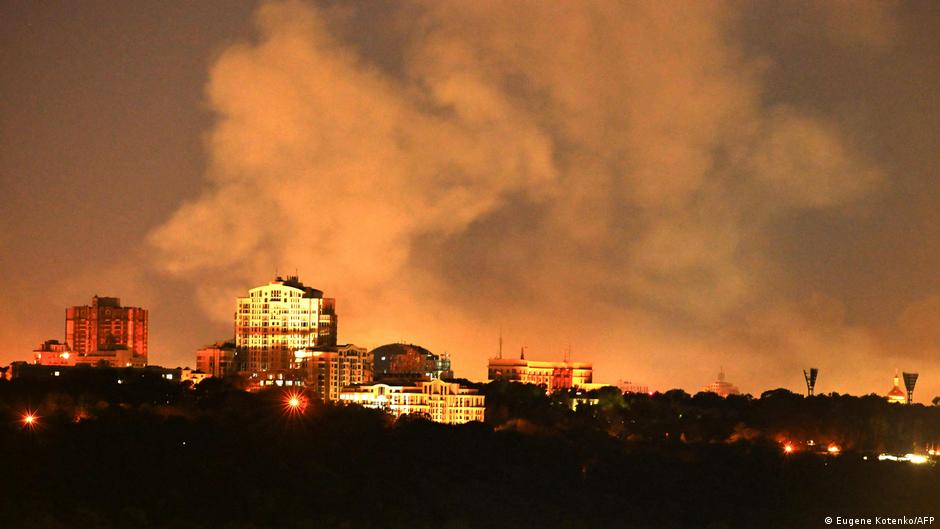
- Iranian drones are being used in Ukraine, Russia is helping Iran with military technology and targeting, and Ukraine is exporting anti-drone expertise to Gulf states. Taken together, these reports indicate that the Iran and Ukraine conflicts are likely becoming operationally linked. This is a low-confidence assessed judgement because the linkage rests on a small set of major-media and think-tank reports, with one reported attribution explicitly contested. (Confidence: low · ASSESSED)
- I&W: CONFIRM: independent official or imagery-based reporting identifies additional Iranian drones in Ukrainian operations and Russian military technology or targeting support to Iran. (0-14 days)
- I&W: BREAK: authoritative reporting withdraws either the Iranian attribution for drones in Ukraine or the reported Russian support to Iran. (0-14 days)
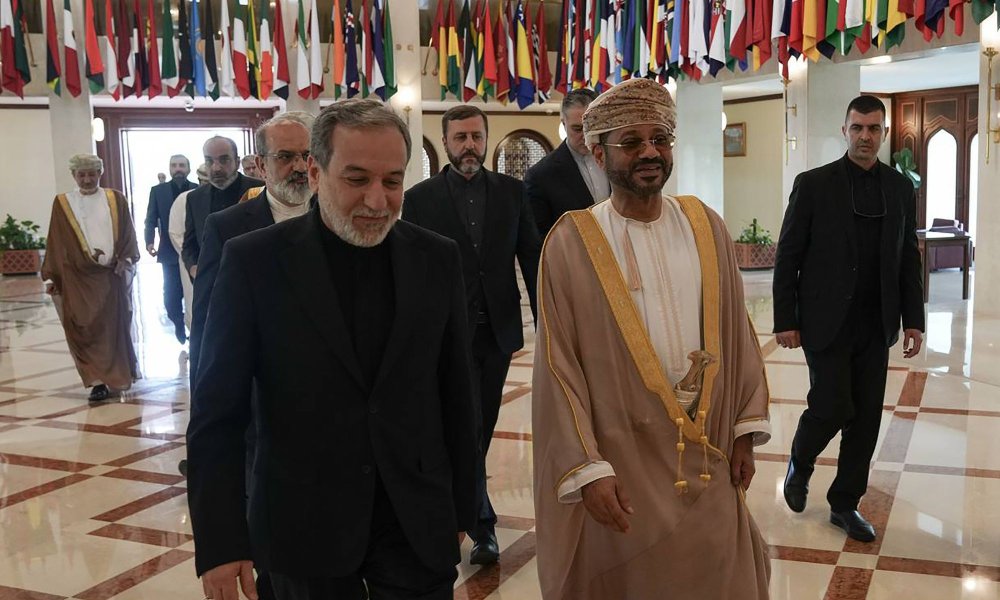
- An enduring coercive standoff between Washington and Tehran is likely over the next 1-3 months. Tehran has not yielded to bombing or economic pressure, the two-month negotiation period ended without an agreement, and the US has threatened severe sanctions. The reported memorandum defended by Masoud Pezeshkian, Pakistani mediation and the Iran-Oman framework indicate diplomatic activity, but a separate future-dated report of a September 2026 binding deal conflicts with the report that no agreement had been reached. Confidence is low because the diplomatic status is directly contradicted in the available reporting. (Confidence: low · ASSESSED)
- I&W: CONFIRM: Washington announces further sanctions and Tehran issues a new retaliation threat without publishing an implementing agreement. (0-14 days)
- I&W: BREAK: Iran, Oman and the US publish binding terms for navigation and demonstrate implementation through sustained regular ship traffic. (1-3 months)
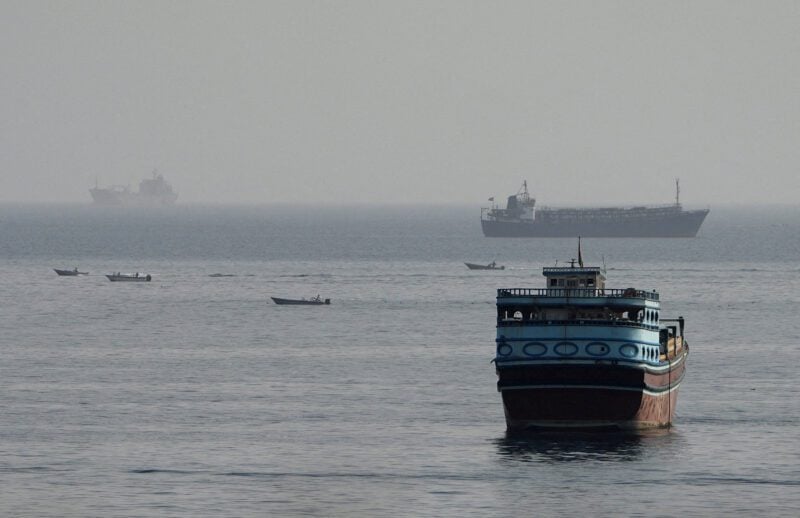
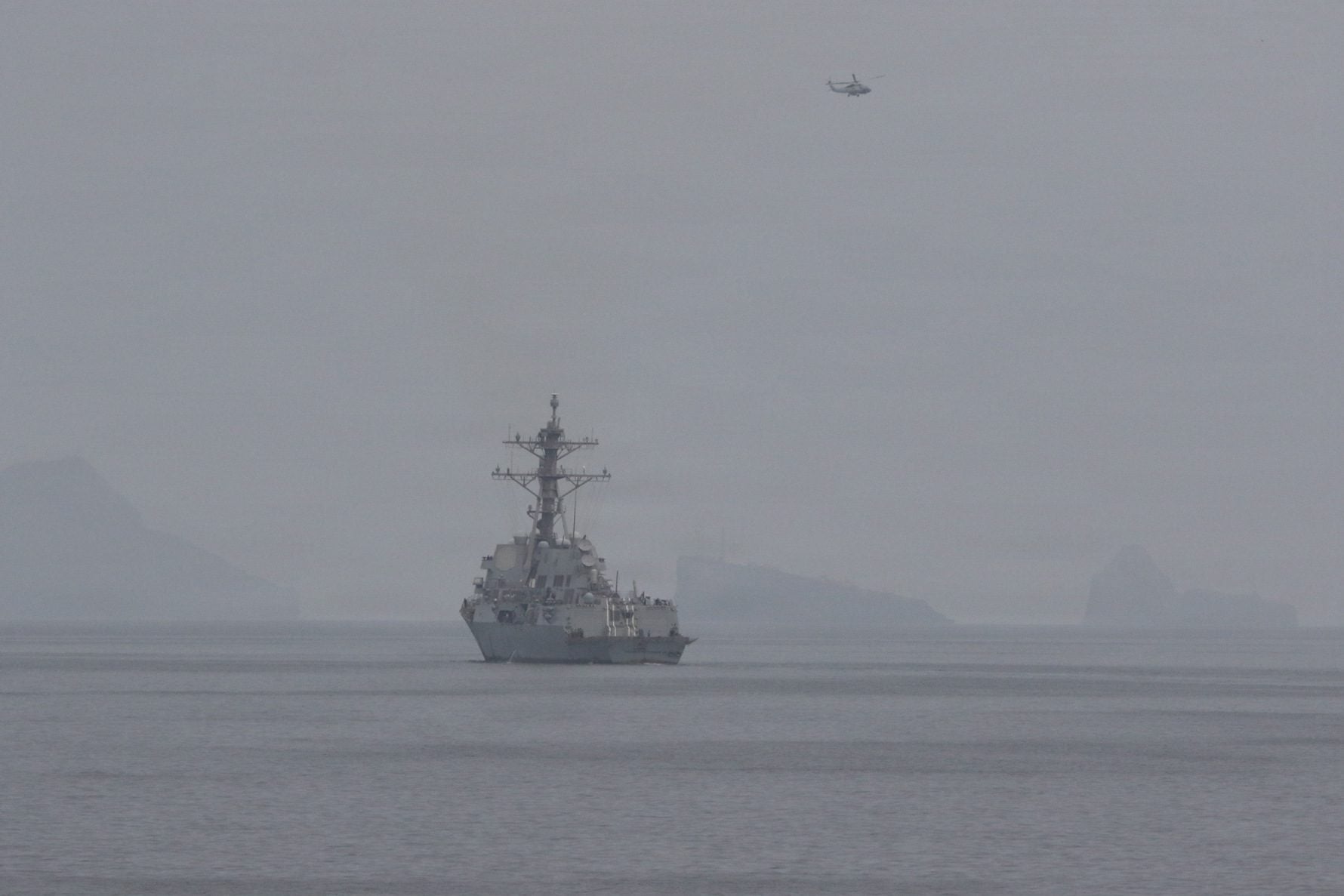
- Commercial shipping through the Strait of Hormuz is likely to remain below pre-war levels over the next 0-14 days. President Donald Trump and the US Navy have reported that mines were cleared from international waters, while the Joint Maritime Information Center has warned that drifting or uncharted mines remain a danger and that clearance and surveying continue. Iran has also continued asserting authority over vessel movements and has published a 46-vessel list. Confidence is low because the mine-status reporting conflicts and the traffic evidence includes low-confidence reporting. (Confidence: low · ASSESSED)
- I&W: CONFIRM: JMIC retains active mine-danger areas and a severe threat rating while Iran adds vessels to its non-compliant list or detains a named vessel. (0-14 days)
- I&W: BREAK: verified regular ship traffic returns near pre-war levels under an operating navigation corridor and documented mine-clearance arrangements. (1-3 months)
- An Iranian strike on US military facilities in Southeast Europe is unlikely in the next 0-14 days, but the reported planning makes this a live high-impact warning. Reporting identifies Southeast Europe, Bulgaria and Southern Europe as areas considered for attacks, including potential use of medium-range ballistic missiles. Confidence is low because the claims describe planning and conditional intent, not an executed operation, and rely mainly on major-media reporting. (Confidence: low · ASSESSED)
- I&W: CONFIRM: Iran publicly names a US facility in Bulgaria or elsewhere in Southeast Europe as a target, or launches a medium-range ballistic missile towards such a facility. (0-14 days)
- I&W: BREAK: Iran and the US announce a de-escalation arrangement that explicitly excludes attacks on US facilities in Europe. (1-3 months)
- Energy, food and maritime effects are likely to widen even without a wider global conflict over the next 1-3 months. Oil prices have risen for a second consecutive week, reported Hormuz risks have increased fertilizer prices, the World Food Programme forecasts an additional 49 million food-insecure people from El Niño, and food production is depressed in South Asia and southern Africa. Confidence is medium because the economic and shipping indicators align, but the food and weather effects are forecast-based and rely mainly on think-tank and major-media reporting. (Confidence: medium · ASSESSED)
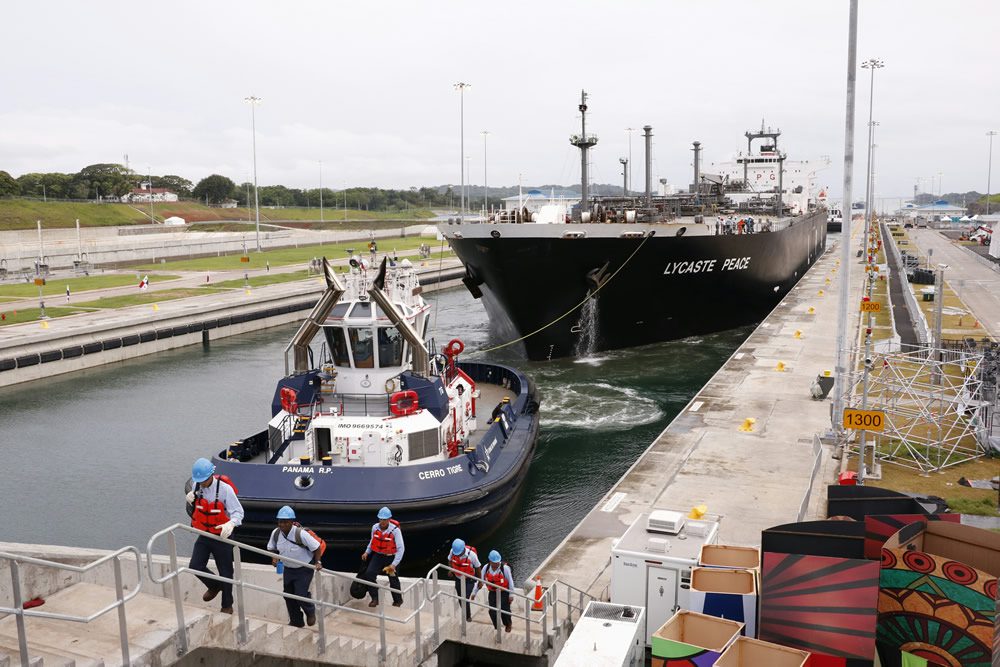
- I&W: CONFIRM: oil and fertilizer prices continue rising while Hormuz traffic remains below pre-war levels and Panama Canal waits remain as long as 11 days. (0-14 days)
- I&W: BREAK: oil and fertilizer prices stabilise or fall while verified Hormuz traffic returns near pre-war levels. (1-3 months)
Outlook & scenarios
Managed instability with partial Hormuz reopening (50%)
This is the most likely scenario. Iran and Oman sustain technical negotiations, Pakistan's mediation continues, and the temporary navigation corridor and mine-clearing project become operational. Ship traffic improves but remains below pre-war levels because Iran retains authority over transit arrangements and threatens penalties against non-compliant vessels. Washington and Tehran continue coercive diplomacy without a settled political agreement.
Prolonged coercive standoff and sustained shipping disruption (35%)
US sanctions pressure continues, Tehran maintains its position, and the diplomatic tracks fail to produce an implementing agreement. JMIC continues to report mine danger areas and severe risk, while Iran maintains vessel lists and transit requirements. Russia remains dug in in Ukraine, reinforcing the wider pattern of managed instability.
Direct Iranian strike on US facilities in Southeast Europe (10%)
This is unlikely but high impact. Following further US escalation, Iran acts on reported planning for attacks on US facilities in Southeast Europe, particularly Bulgaria, potentially using medium-range ballistic missiles. A strike would widen the conflict geographically and create pressure for a US response involving European allies.
Compound energy, shipping and humanitarian shock (30%)
Hormuz disruption persists while the super El Niño begins in September 2026. Oil and fertilizer prices rise, Panama Canal constraints add shipping pressure, and depressed food production in South Asia and southern Africa combines with the World Food Programme's forecast of 49 million additional food-insecure people. The result is a broad economic and humanitarian shock without direct global war.
Recommendations
- Reconcile daily JMIC advisories, US Navy statements and commercial vessel tracking for the Strait of Hormuz. Record changes to mine-danger areas, clearance operations, ship transits, Iran's 46-vessel list and the 45-tanker blacklist.
- Establish a 0-14 day warning watch for Iranian statements or military activity naming US facilities in Bulgaria or elsewhere in Southeast Europe. Give priority to evidence of medium-range ballistic missile preparations and reported study of attacks on underwater fibre-optic cables in the Strait of Hormuz.
- Track the Iran-Oman framework, Pakistan's mediation and Masoud Pezeshkian's memorandum as separate diplomatic channels. Do not revise the assessment towards resolution until Iran, Oman and the US publish binding terms and provide evidence of implementation.
- Maintain an exposure dashboard covering oil prices, fertilizer prices, Hormuz transits, Panama Canal waiting times and food-production reporting for South Asia and southern Africa. Update it at least weekly through the expected September 2026 start of the super El Niño.
- Apply source controls before using the escalation claims in warning products. Separate August 2026 reporting from stale 2023 material, flag blog and unknown-source claims, and treat the reported September 2026 binding deal as unverified until its status is resolved.
Confidence & uncertainty
Overall confidence is low because the central assessment relies mainly on major-media and think-tank reporting, while several escalation warnings are based on lower-confidence or single-source material. The evidence contains important contradictions, especially over the status of a US-Iran agreement and whether mines remain in the Strait of Hormuz. The dataset also mixes August 2026 reporting with stale 2023 claims and a future-dated September 2026 deal, creating uncertainty over chronology and current status.
Cited sources
[1] dw.com · Are the Iran and Ukraine crises morphing into a world war? (B) · sha256:f886a599d34d [2] warontherocks.com · Managed Instability: Why the Wars Against Iran and Ukraine Can Go On and On and On… (C) · sha256:6c733a6deb08 [3] eurotopics.net · Война в Иране: США делают ставку на экономическое давление? (B) · sha256:99e8dad70158 [4] ena.et · Middle East Tensions, Ukraine War and Rising Pressure on Global Trade (B) · sha256:88715beb16c1 [5] gcaptain.com · Iran Vows to Resist Widened U.S. Sanctions, Says Washington Seeks Talks (B) · sha256:eb63e35b3d80 [6] gcaptain.com · Iran and Oman Unveil Framework for Future Management of Strait of Hormuz (B) · sha256:39e674294e6b [7] Atlantic Council · Four scenarios for a looming global food crisis (C) · sha256:1ec9ad793bff [8] gcaptain.com · Malacca Strait States Will Keep Waters ‘Free, Open and Safe’ (B) · sha256:f45bb829508f [9] gcaptain.com · Trump Says U.S. Navy Has Cleared All Mines From Strait of Hormuz (B) · sha256:ee981c65b240 [10] gcaptain.com · Iran Blacklists 46 Ships On Hormuz ‘Non-Compliant’ List (B) · sha256:1fefbf4718a6 [11] gcaptain.com · Commodity Vessel Transits Through Strait of Hormuz Hit Three-Month Low, Data Shows (A) · sha256:916e143ac195 [12] news.liga.net · FT: Иран рассматривает возможность ударов по объектам США в Европе в случае эскалации (B) · sha256:86eb61d8b1b5 [13] gcaptain.com · Panama Canal Auction Hits New Record at $5.3 Million (B) · sha256:4fd0ad3dc4eb
Source content hashes were computed at collection time; the cited text is preserved unmodified for the life of this product.
Red cell review: CONCUR WITH COMMENT
TLP:CLEAR