TLP:CLEAR · Disclosure is not limited.
Iran Conflict: Bahrain and Hormuz Risks Rise
Time window: Last 1 day · Audience: General analyst · Type: Situation report · DTG: 2026-11-22 12:40Z · Overall confidence: HIGH
BLUF
The supplied reporting for 21-22 November centres on Iranian-reported attacks in Bahrain and tanker strikes near the Strait of Hormuz, increasing immediate risk to US-linked sites and commercial shipping. Strait traffic continues at reduced levels; the reported damage to US facilities in Bahrain and Iranian claims of US aircraft losses remain disputed or unverified.
Executive summary
Bahrain reported an Iranian strike on a civilian industrial facility and said two people were injured. The IRGC separately claimed attacks on US positions at Al-Riffa and Awali, including radar systems, while Bahrain and US accounts said aerial attacks were intercepted; the damage and target remain unresolved. UKMTO reported tankers struck while transiting the Strait of Hormuz, and its figures show reduced but continuing traffic. Iran's claims that it damaged a US F-16 and downed US drones lack independent confirmation in the supplied reporting. The IAEA verification gap in Iran remains a continuing concern.
Change from previous assessment
Since the 21 November brief, the assessment has shifted towards higher near-term regional risk because Bahrain reported an Iranian strike on a civilian industrial facility, two injuries, and IRGC claims of attacks on US positions at Al-Riffa and Awali. The shipping assessment now incorporates UKMTO figures showing 263 transits, including 37 oil tankers, during 12-18 November, which supports reduced but continuing passage rather than a total closure. This brief adds judgments on Bahrain and the disputed US aircraft-loss claims. The prior estimate of a roughly even chance of a further US strike by 5 December is not revised because the new reporting does not resolve the US decision.
Key judgments
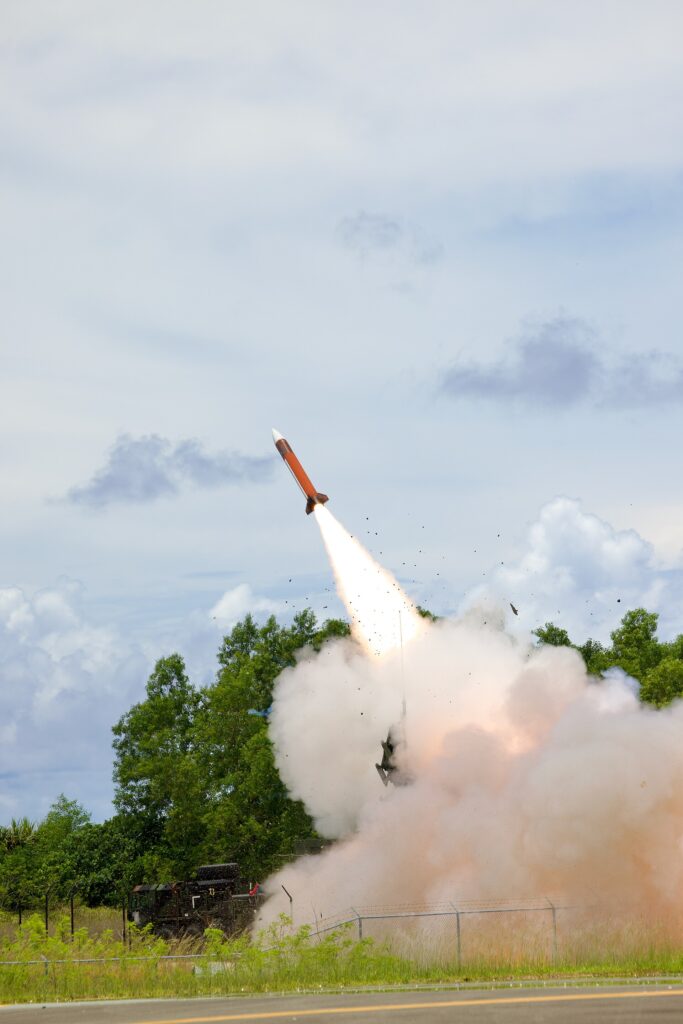
- Iranian attacks reported in Bahrain are likely to keep US-linked sites and civilian infrastructure there at elevated risk over the next 14 days. Bahrain reported an Iranian strike on a civilian industrial facility and two injuries, one person in critical condition. The IRGC said it targeted US positions at Al-Riffa and Awali, including Patriot radar systems. Bahrain and US accounts said aerial attacks were intercepted, and the IRGC's claimed radar damage is not independently confirmed. Bahrain's initial report of no casualties conflicts with its Interior Ministry's later injury report. (Confidence: medium · ASSESSED)
- I&W: Bahrain reports another Iranian missile or drone alert, strike, or interception involving Al-Riffa, Awali, Sakhir, or the US Fifth Fleet facilities. A further incident would support this assessment. (0-14 days)
- I&W: Bahrain or US authorities publish evidence confirming damage to a named US radar or civilian industrial site, or independently establish that no such damage occurred. Either result would clarify the unresolved target and damage claims. (0-14 days)
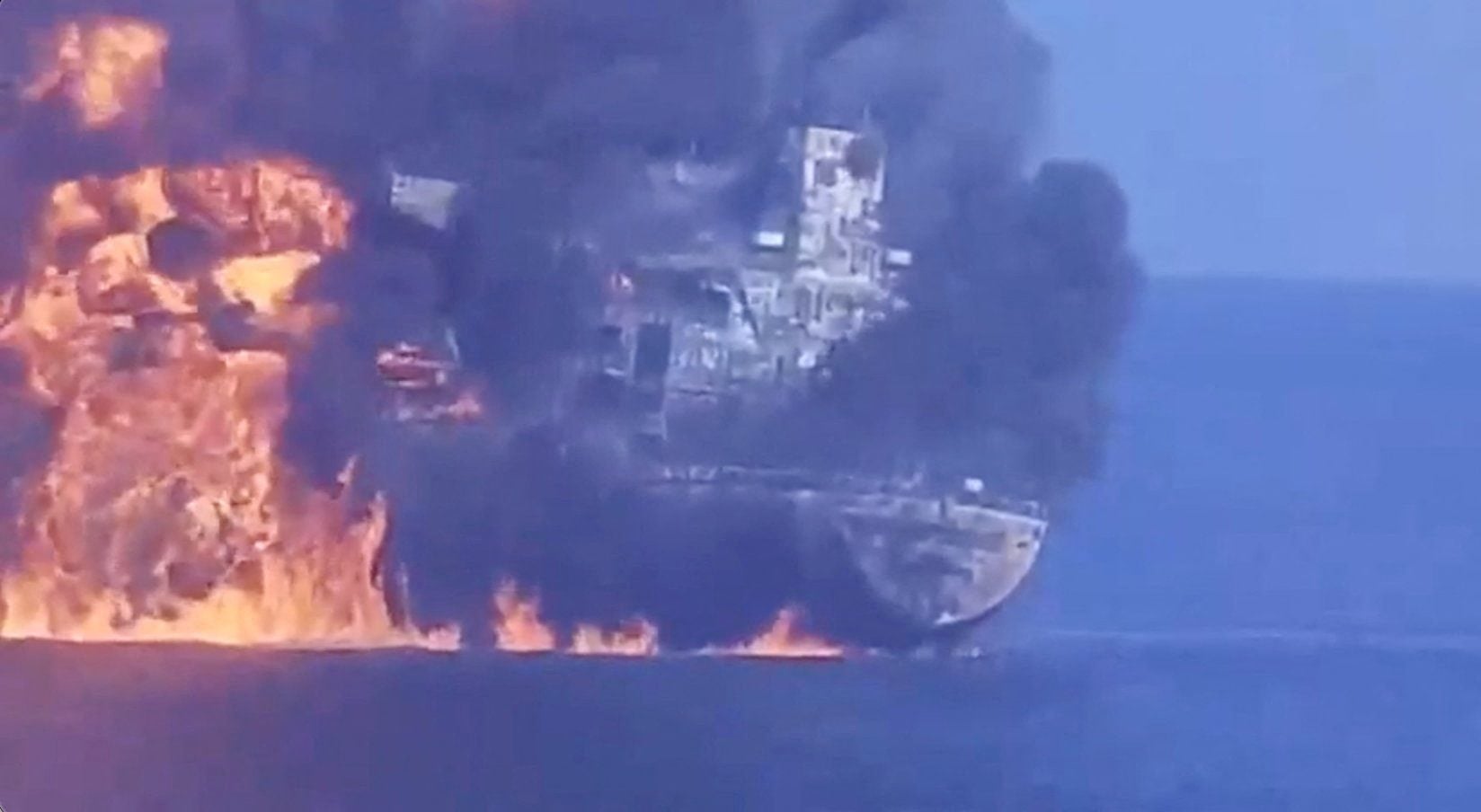
- Commercial shipping in the Strait of Hormuz is likely to remain hazardous and below recent traffic levels over the next 14 days, but the available transit data do not establish a total closure. UKMTO reported two tankers hit by shells while exiting the Strait on 21 November and separately reported a tanker hit in its engine room 17 nautical miles east of Khasab; the supplied reporting does not resolve whether these accounts overlap. UKMTO recorded 263 transits, including 37 oil tankers, between 12 and 18 November, with total transits 15 per cent below the previous week. Iran's restrictions and the IRGC's claim that unauthorised traffic is barred are consistent with disruption, not an absence of passage. (Confidence: medium · ASSESSED)
- I&W: UKMTO reports another tanker hit, damaged, or diverted near Khasab or in the Strait of Hormuz. A new incident would support continued elevated shipping risk. (0-14 days)
- I&W: UKMTO's next weekly transit figures return to the previous week's level and tanker transits recover from the reported 37. A sustained recovery would weaken the assessment of continuing disruption. (1-3 weeks)
- The reported damage to a US F-16 and Iranian claims of US drone shoot-downs remain unverified. Iran's Army said it fired on a US F-16 over the Persian Gulf and damaged the aircraft; US Central Command denied that Iran attacked an F-16. Iranian forces also claimed to have downed an MQ-1, while the IRGC claimed an MQ-9 loss. The supplied reporting does not independently confirm any of these aircraft losses. (Confidence: low · REPORTED)
- I&W: US Central Command or another independently attributable source confirms damage to a named F-16, MQ-1, or MQ-9, with an incident location and date. Such confirmation would break the assessment that the losses remain unverified. (0-14 days)
- I&W: US Central Command provides a specific aircraft-loss accounting that addresses the Iranian claims, and no independent imagery or reporting supports them. This would reinforce their unverified status. (0-14 days)
- The IAEA verification gap in Iran is very likely to persist through 22 February 2027. The Agency has reported that it lacks access to the Isfahan enrichment plant and information on declared nuclear facilities and material, and has lost continuity of knowledge over Iran's previously verified high-enriched uranium stockpile. The forecast is an inference from the reported access and verification conditions, not a direct report of future Iranian decisions. (Confidence: medium · ASSESSED)
- I&W: The next IAEA safeguards reporting continues to record no access to the Isfahan enrichment plant or no updated information on declared nuclear material. This would support persistence of the gap. (1-3 months)
- I&W: The IAEA reports access to Isfahan and renewed verification of the previously verified high-enriched uranium stockpile. This would weaken the assessment. (1-3 months)
Outlook & scenarios
Continued Gulf exchanges and restricted shipping (55%)
Iran-Bahrain and Iran-US exchanges continue, with further alerts or attacks reported around Bahrain's US-linked sites. The Strait of Hormuz remains open to some traffic but tanker transits stay below recent levels. Claims about damage to US radars remain contested.
A pause in attacks and partial shipping recovery (30%)
Iran and the US give diplomatic efforts more room, and Bahrain reports no further attacks on civilian or US-linked sites. UKMTO records a sustained recovery in Strait of Hormuz transits. This path is consistent with Abbas Araghchi's call to give diplomacy a chance and Donald Trump's stated interest in a permanent deal.
High-impact expansion of the conflict (15%)
A confirmed Iranian strike causes multiple fatalities at a US-linked site in Bahrain, followed by US retaliation against Iranian military facilities. Further strikes on tankers sharply reduce traffic through the Strait of Hormuz. This is a low-probability, high-impact path.
Recommendations
- Maintain separate reporting lines for Bahrain's account of the industrial facility strike and the IRGC's claims about Al-Riffa and Awali. Do not treat either side's description of targets or damage as independently verified.
- Track Bahrain Interior Ministry and US Central Command updates on the two reported injuries, interception claims, and any damage to named facilities. Record changes in casualty figures with their reporting time.
- Use UKMTO incident notices and weekly transit totals to assess shipping risk. Reconcile the tanker reports near Khasab before counting them as separate incidents, and keep attacker attribution unresolved unless supported by evidence.
- Do not present Iranian claims of US F-16, MQ-1, or MQ-9 losses as confirmed. Look for an independently attributable US account or imagery before changing that assessment.
- Review the next IAEA safeguards reporting for access to Isfahan, information on declared nuclear material, and continuity of knowledge over the high-enriched uranium stockpile.
Confidence & uncertainty
High overall confidence is warranted for the broad picture: UKMTO reported tanker incidents and reduced but continuing transit, while Bahrain, US, Iranian, and IAEA statements establish the positions and reported events driving current risk. Confidence is lower on exact damage and target claims in Bahrain, the final casualty count, tanker-incident overlap, and Iranian claims of US aircraft losses. The headline rating reflects confidence in the situation-level assessment, not in each disputed tactical detail.
Alternative analysis (red cell)
The reporting establishes contested attacks in Bahrain and maritime disruption, but it does not yet demonstrate a sustained Iranian campaign or a durable decline in Strait traffic. The 263 recorded transits, unresolved overlap among tanker incidents, and conflicting accounts of Bahrain damage support continued uncertainty rather than a firm 14-day deterioration forecast. The IAEA gap is real, but its persistence to February 2027 remains a low-confidence extrapolation from current conditions.
Intelligence gaps
- [EEI 1.1 · UNCOVERED] Observed repositioning, sustained increases, or new forward basing of Iranian conventional or IRGC forces (armored units, missile batteries, aircraft, naval vessels) toward borders or regional launch points. Recommended collection: IMINT/satellite
- [EEI 1.2 · UNCOVERED] Hezbollah or other Iran-aligned proxy forces conducting mass mobilization, visible rocket/artillery emplacements, cross-border firing incidents, or preparations for cross-border operations from Lebanon, Syria, Iraq or Yemen. Recommended collection: HUMINT/ground ISR
- [EEI 1.4 · UNCOVERED] Interdicted or observed shipments (air, sea, land manifests, seizures, satellite imagery of transfers) of advanced weapons or missile components from Iran toward proxy groups or forward staging points. Recommended collection: maritime/AIS
- [EEI 2.1 · UNCOVERED] Satellite or on-the-ground imagery showing fires, damage, or operational shutdown at major oil export facilities, refineries, storage terminals, or key pipeline infrastructure in the Gulf and Red Sea. Recommended collection: IMINT/satellite
- [EEI 2.4 · UNCOVERED] Rapid increases in war-risk insurance premiums for Middle East routes, shipping company advisories to avoid region, or major charter cancellations tied to the conflict. Recommended collection: financial/open-source
- [EEI 3.1 · UNCOVERED] Movement/arrival of major foreign military assets into the region: US carrier strike groups, amphibious ready groups, strategic bomber flights, Russian/Chinese naval taskings, or allied expeditionary units (visible in AIS, NOTAMs, satellite imagery, official releases). Recommended collection: IMINT/satellite
- [EEI 3.2 · UNCOVERED] Official expedited arms transfers, basing/overflight agreements, or declarations of operational support (formal government announcements, defense ministry releases, logistics flight manifests). Recommended collection: open-source/diplomatic
- [EEI 3.3 · UNCOVERED] Embassy evacuations, large-scale personnel movements, issuance of government travel bans/advisories, or multinational security alerts affecting foreign nationals and diplomatic posture in the region. Recommended collection: diplomatic/open-source
- [EEI 3.4 · PARTIAL] High-level diplomatic/UN activity: scheduled or emergency Security Council meetings, published ceasefire proposals, or multilateral statements committing support/condemnation that precede changes in military posture. Recommended collection: open-source/diplomatic
Red cell review: PARTIAL DISSENT
TLP:CLEAR